分类: politics

  • Venezuela’s Acting President visits Barbados

    Venezuela’s Acting President visits Barbados

    BRIDGETOWN, Barbados – In a continued push for diplomatic engagement with Caribbean nations following dramatic political upheaval in her home country, Venezuela’s Acting President Delcy Rodríguez touched down in Barbados on Sunday. This trip marks her second visit to a member state of the Caribbean Community (Caricom) since she took office in January, after a United States incursion into Venezuela resulted in the detention of sitting President Nicolas Maduro.

    Rodríguez’s first Caricom stop came in early April, when she made a brief several-hour visit to Grenada on April 9. During that trip, she held closed-door talks with Prime Minister Dickon Mitchell and his full cabinet, an encounter an official Grenadian statement later characterized as having unfolded in a “cordial and constructive atmosphere.”

    While official details of her current Barbados itinerary have not been made public, a senior source familiar with the visit confirmed to the Caribbean Media Corporation (CMC) that Rodríguez is scheduled to hold one-on-one talks with Barbadian Prime Minister Mia Mottley before she departs the island nation Monday afternoon. The source noted that the trip is part of a broader diplomatic tour of Caribbean states, saying “She seems to be making the rounds to some Caribbean countries.”

    Despite the lack of pre-visit official details, Prime Minister Mottley released a public statement via her social media channels framing the meeting as a meaningful opportunity for bilateral and regional progress. “The visit will provide an opportunity for high level discussions on areas of practical cooperation and wider regional development,” Mottley wrote. She added that Barbados’s foreign policy framework has long been grounded in core principles of mutual respect, open dialogue, and results-driven engagement. “We continue to engage our partners with a clear focus on building relationships that can deliver tangible benefits for our people and the wider region,” she emphasized.

    Rodríguez’s diplomatic tour of the Caribbean comes on the heels of a high-profile meeting last week between the acting president and former Trinidad and Tobago prime minister Stuart Young, who shared a photograph of their gathering in Caracas across his social media platforms. Young, who previously served as Trinidad and Tobago’s energy minister, wrote on Facebook that “It was a pleasure meeting Her Excellency, Delcy Rodríguez, Presidenta Encargada, of the Bolivarian Republic of Venezuela earlier this week.”

    The meeting underscores the shifting diplomatic dynamics around Venezuela within the Caribbean, particularly for Trinidad and Tobago, where current Prime Minister Kamla Persad-Bissessar – who was declared “persona non grata” by Venezuela’s National Assembly – has a long history of open criticism toward both Rodríguez and the Maduro administration. Even so, Persad-Bissessar recently announced that Port of Spain plans to dispatch an official diplomatic mission to Caracas to advance negotiations over cross-border energy reserves, with the goal of securing what the government calls Trinidad and Tobago’s “just share” of the resources.

    At the center of these energy negotiations are two key offshore gas fields. The Dragon gas field, which sits within formally recognized Venezuelan territorial waters but lies in close proximity to Trinidad and Tobago’s existing energy infrastructure, has long been identified as a critical potential supply source for the country’s growing liquefied natural gas (LNG) industry. Development of the field has been stalled for years, however, due to persistent geopolitical tensions and sweeping international sanctions imposed on Venezuela’s energy sector. A second field, Loran Manatee, spans the two countries’ overlapping maritime boundaries, and while Trinidad and Tobago has already moved forward with development on its portion of the reserve, negotiations over Venezuela’s share remain ongoing.

  • GOB Launches $10 Million Solar Water Project in Four Villages

    GOB Launches $10 Million Solar Water Project in Four Villages

    In a major push to address long-standing rural water insecurity, the Government of Belize officially launched a $10 million sustainable infrastructure project this Friday that will deploy solar-powered water systems to households across four underserved communities in Toledo and Corozal Districts.

    Named the Securing Water Resources through Solar Energy and Innovative Adaptive Management (SEAM) initiative, the entire project receives full financing from the global Adaptation Fund, an international body dedicated to supporting climate adaptation actions in developing nations. The project targets four communities where consistent, clean access to potable water has remained an unmet need for years: three rural settlements in the southern Toledo District — Boom Creek, Dolores, and Otoxha — and one northern community, Copper Bank, located in Corozal District.

    Over the five-year implementation timeline, project officials estimate more than 1,800 local residents will gain direct, reliable access to improved water services through the new solar-powered infrastructure. Unlike traditional electric water systems that rely on costly, carbon-intensive grid power, the SEAM project’s solar design aligns with global climate adaptation goals, cutting operational costs while delivering long-term sustainable water access for vulnerable rural populations.

    The SEAM project first received formal approval in 2025 during the Adaptation Fund’s 45th Board Meeting held in Bonn, Germany. From its earliest planning stages, the initiative has been framed as a replicable pilot model: if successful, policymakers plan to scale the solar water model to dozens of other rural communities across Belize that grapple with identical water security challenges, many worsened by climate change-driven drought and shifting rainfall patterns.

    Oversight of the SEAM project will be managed by the Protected Areas Conservation Trust (PACT), while the country’s Ministry of Rural Transformation will lead on-the-ground implementation. Notably, preliminary construction and preparation work has already gotten underway in several of the target villages, marking an early milestone for the initiative that comes just one year after its formal approval.

  • Can Russia Help End the Iran Conflict?

    Can Russia Help End the Iran Conflict?

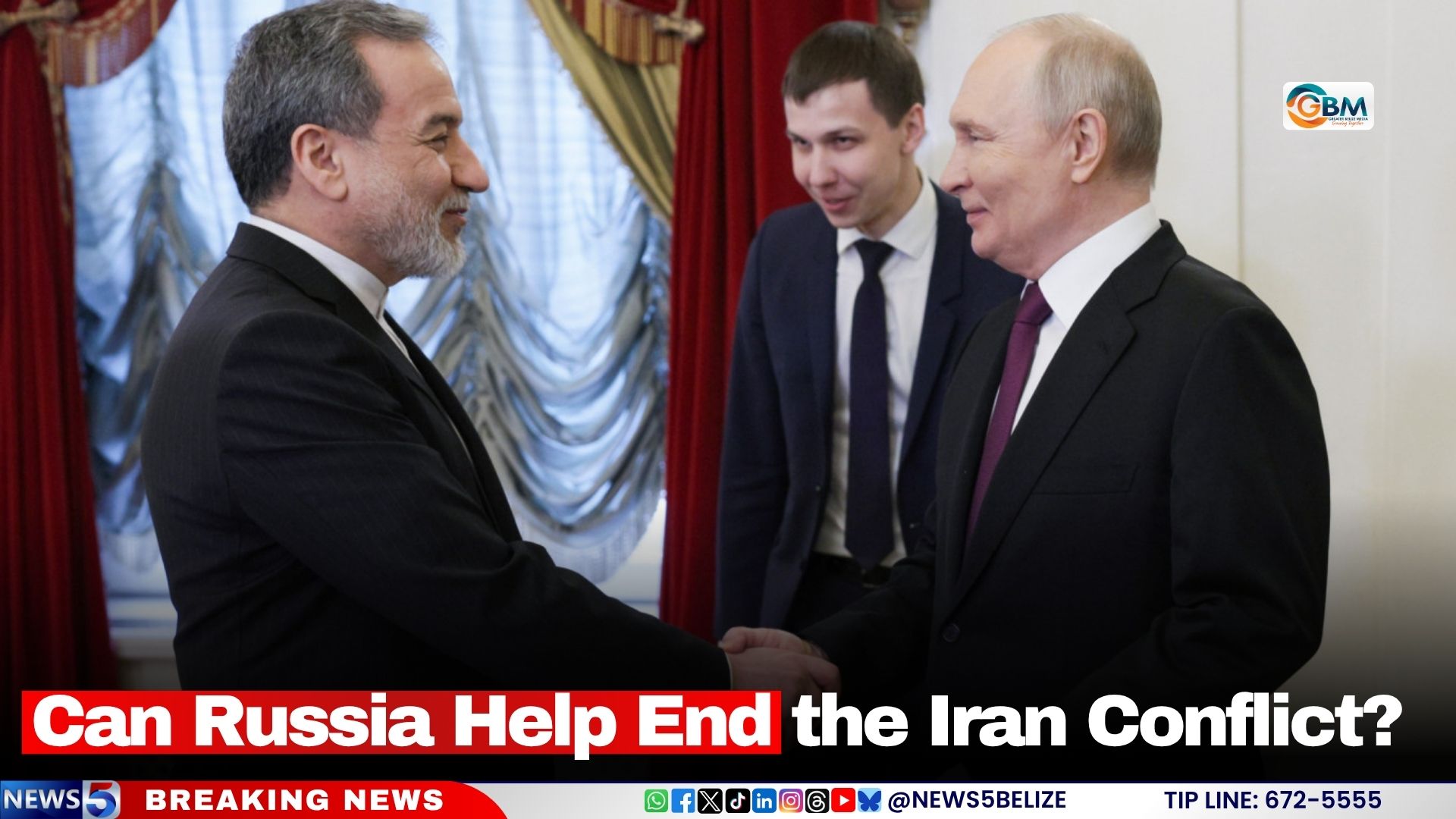
    On April 27, 2026, a high-stakes diplomatic meeting between Iranian Foreign Minister Abbas Araghchi and Russian President Vladimir Putin unfolded in St. Petersburg, bringing a new layer of regional dynamics to the escalating long-running conflict between Iran and the United States. Photographs published on Araghchi’s official Telegram channel captured a formal, cordial handshake between the two top diplomats alongside senior delegations from both nations, setting a cooperative tone for the discussions.

    In remarks carried by Russian state television, Araghchi framed the longstanding connection between Moscow and Tehran as a robust strategic partnership, one that both sides are committed to expanding in the coming months. Speaking to journalists after the closed-door talks, the Iranian foreign minister emphasized that his country has maintained a firm stance against pressure from what he called the world’s greatest superpower – the United States. He went on to assert that Washington has failed to secure any of its core policy objectives through its campaign of pressure on Iran, a remark that underscored Tehran’s continued defiance.

    Russian Foreign Minister Sergei Lavrov later characterized the bilateral talks as productive, confirming that the in-depth discussions ran for approximately 90 minutes. Long before the face-to-face meeting, Kremlin spokesperson Dmitry Peskov had already publicly announced that Russia stands prepared to take on the role of mediator in future peace negotiations aimed at de-escalating the ongoing Iran conflict. This announcement positions Russia as a key potential broker in a standoff that has gripped global security for decades, as Moscow seeks to expand its diplomatic influence in the Middle East while deepening its economic and security ties with Tehran.

    The meeting comes at a time of heightened friction across the Middle East, with U.S.-Iran tensions remaining at near-crisis levels after years of stalled negotiations over Iran’s nuclear program and regional military activities. By deepening bilateral cooperation and offering mediation, Russia is moving to solidify its role as a central player in Middle East peace processes, countering U.S. influence in the region while supporting its key ally Tehran.

  • Minister defends privacy amid controversy over public officer’s political clothing

    Minister defends privacy amid controversy over public officer’s political clothing

    A growing political controversy over a top Bahamian public official’s visible partisan activity has put the country’s public service neutrality rules under the spotlight, with top cabinet officials passing responsibility for addressing the situation between government departments.

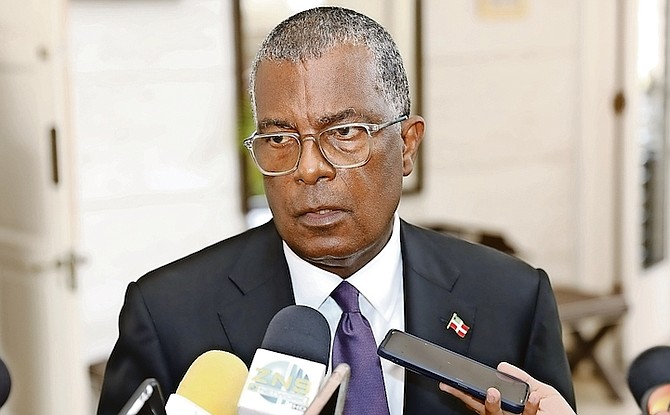
    Bahamas Foreign Affairs Minister Fred Mitchell said Tuesday he would not offer any public comment on the controversy surrounding Melvin Seymour, his ministry’s Permanent Secretary, who was photographed wearing branded gear of the ruling Progressive Liberal Party (PLP) during Nomination Day at a political rally on Cat Island, an event attended by Prime Minister Philip Davis.

    The incident drew sharp criticism last week from Brensil Rolle, the country’s former Public Service Minister. Rolle argued that Seymour’s public display of partisan affiliation directly violates the government’s General Orders, which mandate political neutrality for civil servants. He warned that failure to take disciplinary action would erode public trust in the independence and integrity of the public service, ultimately rendering the regulations governing public officials’ political activity unenforceable.

    Mitchell pushed back against repeated requests for comment during a press briefing, insisting that personal conduct falls to the individual and internal personnel matters should remain confidential. “I really don’t have any comment to make on any of that, except to say that one’s personal conduct is one’s personal conduct,” Mitchell said. “There are people who are responsible for the matters which you’ve raised, but that’s as far as I can go at this point.”

    When asked whether public servants across the country are treated equally regardless of their political alignment, Mitchell declined to answer, noting that it would be inappropriate for him to address the question. He emphasized that privacy should be the default standard for handling internal personnel issues, pushing back against growing demands for public transparency around the case.

    “I understand in this dispensation that privacy means nothing to anyone anymore, but my view is privacy is an important issue, and personnel matters are private and personal, unless that person wants to disclose what those issues are,” Mitchell said. He added that under his leadership of the Foreign Ministry, no public servant affiliated with the opposition Free National Movement (FNM) has faced dismissal or professional retaliation for their political membership.

    Mitchell repeatedly rejected further calls for public comment, reaffirming that internal personnel matters should not be debated in public and that the issue falls under the purview of other government bodies. “Again, I said personnel matters are private. I have no wish to delve into someone’s personal personnel issues in public, and I don’t think it’s appropriate to do so. I think that’s a question which ought to be left to others,” he said.

    Labour and Public Service Minister Pia Glover-Rolle clarified Sunday that the Seymour case falls under the jurisdiction of the Office of the Prime Minister. “The Office of the Prime Minister will, in that regard, handle any communications regarding that matter,” she said, adding that her department has already issued clear, repeated guidance on the General Orders that restrict public servants’ partisan political engagement.

    Latrae Rahming, communications director for the Prime Minister’s Office, confirmed Tuesday that Prime Minister Davis will address questions about Seymour directly to the press, though he could not provide a specific timeline for the briefing.

    At its core, the controversy hinges on whether Seymour’s public partisan display violated the General Orders that require all civil servants to remain politically neutral. Seymour, a retired public servant who was rehired into his current role, earns a total annual compensation package of $221,316, combining his salary, existing pension, and job-related allowances.

  • Opposition calls for parliamentary oversight of cement shortage

    Opposition calls for parliamentary oversight of cement shortage

    KINGSTON, Jamaica — As Jamaica struggles to move forward with recovery efforts in the wake of Hurricane Melissa, a top opposition official is sounding the alarm over a persistent national cement shortage, urging immediate parliamentary intervention to address a crisis that threatens both reconstruction work and broader national economic progress.

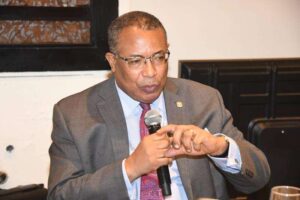
    Anthony Hylton, the opposition’s spokesman on Investment, Trade and Global Logistics, laid out his call for urgent action in an official press release issued Tuesday, pushing for the crisis to be immediately referred to parliament’s Economy and Production Committee. Hylton says the full parliamentary body must conduct a complete, transparent probe into the root causes of the shortage, evaluate whether the current government’s response to the disruption has been sufficient, and work out targeted policy interventions that will lock in stable cement supplies for Jamaica’s medium and long-term needs.

    In the days leading up to his formal request, Hylton has held a series of consultations with core stakeholders across Jamaica’s construction sector, from independent contractors and domestic manufacturers to hardware retail operators and major infrastructure investors. Across these conversations, stakeholders have repeatedly shared urgent concerns: the ongoing shortage has already thrown construction project timelines off schedule, eroded confidence among local and foreign investors, put thousands of sector jobs at direct risk, and driven up input and consumer costs across the entire construction ecosystem.

    “You cannot credibly promise to ‘build back better’ if we cannot even begin building at all,” Hylton emphasized in his statement. “Cement is the non-negotiable foundational input for every part of our work, from post-disaster reconstruction to upgrading national infrastructure and building long-term economic resilience. Relying on last-minute imports as a stop-gap is not a meaningful strategy — it is just a temporary band-aid that does nothing to guarantee long-term supply security or protect domestic Jamaican jobs down the line.”

    Hylton added that the widespread destruction caused by Hurricane Melissa should serve as a critical wake-up call for policymakers to shift away from reactive crisis management and toward proactive, forward-looking planning. “Hurricane Melissa has made it painfully clear that Jamaica needs to be prepared to rebuild quickly and effectively when disaster strikes. That level of preparedness depends on planning and action today, not scrambling for reactive fixes after a crisis hits,” he said. “Parliament has a core constitutional and public responsibility to make sure the right systems and stable supply chains are in place to support national recovery and drive long-term inclusive development.”

    Hylton went on to note that a comprehensive national strategy to guarantee stable, reliable cement supply is no longer a secondary policy concern — it is an urgent priority. This urgency is amplified by multiple overlapping demands: the ongoing need for post-Hurricane Melissa reconstruction, the national government’s own commitment to building back stronger and more climate-resilient infrastructure, and rapidly rising demand from major new projects spanning housing development, tourism infrastructure, manufacturing facilities, and national climate resilience upgrades.

    The crisis has not come without explanation. Carib Cement, Jamaica’s dominant domestic cement manufacturer, released a public update last week confirming that weeks of unusually heavy rainfall across the island have severely disrupted its operations. The adverse weather has created major challenges for raw material extraction and processing, and contributed to unplanned equipment breakdowns and process disruptions that have pulled down temporary production levels.

    While the company acknowledged that some supply delays persist, driven by both elevated post-reconstruction demand and ongoing adverse weather conditions, Carib Cement gave public assurances that cross-functional teams are working around the clock to restore full, optimal production levels as quickly as possible.

  • Seiveright warns against paralysis by debate in NaRRA dispute

    Seiveright warns against paralysis by debate in NaRRA dispute

    KINGSTON, Jamaica — As Jamaica’s House of Representatives prepares for a critical Tuesday evening vote on the National Reconstruction and Resilience Authority (NaRRA) Bill, a senior government legislator is pushing back hard against criticism that the proposed legislation contains fundamental structural flaws.

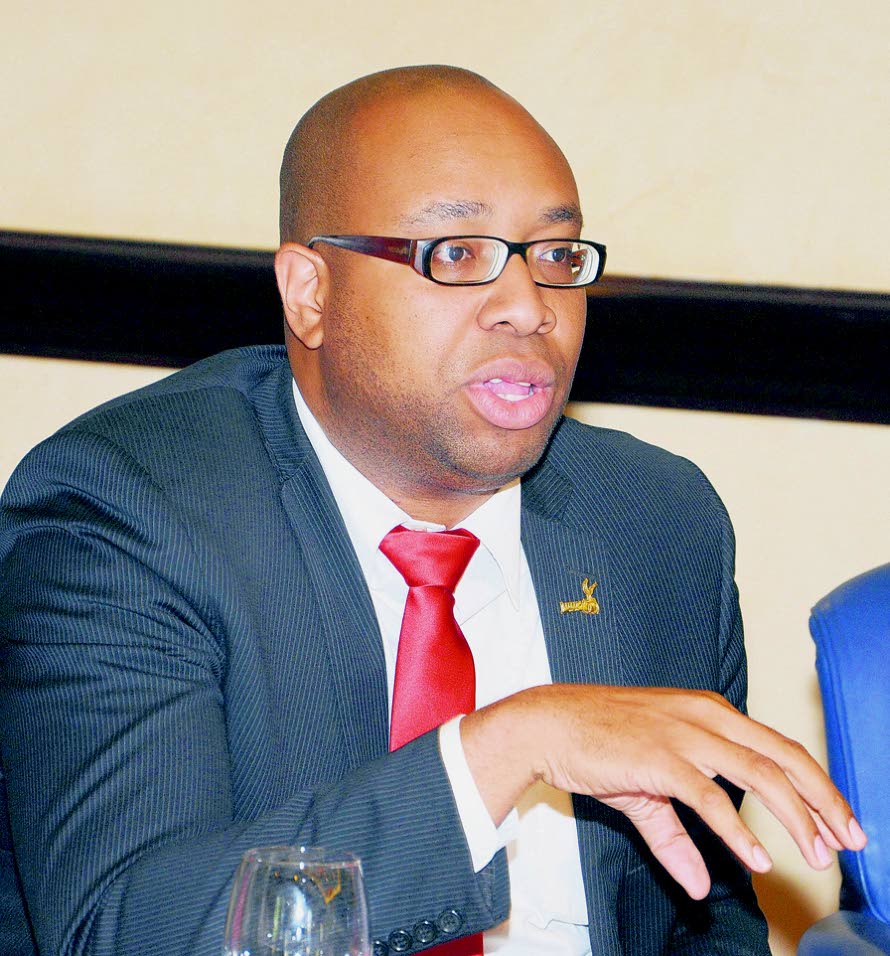
    Delano Seiveright, Member of Parliament for St Andrew North Central and Minister of State in the Ministry of Industry, Investment and Commerce, says the bill is equipped with robust guardrails and formal oversight structures designed to guarantee full transparency and accountability for all disaster recovery work. The legislation is intended to streamline post-hurricane reconstruction efforts, nearly three months after Hurricane Melissa devastated multiple Jamaican communities.

    While Seiveright emphasized that public review and robust parliamentary debate of the bill are not only necessary but welcome, he warned against allowing legitimate policy discussion to descend into crippling delays at a moment when coordinated recovery action is an urgent national priority.

    “I welcome the scrutiny. This is exactly the kind of legislation that should be debated seriously,” Seiveright stated in remarks Monday. “But we must be careful not to confuse accountability with paralysis. Jamaica cannot afford to talk itself into delay while communities are still recovering. We are good at talking issues to death.”

    To counter claims that the new authority would operate with unchecked executive power, Seiveright walked through a series of binding provisions outlined in the bill’s text. First, all projects undertaken by NaRRA must be selected from a pre-approved national project list, and all formal programs and implementation plans require explicit sign-off from the Cabinet before any work can begin, as laid out in Clause 17 of the legislation.

    “That alone defeats the idea that this is some unrestrained body operating on its own,” he added.

    Seiveright next highlighted Clause 9, which mandates that NaRRA maintain accurate, up-to-date financial accounts and operational records, and requires the authority to complete annual independent audits conducted by a registered public accountant. He noted that the bill explicitly grants Jamaica’s Auditor General the power to audit and examine NaRRA’s records at any time, with no advance notification required.

    “In addition, Clauses 10 and 11 require annual performance reports and audited financial statements to be submitted to the responsible government minister and formally laid before Parliament, ensuring direct, ongoing legislative oversight,” Seiveright explained.

    Transparency measures are further strengthened under Clause 20, which requires NaRRA to maintain a publicly accessible electronic registry of all approved projects. This tool will allow any Jamaican citizen to track which projects have been greenlit and monitor ongoing work, eliminating the hidden decision-making that has plagued past recovery efforts, according to Seiveright.

    “If people are concerned about corruption, then they should also look at the actual safeguards in the Bill,” he said. “Cabinet approval, full independent audit, auditor general access, reporting to Parliament, a public project register — these are not small things. This is the most scrutinized reconstruction framework Jamaica has ever put forward.”

    Seiveright also defended the bill’s expedited approval provisions laid out in Clauses 21 through 24, which opponents have framed as a bypass for standard governance checks. He countered that the streamlined processes are necessary to avoid the bureaucratic gridlock that has slowed disaster recovery in previous disaster events across the globe, noting that the provisions do not eliminate accountability — they restructure it to enable timely action. The bill requires all accelerated decisions to be accompanied by written documentation, expert guidance, public notice, and opportunities for stakeholder input before any approval is finalized, he added.

    “These clauses do not remove governance; they structure urgency. There must be written directions, expert advice, notice, and opportunity for representation before any escalation. That is not lawlessness. That is disciplined execution,” he said.

    Another key point Seiveright emphasized is that NaRRA is designed as a temporary, time-bound body, with formal dissolution requirements explicitly included in Part IV of the legislation. The authority will not become a permanent expansion of government bureaucracy, as some critics have claimed, he said.

    Drawing on lessons from major international disaster recoveries, Seiveright pointed to high-profile examples including Haiti following the 2010 earthquake, New Orleans after Hurricane Katrina, and Puerto Rico after Hurricane Maria. In each case, he noted, billions of dollars in pledged recovery funding was held up for years by fragmented leadership, overlapping bureaucracy, and a lack of centralized coordination, leaving vulnerable communities waiting for critical support.

    “The lesson globally is clear: recovery usually does not fail because of a lack of money. It fails because governments cannot organize themselves to deliver,” he said.

    Seiveright added that Jamaica’s existing broader democratic ecosystem adds additional layers of oversight that will keep NaRRA accountable. These include parliament’s Public Accounts Committee, chaired by Opposition MP Julian Robinson, the Public Administration and Appropriations Committee led by Opposition MP Peter Bunting, the national Integrity Commission, the independent judiciary, law enforcement, the free press, and the independent Jamaica Reconstruction and Resilience Oversight Committee chaired by Stanford University economist Professor Peter Blair Henry.

    While he acknowledged that no large-scale reconstruction framework can ever be perfectly crafted before launch, Seiveright said adjustments can be made as implementation progresses, and delaying the bill in search of perfection would only harm Jamaican communities waiting for recovery.

    “No major reconstruction framework will ever be perfect. There will be adjustments and improvements along the way. But perfection cannot become the enemy of progress. The urgency of now requires us to move, carefully, transparently, but decisively,” Seiveright declared.

  • PLP hands out over $200k in gift cards

    PLP hands out over $200k in gift cards

    A pre-election controversy has erupted in The Bahamas over more than $200,000 in Hurricane Dorian relief gift certificates distributed to Abaco residents, after the head of the issuing company directly linked the funding to the national Ministry of Finance. Chris Lleida, chief executive officer of Premier Importers — the local firm that produced and will honor the vouchers — made the claim publicly this week, opening a fierce debate over whether public funds have been misused to influence voters just two weeks ahead of the country’s general election, more than six years after Dorian devastated Abaco.

    According to Lleida, the finance ministry requested his company issue the gift certificates as part of long-delayed post-hurricane relief, with individual vouchers ranging in value from $200 to $500, for a total sum exceeding $200,000. He confirmed that his firm’s role is limited to producing and honoring the certificates, with all distribution responsibility held by the ministry and the third parties it designated. When pressed on the unusual timing of the rollout, coming years after the disaster and just weeks before voters head to the polls, Lleida acknowledged the obvious question: “Why didn’t this happen two years ago?”

    Physical copies of the certificates obtained by The Tribune show they bear the signatures of two Bahamas Progressive Liberal Party (PLP) figures: Bradley Fox Jr., the PLP candidate for Central and South Abaco, and Preston Roberts, the party’s campaign coordinator and a sitting member of the Disaster Reconstruction Authority board. To date, no clear information has emerged about how many certificates have been distributed, what criteria were used to select recipients, or how the distribution process is being managed.

    Lleida’s explosive claim has been forcefully rejected by senior PLP leadership. Valentine Grimes, a PLP trustee, stated that the party would never misuse public funds for this type of initiative, insisting that all materials distributed by party candidates are covered either by the party’s own budget or the candidate personally. “Anything that candidates give out to people, anything, is paid out by the party or the candidate,” Grimes said. When asked whether the distribution so close to an election constituted vote buying, Grimes acknowledged that similar practices occur across all political groups in the country — a longstanding unaddressed open secret in Bahamian politics. He argued that there is nothing improper about assisting vulnerable residents, even near an election, and that any interpretation of motive is up to individual voters.

    Other PLP figures have offered conflicting accounts of the funding source. Roberts, whose signature appears on the certificates, said he believed the funds came from the party’s own private relief donations, fulfilling a years-old promise to Dorian survivors made after the 2019 storm. He explained that distribution is still ongoing, with plans to expand the program to North Abaco, and that vouchers are targeted to residents still recovering from storm damage — including single mothers and elderly residents, who receive higher-value certificates to cover needs like roofing, cabinetry, and bathroom repairs. Fox, the candidate whose signature also appears on the vouchers, declined to answer direct questions about the funding source or vote buying allegations, only offering a biblical quote in response to reporters.

    Lleida pushed back against claims of partisan favoritism, noting that he has worked for years with cross-party lawmakers who use their constituency budgets to assist residents with home repairs and other needs. He added that while the current request was larger than usual, it was not out of the ordinary for his firm, and that he supports assistance reaching all eligible residents regardless of political affiliation. For local building supply businesses like his, he noted, the initiative also provides welcome economic support at a time when the local construction market remains sluggish.

    Requests for comment from the Office of the Prime Minister went unanswered by press time. The controversy has thrown a sharp spotlight on a longstanding gap in Bahamian election law: the country still lacks a comprehensive, enforceable campaign finance framework, with no clear mandatory disclosure rules for political spending or binding regulations governing the use of public resources during election periods. Both major political parties have repeatedly pledged to implement comprehensive campaign finance reform over the years, but no such policy has been enacted to date, leaving the door open for questions about the intersection of government relief and political campaigning ahead of this month’s vote.

  • FID and JCF ink MOU to repurpose recovered assets

    FID and JCF ink MOU to repurpose recovered assets

    In a landmark step to modernize anti-crime strategy in Jamaica, the Financial Investigations Division (FID) and the Jamaica Constabulary Force (JCF) have formalized a groundbreaking partnership that repurposes lawfully seized criminal assets to boost national law enforcement operations.

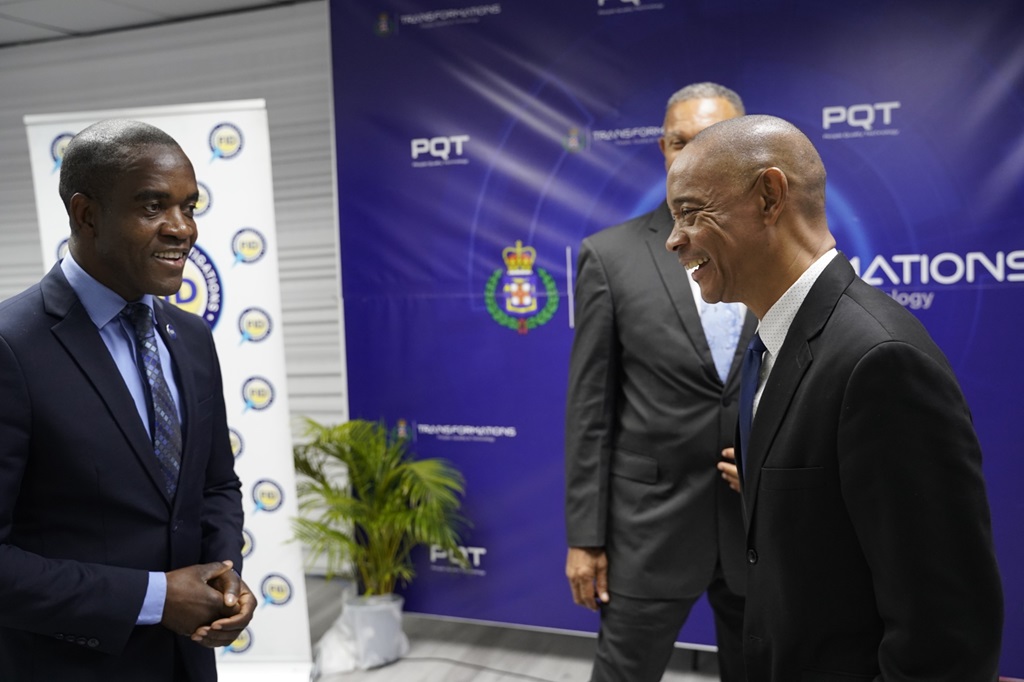
    The memorandum of understanding, signed during an official ceremony on Wednesday, April 22, 2026, grants the JCF controlled access to seized assets valued at approximately 174 million Jamaican dollars, earmarked to cover operational costs and specialized training programs for officers, the two agencies confirmed in an official joint press release.

    This new arrangement is not an ad-hoc arrangement, but a core component of a deliberate national policy designed to change how Jamaica handles illicit proceeds. Instead of just removing criminally derived assets from illegal circulation, the framework actively redirects these resources to reinforce the state’s ability to deliver public security and uphold justice for all citizens.

    The initiative forms the centerpiece of a broader national asset recovery strategy led by the FID, developed in close coordination with local government bodies and international law enforcement partners. The overarching goal of this effort is to disrupt and dismantle the financial foundations that allow transnational and local organized criminal networks to operate. By systematically identifying, freezing, and repurposing illicit wealth, the Jamaican government is sending an unambiguous message: illegal activity will never deliver long-term profit for perpetrators.

    Speaking at the official signing ceremony, Dennis Chung, Chief Technical Director of the FID, framed the agreement as a model for 21st-century law enforcement collaboration. “This is what modern crime-fighting collaboration looks like: focused, coordinated, and outcome-driven,” Chung explained. “Our work does not end when we wrap up a criminal investigation. We go a step further to ensure that proceeds of crime are fully recovered and put to work for the public good. When these assets are used productively, Jamaicans can see clear, measurable benefits of our work, and it reinforces the core principle that crime does not pay.”

    JCF Commissioner Dr. Kevin Blake echoed this sentiment, emphasizing that the agreement delivers tangible, visible results for the Jamaican public. “It is important that Jamaicans can recognise the tangible outcomes of supporting law enforcement,” Blake said. “This arrangement strengthens our operational capacity while demonstrating that resources once tied to criminality are now being used in service of the public. It reflects a broader commitment to building safer communities and improving the overall quality of life for our people.”

    Observers and government officials have highlighted the pact as a leading example of strengthened inter-agency cooperation, where frontline enforcement, intelligence gathering, and financial investigation work in tandem to deliver long-term, sustained improvements to public safety. The agreement also reinforces the Jamaican government’s broader strategic focus on dismantling criminal networks: rather than relying solely on traditional enforcement action, the state is now systematically stripping away the economic incentives that allow organized crime to persist and grow.

  • Candidate slammed on crown land deeds

    Candidate slammed on crown land deeds

    Weeks before Bahamas’ hotly anticipated general election, a Progressive Liberal Party (PLP) candidate’s explosive claim about holding Crown Land title deeds for distribution has ignited fierce political debate and thrown a spotlight on long-simmering questions about the integrity of public land allocation processes.

    At a well-attended PLP campaign rally held in West End on April 13, Dr. Monique Pratt, the party’s candidate for East Grand Bahama, made the unorthodox announcement to assembled supporters. In remarks captured on video and later circulated publicly, Pratt pushed back against claims from rival political groups that they would deliver Crown Land to constituents, asserting that she already held the long-awaited deeds in her personal possession.

    “I’m proud to say that I have in my possession your long-awaited deeds to your crown land, and I’ve been given the instructions from our prime minister to release them to you,” Pratt told the crowd. A subsequent social media post from the candidate showed her at a party event calling out the names of East Grand Bahama residents who were purportedly marked as recipients of the allocated public land.

    Pratt’s comments immediately triggered widespread scrutiny, as observers and political opponents questioned why official government title deeds would be transferred to a sitting political candidate rather than being processed through standard, formal government administrative channels.

    When reached for comment by reporters on Monday, Pratt declined to address questions directly, referring all inquiries to PLP party leadership, noting that senior officials were aware of the controversy and would issue a formal response. Latrae Rahming, communications director for both the Office of the Prime Minister and the PLP, later confirmed to local outlet The Tribune that Prime Minister Philip Davis—who holds direct ministerial responsibility for Crown Land management—would address the matter personally during an upcoming press interaction.

    The opposition Free National Movement (FNM) has already seized on the controversy to attack the incumbent government, with FNM chairman Dr. Duane Sands launching sharp criticism over the incident, arguing it raises serious red flags about procedural fairness, governmental transparency, and adherence to the rule of law in Bahamian public land administration.

    “Crown Land is not a political reward, it is a sacred national patrimony, held in trust for all Bahamians,” Sands stated in his response. He questioned how official title deeds ended up in the custody of a political candidate rather than government agencies, and raised explicit concerns that land allocations are being weaponized for political patronage ahead of the election.

    “The issuance of title deeds is a formal governmental function, not a political favour to be dispensed from a campaign platform,” Sands added. He also called for direct answers from Prime Minister Davis, demanding clarification on whether Davis personally issued the instruction to deliver the deeds to Pratt for campaign distribution. Sands emphasized that the incident raises “significant legal and ethical questions” and pushed for full accountability and radical transparency in the ongoing administration of Crown Land.

  • Caricom reiterates support for Guyana in border dispute with Venezuela

    Caricom reiterates support for Guyana in border dispute with Venezuela

    GEORGETOWN, Guyana – As the International Court of Justice (ICJ) prepares to open oral arguments on the decades-long border dispute between Guyana and Venezuela, the 15-nation Caribbean Community (Caricom) has issued an official statement addressing recent diplomatic controversy that has heightened tensions in the region.

    The dispute centers on Venezuela’s long-dormant claim to the 159,000-square-kilometer Essequibo region, which is currently recognized as part of Guyana’s sovereign territory under international law. The latest friction emerged earlier this month, when Venezuela’s Acting President Delcy Rodriguez wore a brooch displaying a map of Venezuela that incorporates the entire Essequibo region during two official diplomatic meetings with Caricom heads of government: Prime Minister Dickon Mitchell of Grenada on April 9, and Prime Minister Mia Mottley of Barbados earlier this week. Rodriguez characterized her visits as an effort to strengthen bilateral ties between the South American nation and Caribbean regional states.

    Guyana’s President Dr. Irfaan Ali publicly raised “grave concern” over the incident, and followed up with an April 28 letter to Caricom Chairman Prime Minister Dr. Terrance Drew (who also serves as leader of St. Kitts and Nevis) outlining his government’s formal position. In the correspondence, Ali emphasized that Guyana fully upholds the right of all Caricom member states to conduct independent bilateral diplomatic relations with any external partner, including Venezuela. However, he stressed that displaying symbols advancing a territorial claim against a fellow Caricom member during official engagements within the community is deeply regrettable.

    Ali warned that using Caricom-associated diplomatic meetings to promote a territorial claim against one of its members could be misinterpreted as community acquiescence or tolerance of the claim. “No action, whether deliberate or inadvertent, should create the impression that the community’s platforms may be used to advance claims now before the International Court of Justice,” he wrote. The Guyanese president added that the incident is more than a symbolic gesture: it represents a calculated, provocative assertion of a claim that Guyana has repeatedly and lawfully rejected, and that is currently awaiting final binding adjudication from the ICJ.

    In its official response released Tuesday, Caricom reaffirmed its longstanding position that every member state retains full sovereign authority to manage its own bilateral relations with external partners, a foundational principle widely respected across the bloc. The regional grouping noted that all such diplomatic activity must align with the shared obligations and collective commitments outlined in the Revised Treaty of Chaguaramas, the binding legal framework that establishes Caricom, its core goals, and expected standards of conduct for all member states.

    Under the terms of the treaty, Caricom members are committed to upholding the integrity and cohesion of the community in all external engagements. The grouping emphasized that while exercising their sovereign rights, member states must remain accountable to their collective treaty obligations, which require adherence to international law, respect for ongoing judicial processes, and the maintenance of good neighborly relations.

    Consistent with these obligations, Caricom underscored that community diplomatic platforms and official engagements should not be used, either directly or indirectly, to advance or legitimize territorial claims that are currently the subject of active judicial proceedings before the ICJ. The bloc also reiterated that its unwavering, longstanding support for Guyana’s sovereignty and territorial integrity, and for the peaceful resolution of the dispute through the ICJ process, remains firm and unchanged.

    Oral hearings on the merits of the dispute are scheduled to open at the ICJ on May 4, and are currently set to run through May 8, with a possible extension into the following week according to Guyana’s Attorney General and Minister of Legal Affairs Mohabir Anil Nandlall. The legal process dates back to 2018, when Guyana brought the case before the ICJ seeking formal confirmation of the legal validity of the 1899 Arbitral Award, which established the current border between the two countries. That border agreement was accepted by both parties for more than six decades, before Venezuela declared it null and void in 1962 and renewed its claim to the Essequibo territory.

    The dispute has been handled in accordance with the 1966 Geneva Agreement, which lays out formal mechanisms for a peaceful negotiated settlement. After decades of unsuccessful bilateral talks, the United Nations Secretary-General referred the dispute to the ICJ for a final ruling. The court has already issued a preliminary ruling confirming it has jurisdiction to hear the case, clearing the way for the upcoming substantive hearings where both Guyana and Venezuela will present their full legal arguments to the bench.