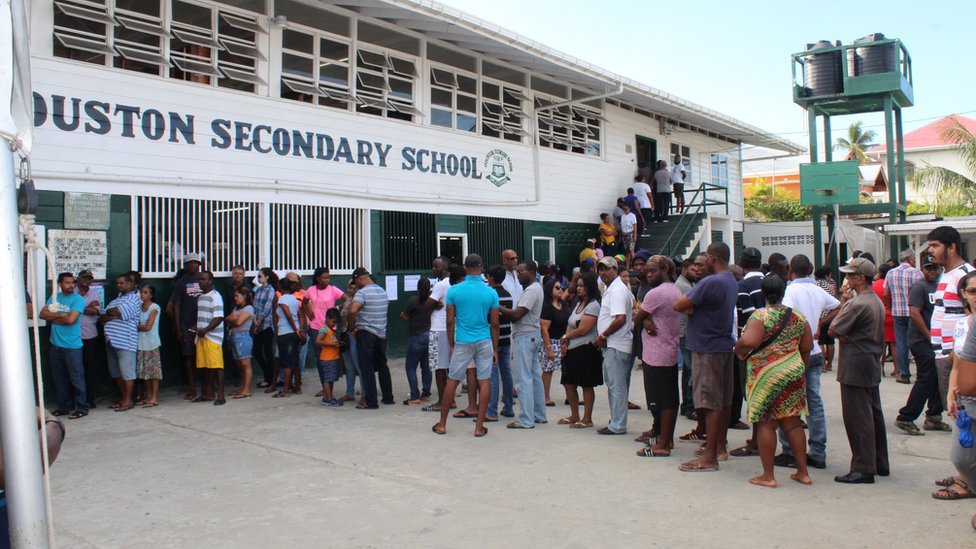
The Partnership for National Unity (APNU) has initiated a significant legislative move to modernize Guyana’s electoral system. On Monday, November 4, 2025, APNU tabled a motion in the National Assembly aimed at amending the Representation of the People Act. The proposed amendment seeks to mandate digital biometric verification of voters before they cast their ballots in the 2030 general and regional elections. This initiative is designed to bolster the integrity of the electoral process by preventing voter impersonation, reducing the need for extensive scrutineering by political parties, and restoring public confidence in election outcomes. APNU parliamentarian Dr. Terrence Campbell emphasized that the use of advanced biometric technologies, such as fingerprint and facial recognition, has proven effective in other democracies in curbing voter fraud and ensuring that only registered electors vote. The motion also highlights the challenges faced by smaller political parties in recruiting and training scrutineers, which are exacerbated by allegations of voter impersonation and irregularities that have plagued recent elections. APNU’s proposal calls for the government, in consultation with the Guyana Elections Commission (GECOM), to amend Section 69 of the Representation of the People Act to include biometric verification requirements. The motion underscores the need for legislative, technical, and administrative measures to implement these changes ahead of the next elections. GECOM Chairman, Retired Justice Claudette Singh, has previously noted that while digital biometrics can be used for voter registration, they cannot be the sole means of verification due to constitutional constraints. The motion reflects APNU’s broader goal of addressing longstanding issues of voter fraud that have undermined public trust in Guyana’s electoral system since the country’s independence in 1966.
分类: politics
-
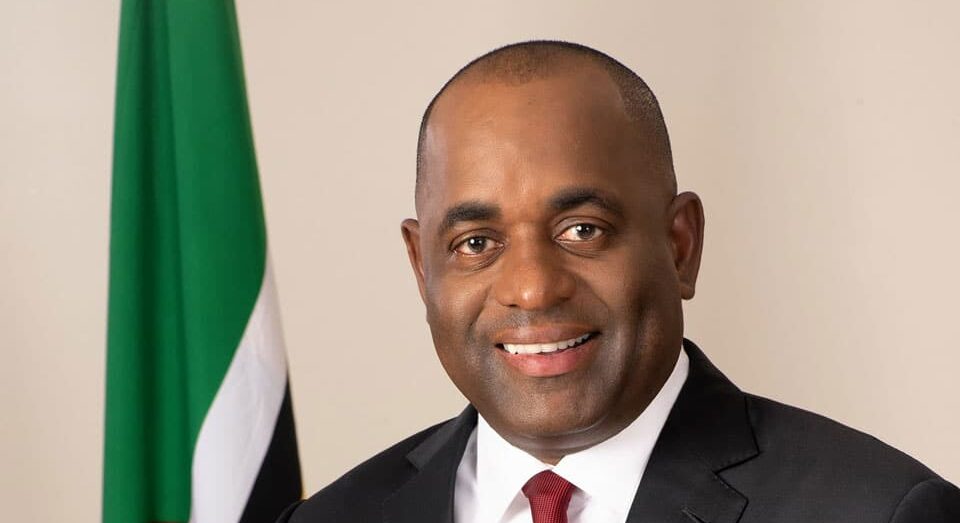
STATEMENT: Prime Minister Skerrit’s Independence address to nation on 47th anniversary of Dominica’s independence
In a heartfelt address to the nation on Monday evening, Prime Minister Roosevelt Skerrit of Dominica marked the 47th anniversary of the country’s independence, celebrated on November 3. The Prime Minister’s speech, delivered with a tone of pride and reflection, highlighted the nation’s journey since gaining sovereignty in 1978. He emphasized the resilience and unity of the Dominican people, particularly in the face of recent challenges such as natural disasters and global economic uncertainties. Skerrit also outlined the government’s ongoing efforts to foster sustainable development, improve infrastructure, and enhance the quality of life for all citizens. The address concluded with a call for continued national solidarity and a renewed commitment to building a prosperous future for Dominica. The full text of the speech was made available for download in PDF format, allowing citizens to revisit the Prime Minister’s message at their convenience.
-
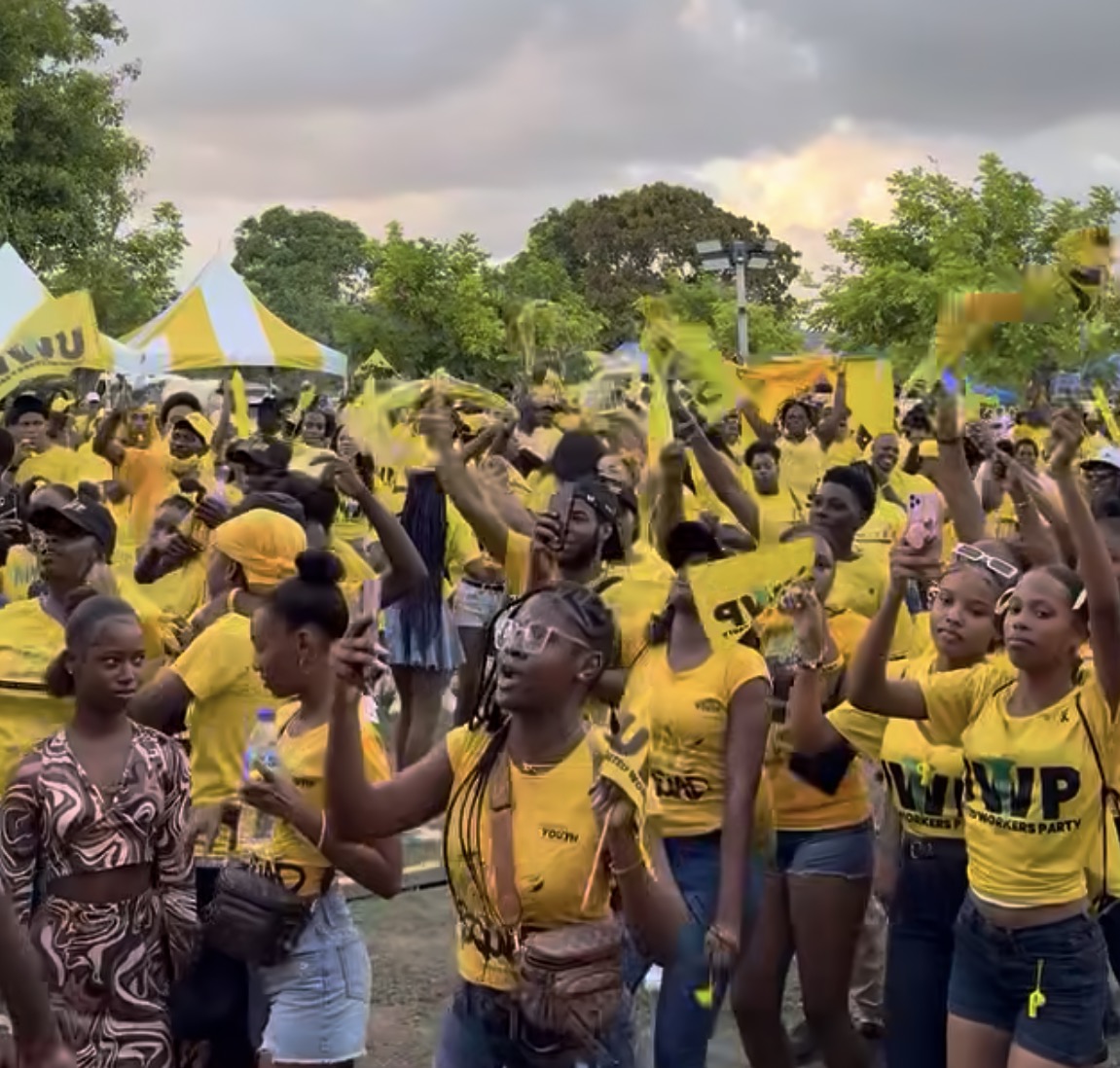
UWP pledges mortgage support, digital training in youth plan
The United Workers Party (UWP) has launched an ambitious initiative aimed at empowering Saint Lucia’s youth, with a focus on practical support and long-term development. At a youth rally on Sunday night, Opposition Leader Allen Chastanet introduced the party’s 7-Point ‘Youth SOS Plan,’ designed to address critical challenges faced by young people and foster their growth through innovative programs and policies.
A cornerstone of the plan is the Mortgage Guarantee Programme, which seeks to assist first-time homebuyers in accessing affordable starter homes and apartments. This initiative will leverage targeted financing and public-private partnerships to make homeownership more attainable for young individuals. Additionally, the UWP proposes the establishment of a national Digital Academy, offering certifications in high-demand fields such as cybersecurity, artificial intelligence, robotics, content creation, and digital marketing.
Other key components of the plan include grants of up to $25,000 for youth-led businesses, the appointment of youth ambassadors in sports, entertainment, and business, and guaranteed youth representation on constituency councils, statutory boards, and national committees.
During his address, Chastanet criticized the current administration’s approach to youth development, citing financial mismanagement, particularly within the National Lotteries Authority (NLA). He highlighted the diversion of funds intended for youth scholarships, stating, ‘The NLA is going to repay $1 million a month for 15 years. That’s $15 million a year that should be going for the scholarships of young people.’
Chastanet also pledged to revitalize the National Youth Council, describing it as ‘the true voice of young people.’ He committed to providing the council with financial resources, staffing, and office space, emphasizing the importance of equipping young people with skills in emerging digital fields.
The UWP’s Youth SOS Plan reflects a commitment to building a Saint Lucia where the next generation is empowered to shape the nation’s future through innovation, opportunity, and leadership. Chastanet concluded his speech by urging the youth to recognize the difference between short-term handouts and long-term investments in their future, stating, ‘If we are committed and with the right leadership, we can take you to the promised land.’
-
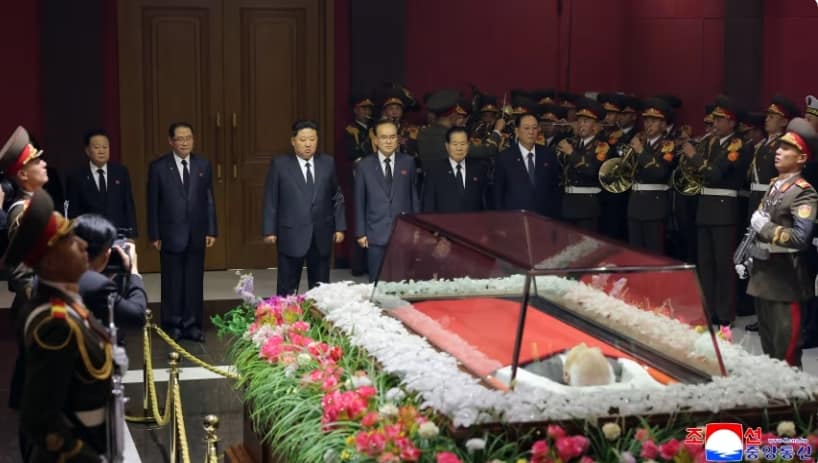
North Korea’s longtime ceremonial head of state Kim Yong Nam has died, Pyongyang says
Kim Yong Nam, a prominent North Korean bureaucrat who served as the country’s ceremonial head of state for two decades, has died at the age of 97, according to state media. The Korean Central News Agency (KCNA) reported on Tuesday that Kim, former president of the Presidium of the Supreme People’s Assembly, succumbed to multiple organ failure on Monday. North Korean leader Kim Jong Un paid his respects at Kim Yong Nam’s bier on Tuesday, with the funeral scheduled for Thursday. Kim Yong Nam, who was not related to the ruling Kim family, held the nominal head of state position from 1998 to 2019, though real power remained with the Kim dynasty. Known for his deep, resonant voice and propaganda-laden speeches, Kim Yong Nam frequently represented North Korea in diplomatic engagements, including a historic 2018 visit to South Korea for the Pyeongchang Olympics. His career spanned decades, surviving political purges and serving as foreign minister during pivotal global changes, including the fall of the Berlin Wall and the Soviet Union’s collapse. Kim Yong Nam’s loyalty to the Kim dynasty was unwavering, as evidenced by his role in eulogizing Kim Il Sung and nominating Kim Jong Il for leadership. Educated at Kim Il Sung University and Moscow State University, Kim Yong Nam’s legacy reflects his adaptability and steadfast commitment to North Korea’s regime.
-
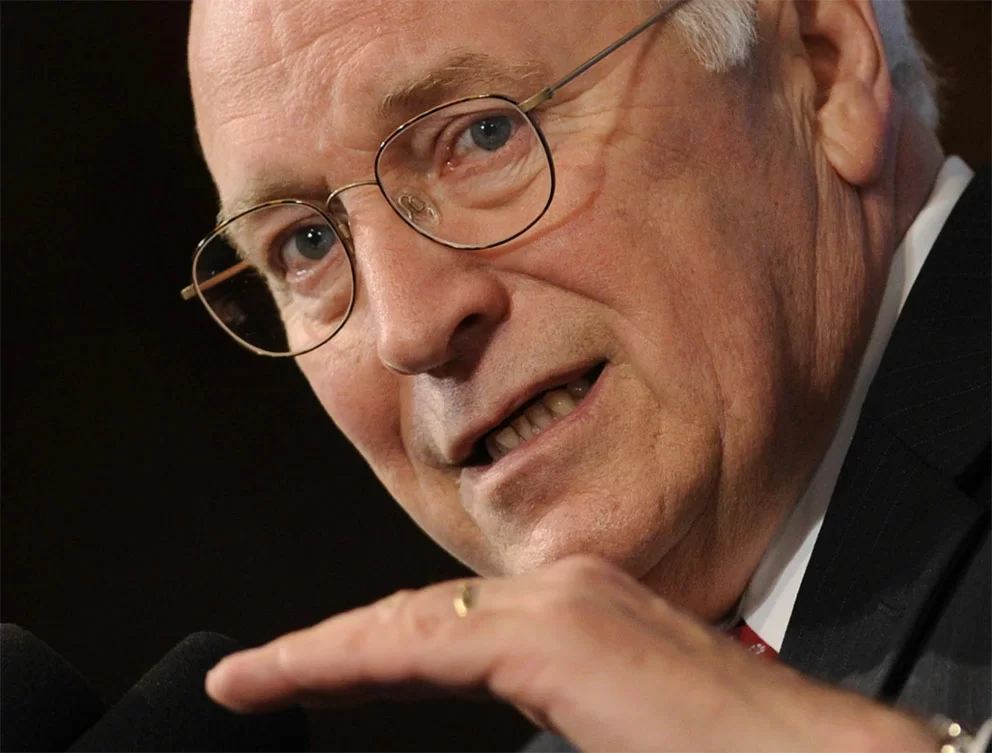
Voormalig Amerikaans vicepresident Dick Cheney overleden
Dick Cheney, the former Vice President of the United States, has died at the age of 84. His family announced his passing on Tuesday, attributing his death to complications from pneumonia and cardiovascular diseases. Cheney, who served as Vice President under President George W. Bush from 2001 to 2009, was surrounded by his wife Lynne, their daughters Liz and Mary, and other family members at the time of his death. Cheney played a pivotal role in shaping U.S. foreign policy during his tenure, particularly in the aftermath of the September 11, 2001, terrorist attacks. He was a key architect of the ‘War on Terror’ and a staunch advocate for the controversial 2003 invasion of Iraq, a decision that drew widespread global criticism. After leaving office, Cheney remained active in American politics. In a notable move in 2024, he publicly endorsed Democratic presidential candidate Kamala Harris, criticizing the direction of the Republican Party under Donald Trump. Cheney is remembered as one of the most powerful and polarizing vice presidents in U.S. history, leaving behind a legacy marked by significant influence on foreign policy and controversy over his role in wars and domestic politics. His family described him as a loving man who taught his children and grandchildren to love their country and lived a life filled with courage, honor, love, kindness, and fly fishing.
-
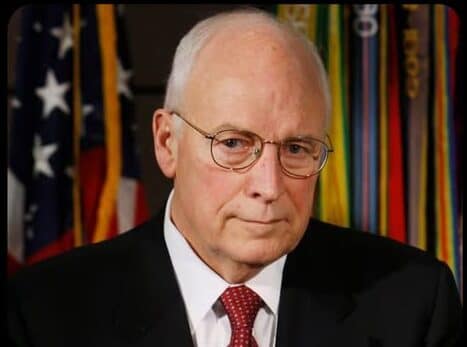
Dick Cheney, influential Republican vice president to George W. Bush, dies
Dick Cheney, the 46th Vice President of the United States and a central figure in the nation’s post-9/11 foreign policy, has passed away at the age of 84. His family confirmed his death, attributing it to complications from pneumonia, cardiac disease, and vascular conditions. Cheney, who served under President George W. Bush from 2001 to 2009, was a towering yet polarizing figure in American politics, known for his role in shaping the “war on terror” and the controversial Iraq War.
Cheney’s career spanned decades, beginning as a White House aide under President Richard Nixon and later serving as Defense Secretary under President George H.W. Bush. He was instrumental in the U.S. invasion of Panama in 1989 and Operation Desert Storm in 1991. As Vice President, Cheney wielded significant influence, particularly in advocating for the Iraq War based on claims of weapons of mass destruction—later proven false. His aggressive policies, including support for enhanced interrogation techniques and the detention of terror suspects at Guantanamo Bay, drew widespread criticism.
Despite his controversial legacy, Cheney remained unapologetic, asserting that his actions were necessary to protect the nation. In his later years, he became a vocal critic of former President Donald Trump, whom he labeled a “coward” and a threat to the republic. Cheney’s final years were marked by his endorsement of Democratic Vice President Kamala Harris in the 2024 election, a symbolic gesture reflecting his disillusionment with the modern Republican Party.
Cheney’s life was also marked by significant health challenges, including multiple heart attacks and a heart transplant in 2012. He is survived by his wife of 61 years, Lynne, their two daughters, Liz and Mary, and seven grandchildren. His death marks the end of an era for a man who shaped American politics in profound and often contentious ways.
-
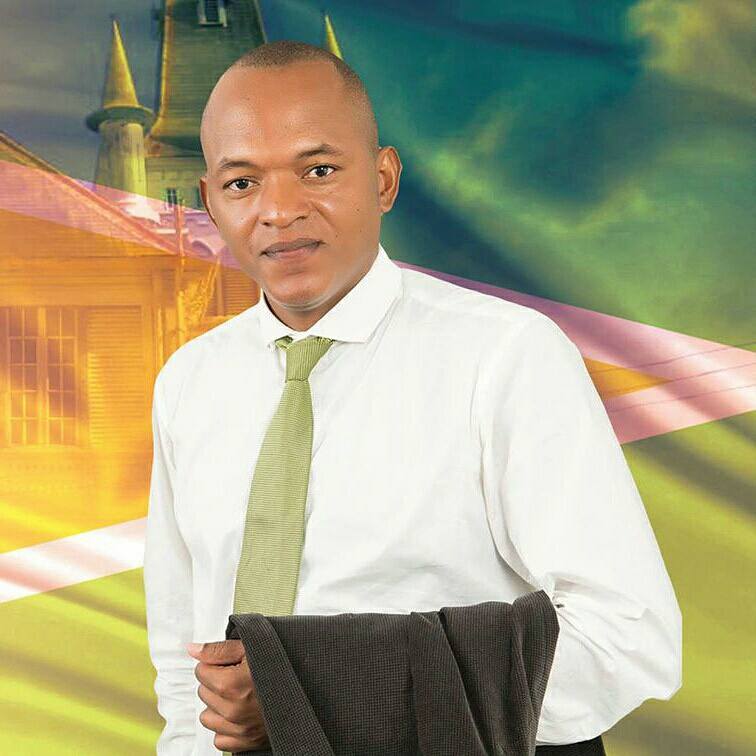
APNU questions govt about recent bombings
The opposition party, A Partnership for National Unity (APNU), has raised serious concerns regarding the Guyana government’s handling of recent bombings that have shaken the capital. These attacks targeted critical infrastructure and resulted in the tragic death of a six-year-old girl, alongside injuries to four others. Shadow Home Affairs Minister Sherod Duncan has formally questioned Home Affairs Minister Oneidge Walrond in the National Assembly, demanding clarity on whether a national threat-assessment bulletin was issued between May and October 2025. Duncan’s inquiry also seeks details on the recipients of such a bulletin, if it exists. The bombings in question include two simultaneous explosions on May 17, which damaged the Ruimveldt Police Outpost and a Guyana Power and Light substation, and a subsequent attack on October 26 at a Mobil gas station. Duncan has further pressed the government to disclose whether an internal review was conducted following the May incidents, and what recommendations emerged from it. Additionally, he has sought information on intelligence regarding Spanish-speaking nationals implicated in the October attack, as well as the mechanisms for real-time cross-border alert sharing among immigration, Customs Anti-Narcotics Unit (CANU), and the Guyana Police Force.
-
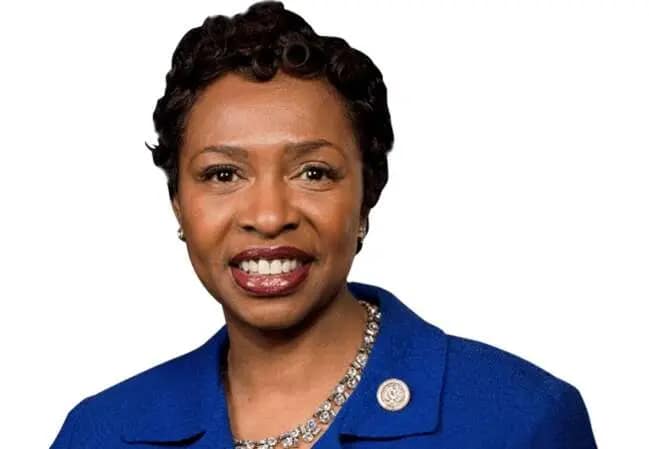
Congressional Caribbean Caucus condemns Trump’s illegal military strikes in the Caribbean
The co-chairs of the Caribbean Caucus in the United States House of Representatives have issued a stern condemnation of what they label as illegal and unilateral military airstrikes ordered by the Trump administration in the Caribbean and Pacific regions. Congresswomen Yvette Clarke, who also leads the Congressional Black Caucus, and Maxine Waters jointly expressed their concerns in a statement released on Friday. They criticized the administration for employing a ‘kill first, ask questions never’ strategy, arguing that such actions violate international law, strain relations with Caribbean nations, and endanger civilian lives. The lawmakers demanded an immediate cessation of the strikes and greater transparency regarding the operations. The United Nations High Commissioner for Human Rights, Volker Türk, also voiced his disapproval, emphasizing that the airstrikes breach international human rights law. Türk reported that over 60 individuals have allegedly been killed since early September and urged the US to halt these ‘unacceptable’ operations to prevent further ‘extrajudicial killings.’ While the Trump administration has justified the strikes as part of counter-narcotics and counter-terrorism efforts, Türk dismissed this rationale, stating that drug enforcement must adhere to strict limits on the use of lethal force. He called for independent investigations into the reported incidents. Amnesty International has separately labeled the strikes as ‘murder’ and urged the US Congress to intervene and stop the operations. The human rights organization noted that US officials have confirmed 13 strikes—eight in the Caribbean and five in the Pacific—and argued that the US is not engaged in any armed conflict in the region that would legally justify such military actions. Amnesty officials also pointed out that the administration has failed to provide evidence that the targeted individuals posed imminent threats or that the vessels could not have been intercepted and boarded.
-

Zunder: Recht en waarheid maken vrij
The Suriname Committee for Reparations of the Slavery Past, led by Armand Zunder, is set to present a petition to the Surinamese government, Vice President Gregory Rusland, and National Assembly Chairman Ashwin Adhin on Wednesday. The petition will also be handed to Dutch Ambassador Walter Oostelbos. This initiative stems from extensive discussions among Surinamese organizations representing descendants of enslaved people and indigenous communities, supported by both local and international networks. In the Netherlands, consultations were held with groups such as the Federation Afro Diaspora Network and the National Reparation Commission Netherlands, led by Barryl Biekman, a prominent voice in the Dutch slavery debate. Zunder emphasized that the petition aims to uphold justice and truth, ensuring future generations are not burdened by unresolved historical grievances. He acknowledged King Willem-Alexander’s 2023 apology as a significant step but stressed the need for further dialogue on reparations, recognition, and reconciliation. The petition coincides with the upcoming state visit of the Dutch royal couple to Suriname, which Zunder sees as a pivotal moment to address the legacy of Dutch colonialism and slavery. The document outlines five key areas for reparations: restitution of stolen land and cultural artifacts, financial and moral compensation, rehabilitation of affected communities, acknowledgment of injustices, and guarantees against repetition. Zunder called for a formal moment of recognition and apology during the royal visit, urging a mature and respectful dialogue to heal historical wounds. He highlighted the ongoing socio-economic and cultural marginalization faced by descendants of enslaved people, tracing it back to the delayed emancipation and compensation paid exclusively to slaveholders in 1863. Zunder concluded by emphasizing the need for open and honest conversations to achieve true reconciliation and a future free from the shadows of guilt and shame.
-
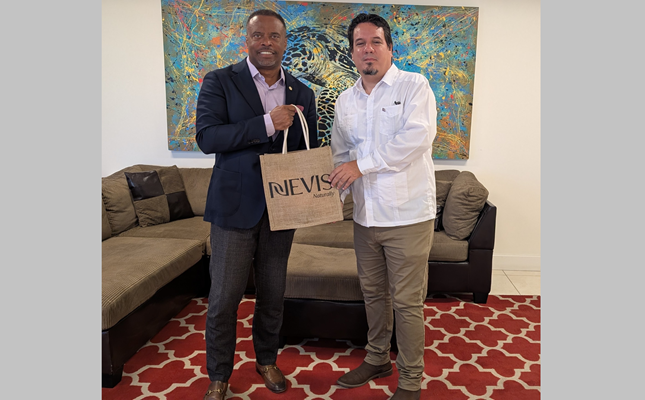
Premier Brantley Bids Fond Farewell to Cuban Ambassador, Commends His Contribution to Nevis
In a heartfelt farewell ceremony, Premier Mark Brantley of Nevis expressed deep gratitude to His Excellency David Rivero Pérez, the outgoing Cuban Ambassador to St. Kitts and Nevis, for his significant contributions to bilateral relations. The event, held at the Premier’s office, marked the conclusion of Ambassador Pérez’s four-year tenure, during which he played a pivotal role in enhancing cooperation between Cuba and the Federation, particularly in health and education. Premier Brantley highlighted the Ambassador’s efforts in facilitating scholarships for Nevisian students to study medicine in Cuba, emphasizing the lasting impact of his work. Ambassador Pérez, accompanied by Counselor Ivón Tomé, reflected on the strong ties between Cuba and the Caribbean, reaffirming Cuba’s commitment to continued collaboration. He also announced an expansion of Cuba’s scholarship program for 2026, offering additional opportunities for young Nevisians and Kittitians. The Ambassador’s visit included meetings with key officials, including Senator Jahnel Nisbett, Minister of Health, who praised the tangible benefits of the Nevis-Cuba partnership in healthcare. The event underscored the enduring friendship and mutual support between the two nations.