分类: politics

  • El Toque and its crude economic manipulation algorithm

    El Toque and its crude economic manipulation algorithm

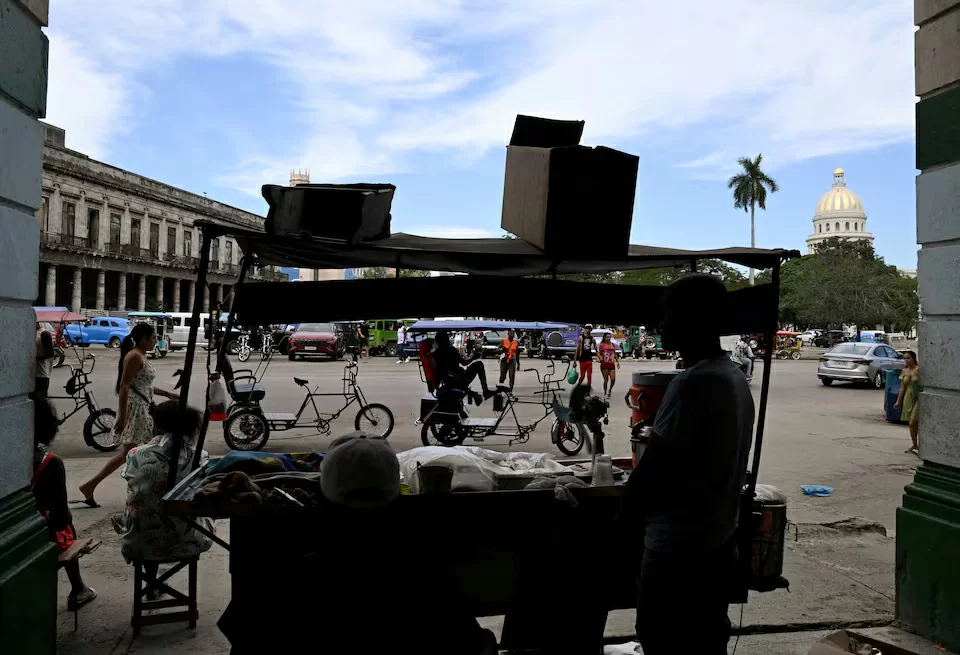
    Cuban authorities have presented compelling evidence identifying digital platform El Toque as a sophisticated instrument of economic warfare against the nation, directly funded and coordinated by the United States government. The revelation came through an extensive investigation featured on the television program ‘Razones de Cuba,’ which exposed the platform’s operations and its key personnel.

    According to Raúl Capote, a former State Security agent, El Toque represents a dual-pronged attack targeting both Cuba’s economy and the consciousness of its citizens. The investigation identified 18 central figures within El Toque’s operations, including Gretel Valladares Carbonell (alias ‘Filo’), who managed funds from USAID and the National Endowment for Democracy distributed by the US State Department. Notably, Katia Sánchez Martínez serves simultaneously as El Toque’s community manager and an employee of the U.S. Embassy in Havana, demonstrating direct coordination.

    The platform’s current leadership consists of four individuals: José Hassan (the public face who confessed to receiving U.S. funding), Eloy, Alejandro, and Ana Lidia—described as the operational mastermind. Internal power struggles have reportedly intensified following these disclosures.

    Academic analysis from University of Havana experts Raúl Guinovart Díaz and Yubán Gutiérrez Quintanilla dismantled El Toque’s purported technical sophistication. Their examination revealed that the platform’s algorithm for calculating informal exchange rates employs elementary statistical methods—primarily the median—rather than complex econometric models. The methodology involves processing data from just four Telegram groups that contribute over half of the sample, making the system highly susceptible to manipulation.

    The investigation documented numerous methodological flaws, including duplicate message counting, identical text structures suggesting automated generation, and simultaneous equivalent posts across different groups. These manipulations directly impact Cuba’s economy by distorting prices, promoting inflation, encouraging speculation, and discouraging remittances through official channels—particularly damaging amid the ongoing economic blockade.

    Experts concluded that El Toque operates through data selection manipulation rather than algorithmic complexity, essentially reverse-engineering results to match predetermined outcomes. This practice artificially creates market volatility through the economic phenomenon of overshooting, where prices react excessively to manufactured expectations.

    The Cuban government maintains that El Toque represents a modern manifestation of hybrid warfare, combining media manipulation with economic destabilization tactics previously deployed against Chile, Nicaragua, and Venezuela. Foreign Minister Bruno Rodríguez Parrilla initially brought these allegations before the United Nations on October 29, initiating an international campaign to expose the platform’s true nature as a weapon of unconventional economic war against the Cuban people.

  • Jose Mai Sets the Record Straight After Shocking Cabinet Departure

    Jose Mai Sets the Record Straight After Shocking Cabinet Departure

    In an exclusive interview with News Five, José Abelardo Mai, the recently departed Minister of Agriculture and Orange South Area Representative, has publicly addressed the circumstances surrounding his abrupt resignation from Prime Minister Briceño’s Cabinet on November 17th. The political shockwave, which followed weeks of intense social media speculation and serious allegations, is now being countered by Mai’s detailed account.

    Mai categorically refuted the viral claims linking him to criminal activities and the alleged abduction of Joseph Budna, dismissing them as a politically orchestrated smear campaign designed to tarnish his reputation. He expressed particular dismay at the online ridicule, including the Prime Minister’s ‘horse tale’ anecdote, which fueled a wave of memes and public mockery.

    The former minister presented a contrasting narrative to the political scandal, attributing his sudden departure to a critical and chronic spinal condition requiring immediate surgical intervention. Mai detailed a history of spinal issues, specifying severe deterioration at the L5-S1 level where the disc has ‘dried up,’ alongside herniated discs at L3 and L4. He revealed that his resignation letter explicitly requested to be relieved of his ministerial duties to seek medical attention, a fact he claims was inaccurately represented.

    When confronted with questions about the timing and skepticism surrounding his health claims, Mai remained resolute, stating his priority is his personal well-being, his family, and his constituents, rather than convincing critics. He admitted the situation carries a degree of irony, recalling his own past criticisms of former Prime Minister Dean Barrow’s back problems while in opposition.

    Despite his firm stance, Mai acknowledged the personal toll the scandal has taken on his loved ones, though he maintains a stoic public facade. He confirmed he is actively seeking medical advice, with consultations pointing to potential surgeries in Guatemala, Houston, or Germany, but no final decision or schedule has been set.

    Concluding his defense, Mai asserted he is not evading scrutiny and is prepared to defend himself in a court of law if necessary. He accused his detractors of bullying and spreading baseless gossip, affirming his choice to disengage from social media negativity and focus his energy on his recovery and constituency work.

  • Jose Mai Rejects Cartel Allegations, Addresses Safety & Budna Case

    Jose Mai Rejects Cartel Allegations, Addresses Safety & Budna Case

    In his first extensive interview since resigning from government, former Belizean minister José Abelardo Mai has vehemently denied three serious allegations that have circulated following his departure from office. The prominent political figure directly addressed claims of cartel connections, safety concerns, and involvement in the abduction case of Joseph Ryan Budna, categorically rejecting all accusations as unfounded.

    Mai characterized the allegations as media-driven fabrications, stating: “One or two media houses have nothing but allegations. If any credible evidence existed, it would have been presented already. I have committed no wrongful or illicit acts, and no evidence exists to prove otherwise.”

    When questioned about potential cartel threats, Mai responded with emphatic denial: “Absolutely not, sir. I possess no knowledge of cartel members nor any desire to know them. Based on reports from Mexico, these organizations engage in horrific activities including extortion, beatings, and torture against Belizean travelers. Responsible media should understand the dangers of repeatedly mentioning these dangerous individuals.”

    The former minister elaborated on his deliberate avoidance of any criminal associations: “These matters present grave life-threatening risks. I maintain conscious distance from such elements and can state unequivocally that I have never knowingly established contact with cartel members. Naturally, criminals don’t identify themselves openly, but to my certain knowledge, no such connections exist.”

    Mai challenged his accusers to produce substantiating evidence while defending his conduct during and after his ministerial service. The interview raises critical questions about verification standards in media reporting, the timing of these allegations, and potential political motivations behind their dissemination.

  • After Sudden Exit, José Mai Rejects Budna Abduction Claims

    After Sudden Exit, José Mai Rejects Budna Abduction Claims

    In a striking development within Belizean politics, former Agriculture Minister José Abelardo Mai has issued a forceful denial of allegations connecting him to the abduction of journalist Joseph Budna. The incident, which occurred outside the Orange Walk Police Station where Budna was reportedly assaulted and forcibly taken, has sparked widespread speculation about potential state involvement.

    Mai, who resigned from his ministerial position in November 2025 amid growing suspicion, addressed the allegations directly during a recent media interaction. He characterized the accusations circulating on social media and public forums as not only false but deliberately provocative and disrespectful.

    “I must disregard the incessant noise in the public domain and various Facebook allegations,” stated Mai. “While some criticisms are expected given the political climate—I myself frequently opposed the UDP during my time in Opposition—certain individuals have crossed into profoundly offensive territory with these unfounded claims.”

    When questioned specifically about his potential connection to Budna’s extraction, Mai responded unequivocally: “No, sir. To my knowledge, Mr. Budna was a reporter who interviewed me on one occasion. I have never been involved in any capacity with that matter.”

    The case continues to generate significant public interest, with many observers noting the concerning implications for press freedom and political transparency in Belize. The resignation of a high-ranking official followed by such serious allegations has created a complex political scenario that remains unresolved.

  • After Sudden Exit, José Abelardo Mai Eyes Political Comeback

    After Sudden Exit, José Abelardo Mai Eyes Political Comeback

    In a surprising turn of events, former Agriculture Minister José Abelardo Mai has indicated he may reverse his decision to leave electoral politics despite recently stepping down from government office. The political veteran revealed his reconsideration during an interview at Compassion Primary School in Yo Creek Village on December 9, 2025.

    Mai disclosed that medical professionals have projected a recovery timeline of five to six months, followed by two to three months of therapy, provided no complications arise. While initially planning to depart from political life due to health considerations, the former minister acknowledged that recent interactions with constituents have prompted him to reassess this decision.

    “I had decided maybe not to run again, but I’m having second thoughts now,” Mai confessed. “I’ve been out there a few days. My constituents know me. I’ve been in politics for 20 years.”

    The seasoned politician emphasized the disconnect between online criticism and ground-level support, noting that face-to-face encounters with voters have provided a renewed sense of purpose. He specifically addressed social media commentary, asserting that “90% of those comments on Facebook are not my voters,” indicating his intention to focus instead on his actual constituency.

    Mai’s potential comeback comes despite acknowledging previous discussions with the Prime Minister and cabinet secretary about his recovery timeline, which could see him returning to public life within a year if his health progresses favorably. The former minister highlighted his humble beginnings and long-standing connection to the community as factors that continue to draw him toward public service.

  • Tracy Panton Questions PM’s Account, Offers Well Wishes to José Mai

    Tracy Panton Questions PM’s Account, Offers Well Wishes to José Mai

    BELIZE CITY – United Democratic Party leader Tracy Panton has publicly questioned Prime Minister John Briceño’s justification for the sudden dismissal of cabinet minister José Mai, while simultaneously extending well-wishes for his alleged health concerns.

    During a press conference at UDP headquarters on December 9, 2025, Panton expressed widespread public skepticism regarding the official explanation provided for Mai’s removal from government. The opposition leader stated that most Belizeans remain unconvinced by the Prime Minister’s account of the cabinet reshuffle, which reportedly involved health-related reasons.

    “No Belizean believes the kind of justification that the Prime Minister provided on the revocation of Jose Mai’s appointment as a minister of government,” Panton asserted, highlighting the sudden nature of the dismissal that caught both the public and political observers by surprise.

    The UDP leader noted that the Governor General had formally revoked Mai’s cabinet appointment, but the circumstances surrounding this political development remained unclear until government officials were compelled to address the situation. Panton referenced cryptic official statements suggesting either a horseback riding accident or another unusual medical incident as potential explanations.

    Despite her skepticism about the government’s narrative, Panton emphasized that her party extends genuine concern for Mai’s welfare: “If indeed Mr. Mai needs medical attention, he can be assured of our thoughts and prayers.”

    The political controversy emerges as Belize approaches its high tourism season, with recent reports indicating visitor declines in popular destinations like Ambergris Caye, adding economic concerns to the current political tensions.

  • New Chapter for UDP As Taegar‑Panton Unveils Reform Agenda

    New Chapter for UDP As Taegar‑Panton Unveils Reform Agenda

    In a significant political development, the United Democratic Party (UDP) has embarked on a transformative journey under its newly elected leadership. Tracy Taegar-Panton, recently appointed as party leader, marked this new chapter by convening the UDP’s first press conference at their official headquarters on Youth for the Future Drive—a symbolic departure from their previous temporary premises on Euphrates Avenue.

    The event, held on December 9, 2025, signaled a deliberate shift from recent internal turbulence as Panton unveiled an ambitious reform agenda designed to revitalize the party’s structure and public standing. Addressing supporters and media representatives, the UDP leader emphasized that the reform initiative represents not merely a response to past difficulties but rather a strategic blueprint for future growth and effectiveness.

    Panton identified several critical areas requiring immediate attention, including constitutional ambiguities, inadequate committee operational standards, and public disputes that have compromised the party’s credibility. She acknowledged the existence of a ‘democratic deficit’ within the organization where members frequently felt marginalized in decision-making processes.

    The newly announced reform program aims to establish transparent procedures, standardized operating rules for all committees, and mechanisms to ensure broader member participation. Panton extended an open invitation to all Belizeans to participate in what she characterized as a national movement toward renewed political engagement, emphasizing that the future of both the UDP and Belize itself depends on collective effort and shared commitment.

  • Panton’s Appeal Sparks Support to Fix UDP Headquarters

    Panton’s Appeal Sparks Support to Fix UDP Headquarters

    BELIZE CITY – United Democratic Party leader Tracy Taegar-Panton has initiated a remarkable grassroots fundraising campaign to address the party’s severe financial challenges and physical infrastructure needs. In a public appeal made on December 9, 2025, Panton revealed the UDP is essentially rebuilding from “ground zero” following significant setbacks.

    The campaign has generated an unexpected groundswell of support from Belizean citizens across economic spectrums. Contributions have ranged from modest $50 donations intended for worker lunches to more substantial sums of $170 or more earmarked for essential cleaning supplies, paint, and critical hardware including toilets and basins. Beyond financial contributions, Panton emphasized the value of “sweat equity” from volunteers, particularly noting the involvement of young engineers committed to democratic participation.

    Panton acknowledged the party’s comprehensive assessment process currently underway to evaluate both physical infrastructure requirements and outstanding financial liabilities. The UDP leader framed the reconstruction effort as symbolic of the party’s broader reform agenda, stating the organization would “rise from the ashes” to establish a solid foundation for effective opposition governance.

    Addressing potential critics, Panton invoked the party’s history of successful fundraising events like barbecues, indicating willingness to employ similar strategies if necessary. She emphasized there was “no shame” in collective rebuilding efforts aimed at creating both financial stability and operational capacity to implement the party’s reform initiatives.

  • Senator Taveras launches bold bid to shield Dominican politics from criminal infiltration

    Senator Taveras launches bold bid to shield Dominican politics from criminal infiltration

    SANTO DOMINGO – In a bold legislative initiative, Senator Antonio Taveras Guzmán has put forward two groundbreaking bills designed to fortify the Dominican Republic’s political system against infiltration by organized crime elements. The senator expressed grave concerns about individuals implicated in drug trafficking, money laundering, and criminal associations increasingly penetrating political circles, a phenomenon he characterizes as transforming politics into a ‘criminal marketplace.’

    The first legislative proposal would reclassify all political parties, movements, and groups officially recognized by the Central Electoral Board (JCE) as non-financial reporting entities. This reclassification would subject them to stringent anti-money laundering and counter-terrorism financing protocols as stipulated in Law 155-17. The complementary bill seeks to establish criminal liability for political organizations under the nation’s penal code (Law 74-25), making parties directly accountable for accepting illicit funding.

    This legislative approach fundamentally elevates legal accountability for political institutions. Organizations that fail to prevent or report illegal financial contributions would face comprehensive investigations, substantial financial penalties, and potential criminal prosecutions—effectively eliminating traditional immunity for political entities.

    Senator Taveras emphasizes that this initiative centers on preserving electoral integrity, stating, ‘The infiltration of illicit funds into politics constitutes nothing less than the prostitution of democracy.’ He contends that without these crucial legal protections, political parties risk becoming ‘conduits for criminal activity’ rather than vehicles for public service.

    Should these measures become law, they would revolutionize political financing practices. Political organizations would be mandated to implement sophisticated compliance mechanisms, undergo regular financial audits, and maintain absolute transparency in campaign financing. Even the most prominent political campaigns would be subject to exhaustive forensic examination.

    Beyond technical reforms, Taveras highlights the profound societal implications of this legislation. By explicitly criminalizing financial corruption within political structures, the Dominican Republic would demonstrate both domestic and international commitment to excluding criminal influence from democratic institutions. ‘This transcends mere punishment—it’s about revitalizing public trust in our democratic system,’ the senator concluded.

  • Panton Pushes Enforcement, Rejects Costly Motorcycling Course

    Panton Pushes Enforcement, Rejects Costly Motorcycling Course

    United Democratic Party Leader Tracy Panton has launched a vehement critique against the Ministry of Transport’s proposed mandatory motorcycling course, characterizing the initiative as nothing short of “a hustle” designed to impose additional financial burdens on working-class citizens. The political leader articulated her position during a recently convened press conference, originally scheduled the previous week but postponed due to parliamentary committee obligations.

    Panton emphasized her party’s firm opposition to any legislative measures that would exacerbate the economic strain on ordinary citizens through new taxes and fees. Instead of implementing costly training requirements, Panton advocates for enhanced enforcement mechanisms as the most viable pathway to improving road safety.

    The UDP leader revealed that multiple significant bills—including occupational safety legislation, the NHI Bill, BELCOGEN Bill, Motorcycle Bill, Domestic Violence Bill, and Tobacco Bill—have encountered procedural delays within the government’s legislative agenda. According to Panton, these delays stem from disagreements among government backbenchers from both northern and southern constituencies who lack cabinet-level insight but recognize the potential negative impact on their constituents.

    Panton challenged the fundamental efficacy of the proposed motorcycle course, questioning whether it would genuinely contribute to safer highways while simultaneously imposing financial hardships. She called for more critical examination of policy initiatives that disproportionately affect those already struggling with rising living costs, positioning her party as defenders of economic fairness for Belize’s working population.