分类: politics

  • ‘Spies’ inside the Cuban medical programme

    ‘Spies’ inside the Cuban medical programme

    A Jamaican healthcare professional with direct experience working alongside Cuban medical personnel has revealed disturbing details about Cuba’s controversial medical mission program, describing it as fundamentally coercive and exploitative. Dr. Cheryl Morgan, a U.S.-based nurse who previously worked in Jamaica, testified that Cuban medical workers were routinely compelled to serve abroad against their will, separated from families, and subjected to surveillance by government spies within their ranks.

    According to Dr. Morgan’s firsthand account, Cuban medical personnel arriving in Jamaica had their travel documents systematically confiscated by program supervisors—a practice that experts identify as characteristic of human trafficking schemes. These healthcare workers reportedly received only a fraction of their U.S. dollar-denominated salaries, with the majority being remitted directly to the Cuban government. The program created an atmosphere of perpetual suspicion, with participants aware that government informants monitored their behavior and could arrange punitive repatriation for any dissent.

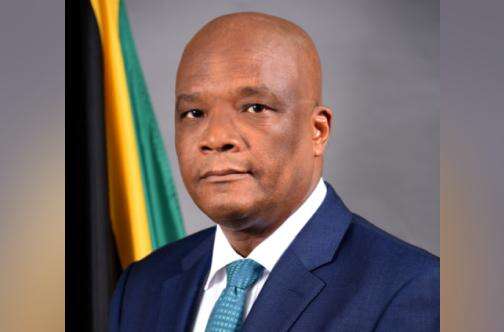
    The recent collapse of Jamaica-Cuba medical cooperation follows mounting international pressure, particularly from U.S. Senator Marco Rubio who criticized Jamaican Prime Minister Andrew Holness’s support of Cuban initiatives. Dr. Morgan suggests the Jamaican government’s sudden discovery of labor law violations provided convenient diplomatic cover to realign with U.S. interests, despite five decades of institutional awareness regarding these practices.

    This diplomatic crisis places Jamaica in an increasingly precarious position, balancing historical solidarity with Cuba against pragmatic economic and political realities. Cuba has been Jamaica’s consistent partner since the 1970s, constructing educational institutions and providing pandemic support. However, as Dr. Morgan notes, confronting American opposition carries severe economic consequences, as demonstrated during former Prime Minister Michael Manley’s administration when Jamaica experienced significant hardship after challenging U.S. foreign policy.

    The current administration faces an impossible choice: preserve relations with Cuba while jeopardizing U.S. support, or sever medical cooperation and worsen Jamaica’s healthcare staffing crisis. With 277 Cuban doctors suddenly withdrawn from Jamaica’s healthcare system, the government must either negotiate a financial settlement with Cuba or attempt to replace these professionals in an already overburdened system—a decision with profound ethical and practical implications for Caribbean relations.

  • COMMENTARY: Toward a Global Architecture of Peace

    COMMENTARY: Toward a Global Architecture of Peace

    In a comprehensive analysis of contemporary global challenges, Ambassador Dr. Clarence E. Pilgrim presents a compelling framework for reimagining international stability. The discourse examines how modern conflicts have evolved into interconnected systemic crises that transcend geographical boundaries, affecting regions from the Middle East to Africa and Eastern Europe with cascading consequences.

    The central thesis establishes that peace cannot be sustained through mere aspiration but requires deliberate architectural construction across multiple dimensions. In our era of profound economic interdependence and shared environmental systems, regional instability generates worldwide reverberations—disrupting supply chains, inflating living costs, weakening institutions, and eroding developmental achievements. This reality transforms peace from an idealistic concept into a strategic imperative for global survival.

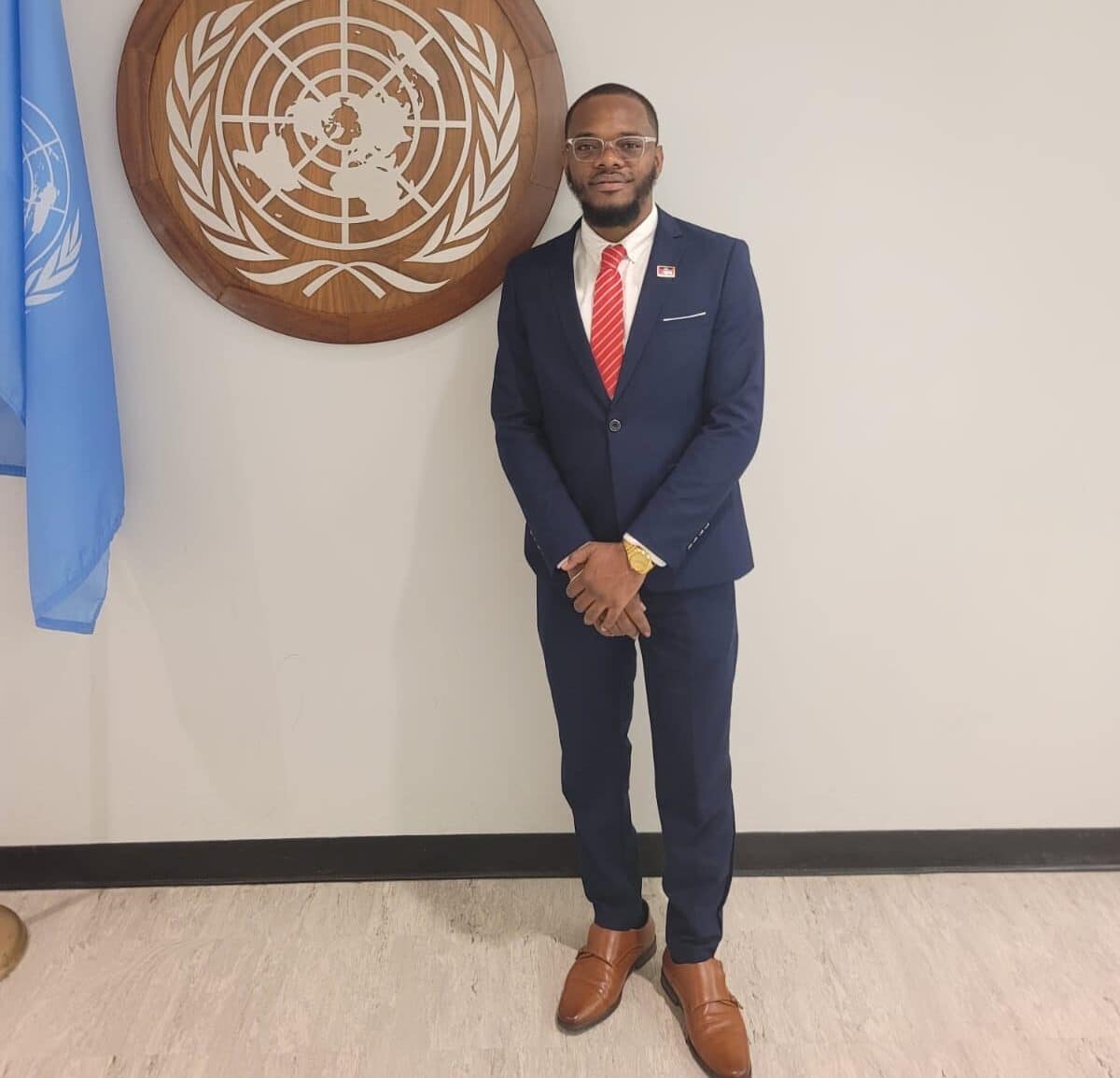
    Ambassador Pilgrim proposes a tripartite foundation for durable peace: peace among nations, peace among peoples, and peace with our natural environment. These interdependent principles represent concrete prerequisites for stability and civilizational advancement rather than abstract philosophical concepts.

    The United Nations, comprising 193 member states, faces critical relevance challenges as its 1945-era structure struggles to address twenty-first century complexities. Institutional evolution becomes essential—not optional—to maintain legitimacy and effective conflict prevention capabilities. Necessary reforms include reexamining Security Council composition, addressing structural imbalances, and ensuring procedural mechanisms don’t hinder collective action.

    Beyond institutional reform, economic integration emerges as a crucial peace-building mechanism. Nations interconnected through trade networks and shared economic interests develop mutual stakes in stability, reducing confrontation incentives. Similarly, scientific and environmental cooperation—particularly regarding ocean resources, biodiversity protection, and climate management—represent collective responsibilities with profound peace implications.

    The philosophical underpinning of this framework challenges utilitarian approaches seeking the greatest good for the greatest number. Instead, it advocates for inclusive peace that serves all humanity, recognizing that inequality and exclusion fundamentally interconnect with instability.

    Historical exemplars like Nelson Mandela and Martin Luther King Jr. demonstrate how reconciliation and moral leadership can transform societies. Their legacies confirm that peace constitutes an active construction project requiring sustained commitment rather than passive absence of conflict.

    Addressing the somewhat skeptical characterization of these proposals as the ‘Pilgrim Doctrine,’ the ambassador acknowledges the ambition while maintaining the vision’s necessity. The international community faces a definitive choice between continuing current patterns of geopolitical rivalry and fragmented cooperation or deliberately constructing systems prioritizing stability and shared progress through established zones of peace.

    The concluding imperative emphasizes transforming abstract peace concepts into tangible institutions, partnerships, and behavioral patterns. Success would establish peace as the fundamental architecture of human progress, while failure risks defining this century through persistent instability.

  • PM warns late voter card validation could leave electors disenfranchised

    PM warns late voter card validation could leave electors disenfranchised

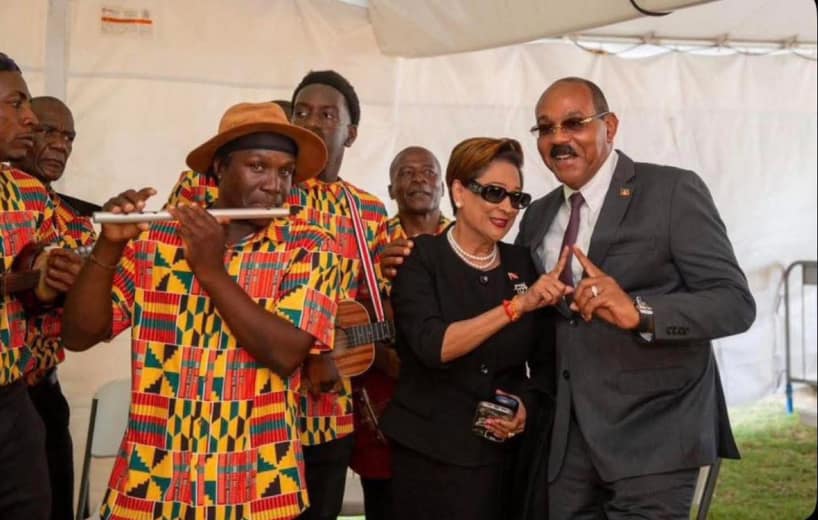
    Prime Minister Gaston Browne of Antigua and Barbuda has issued a critical public advisory concerning voter registration protocols ahead of the nation’s impending general election. During his nationally broadcast weekly radio address, the Prime Minister emphasized the urgent necessity for electors to complete the validation process for their voter identification cards without delay. Browne articulated that postponing this mandatory administrative procedure could potentially jeopardize citizens’ constitutional right to participate in the democratic process. He specifically highlighted that individuals who procrastinate until the final hours risk encountering registration deadlines that may effectively exclude them from the electoral roll. The Prime Minister’s statement comes amid intensified election preparations, with electoral authorities currently engaged in comprehensive verification and updating of the national voters’ registry. Browne explicitly recommended that all eligible voters complete the validation process within the forthcoming fortnight to ensure unimpeded participation in the upcoming political event. This development occurs within the broader context of Caribbean nations strengthening their electoral systems to ensure transparency and inclusivity in democratic exercises.

  • WATCH: Poor polling and dishonorable conduct in parliament could cost Pringle the UPP leadership, PM warns

    WATCH: Poor polling and dishonorable conduct in parliament could cost Pringle the UPP leadership, PM warns

    Antigua and Barbuda’s Prime Minister Gaston Browne has publicly speculated that Opposition Leader Jamale Pringle’s leadership position is becoming increasingly vulnerable due to a confluence of political challenges. During his weekly radio address, the Prime Minister pointed to two primary factors that could catalyze internal dissent within the opposition United Progressive Party (UPP): notably weak public opinion polling and Pringle’s recent performance in parliamentary proceedings.

    Browne characterized the UPP as experiencing a discernible decline in popular support, suggesting this trend has created an environment of internal discontent. He further indicated that Pringle’s actions and effectiveness in the Lower House have become a subject of scrutiny, potentially eroding his standing among party colleagues. The Prime Minister’s analysis implies that these combined pressures may soon manifest as a concerted effort from within the UPP’s ranks to seek a change in leadership.

    These pointed comments emerge against a backdrop of escalating political rivalry, with the nation anticipating a forthcoming general election. Both major political factions are actively intensifying their campaign efforts, positioning these remarks as a strategic element within the broader pre-electoral discourse. Browne’s decision to openly discuss opposition vulnerabilities reflects the heightened stakes and the psychological maneuvering characteristic of the current political climate in Antigua and Barbuda.

  • Pakistan: Vierlandenoverleg om VS en Iran naar diplomatie te bewegen

    Pakistan: Vierlandenoverleg om VS en Iran naar diplomatie te bewegen

    Islamabad has emerged as the epicenter of a rapidly evolving diplomatic initiative aimed at de-escalating hostilities between the United States and Iran. On March 29, 2026, foreign ministers from Turkey, Saudi Arabia, Egypt, and Pakistan commenced a two-day ministerial meeting in the Pakistani capital, signaling the most intensive diplomatic movement seen in years regarding the ongoing conflict.

    The talks follow Pakistani Prime Minister Shehbaz Sharif’s second telephone conversation with Iranian President Masoud Pezeshkian within five days—a 90-minute discussion focused exclusively on de-escalation and confidence-building measures. President Pezeshkian emphasized Tehran’s precondition for direct dialogue: concrete trust-building actions following what Iran characterizes as two previous attacks during nuclear negotiations that severely damaged confidence in Washington.

    This diplomatic mechanism represents an institutionalized effort originating from earlier discussions during a broader conference of Muslim and Arab nations in Riyadh. Pakistan’s central role as mediator between Washington and Tehran became evident when the meeting venue was shifted from Ankara to Islamabad, reflecting Pakistan’s active facilitation of backchannel communications.

    China has formally endorsed Pakistan’s mediation efforts and encouraged Iranian participation, indicating growing great-power engagement with this regional initiative. While the immediate objective isn’t to enforce a ceasefire, diplomats are working to harmonize regional positions and establish foundations for potential direct US-Iran negotiations. For the first time, discussions have moved beyond theoretical possibilities to concrete documents awaiting implementation.

    Speculation suggests that talks between US Secretary of State Marco Rubio and Iranian Foreign Minister Abbas Araghchi could occur within days, potentially in Pakistan, with Vice President JD Vance also mentioned as a possible participant. These prospects remain contingent on fluctuating conditions, including a temporary pause in US attacks to meet Iran’s confidence-building demands.

    Tehran’s requirements for dialogue include cessation of hostilities, compensation payments, guarantees against future attacks, and recognition of its strategic influence in the Strait of Hormuz. President Pezeshkian recently warned of Israeli attempts to expand the conflict while expressing concerns about attacks originating from foreign territories.

    Pakistan maintains that dialogue requires an atmosphere of mutual respect and an end to killings of Iranian officials and civilians. Islamabad has condemned Israeli attacks while showing solidarity with Gulf states regarding Iranian infrastructure attacks, revealing growing divergence between regional powers and Washington’s military approach.

    The situation is further complicated by increased involvement of Iran-backed Houthi rebels in Yemen, whose escalated attacks on Saudi Arabia and other regions create additional security concerns and strengthen Iranian alliances.

    The next 48-72 hours will prove decisive in determining whether this diplomatic initiative culminates in actual US-Iran meetings. Having consulted with Iran, hosted regional powers, and conveyed proposals, Pakistan has completed its intermediary role. The outcome now depends on decisions in Washington and Tehran.

    Should this mediation effort fail due to persistent distrust and continuing violence, the regional conflict risks escalating into a significantly larger war.

  • Reactie op: Noodzaak van een Algemene Wet Bestuursrecht

    Reactie op: Noodzaak van een Algemene Wet Bestuursrecht

    In a significant development within Suriname’s political landscape, Assembly Member Asis Gajadien (V.H.P. faction leader) has ignited crucial discussions regarding the nation’s pressing need for comprehensive Administrative Law legislation. This call for legal reform comes amid growing concerns about governmental transparency and citizen rights protection.

    The constitutional foundation for such legislation dates back to 1975, specifically Article 135(1) of Suriname’s Constitution, which empowers the assignment of non-civil legal disputes to administrative judges. Despite this longstanding constitutional provision, Suriname has consistently failed to establish uniform and enforceable administrative regulations throughout its history as an independent nation.

    Eugène van der San, Chairman of the Administrative Appeals Institute (ABI) within the President’s Cabinet, revealed that substantial preparatory work has already been undertaken regarding administrative law formulation. However, he expressed disappointment that experienced parliamentarians like Gajadien have only recently recognized this necessity, particularly given the extensive period during which these same politicians held governing authority.

    The current legal vacuum creates substantial challenges for citizens, who face ambiguous procedures, insufficient transparency, and limited avenues to effectively contest government decisions. This regulatory deficiency fundamentally undermines public trust in state institutions—a concern that van der San claims to have raised repeatedly without response until now.

    Political observers suggest the timing of this initiative may connect to ongoing proceedings involving the potential indictment of political officeholders. The fundamental structural issue in Suriname appears to be the tendency of politicians to evaluate even formal constitutional matters through partisan lenses rather than objective legal frameworks.

    Historical context reveals that even the Netherlands, whose legal system influenced Suriname’s, required extensive development before establishing its General Administrative Law Act (AWB) in 1994. Previous legislation including the Administrative Decisions Appeal Act (Wet BAB) and Administrative Jurisdiction Act (Wet Arob) gradually built toward comprehensive administrative law codification.

    Under the concordance principle, political leaders since independence in 1975 bore responsibility for developing administrative law in accordance with constitutional mandates. While Article 135(2) institutionally enables administrative appeals through judicial collaboration, the absence of comprehensive legislation creates uncertainty regarding the consistent application of proper governance principles.

    Both van der San and Gajadien now advocate for expedited parliamentary consideration of administrative law legislation, recognizing that existing transparency laws alone cannot ensure legal certainty or prevent administrative arbitrariness. This bipartisan recognition of legal deficiency may signal potential progress toward strengthening citizen rights protections and governmental accountability in Suriname.

  • ‘RANT LESS, WORK MORE’

    ‘RANT LESS, WORK MORE’

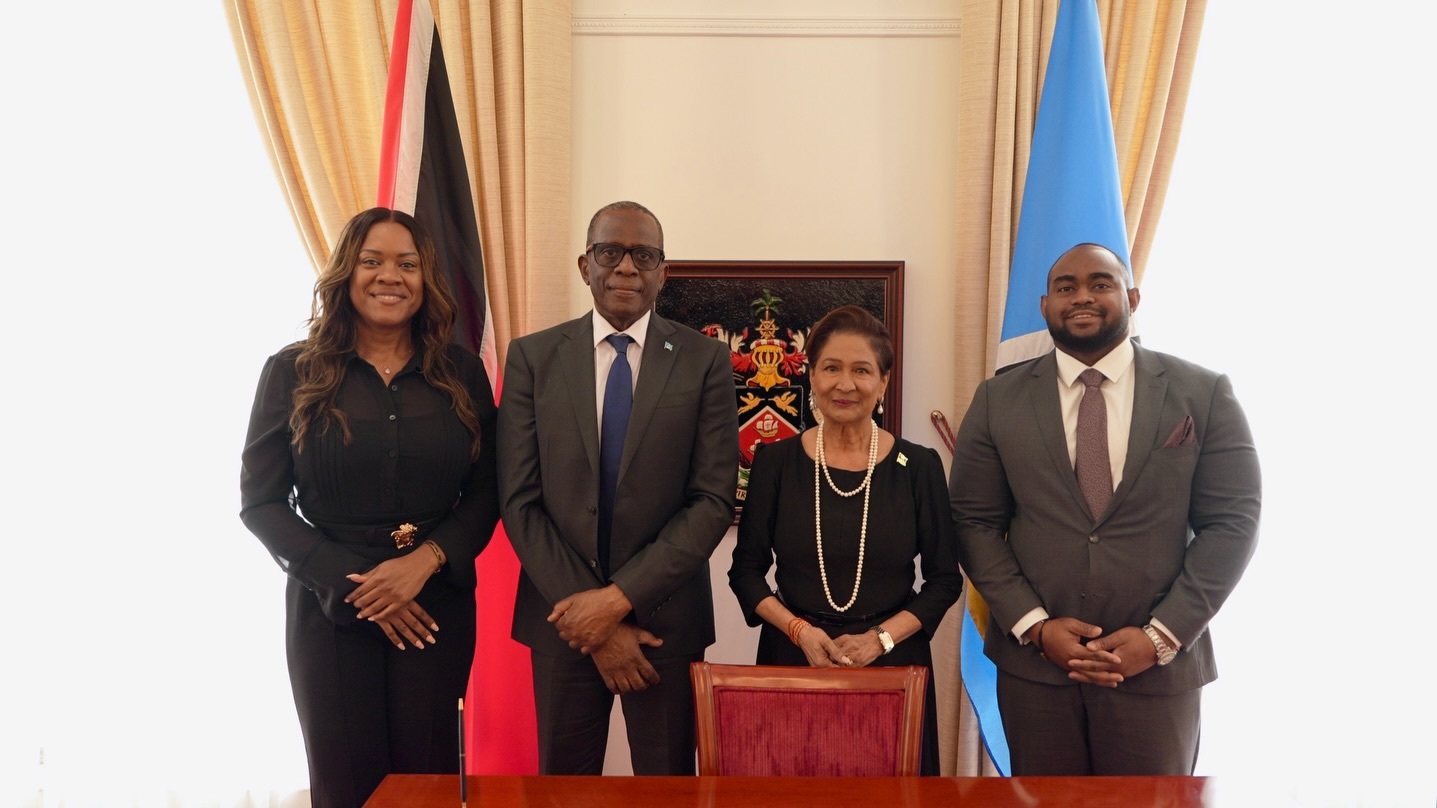
    A political confrontation has erupted in Trinidad and Tobago over the government’s controversial school policing program, with Opposition Leader Pennelope Beckles delivering a sharp critique of Prime Minister Kamla Persad-Bissessar’s leadership approach. The dispute centers on the Schools-Oriented Policing Programme implemented by the ruling UNC government.

    Beckles utilized social media platforms to challenge the Prime Minister directly, stating that the nation’s children deserve substantive policy rather than “hot air in a plastic bag” and social media rants. This response came after Persad-Bissessar accused the opposition PNM party of attempting to remove police protections from schools, describing their actions as demonstrating “neglect and hatred of our nation’s children.”

    The controversy stems from parliamentary debates initiated by former education minister Dr. Nyan Gadsby-Dolly, who characterized the armed police initiative as “poorly thought out” and “unsustainable.” During Friday’s parliamentary session, Education Minister Dr. Michael Dowlath and Homeland Security Minister Roger Alexander faced scrutiny over the program’s implementation details and alleged lack of stakeholder consultation.

    Beckles asserted that the policing initiative has proven ineffective, noting that “We cannot police our nation’s youth into righteousness.” She emphasized that school violence represents a complex societal issue requiring comprehensive solutions rather than reactive measures. The Opposition Leader particularly criticized the reduction of critical support staff including guidance counselors and school social workers while simultaneously deploying police officers without clear operational frameworks.

    The Opposition Leader called for evidence-based strategies addressing root causes of school violence, accusing the government of focusing exclusively on expulsions and arrests without developing preventive measures. Beckles condemned the Prime Minister for presiding over what she described as a failed initiative that has not reduced school violence, while highlighting the government’s responsibility to manage the education sector effectively.

    This political clash reflects deeper divisions regarding public safety approaches and educational policy in Trinidad and Tobago, with both leadership figures presenting contrasting visions for addressing school security concerns.

  • Terwijl de oorlog woedt, dringen Iraanse politici aan op vertrek uit het kernwapenverdrag

    Terwijl de oorlog woedt, dringen Iraanse politici aan op vertrek uit het kernwapenverdrag

    Iran stands at a critical geopolitical crossroads as hardline politicians push for the nation’s withdrawal from the Treaty on the Non-Proliferation of Nuclear Weapons (NPT), responding to intensified US-Israeli strikes on civilian nuclear sites, steel complexes, and academic institutions. The escalating confrontation has triggered parliamentary action that could fundamentally reshape Iran’s nuclear posture and international alliances.

    Ebrahim Rezaei, spokesperson for the Iranian parliament’s national security commission, declared Friday that continued NPT membership ‘has yielded no benefits’ for Iran. His statements on social media platform X coincided with lawmaker Malek Shariati’s announcement that a priority bill had been submitted through parliamentary channels to facilitate Iran’s exit from the treaty. This legislative move would also revoke nuclear restrictions tied to the defunct 2015 nuclear agreement and establish new international partnerships with aligned nations including Shanghai Cooperation Organization and BRICS members for peaceful nuclear technology development.

    The parliamentary push comes amid devastating airstrikes that have targeted Iran’s critical infrastructure. US-Israeli forces conducted intensive bombardments on Friday, hitting a yellowcake facility in Yazd, the Khondab Heavy Water Complex near Arak, and areas surrounding the Bushehr nuclear power plant—prompting International Atomic Energy Agency (IAEA) warnings about potential radiological catastrophe. Simultaneous attacks crippled Iran’s major steel complexes in Isfahan and Ahvaz, threatening billions in non-oil export revenue and thousands of jobs amid an existing economic crisis featuring 70% inflation and severe energy shortages.

    Iran’s leadership has accused IAEA Director Rafael Grossi of complicity in the attacks, with senior advisor Mohammad Mohkber labeling him an accomplice to bloodshed. Parliamentary member Fada-Hossein Maleki further accused Grossi of months of ‘instigation’ to please US President Donald Trump, describing nuclear bomb remarks as ‘provocative acts contrary to all international norms.’

    The conflict has plunged Iran into information darkness, with the Islamic Republic maintaining a complete internet shutdown for over one month—affecting 90 million citizens—while heavily armed forces patrol cities to prevent protests. State media continues broadcasting coerced confessions, including a recent video of a blurred-face girl arrested for sharing strike footage with foreign media.

    As Tehran endures its most severe bombardment nights, with airstrikes illuminating skies orange and causing temporary blackouts, the parliamentary bill awaits review by the Guardian Council—a powerful 12-member constitutional body—before potential implementation, marking a potential point of no return in Iran’s nuclear diplomacy.

  • Beloningsstructuur en organisatie rechterlijke macht worden herzien

    Beloningsstructuur en organisatie rechterlijke macht worden herzien

    Suriname’s National Assembly has initiated comprehensive revisions to the Judicial Position Act, targeting both compensation structures and organizational frameworks within the nation’s judiciary. According to NDP parliamentarian Ebu Jones, the preparatory phase involves extensive exploration of various options to enhance the judicial system’s functionality and independence.

    The proposed amendments extend beyond mere salary adjustments for judges, encompassing the entire judicial chain—from the President of the Court of Justice to prosecutors and court clerks. This holistic approach aims to align responsibilities with appropriate remuneration while reinforcing the rule of law. Jones emphasized that the reforms seek to make judicial positions both attractive and independent, addressing systemic vulnerabilities.

    Structural reforms constitute a critical component of the overhaul. One key proposal involves establishing dedicated administrative bureaus for both the Court of Justice and the Public Prosecutor’s Office. These entities would assume responsibility for personnel management, financial processing, and other administrative duties that currently fall under senior judicial officials.

    This strategic separation aims to shield top judicial figures—including the Court President and Attorney General—from potential conflicts of interest and public speculation regarding appointments and budget management. By relieving judges of administrative burdens, the reforms intend to prevent the judiciary from being drawn into political or managerial positions, thereby safeguarding its integrity and independence.

    The legislative review also examines a previous decision by former President Chan Santokhi that granted judicial leadership autonomy in organizing internal structures. Jones referenced Parliament’s operational model as an ideal framework, where a dedicated bureau handles administrative and financial matters, allowing lawmakers to focus solely on their core legislative duties.

    While specific adjustments to these powers remain undetermined, multiple scenarios are under consideration. The coming period will determine the concrete implementation of these proposals and the ultimate direction of Suriname’s judicial modernization efforts, all oriented toward strengthening both the position and performance of the judicial branch.

  • Actions for the restoration of security in Haiti

    Actions for the restoration of security in Haiti

    Haiti’s escalating security crisis took center stage at the 6th Sectoral Security Roundtable conference this week, where government officials and international partners convened to address rampant gang violence and its devastating societal impacts. Hosted at Port-au-Prince’s Karibe Hotel with support from the United Nations and the Center for Analysis and Research in Human Rights (CARDH), the high-level gathering focused on establishing a specialized Anti-Gang Force and comprehensive security restoration measures.

    Serge Gabriel Collin, Haiti’s Minister of Economy and Finance, delivered a stark assessment of how insecurity has crippled the nation’s economic foundations and social fabric. He revealed alarming statistics: approximately 5.7 million Haitians now face severe food insecurity while over 1.4 million have been internally displaced due to gang-related violence. The minister attributed poor economic performance directly to the deteriorating security situation, emphasizing that without stability, economic recovery remains impossible.

    Minister Collin outlined the Ministry’s multifaceted approach to combating the crisis through both direct security measures and indirect economic interventions. Key strategies include intensifying efforts against illicit trafficking networks that supply armed groups with narcotics, firearms, and ammunition. The government is strengthening border control operations at ports, airports, and land crossings to disrupt these supply chains. Additionally, financial security measures are being enhanced through aggressive anti-money laundering initiatives and counter-terrorism financing operations.

    Beyond security-focused actions, the Ministry is deploying economic tools to address root causes of instability. These include supporting entrepreneurship programs, creating wealth redistribution mechanisms, and allocating specific budgetary resources to finance ongoing law enforcement operations. Social protection programs are being expanded to reduce inequalities and prevent factors that contribute to instability, representing a comprehensive approach to security restoration.

    Axel Joseph, Chief of Staff to the Prime Minister, reinforced the government’s unwavering commitment to security restoration, emphasizing that this remains the administration’s top priority. The Organization of American States (OAS) representative advocated for a coordinated, sustainable approach centered on building national capacity rather than relying solely on external interventions.

    Conference participants unanimously concluded that only through concerted, multi-dimensional action can Haiti hope to achieve lasting stability. The consensus emphasized that security restoration must be accompanied by institutional strengthening and economic revitalization to create a sustainable foundation for peace and development.