分类: politics

  • In staat van beschuldigingstelling – zwakke strategie?

    In staat van beschuldigingstelling – zwakke strategie?

    Suriname’s judicial institutions confront a pivotal moment as impeachment proceedings against three prominent political figures—Bronto Somohardjo, Riad Nurmohamed, and Gillmore Hoefdraad—raise fundamental questions about the Public Prosecutor’s Office’s capacity to effectively prosecute high-ranking officials.

    The impeachment process operates at the intersection of law and politics, requiring approval from De Nationale Assemblee (DNA) before prosecution can commence. This dual nature demands not only legal rigor but also political persuasiveness and clarity in presenting cases.

    Legal experts identify eight critical shortcomings in the prosecution’s approach: excessive charging without prioritization, lack of clear focal accusations, overreliance on witness statements rather than forensic financial evidence, premature filing of incomplete investigations, repetitive legal formulations, inadequate distinction between systemic failures and personal culpability, overwhelming complexity that undermines persuasiveness, and insufficient consideration of political thresholds.

    Case-specific analysis reveals varying strengths and weaknesses. Somohardjo’s case demonstrates concrete factual descriptions but lacks financial auditing evidence. Nurmohamed’s file presents broad legal framework but suffers from weak personal connection to alleged acts. Hoefdraad’s dossier contains extensive financial investigation but risks collapsing under its own complexity.

    The central deficiency appears to be an overly broad approach where charging everything potentially dilutes the core accusations and creates room for reasonable doubt. impeachment procedures require conviction rather than comprehensiveness.

    The ultimate test occurs not in the courtroom but in the political arena of DNA, where the prosecution must first persuade parliamentarians. Failure at this stage would represent not merely legal setback but evidence of systemic inability to hold political power accountable.

    The outcome carries profound implications for Suriname’s rule of law: success would strengthen judicial institutions, while failure would signal structural incapacity to enforce political accountability. The notably weaker case against Nurmohamed, a VHP party member, raises questions about potential political considerations.

    The prosecution faces a clear choice: continue with broad, complex cases risking failure or return to essentials—focus, precision, and persuasiveness. As legal expert Dr. J. van Dijk-Silos concludes, sometimes less proves more in establishing judicial credibility.

  • Suriname mourns the passing of former President Santokie

    Suriname mourns the passing of former President Santokie

    A small Caribbean nation is grieving a towering political figure this week, as the regional integration body CARICOM has publicly joined the people of Suriname in mourning the sudden death of former President Chandrikapersad Santokie. Santokie, who led the South American-Caribbean nation as its ninth president from 2020 through 2025, passed away on Monday, March 30, 2026, after emergency medical efforts failed to save him.

    Local media reports originating from Suriname’s capital Paramaribo confirm that medical teams were dispatched to Santokie’s private residence early Monday morning in response to a medical emergency. First responders administered urgent on-site care before transferring the former head of state to a local hospital for advanced treatment, where he was pronounced dead shortly after arrival.

    In an official media statement released this week, the Caribbean Community expressed profound sorrow over the unexpected passing of the former leader. Beyond his role as Suriname’s president, Santokie left a clear mark on regional governance through his service to CARICOM: he held the rotating position of Chairman of the CARICOM Conference of Heads of Government from July through December 2022, where he represented Suriname with widespread respect and distinction.

    During the 43rd Regular Meeting of the Conference, hosted by Santokie in Paramaribo, the former president spearheaded decisive action on a host of critical regional priorities. These included advancing the expansion of approved professions covered by skills certification under the CARICOM Single Market and Economy (CSME), coordinating the Community’s collective policy response to the ongoing crisis in Haiti, and driving forward the development of a cohesive CARICOM Industrial Policy.

    Closing its statement, the regional bloc extended its deepest and most heartfelt condolences to the official government and people of Suriname, as well as to Santokie’s wife, extended family, and close political colleagues in the wake of their loss.

  • Malaka Parker Claims Snap Poll Aimed at Covering Poor Performance

    Malaka Parker Claims Snap Poll Aimed at Covering Poor Performance

    In a sharply critical address, United Progressive Party candidate Malaka Parker has called upon constituents of St. John’s Rural North to deliver a decisive electoral verdict against the current administration. Parker contends that the government’s potential call for another snap general election represents a strategic diversion rather than a genuine democratic exercise.

    The opposition figure asserted that such political maneuvering aims to obscure what she characterized as systemic governance failures and chronic underperformance. Parker warned voters against being swayed by what she described as manufactured chaos and compressed electoral timelines, arguing these tactics intentionally overshadow years of governmental neglect.

    Expanding her critique to national concerns, Parker highlighted deteriorating international relations and increasingly restrictive visa policies as evidence of poor diplomatic stewardship. She further accused the government of implementing policies that disproportionately burden ordinary citizens while insulating political elites from consequences.

    The UPP candidate framed the upcoming election as a critical opportunity for citizens to render judgment on what she termed ‘reckless leadership and profoundly flawed decision-making.’ Parker concluded with a direct appeal for voters to exact political accountability through ballot box consequences, emphasizing that electoral participation represents the most potent mechanism for expressing public discontent.

  • WATCH: Simon calls Bolans housing project ‘a complete disaster’ over drainage concerns

    WATCH: Simon calls Bolans housing project ‘a complete disaster’ over drainage concerns

    Opposition Parliamentarian Kelvin “Shugy” Simon has launched a severe critique against the Bolans housing development, demanding an immediate independent inspection of what he characterizes as a catastrophically flawed project. The Member of Parliament for St. Mary’s South issued a formal statement outlining profound concerns regarding drainage systems, public safety, and the overall planning integrity of the development.

    Simon asserted that critical deficiencies were visibly apparent even prior to the handover of keys to prospective homeowners. He described the entire project as plagued by inadequate infrastructure from its inception, creating conditions that compromise both safety and basic livability for future residents.

    “The housing development in Bolans represents a complete disaster in public project execution,” Simon declared. “Families deserve residences constructed with meticulous care, professional foresight, and robust infrastructure—not dwellings burdened with impending problems from day one.”

    The parliamentarian extended his criticism beyond the specific development to issue a broader challenge to governmental accountability. He emphasized that electoral victory does not constitute a blank check for substandard performance on public works initiatives, characterizing the government’s mandate as a profound responsibility rather than unconditional approval.

    Simon’s demands include three specific actions: an immediate independent technical inspection of the entire Bolans development, a comprehensive review of all drainage and infrastructure systems by neutral experts, and a commitment to transparent communication with citizens regarding findings and remedial actions.

    Concluding his statement with a powerful appeal, Simon emphasized: “The people of this nation deserve superior standards of public service. The community of Bolans warrants substantially better than what this project has delivered.”

  • Emanuel Peters assists with grading of Gray’s Hill and Nut Grove roads

    Emanuel Peters assists with grading of Gray’s Hill and Nut Grove roads

    Emanuel Peters, the United Progressive Party (UPP) candidate for St. John’s Rural South, has revealed his direct involvement in organizing and executing recent road grading operations in the Gray’s Hill and Nut Grove communities. Peters asserts that this infrastructural improvement was undertaken entirely without financial or logistical support from national government bodies, including the Ministry of Public Works.

    In an official statement, Peters framed the initiative as a necessary response to the dire condition of local roads, a persistent issue that severely impacts residents’ daily lives and mobility. He emphasized that the primary objective was to deliver tangible, practical improvements by enhancing accessibility and transit conditions for the community.

    Peters characterized the project as an expression of his constituent responsibility, stating that his team proceeded independently after determining that government assistance was not forthcoming. This action, he noted, reflects his broader commitment to prioritizing actionable results and community service over political rhetoric.

    The state of roadways in St. John’s Rural South has been a chronic source of grievance among locals, with many areas suffering from deteriorated surfaces and infrequent maintenance, which often hampers reliable access for vehicles and emergency services alike.

  • Onderzoek vervolging ex-ministers legt spanning bloot tussen politiek en rechtsstaat

    Onderzoek vervolging ex-ministers legt spanning bloot tussen politiek en rechtsstaat

    Suriname’s National Assembly has established a parliamentary investigation committee to examine impeachment requests against three former ministers, initiating a process with profound legal and political implications. This preliminary phase has already evolved into a critical test for both parliamentary credibility and the nation’s rule of law.

    The committee’s formation revealed underlying coalition tensions when ABOP faction leader and Assembly Vice President Ronnie Brunswijk insisted on chairmanship, declaring he could not function under NDP’s Ebu Jones. Ultimately, NDP faction leader Rabin Parmessar was appointed chair instead.

    Comprising seven assembly members with twelve permanent observers, the committee convenes Monday to examine the Prosecutor General’s case against former ministers Bronto Somohardjo, Riad Nurmohamed, and Gillmore Hoefdraad. While formally an exploratory phase without substantive judgments, the committee will conduct hearings and analyze documents.

    In reality, the stakes are considerably higher: this committee must demonstrate that political interests won’t override a process touching the core of judicial integrity. Additional members include Dew Sharman (VHP), Xiabao Zheng (PL), Jennifer Vreedzaam (NDP), Mahinder Jogi (VHP), Ivanildo Plein (NPD), and Ebu Jones (NDP).

    The chairmanship debate highlights the sensitivity of these proceedings. Brunswijk’s exclusion from leadership was institutionally appropriate given his previous vice presidency alongside Somohardjo and Nurmohamed in the former coalition, which would have created apparent conflicts of interest.

    However, ABOP’s complete absence from the committee—providing neither members nor permanent observers—complicates matters politically and institutionally. While the party could contribute during public deliberations, its absence from preparatory work undermines broader decision-making legitimacy.

    Coalition unity remains elusive regarding the Prosecutor General’s request:
    – Pertjajah Luhur: Faction leader Somohardjo publicly supports prosecution, including in his own case
    – NPS: Advocates allowing the Prosecutor General to proceed with investigations
    – ABOP: Maintains ambiguous positioning
    – NDP, A20, and BEP: Have not established formal stances

    This lack of consensus increases the likelihood that political considerations may outweigh legal arguments.

    The opposition VHP party has notably positioned itself in favor of granting the prosecution request, despite Nurmohamed being a prominent party member.

    At the heart of the tension lies Article 140 of Suriname’s Constitution, which establishes a special procedure for political officials unlike ordinary citizens subject to direct criminal prosecution. This provision requires parliamentary approval before prosecution can proceed, effectively making politics the gatekeeper of judicial process.

    This constitutional framework creates three fundamental implications:
    – Inequality before the law for political officials
    – Political considerations influencing criminal prosecution
    – Judicial process dependency on parliamentary decision-making

    Growing criticism suggests Article 140 may require amendment or abolition as it conflicts with fundamental principles of legal equality.

    Current developments reveal systemic vulnerabilities. The chairmanship debate, coalition partner absence, and internal divisions reinforce perceptions that political interests could influence proceedings, shifting focus from substance to process integrity. The coming weeks will prove decisive not only for three former ministers but for Suriname’s entire judicial system.

    Should the process:
    – Proceed meticulously and convincingly → it will strengthen public trust
    – Descend into political conflict → it will damage judicial integrity

    The investigation committee has transcended technical exercise to become both a political test for parliament and a mirror reflecting the functionality of Suriname’s rule of law. Beyond three former ministers, this process will inevitably reveal how power, decision-making, and conflict of interest have operated in practice—questioning not only individual accountability but broader political structures.

    One certainty emerges: this process will have consequences. As facts sharpen, multiple heads will inevitably roll—political, administrative, or otherwise. The central question becomes not only who faces prosecution, but who remains standing when the full picture emerges.

  • Dominican Republic and Switzerland move toward social security agreement

    Dominican Republic and Switzerland move toward social security agreement

    BERN, SWITZERLAND – Significant progress has been made in bilateral negotiations between the Dominican Republic and Switzerland concerning two pivotal agreements, as confirmed by Dominican Labor Minister Eddy Olivares Ortega. The high-level discussions, held at Switzerland’s Federal Department of Foreign Affairs, centered on finalizing a social security pact and a pending readmission agreement.

    The cornerstone of the talks was a proposed social security treaty designed to protect the pension and welfare rights of migrant workers. This landmark agreement would enable citizens from both nations to amalgamate their contribution periods accrued in each country. This mechanism ensures that individuals who have worked in both jurisdictions will not forfeit their entitlements, thereby streamlining access to retirement pensions and health insurance benefits.

    In a parallel development, Minister Olivares, accompanied by Dominican Ambassador Pablo Valentín, received confirmation that a revised readmission agreement is now prepared for formal signing. Swiss authorities have completed their internal review processes and are awaiting the final endorsement from the Dominican government to proceed.

    The broader diplomatic dialogue also encompassed a comprehensive review of Swiss-Dominican relations. Both parties explored avenues for enhanced cooperation in critical domains including labor regulations, sustainable economic development, and multilateral engagement. Swiss officials particularly acknowledged the Dominican Republic’s robust institutional framework and its strong economic trajectory under the administration of President Luis Abinader, noting his government’s commitment to reinforcing democratic governance. The nation’s active role in the International Labour Organization was also a key point of discussion.

  • Antigua PM says election will be held in April

    Antigua PM says election will be held in April

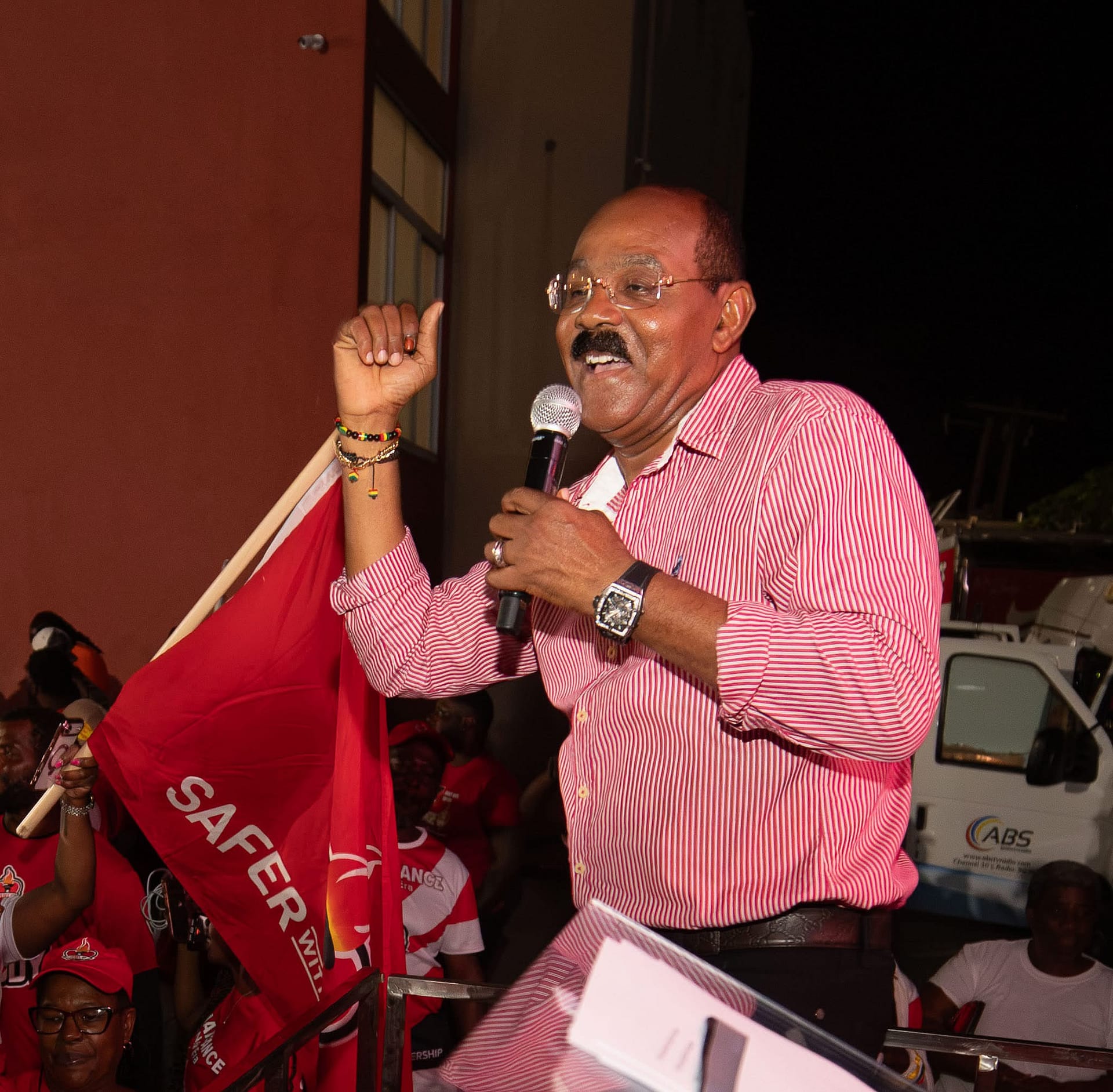
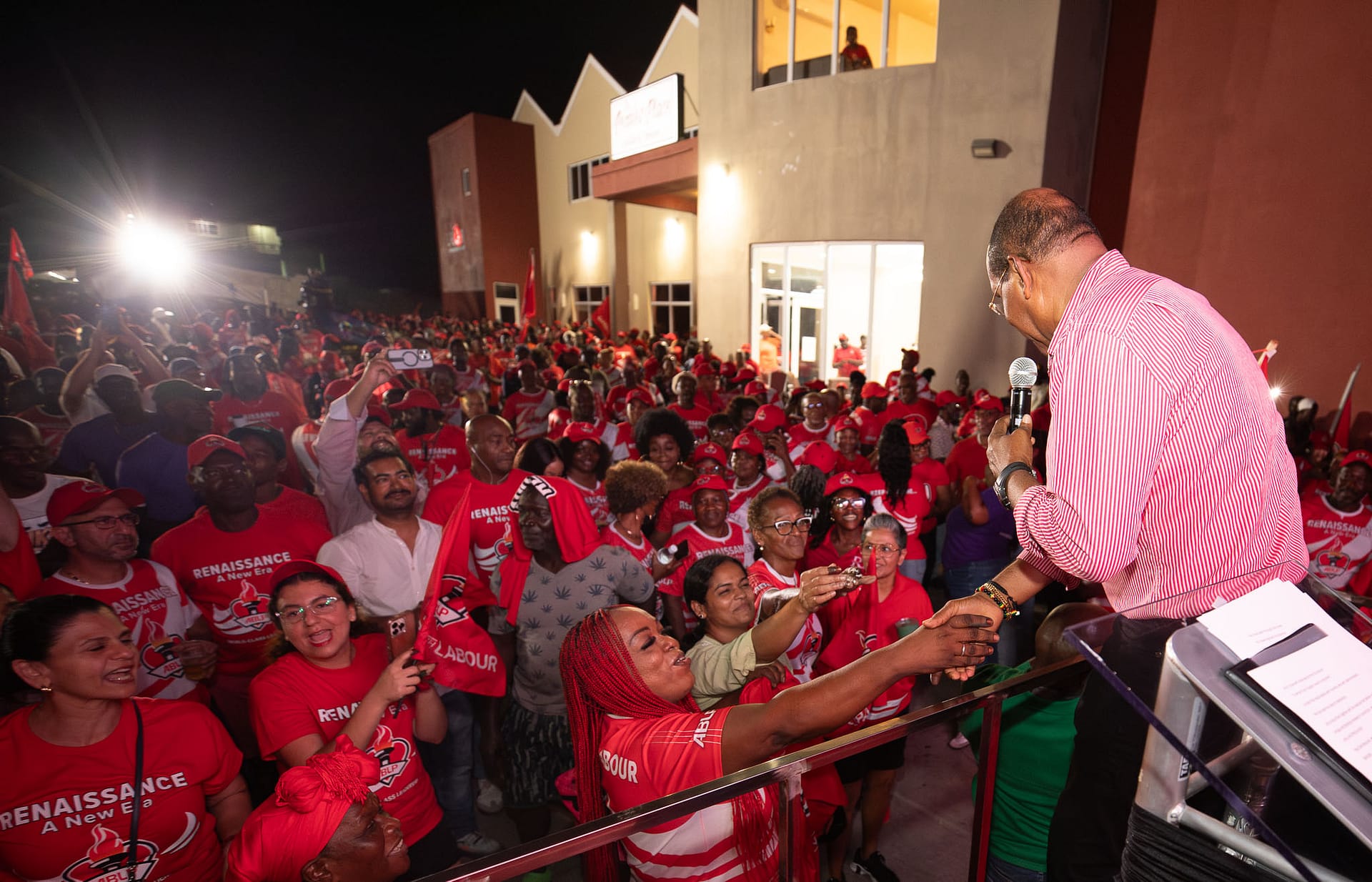
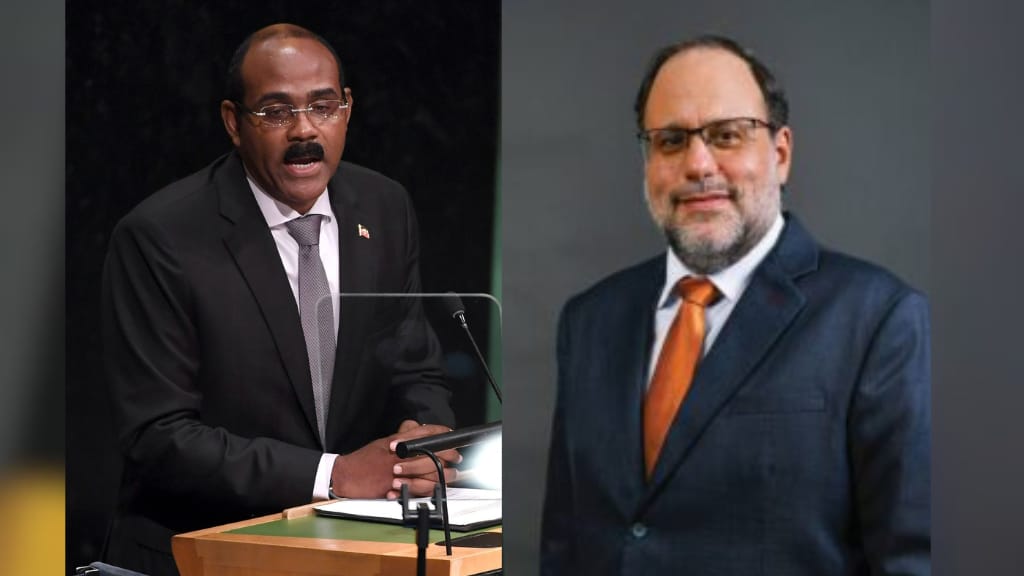
    Prime Minister Gaston Browne has formally initiated the process for national elections in Antigua and Barbuda, confirming he has advised Governor General Sir Rodney Williams to dissolve Parliament ahead of polls scheduled for next month. The announcement came during a parliamentary session where Browne detailed his constitutional approach to the dissolution process.

    Citing Section 60, Subsection 1 of the Antigua and Barbuda Constitution Order 1981, which grants the Governor General authority to prorogue or dissolve Parliament upon the Prime Minister’s recommendation, Browne outlined his careful timing considerations. He revealed that while the government could have proceeded with immediate dissolution that would have set elections for April 17th, he opted for a more measured approach to avoid placing the opposition United Progressive Party (UPP) at a significant disadvantage.

    ‘As a Christian man, I believe in mercy,’ Browne stated, explaining his decision to allow additional preparation time for the opposition. ‘I’ve been advised to give them a few more days to allow them to get their house in order, because clearly, even though they are making articulations to the extent that they are ready, they still do not have a full slate as yet.’

    The government has scheduled Parliament’s dissolution for Wednesday, April 1st, 2026, with the formal election writ potentially issued the same day. Browne indicated that the Cabinet will determine the exact timing during their meeting next week, noting that if the writ is issued on April 21st, elections would follow 21 days later, including holidays and Sundays, placing the vote around April 22nd.

    Browne emphasized that the opposition would not receive more than an additional week for preparation, hoping they would ‘utilize Holy Week to bring their party together, to get some love in their hearts, and to get in a state of readiness.’ The process follows the Representation of the People Act 2001 as amended by Statutory Instrument Number 6 of 2010, with subsequent correspondence to the Governor General specifying nomination dates and the final election timetable.

    The upcoming elections follow the January 2023 general election where Browne’s Antigua and Barbuda Labour Party (ABLP) secured nine seats against the UPP and an independent candidate, with the recent by-election victory of ABLP’s Randy Baltimore strengthening the ruling party’s position.

  • Trump’s signature to appear on US dollars in first for sitting president

    Trump’s signature to appear on US dollars in first for sitting president

    In an unprecedented departure from longstanding tradition, the US Treasury Department has announced that former President Donald Trump will become the first sitting president to have his signature featured on American banknotes. The controversial move places Trump’s signature alongside that of Treasury Secretary Scott Bessent on newly minted currency, breaking with the customary practice of featuring only treasury officials’ signatures.

    The initiative, characterized as part of America’s 250th anniversary commemorations, has ignited immediate political controversy. Treasury Secretary Bessent defended the decision, stating, ‘There is no more powerful way to recognize the historic achievements of our great country and President Donald J. Trump than US dollar bills bearing his name.’

    The first batch of $100 bills featuring the dual signatures is scheduled for production in June, with additional denominations to follow. These will replace notes currently bearing the signatures of Treasury officials from the Biden administration.

    This development represents the latest effort by Trump’s political apparatus to associate his name with government programs and national symbols. The administration has simultaneously approved commemorative 24-karat gold coins featuring Trump’s likeness as part of anniversary celebrations.

    The decision terminates a tradition dating back to 1861 wherein only the US Treasurer’s signature appeared on currency. Current Treasurer Brandon Beach attempted to strike a conciliatory tone, affirming that US currency would ‘continue to stand as a symbol of prosperity, strength, and the unshakable spirit of the American people.’

    The announcement has drawn sharp criticism from political opponents, including California Governor Gavin Newsom, who seized the opportunity to critique Trump’s economic record: ‘Now Americans will know exactly who to blame as they’re paying more for groceries, gas, rent, and health care.’

    Historical context notes that this marks the second instance of Trump’s name appearing on government disbursements, following its inclusion on COVID-19 relief checks during the pandemic.

  • Citizenship programme in the spotlight after UK visa move

    Citizenship programme in the spotlight after UK visa move

    A seven-month overdue report on Saint Lucia’s Citizenship by Investment Programme (CIP) has become the center of political contention, with Prime Minister Philip J. Pierre finally presenting the document during parliamentary budget estimates this week. The Prime Minister confirmed the 2025 CIP analysis would be fully disclosed at the next parliamentary session, though he provided no explanation for the significant delay.

    The prolonged absence of this critical document has intensified speculation regarding the program’s impact on Saint Lucia’s international standing. This follows the United Kingdom’s recent imposition of visa requirements for Saint Lucian nationals, a decision that UK officials directly connected to migration concerns and asylum application trends.

    Opposition Leader Allen Chastanet of the United Workers Party has repeatedly demanded transparency, highlighting in a March 16 interview that the delayed report’s findings could illuminate the UK’s policy shift. Chastanet referenced the UK’s Explanatory Memorandum, which cited the 2023-2024 CIP report while justifying the new visa requirements. The document drew correlations between increased CIP applications and rising numbers of Saint Lucian asylum seekers in the UK.

    Chastanet expressed particular concern about application processing standards under the current administration, noting that while his government issued fewer than 900 passports total, the Pierre administration approved over 1,000 between 2023-2024 alone. He suggested inadequate due diligence had made Saint Lucia “a substantial risk just like Dominica.”

    The CIP unit maintains it has adhered to proper vetting procedures, reporting EC$133.1 million spent on due diligence fees during 2023-2024. However, British Commissioner Doyin Adele-Shiyanbola confirmed that border security concerns related to migration patterns and CIP program abuses had been discussed in bilateral talks preceding the UK’s decision.

    While acknowledging the economic value of CIP programs to Saint Lucia, Adele-Shiyanbola characterized them as “inherently quite high risk” for the UK. She revealed that 360 Saint Lucian nationals sought asylum in the UK between January 2022 and December 2025, with 222 receiving asylum support by the end of 2025—a number considered disproportionately high relative to Saint Lucia’s population size.

    The Commissioner emphasized the financial burden of asylum applications, noting each case costs UK taxpayers approximately £40,000 (EC$143,500). While observing parallel increases in CIP approvals and asylum seekers, she could not confirm whether asylum seekers held CIP-acquired passports or were native-born Saint Lucians due to confidentiality protocols.

    The Saint Lucia government continues to reject any connection between the CIP program and the UK’s visa policy. MP Richard Frederick questioned the UK’s “blanket approach,” asserting that CIP holders would constitute “less than one percent” of Saint Lucians accessing the UK. Both nations have expressed commitment to ongoing dialogue to address these complex immigration challenges.