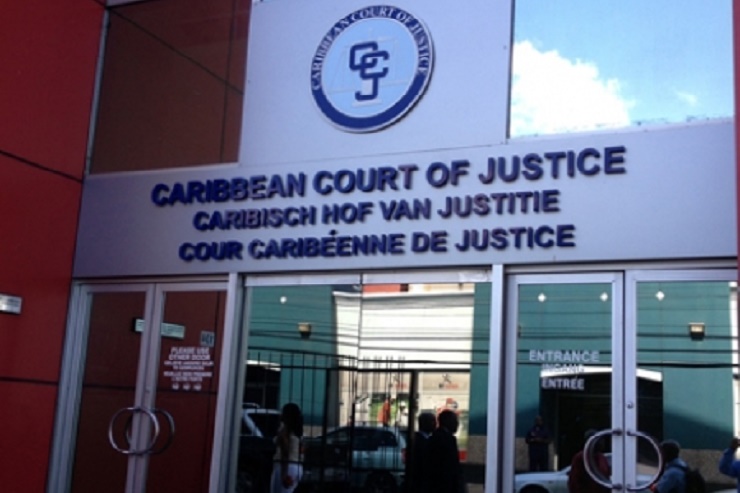
Leaders from the People’s National Congress Reform (PNCR) and the Vigilant Political Action Committee (VPAC) have expressed deep concerns over the Caribbean Court of Justice (CCJ) President Justice Winston Anderson’s involvement in discussions regarding the appointment of Guyana’s Chancellor of the Judiciary. The controversy emerged after Justice Anderson reportedly engaged with then-Opposition Leader Aubrey Norton on the matter, raising questions about the CCJ’s impartiality and independence. Norton revealed that Justice Anderson sought his views on the stalemate surrounding the appointment, though he declined to disclose specific details of their conversation. Norton emphasized that he opposed any supersession of Acting Chancellor Yonette Cummings, who later opted for early retirement. President Irfaan Ali subsequently announced that Acting Chief Justice Roxane George would continue as Chancellor, with Justice Navindra Singh acting as Chief Justice. Meanwhile, VPAC Chairman Dorwain Bess has called for an inquiry into alleged interactions between the CCJ and the Guyanese government, citing potential conflicts of interest and threats to the court’s credibility. The Regional Judicial and Legal Services Commission (RJLSC) has acknowledged Bess’s request, but the Guyana Bar Association has yet to respond. The unfolding situation has sparked debates about the CCJ’s role in Guyana’s judicial processes and its adherence to principles of impartiality and transparency.
分类: politics
-
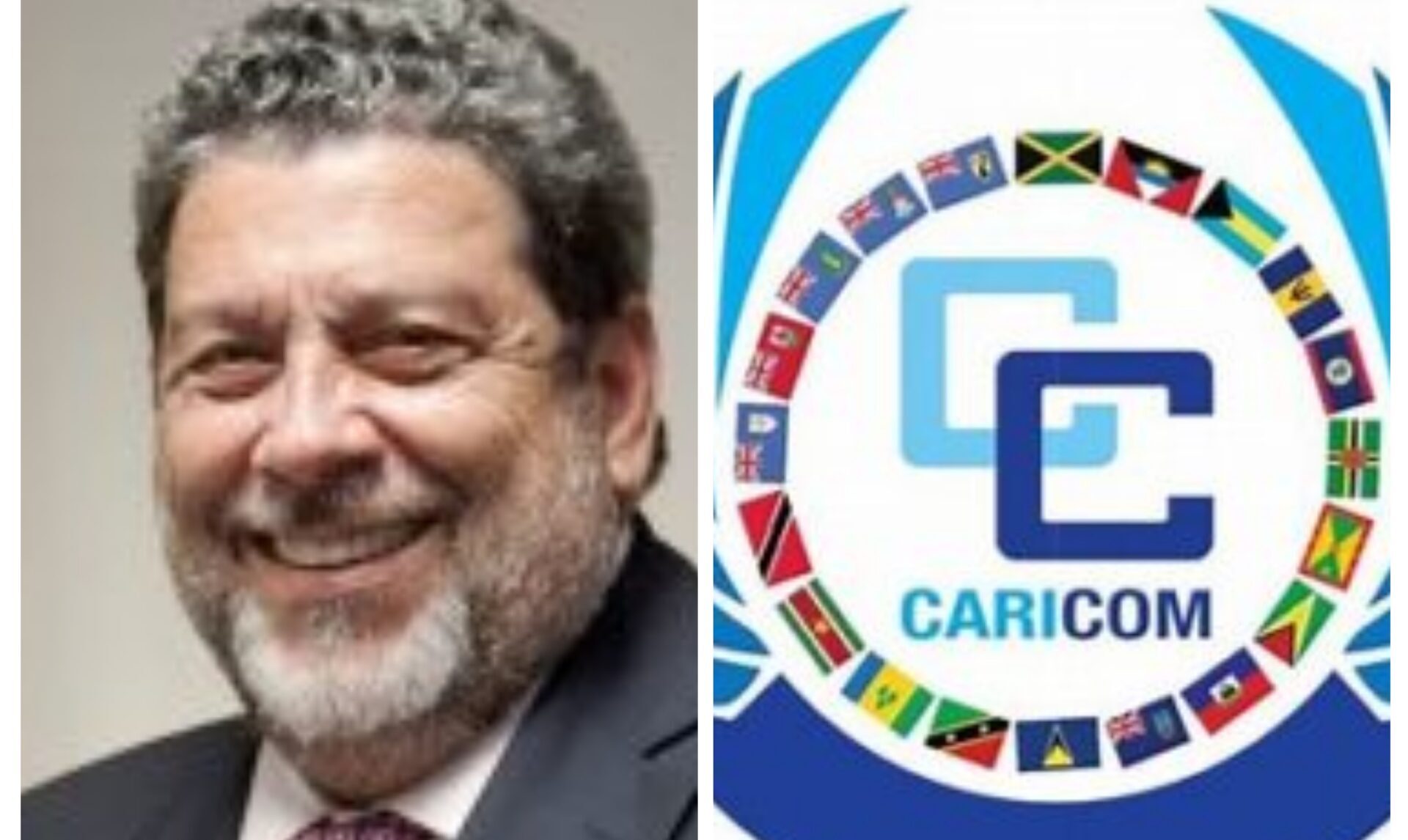
At UWI free movement forum, alumnus PM Ralph Gonsalves says delays in solidifying regional integration may undermine the whole
Regional leaders and scholars recently gathered at The University of the West Indies (UWI) Vice-Chancellor’s Forum to address pivotal issues surrounding the CARICOM Single Market and Economy (CSME), free movement, and the broader Caribbean Regionalisation Project. Held on October 21, the event aimed to strengthen unity among Caribbean nations amidst ongoing challenges, according to a press release.
St. Vincent and the Grenadines’ Prime Minister, Dr. Ralph Gonsalves, a UWI alumnus, emphasized the urgency of deeper regional integration. He highlighted the critical need for implementing free movement policies, warning that delays or hesitations by member states could hinder collective progress. Gonsalves urged proactive planning to address demographic and economic challenges, stressing that tackling shared issues is essential for sustainable growth.
Gonsalves identified several pressing concerns threatening regional cohesion, including declining fertility rates, aging populations, and the need for flexible free movement policies tailored to individual island nations. He also raised issues such as trade barriers caused by currency exchange disparities, varying energy costs, and insufficient funding for the CARICOM Development Fund. Additionally, he called for improved airspace management, unified foreign policy strategies, and effective navigation of geopolitical concerns.
The forum, themed “Promises, Passports, and Possibilities: Free Movement, the CSME, and Caribbean Regionalisation,” featured a diverse panel of experts, including diplomats, academics, and policymakers. UWI Vice-Chancellor Professor Sir Hilary Beckles opened the event, framing regional integration as a moral and historical necessity rooted in the shared destiny of Caribbean peoples. He acknowledged progress but noted persistent internal and external challenges that continue to divide the region.
Professor Canute Thompson, Pro Vice-Chancellor for Undergraduate Studies, chaired the forum and reflected on the 50th anniversary of the Treaty of Chaguaramas, questioning whether its promises had been realized. Presentations from key figures such as Dr. Indira Rampersad, Ambassador Anthony Hylton, and Dr. Delroy Beckford evaluated the current state of regional integration, identified obstacles, and explored future steps.
Dr. Rampersad highlighted deficiencies in regional data collection, which hinder effective policymaking. Ambassador Hylton emphasized the need for enforcing legal frameworks through the Caribbean Court of Justice (CCJ), referencing the landmark Shanique Myrie case. Dr. Beckford advocated for aligning national laws with regional treaty obligations, cautioning against superficial integration efforts.
The event, broadcast live on UWItv, reignited discussions on CARICOM’s integration efforts over five decades since the Treaty of Chaguaramas.
-
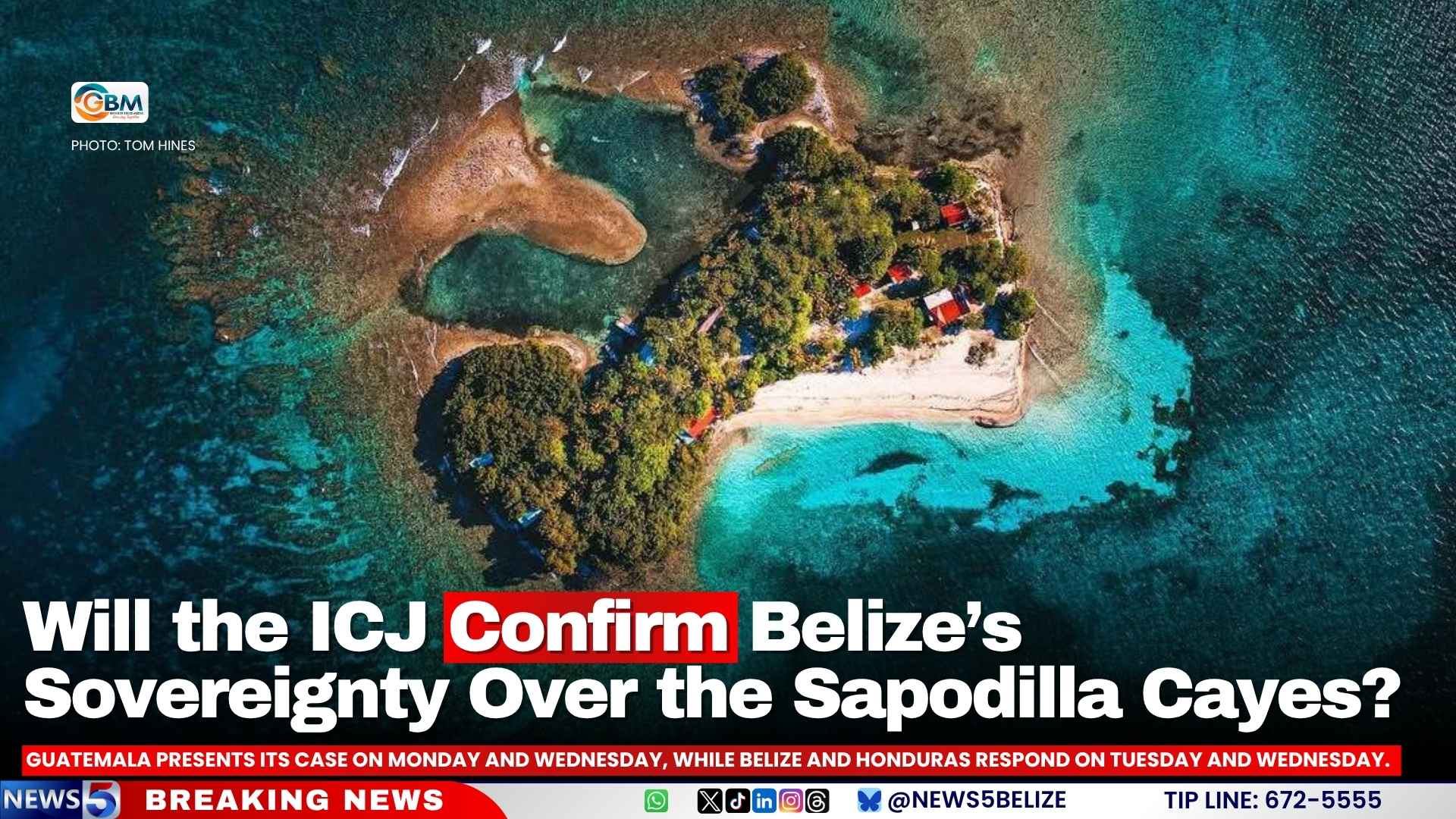
Will the ICJ Confirm Belize’s Sovereignty Over the Sapodilla Cayes?
The International Court of Justice (ICJ) is set to conduct public hearings from November 24 to 26, 2025, in The Hague, Netherlands, to address Guatemala’s request to intervene in Belize’s sovereignty claim over the Sapodilla Cayes. Belize initially filed the case against Honduras three years ago, seeking the ICJ’s declaration of its sovereignty over the islands, which are located at the southern end of the Belize Barrier Reef in the Gulf of Honduras.
Guatemala, which submitted its application last year, argues that the case intersects with its own territorial claim over Belize, also pending before the ICJ. Guatemala asserts a ‘clear legal interest’ in the matter, citing its longstanding sovereignty claim over the Sapodilla Cayes, and warns that the ICJ’s decision could impact its case.
The hearings will include three rounds of oral arguments, with Guatemala presenting its case on Monday and Wednesday, and Belize and Honduras responding on Tuesday and Wednesday.
-
Martin returns as AG as Williams prepares to contest election
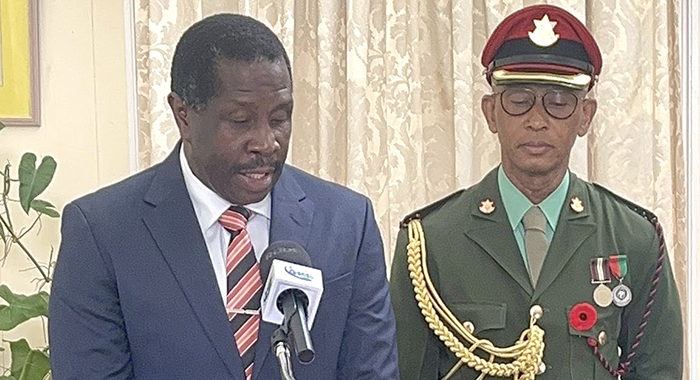
Jaundy Martin has been sworn in as Attorney General of St. Vincent and the Grenadines (SVG) for a second term, replacing Grenville Williams, who is set to be nominated as a candidate in the upcoming general election on November 27. The ceremony, held at Government House in Monstrose, was officiated by Governor General Dame Susan Dougan. Martin returns to the role he previously held until November 4, 2022, after serving five years as the government’s chief legal advisor. His reappointment is seen as a temporary measure until a new Attorney General is appointed following the election, as Parliament was dissolved on October 28. Martin’s previous tenure was marked by the controversial vaccine mandate in November 2021, which led to the dismissal of hundreds of public sector workers who refused the COVID-19 vaccine. While the public sector union initially won a court case against the mandate, the decision was later overturned by the Court of Appeal. The Court of Appeal is expected to deliberate next week on whether to refer the case to the Privy Council in London, SVG’s highest court, for a final ruling. Meanwhile, Williams, who assumed the role on November 4, 2022, is stepping down to pursue his first bid for a parliamentary seat. He will represent the ruling Unity Labour Party (ULP) against Nigel “Nature” Stephenson of the opposition New Democratic Party (NDP), who is seeking a fourth consecutive term. The ULP aims for an unprecedented sixth consecutive term in office after securing nine seats in the 2020 elections, compared to the NDP’s six.
-

Venetiaan stond voor waardigheid, vrede en erkenning van slachtoffers
Suriname is in mourning following the passing of former President Ronald Venetiaan, a revered leader celebrated for his unwavering commitment to peace, human dignity, and moral leadership. The Foundation 8 December 1982, in a heartfelt statement, highlighted his profound contributions to the democratic legal order and his enduring dedication to honoring the victims of the December Murders. The foundation specifically recalled December 8, 2009, when President Venetiaan, as head of state and commander-in-chief of the National Army, unveiled the National Monument Bastion Veere. This act served as a powerful gesture of recognition and rehabilitation for the fifteen men who were murdered in 1982 for their advocacy of democracy and justice. Sunil Oemrawsingh, the foundation’s chairman, emphasized Venetiaan’s personal connection with many survivors and victims’ families, noting his consistent presence at memorial services and tributes as a testament to his deep empathy and humanity. During his presidency, Venetiaan also laid the groundwork for the official investigation into the December Murders, a courageous step toward truth and justice. The foundation concluded, “Suriname has lost a great statesman, but his legacy lives on in the ongoing struggle for truth, justice, and unity.”
-
JCC president: Revitalisation blueprint could be difficult
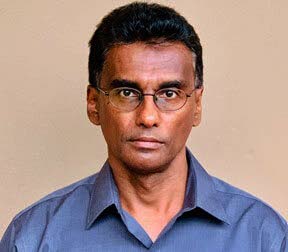
Fazir Khan, President of the Joint Consultative Council (JCC), has voiced cautious optimism regarding the government’s ambitious revitalisation blueprint, which aims to transform the nation by 2035. While expressing scepticism about the feasibility of the proposed timeline, Khan remains hopeful for its success. The blueprint, launched on November 6 by Minister of Works and Infrastructure Jearlean John, outlines a plan to send out Expressions of Interest (EoI) immediately, with Requests for Proposals (RFPs) to be evaluated by April 2024. Some projects are expected to commence as early as August 2024. Prime Minister Kamla Persad-Bissessar emphasized collaboration with the private sector and openness to international investors during the launch. Khan welcomed this approach but highlighted potential legislative adjustments needed to accommodate public-private partnerships (PPPs) and foreign investments. He also noted that certain projects might exceed local capabilities, necessitating international partnerships. Despite these challenges, Khan expressed confidence in the maturity of the local construction industry. Additionally, Minister of Planning and Economic Affairs Kennedy Swarathsingh announced plans to establish a Priority Portal Desk to expedite approvals for projects exceeding $50 million, addressing a longstanding hindrance to development in the country.
-
No white elephants, please
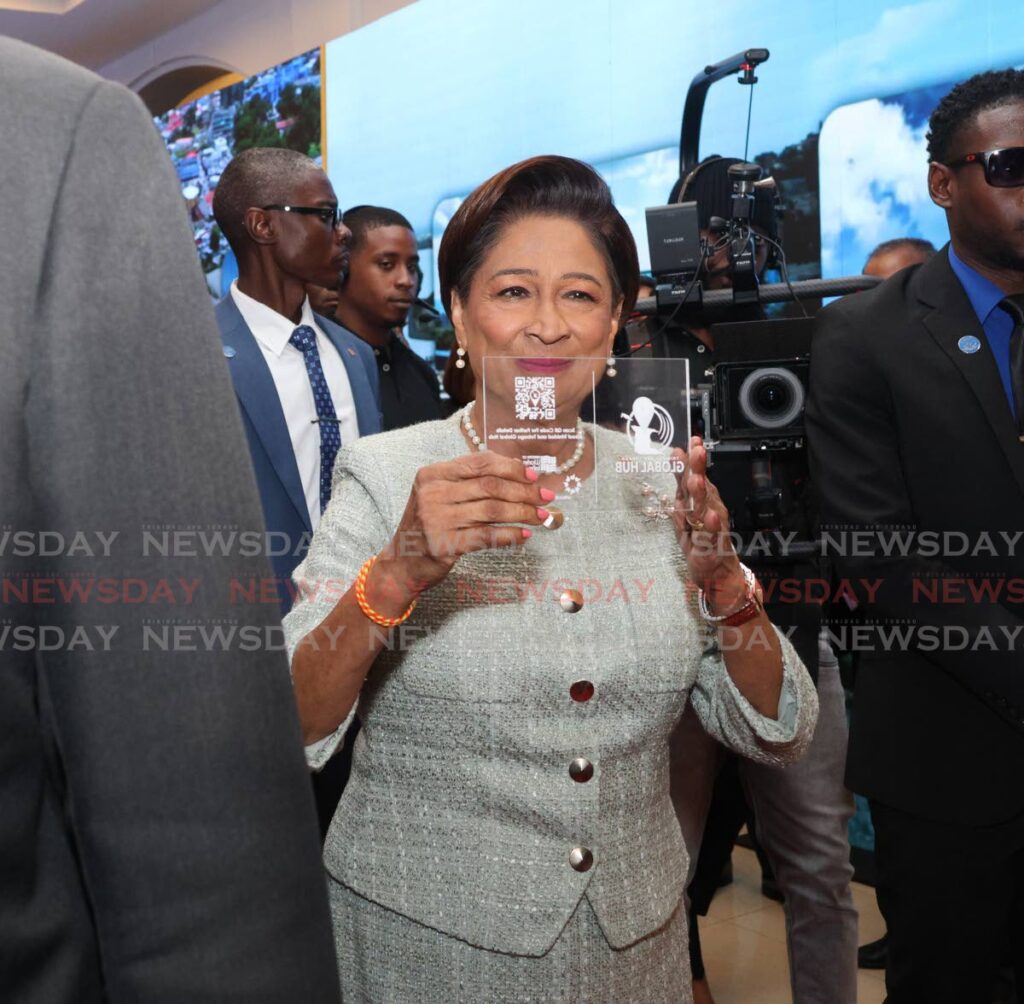
Prime Minister Kamla Persad-Bissessar recently unveiled the TT Revitalisation Blueprint at the newly renamed Delivery Centre in St Ann’s, presenting a bold vision for the nation’s future. The plan, showcased via a QR code, aims to address years of policy stagnation and introduce transformative projects. However, skepticism remains as critics question the feasibility and transparency of the initiative. Works Minister Jearlean John expressed optimism, suggesting construction could begin by August 2026, with a long-term outlook extending to 2035. Yet, past experiences with ambitious state projects, such as those under Patrick Manning’s Vision 2020, have left citizens wary of lofty promises and vague timelines. The government plans to fund these projects through public-private partnerships and government-to-government deals, avoiding direct strain on the public purse. While the blueprint has been praised for its ambition, concerns persist regarding environmental protection, local involvement, and job sustainability. The government’s lack of detailed implementation plans and concrete timelines has further fueled doubts. As the administration seeks to rally both domestic and international support, the success of this ambitious blueprint will hinge on its ability to deliver tangible results and maintain transparency.
-
Remember ‘small-men,’ Minister
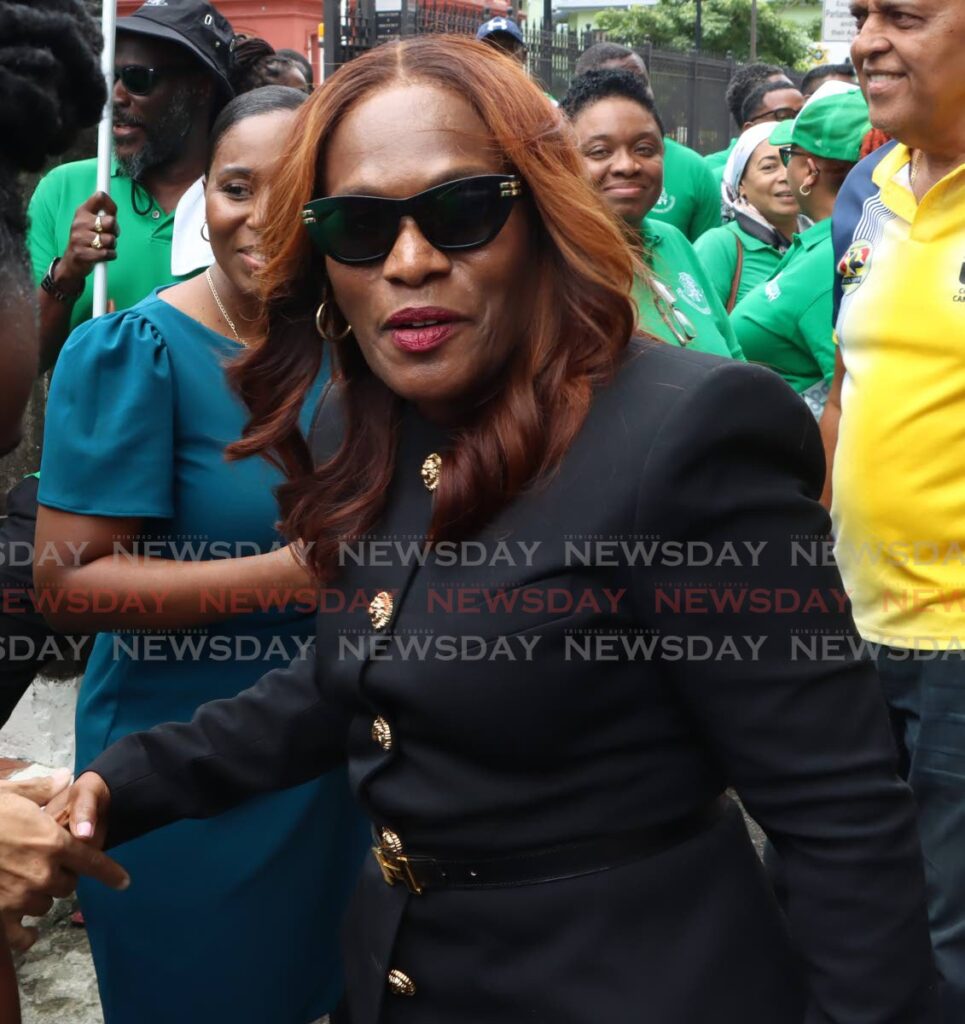
In a recent development, the United National Congress (UNC) has allocated a substantial $187 million to the Ministry of Works and Infrastructure’s Infrastructural Development Fund (IDF) as part of the 2026 development programme. This significant investment is poised to play a crucial role in advancing national development. However, with this funding comes a pressing responsibility to ensure that the benefits are equitably distributed across the economy. Arthur Dash, in a letter to the editor, has called on Minister Jearlean John to prioritize the fair allocation of construction contracts to micro and small contractors, who are often overshadowed by larger firms. Dash highlights the importance of supporting these smaller enterprises, which are the backbone of local communities, by implementing clear set-asides and support mechanisms within the ministry’s procurement processes. Drawing a parallel to the United States, where procurement policies are designed to ensure a ‘fair proportion’ of contract dollars go to small businesses, Dash emphasizes the need for similar measures in Trinidad and Tobago. By doing so, the $187 million investment could foster inclusive growth, bolster local entrepreneurship, and build a more resilient and distributed economy.
-

US military strikes another boat in the Caribbean, killing 3
The US military executed a targeted strike on a vessel in the Caribbean on Thursday, resulting in three fatalities, as confirmed by Secretary of Defense Pete Hegseth. In a statement posted on X, Hegseth revealed that the operation was authorized by President Trump and targeted a ship operated by a designated terrorist organization involved in narcotics trafficking. The strike occurred in international waters, and no US personnel were harmed. This action is part of a broader campaign initiated on September 2, which has so far led to 70 deaths, the destruction of 18 boats, and three survivors, two of whom were briefly detained by the US Navy before being repatriated. The Trump administration has declared an ‘armed conflict’ against drug cartels, labeling those killed as ‘unlawful combatants’ and asserting the authority to conduct lethal strikes without judicial oversight, based on a classified Justice Department finding. Critics, including some members of Congress and human rights groups, have challenged this approach, arguing that suspected drug traffickers should face prosecution rather than extrajudicial killings. The administration has yet to provide public evidence linking the targeted vessels to drug cartels or confirming the presence of narcotics. Additionally, the US has intensified efforts to associate Venezuelan President Nicolás Maduro with the drug trade, despite Venezuela not being a major source of cocaine for the US market. During a classified briefing, lawmakers were informed that the current legal framework does not permit strikes within Venezuela or other territories, though future actions remain a possibility.
-
Greene announced as keynote speaker for PLP anniversary gala in Bermuda
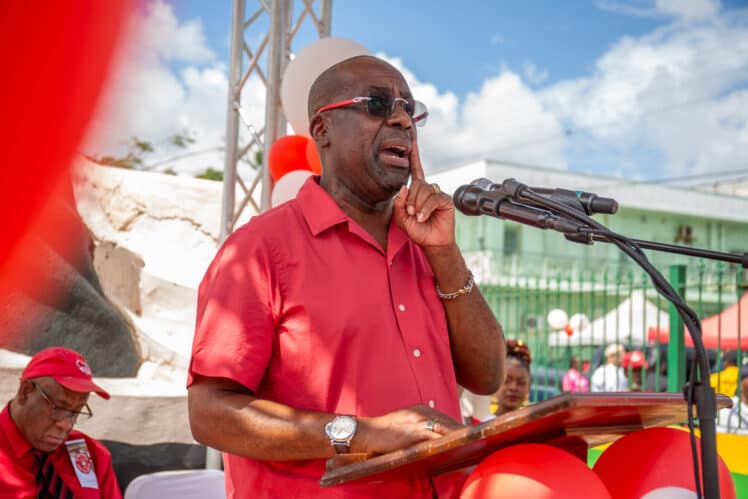
In a last-minute adjustment to the Progressive Labour Party’s (PLP) 62nd Anniversary Black Tie Gala, E.P. Chet Greene, the Minister of Foreign Affairs, Trade, and Barbuda Affairs for Antigua & Barbuda, has been announced as the new keynote speaker. Originally, Terrance Drew, the Prime Minister of St Kitts & Nevis and incoming chair of Caricom, was scheduled to address the event. However, due to the aftermath of Hurricane Melissa and his commitment to represent the Caribbean region at the EU-CELAC meeting in Colombia, Drew was unable to attend. The PLP expressed understanding and gratitude for Drew’s regional responsibilities while welcoming Greene’s participation. Dawn Simmons, PLP chairwoman, emphasized Greene’s esteemed regional leadership and the value his insights will bring to the gala’s theme, ‘Leading for the Next Generation.’ The event, set to take place at the Hamilton Princess & Beach Club, will also feature messages from Geoffrey Hanley, Deputy Prime Minister of St Kitts & Nevis, and David Burt, Bermuda’s Premier, who noted the personal significance of this being his final gala in office. Tickets for the event, priced at $150 for general admission and $250 for patron admission, are available at gpass.bm.