分类: politics

  • Musa Defends 13th Amendment, Says Anti‑Crime Powers Already in Law

    Musa Defends 13th Amendment, Says Anti‑Crime Powers Already in Law

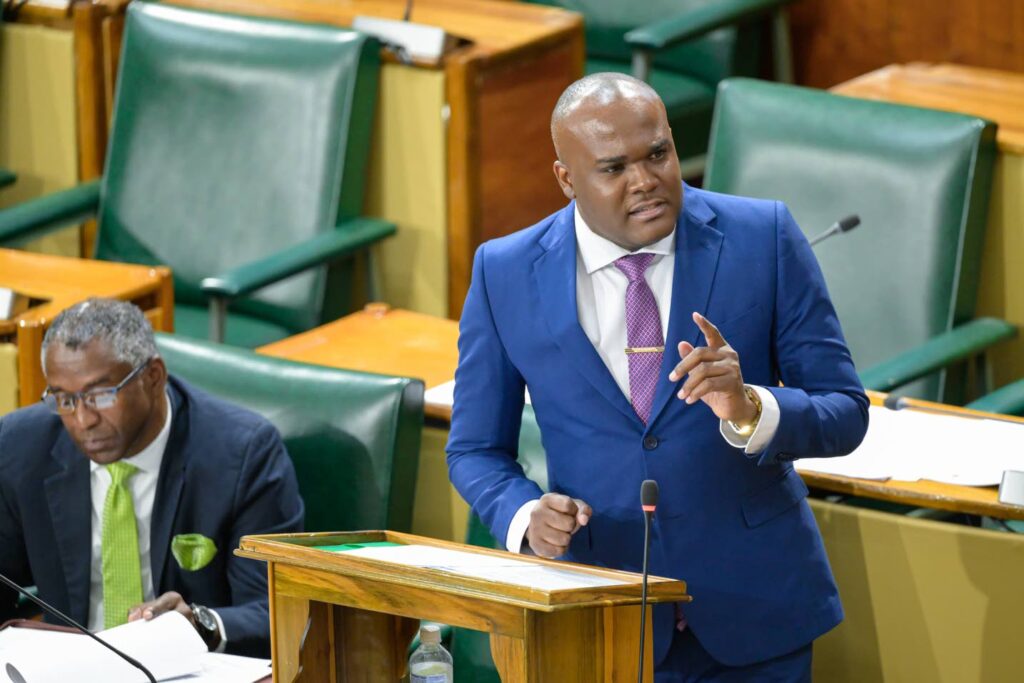
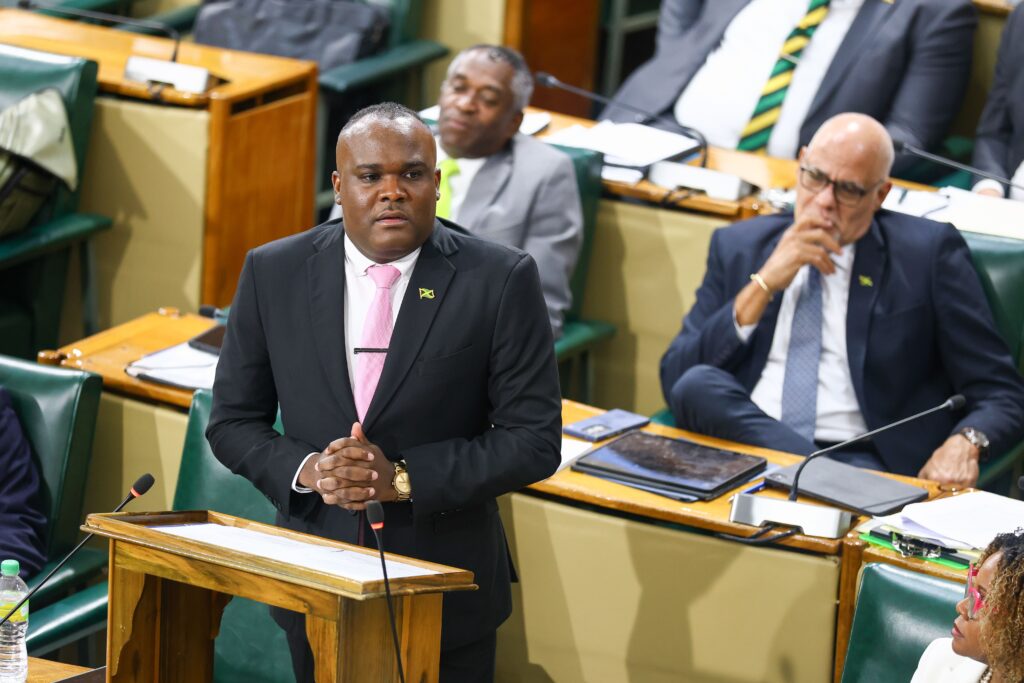
    In the ongoing constitutional debate surrounding Belize’s proposed Thirteenth Amendment, former Home Affairs Minister Kareem Musa has emerged as a prominent defender of the legislative changes. Addressing growing public concerns, Musa clarified that the amendment does not establish novel anti-crime powers but rather elevates existing provisions from the Crime Control and Criminal Justice Reform Act to constitutional status.

    The constitutional transformation, according to Musa, serves as a legal safeguard against potential challenges to the legislation’s validity. He emphasized that current anti-crime mechanisms, including states of emergency, remain fully operational and legally supported while the Attorney General’s office finalizes implementation details.

    The political discourse has intensified due to conflicting judicial rulings regarding emergency powers, with these legal contradictions expected to eventually reach the Caribbean Court of Justice (CCJ) for ultimate resolution. Musa maintains that until the CCJ provides definitive guidance, the existing legal framework continues to authorize necessary security measures, with the amendment serving primarily as constitutional reinforcement rather than substantive change.

    This development occurs amidst broader national discussions about balancing security needs with constitutional protections, marking a significant moment in Belize’s ongoing criminal justice reform efforts.

  • CDF FOIA Disclosure Falls Short, Enriquez Says

    CDF FOIA Disclosure Falls Short, Enriquez Says

    Transparency advocate Jeremy Enriquez has declared the government’s response to his Freedom of Information Act request regarding Constituency Development Fund (CDF) records fundamentally inadequate. Despite previous assurances from the Office of the Prime Minister, the disclosed information fails to meet both the legal requirements and the substantive purpose of his sweeping request for accountability documentation.

    The controversy originated in November 2025 when Enriquez submitted a comprehensive FOIA application seeking multi-year CDF records across multiple government ministries. The Office of the Prime Minister responded by acknowledging the administrative complexity of retrieving the extensive documentation—including budgets, disbursement records, payment vouchers, audit reports, and internal assessments—while requesting an extension beyond the statutory fourteen-day deadline for issuing an access decision.

    Enriquez maintained that while he recognized the operational challenges, the government’s legal obligation to provide a formal access decision within the mandated timeframe remained absolute. He argued that administrative inconvenience cannot override statutory requirements, and failure to comply constitutes a deemed refusal, potentially triggering legal enforcement mechanisms.

    The currently disclosed information consists solely of a basic schedule outlining monthly CDF allocations by constituency, totaling $523,333.33 distributed nationwide. The breakdown reveals significant disparities in funding levels: Orange Walk Central receives the highest allocation at $25,000 monthly, while four constituencies—Albert, Fort George, Mesopotamia, and Queen Square—receive only $10,000 each.

    Enriquez emphasizes that this superficial data fails to address the core objective of his request: obtaining the detailed documentation necessary to verify how funds were actually disbursed, to whom they were paid, what approval processes were followed, and whether audits revealed any irregularities or non-compliance. Without these supporting records, the public cannot effectively monitor the use of public funds or hold officials accountable for proper CDF management.

    The transparency advocate has indicated that the government’s partial response represents a failure of the FOIA process’s fundamental purpose—to provide meaningful access to public records that enable genuine governmental accountability rather than merely performing transparency through minimal disclosure.

  • Politic : Democrats try to force a vote on extending TPS for Haiti

    Politic : Democrats try to force a vote on extending TPS for Haiti

    WASHINGTON — Congressional Democrats initiated a procedural maneuver on Thursday to compel a House vote extending Temporary Protected Status for approximately half a million Haitian immigrants facing imminent deportation threats.

    Led by Representative Ayanna Pressley, co-chair of the Congressional Haiti Caucus, lawmakers filed a discharge petition that would bypass standard committee procedures and force floor consideration of a three-year TPS extension. The controversial parliamentary tactic requires 218 signatures to succeed, representing a majority of the House membership.

    The urgent legislative action comes with Haiti’s TPS designation set to expire on February 3, 2026, potentially exposing between 350,000 and 500,000 Haitian nationals to removal proceedings. Many beneficiaries have established deep roots in American communities and occupy critical positions in healthcare and elder care sectors.

    At a Capitol Hill press conference, Pressley was joined by Representatives Maxwell Frost (FL-10) and Yvette D. Clarke (NY-09), alongside a coalition of immigration advocates and healthcare representatives. They emphasized the devastating human consequences of termination and its potential disruption to already strained medical systems.

    Industry representatives presented compelling data showing immigrant workers constitute approximately 25% of healthcare facility staff and over 30% of home care aides. While TPS holders represent a small demographic segment, they comprise 15% of all non-citizen healthcare professionals. Notably, more than 20% of Haitian immigrants work within healthcare sectors.

    The timing creates a particularly complex policy challenge as demographic projections indicate America’s population aged 65 and over will grow by 50% before 2050, while simultaneously facing an estimated shortage of 3.5 million healthcare professionals by 2030.

    Among organizations endorsing the extension were the American Business Immigration Coalition, National TPS Alliance, SEIU, Black Alliance for Just Immigration, National Domestic Workers Alliance, LeadingAge, Haitian Bridge Alliance, and Goodwin Living.

  • Canadian PM to World Leaders: You’re Either at the Table—or on the Menu

    Canadian PM to World Leaders: You’re Either at the Table—or on the Menu

    In a stark address at the World Economic Forum in Davos, Canadian Prime Minister Mark Carney delivered a sobering assessment of the contemporary international landscape, cautioning that nations excluded from power negotiations increasingly risk becoming targets of geopolitical ambition. Carney characterized the current global situation not as a transitional phase but as a fundamental rupture in the international system.

    The Prime Minister articulated that the established rules-based global order has ceased functioning as intended, particularly for countries that historically depended on multilateral institutions, trade regulations, and international law to restrain the actions of dominant powers. He contended that both governments and corporations persist in operating under the pretense that the former system remains intact, despite privately acknowledging its progressive deterioration—a collective self-deception that enables power politics to proliferate without meaningful constraint.

    Drawing inspiration from Václav Havel’s seminal essay ‘The Power of the Powerless,’ Carney likened the international community to Havel’s shopkeeper who displays political slogans without genuine belief merely to signal compliance. For decades, Carney argued, nations have similarly placed ‘signs in their windows’ by rhetorically endorsing a rules-based order while tacitly accepting its exceptions, hypocrisies, and selective enforcement.

    This arrangement, while imperfect, previously functioned through American hegemony which provided essential global public goods including security protection, open maritime routes, financial stability, and dispute-resolution frameworks. These benefits enabled many governments to pursue value-driven policies under the assumption that a broader architectural order would persist.

    Carney emphasized that this implicit bargain has now collapsed, citing growing concerns about the United States’ increasingly transactional approach toward allies and international institutions. This shift includes employing tariffs and economic threats as geopolitical leverage and demonstrating willingness to circumvent international norms when they conflict with national objectives.

    The timing of Carney’s address coincided with heightened global anxiety regarding U.S. pressure on Greenland, where strategic positioning and Arctic resources have become bargaining chips in broader security competition. Carney explicitly positioned Canada in support of Greenland and Denmark’s sovereignty, warning against leveraging economic measures to advance Arctic geopolitical ambitions.

  • LETTER: The UPP will almost certainly lose these 3 seats in the next general election

    LETTER: The UPP will almost certainly lose these 3 seats in the next general election

    As Antigua and Barbuda’s political landscape solidifies with nearly complete candidate nominations, a rigorous examination reveals substantial challenges facing the United Progressive Party (UPP) in the upcoming general election. With only the St. Mary’s North constituency remaining undeclared for the ruling Antigua and Barbuda Labour Party (ABLP), electoral projections indicate a concerning trajectory for the opposition force.

    Electoral forecasts suggest the UPP stands to relinquish at least three currently held constituencies. Political analyst Kiz Johnson appears positioned to claim victory over incumbent Bowen, while Michael Joseph is projected to unseat Richard Lewis. Similarly, Michael Freeland demonstrates strong potential to overcome the Dalso/Watts coalition. Despite these setbacks, Simon is anticipated to maintain control of St. Mary’s South, while Pringle is expected to retain both All Saints East and St. Luke constituencies. Barbuda likely remains under Trevor Walker’s representation.

    The All Saints West constituency presents particular uncertainty with Harold’s entry creating a competitive triangular contest against sitting representative Anthony Smith. Current analysis indicates ABLP will maintain majority control of its existing seats, though Jonathan Joseph presents a formidable challenge to Sir Molwyn’s successor.

    Notably, neither UPP newcomers nor returning candidates demonstrate sufficient momentum to secure electoral victories. St. Paul constituency is projected to remain under ABLP control despite Cleon’s vigorous previous campaign. Similarly, Pearl Quinn faces significant obstacles in City East where former leader Lovell previously failed to secure victory.

    Two critical variables could substantially alter these projections: Prime Minister Gaston Browne’s administration must successfully address persistent water infrastructure issues before polling day, while UPP leadership dynamics could significantly influence voter sentiment if organizational changes occur. Historical context remains relevant as UPP narrowly missed victory in the previous electoral cycle, though contemporary political realities have evolved considerably since that period.

  • FLASH : Dismissal of the PM raises tensions between the international community and the CPT

    FLASH : Dismissal of the PM raises tensions between the international community and the CPT

    Haiti faces escalating political turmoil as the Presidential Transitional Council (CPT) has defiantly moved to dismiss Prime Minister Alix Didier Fils-Aimé, directly challenging pressure from the United States and other international partners. This controversial decision has triggered a significant diplomatic confrontation just weeks before the Council’s mandate expiration on February 7, 2026.

    The dismissal process encountered internal resistance from Laurent Saint-Cyr, the Council’s President pro tempore and Coordinator, who has blocked the resolution’s implementation. Saint-Cyr formally opposed what he characterized as “any resolution aimed at undermining governmental stability as February 7th approaches” in official correspondence to CPT members.

    The political drama intensified with the fluctuating position of Presidential Advisor Smith Augustin, who initially withdrew his signature from the dismissal resolution on January 21st, only to reverse course the following day and confirm his support for the Prime Minister’s ouster via WhatsApp message.

    International reaction has been swift and severe. The U.S. Embassy declared any government composition change by the non-elected CPT “null and void,” warning that supporters of such “disruptive steps” would be considered as “favoring the gangs” and acting against Haitian and international interests.

    The U.S. State Department’s Western Hemisphere Office delivered particularly harsh criticism, asserting that Haiti’s chronic instability stems from “corrupt Haitian politicians who use gangs and other armed groups to create chaos.” The statement explicitly labeled CPT members following this path as “criminals like the gangs they conspire with” rather than Haitian patriots.

    Canada expressed deep concern that replacing the Prime Minister would “weaken the stability and security of the country,” while the European Union, Germany, Spain, and France jointly warned that any leadership change would “jeopardize the encouraging momentum of the security forces against criminal gangs.”

    The United Kingdom similarly characterized the proposed government changes as “inopportune and destabilizing,” emphasizing that such moves would undermine security efforts precisely as the CPT’s mandate approaches expiration.

    This developing crisis represents a critical test for Haiti’s transitional governance amid ongoing security challenges and gang violence, with the international community presenting a united front against the CPT’s actions.

  • Guatemalan FM: ‘We Will Comply with ICJ Ruling

    Guatemalan FM: ‘We Will Comply with ICJ Ruling

    In a definitive statement on international compliance, Guatemalan Foreign Minister Carlos Ramiro Martinez Alvarado has unequivocally committed to honoring the International Court of Justice’s forthcoming ruling regarding ongoing territorial disputes. The declaration came during high-level diplomatic engagements with the Organization of American States (OAS) on January 22, 2026.

    Minister Martinez Alvarado characterized Guatemala’s relationship with the OAS as fundamentally collaborative, emphasizing the nation’s steadfast dedication to international legal frameworks. When directly questioned about Guatemala’s position on the ICJ’s eventual decision, the Foreign Minister responded with an unambiguous affirmation: “With a firm ‘yes’, I respond to your question regarding our respect for the ICJ final ruling regardless of the outcome.”

    The diplomatic discussions also addressed documented military incursions along the contentious Sarstoon River border area, which remains a persistent flashpoint in regional relations. Minister Martinez Alvarado acknowledged that while some confrontational incidents have proven “unfortunately inevitable,” both neighboring nations have implemented concrete measures to de-escalate tensions throughout the disputed territory.

    “The primary objective remains reducing tension across the entire zone, including the Sarstoon River,” Martinez Alvarado stated, underscoring Guatemala’s commitment to diplomatic solutions despite periodic clashes. Both governments continue to signal their intention to maintain dialogue and adhere to established international protocols through the OAS framework, with the newly appointed OAS Secretary-General representative Francis Fonseca participating in the critical talks.

  • UDP Hosts CDU Training to Strengthen Party Leadership

    UDP Hosts CDU Training to Strengthen Party Leadership

    The United Democratic Party (UDP) has successfully concluded a comprehensive training program in collaboration with the Caribbean Democrat Union (CDU), marking a significant step in its organizational strengthening efforts. The weekend initiative brought together party standard bearers, caretakers, Central Executive Committee members, and youth representatives for intensive capacity-building sessions.

    This training constitutes a strategic component of the UDP’s broader initiative to enhance its internal structure and fortify its position within Belize’s democratic landscape. Party leadership emphasized that the program directly supports ongoing efforts to revitalize, reform, and strategically reposition the organization to more effectively address the needs of Belizean citizens.

    The UDP extended sincere appreciation to its international partners, including the Caribbean Democrat Union, Westminster Foundation for Democracy, and the Leadership Institute, acknowledging their sustained collaboration in promoting democratic principles and leadership excellence throughout the region.

    Senior party figures underscored that a well-prepared, robustly organized UDP is fundamental to maintaining the vitality and integrity of Belize’s democratic system. The training focused on practical skills development, strategic planning, and reinforcing democratic values among party members at all levels.

  • Trump administration completes US’ split from the World Health Organization

    Trump administration completes US’ split from the World Health Organization

    The Trump administration has formally executed the United States’ departure from the World Health Organization (WHO), finalizing a withdrawal process initiated earlier this year. This decisive move severs a 72-year-old relationship between the nation and the UN’s global health body, fundamentally altering America’s role in international public health coordination.

    The separation procedure, officially communicated to the UN Secretary-General on July 6, 2020, reached its conclusion following a mandatory one-year notice period required under WHO statutes. The administration’s decision stemmed from persistent criticisms regarding the WHO’s handling of the COVID-19 pandemic and its perceived alignment with Chinese interests during the initial outbreak phase.

    This unprecedented disengagement includes terminating financial contributions that previously constituted approximately 15% of the WHO’s total budget. The withdrawal removes American scientists from vital WHO health networks and eliminates U.S. voting rights in the World Health Assembly, effectively marginalizing American influence in global health policy decisions.

    The administration concurrently released a comprehensive memorandum outlining required reforms for potential future reengagement, establishing specific benchmarks for transparency and structural changes within the organization. This formal exit occurs amid ongoing worldwide efforts to combat the coronavirus pandemic, raising questions about international coordination mechanisms and America’s participation in global health initiatives moving forward.

  • Labour candidates upbeat as they pay election deposits

    Labour candidates upbeat as they pay election deposits

    With Barbados’ February 11 general election approaching, candidates from the ruling Barbados Labour Party (BLP) are expressing strong confidence following extensive grassroots campaigning and positive voter reception across constituencies. The political hopefuls formalized their candidacies Thursday by submitting election deposits at the Treasury offices within the National Housing Corporation building on Country Road.

    Both first-time contenders and returning politicians emphasized the significance of their sustained community outreach efforts, which in many cases began nearly two years before the official election announcement. Business executive Ryan Brathwaite, St Joseph constituency candidate, revealed his team has maintained active field presence for approximately 18 months. ‘Our canvassing operations have progressed exceptionally well,’ Brathwaite noted. ‘This extended timeframe has allowed us to thoroughly understand constituent needs and ensure comprehensive voter engagement.’

    Dr. Shantal Munro-Knight, contesting Christ Church South, characterized the prevailing electoral atmosphere as ‘decidedly positive and favorable.’ She emphasized continuous daily voter interactions, particularly in areas experiencing developmental challenges. ‘Our approach centers on collaborative problem-solving with residents through attentive listening and responsive action,’ Dr. Munro-Knight stated, affirming her commitment to sustained community representation beyond the electoral period.

    For attorney Gregory Nicholls, campaigning in his native St Thomas constituency carries special significance. ‘While I’ve previously contested elections elsewhere, the experience of engaging with my home community remains unparalleled,’ Nicholls reflected. His campaign team reports vigorous momentum building across numerous neighborhoods through intensive grassroots mobilization.

    Notably, attorney Tyra Trotman—among the youngest candidates nominated by major parties—has cultivated St Michael’s Central constituency connections for 19-20 months. She reported exceptionally warm receptions during door-to-door engagements, with many voters expressing enthusiasm about her potential to bring fresh perspective to representation. ‘There’s palpable excitement about potentially electing both the first female and youngest representative for this constituency,’ Trotman observed, highlighting how demographic diversity is energizing voter participation.

    Across all campaigns, candidates described the democratic engagement process as both professionally humbling and profoundly exciting, particularly through intergenerational dialogues that are bringing younger voters into political participation while honoring community elders’ perspectives.