
The Court of Appeal in St. Vincent and the Grenadines (SVG) has granted conditional permission for the contentious ‘Vaccine Mandate Case’ to be referred to the Privy Council in London, the nation’s highest judicial authority, for a definitive resolution. This legal battle stems from the November 2021 decision by the Ralph Gonsalves-led Unity Labour Party (ULP) government, which declared that public sector workers refusing to comply with the COVID-19 vaccination mandate had effectively abandoned their jobs. The Public Service Union, SVG Teachers’ Union, and Police Welfare Association spearheaded the lawsuit, which initially saw High Court Judge Justice Esco Henry rule in favor of the workers in March 2023. However, a subsequent 2-1 decision by the Court of Appeal in February 2025 overturned this ruling, prompting the workers to seek the Privy Council’s intervention. During a virtual hearing in Kingstown, the government’s legal team, led by senior counsel Anthony Astaphan, opted not to present oral arguments, leaving the decision entirely to the court. Cara Shillingford, lead counsel for the workers, emphasized the case’s constitutional significance, particularly regarding property and pension rights under Section 99 of SVG’s Constitution. She also highlighted the High Court’s finding that the vaccine mandate violated Section 77, which governs the Public Service Commission’s independence. The court acknowledged the substantial public interest in resolving this critical constitutional issue. The panel, comprising Justices Trevor Ward, Peter Foster, and Reginald Armour, noted the undisputed value of the workers’ pensions, which far exceeded $1,500, as evidenced by affidavit submissions.
分类: politics
-
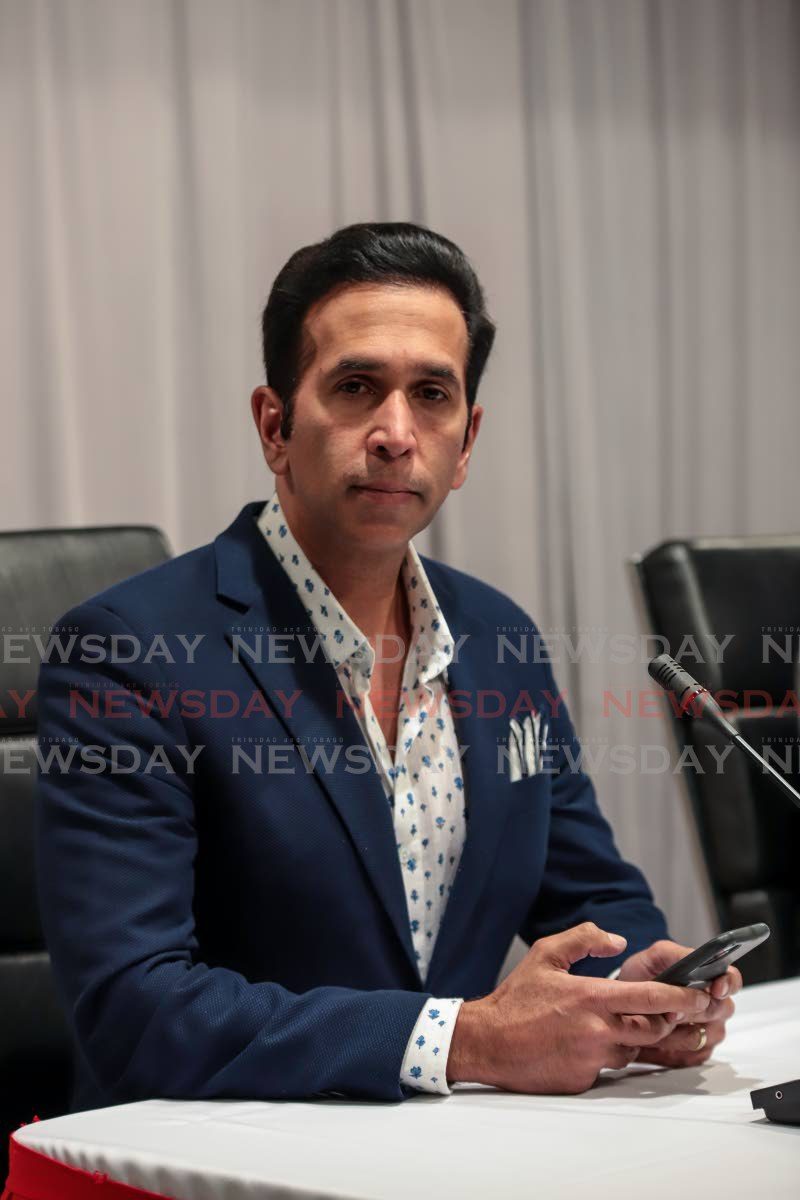
Al-Rawi, Alexander debate virtual hearings in police stations
A heated debate unfolded in the Senate on November 14 between Opposition Senator Faris Al-Rawi and Homeland Security Minister Roger Alexander regarding the future of virtual court hearings in police stations. The discussion was sparked by Alexander’s claim that the media had misrepresented his comments on the matter following the April 28 general election. Alexander revealed that 13 out of 77 police stations, including San Fernando, Arima, Besson Street, Tunapuna, Chaguanas, and Scarborough, are currently utilized for virtual hearings. He emphasized that a comprehensive review is underway to assess the situation and determine a balanced way forward. Al-Rawi questioned Alexander about his alleged remarks on canceling virtual hearings at police stations, to which Alexander responded that the senator had misunderstood his statements. He clarified that his concern was about courts occupying police station spaces, which hindered police operations such as investigations and identification parades. Al-Rawi pressed Alexander on whether he was misquoted by the media, and Alexander reiterated that he had already addressed the issue. Leader of Government Business Darrell Allahar dismissed Al-Rawi’s call for Alexander to retract his statement, supported by Senate President Wade Mark. Alexander also noted that virtual hearings at police stations cover a wide range of offenses, from assault to murder.
-
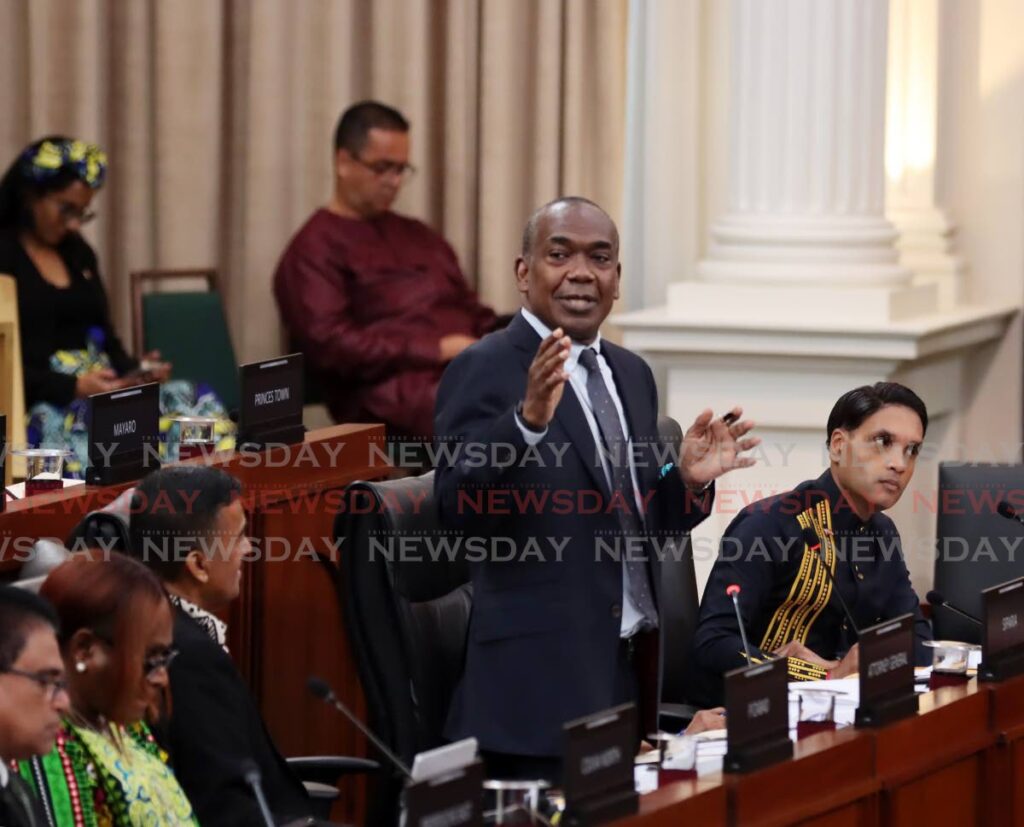
AG: US to ‘intensify exercises’ in Trinidad and Tobago
Attorney General John Jeremie has disclosed that the United States will escalate its military exercises in Trinidad and Tobago in the near future. This revelation was made during an interview with the UK Financial Times on November 13, following the arrival of the 22nd US Marine Expeditionary Unit in Trinidad aboard the USS Gravely. The unit conducted joint military exercises with the Trinidad and Tobago Defence Force from October 26 to 30. Jeremie emphasized the ongoing collaboration with the US, stating, ‘We are engaged with our friends in the north in a series of exercises.’ This announcement coincides with US Secretary of War Pete Hegseth’s declaration on the same day regarding the launch of Operation Southern Spear. Hegseth described the operation as a measure to ‘protect’ the US from narco-terrorists, asserting that ‘the Western hemisphere is America’s neighbourhood – and we will protect it.’ He also confirmed that the operation was initiated under the directive of US President Donald Trump.
-
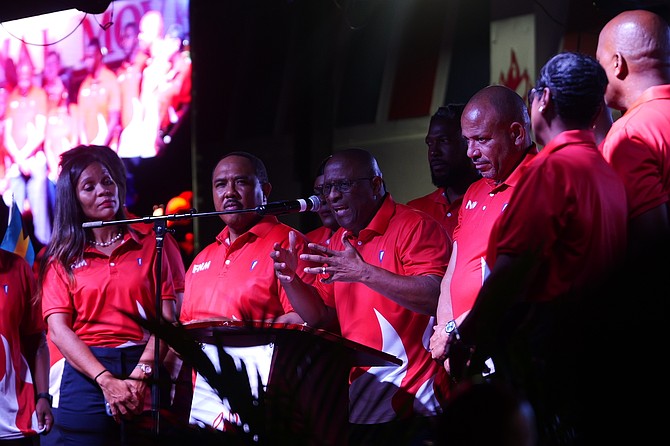
OPM rejects Pintard’s claim of passports found on Bahamasair flight
The Office of the Prime Minister (OPM) of The Bahamas has vehemently denied claims made by Free National Movement (FNM) Leader Michael Pintard regarding an alleged incident involving unaccompanied Bahamian passports on a Bahamasair flight. Pintard, during a political rally in Golden Isles, asserted that a package of passports was discovered on a flight “heading south,” prompting an investigation and resulting in dismissals. He questioned the silence of senior government officials and hinted at potential misconduct within the passport office. Pintard challenged the Prime Minister to address the issue directly, accusing the government of withholding information. In response, the OPM issued a statement categorically refuting Pintard’s allegations, labeling them as false and baseless. The statement emphasized that no such incident occurred, no investigation was conducted, and no staff were dismissed. The OPM accused Pintard of spreading misinformation for political gain, urging him to retract his statements and apologize to the relevant authorities. The government’s rebuttal underscores the escalating political tensions in The Bahamas, with both sides engaging in a war of words over the credibility of the claims.
-
Health conditions will play part in US visa application process
A recent immigration directive by the Trump Administration has raised concerns among individuals applying for U.S. visas, particularly immigrant visas. The U.S. State Department issued a cable instructing embassy and consular officers to evaluate applicants’ health conditions more rigorously. This includes assessing whether applicants with chronic illnesses such as cardiovascular, respiratory, neurological, and metabolic diseases, cancers, diabetes, and mental health disorders could incur substantial medical costs in the U.S. While health assessments have always been part of the visa process, the new directive expands the list of medical conditions under scrutiny. The heightened focus primarily targets immigrant visas, not short-term B-2 visitor visas for individuals who can fund their own medical treatment and intend to return home. Visa officers must also determine if applicants have sufficient financial resources to cover their medical needs without relying on U.S. government assistance. Leonara Coakley, a visa consultant, noted that while clients have not directly questioned her about the directive, business has slowed significantly since September due to widespread fear and confusion about immigration policies. She highlighted a case where a client with a heart condition was denied a B-2 visa extension despite ongoing medical treatment in the U.S. Coakley emphasized that fear, fueled by news reports on immigration enforcement, is deterring potential applicants. She explained that visa denials often depend on the officer’s judgment, and applicants can reapply with additional evidence. The directive also includes conditions like obesity, which are linked to chronic illnesses, as factors in assessing whether an applicant might become a public charge. State Department spokesperson Tommy Pigott stated that the Trump Administration prioritizes the interests of American taxpayers by enforcing immigration policies that prevent the system from becoming a financial burden. The Department has historically had the authority to deny visas based on the likelihood of applicants becoming public charges.
-
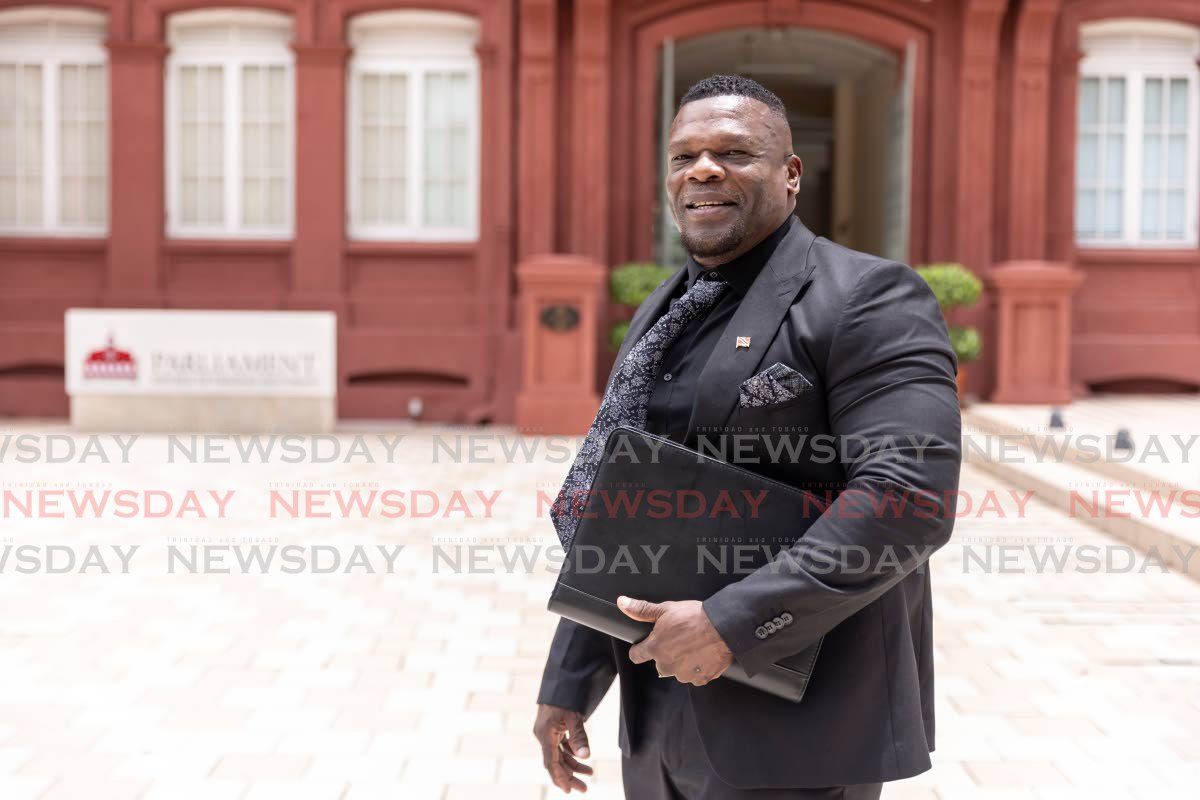
Alexander, Elder talk Tobago matters
As the Tobago House of Assembly (THA) election approaches, Homeland Security Minister Roger Alexander and Minister in the Ministry of Public Utilities Clyde Elder addressed critical Tobago-related matters in the Senate on November 14. The session also marked the appointment of former THA minority leader Ashworth Jack as a temporary government senator. Jack, who previously led the defunct Tobago Organisation of the People (TOP), played a significant role in the UNC-led People’s Partnership coalition government from 2010 to 2015. Responding to Opposition Senator Melanie Roberts-Radgman’s inquiry about fatal shootings in Tobago earlier this year, Alexander emphasized the importance of timely and transparent investigations, leveraging forensic tools, public communication, and investigator training. He also highlighted the role of body-worn cameras in aiding investigations into alleged police shootings. Additionally, Alexander noted the involvement of the Police Complaints Authority (PCA), use of force policies, and reviews by the National Security Council (NSC), chaired by the Prime Minister. Elder addressed concerns about low water supplies in Tobago during September and October, attributing the issue to funding shortages and neglect under the previous PNM administration. He assured that the current government would resolve the problem. The THA, dissolved on November 12, is set for elections between January 12 and February 12. Prime Minister Kamla Persad-Bissessar promised Tobago would benefit from several initiatives before the assembly’s dissolution. Notably, while there is no formal coalition between the UNC and the Tobago People’s Party (TPP), the latter’s two MPs sit alongside government MPs in the House of Representatives. Before its dissolution, the TPP held 13 of the 15 THA seats, with the remaining two held by the PNM and Progressive Democratic Patriots (PDP). TPP leader and THA Chief Secretary Farley Augustine was previously a PDP member.
-
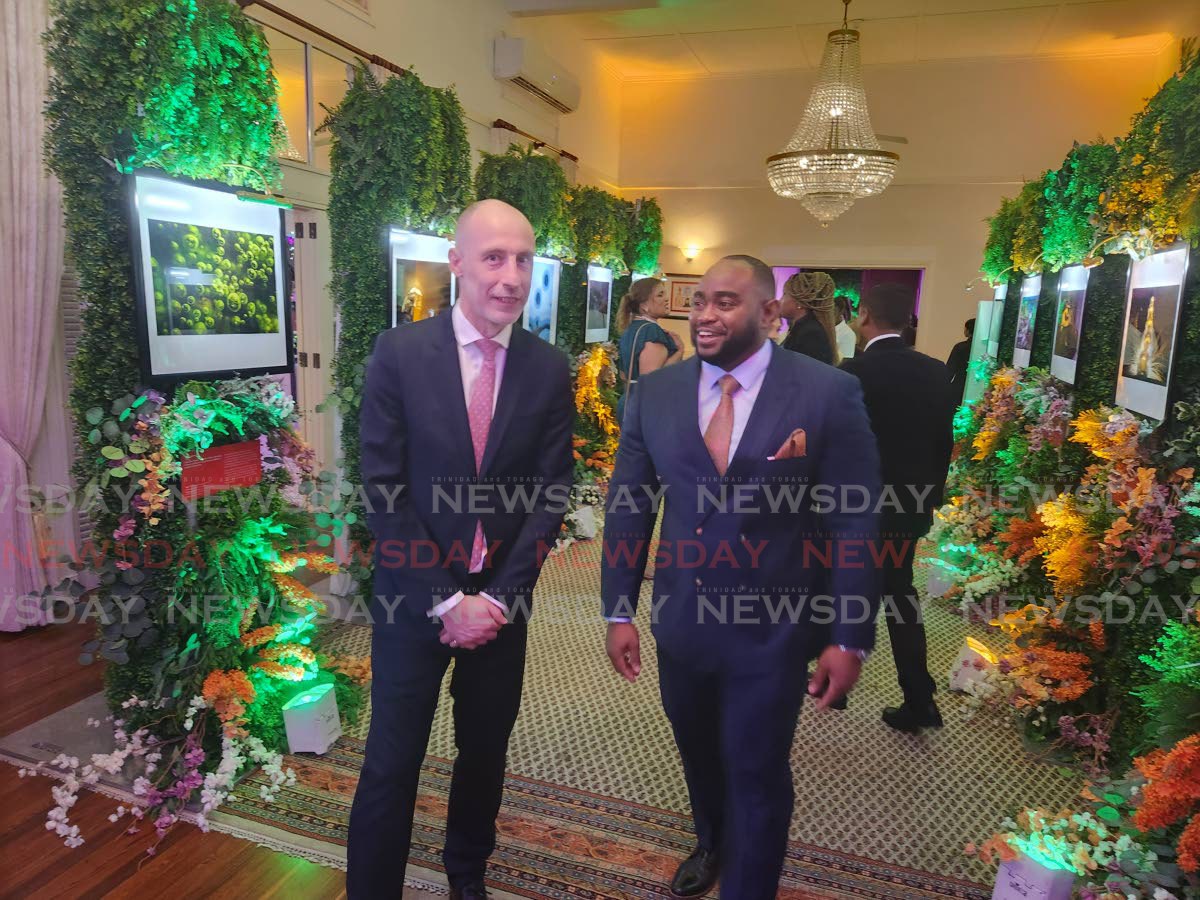
UK High Commissioner backs revitalisation plan
British High Commissioner Jon Dean has reaffirmed the United Kingdom’s commitment to supporting Trinidad and Tobago (TT) in its national development goals, as outlined in Prime Minister Kamla Persad-Bissessar’s Revitalisation Blueprint. Speaking at the King’s birthday celebration held at his residence in Port of Spain on November 12, Dean emphasized the UK’s role as a key trade partner and its readiness to assist TT in achieving its ambitious revitalization agenda. The event was attended by prominent figures, including government ministers, law enforcement officials, and members of the judiciary. Dean highlighted the £5 billion financing agreement between UK Export Finance and TT, which aims to bolster infrastructure, healthcare, and national security projects. He also noted the significant growth in bilateral trade, which reached £1.3 billion between July 2024 and June 2025, marking a 105% increase from the previous year. Despite the introduction of visa requirements for TT citizens visiting the UK, Dean stressed that this decision was not indicative of strained relations but rather a measure to address rising asylum claims. He underscored the importance of continued collaboration in areas such as climate action, sustainable growth, and combating organized crime, emphasizing the interconnectedness of security and prosperity between the two nations.
-
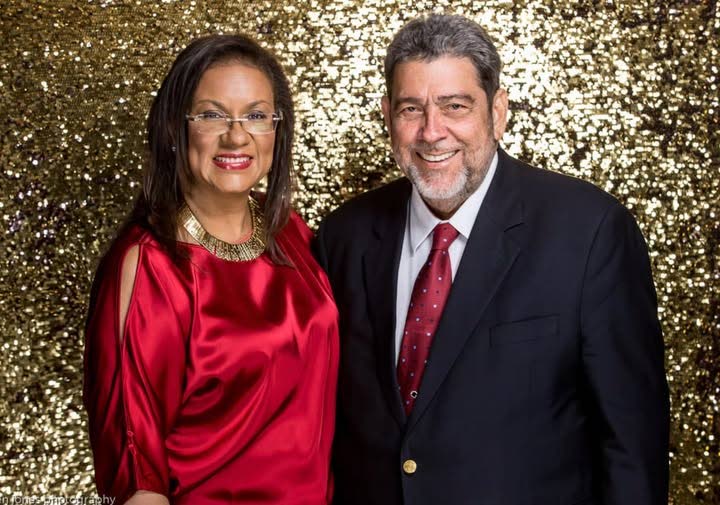
Vincy PM’s wife, Anil in social media tit-for-tat
In a heated exchange on social media, Eloise Gonsalves, wife of St Vincent and the Grenadines Prime Minister Ralph Gonsalves, vehemently denied allegations of corruption surrounding the purchase of three apartment properties at the HDC’s Victoria Keyes housing development in Diego Martin. The accusations, initially raised by Housing Minister Anil Roberts, have sparked a political firestorm ahead of the November 25 general election. In a video posted on the Unity Labour Party’s (ULP) Facebook page on November 13, Eloise dismissed the claims as ‘political malice’ orchestrated by the opposition New Democratic Party (NDP). She emphasized that her family received no preferential treatment in the property transactions, attributing the purchases to the aftermath of Hurricane Maria, which destroyed her mother’s property in Trinidad. Roberts, however, countered her defense, questioning how Eloise’s daughter, Soleil, secured a rent-to-own property just two days after the April 28 general election, at a significantly reduced rent of $2,750 for an apartment valued at $1.3 million. Roberts challenged the Gonsalves family to provide evidence of their declared income and Board of Inland Revenue (BIR) file number, asserting his readiness to face any legal action with documented proof. The escalating dispute underscores the intense political rivalry as the ULP and NDP vie for electoral dominance.
-

PNM: Is someone interested in BLCA?
Opposition Leader Pennelope Beckles has raised concerns over the government’s recent decision to ban fetes at the Brian Lara Cricket Academy (BLCA), questioning the timing and potential foreign interest in the venue. Speaking at a media conference in Port of Spain on November 13, Beckles referenced Finance Minister Davendranath Tancoo’s statement during the 2025/2026 budget debate about creating a state-sponsored real estate investment trust (REIT). Tancoo described the initiative as a landmark effort to democratize state-owned assets, diversify Trinidad and Tobago’s capital market, and broaden public participation in national wealth creation. High-value income-generating properties, including land, office buildings, and commercial infrastructure, would be transferred into the REIT, with shares listed on the TT Stock Exchange to allow investors to earn dividends. Beckles questioned whether the BLCA was among these properties and hinted at potential foreign interest in the venue. She also criticized the government’s handling of noise pollution, noting that it is a widespread issue not unique to the BLCA. Beckles recalled developing an app during her tenure as planning and environment minister to monitor noise levels in Woodbrook, with plans to share data with other communities. She emphasized that the BLCA’s carpark, used for events, is restored after use, with fees withheld if requirements are not met. Beckles also expressed concerns about the potential loss of revenue for Carnival 2026, citing the cancellation of the Independence Day parade and the extended state of emergency. She questioned the Prime Minister’s refusal to consult with promoters, stating that state-owned facilities like the BLCA belong to the public. Former ministers Faris Al-Rawi and Dr. Amery Browne echoed concerns about the impact on Carnival and regional perceptions of Trinidad and Tobago.
-
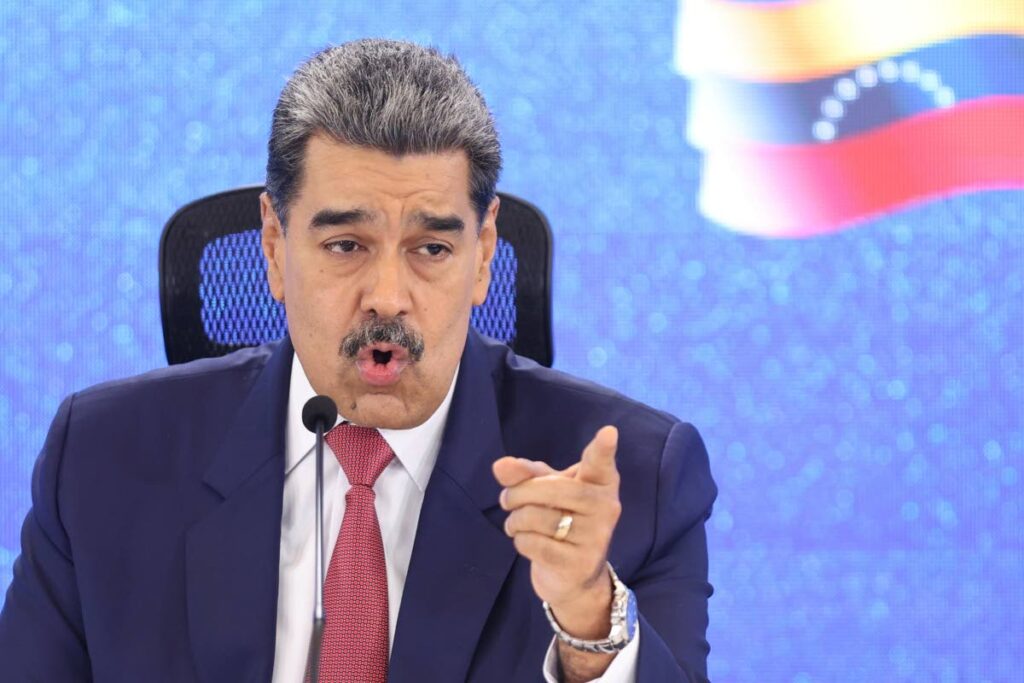
They seek peace with drug cartels?
In a recent letter to the editor, Arthur Dash expressed his bewilderment over the small yet highly publicized demonstrations calling for ‘peace’ in the region. Dash emphasized that neither Trinidad and Tobago (TT) nor the United States is at war with Venezuela. Instead, the U.S. administration has declared a ‘non-international armed conflict against drug cartels,’ a crucial distinction that highlights the campaign against criminal networks responsible for flooding the region with cocaine, guns, and violence.
Dash questioned the motives of the protesters, asking if they were advocating for peace with drug cartels, the actual adversaries in this conflict. He criticized the opposition, its supporters, and certain media outlets for misleading the public into believing that TT is involved in a regime change operation, a claim both the U.S. and TT have repeatedly denied.
He pointed out that pro-Nicolás Maduro elements, both domestically and internationally, are spreading fear and confusion by falsely suggesting that TT is being dragged into a war with Venezuela. Dash highlighted the hypocrisy of the demonstrators, noting their silence when Venezuelan gunboats harass TT fishermen, when Venezuelan officials claim two-thirds of Guyana’s territory, and when they insult TT’s Prime Minister and threaten invasion or retaliation.
Dash concluded by affirming his support for the TT government, which he believes is on the right side of the fight—the side of law, order, and safety for its citizens. He reiterated the desire for peace but stressed that it should not come at the cost of aligning with drug cartels that have brought violence and destruction to the region.