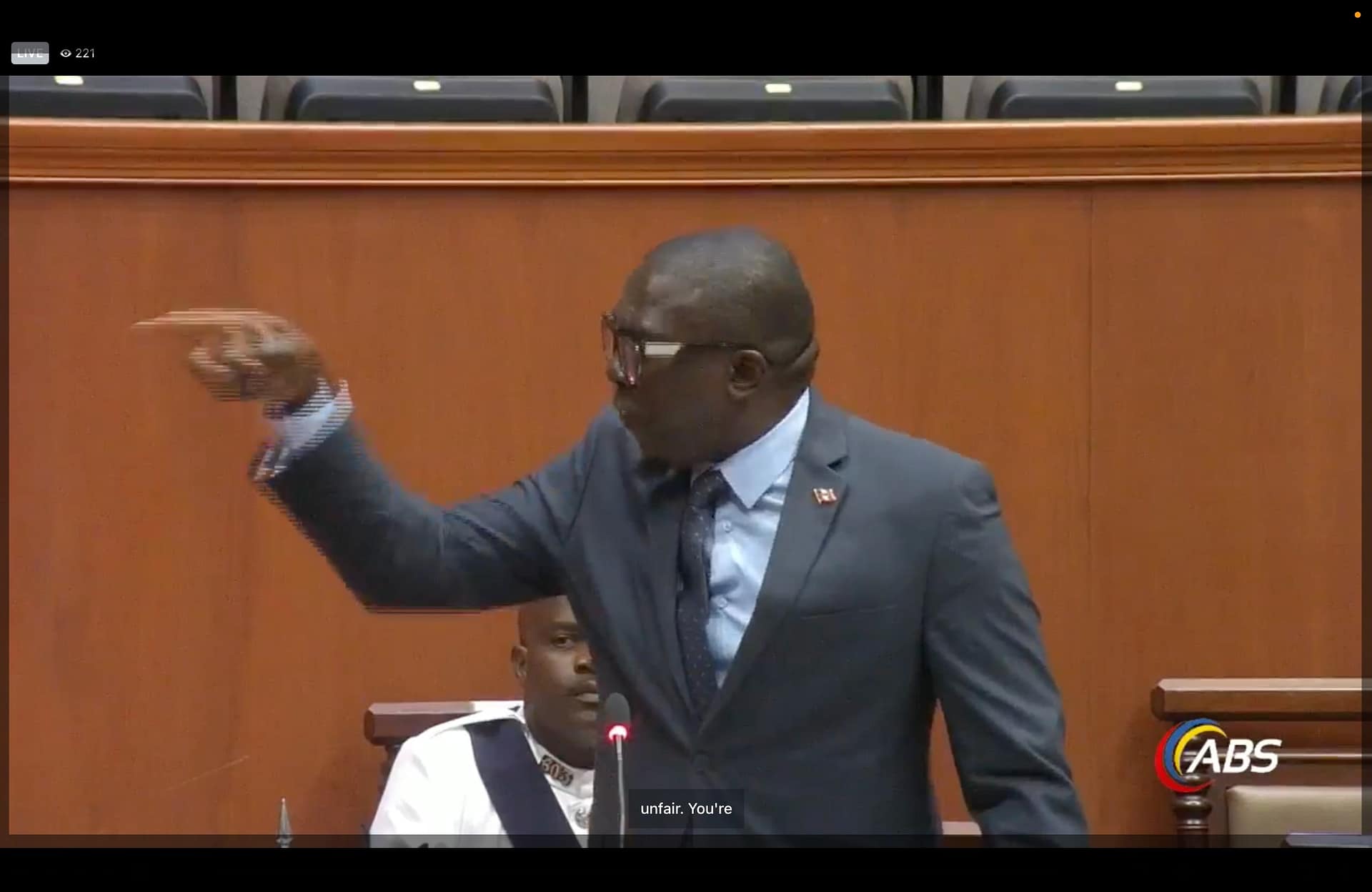
A parliamentary session intended to honor retiring statesman Sir Molwyn Joseph descended into controversy today as the Antigua and Barbuda Labour Party (ABLP) issued a formal condemnation of opposition lawmakers’ conduct. The ABLP expressed profound disappointment with United Progressive Party (UPP) members for what they characterized as disrespectful behavior during what should have been a dignified tribute ceremony. The occasion marked the retirement from active politics of Sir Molwyn Joseph, whose extensive career spanned multiple decades and numerous ministerial portfolios including Tourism, Health, and Environment. His tenure has been widely recognized for its significant contributions to national development and regional leadership, distinguished by statesmanship, oratorical excellence, and dedicated service. Parliamentary traditions typically dictate that retirement tributes transcend political divisions, serving as moments of unity that honor public service. The ABLP noted that the observed conduct violated parliamentary decorum and undermined the dignity expected of such proceedings. Despite the controversy, the ruling party extended sincere gratitude to Sir Molwyn for his decades of service and wished him success in his continued role as a respected voice in national development.
分类: politics
-

Mexico’s Tren Maya Could Be Linked to the Port of Belize
In a significant bilateral development, Mexican and Belizean officials convened in Belize City on Thursday to revitalize economic cooperation and modernize longstanding agreements. The high-level meeting between Quintana Roo state representatives and Belize’s government leadership focused on transforming conceptual frameworks into actionable infrastructure and trade initiatives.
Central to the discussions was the groundbreaking proposal to integrate Mexico’s Tren Maya railway system with Belize’s transportation networks and the planned Port of Belize expansion. This connectivity project promises to revolutionize regional logistics, creating an unprecedented trade corridor linking the Yucatán Peninsula to Caribbean markets.
The dialogue advanced a innovative ‘twin manufacturing model’ where Mexican industrial capabilities would synergize with Belize’s CARICOM market access. This arrangement would enable goods processed through synchronized border factories to enter regional markets accounting for approximately 25% of Belize’s total exports.
Minister Thea Garcia-Ramirez of Corozal Bay emphasized the natural cross-border dynamics, noting that her constituents have historically engaged with Chetumal for commerce and employment. “Corozal Bay stands prepared to serve not merely as a border district but as a cooperative bridge between nations,” she affirmed.
Additional priority sectors identified for development included agro-processing industries, energy collaboration, and expanded tourism and cultural exchange programs. The delegation, featuring Belize’s Ambassador to Mexico Oscar Arnold and Minister Marconi Leal Jr., concluded proceedings with an inspection tour of the Port of Belize facilities.
Minister Leal captured the strategic significance: “Strengthening our trade and investment relationships transcends economics—it represents an investment in enduring friendship and intergenerational well-being.”
-
BREAKING: Opposition Leader Jamale Pringle Ejected From The House Due To His Conduct
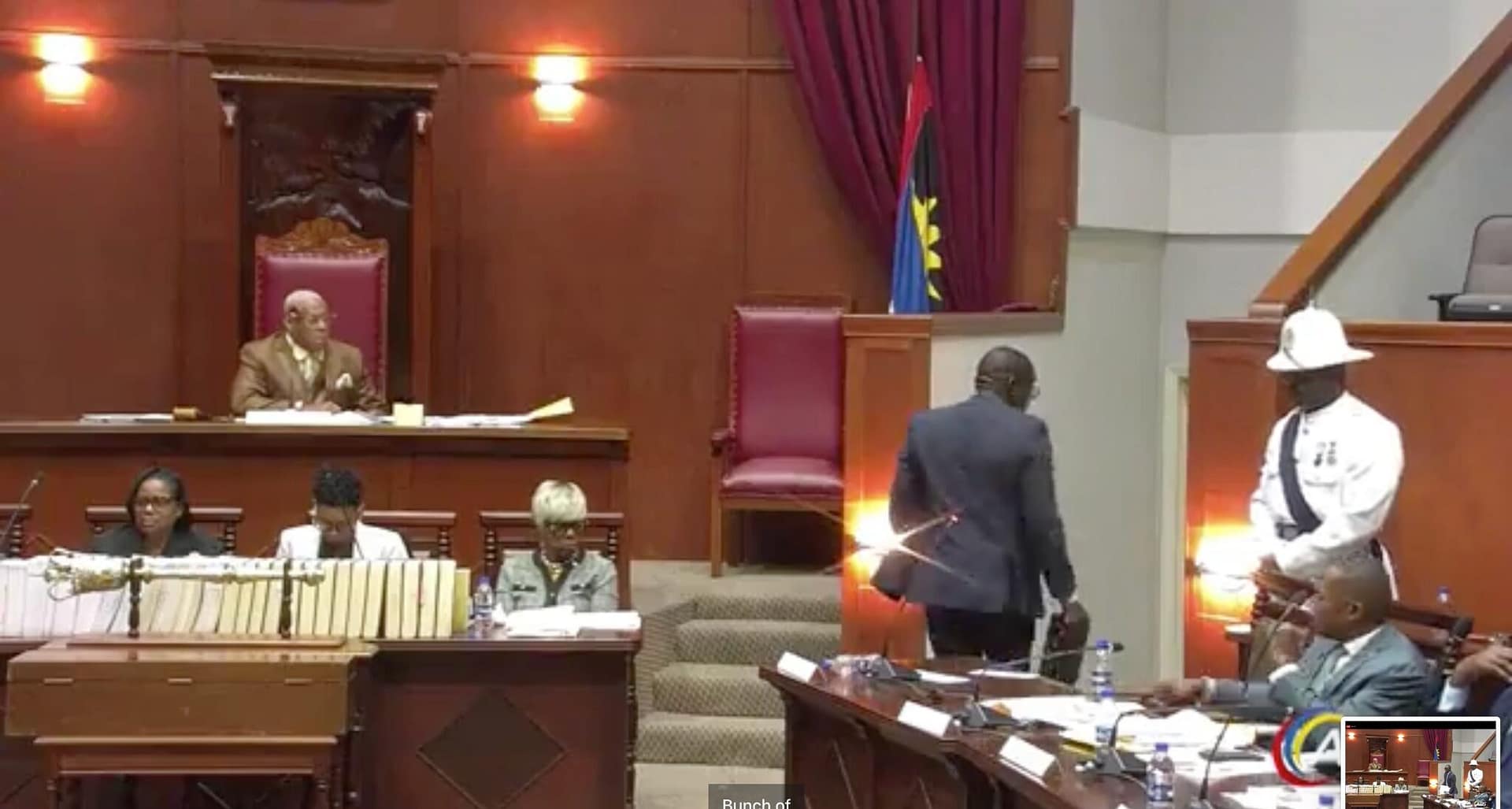
In an unprecedented display of parliamentary discord, Antigua and Barbuda’s Lower House witnessed the forcible removal of Opposition Leader Jamale Pringle during Friday’s heated session. The dramatic escalation occurred following a sustained confrontation between Pringle and House Speaker Osbert Frederick regarding conduct within the legislative chamber.
The incident originated when Pringle was observed reviewing documentation during proceedings, prompting another parliamentarian to raise a point of order. The opposition leader responded with visible agitation, directly challenging Speaker Frederick’s impartiality and accusing him of procedural unfairness. This exchange marked the culmination of increasingly tense interactions that had characterized the day’s parliamentary business.
Speaker Frederick ultimately exercised his authority to mandate Pringle’s removal from the chamber, abruptly terminating the opposition leader’s participation in the day’s deliberations. Frederick subsequently clarified that the ejection resulted not merely from reading documents but from what he characterized as ‘egregious and unacceptable’ conduct that violated parliamentary decorum.
Lawmakers from both government and opposition benches observed in stunned silence as security personnel escorted the opposition leader from the premises. This incident represents one of the most contentious moments in recent parliamentary history, highlighting deepening political divisions within the nation’s legislature.
Neither Pringle nor Frederick issued immediate statements following the confrontation, leaving observers awaiting formal responses from both offices regarding this extraordinary breach of parliamentary protocol.
-
Sir Molwyn Joseph Bows Out After Four Decades, Urges Unity, Responsibility and Strong Leadership in Final Parliamentary Address
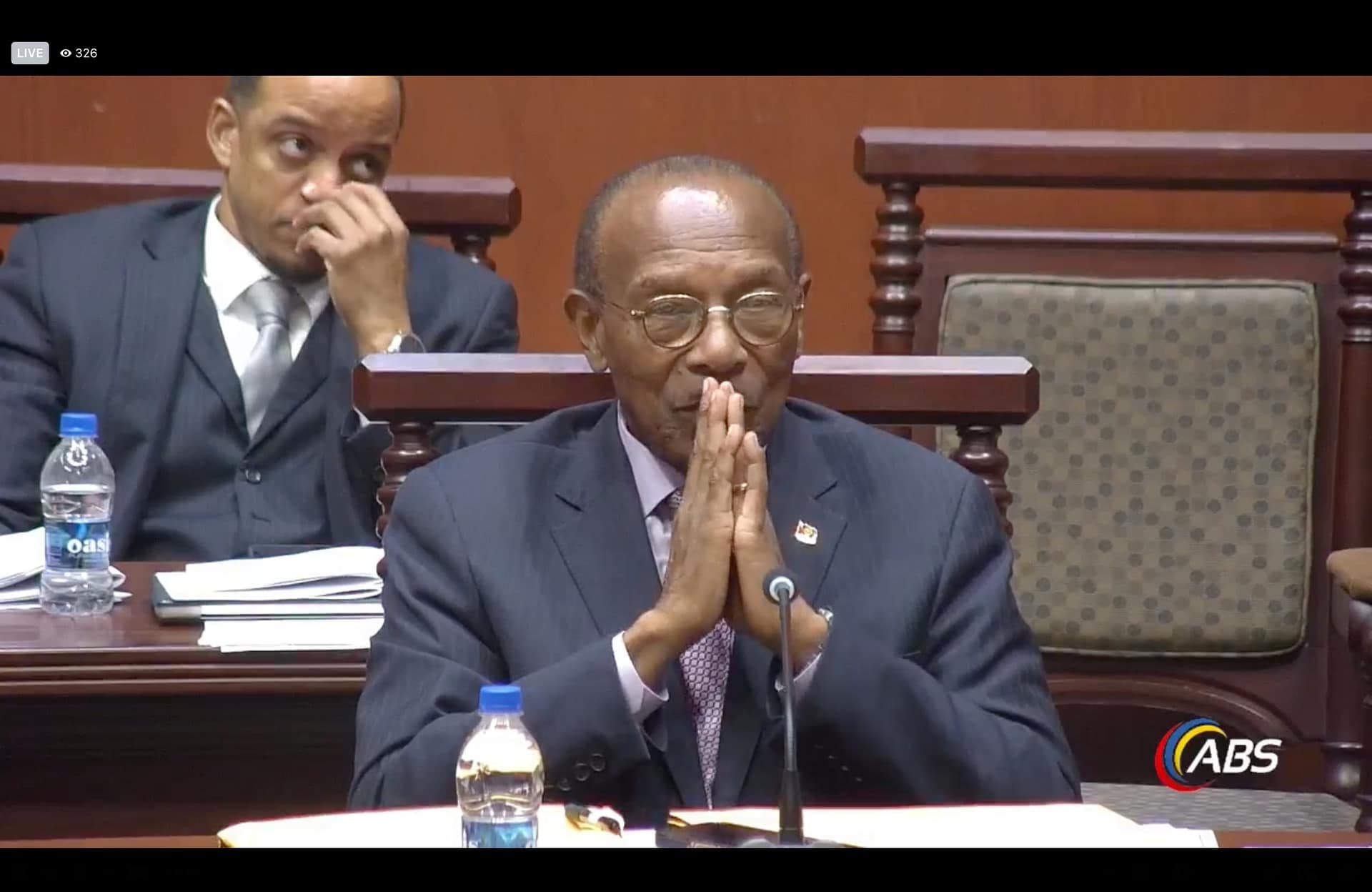
After an illustrious 42-year tenure in national politics, distinguished parliamentarian Sir Molwyn Joseph delivered a profoundly personal farewell speech to the Antiguan Parliament, marking his transition from active political service. The veteran St. Mary’s North representative crafted his final parliamentary address as a multidimensional testament combining spiritual reflection, political wisdom, and urgent national advocacy.
Joseph opened his valedictory remarks by affirming his unwavering commitment to public service despite retiring from elected office. “I remain a proud and content man,” he declared, assuring constituents that his retirement from Parliament would not diminish his dedication to community service. The seasoned politician framed his extensive career through the prism of faith and upbringing, identifying himself as “a deeply spiritual man” whose core values were established during his formative years.
Reciting verses from the hymn ‘What a Friend We Have in Jesus,’ Joseph emphasized maintaining inner peace and resilience amid political transitions. He credited his parents with instilling the discipline, decency, and sense of purpose that guided his four-decade public service journey, recalling childhood lessons about “the meaning of courtesy” and the imperative to “do the right thing.”
Addressing his electoral legacy, Joseph highlighted his eight consecutive electoral victories as evidence of sustained public trust, noting his constituency support had expanded to over 5,000 voters throughout his tenure. He positioned his career within the broader tradition of the Antigua Labour Party, emphasizing that national progress builds upon foundations established by previous generations. “Political stability never occurs by accident,” he cautioned, urging continued focus on developmental priorities.
A central theme emerged around Joseph’s call for cultural transformation toward enhanced civic responsibility. He advocated for a national renaissance in mindset, arguing that development requires individual initiative alongside government action. “When communities require cleaning, citizens must act independently rather than await official intervention,” he asserted.
Joseph offered robust endorsement of the current administration, warning against political experimentation during global uncertainty. Citing economic volatility and international tensions, he stressed the necessity of experienced leadership navigating complex challenges. His assessment emphasized that effective governance demands acute awareness of global realities.
Reflecting on his tenure as Health Minister, Joseph identified the COVID-19 pandemic as his most challenging period, expressing disappointment that national unity hadn’t been stronger during the crisis. He questioned how any citizen could withhold support from life-saving measures during peak mortality periods, advocating for cross-party cooperation during national emergencies.
The former health minister issued urgent warnings about escalating non-communicable diseases, including cancer, diabetes, and hypertension. He observed unprecedented prevalence of these conditions linked to unhealthy dietary patterns, noting concerning trends of childhood onset for traditionally adult-onset diseases. Joseph implored citizens to collectively reassess nutritional habits and embrace wellness responsibility.
In a revealing personal anecdote, Joseph recounted declining U.S. citizenship opportunities to serve his homeland, characterizing this decision as fundamental to his identity. He reaffirmed loyalty to the Antigua Labour Party, dismissing speculation about external pressures influencing his retirement. Family considerations ultimately guided his decision, with his wife and children forming a “super majority” in requesting his transition from public office.
Joseph formally endorsed his constituency successor, pledging ongoing engagement with St. Mary’s North affairs. His closing remarks characterized his political career as “a privileged opportunity to serve,” expressing confidence in the nation’s continued progress under capable leadership. The veteran statesman exits Parliament having established a legacy defined by endurance, loyalty, and his persistent message that nation-building requires both dedicated leadership and active citizen participation.
-
BREAKING: Governor General Advised to Dissolve Parliament; Elections Imminent
Antigua and Barbuda’s Prime Minister Gaston Browne has formally initiated the constitutional process for national elections, announcing to Parliament that he has advised Governor General Sir Rodney Williams to dissolve the legislative body on April 1. This procedural move marks the official commencement of the electoral cycle in the twin-island nation.
The Prime Minister clarified that his recommendation was made under Section 60(1) of the nation’s Constitution, which empowers the Governor General to dissolve Parliament upon receiving advice from the head of government. Browne confirmed he had submitted formal correspondence to the Governor General’s office, triggering the next phase of the democratic process.
In a significant shift from initial planning, the government adjusted its electoral timeline to accommodate opposition parties. While the administration had originally contemplated immediate proroguation of Parliament—which would have enabled elections as early as April 17—the schedule was modified to provide additional preparation time for opposing political factions.
Browne noted in parliamentary address that opposition parties demonstrated insufficient readiness, particularly regarding candidate selection. ‘It’s evident the opposition is not quite ready as yet… they still do not have a full slate,’ the Prime Minister stated, adding that government colleagues had encouraged allowing ‘a few more days’ for preparedness.
Under the revised arrangement, Parliament will be formally dissolved by proclamation on April 1. The writ of election is anticipated to be issued either on that date or within the subsequent week, contingent upon the opposition’s final preparations. Once the writ is officially issued, constitutional mandates require that general elections be conducted within a 21-day timeframe, suggesting a probable late April election date.
The Prime Minister emphasized that additional flexibility would be limited: ‘We will not give the members on the other side more than an additional week.’ Further correspondence will be dispatched to the Governor General detailing the finalized timeline, including nomination day procedures and the official election date.
This development signals the formal activation of campaign preparations across Antigua and Barbuda’s political landscape, with parties expected to finalize candidate lists and campaign strategies in the coming weeks.
-

Dominica finalises framework for new U.S. migration arrangement amid demographic challenges
The Commonwealth of Dominica has formally established the operational framework for its Third Country National Arrangement (TCNA) with the United States, Prime Minister Roosevelt Skerrit confirmed during a Wednesday press briefing. This development follows intensive technical consultations aimed at finalizing procedures for Dominica’s designated port of entry, signaling a critical advancement in bilateral migration cooperation.
The TCNA mechanism, initiated under a U.S. proclamation dated December 16, 2025, establishes protocols for managing individuals transiting through partner nations during U.S. immigration processing. This agreement emerges alongside partial visa restrictions imposed on specific traveler categories by American authorities.
Concurrently, independent researcher McCarthy Marie has characterized Dominica’s demographic situation as a ‘national emergency,’ citing unprecedented low birth rates. The China-Friendship Hospital documented merely 513 births throughout 2025—the lowest figure in contemporary records. Marie’s analysis reveals a persistent trend where annual deaths consistently surpass births, creating compounded challenges including declining school enrollments, an aging agricultural workforce, and mounting Social Security liabilities.
Marie perceives the anticipated arrival of migrants under U.S. policies as a potential demographic opportunity, advocating for strategic diplomatic engagement to prioritize family-based migration. He emphasized that ‘every family with children settling here constitutes a partial solution to our birth deficit,’ while warning against disproportionate acceptance of unaccompanied single males due to documented social integration challenges in small island communities.
The Skerrit administration has not publicly indicated whether demographic considerations will inform TCNA negotiations. While no implementation timeline was disclosed, the completed procedural framework enables Dominica to progress toward operationalizing the arrangement with U.S. counterparts.
-
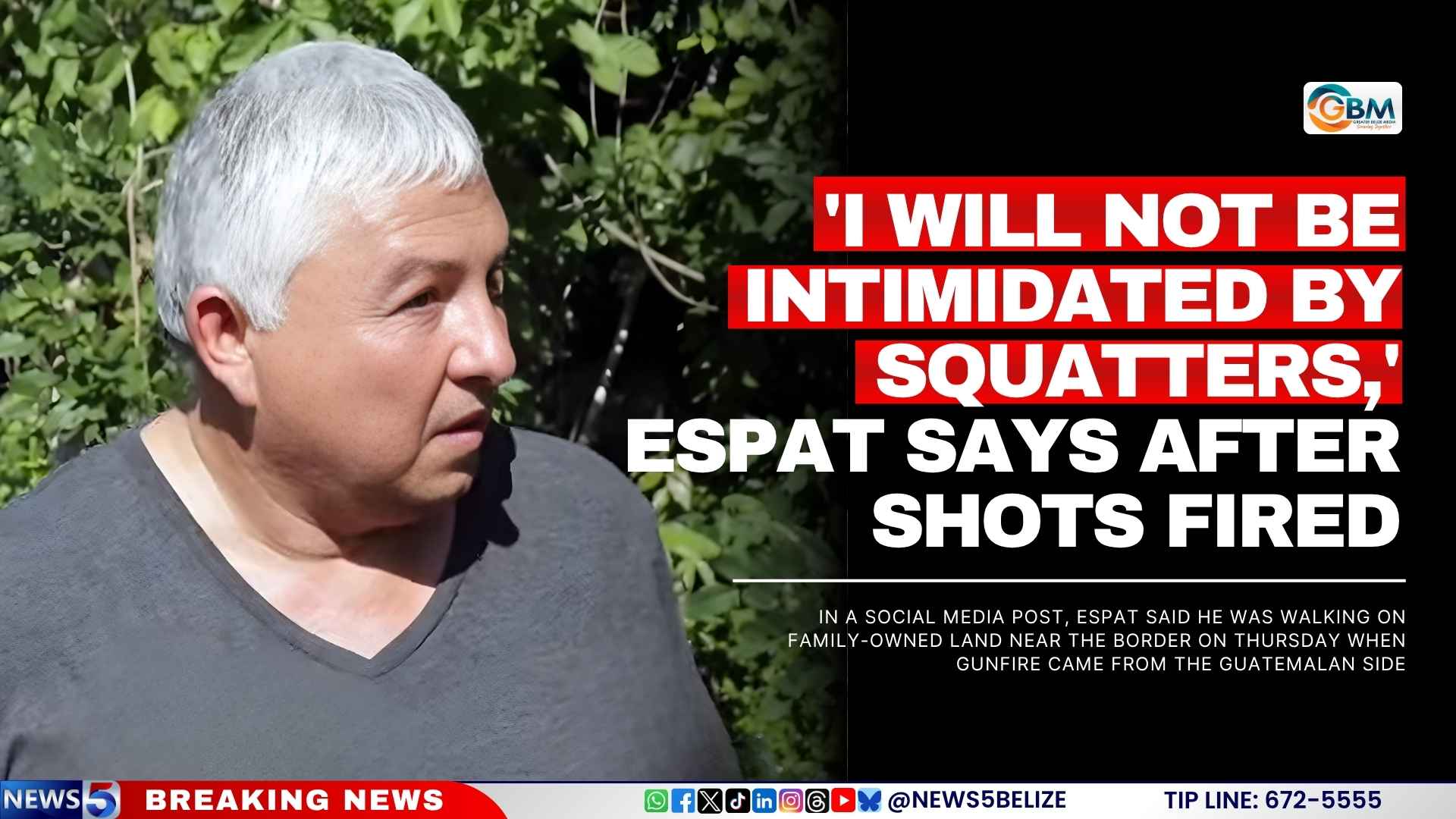
‘I Will Not Be Intimidated by Squatters,’ Espat Says After Shots Fired
Former Belizean parliamentarian Jorge Espat has publicly addressed a concerning incident that occurred near the contentious Belize-Guatemala adjacency zone, dismissing online speculation about the encounter. The politician revealed that during a routine walk on his family’s property near the border on Thursday, unidentified individuals discharged firearms from the Guatemalan side.
Espat clarified that nearby observers alerted Guatemalan authorities, who subsequently arrived at the scene and engaged with his party. Contrary to circulating social media narratives, the former representative emphasized that the interaction was entirely procedural and characterized by professional conduct from the responding officers. “The authorities demonstrated exemplary professionalism and were prepared to offer any necessary assistance,” Espat stated in his social media account of the events.
The politician confirmed he was legally armed with a licensed firearm during the incident, asserting his constitutional right to bear arms while on Belizean territory. Espat further declared his intention to continue exercising his property rights despite attempts at intimidation. “I refuse to be deterred by individuals unlawfully occupying my land,” he affirmed. “As a responsible citizen, I fully understand my rights and would never cross into another nation with unregistered weaponry.
This event occurs within the context of the five-kilometer adjacency zone established under a 2003 bilateral agreement between Belize and Guatemala, designed to mitigate tensions while their longstanding territorial dispute remains unresolved. The buffer region has experienced recurring conflicts over land ownership and illegal settlements in recent years. Documentation from as early as 2019 revealed established Guatemalan settlements on Espat’s property, with some occupants possessing utility documentation in their names. During previous confrontations, squatters have erroneously claimed to be on Guatemalan territory—assertions subsequently invalidated by the Organization of American States, which monitors the border region.
Neither the Belizean government nor Guatemalan authorities had issued official statements regarding the recent incident at the time of reporting.
-
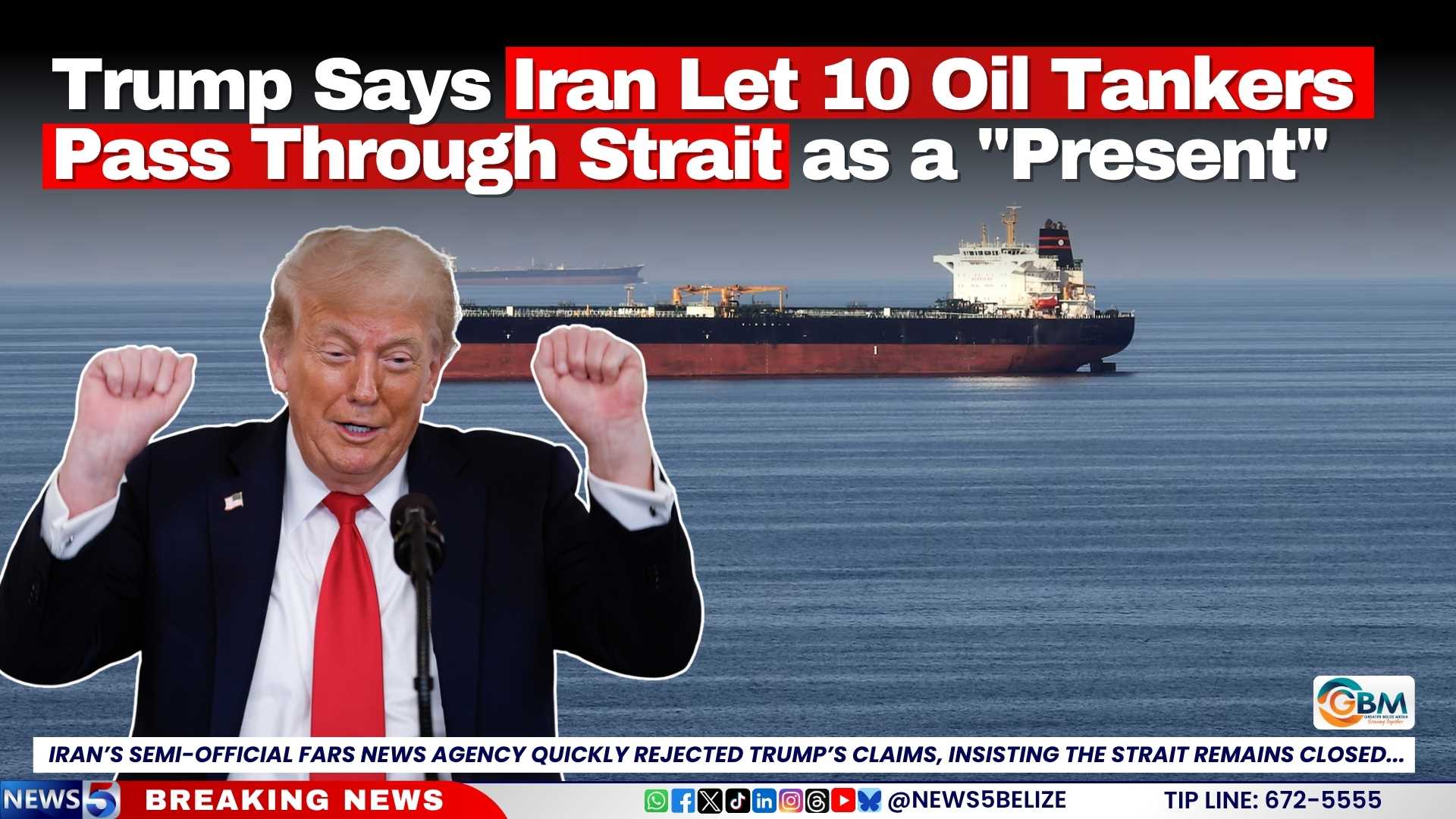
Trump Says Iran Let 10 Oil Tankers Pass Through Strait as a “Present”
In a significant development in U.S.-Iran relations, President Donald Trump asserted during a White House cabinet meeting on Thursday that Iran had permitted the passage of ten oil tankers through the strategically vital Strait of Hormuz as a diplomatic “present.” The American leader characterized this gesture as demonstrating Tehran’s genuine commitment to ongoing negotiation efforts, emphasizing the substantial monetary value represented by the vessels.
Trump specifically noted the tankers were reportedly flying Pakistani flags, highlighting the friendly relations between Pakistan and Iran. This detail gains particular significance given Pakistan’s recent role as intermediary, having delivered a 15-point peace proposal to Iranian authorities on behalf of the United States.
Following the cabinet meeting, Trump utilized his Truth Social platform to announce a corresponding diplomatic concession: a ten-day extension of the pause on planned strikes targeting Iranian energy facilities. In his social media statement, the President framed this decision as responsive to an “Iranian Government request,” setting the new deadline for Monday, April 6, 2026, at 8 P.M.
Contradicting the presidential claims, Iran’s semi-official Fars news agency promptly issued a rebuttal, maintaining that the Strait of Hormuz remains officially closed to maritime traffic. The agency reiterated Iran’s naval policy of prohibiting movement to and from ports of nations allied with “Israeli and American enemies,” warning that any unauthorized passage would meet with military response. Supporting Tehran’s position, multiple reports confirmed that at least three commercial vessels had been turned away from the strategic waterway as recently as Friday morning, creating a stark discrepancy between American assertions and observable realities on the ground.
-
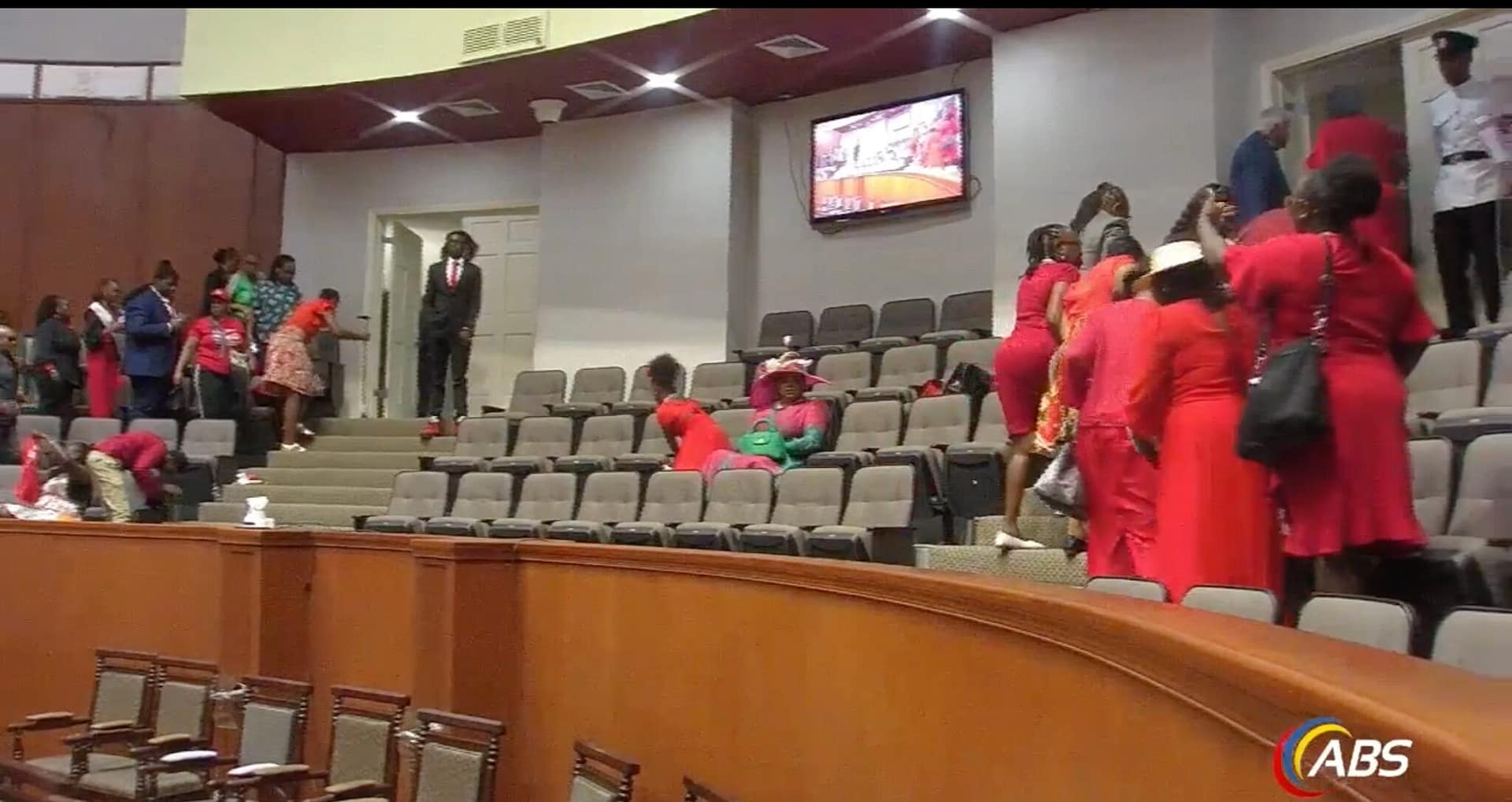
BREAKING: MP’s and Members of Public Walk Out As Opposition Leader Trashes Outgoing MP
A parliamentary session devolved into turmoil as multiple government MPs staged a walkout during Opposition Leader Jamale Pringle’s contentious retirement tribute. The protest, joined by members of the public in the gallery, erupted during Pringle’s sharply critical assessment of Sir Molwyn Joseph’s 38-year political career as the veteran MP prepares to retire from active politics.
The controversial remarks came during what was intended as a ceremonial honoring of three parliamentarians: retiring St. Mary’s North MP Sir Molwyn Joseph, newly installed MP Randy Baltimore, and the late MP Eustace ‘Teco’ Lake. While Pringle offered glowing praise for Lake and brief acknowledgment for Baltimore, he deliberately withheld traditional diplomatic courtesy from Joseph.
Pringle justified his approach by referencing what he characterized as Joseph’s past treatment of him within parliamentary proceedings. The Opposition Leader delivered a severe indictment of Joseph’s legacy, asserting his tenure was defined by controversy and administrative incompetence. Specifically, Pringle accused the retiring MP of presiding over a deteriorating healthcare system and neglecting his constituency responsibilities.
The walkout, involving at least five government MPs alongside public spectators, represented a dramatic breach of parliamentary decorum. Protesters only returned to the chamber after Pringle concluded his remarks and resumed his seat.
In stark contrast to Pringle’s criticism, subsequent speakers offered genuine tributes to Joseph’s lengthy service. Opposition MP Richard Lewis acknowledged Joseph’s substantial contributions spanning nearly four decades, while Barbuda MP Trevor Walker praised the retiring parliamentarian as one of the Lower House’s most skilled debaters. Pringle later defended his critical stance by urging the assembly to embrace honest assessment rather than uniform praise.
-
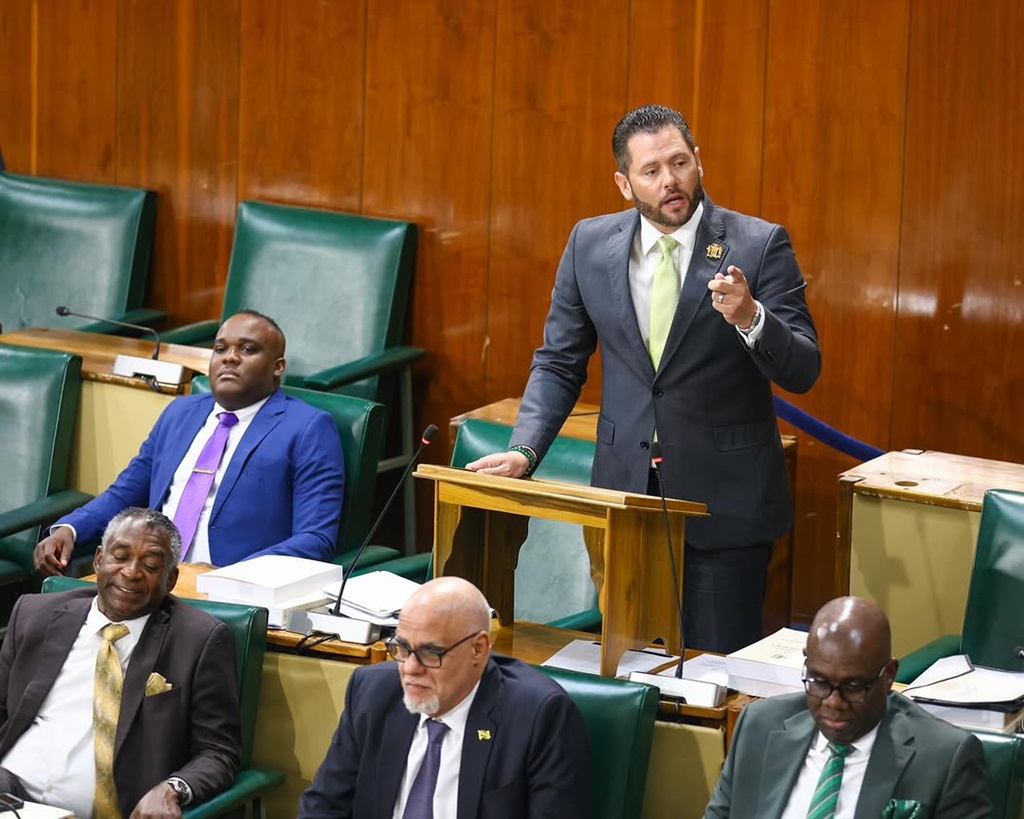
Tavares-Finson says Gov’t intensifying anti-crime push, chides Opposition for being ‘unsupportive’
In a landmark address to the Senate, Government Senator Christian Tavares-Finson revealed that Jamaica has achieved its lowest homicide rate in 31 years, crediting the Holness administration’s strategic security policies for a dramatic 43% reduction in murders. The announcement came during the marathon debate on the Appropriations Bill, which concluded late Friday evening.
Senator Tavares-Finson presented compelling statistics showing murders dropped from 1,147 in 2024 to 673 in 2025—the first time Jamaica’s murder toll has fallen below 700 in three decades. The momentum continues into 2025 with a further 29.4% reduction in murders recorded between January 1 and March 14 compared to the same period last year.
The senator attributed this success to “sustained, intelligence-led security operations reinforced by deliberate legislative reform” and the systematic strengthening of Jamaica’s national security institutions. He emphasized that these results represent a “decisive break from the past” rather than incremental progress.
In a sharp political critique, Tavares-Finson accused the Opposition People’s National Party (PNP) of obstructing government efforts against crime rather than partnering in the initiative. “Our memories are not short,” he stated, recalling that the PNP had demanded a crime plan while simultaneously voting against the administration’s anti-crime measures.
The government’s strategy has relied on strategic emergency measures that created operational space for security forces to build capacity while containing threats. Tavares-Finson highlighted investments in “superior intelligence, stronger communications, enhanced mobility, and advanced tactical capability” while insisting these capabilities operate “within the rule of law, with respect for human rights.
Looking forward, the administration announced a major J$5 billion investment to establish the Camp Wareika Forward Operating Base across 100 acres—characterized not as mere infrastructure but as a “strategic investment in territorial dominance” for the Liguanea Plains region. This signals a transition from reactive crisis management to persistent strategic readiness against emerging threats.