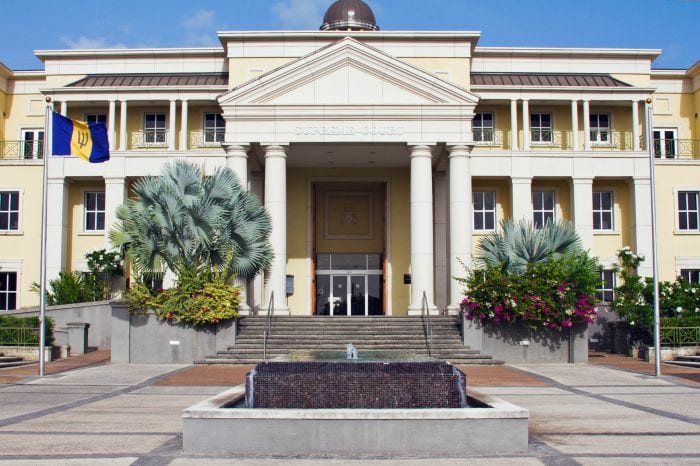
The High Court of Barbados is poised to determine whether the Fair Trading Commission (FTC) must compel the Barbados Light and Power Company (BLPC) to disclose financial documents. This decision follows renewed legal action by public interest intervenors, reigniting a prolonged dispute over electricity rates. Earlier this month, the court canceled a scheduled hearing after discovering that no formal application had been properly filed. However, last week, the intervenor team, led by Ricky Went, resubmitted a comprehensive set of documents, including their notice of application, a certificate of urgency, and a draft order they seek the court to approve. The court has set next Wednesday to hear the application, filed by the intervenors’ lead attorney, senior counsel Hal Gollop. The case centers on whether the FTC can require BLPC to provide information following its February 2023 rate review decision, which the intervenors argue remains unresolved. The FTC maintains that the process is concluded and lacks the statutory authority to mandate the release of the documents. A hearing initially scheduled for last Tuesday was canceled when the court discovered procedural errors in the filing process. Senior counsel for the FTC, Alrick Scott, informed the court that BLPC had not been served with any notice of application and was unaware of Gollop’s filing. Further investigation revealed no formal application had been made, prompting the court to vacate the hearing date. The intervenors argue that analyzing BLPC’s financial data is crucial before the FTC issues its final ruling on the rate decision, as rate proceedings are infrequent. They emphasize the importance of public trust in the regulatory process. However, the FTC, through Scott, has reiterated its refusal to comply, citing no statutory obligation to release the requested documents.
分类: politics
-
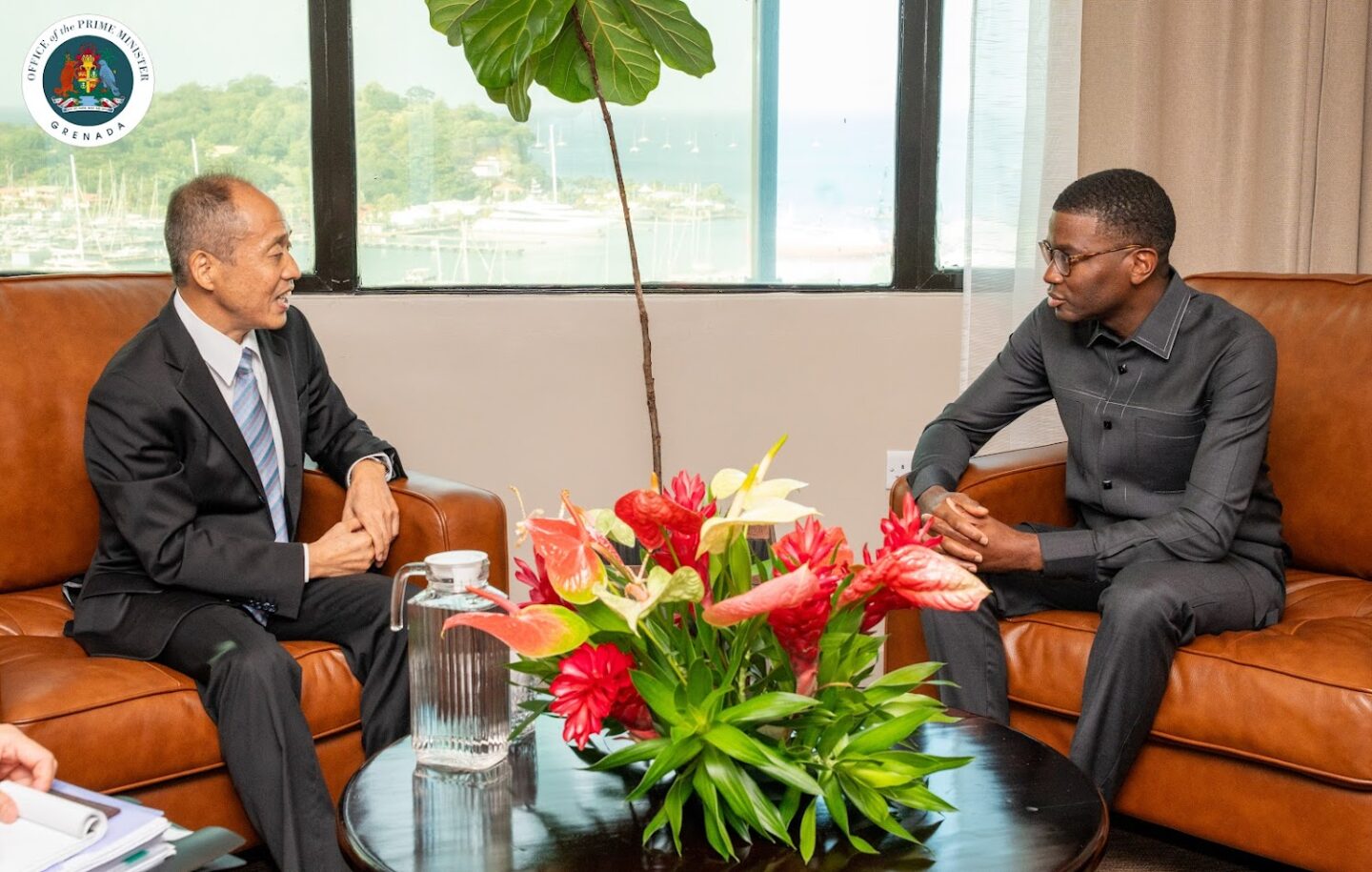
Grenada and Embassy of Japan commemorate 50 years of diplomatic relations
On November 12, 2025, Dr. Akima Umezawa, the Ambassador of Japan, announced the historic appointment of Dr. Nicole Phillip as Grenada’s first Honorary Consul of Japan. Dr. Phillip, the Acting Director of the University of The West Indies Global Campus in St. George’s, is renowned for her expertise in history and academic leadership. This landmark announcement was made during celebrations marking 50 years of diplomatic relations between Grenada and Japan, a partnership rooted in mutual respect, cooperation, and shared vision. Over the past five decades, Japan has significantly contributed to Grenada’s development in education, disaster resilience, agriculture, and technical training, while Grenada has actively engaged in cultural and academic exchanges. The appointment ceremony, held at the Radisson Grenada Beach Resort, was attended by senior government officials, members of the diplomatic corps, and other distinguished guests. Ambassador Umezawa described the appointment as a pivotal step in strengthening the bilateral relationship, referring to the anniversary as a “Golden Jubilee.” He highlighted key achievements, including Grenada’s participation in Expo 2025 Osaka, Japan’s support for sargassum countermeasures, and vocational training initiatives. Dr. Phillip expressed her gratitude and commitment to fostering deeper ties between the two nations. The celebrations continued on November 13 with a musical concert featuring the Japanese Bamboo Flute and the National School Orchestra, symbolizing cultural harmony. Acting Foreign Minister Senator Adrian Thomas emphasized the significance of the 50-year friendship and expressed optimism for future collaboration in cultural exchange, innovation, and economic ties. He also congratulated Dr. Phillip on behalf of the Government and People of Grenada, recognizing her contributions to education and leadership.
-
Opposition steps up pressure over stalled VAT pledge
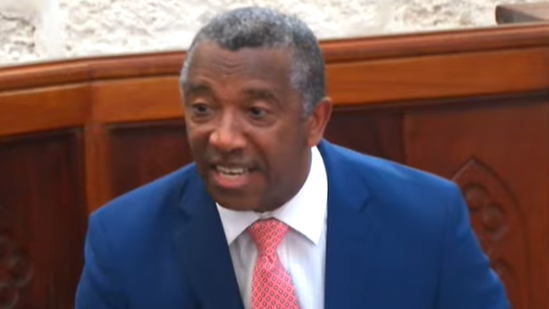
The opposition in Barbados has escalated its demands for the government to fulfill its 2018 pledge to reduce the Value Added Tax (VAT) rate from 17.5%, a rate established nearly 15 years ago. The call comes as rising living costs continue to burden ordinary households, with critics accusing the government of inaction. During a parliamentary debate on the Companies (Economic Substance) (Repeal) Bill and the Income Tax (Amendment) Bill, Opposition Leader Ralph Thorne highlighted the pressing issue of taxation and its impact on citizens. Thorne reminded the government of its promise to lower VAT, which was initially increased from 15% to 17.5% in December 2010 as a temporary measure under the Freundel Stuart administration. He argued that the current VAT rate is a direct financial burden on all citizens, regardless of their economic status, and serves as a disincentive to spending. Thorne emphasized that while VAT may benefit government revenues, the primary responsibility of any administration is to alleviate the tax burden on its people. He linked lower taxes to economic freedom and urged the government to act on its promise, questioning whether the current VAT rate is reasonable and whether its reduction could provide partial relief to the populace. Thorne challenged the government to clarify its intentions regarding VAT reduction and to specify the extent of any planned cuts. In response, government representative Ryan Straughn defended the administration’s economic record, acknowledging the unfulfilled VAT reduction promise but highlighting efforts to stabilize the economy and support families. Straughn suggested that a VAT reduction remains a future possibility, while emphasizing the government’s ongoing commitment to improving citizens’ welfare.
-
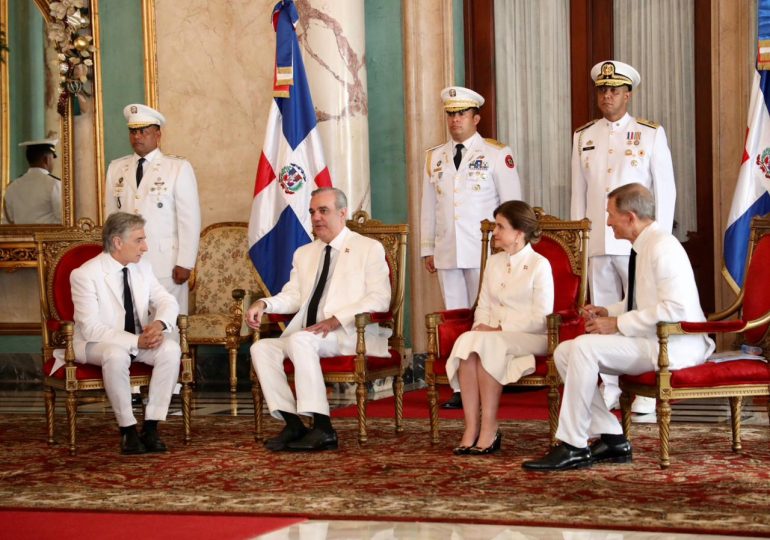
Abinader welcomes seven new ambassadors
In a significant diplomatic event, President Luis Abinader of the Dominican Republic officially welcomed seven new ambassadors during a formal ceremony held at the National Palace’s Ambassadors’ Hall. The occasion, attended by Vice President Raquel Peña and Foreign Minister Roberto Álvarez, marked the commencement of diplomatic missions from the European Union, the Sovereign Military Order of Malta, India, the United States, Norway, the Czech Republic, and Belarus. The ceremony began with Raúl Fuentes Milani, the European Union’s new representative, a veteran diplomat with expertise in global health and European affairs. Enrique Antonio Valdez Aguiar, representing the Sovereign Military Order of Malta, followed. Kishan Dan Dewal, India’s new ambassador with over two decades of international service, presented his credentials alongside Leah Francis Campos, the U.S. ambassador, who brings a wealth of experience in public affairs and foreign policy. Norway’s ambassador, John Petter Opdahl, with a distinguished career in Latin America and the Caribbean, also formalized his role. Zdeněk Kubánek, the Czech Republic’s representative, known for his work in international trade and Latin American diplomacy, was next. The event concluded with Belarusian ambassador Vitali P. Barchuk, who specializes in foreign economic relations and previously served in Cuba.
-

Column: Welbegrepen eigenbelang
During the general political deliberations, President Jennifer Geerlings-Simons of Suriname outlined a series of transformative reforms aimed at addressing long-standing issues in land policy and education. Her proposals, which have been met with cautious optimism, seek to rectify systemic inefficiencies and promote equitable development across the nation.
-
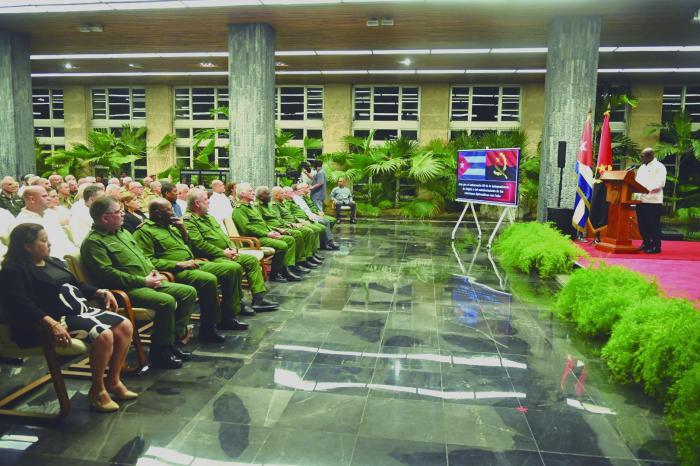
Cuba celebrated 50 years of Angola’s independence and a friendship that has grown stronger over time
In a historic ceremony at the Palace of the Revolution, Cuba commemorated the 50th anniversary of Angola’s independence and the enduring diplomatic relations between the two nations. The event, led by Miguel Díaz-Canel Bermúdez, President of the National Defense Council, highlighted the deep historical and emotional bonds that unite Cuba and Angola as sister nations. Army Corps General Álvaro López Miera, Minister of the Revolutionary Armed Forces, emphasized the shared struggles of the past, recalling Cuba’s pivotal role in Angola’s fight for independence. He noted that Angola remains the African country with the most diverse and extensive collaboration with Cuba, spanning healthcare, education, and construction. The ceremony also honored the legacy of Operation Carlota, a Cuban military mission launched in 1975 to support Angola against colonial and apartheid forces. Ambassador Carlos Cruz de Lemos Sardinha expressed profound gratitude for Cuba’s unwavering solidarity, describing it as a beacon of hope for oppressed peoples. The event concluded with performances by renowned artists Beatriz Márquez and Pancho Amat, symbolizing the cultural ties that continue to strengthen the relationship between the two nations.
-

Induced inflation: The economic warfare driving up prices from abroad
In recent weeks, the issue of induced inflation has taken center stage in Cuban public discourse and media. Cuban Television has exposed a plot involving external actors linked to the U.S. State Department and intelligence services, alleging their role in destabilizing Cuba’s economy. This revelation has sparked widespread concern among Cuban citizens, who are already grappling with severe economic challenges. Media outlets like El Toque have been accused of intentionally manipulating exchange rates as part of a broader economic warfare strategy against Cuba. Induced inflation, a deliberate and sustained rise in prices, differs from organic inflation, which stems from market imbalances. It is often triggered by coercive economic measures, such as those imposed by the United States and the European Union, which restrict access to markets, foreign currency, and technology. These actions lead to shortages of essential goods and capital, driving prices upward. The media and social networks play a critical role in amplifying this crisis by shaping inflationary expectations. Experts argue that this phenomenon is not merely economic but also psychological. When consumers and businesses anticipate rising prices, they adjust their behavior accordingly, fueling a self-perpetuating cycle of inflation. In Cuba, the narrative that “the dollar has gone up” is frequently cited as justification for price hikes. Alarmist media coverage, such as headlines proclaiming “Inflation Runs Out of Control” or “Prices Skyrocket,” exacerbates public anxiety. Economic analysts’ predictions further influence market behavior, while social media spreads fear and misinformation. Viral posts or videos warning of a dollar surge can trigger panic buying, destabilizing the local currency. This strategy, part of a multifaceted campaign against Cuba, aims to incite internal unrest, create chaos, and undermine the government’s stability. Sources: BBC, NYT, Academic Journals.
-

Two Cabinet Reshuffles in a Week Raise Questions About Stability
In an unprecedented move, Belize’s Briceño administration has undergone two Cabinet reshuffles within a single week, raising questions about the stability and direction of the government. The latest adjustments were finalized during a high-level meeting of senior ministers at the Sir Edney Cain Building in Belmopan. This comes just days after the People’s United Party (PUP) celebrated its fifth anniversary in office, a milestone overshadowed by sudden resignations and portfolio reassignments. Prime Minister John Briceño addressed the changes, emphasizing the need for continuous improvement in governance. He clarified that only one reshuffle had been officially enacted, despite reports suggesting multiple adjustments. Among the notable changes, Orange Walk South Area Representative Jose Abelardo Mai resigned from his role as Minister of Agriculture, a position he held since the PUP’s rise to power in 2020. His successor, Rodwell Ferguson, brings extensive experience as a deputy party leader and long-serving area representative. Meanwhile, Belmopan Area Representative Oscar Mira has transitioned from Minister of National Defense and Border Security to Minister of Home Affairs and Enterprise, a move aimed at addressing cross-border security concerns. Other key appointments include Florencio Marin Jr. taking over National Defense and Oscar Requena returning to his former role in Rural Transformation and Community Development. These rapid changes have sparked debates about their implications for governance and voter confidence in the administration.
-
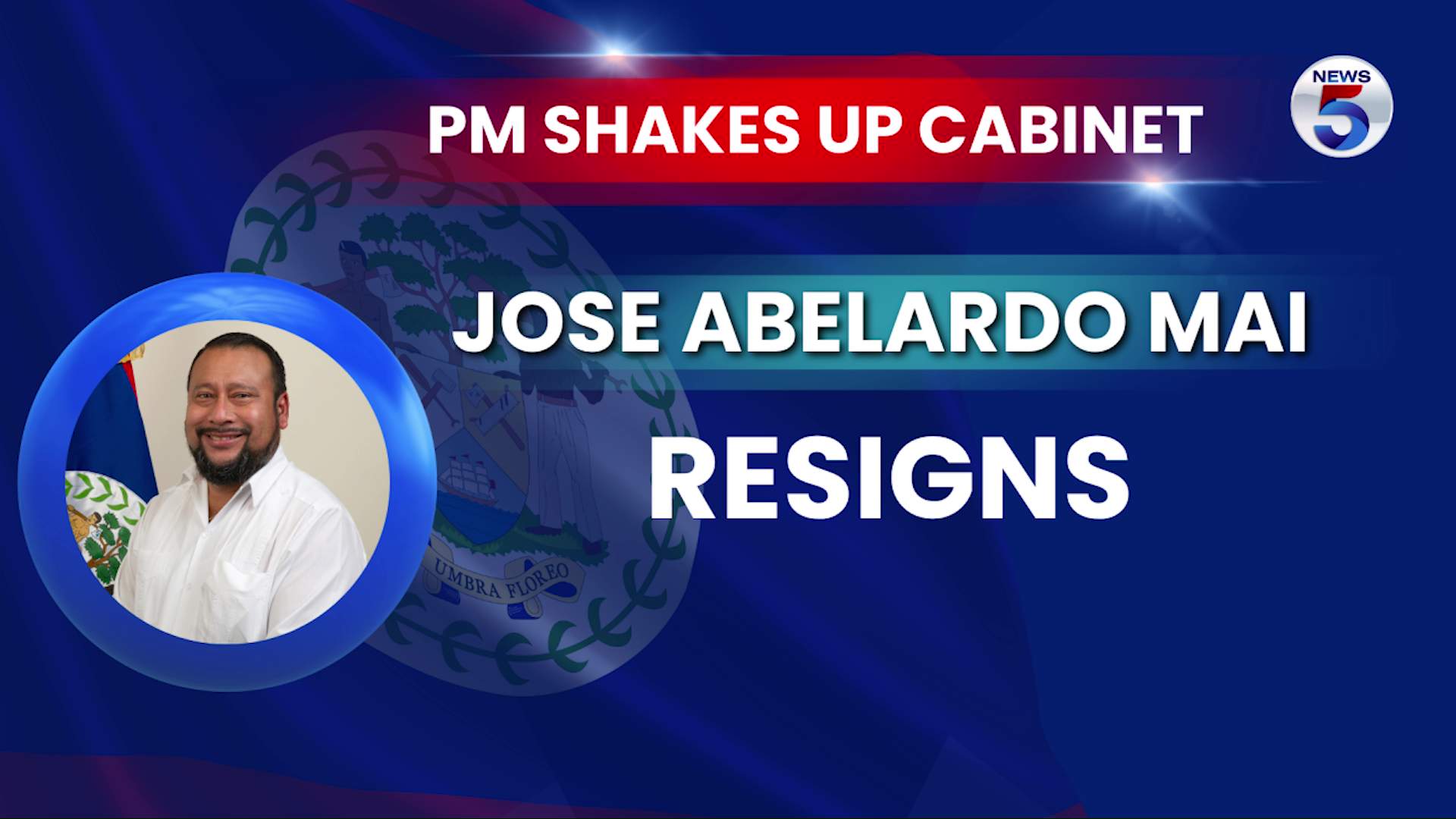
Jose Mai Steps Down Amid Health, Speculation Swirls
In a surprising turn of events, Jose Abelardo Mai, Belize’s Minister of Agriculture, Food Security, and Enterprise, resigned from his Cabinet position on Monday, November 18, 2025. Prime Minister John Briceño attributed Mai’s departure to health concerns, specifically an upcoming back surgery. However, the resignation has sparked widespread speculation, as the timing coincides with recent controversies and diplomatic murmurs. Notably, Mai had recently traveled to Brazil to represent Belize at the Conference of Ministers of Agriculture, raising questions about the severity of his condition given the extensive travel involved. Prime Minister Briceño emphasized Mai’s contributions, calling him the best agriculture minister since 1981, but the distinction between resignation and a leave of absence has left many skeptical. Mai’s recent public appearances, including photos on the Ministry’s Facebook page, showed no visible signs of health issues, further fueling doubts. Despite Briceño’s assurances that the U.S. Embassy had no role in Mai’s resignation, the lack of transparency has left the public questioning the true reasons behind the decision. Mai remains the Area Representative for Orange Walk South, but his ability to serve effectively post-surgery remains uncertain. Requests for comment from Mai have gone unanswered, leaving the future of his political career in limbo.
-

Mai’s Sudden Exit Adds Fuel to Cabinet Turmoil
The Briceno administration faced heightened turmoil as Orange Walk South Area Representative Jose Abelardo Mai abruptly resigned from his position as Minister of Agriculture on Monday. Mai’s departure came amid escalating allegations of cartel involvement and mounting pressure from the U.S. Embassy to address these accusations. The resignation occurred during an ongoing Cabinet reshuffle, which Prime Minister John Briceno initiated last Tuesday to mark the administration’s fifth anniversary. The sudden vacancy in the agriculture portfolio has intensified political tensions, with Opposition Leader Tracy Taegar-Panton demanding transparency from the Prime Minister regarding the circumstances surrounding Mai’s exit. The administration is now grappling with the dual challenges of restoring public trust and stabilizing its leadership team.