分类: politics

  • Antigua Cabinet Approves Immigration Amnesty to Address Labour Shortages

    Antigua Cabinet Approves Immigration Amnesty to Address Labour Shortages

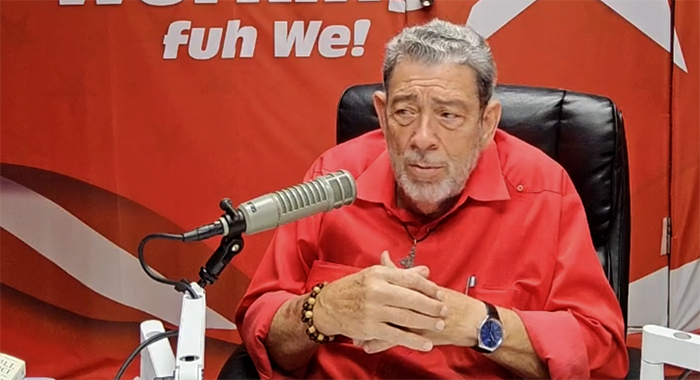
    The government of Antigua and Barbuda has enacted a significant immigration amnesty program targeting non-nationals residing within the country. This policy initiative, formally approved during Wednesday’s Cabinet session presided over by Prime Minister Gaston Browne, addresses dual objectives of economic stabilization and humanitarian relief.

    Prime Minister Browne justified the decision by referencing the nation’s current economic trajectory and robust employment landscape, indicating that labor shortages have emerged as a constraint on growth. The amnesty specifically targets individuals who have lapsed immigration status primarily due to financial difficulties rather than intentional violations of immigration laws.

    Maurice Merchant, Director of Communications, elaborated that the program serves dual purposes: alleviating workforce deficiencies in key economic sectors while providing a pathway to legal status for affected immigrants. Qualified participants will receive penalty-free status regularization, granting them full legal authorization to reside and seek employment while enhancing their economic contributions.

    Beyond individual benefits, the administration anticipates broader economic advantages through expanded labor availability during a period of heightened economic activity. Employers across various industries are expected to gain access to a larger pool of legitimate workers, potentially reducing operational constraints.

    The implementation framework, including eligibility criteria, application mechanisms, and temporal parameters of the amnesty period, will be formally presented at the next Cabinet meeting. Immigration Minister Sir Steadroy Benjamin will jointly coordinate this presentation with officials from the Department of Immigration.

  • Senator Colin O’Neal Browne Addresses Deliberate Misrepresentation of Remarks

    Senator Colin O’Neal Browne Addresses Deliberate Misrepresentation of Remarks

    Antiguan Senator Hon. Colin O’Neal Browne has issued a formal rebuttal against what he characterizes as a deliberate misrepresentation of his comments made at a recent vigil event. The senator clarified that his participation at the invitation of Venezuelan Ambassador Carmen Velasquez was solely to express appreciation for being included in an occasion marking solidarity and peace.

    Contrary to reports published by Antigua Newsroom on January 23, 2025, Senator Browne emphasized that he made no statements criticizing the removal of Venezuelan leadership nor commented on the internal political situation of the sovereign nation. The senator’s office described the published account as profoundly inaccurate and misleading.

    Senator Browne has demanded immediate retraction of the article along with a formal apology. His legal representatives have indicated that failure to comply promptly will result in pursuing legal redress through appropriate channels. The situation highlights ongoing sensitivities surrounding diplomatic discourse and media accuracy in political reporting within the Caribbean region.

  • LETTER TO THE EDITOR: Fact Check- Anthony Astaphan’s political defense of CBI and the reality of U.S. risk

    LETTER TO THE EDITOR: Fact Check- Anthony Astaphan’s political defense of CBI and the reality of U.S. risk

    A critical examination of recent U.S. visa restrictions on Caribbean Citizenship by Investment (CBI) programs reveals a fundamental disconnect between legislative compliance and operational credibility. While Senior Counsel Anthony Astaphan accurately notes that Eastern Caribbean governments have engaged in diplomatic dialogues and enacted statutory reforms, his legalistic perspective fails to address Washington’s core security concerns.

    The United States approaches risk assessment through a practical lens rather than a legislative checklist. From this vantage point, several unresolved issues persist: historical approvals under weaker due diligence regimes remain active liabilities, enforcement consistency shows significant variation, and information-sharing reliability with international partners continues to raise questions. Additionally, concerns regarding political influence over CBI administration and broader transparency issues, including the Cuban medical brigade situation, contribute to ongoing apprehension.

    Timing emerges as a crucial factor in understanding the current impasse. Contrary to Astaphan’s portrayal of proactive governance, the implemented reforms largely constituted reactive measures following intensified U.S. visa scrutiny, prior EU warnings, and already-eroded international confidence. The December visa restrictions represent a risk management posture rather than moral condemnation, essentially communicating: “Improvement acknowledged, but reliability not yet established.”

    Particularly telling is the divergence in perspectives regarding residency requirements. Where Astaphan points to legislative changes as evidence of compliance, U.S. officials evaluate substantive residence indicators—actual physical presence, meaningful jurisdictional ties, and integration sufficient for identity verification. Many CBI residency stipulations continue to be perceived as symbolic rather than substantive, undermining confidence in identity vetting processes.

    This situation ultimately reflects contrasting professional frameworks: Astaphan argues as defense counsel by emphasizing technical compliance and minimizing structural risks, while U.S. authorities operate as risk managers who discount promises in favor of demonstrable system resilience. The path forward requires Caribbean states to complement legal reforms with verifiable compliance measures, transparent data sharing, and sustained cooperation that convinces security professionals—not just diplomats—that international standards are consistently met.

  • VS waarschuwt Haïtiaanse overgangsraad: ‘We zullen gepaste actie ondernemen’

    VS waarschuwt Haïtiaanse overgangsraad: ‘We zullen gepaste actie ondernemen’

    The United States has delivered a strongly-worded caution to Haiti’s Transitional Presidential Council, signaling potential intervention if the Caribbean nation’s security situation continues to deteriorate. This development occurs amidst mounting international pressure for the interim governing body to organize federal elections in the violence-plagued country.

    In a sharply articulated social media statement released Thursday, the U.S. Embassy in Port-au-Prince emphasized that America’s primary objective remains “establishing basic security and stability.” U.S. Deputy Secretary of State Christopher Landau explicitly warned that any attempts to alter the composition of the unelected Transitional Council during its final months in office (through February 7th) would be perceived as undermining this crucial goal. Landau further indicated that Washington would respond decisively to such changes, stating that those supporting disruptive measures benefiting armed gangs would face “appropriate measures” for acting against the interests of the United States, the region, and the Haitian people.

    This warning emerges against the backdrop of Haiti’s protracted struggle with widespread gang violence, political instability, and systemic corruption. The U.S. stance is being viewed cautiously throughout the region, particularly following recent military operations in Venezuela on January 3rd that resulted in the abduction of President Nicolás Maduro. The Trump administration has consistently asserted that the entire Western Hemisphere falls within its sphere of influence under the “Donroe Doctrine”—a contemporary interpretation of the historical Monroe Doctrine previously invoked to justify American military actions including the Maduro operation and territorial claims on Greenland.

    Haiti’s current political crisis has deepened significantly since the 2021 assassination of President Jovenel Moïse. The absence of federal elections since that event has severely eroded governmental legitimacy, with the last elected leaders losing their mandates in 2023. This power vacuum has enabled criminal gangs to establish control over substantial territories, including approximately 90% of the capital city Port-au-Prince. The resulting violence has displaced over 1.4 million people and created severe food insecurity due to gang-controlled roadways. According to UN reports, approximately 8,100 people perished in the violence between January and November last year—a significant increase compared to 2024 figures.

    The Transitional Council, established in 2024 with nine members rotating leadership, was intended to lay groundwork for new elections. However, the body has faced criticism for its composition dominated by political and business elites, alongside allegations of corruption and internal strife. The United States exacerbated tensions by imposing visa restrictions on council economist Fritz Alphonse Jean in November. The planned phased elections, originally scheduled for last year, have been postponed until August while the Council’s February 7th mandate expiration creates additional uncertainty.

    UN Secretary-General António Guterres directly links Haiti’s humanitarian crisis to this political vacuum, citing escalating violence, food insecurity, and instability as the transition mandate concludes. Carlos Ruiz-Massieu, head of the UN Integrated Office in Haiti (BINUH), emphasizes the urgent need for transparent democratic processes and governmental unity, warning that gang violence threatens to disrupt electoral preparations. The UN is preparing to expand its multinational security mission later this year with additional troops to ensure free and secure elections can proceed.

    As Haiti’s fragile situation continues to deteriorate, the international community increasingly calls for stabilized governance and respect for democratic principles in the Western Hemisphere’s poorest nation.

  • U.S. finalizes withdrawal from WHO

    U.S. finalizes withdrawal from WHO

    The United States has officially completed its withdrawal from the World Health Organization (WHO), marking a significant shift in global health diplomacy. The departure, initiated through an executive order signed by President Donald Trump on January 20, 2025, follows a required one-year notice period but leaves approximately $133 million in outstanding financial obligations unpaid.

    According to United Nations officials speaking at a New York briefing, the withdrawal may not have fully met all procedural conditions. A Deputy Spokesperson for the UN Secretary-General noted that the WHO has not yet confirmed fulfillment of all requirements, specifically highlighting the settlement of outstanding financial obligations as a key condition that remains unresolved.

    The Trump administration’s decision to withdraw stemmed from multiple criticisms of the WHO, including allegations of mishandling the COVID-19 pandemic, failure to implement necessary reforms, and susceptibility to political influence from member states. The administration also criticized the organization’s funding structure, arguing that the U.S. contributed disproportionately compared to other nations, specifically noting China’s significantly lower contributions despite its larger population.

    Health experts worldwide have expressed concern about the implications of the U.S. departure, warning that it could weaken global disease surveillance and response capabilities, particularly in managing future pandemics. The United States had been one of the WHO’s largest contributors, providing over $600 million annually through assessed dues and voluntary contributions.

    The withdrawal represents part of a broader policy shift by the Trump administration away from international organizations perceived as not aligning with U.S. interests. Questions now emerge about how the United States will participate in global health coordination efforts moving forward, as the WHO remains the primary international body for disease prevention and response coordination.

  • Dominican Republic appoints new consul general to Antigua and Barbuda

    Dominican Republic appoints new consul general to Antigua and Barbuda

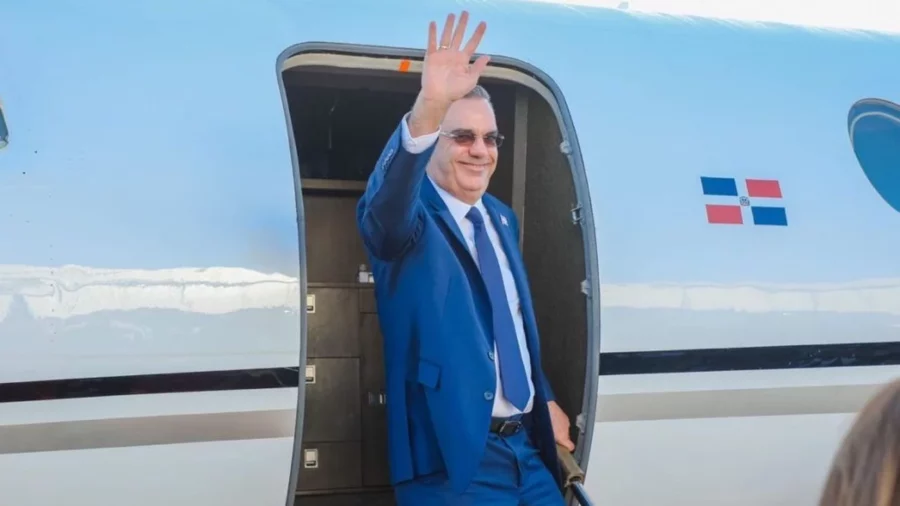
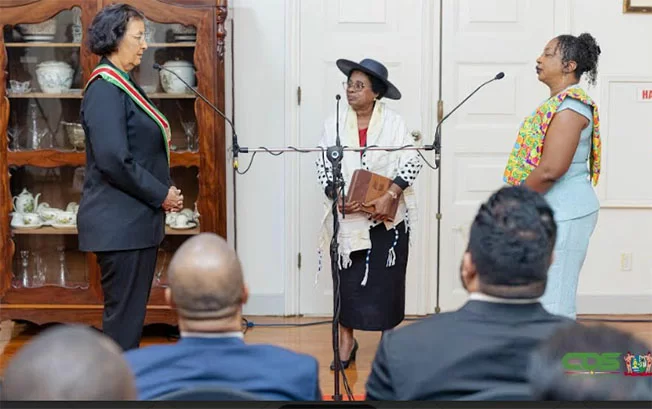
    The Dominican Republic has officially installed Julio Cesar Mateo Baez, colloquially known as Yulyn, as its new Consul General to Antigua and Barbuda. This diplomatic appointment follows the recent departure of former envoy Joaquin Lopez Diaz, marking a new chapter in bilateral relations between the two Caribbean nations.

    In his inaugural address, Consul General Mateo Baez emphasized his dual mission of serving the Dominican diaspora while fortifying diplomatic and cultural ties with Antigua and Barbuda. He characterized the host nation as a ‘valued partner’ whose citizens demonstrate remarkable dedication and work ethic, noting his encouragement from the historically strong relationship between the countries.

    The new consul issued a compelling appeal to Dominican nationals residing in Antigua and Barbuda, urging them to embody the role of cultural ambassadors through exemplary conduct and strict adherence to local laws. He emphasized that the behavior of expatriates directly influences international perceptions of the Dominican Republic.

    Mateo Baez’s diplomatic agenda includes scheduled courtesy visits to senior government officials in St. John’s during the coming weeks, where he will discuss matters of mutual interest and exchange formal greetings. His first official engagement will occur Sunday with attendance at a special service at Holy Family Cathedral commemorating the Bridging of Altagracia—a significant religious and cultural observance for the Dominican people.

  • SOVA waarschuwt voor overhaaste herstructurering Openbaar Ministerie

    SOVA waarschuwt voor overhaaste herstructurering Openbaar Ministerie

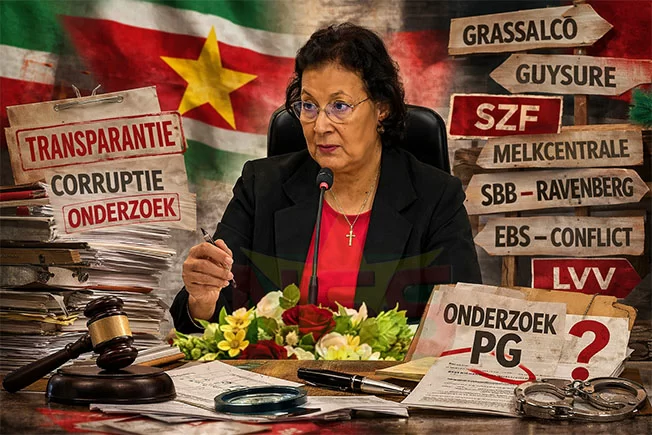
    The Suriname Bar Association (SOVA) has delivered a substantive critique of proposed judicial reforms during a national conference on modernizing the justice system. Legal experts argued that genuine modernization must transcend mere administrative restructuring and instead focus on strengthening legal certainty, transparency, integrity, and institutional resilience.

    The association presented a comparative analysis of two competing governance models: the existing single Attorney General system versus a proposed College of Attorneys General. SOVA emphasized that this choice fundamentally impacts core rule-of-law principles including accountability, operational efficiency, and democratic oversight rather than representing a simple organizational decision.

    SOVA’s analysis revealed that the current single Attorney General model offers distinct advantages in clear accountability structures, rapid decision-making capabilities, and direct crisis intervention. However, the association acknowledged vulnerabilities to personal dependency and political pressure when institutional safeguards remain underdeveloped.

    The collegial model, while potentially enhancing policy continuity and internal checks, presents significant risks for Suriname’s small legal jurisdiction. Collective decision-making could introduce bureaucratic delays, leadership ambiguity, and responsibility diffusion—critical concerns for a nation requiring swift, transparent judicial processes.

    The bar association cautioned against falsely equating modernization with structural overhaul, proposing instead comprehensive reforms within the existing framework. Key recommendations include establishing mandatory consultation protocols for high-stakes prosecution decisions involving state security, large-scale corruption, or political figures.

    SOVA advocated for publicly accessible prosecution guidelines to increase legal predictability and reduce risks of selective or politically influenced enforcement. The association stressed that transparency serves as the foundational element for public trust in judicial institutions.

    Additional proposals include implementing fixed statutory terms for the Attorney General, clearly defined dismissal grounds, and enhanced procedural protections during suspensions or removals. These measures aim to balance independence with institutional stability.

    The association called for clearer demarcation between the Prosecution Service and the Justice Ministry, recommending written documentation of policy directives, parliamentary oversight of interventions, and strengthened separation of powers to prevent informal influence.

    SOVA concluded that a properly empowered Attorney General—supported by robust legal safeguards, transparent policies, effective checks and balances, and visible accountability mechanisms—can deliver judicial security comparable to collegial governance systems. The central question remains how to create responsible, transparent, and resilient institutions rather than simply increasing the number of officeholders.

  • Federation’s Human Rights Record to be spotlighted next week

    Federation’s Human Rights Record to be spotlighted next week

    The Federation of St. Kitts and Nevis is poised for international human rights examination as Attorney General Garth Wilkin prepares to present the nation’s human rights record before the United Nations on January 27, 2026. This appearance marks a significant moment in the country’s ongoing engagement with global human rights mechanisms.

    Among thirteen jurisdictions scheduled for assessment next week, St. Kitts and Nevis will undergo scrutiny through the UN Human Rights Council’s Universal Periodic Review (UPR) process. The evaluation will be conducted by the UPR Working Group during sessions at the UN’s Geneva headquarters, representing the fourth such examination for the Caribbean nation since the process began.

    The UPR mechanism employs a comprehensive three-document foundation for its assessments: an official national report submitted by the state under review; compiled information from independent human rights experts, special procedures, treaty bodies, and various UN entities; and substantive contributions from diverse stakeholders including national human rights institutions, regional organizations, and civil society groups.

    Historical data reveals this constitutes the Federation’s fourth UPR cycle, with previous evaluations occurring in January 2011, November 2015, and most recently in January 2021. The available documentation forming the basis for next week’s review has been made accessible to the public through official United Nations channels, ensuring transparency throughout the process.

    The upcoming review represents both a procedural obligation and an opportunity for the Federation to demonstrate its human rights advancements while receiving constructive feedback from the international community on areas requiring further development.

  • Venezuelan embassy in Antigua launches campaign calling for return of Maduro

    Venezuelan embassy in Antigua launches campaign calling for return of Maduro

    The Venezuelan Embassy in St. John’s has initiated a worldwide diplomatic campaign demanding the immediate repatriation of President Nicolás Maduro and First Lady Cilia Flores, whom Venezuelan authorities assert are currently detained in the United States under criminal allegations.

    Designated with the hashtag #BringThemBack, this mobilization effort stems from what embassy officials describe as a January 3rd military operation conducted by United States forces that allegedly resulted in the apprehension and subsequent transportation of Venezuela’s leadership to American territory.

    The campaign formally commenced during a Thursday evening solidarity gathering at the embassy, drawing participation from international diplomats, religious figures, Venezuelan expatriates, and local activists. Venezuelan Ambassador to Antigua and Barbuda Carmen Velasquez characterized the alleged incident as among the most devastating events in contemporary Venezuelan history, addressing attendees with emotional appeals for diplomatic resolution.

    Ambassador Velasquez provided a firsthand account claiming presence in Caracas during the purported operation, describing being awakened by powerful explosions and observing unlit helicopters alongside drone strikes targeting multiple locations. Her testimony aimed to substantiate the Venezuelan government’s narrative of foreign military intervention.

    The assembly featured notable attendees including Cuban Ambassador Sergio Martinez, Chinese Ambassador Jiang Wei, Senator Colin O’Neal, and religious representatives from the Antigua Christian Lay Movement and All Saints Fellowship of Believers. Ambassador Martinez denounced the alleged American actions as violations of Venezuelan sovereignty, while Senator O’Neal criticized the purported removal of a democratically elected leader within Western Hemisphere territory.

    The event culminated in a candlelight vigil led by Pastor James Warner, honoring those reportedly deceased during the incident while symbolizing hope for the leaders’ safe return. The embassy has subsequently established a Condolence Book inviting public signatures as gestures of support for the Venezuelan people amid escalating international tensions.

  • Applications Open for CHOGM 2026 Social Media Correspondents

    Applications Open for CHOGM 2026 Social Media Correspondents

    Antigua and Barbuda, host nation of the forthcoming 2024 Commonwealth Heads of Government Meeting (CHOGM), has unveiled an innovative initiative to integrate youth perspectives into the global dialogue. The program is actively recruiting a cadre of young content creators to serve as official correspondents, tasked with documenting and disseminating the summit’s proceedings across digital media channels.

    This initiative specifically seeks to elevate youth commentary on critical agenda items, with a sharp focus on climate change mitigation, advancing gender equality, and strengthening civil society engagement. Eligibility is extended to active members or distinguished alumni of established youth leadership programs, including the Antigua and Barbuda National Youth Ambassador Programme, the CARICOM Youth Ambassador Programme, and the National Youth Parliament. Furthermore, the application pool encompasses current university students, tertiary institution attendees, former school leaders (such as head boys, head girls, and prefects), and young professionals with a proven dedication to socio-developmental causes.

    Prospective candidates must exhibit a compelling on-camera persona and possess foundational technical knowledge in video production, encompassing principles of lighting, audio capture, and compositional framing. Mandatory proficiency is required in contemporary content creation tools, including smartphone/HD camera operation, wireless microphone usage, and video editing software. Interested individuals are instructed to submit their applications via email to youthaffairs@ab.gov.ag, clearly marked with the subject line ‘CHOGM Correspondents,’ no later than the deadline of Friday, February 6, 2026.

    CHOGM 2026 is poised to convene leaders from across the Commonwealth in Antigua and Barbuda, positioning the twin-island nation at the epicenter of high-level international discourse on development, multilateral cooperation, and the collective challenges confronting member states.