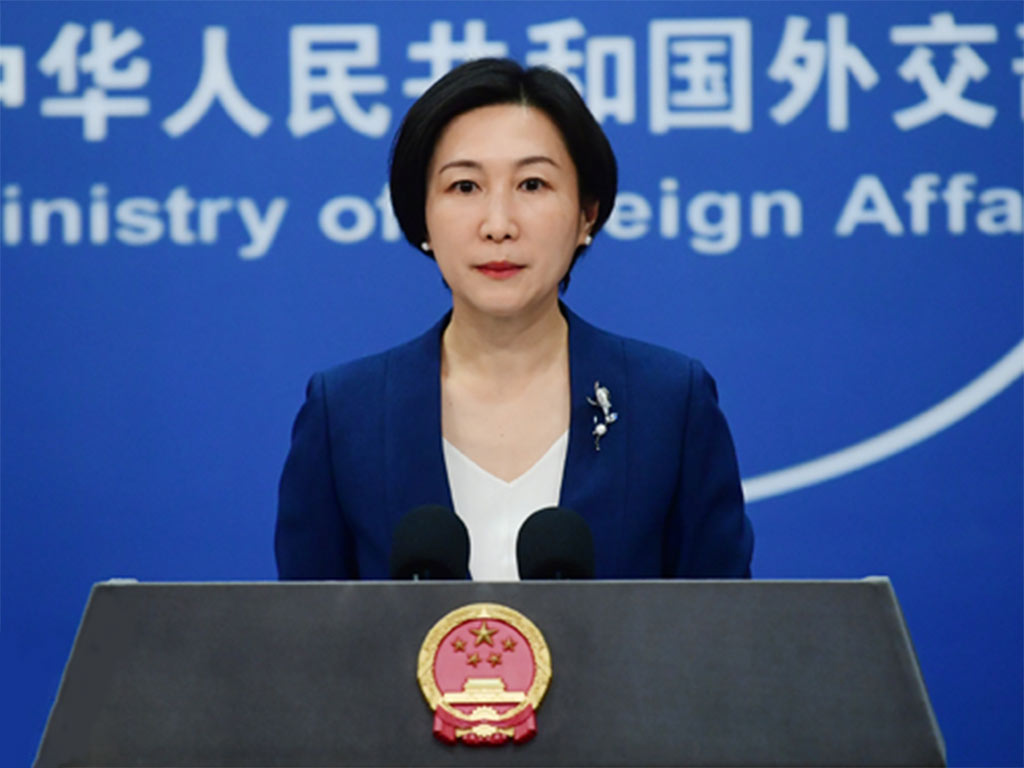
Chinese Foreign Ministry Spokesperson Mao Ning has called on Japan to adhere to the four political documents established between the two nations, emphasizing the need for Tokyo to ‘immediately retract its erroneous comments and demonstrate its commitments to China through concrete actions.’ This statement comes amid growing concerns over Japan’s recent military policy shifts. Mao highlighted that Japan has consistently increased its defense budget for 13 consecutive years and revised its arms export policy, permitting the sale of lethal weapons like ‘Patriot’ missiles to the United States for the first time. Additionally, Tokyo is reportedly considering altering its long-standing principle of ‘not producing, possessing, or transporting nuclear weapons,’ potentially paving the way for nuclear weapon-sharing agreements. Mao reiterated that the post-war international order, rooted in documents such as the Cairo Declaration, the Potsdam Declaration, and Japan’s Act of Surrender, mandates the country’s complete demilitarization. She warned that any attempt by Japan to revert to militarism, abandon its peaceful development pledge, or disrupt the post-war order would face staunch opposition from the Chinese people and the international community, ultimately leading to failure. The remarks were made in response to Japanese Prime Minister Sanae Takaichi’s recent assertion in the Diet that a Chinese attack on Taiwan would constitute an ‘existential crisis’ for Japan, potentially triggering the mobilization of its Self-Defense Forces and intervention in the conflict.
分类: politics
-
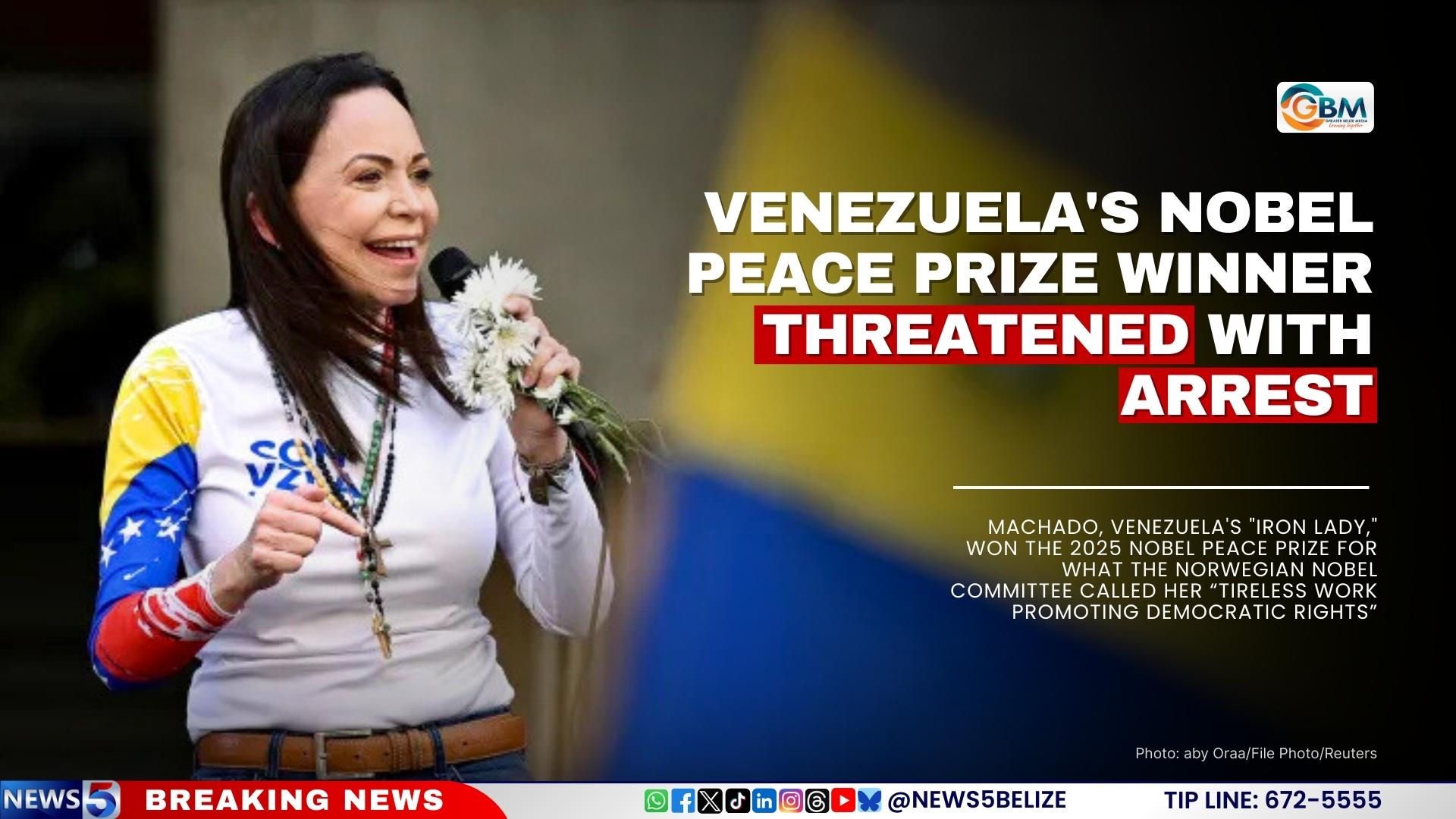
Venezuela’s Nobel Peace Prize Winner Threatened With Arrest
In an unprecedented turn of events, María Corina Machado, Venezuela’s 2025 Nobel Peace Prize laureate, has been threatened with arrest by her own government. The Venezuelan authorities have declared that Machado will be considered a “fugitive” if she attempts to leave the country to receive her award in Oslo, Norway, on December 10. Tarik William Saab, a prominent Venezuelan politician and lawyer, has accused Machado of charges including “conspiracy, incitement of hatred, and terrorism.”
-
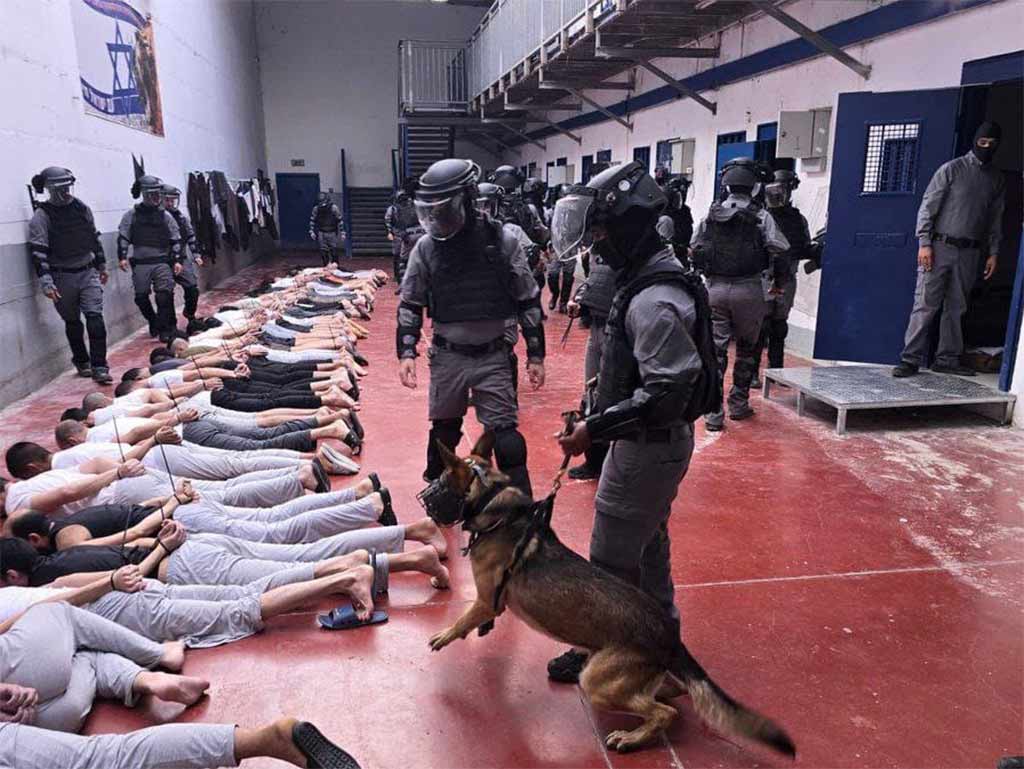
Israeli government and army support bill to execute Palestinians
The Israeli government and military have thrown their support behind a contentious legislative proposal that would permit the execution of Palestinian prisoners convicted of terrorism and fatal attacks. This development, reported by Yedioth Ahronoth, has sparked widespread criticism across the region. The security cabinet convened last night to discuss the initiative, which has already passed its first reading in the Knesset (Israeli Parliament). During the meeting, Shin Bet security service chief David Zini lauded the legislation as a ‘highly effective deterrent.’ A representative of the Armed Forces stated that ‘there is no obstacle to the law,’ while Government Secretary Yossi Fox emphasized the need to consider whether discretionary power should be introduced and if the penalty should be mandatory. National Security Minister Itamar Ben-Gvir, known for his expansionist and anti-Arab views, supported this stance. Meanwhile, Palestinian groups and NGOs have vehemently condemned the bill’s initial approval, decrying it as a severe violation of human rights.
-
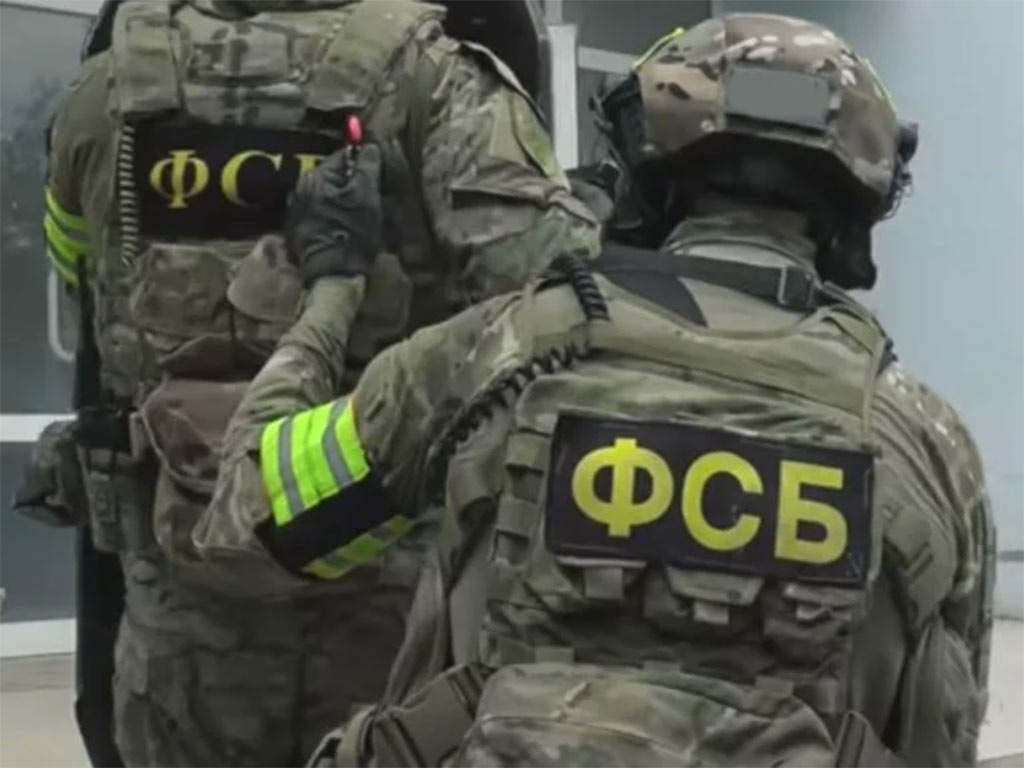
Russian security prevents attack on Krasnodar railways
The Federal Security Service (FSB) of Russia has announced the prevention of a planned terrorist attack in Krasnodar City, allegedly orchestrated by Ukrainian special services. According to the FSB’s Directorate for the Krasnodar region, the sabotage aimed to target the region’s transport infrastructure, specifically intending to disrupt the delivery of military equipment and weapons to the area of Russia’s special military operation. The FSB revealed that the plot involved the detonation of railway tracks using an improvised explosive device (IED), which would have severely impacted logistical operations. The suspect, identified as a Ukrainian citizen residing in the Krasnodar region, was reportedly recruited through a banned social network by an agent of Ukraine’s Security Service (SBU). The individual has since been arrested, and a criminal case has been initiated. This incident underscores the escalating tensions between Russia and Ukraine, with both sides accusing each other of engaging in covert operations to destabilize the other’s military and civilian infrastructure.
-
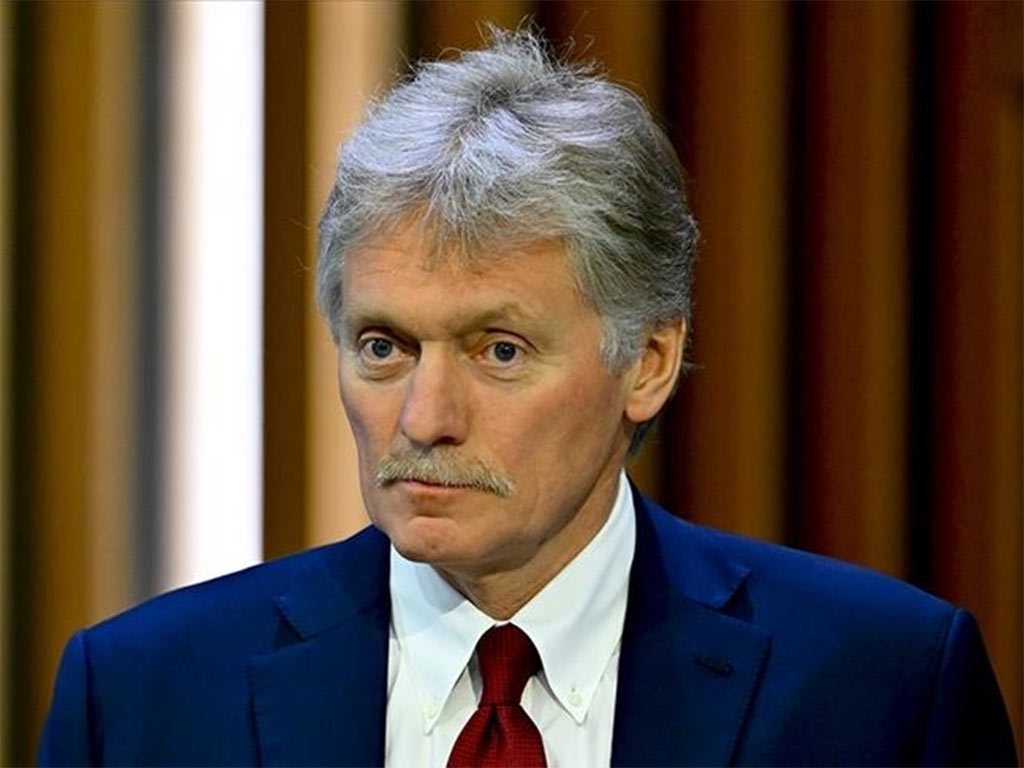
Russia does not know whether Ukraine accepted US peace plan
Moscow has yet to receive formal notification regarding Ukrainian President Volodymyr Zelensky’s agreement to engage in negotiations over the peace plan proposed by former US President Donald Trump, according to a recent statement. The Kremlin emphasized that there is no official confirmation of reports circulating in foreign media about Kiev’s readiness to discuss the plan’s specifics, ongoing consultations, or potential signing dates. These reports have sparked widespread speculation about the future of the conflict between Ukraine and Russia.
In a related development, Zelensky took to his Telegram channel last night to address the matter. He revealed that during a meeting with US representatives on Thursday, he outlined Ukraine’s key principles for resolving the conflict. Zelensky also expressed his intention to hold discussions with Trump in the near future, signaling a potential diplomatic breakthrough.
Earlier this week, several US media outlets disclosed that Russia and the United States had conducted secret consultations to develop a 28-point peace plan aimed at ending the hostilities between Kiev and Moscow. The draft reportedly includes controversial provisions, such as reducing Ukraine’s military forces by half and withdrawing from contested territories in Donbas. In exchange, Ukraine would receive security guarantees from Washington. Additionally, the plan suggests formal recognition of Crimea and Donbas as Russian territories by the US and other nations, though Ukraine would not be compelled to accept this recognition.
A senior US official confirmed to NBC News on Wednesday that Trump has endorsed the plan. Meanwhile, Axios reported that the White House has characterized the document as ‘open,’ inviting input from Kiev and its European allies to ensure their perspectives are incorporated. This approach underscores the complexity of the negotiations and the challenges of reaching a consensus among all stakeholders.
-
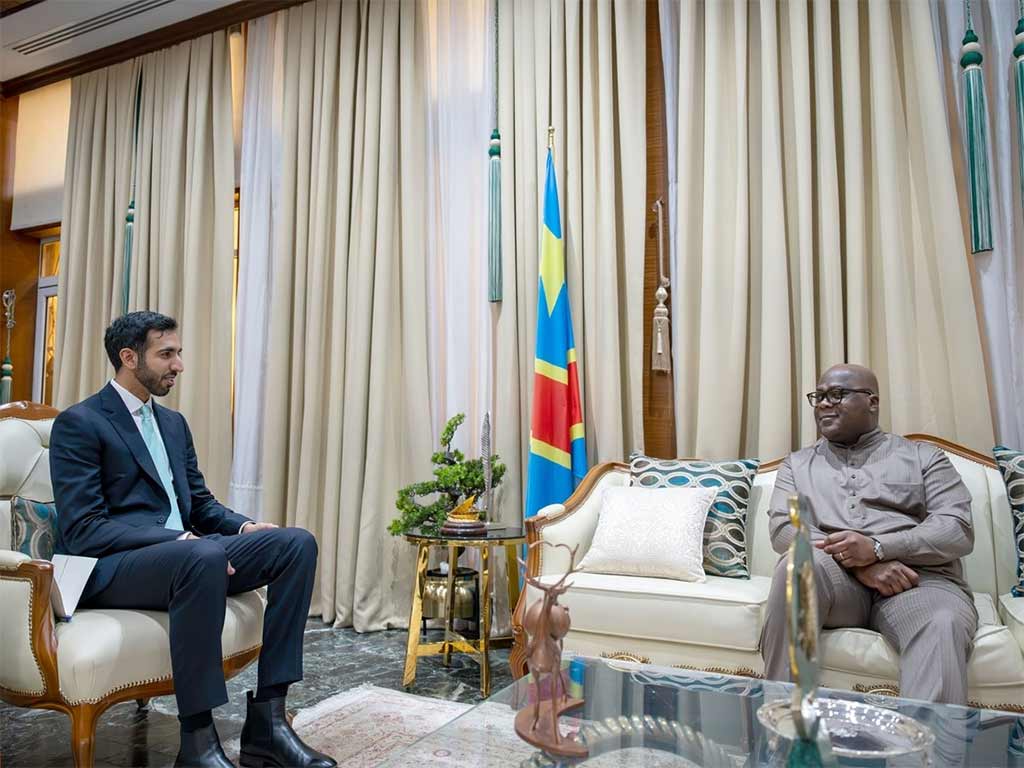
DRC and UAE reaffirm commitment to deepening cooperation
In a significant diplomatic engagement, Congolese President Felix Tshisekedi met with UAE Foreign Minister Sheikh Shakhboot Nahyan Al Nahyan on November 16. The meeting, detailed in a document published by the DRC Presidency on its X account, highlighted the robust and enduring partnership between the Democratic Republic of Congo (DRC) and the United Arab Emirates (UAE). Both parties reviewed their bilateral relations and discussed regional issues of mutual interest, underscoring the steady progress in their cooperation over recent years. The UAE Foreign Minister expressed strong support for the DRC’s presidency of the International Conference of the Great Lakes Region (ICGLR), a move seen as pivotal for regional stability. Additionally, the UAE lauded the signing of the Doha Peace Framework Agreement between the DRC Government and the Congo River Alliance—March 23 Movement (AFC/M23), describing it as a crucial step toward national reconciliation and the fulfillment of the Congolese people’s aspirations for security, prosperity, and lasting peace. The two nations agreed to further enhance and expand their collaborative efforts, signaling a commitment to deepening their strategic partnership.
-
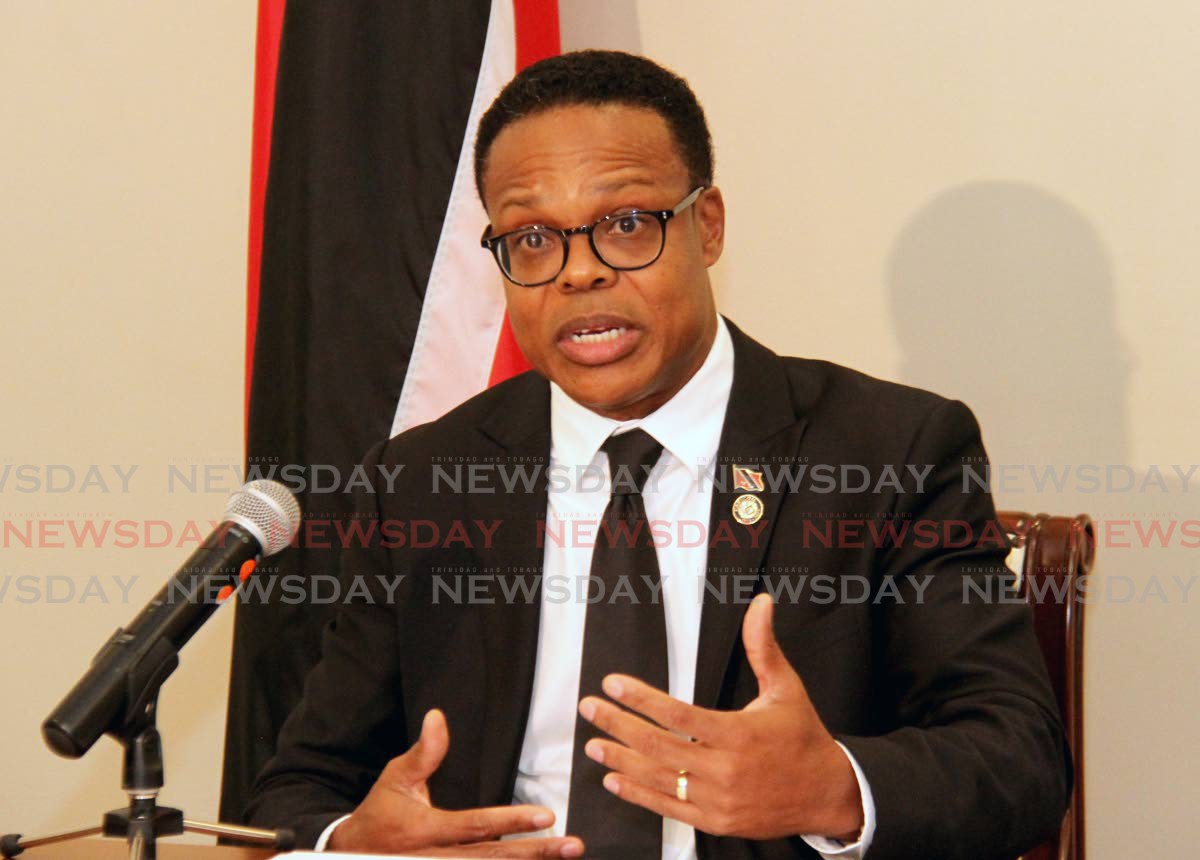
Senator reports Facebook death threats to cops
Dr Amery Browne, an opposition senator and vice-chairman of the People’s National Movement (PNM), has formally reported online death threats made against him and his family to the police. The incident, disclosed in a Facebook post on November 22, marks a troubling escalation in the political landscape of Trinidad and Tobago. Browne, who previously served as Minister of Foreign and Caricom Affairs under both the Patrick Manning and Dr Keith Rowley administrations, shared screenshots of the threatening comments posted on his Facebook wall. He emphasized the gravity of the situation, stating, ‘I have been involved in active politics since 2007 and have never encountered anything like this.’ Browne assured the public that he is treating the matter with utmost seriousness, highlighting the need for accountability and security in the face of such threats.
-
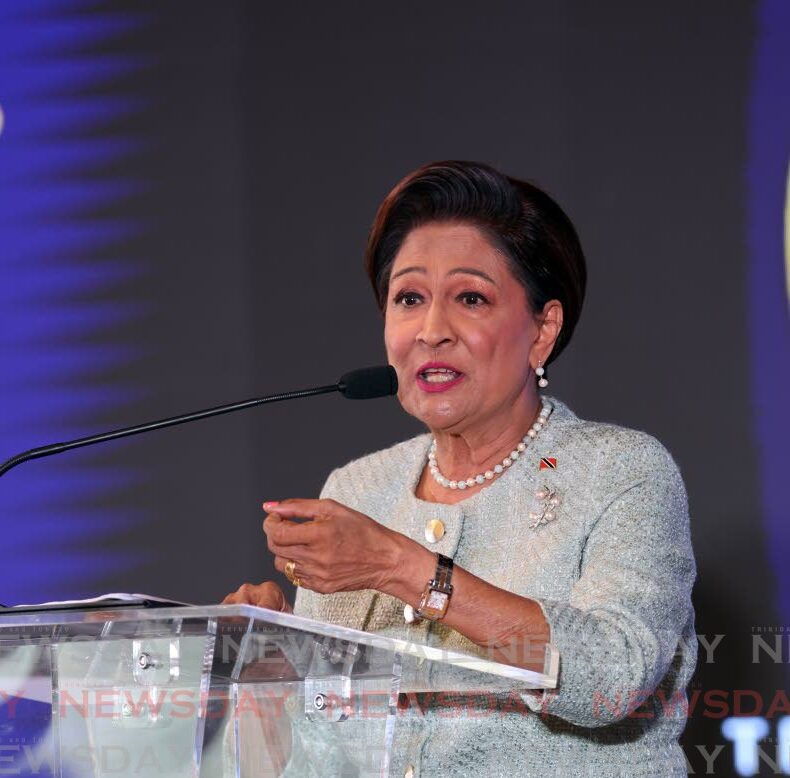
Trinidad, Venezuela – close family ties
The historical ties between Trinidad and Venezuela trace back approximately 7,000 years, originating with the migration of the Warao people from the Orinoco Basin. This connection predates the geological separation of the land masses. Venezuelan Ambassador Alvaro Cordero recently highlighted this shared heritage, emphasizing the Latin American and Spanish influences deeply embedded in Trinidad and Tobago’s culture, music, and cuisine.
Familial bonds between the two nations have flourished since the 1950s, with Venezuelan students residing in Trinidad’s Woodbrook area, fostering close interactions and intermarriages. These relationships have evolved into enduring family exchanges, exemplified by the Allahar-Smith clan, whose matriarch, Tia Trina, remains a central figure in Woodbrook.
Political relations have also been significant, with Venezuelan leaders seeking refuge in Trinidad during turbulent times. However, Venezuela’s political stance, particularly its divergence from U.S. perspectives, has made it a target in global power struggles, especially given its vast oil reserves.
Despite criticisms of the Maduro regime and broader political challenges, there is an anticipation of renewed diplomatic engagements. However, caution is advised regarding interactions with senior officials, as past incidents, such as the verbal abuse directed at former Prime Minister Kamla Persad-Bissessar, underscore the need for respectful dialogue.
Haven Allahar and Anton Allahar reflect on these historical, cultural, and political connections, urging a thoughtful approach to future relations.
-

OPM pushes back after Tribune reports on fired Bahamasair worker
The Office of the Prime Minister (OPM) of The Bahamas has firmly refuted allegations made by Opposition Leader Michael Pintard regarding a ‘bag of passports’ found on a Bahamasair aircraft. In a statement issued yesterday, OPM clarified that recent reports by The Tribune about a cash seizure on a March 1 flight to Cap-Haïtien do not substantiate Pintard’s claims. The government emphasized that the burden of proof lies with the Opposition Leader, who has yet to provide any evidence to support his allegations. The statement also noted that the Royal Bahamas Police Force, the Passport Office, and Bahamasair executives have all confirmed no records or reports related to Pintard’s claim exist. The OPM acknowledged The Tribune’s report on the March 1 incident, which involved the seizure of cash by Haitian authorities, but stressed that the matter was unrelated to passports. The cash seizure is currently part of a money laundering investigation under Haitian judicial authorities. The OPM further explained that a former Bahamasair employee, who was suspended, interrogated, and later terminated, failed to provide complete information during the airline’s internal investigation. The employee, in an interview with The Tribune, maintained his innocence, claiming he provided WhatsApp messages and a detailed account to investigators and was used as a ‘pawn.’ The OPM did not address the employee’s assertion that other staff had carried passports on Haiti-bound flights. Instead, the government urged individuals with evidence of wrongdoing to report directly to the Royal Bahamas Police Force, warning that public statements without police involvement create confusion. The OPM concluded by reaffirming its commitment to communicating based on verified facts.
-
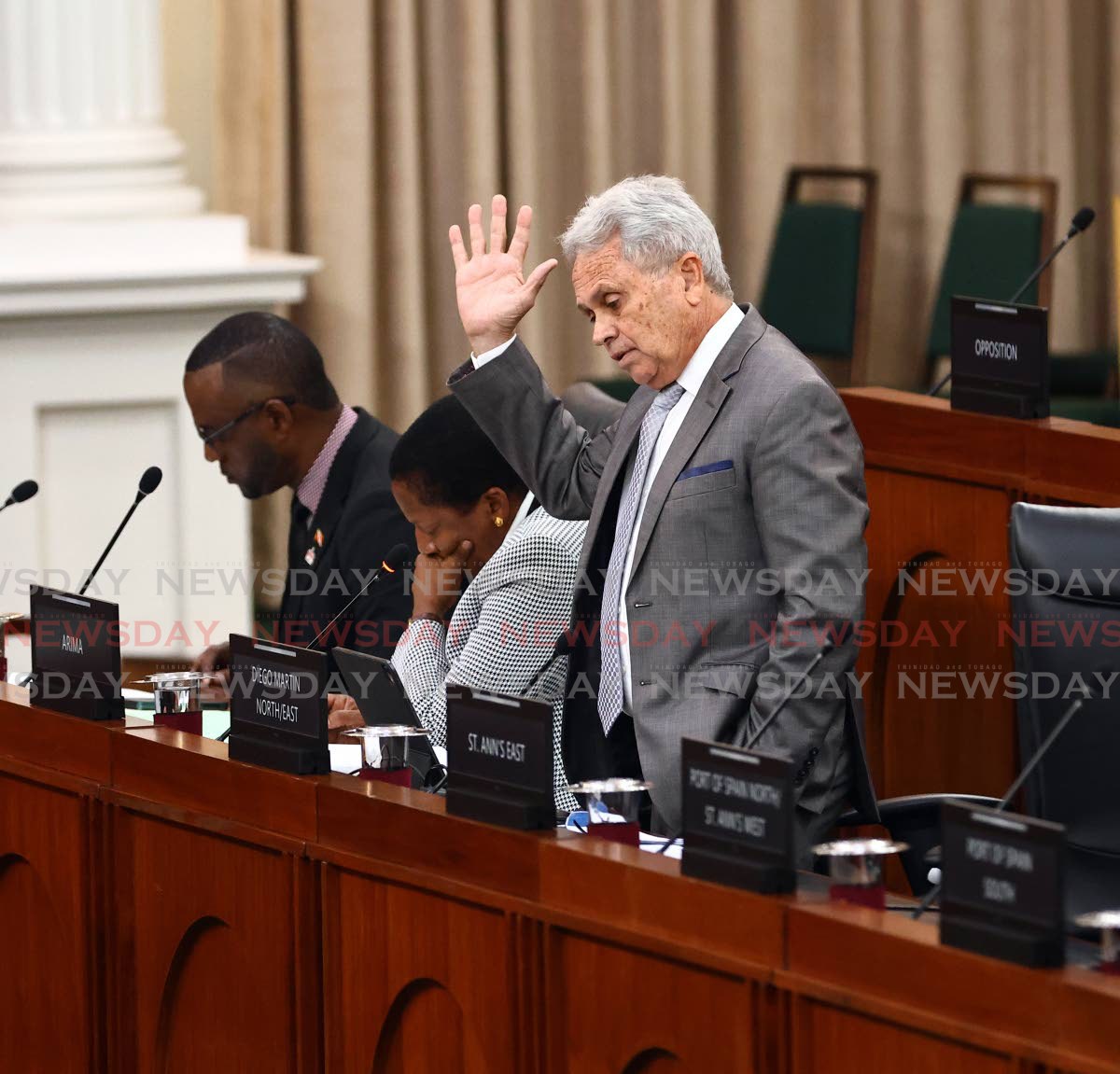
Government passes crypto-currency bill after ‘pappy-show’ debate
The Trinidad and Tobago Parliament witnessed a tumultuous session on November 21, 2025, as the debate over the Virtual Assets and Virtual Assets Service Providers Bill descended into procedural chaos. The bill, aimed at regulating the cryptocurrency industry, became a focal point of contention when over 200 proposed amendments were handed to the opposition mere minutes before the debate commenced. Finance Minister Davendranath Tancoo, who introduced the bill in September, had previously engaged with stakeholders, including Attorney General John Jeremie, Central Bank Governor Larry Howai, and crypto industry representatives, to refine the legislation. However, the late disclosure of amendments sparked outrage among opposition members. Diego Martin East MP Colm Imbert led the charge, accusing the government of undermining parliamentary principles by failing to provide adequate time for review. Imbert described the amendments as a ‘contempt of Parliament,’ arguing that they fundamentally altered the bill’s structure and intent. The procedural impasse left both sides unable to meaningfully debate the proposed changes, leading to what Imbert termed a ‘pappy-show.’ Despite the controversy, the bill was eventually passed with a vote of 25-11 after amendments were discussed in the committee stage. The legislation is critical for Trinidad and Tobago’s compliance with Caribbean Financial Action Task Force (C-FATF) recommendations ahead of a March 2026 on-site assessment. While the opposition supports cryptocurrency regulation, they criticized the bill as draconian and anti-innovation, warning it could stifle entrepreneurship and drive away innovators. Jeremie defended the government’s approach, emphasizing the need for stakeholder consultation and timely compliance with international standards.