分类: politics

  • President Abinader travels to Dubai for 2026 World Government Summit

    President Abinader travels to Dubai for 2026 World Government Summit

    Santo Domingo.- Dominican President Luis Abinader embarked on an official journey to Dubai, United Arab Emirates, on Sunday to participate in the prestigious World Government Summit (WGS) 2026. The presidential office confirmed his attendance at this high-level gathering, where he is expected to conduct significant diplomatic engagements with counterparts from South American nations.

    The summit, scheduled for February 3–5, operates under the forward-looking theme “Shaping the Future of Governments.” This premier event will convene an distinguished assembly of state leaders, senior government officials, policy experts, and private sector representatives. The agenda focuses on critical global discourse surrounding technological advancement, innovative public policy frameworks, sustainable development initiatives, and effective governance models.

    Established in 2013 as an annual institution, the World Government Summit has evolved into a crucial platform for addressing humanity’s most pressing challenges. The initiative specifically emphasizes futurism, technological innovation, and international collaboration as primary mechanisms for developing actionable solutions to shared global issues. The Presidency’s statement highlighted the summit’s dedicated focus on leveraging innovation and technology to tackle transnational problems that affect communities worldwide.

  • Dominican Republic and Venezuela reactivate consular services and flights

    Dominican Republic and Venezuela reactivate consular services and flights

    In a landmark diplomatic breakthrough, the Dominican Republic and Venezuela have officially announced the restoration of consular operations and bilateral air connectivity following successful negotiations between their respective governments. The February 1, 2026 joint declaration signifies a concerted effort to mend previously strained relations and foster renewed cooperation between the two nations.

    The comprehensive agreement stipulates the immediate reopening of consular facilities in both capitals—Santo Domingo and Caracas—to address longstanding administrative challenges faced by citizens during the service suspension. Concurrently, aviation authorities from both countries will collaborate to reestablish commercial flight routes, thereby reconnecting families, facilitating business exchanges, and enhancing people-to-people contacts.

    This diplomatic reconciliation follows a period of heightened tensions that originated in July 2024, when Venezuela severed relations with the Dominican Republic due to political disagreements. The restoration of these essential services represents a crucial confidence-building measure that underscores both governments’ commitment to normalizing relations. The move is particularly significant for the substantial communities of Dominican and Venezuelan nationals residing in each other’s territories, who have faced considerable difficulties due to the diplomatic impasse.

    Observers note that this development could potentially pave the way for broader economic and political cooperation between the Caribbean nation and the South American country, signaling a new chapter in their bilateral relationship.

  • ‘Iedereen hier is corrupt’: Wat voedt het separatistische geweld in Balochistan?

    ‘Iedereen hier is corrupt’: Wat voedt het separatistische geweld in Balochistan?

    A devastating escalation of violence in Pakistan’s Balochistan province has left nearly 200 dead, including 31 civilians, 17 security personnel, and 145 militants from the banned Balochistan Liberation Army (BLA). The coordinated attacks across more than a dozen locations in the mountainous Sulaiman and Kirthar ranges represent one of the most brutal separatist offensives in decades of conflict.

    The Pakistani military described the 40-hour firefight as a ‘desperate’ wave of attacks, though officials dismissed BLA claims of killing 84 security force members. Information Minister Attaullah Tarar characterized the assaults as ‘the last convulsions of a cornered enemy,’ maintaining the official narrative of unwavering control.

    Behind government assurances lies a more complex reality. The conflict stems from long-ignored grievances including political marginalization, economic injustice, and widespread corruption. Despite Balochistan’s immense mineral wealth, residents remain among Pakistan’s poorest, with development projects like the $46 billion China-Pakistan Economic Corridor (CPEC) largely benefiting central authorities rather than local communities.

    Islamabad’s standard response attributes separatist violence to ‘foreign interference’—primarily from historical rival India. This framing positions the military as defender of territorial integrity rather than participant in an internal conflict. The case of Kulbhushan Jadhav, an Indian citizen sentenced to death for espionage in 2016, serves as Islamabad’s prime evidence of external meddling.

    Yet ground realities tell a different story. Security sources acknowledge that while armies can neutralize militants, they cannot neutralize grievances. The rebellion draws oxygen from persistent complaints about resource exploitation, inadequate public services, and security operations that often place civilian families in the crossfire.

    Balochistan’s strategic significance extends beyond Pakistan’s borders. The province—larger than Germany—plays a crucial role in regional power dynamics involving Chinese economic ambitions, Iranian sectarian politics, U.S. containment strategies, and Indian counter-balancing efforts. Its porous borders with Afghanistan and Iran provide militants with strategic depth.

    The human cost of the conflict is etched into the region’s collective memory, from the 2013 Hazara attack that left wounded scattered indiscriminately, to the 2016 Quetta police academy massacre where cadets questioned why they were left unarmed. These incidents represent both security failures and a crumbling social contract.

    True stability in Balochistan will require moving beyond body counts and kinetic responses. It demands recognizing that separatism springs from genuine discontent, that development must mean inclusion rather than exploitation, and that political dialogue is not reconciliation but necessity. Whether recent violence represents a turning point toward sustainable peace or merely an intermission before the next storm depends on who gets to write the next chapter.

  • Prime Minister Browne Attends World Governments Summit 2026 in Dubai

    Prime Minister Browne Attends World Governments Summit 2026 in Dubai

    Prime Minister Gaston Browne of Antigua and Barbuda has arrived in Dubai to participate in the prestigious World Governments Summit (WGS) 2026, running from February 3-5. The high-level gathering convenes global leaders, including heads of state, senior government officials, corporate executives, and international organization representatives to address critical governance challenges and sustainable development strategies.

    During the summit, Prime Minister Browne will actively represent his nation’s interests across multiple platforms, including main sessions, high-level panels, and strategic engagements. His participation will particularly focus on tourism-driven economic development, investment attraction, creative industries, and sustainability initiatives – areas where Antigua and Barbuda has established global recognition among small island developing states.

    In pre-departure remarks, Prime Minister Browne emphasized the strategic importance of the summit for smaller nations: ‘The World Governments Summit offers an indispensable platform for states like Antigua and Barbuda to shape global policy dialogues, secure strategic investments, and exchange practical solutions grounded in resilience, innovation, and sustainable development principles.’

    The Prime Minister’s agenda includes participation in the Future of Tourism Roundtable, where he will showcase Antigua and Barbuda’s successful model of utilizing tourism as an economic cornerstone while implementing resilience-focused planning and sustainability measures. Additionally, he will contribute to expert discussions on the experience economy, examining how luxury services, creative sectors, cultural heritage, and tourism collectively shape national identity and enhance global soft power influence.

    Beyond formal sessions, Prime Minister Browne will conduct bilateral meetings, including a scheduled discussion with Zimbabwe’s Minister of Foreign Affairs and Trade, Professor Dr. Amon Murwira. Their talks will address strengthened bilateral relations and Zimbabwe’s bid for United Nations Security Council membership for the 2027-2028 term.

    The comprehensive itinerary also includes engagements with international media representatives and specialized visits to innovation-focused institutions organized by summit hosts, designed to foster cooperation in technology adoption, sustainable practices, and future-oriented governance models.

    Prime Minister Browne is expected to return to Antigua and Barbuda following the summit’s conclusion on February 5, 2026.

  • U.S. announces tariffs against countries supplying oil to Cuba, island’s gov’t responds

    U.S. announces tariffs against countries supplying oil to Cuba, island’s gov’t responds

    In a significant escalation of bilateral tensions, U.S. President Donald Trump issued an executive order on January 29, 2026, declaring a national emergency and identifying Cuba as an “unusual and extraordinary threat” to American national security. The presidential directive accused Havana of aligning with hostile nations and terrorist organizations including Russia, China, Iran, Hamas, and Hezbollah, alleging actions detrimental to U.S. interests.

    The declaration serves as legal foundation for implementing trade tariffs effective January 30, 2026, targeting any foreign government supplying petroleum products to Cuba either directly or indirectly. President Trump asserted that “the tariff system is necessary and appropriate to address the national emergency declared in this order.”

    Cuba’s Revolutionary Government responded with forceful condemnation, characterizing the measures as an unjustified aggression designed to impose a total fuel blockade. Official statements denounced the executive order as violating international law and undermining regional stability, particularly the Proclamation of Latin America and the Caribbean as a Zone of Peace.

    Havana dismissed U.S. security concerns as fabricated narratives, stating: “The President himself and his government are aware that no one, or very few, can believe such mendacious arguments.” Cuban authorities framed the action as continuation of six-decade efforts to undermine Cuba’s sovereign political process, emphasizing their commitment to peaceful international relations.

    The Caribbean nation affirmed its resilience against economic coercion, stating imperialist actions would not break the people’s determination. The government concluded its response with a defiant declaration: “We will face this new attack with firmness, equanimity, and the certainty that reason is absolutely on our side. The decision is one: Homeland or Death, We Shall Overcome!”

  • Mottley outlines cash credits, tax measures to ease household costs

    Mottley outlines cash credits, tax measures to ease household costs

    Prime Minister Mia Mottley’s Barbados Labour Party has unveiled an innovative economic relief strategy focused on direct cash transfers and tax credits rather than sweeping VAT reductions. The policy framework, presented during the party’s manifesto launch at Golden Square, represents a deliberate departure from conventional tax-cutting approaches favored by opposition parties.

    The governing party’s plan introduces multiple targeted interventions: low-income households earning below $2,080 monthly will receive increased reverse tax credits of $1,700 annually, up from the previous $1,300. A newly created $750 credit will support middle-income earners making between $2,080 and $2,900 monthly—a demographic previously excluded from such benefits.

    For pensioners, the administration proposes dramatically increasing the tax-free allowance from $50,000 to $75,000. Additionally, all pensioners, welfare recipients, and special needs grant beneficiaries will receive direct cash payments of $1,200 annually, addressable through flexible distribution schedules.

    The government’s approach specifically counters opposition proposals to reduce VAT from 17.5% to 15%. Prime Minister Mottley characterized such blanket reductions as fiscally irresponsible, arguing that merchants might not pass savings to consumers while simultaneously creating budget shortfalls. Economic experts including Central Bank Governor Dr. Kevin Greenidge and Professor Troy Lorde have endorsed targeted approaches, warning that broad VAT cuts could undermine Barbados’ hard-won fiscal stability.

    The relief measures, costed at approximately $142 million for pensioner benefits alone, form part of a comprehensive economic strategy building on policies implemented since 2018. The government emphasizes that these initiatives represent measurable, accountable commitments rather than theoretical economic adjustments.

  • Trump says Mexico will ‘cease’ sending oil to Cuba

    Trump says Mexico will ‘cease’ sending oil to Cuba

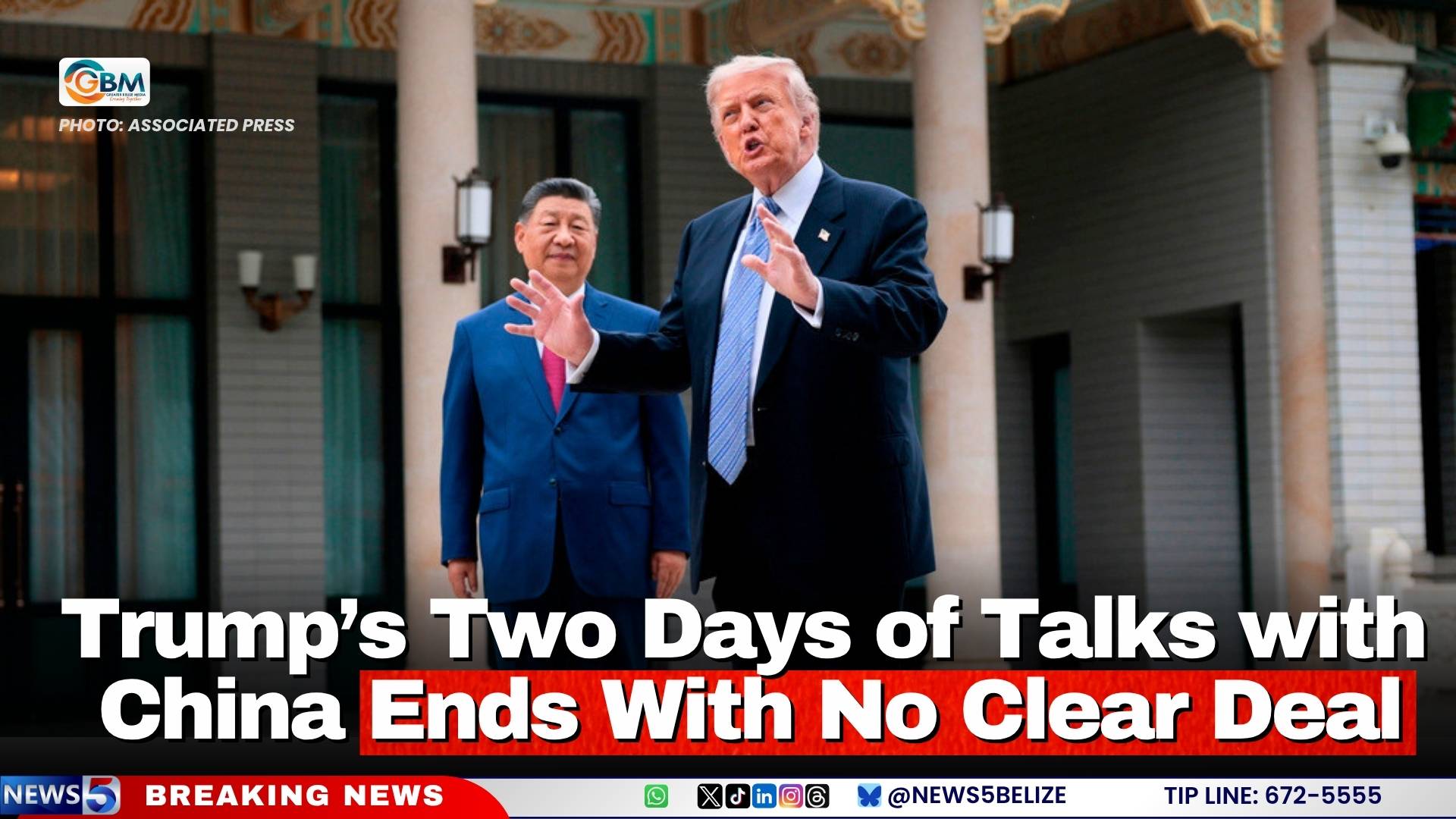
    WASHINGTON—President Donald Trump announced Monday that Mexico will cease oil shipments to Cuba, potentially exacerbating the island nation’s most severe economic crisis since the Soviet Union’s collapse in 1991. The declaration came during an Oval Office press briefing where Trump characterized Cuba as “a failed nation.”

    This development follows the earlier suspension of Venezuelan oil supplies after Nicolás Maduro’s ouster, which had previously sustained Cuba’s economy through subsidized energy imports. The termination of Mexican supplies would represent another critical blow to Cuba’s struggling infrastructure.

    Trump’s administration has implemented punitive tariffs targeting nations that continue oil trade with Cuba, effectively forcing trading partners to choose between engagement with the global economic powerhouse or the impoverished Caribbean island of 11 million people.

    Mexican President Claudia Sheinbaum had previously expressed reluctance to sever energy ties, warning of potential “far-reaching humanitarian consequences affecting hospitals, food distribution, and essential services for Cuban citizens.” However, with the United States serving as Mexico’s primary trading partner, potential tariff implications pose significant risks to Mexico’s already sluggish economic growth.

    Despite Sheinbaum’s assertion of “everlasting solidarity” with Cuba, she acknowledged during recent statements that “We don’t want to put our country at risk in terms of tariffs.” Notably, she claimed that Thursday’s phone conversation with Trump did not include discussions regarding Cuban oil supplies.

    Trump indicated ongoing communications with Cuban leadership, stating “I think we are pretty close, but we are dealing with the Cuban leaders right now,” though providing no specific details. This was partially corroborated by Cuban Vice Foreign Minister Carlos Fernandez de Cossio, who acknowledged intergovernmental communications while clarifying that no formal dialogue table currently exists between the nations.

  • Jamaica to attend 2026 Commonwealth Law Ministers Meeting in Fiji

    Jamaica to attend 2026 Commonwealth Law Ministers Meeting in Fiji

    Fiji will host the prestigious Commonwealth Law Ministers Meeting in Nadi from February 9-12, 2026, bringing together justice ministers and attorneys general from across the 56-member association, including representatives from Jamaica and other member states.

    The gathering occurs against a backdrop of concerning global deterioration in legal protections and judicial integrity. Over three days of intensive deliberations, ministers will examine how robust legal frameworks fundamentally safeguard democratic participation, economic fairness, and community safety. The agenda focuses on developing actionable strategies to enhance justice accessibility and reinforce legal institutions that underpin societal stability, equitable economies, and environmental governance.

    Commonwealth Secretary-General Shirley Botchwey acknowledged Fiji’s hosting role while emphasizing the critical timing of this convening. “The rule of law remains essential to peace, stability and development, yet it is under serious pressure globally,” Botchwey stated. “When legal protections weaken, ordinary citizens bear the heaviest consequences. For the Commonwealth, this isn’t about rhetoric but practical commitment and cooperation.”

    Fiji’s Minister for Justice and acting Attorney General Siromi Turaga will chair proceedings under the theme “Anchoring Justice in a Changing Tide: Strengthening the Rule of Law for a Resilient Future.” Minister Turaga outlined his aspirations for the meeting: “We hope to explore how Commonwealth nations can ensure justice systems remain flexible, inclusive and responsive while addressing challenges presented by climate change, digital transformation and regional cooperation.”

    The official program will incorporate five specialized side events featuring youth leaders, individuals with direct justice system experience, and disability rights advocates, ensuring diverse perspectives inform ministerial discussions. Outcomes from this high-level meeting are expected to directly influence the agenda for the upcoming Commonwealth Heads of Government Meeting (CHOGM) scheduled for later this year in Antigua and Barbuda.

  • Watson out as PLP ratify final candidates

    Watson out as PLP ratify final candidates

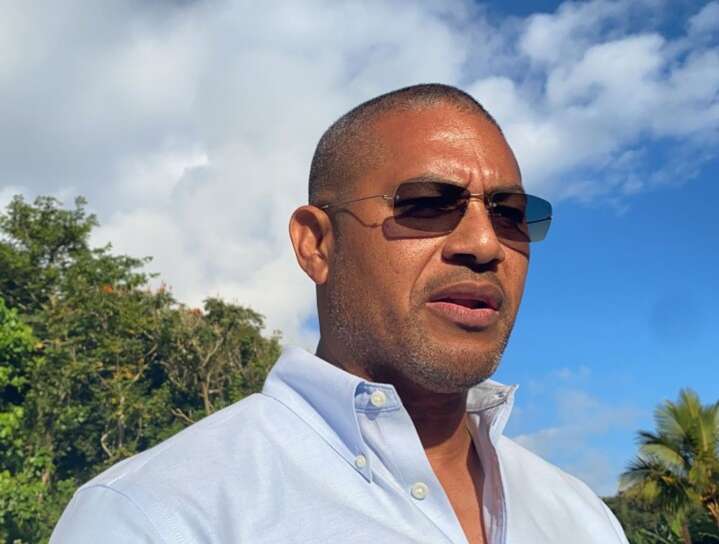
    The Progressive Liberal Party (PLP) concluded its protracted candidate selection process last night, finalizing its full slate for the upcoming general election amid heightened internal tensions. The most contentious nomination battle, for the Southern Shores constituency, was resolved in favor of Obie Roberts, the party’s deputy chairman, over ZNS General Manager Clint Watson.

    The ratification event at PLP headquarters was marked by contrasting emotions. Supporters cheered and horns blared in the chilly air as incumbents and newcomers were confirmed. However, the atmosphere reflected weeks of internal strain, particularly surrounding the Southern Shores nomination. Last month, a PLP meeting on this matter nearly escalated into physical confrontations between supporters of Watson and Roberts, with some backers threatening electoral boycotts if their preferred candidate was rejected.

    Prime Minister Philip ‘Brave’ Davis addressed reporters following a meeting with the party’s Candidates Committee, confirming they had recommended Mr. Roberts and that the National General Council accepted this recommendation. While acknowledging Mr. Watson’s capabilities, Davis stated, ‘There are many roles in governance,’ describing Watson as someone who would remain ‘a prominent player’ moving forward.

    Mr. Roberts acknowledged the heated nature of nomination battles but expressed confidence in party loyalty, recalling his own past unsuccessful nomination bid and subsequent continued commitment to the PLP.

    The prolonged ratification process has drawn criticism from observers who believe delays exacerbated internal tensions. Prime Minister Davis defended the timeline as deliberate, noting perspectives on its length may vary. When pressed on election timing, Davis offered the cryptic response that reporters should ‘read the tea leaves.’ He also indicated openness to fixed election dates in the future, suggesting it would be considered if his administration returns to office.

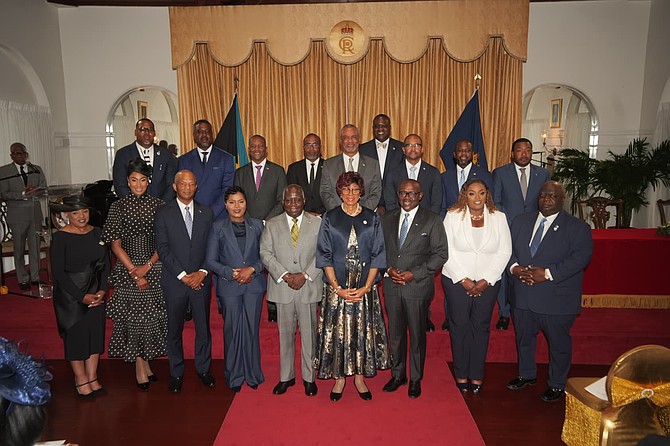
    The ratified slate includes eight newcomers: Robyn Lynes (Killarney), Obie Roberts (Southern Shores), Reneika Knowles (Long Island), Paco Deal (Central Grand Bahama), Monique Pratt (East Grand Bahama), Eddie Whann (Marco City), and Keno Wong (St Anne’s). Senator Randy Rolle was nominated for the newly created constituency of Bimini and the Berry Islands.

    Key incumbents ratified include Kingsley Smith (West Grand Bahama), Ginger Moxey (Pineridge), Glenys Hanna Martin (Englerston), Chester Cooper (Exuma and Ragged Island), and Prime Minister Davis himself (Cat Island, Rum Cay and San Salvador).

  • US wants St Lucia to ban nationals from studying medicine in Cuba, says PM

    US wants St Lucia to ban nationals from studying medicine in Cuba, says PM

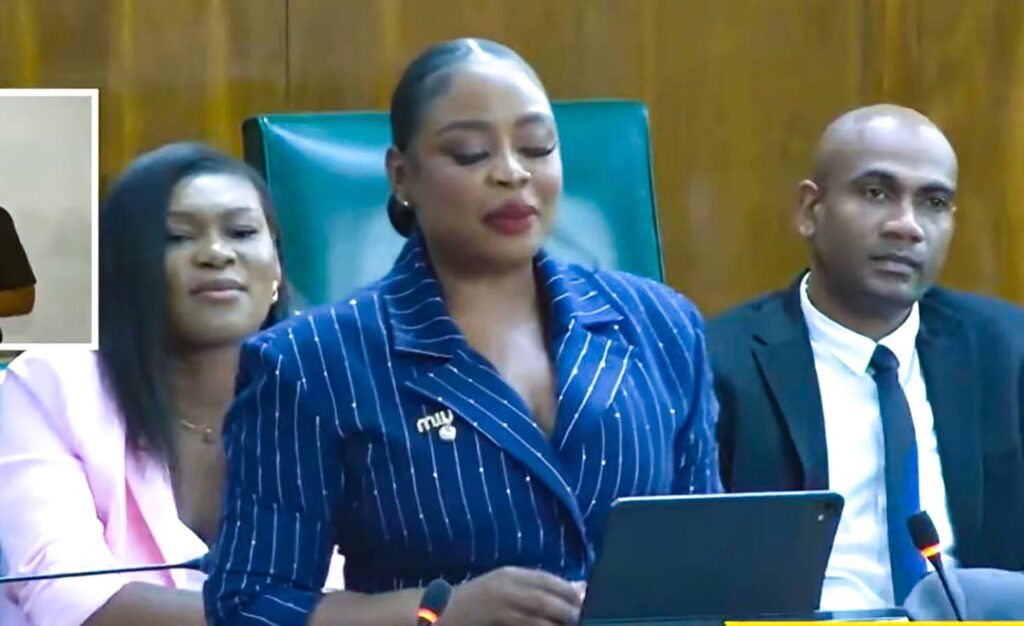
    CASTRIES, St. Lucia – Prime Minister Phillip J. Pierre has revealed that the United States government has formally requested that St. Lucia cease sending its nationals to Cuba for medical training, creating a significant diplomatic and public health challenge for the Caribbean nation. The announcement was made during the second World Congress on Racial and Ethnic Health Disparities held in St. Lucia over the weekend.

    Prime Minister Pierre characterized the US directive as a ‘major problem,’ emphasizing that a substantial portion of the country’s medical professionals received their education in Cuba. ‘Many of our doctors got trained in Cuba and now the great United States has said we can’t do that any longer,’ Pierre stated, adding that the policy also affects Cuban medical personnel working in St. Lucia.

    The Prime Minister identified geopolitical pressures from Washington as the primary driver behind this unprecedented policy shift, which he warned would exacerbate strains on the nation’s healthcare infrastructure. Pierre appealed to the diaspora and local innovation initiatives to help mitigate the impact of these developing challenges.

    This diplomatic development follows recent statements from the US Embassy in Barbados, which has intensified its criticism of Cuba’s medical missions program. US officials have condemned what they characterize as a system of ‘coercion and abuse,’ alleging that Cuban medical workers face withheld wages, confiscated passports, forced family separation, and excessive working hours under dangerous conditions.

    Washington has further escalated its rhetoric, describing the program as ‘forced labor’ that treats medical professionals ‘as commodities rather than human beings.’ The US government has committed to exposing what it terms injustices within Cuba’s medical export scheme and called for its termination.

    Despite these challenges, Congress Chair Sir Cato Laurencin, a US-based orthopedic surgeon and academic, suggested that St. Lucia possesses alternative options to address its medical training needs, though specific alternatives were not detailed in the proceedings.