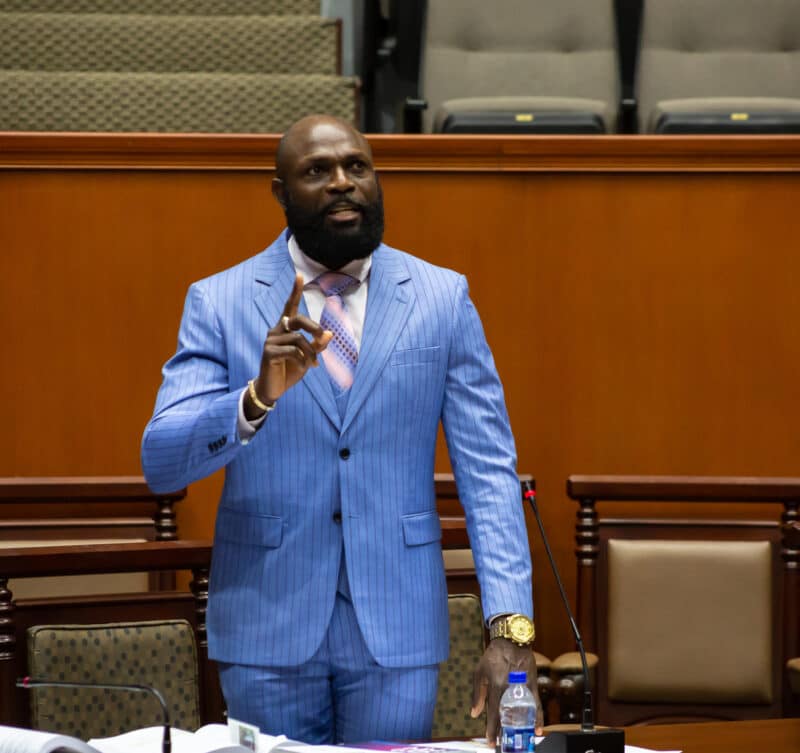
Prime Minister Gaston Browne has cast doubt on the ability of opposition MPs to meaningfully contribute to the upcoming national budget debate, citing a perceived lack of preparation and policy depth. Speaking on the Browne and Browne Show, Browne specifically questioned the readiness of United Progressive Party MPs, naming individuals such as Serpent, Pringle, and Shuggy, and expressing skepticism about their capacity to engage with the government’s fiscal plans. The Prime Minister’s remarks were part of a broader discussion on whether opposition members might boycott the budget proceedings or use the debate for political attacks. Browne dismissed the possibility of a boycott, asserting there was “no reason” for such action, and instead focused on questioning the opposition’s preparedness. He suggested that the MPs lack the economic expertise and policy substance needed to offer a credible response to the budget. Browne emphasized that this year’s budget will showcase the government’s strong performance, including growth projections, public-sector investments, and new policy goals. He framed the budget as a critical test of leadership and competency within Parliament. The Prime Minister also reiterated his broader critique of the opposition, accusing them of attempting to “undermine order” on issues such as vending regulations and illegal dumping enforcement. While Browne did not specify what he expects from the opposition during the debate, he made it clear that the government is prepared to defend its economic record and advance its policy agenda. The national budget debate is scheduled for next week in Parliament, where both sides will present their positions on the government’s fiscal strategy for the coming year.
分类: politics
-

Her next round of ‘breaking’ and ‘resetting’
During a recent youth rally, a ‘special guest’ took the stage to address the audience on behalf of the United Labour Party (ULP). However, her speech was less an endorsement and more a plea for assistance, a pattern familiar to those who know her well. Even Candyman, who introduced her, has previously noted this tendency after prolonged interactions. While I have been a lifelong supporter of Labour, my current uncertainty stems not from anger at the opposition New Democratic Party (NDP) but from dissatisfaction with how the ULP has managed key issues over the past five years, including the controversial vaccine mandate. Her speech did little to strengthen my allegiance to the ULP; instead, it deepened my reflection on Mike Browne’s commentary, pushing me toward abstaining from voting in the upcoming election. Her intelligence, eloquence, and confidence are undeniable, but she may not be what the ULP needs now. Her past remarks, such as labeling Curtis King a ‘disgrace’ and dismissing Keisal Peters as merely a ‘wardrobe and a hair salon,’ raise questions about her alignment with the party. Despite her criticisms of the NDP, their leadership remained silent, perhaps recognizing the underlying motivations behind her outbursts. As the ULP welcomes her into a visible role, internal warnings are emerging publicly, urging caution. Will the party heed these concerns, or will history repeat itself?
-
PM Says Policy On Idle Farm Land Applies to ‘Everyone’ Not Just Serpent
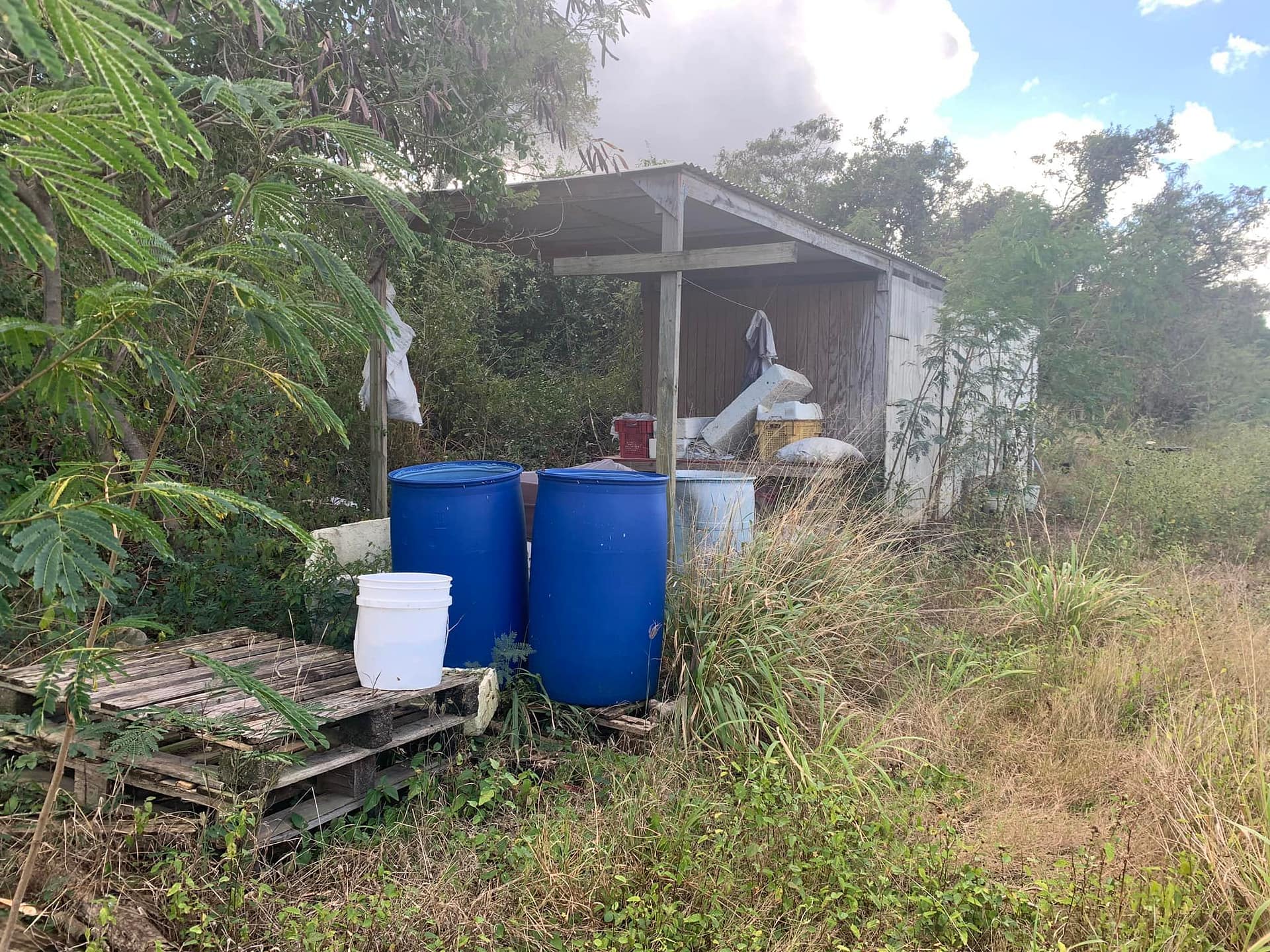
In a decisive move to boost agricultural productivity, Prime Minister Gaston Browne has announced that the government will reclaim idle farmland if owners fail to commence cultivation within 30 days. Addressing the issue on the Browne and Browne Show, the Prime Minister emphasized that numerous individuals are holding valuable agricultural plots without utilizing them, thereby hindering national food security. “They have 30 days, failing which the lands will be reallocated to serious farmers,” Browne declared. He criticized those who keep government-owned farmland inactive, stating, “They see all this land on the bush, not recognizing they’re already assigned to different people who are just holding on to them. They’re literally holding the land and not putting it on the bush… juicing. So that will come to an end.” Browne assured that the policy applies universally, irrespective of political affiliation, citing opposition MP Algernon “Serpent” Watts as an example of a non-productive farmer. “Even people like Serpent and so on, if Serpent doesn’t start a farm again, of course we’re going to take them back. This has nothing to do with any form of political victimization,” he clarified. The Prime Minister revealed that the government has identified multiple cases of abandoned agricultural leases, including one individual who owns 26 acres but has sold all his agricultural equipment. “We know he’s no longer in that space. But just holding on to the land. Just holding on to the land,” Browne noted. He stressed that the reassignment program aims to ensure state land is used for food production and national food security, adding that “many others… are just holding government’s land and not producing.” While Browne did not specify when repossessions would begin, he affirmed that enforcement would follow once the 30-day deadline expires.
-
Choosing a government is a life-and-death decision
In St. Vincent and the Grenadines (SVG), many aspects of our daily lives are often taken for granted. Born into a system of established privileges, we seldom recognize the sacrifices that made these freedoms possible. This complacency poses a significant threat, as people rarely value or defend what they perceive as ‘free.’ Voting, a cornerstone of democracy, is one such privilege that demands our attention and responsibility. While it may seem freely accessible today, its foundation was built on the struggles of past generations who endured hardships to secure a better future for their descendants. As we approach the 2025 elections, it is crucial to reflect on the legacy we are leaving for future Vincentians. Democracy thrives on participation, and abstaining from voting effectively hands power to the incumbent government by default. The consequences of not voting are profound, impacting everything from economic policies to public health decisions. The COVID-19 pandemic underscored the gravity of governmental decisions, as frontline workers were mandated to take vaccines—a decision made by elected officials. This highlights the symbiotic relationship between voters and their representatives: by casting a vote, citizens grant authority to leaders whose decisions can shape—or even endanger—their lives. Voting is not merely a right but a shared responsibility to ensure that elected officials prioritize the prosperity and well-being of all citizens. Vincentians must move beyond blind party loyalty and critically evaluate whether their leaders are truly working for the people or merely preserving their own interests. The recent electoral trends in neighboring Caribbean nations, such as Barbados, Grenada, and St. Lucia, demonstrate the power of an informed electorate to hold leaders accountable. As SVG heads to the polls, the question remains: Who can be trusted to make decisions in the best interest of the people? The answer lies in active participation and a commitment to safeguarding democracy for generations to come.
-
José Paliza to deliver national address this Monday at 8 PM
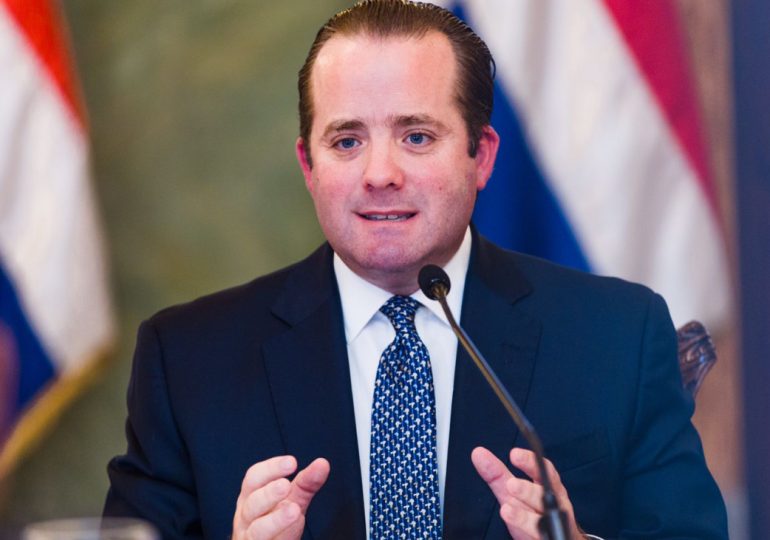
Santo Domingo – José Ignacio Paliza, President of the Modern Revolutionary Party (PRM) and Minister of the Presidency, is set to deliver a pivotal national address on Monday, November 24, at 8:00 p.m. The speech, which will be broadcast live on major television networks including Teleantillas, Telesistema, Coral, Color Visión, and CDN, will also be streamed across Paliza’s official social media channels on X, Instagram, and Facebook, as well as the PRM’s digital platforms. Promoted under the slogan “What you deserve to know, straight up,” Paliza emphasized that his message will be direct, transparent, and focused on critical matters of national importance. The PRM leadership has urged the public to tune in to hear the minister’s announcement, which is expected to address pressing issues impacting the nation.
-

Abinader inaugurates new military infrastructure
Santo Domingo – President Luis Abinader has unveiled a series of cutting-edge military infrastructure projects at the Ministry of Defense headquarters, underscoring the government’s unwavering commitment to modernizing the Armed Forces over the past five years. During the inauguration ceremony, Abinader highlighted significant investments in vehicles, operational equipment, and advanced technology aimed at strengthening national security. He also announced plans to expand the country’s fleet of drones and unmanned aerial systems, ensuring the military remains equipped to address contemporary challenges. The President reaffirmed that resources will continue to be allocated to enhance the capabilities of the Armed Forces. Among the newly inaugurated projects are the complete renovation of the Presidential Guard Regiment, upgraded administrative and service areas, and modernized barracks for enlisted soldiers, officers, and military police. These facilities now boast increased capacity, air-conditioned spaces, new bathrooms, lockers, beds, and enhanced rest areas. Additionally, recreational spaces at the Officers’ Club, including the restaurant, cafeteria, pool, and gazebos, have been revitalized to support the well-being of military families. Further advancements include the establishment of the General Directorate of Unmanned Vehicles under the C5i, equipped with state-of-the-art surveillance technology, and the upgraded Special Counterterrorism Command Unit with modernized barracks and equipment. The Ministry of Defense also relaunched the cultural radio station “The Voice of the Armed Forces,” expanding its coverage with support from INDOTEL. To conclude the day’s events, authorities inaugurated a pharmacy exclusively for retired military personnel and expanded service areas for medical consultations, certifications, and social programs.
-
A look at the UWP’s 2025 manifesto
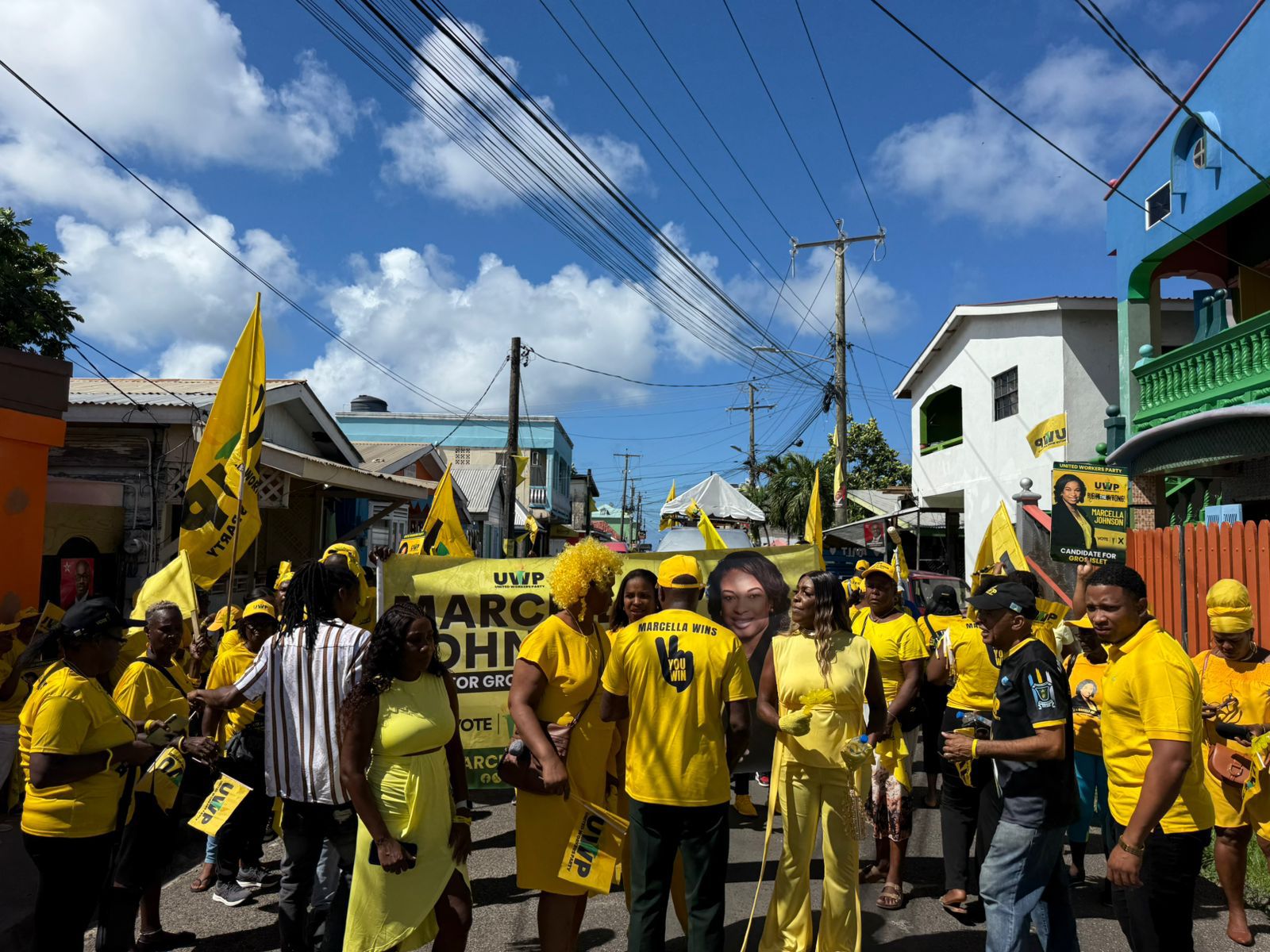
The United Workers Party (UWP) of Saint Lucia has released its comprehensive 78-page manifesto, titled ‘Reclaiming Our Future,’ outlining its vision for the nation’s future should it secure victory in the upcoming elections. Published on November 23 and now accessible on their official website, the document presents a robust critique of the current administration while detailing a three-part framework of relief, recovery, and reform. UWP leader Allen Chastanet, in his opening message, described the current moment as a ‘crossroads in our nation’s history,’ accusing the government of ‘deception, mismanagement, and unashamed acts of corruption.’ He urged citizens to embrace change, emphasizing the need for ‘decency over deception, progress over stagnation, and excellence over excuses.’ The manifesto’s ‘SOS Plan’ focuses on immediate relief measures, including the removal of the 2.5% Health and Security Levy, reduced fuel prices, free tertiary education, and expanded healthcare coverage. The recovery section emphasizes long-term investments in infrastructure, healthcare, education, and technology, while the reform agenda targets legislative updates, improved public service delivery, and enhanced democratic institutions. The document also outlines sector-specific plans for healthcare, agriculture, tourism, digital transformation, citizen security, and the creative industries. Chastanet concluded with a call for unity and better leadership, positioning the UWP as the party capable of rebuilding Saint Lucia’s future.
-
Dominican legislators urge U.S. support to confront Haiti’s collapse
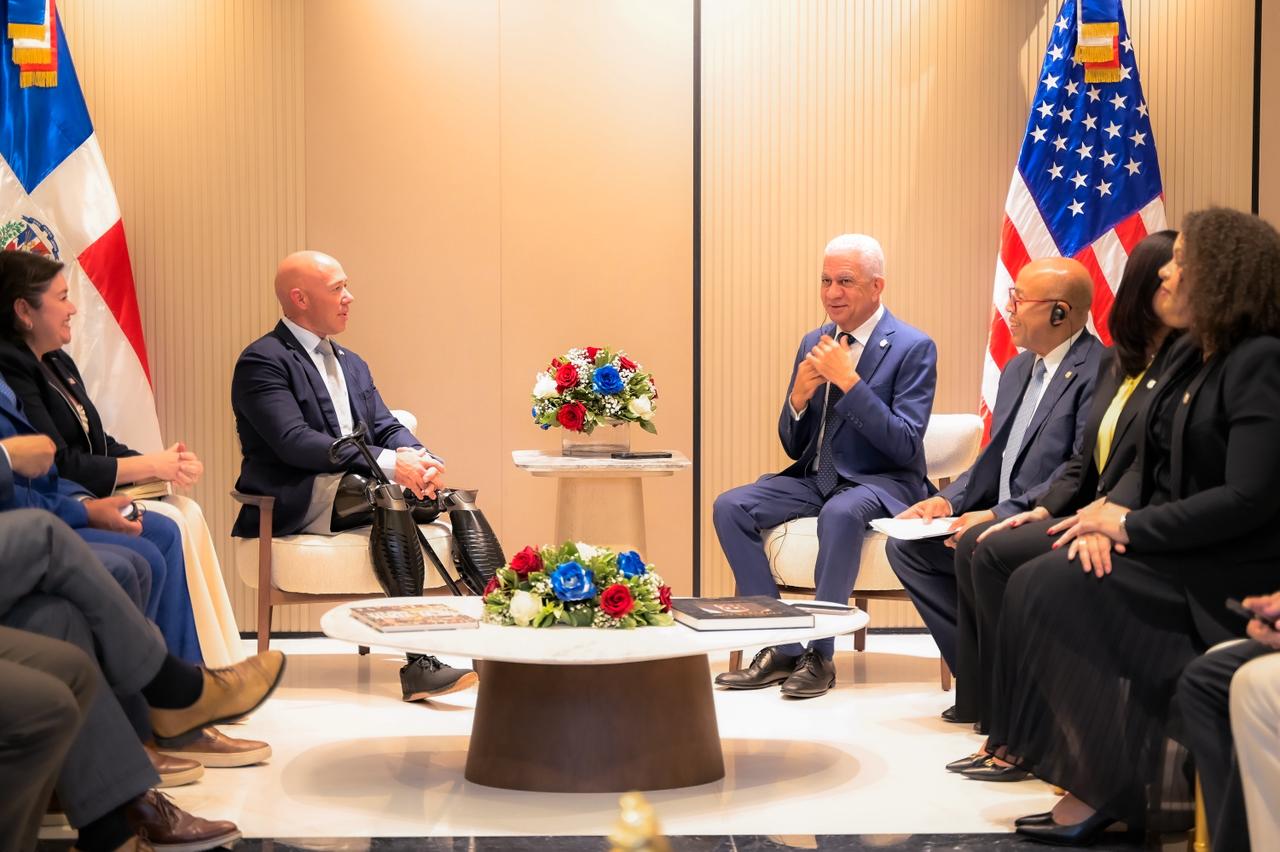
In a high-level meeting held in Santo Domingo, leaders of the Dominican Republic’s National Congress, Senate President Ricardo de los Santos and Chamber of Deputies President Alfredo Pacheco, convened with a U.S. congressional delegation led by Brian Mast, Chairman of the House Foreign Relations Committee. The discussions centered on the deteriorating situation in Haiti, with Dominican legislators highlighting the alarming rise in gang dominance, economic collapse, and governance vacuum in the neighboring nation. They underscored President Luis Abinader’s persistent advocacy for international intervention, particularly through platforms like the United Nations. De los Santos and Pacheco emphasized that despite the Dominican Republic’s proactive measures, resolving the crisis necessitates robust international engagement, especially from the United States. They urged the U.S. delegation to convey the urgency of the matter to President Donald Trump, citing the strain on Dominican resources due to the influx of Haitian migrants seeking refuge, education, and essential services. Brian Mast acknowledged the shared challenges posed by Haiti’s instability and reaffirmed the U.S. commitment to addressing the issue. He highlighted the enduring bilateral partnership between the two countries and lauded their collaborative efforts in trade and security.
-

OPINION: Why Antigua and Barbuda Risks Becoming a ‘Failed State’ if Partisanship Prevails
In a thought-provoking analysis, Yves Ephraim highlights the deep-rooted partisan politics in Antigua and Barbuda, which often overshadow the nation’s broader interests. Ephraim observes that party agendas frequently take precedence over national welfare, even when such priorities defy logic, morality, or common sense. He suggests that the colonial framework of independence was designed to perpetuate internal divisions, ensuring that the nation remains preoccupied with internal conflicts rather than challenging external hegemony. This strategy, he argues, has been alarmingly effective.
Reflecting on 44 years of political independence, Ephraim questions whether significant progress has been made in critical areas such as cost of living, education, infrastructure, and public services. He lists 13 pressing concerns that directly impact the well-being of ordinary citizens, emphasizing that meaningful improvement requires acknowledging past failures. However, he notes that successive administrations have been reluctant to admit policy shortcomings, leading to stagnation or regression.
Ephraim draws a striking comparison between independent nations like Antigua and Barbuda and remaining colonies, revealing that the latter often outperform the former in key economic metrics such as GDP per capita. He attributes this disparity to the inability of leaders to admit mistakes and adapt policies, often doubling down on ineffective strategies. This lack of accountability, he argues, has fostered a political culture where personal ambition trumps national interest.
He further critiques the political elite, pointing out the rise of millionaire politicians despite the nation’s struggles. Ephraim also condemns the ease with which politicians switch parties, viewing it as a betrayal of principles and a sign of power-driven opportunism. He calls for leaders who prioritize national welfare over personal gain, warning that the current trajectory threatens the very fabric of Antigua and Barbuda.
Ephraim’s analysis serves as a stark reminder of the need for humility, accountability, and a renewed focus on the collective good in governance. Without such changes, he fears that the nation’s future hangs in the balance.
-

Digital ID card registration legal though laws not yet in effect – PM Phillips
Prime Minister Mark Phillips has confirmed that the registration of public servants for digital identification cards remains legal, despite the Digital Identity Card Act and the Data Protection Act not yet being enforced. Speaking to Demerara Waves Online News on Saturday, Phillips emphasized, ‘Everything that’s being done is legal.’ He acknowledged that the commencement orders for these laws, approved by the National Assembly and assented by President Irfaan Ali in August 2023, are pending issuance but assured that they would be implemented soon. ‘We’re going to do it very soon. There are a couple of things that we need to put in place,’ he stated. The Digital Identity Card Act mandates that the Digital Identity Card Registry be overseen by the Data Protection Commissioner, who holds exclusive authority to issue the cards. However, former House Speaker and Attorney-at-law Raphael Trotman noted that without a commencement order, the legislation remains inoperable. ‘If an Act explicitly states that a commencing order has to be issued, and it has not been, then it is inoperable,’ Trotman explained. He added that a subsequent commencement order could validate prior actions. Currently, President Irfaan Ali has already received his digital ID card, though the Data Protection Act remains inactive, leaving no office or commissioner to enforce data confidentiality laws. Several public service agencies, including the ministries of health and education, have instructed their staff to register for the cards when visited by officials from the Prime Minister’s office.