
In a heated political development, the candidacy of Dwight Fitzgerald Bramble, the New Democratic Party’s representative for East Kingstown, has come under intense scrutiny. Critics argue that Bramble is constitutionally ineligible to serve as a Member of Parliament due to his Canadian citizenship. According to Section 26 (1) of the Constitution of Saint Vincent and the Grenadines, individuals who voluntarily acknowledge allegiance to a foreign power are disqualified from holding parliamentary office. Bramble, who holds Canadian citizenship and a Canadian passport, is accused of violating this provision. His nomination was formally challenged by East Kingstown electors on November 10, 2025, raising questions about the validity of his candidacy. Opponents urge voters to reconsider their support, labeling a vote for Bramble as ‘wasted’ given the legal uncertainties surrounding his eligibility. The case is expected to be a focal point in the upcoming election, with potential implications for the political landscape of Saint Vincent and the Grenadines.
分类: politics
-
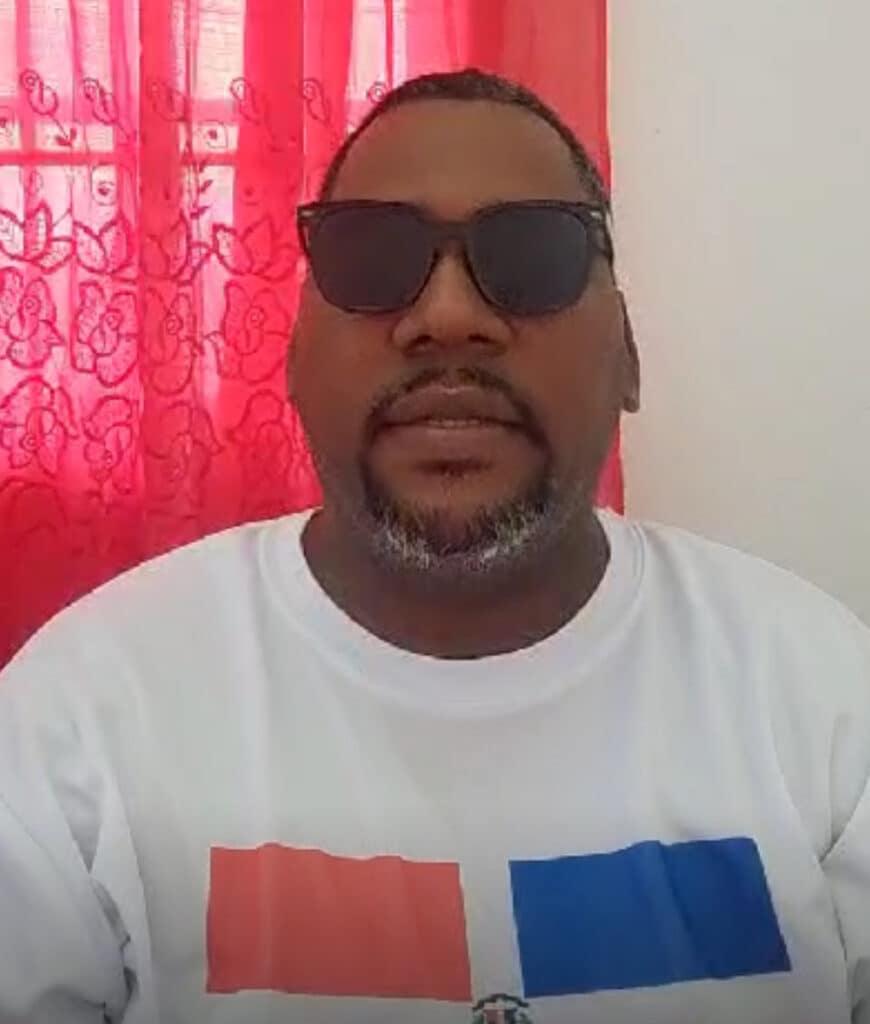
Leadership Battle Erupts in Antigua and Barbuda’s Spanish Community as Martinez Calls January 2026 Election
A significant leadership crisis has emerged within Antigua and Barbuda’s Spanish-speaking community, as Alex Martinez, the long-standing de facto representative, faces growing scrutiny over his legitimacy. Amid mounting accusations that his leadership lacks formal authorization, Martinez has announced a formal election set for January 2026 to address the controversy. Martinez, who has served as the primary spokesperson for over 17,000 Spanish-speaking residents, has never been officially elected or appointed, leading critics to label his role as “self-assumed” and unaccountable. The backlash, which has been brewing for months, has now escalated into public demands for his removal. In response, Martinez has challenged his detractors to step out of the shadows and contest the position through a democratic process. He emphasized the importance of transparency, urging those with grievances to participate in the election rather than operating covertly. Martinez defended his leadership, citing his pivotal role during the COVID-19 pandemic when he and his team organized support networks, addressed immigration issues, and assisted families in need after the Spanish embassy and consulate temporarily withdrew. However, he criticized the Spanish consulate for allegedly neglecting the community and failing to communicate effectively, accusing diplomats of disrespect and inaction. Martinez’s team remains confident that the upcoming election will validate his leadership, with Jesse Shawn, a close associate, highlighting improved advocacy and community treatment under Martinez’s guidance. The 2026 election is poised to be a defining moment for the Spanish community, determining not only its leadership but also its commitment to unity, accountability, and transparent governance. As the January vote approaches, residents await a decision that could either resolve the ongoing dispute or exacerbate existing divisions.
-
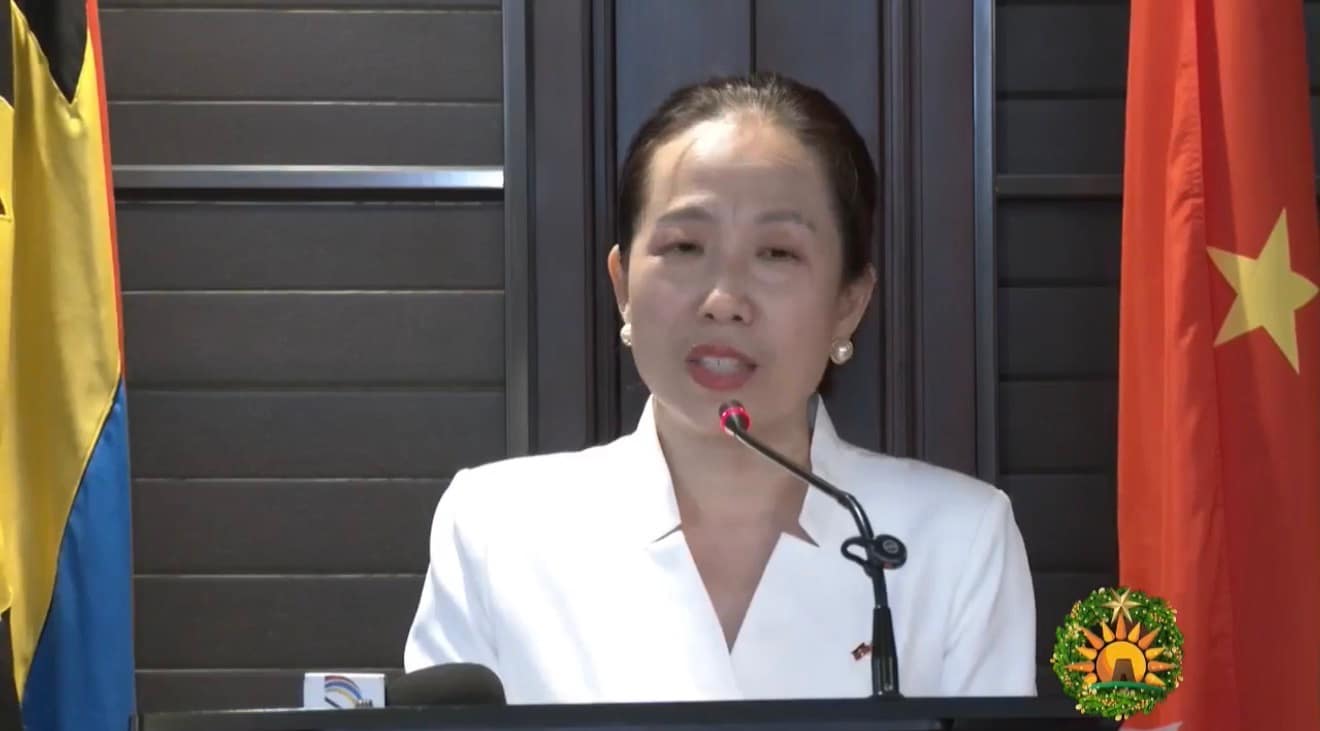
China’s New Ambassador Vows to Deepen Antigua–China Partnership
Her Excellency Jiang Wei, China’s newly appointed ambassador to Antigua and Barbuda, officially assumed her role after presenting her credentials in St John’s and engaging in discussions with senior government officials on Monday. In her inaugural address, Ambassador Jiang emphasized the robust bilateral relationship between the two nations, stating, “Antigua and Barbuda is a valued friend and partner of China in the Caribbean region. Since the establishment of diplomatic relations, our ties have flourished, driven by the unwavering commitment of our leaders.” China has emerged as a pivotal development partner for Antigua and Barbuda, significantly bolstering the country’s socio-economic progress through infrastructure development, technical expertise, and grant-funded initiatives. Ambassador Jiang expressed her eagerness to further enhance the enduring and mutually beneficial partnership between the two countries.
-
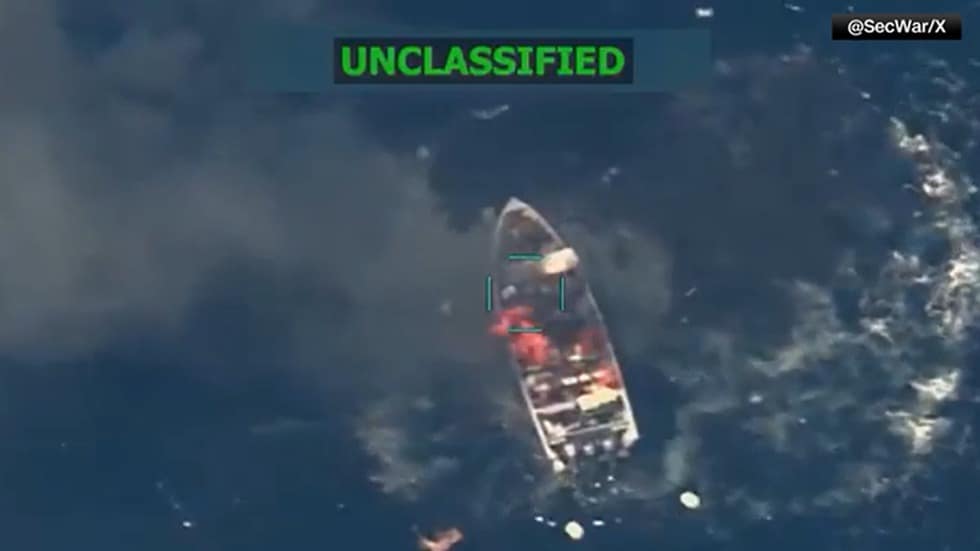
Senator demands declassification of info on Caribbean boat strikes
U.S. Senator Jacky Rosen, alongside fellow Democrats, is pushing for the declassification of documents related to military strikes conducted in the Caribbean during the Trump administration. These strikes, reportedly targeting drug trafficking operations, have raised significant legal and ethical questions. Rosen and her colleagues have formally requested Attorney General Pam Bondi and Secretary of War Pete Hegseth to release the Department of Justice’s (DOJ) Legal Counsel opinion on the matter. Last week, members of the Senate Committee on Armed Services were granted access to the classified legal opinion in a private session. Rosen claims that the Trump administration executed at least 21 unauthorized military strikes, resulting in the deaths of at least 83 individuals. The Senators argue that releasing the Office of Legal Counsel (OLC) opinions would align with past practices, such as the declassification of documents following military actions in Libya (2011) and Syria (2018). They emphasized that transparency in the use of lethal force is crucial for democratic accountability, ensuring that both Congress and the American public are fully informed of the legal rationale behind such actions.
-
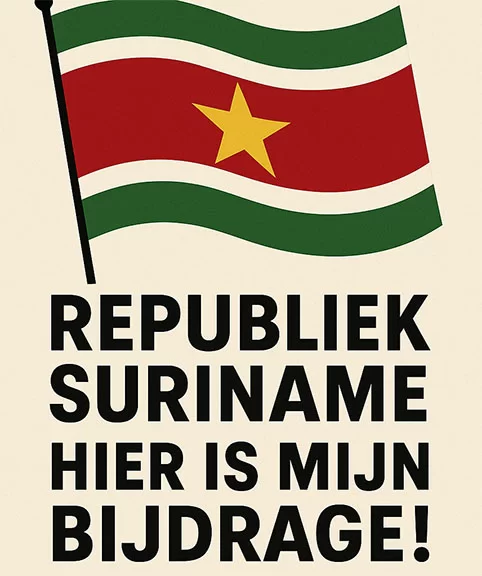
Column: Hier is míjn bijdrage – en nu die van ons allemaal
Fifty years ago, the phrase ‘Here is my contribution’ echoed across Suriname as Prime Minister Henck Arron urged every citizen to help build a prosperous nation. The posters were not mere decorations but a mandate. Now, as Suriname marks 50 years of independence (Srefidensi), that mandate rings louder than ever. Despite decades of dialogue, the task of nation-building remains incomplete. Streets are swept, flags are raised, and celebrations abound, but a clean street does not equate to a renewed state. The real question is not how grandly we celebrate but what we will do differently starting tomorrow. In my chapter in the anthology ‘Independent: 50 Writers on 50 Years of Srefidensi,’ I recount how Suriname feverishly established a constitution, a flag, a government, development aid, and UN membership in 1975. Yet, statehood did not guarantee stability. Coups, war, censorship, corruption, fear, and devaluations followed. Independence, it became clear, is not a destination but a responsibility—one often left to leaders who failed to uphold it. Despite systemic failures, Suriname endured, not because of systems but in spite of them. Surinamers supported one another, but resilience is not a strategy; it is a survival mechanism. A nation cannot survive forever; it must develop. The VSB panel discussion recently held up a mirror to these long-avoided truths. Over the past 50 years, Suriname has remained a resource-dependent nation, reliant on bauxite, gold, and now oil. It fluctuates with global prices, lacking buffers, strong institutions, or sustainable value creation. The message was blunt: continuing on the same path means another 50 years of stagnation. Suriname cannot build on hollowed-out institutions, short-term politics, or a culture of unaccountability. It needs a legally anchored long-term vision, a trustworthy government, and a civil society that acts before crises erupt. Leaders must deliver actions, not just speeches. We already know this. Every congress, committee, and report says the same. Yet, the gap between diagnosis and discipline remains wide. We talk progress to death. Now, with oil and gas on the horizon, the opportunity for transformation—or failure—looms. Without transparency and strict rules, oil will not be salvation but repetition, leaving Suriname precisely where Arron sought to protect it: a seemingly rich nation with impoverished people. Thus, his phrase is not a historical echo but a mandate. The government must create conditions for development, as outlined in Article 6 of the Constitution. Institutions must function independently. Businesses must diversify and create value. Labor unions must guide productivity and justice. Citizens must demand discipline, transparency, and accountability. Journalists must reclaim their role as watchdogs, not spectators. ‘Here is my contribution’ is not a phrase from 1975; it is the question of 2025: What will each of us contribute to the next 50 years? Suriname needs a mental shift: less complaining, more oversight; less promising, more action; less ethnic calculation, more national unity; less giving away, more building. Srefidensi is not just a celebration; it is a test: Are we finally ready to mature as a republic? The time for talk is over. Now, the work begins.
-
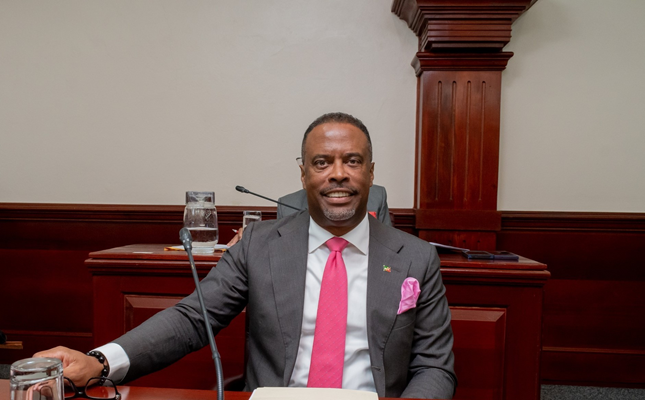
Premier Mark Brantley to Participate in First Gathering of ParlAmericas Parliamentary Network on Security
The Honourable Mark Brantley, Premier of Nevis and Opposition Leader of St. Kitts and Nevis, is set to contribute to critical hemispheric security discussions at the inaugural ParlAmericas Parliamentary Network on Security gathering. The high-level conference, scheduled for November 27-28, 2025 in Panama City, will convene parliamentarians from across the Americas and Caribbean to address pressing security challenges under the theme “Parliamentary Responses to Challenges in the Americas and the Caribbean.”
The landmark event marks the formal establishment of the ParlAmericas Parliamentary Network on Security, a groundbreaking initiative designed to foster interparliamentary cooperation and facilitate knowledge exchange on democratic oversight of security matters. The platform aims to develop comprehensive regional strategies against evolving transnational threats that affect nations throughout the hemisphere.
Delegates will engage in intensive deliberations examining the root causes of insecurity and violence, including the growing sophistication of transnational criminal networks and socioeconomic factors compromising citizen safety. The agenda features expert analysis of innovative institutional approaches to crime prevention and a keynote address exploring the interconnectedness of human security, sustainable development, and democratic resilience.
Additional sessions will address compounding challenges such as food insecurity, climate-induced threats, and economic instability, highlighting legislative responsibilities in building robust food systems, climate adaptation measures, and sustainable economic frameworks. The initiative receives financial backing from the Government of Canada through Global Affairs Canada, reflecting international support for regional security cooperation.
Premier Brantley’s participation underscores the Federation of St. Kitts and Nevis’ dedication to multilateral engagement and its commitment to advancing regional stability, security, and human development objectives through collaborative parliamentary action.
-
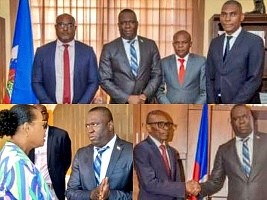
Justice : Minister Pélissier is working…
Haiti’s Minister of Justice, Patrick Pélissier, has been actively engaging with key public institutions under his ministry’s purview to address critical issues in the country’s justice system. In a series of high-level working sessions, Pélissier met with leaders from the National Council for Legal Aid (CNAL), the Central Financial Intelligence Unit (UCREF), and the National Commission for the Fight Against Drugs (CONALD) to discuss pressing challenges and outline actionable solutions.
-
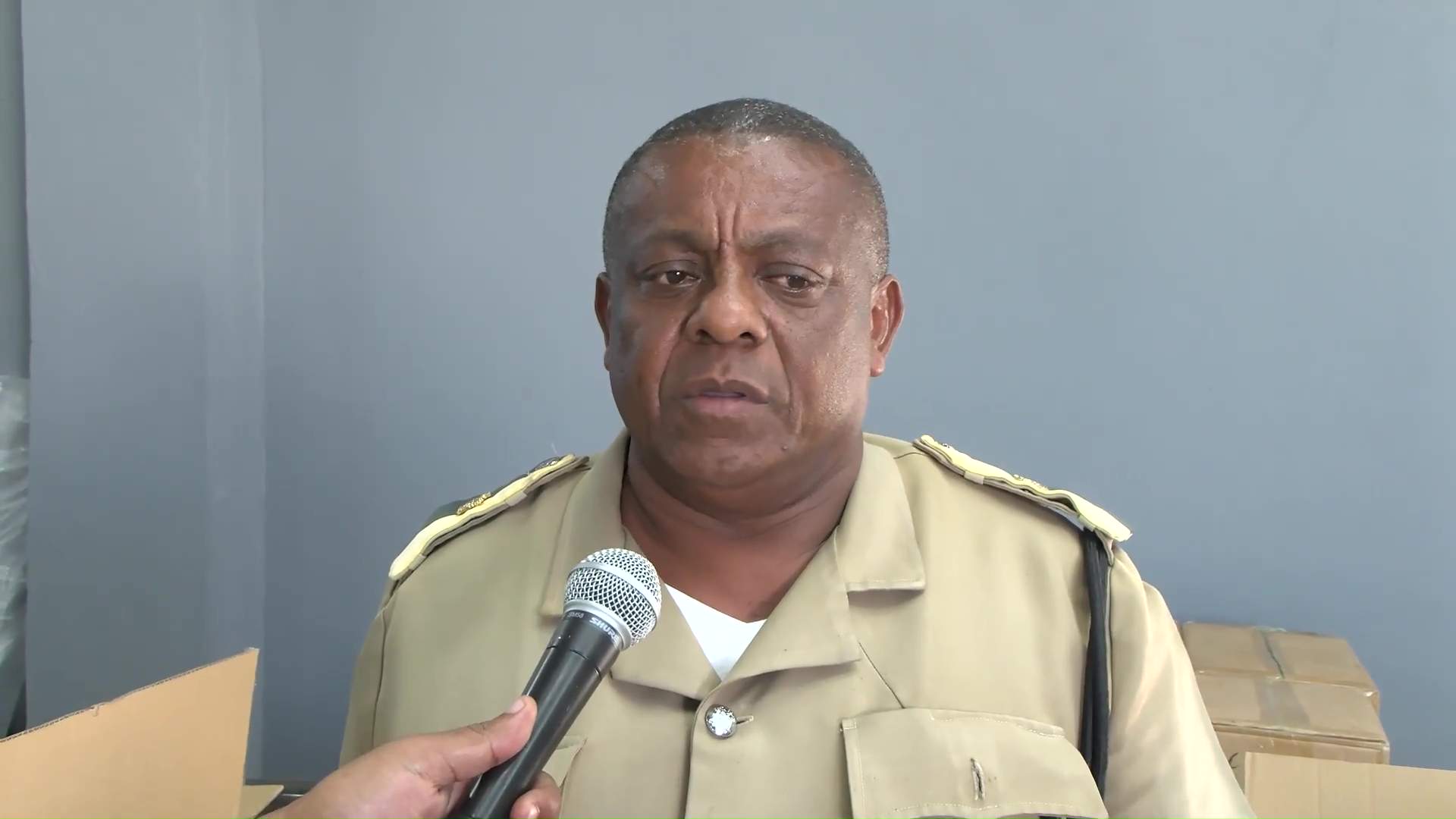
US Turns Away Gambis, Special Patrol Unit’s Boss
In a surprising turn of events, Aaron Gamboa, the head of Belize’s Special Patrol Unit, was denied entry to the United States after his visa was flagged at the Philip Goldson International Airport. Gamboa, accompanied by his wife, was preparing to board a US-bound flight over the weekend when airline officials informed him of the visa issue, barring him from traveling. This incident has ignited widespread speculation and rumors among Belizeans, with many linking it to the ongoing investigation into the abduction of Joseph Budna. While Gamboa acknowledges the visa rejection, he vehemently denies any personal involvement in the Budna case, despite the fact that officers under his command remain under scrutiny. Gamboa has stated his intention to consult with his legal team and engage the U.S. Embassy to resolve the matter, expressing confidence in his eventual exoneration. However, the implications of this visa denial extend beyond Gamboa’s personal predicament. As the leader of a critical policing unit, the U.S. government’s red flag has raised significant concerns in Belize about potential diplomatic and operational ramifications. The situation continues to unfold, with local authorities and the public closely monitoring developments.
-
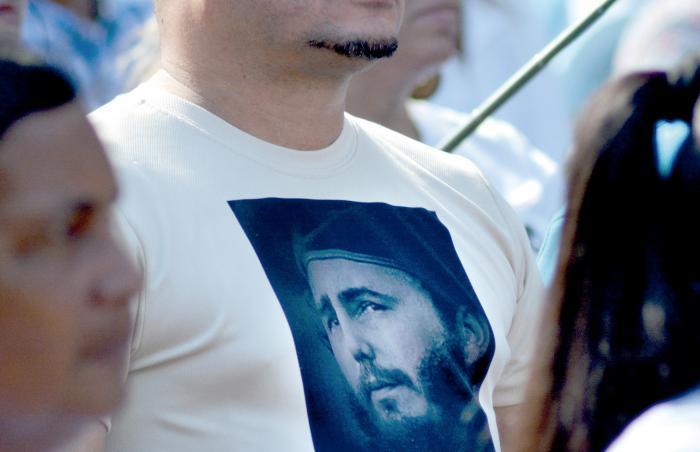
The Leader
Fidel Castro, a name synonymous with resilience and revolutionary fervor, continues to inspire generations as a symbol of unwavering commitment to Cuba’s destiny. His life, marked by profound sacrifices and unyielding determination, serves as a testament to the power of unity and the pursuit of dignity. From humble beginnings, where he faced personal hardships such as power cuts and illness in his family, to the monumental struggles against oppressive forces, Fidel’s journey was one of relentless perseverance. His actions during pivotal moments, such as the Moncada Barracks confrontation, where he selflessly gave up his seat to a comrade, underscore his deep sense of solidarity and leadership. Fidel’s ability to instill faith in the face of adversity, as echoed by Che Guevara, who hailed him as an ‘ardent prophet of the dawn,’ highlights his unique capacity to inspire and lead. His legacy, deeply rooted in the trust he placed in the people and their trust in him, remains a guiding light for Cuba. Fidel Castro’s story is not just one of a revolutionary leader but also of a deeply human figure who embraced the rigors of his cause with unwavering resolve. Shared among the people, Fidel’s heritage is a call to continue and enrich the path he forged, ensuring that his vision for a free and dignified Cuba endures.
-
Politic : 49 Democratic Congressmen call for extension of TPS for Haiti
In a significant move, Democratic Congresswoman Stacey E. Plaskett, alongside 48 of her colleagues, has formally urged Homeland Security Secretary Kristi Noem to extend Temporary Protected Status (TPS) for Haitian nationals beyond its current expiration date of February 3rd, 2026. The lawmakers emphasized the dire humanitarian crisis in Haiti, exacerbated by political instability, rampant gang violence, and the recent devastation caused by Hurricane Melissa. Congresswoman Plaskett highlighted the critical role of Haitian TPS recipients in the U.S. economy, noting their $4.4 billion annual contribution and over $1 billion in federal taxes. She stressed that these individuals are vital to various sectors, including healthcare, construction, and agriculture, which are essential to the nation’s functioning. The letter also warned of the severe economic and security repercussions if TPS is not renewed, including potential destabilization of Haiti and increased influence from adversarial nations like China and Russia. The Congressmen called for an 18-month extension of TPS, a thorough review of conditions in Haiti, and collaborative efforts with Congress to develop sustainable protections for Haitian nationals and other vulnerable populations.