In a heartfelt tribute to the late Cuban Commander-in-Chief, Fidel Castro, a prominent solidarity organization hailed him as a ‘universal reference of dignity, justice, and resistance.’ The statement emphasized Castro’s pivotal role not only in spearheading a revolution that reshaped the lives of millions in Cuba but also in serving as a guiding light for dignity across Latin America and the globe. His unwavering commitment to sovereignty and independence, the organization noted, demonstrated that unity, consciousness, and solidarity can achieve monumental victories. Castro’s influence transcended national boundaries, inspiring movements against imperialism, exploitation, and inequality worldwide. In Venezuela, his legacy endures through collaborative projects, life-saving medical brigades, youth education programs rooted in liberation principles, and the enduring bond of brotherhood between Cuba and Venezuela. Nine years after his passing, the organization reaffirmed its dedication to preserving his vision and advancing the creation of a more just, humane, and united world. The Movement underscored that Castro’s teachings on genuine friendship and solidarity remain inseparable from the fight for emancipation, sovereignty, and dignity.
分类: politics
-
US plan for Ukraine recognizes Russian victory, says MEP
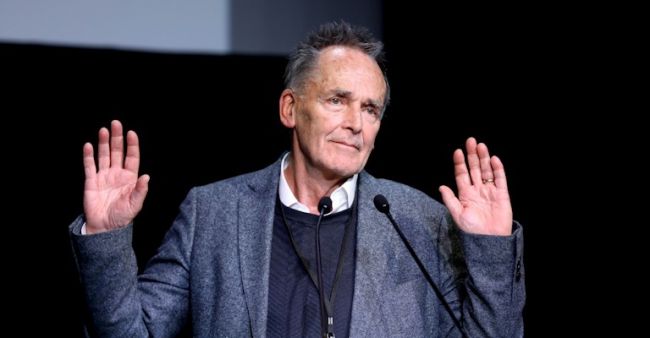
In a significant development, Sahra Wagenknecht, a representative of the alliance Reason and Justice, has called on the European Union (EU) to initiate direct diplomatic talks with Russia. This comes after years of the EU rejecting such engagements. Wagenknecht emphasized that Russia is nearing victory in the ongoing conflict, a sentiment echoed in the US’s recent strategic plans. She criticized the EU for its inconsistent approach, accusing it of attempting to ‘dictate terms’ despite years of obstructing meaningful negotiations. Wagenknecht also highlighted the need for European sovereignty, advocating for independence from US directives on continental security.
Geopolitical analysts across Europe have interpreted the US’s latest document as a tacit acknowledgment of the failure of the Ukrainian strategy and its Western backers. After four years of unproductive confrontation, the document underscores the exhaustion of the Western hegemonic project in Ukraine. This has prompted European capitals to reconsider their strategic relationship with Moscow, especially in light of increasing unilateralism.
This parliamentary assessment marks an unprecedented recognition of the ineffectiveness of sanctions and military escalation. It opens the door for independent European policies that prioritize collective security over transatlantic warmongering interests.
The US administration has previously announced the development of a plan for a negotiated resolution to the Ukraine conflict. However, it stated that the details of the plan are not yet ready for disclosure, as the work is still in progress.
On Monday, Russia confirmed that it has not received any official information about potential negotiations involving the United States, Ukraine, and European countries in Geneva. Nonetheless, Moscow reiterated its openness to maintaining contacts and engaging in talks with the US.
-
Panamanian social organizations pay tribute to Fidel Castro
Various organizations and individuals worldwide have recently commemorated the enduring legacy of Fidel Castro, the revolutionary leader who shaped Cuba’s history. Through social media platforms, groups have shared videos and messages emphasizing the solidarity movement with Cuba, a nation that has faced a U.S. blockade for over six decades with unwavering resistance and dignity. Among these groups, the Broad Front for Democracy (FAD), the National Solidarity Coordination, and the Asociación Martiana de Cubanos Residentes en Panama have highlighted the continued relevance of Castro’s work and ideology. In Panama, the Cuban embassy is set to host a photographic exhibition showcasing the profound impact of this iconic statesman. Fidel Castro, born on August 13, 1926, and passing on November 25, 2016, is celebrated for his pivotal role in advancing Cuba’s revolutionary process, steering the nation toward socialism, and fostering unity among its people. Cuban President Miguel Díaz-Canel, along with other high-ranking officials, has reiterated the vitality of Castro’s revolutionary ideals and the enduring influence of his leadership. On social media platform X, Díaz-Canel emphasized the immortality of Castro’s ideas, urging skeptics to witness the ongoing resonance of his legacy. The hashtag #FidelViveEntreNos (Fidel Lives Among Us) has become a rallying cry, symbolizing the lasting impact of Castro’s vision on Cuba and the world.
-
Spain condemns Israeli airstrikes on Lebanon
The Spanish Government has issued a strong condemnation of the recent attacks on United Nations Interim Force in Lebanon (UNIFIL) positions, particularly highlighting the threat to the physical safety of the Spanish contingent. These incidents, described as a severe escalation, have raised significant concerns. Additionally, Spain expressed deep unease over Israel’s unilateral decision to construct a wall within Lebanese territory, which breaches the Blue Line demarcation established by the United Nations. This action is seen as a violation of Lebanon’s sovereignty and territorial integrity. In its statement, Spain urged Israel to adhere to its obligations under international law and the ceasefire agreement reached in November 2024. The government emphasized that the effective implementation of the two-state solution for Palestine and Israel is crucial for ensuring lasting peace and security in the Middle East. Furthermore, Spain reaffirmed its commitment to Lebanon’s sovereignty, territorial integrity, and stability, as well as its support for the full implementation of Security Council Resolution 1701. Spain also reiterated its backing for the UNIFIL mandate, underscoring its vital role in achieving these objectives.
-
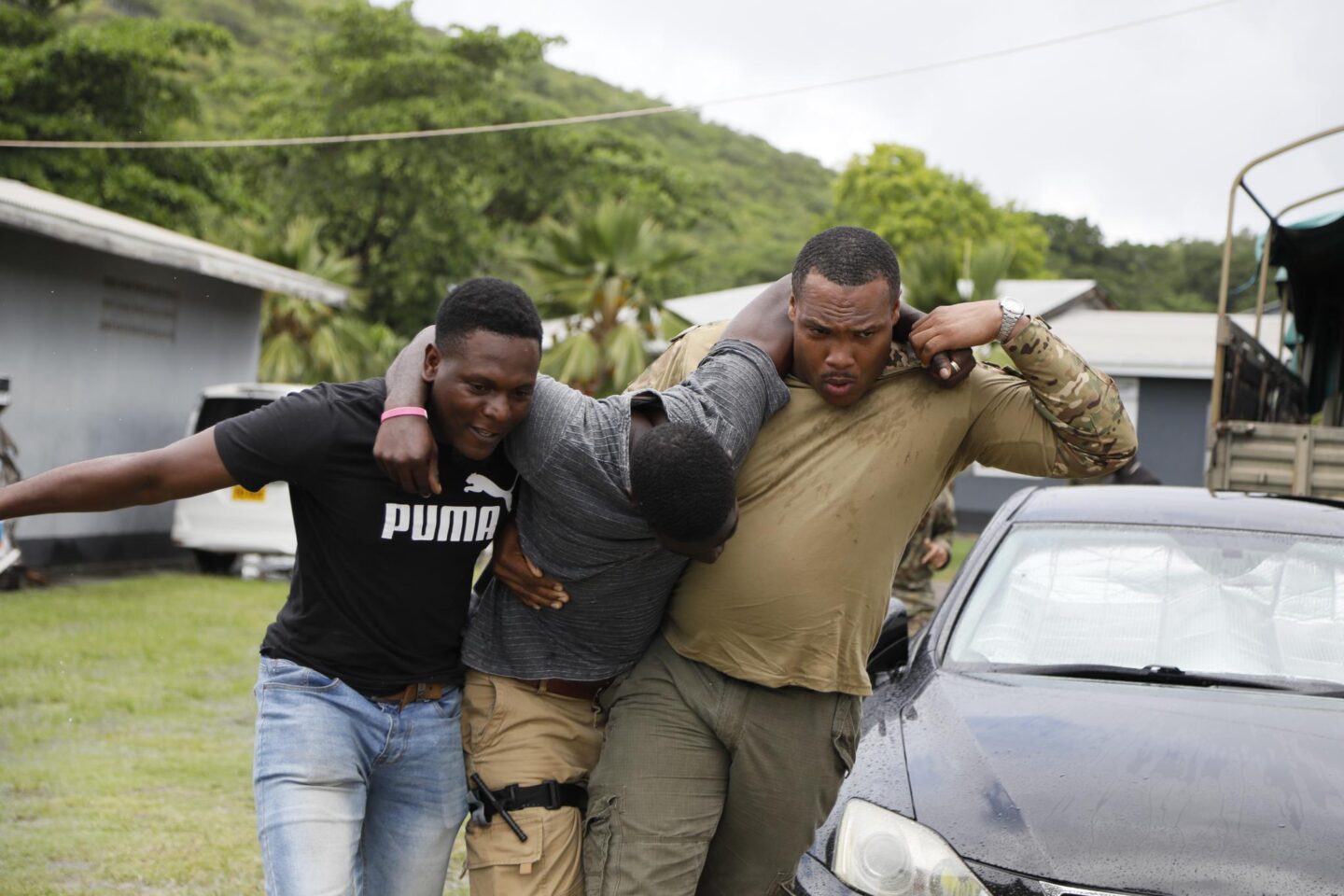
US military personnel from Guyana conduct medical skills exchange with RGPF
In a significant demonstration of bilateral cooperation, US military personnel stationed at the US Embassy in Guyana recently conducted specialized training sessions for officers from the Royal Grenada Police Force (RGPF). The training, held from November 17 to 19, 2025, focused on enhancing first-response capabilities and improving emergency medical care for injured individuals before they reach medical facilities. The initiative involved 28 RGPF officers from various departments, alongside US military trainers, underscoring the shared commitment to public safety and professional development. On the final day of the training, RGPF Commissioner Randy Connaught and US Embassy Grenada Principal Officer Cindy Diouf observed the sessions and interacted with participants, including new RGPF recruits. Diouf expressed her gratitude for the collaboration, highlighting the achievements made possible through joint efforts. This training is part of ongoing cooperation agreements between Grenada and the US, which focus on national and regional security. However, the collaboration comes amidst unresolved discussions regarding a request from the Trump Administration to install radar equipment and technical personnel at Grenada’s Maurice Bishop International Airport (MBIA). Prime Minister Dickon Mitchell, also the Minister for National Security and Civil Aviation, emphasized that technical and safety considerations are still being evaluated, with no decision yet made. Mitchell assured that any agreement would comply with both domestic and international laws, reflecting Grenada’s commitment to safeguarding its sovereignty while fostering international partnerships.
-
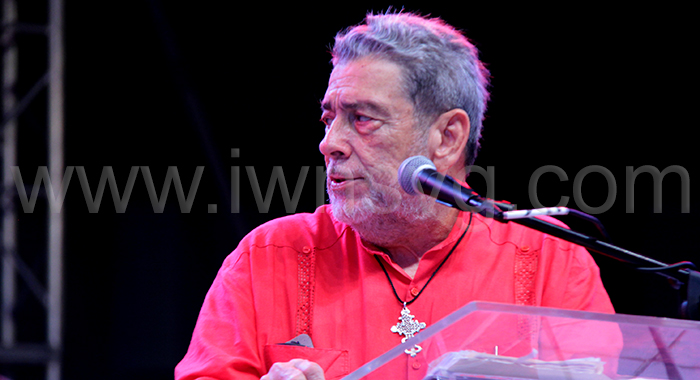
Gonsalves names Trinis lawyers allegedly interfering in SVG’s election campaign
KINGSTOWN, St. Vincent — Prime Minister Ralph Gonsalves has raised concerns over the presence of eight Trinidadian lawyers and activists in St. Vincent, accusing them of attempting to interfere in the upcoming general election. Gonsalves, leader of the ruling Unity Labour Party (ULP), made these allegations during a youth rally, emphasizing that the opposition New Democratic Party (NDP) had brought these individuals to influence the electoral process. He warned that their activities could undermine the nation’s democratic integrity. Gonsalves highlighted that these lawyers must obtain proper work permits or CARICOM Skills National Certificates to operate legally in St. Vincent, labeling their current involvement as a criminal offense. He further criticized the NDP for what he described as ‘low-down worthlessness’ and attempts to disrupt the ULP’s campaign efforts. Gonsalves also expressed gratitude to Trinidad and Tobago’s Prime Minister Kamla Persad-Bissessar for clarifying that her party had not sanctioned any involvement in St. Vincent’s elections. However, he speculated that UNC financiers might be seeking to ‘buy this election’ for their own interests. The ULP, which has held power since 2001, is aiming for a sixth consecutive term in the December 1 poll.
-

SVG’s political circus
As St. Vincent and the Grenadines approaches another election, the nation’s political culture has devolved into a spectacle of noise, distraction, and emotional manipulation. What should be a time for serious national reflection has been overshadowed by a festival of hype, handouts, and showmanship. The transformation of politics into entertainment has not only cheapened the electoral process but also jeopardized the country’s future.
-
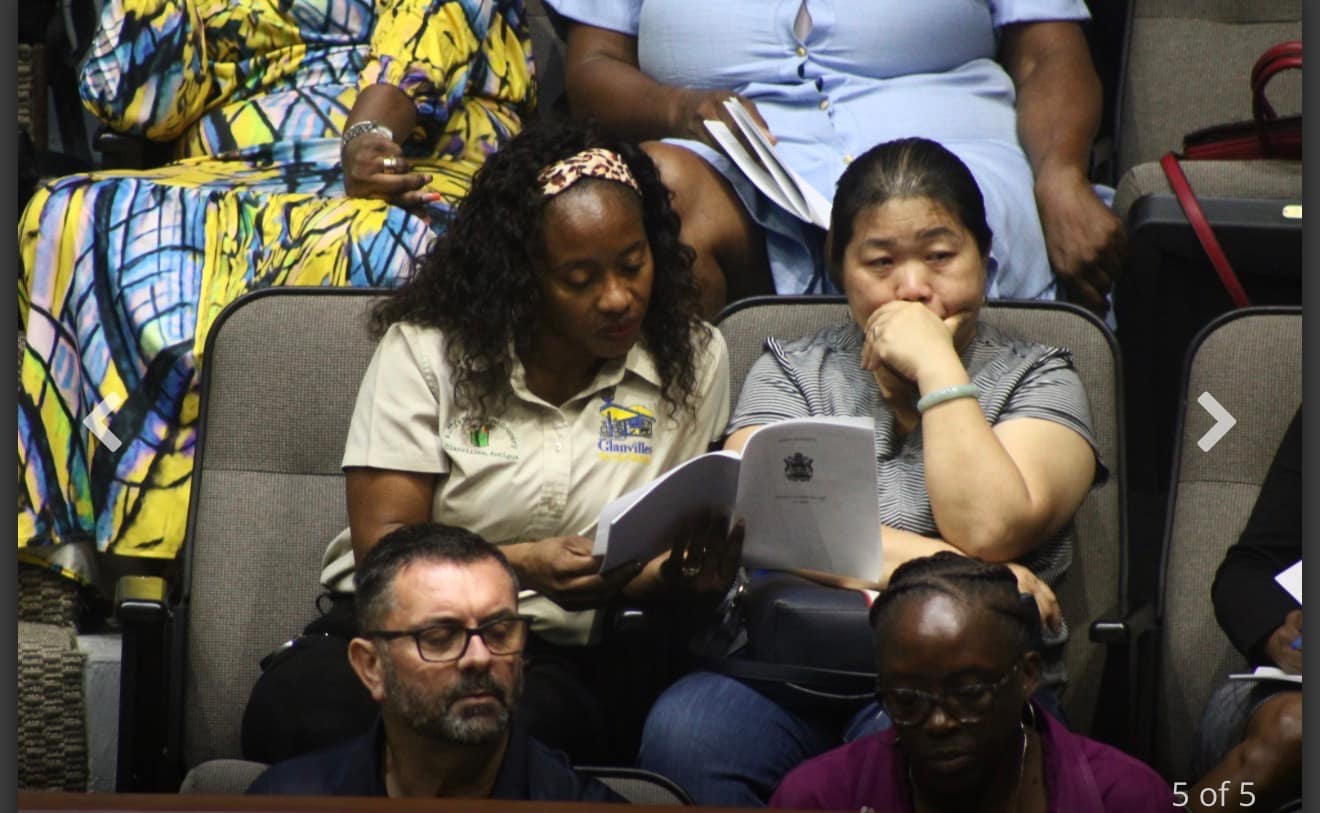
Price of Goods Bill 2026 Aims at Modernization, Not Taxation, Officials Say
The proposed Price of Goods Bill 2026, currently under legislative review, is designed to modernize regulatory frameworks rather than impose new taxation measures, government officials have emphasized. The bill, which has sparked public debate, seeks to streamline pricing mechanisms, enhance transparency, and ensure fair market practices. Officials clarified that the primary objective is to address outdated regulations that hinder economic efficiency, rather than burden consumers with additional taxes. The modernization effort includes the integration of digital tools for price monitoring and the establishment of a more robust oversight system. Critics, however, have expressed concerns about potential indirect cost increases for businesses, which could trickle down to consumers. Proponents argue that the bill will foster a more competitive and equitable marketplace, benefiting both businesses and consumers in the long term. The government has pledged to engage stakeholders in ongoing consultations to address these concerns and refine the bill before its anticipated implementation in 2026.
-

Arbeid als Kompas voor de Toekomst van Suriname
Fifty years ago, Suriname chose to stand on its own feet, embarking on a journey marked by progress, setbacks, pride, struggle, growth, and disappointment. Today, on November 25, the nation not only celebrates its golden jubilee but also reflects deeply on its past and future. At the heart of Suriname’s resilience through every era has been one constant force: labor. It is the workers, craftsmen, nurses, farmers, entrepreneurs, teachers, youth, and elders who have formed the backbone of the economy, sustaining the nation even when policies and circumstances were unfavorable. Labor must once again take center stage in Suriname’s development, demanding strength, learning, discipline, tolerance, and unity. Progress is never automatic; it requires a working community that continually evolves and supports one another. The labor movement, too, deserves recognition for its pivotal role in the nation’s history. As Suriname celebrates 50 years as a republic, the labor movement must remain vigilant, ensuring that labor remains protected, strengthened, and just, even in times of growth. Suriname has made mistakes—sometimes due to inexperience, division, or short-term interests—but these errors need not be obstacles. They can serve as fertile ground for growth, transforming past missteps into wisdom for the future. Suriname, though small in size, is a nation of immense diversity, resilience, and character. A new Surinamese identity is needed—one that unites the courage of the Indigenous, the discipline of the Javanese, the pride of the Creoles, the determination of the Hindustanis, the creativity of the Maroons, the flexibility of the Chinese, and the hospitality of the Boeroes. These traits are not contradictions but the building blocks of a unified Surinamese character. To become a model of a small yet well-functioning nation, Suriname must embrace unity in vision, responsibility, and the belief that this country belongs to all its people. The power lies within the people, in their work, attitude, and willingness to do better than yesterday. On this 50th anniversary, the Surinamese Party of Labor (SPA) calls for cherishing and strengthening the good, honestly acknowledging and learning from the wrong, placing labor at the core of progress, building a national identity on the strengths of all cultures, and choosing a future where Suriname not only exists but thrives. Suriname can be a nation that transcends itself, determines its own course, and achieves greatness in its actions, regardless of its size. Together, with labor, unity, and pride, Suriname will continue to build its future.
-
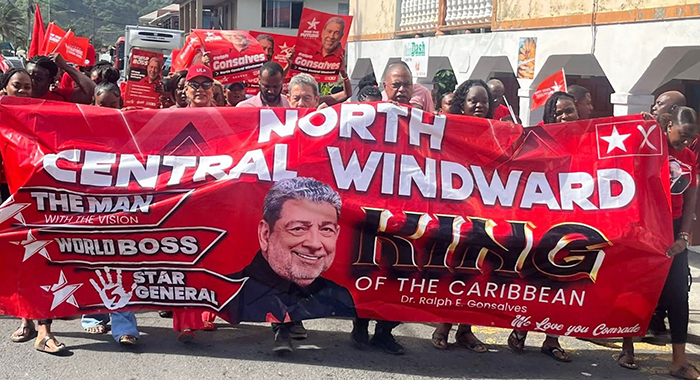
No to kings!
In 2001, the United Labour Party (ULP) ascended to power in St. Vincent and the Grenadines, promising governance but accused of ruling with an iron fist. Led by Ralph Gonsalves, a figure often described as power-hungry and Marxist, the ULP’s rise was marked by what critics call the ‘Roadblock Revolution,’ a manufactured crisis that propelled them into office. Over the past 24 years, Gonsalves has entrenched himself as a dominant figure, consolidating power through strategic maneuvers and alliances, including the merger of the St. Vincent Labour Party (SVLP) with his Movement for National Unity (MNU) to form the ULP. Critics argue that his leadership mirrors the allegorical ‘Animal Farm,’ where promises of equality gave way to authoritarian control. Gonsalves’ tenure has been characterized by accusations of nepotism, corruption, and the creation of a subservient electorate dependent on state handouts like Poor Relief, food vouchers, and home appliances. These tactics, critics claim, are designed to secure loyalty and perpetuate his rule. As the nation heads to the polls, many Vincentians express a desire for genuine governance—a leader who prioritizes the interests of all citizens, transcending political affiliations. The upcoming election presents an opportunity for change, with the New Democratic Party (NDP) positioning itself as an alternative to the ULP’s entrenched regime. The outcome will determine whether St. Vincent and the Grenadines continues under Gonsalves’ rule or embarks on a new path of inclusive governance.