
On May 19, 2026, the CARICOM Eminent Persons Group (EPG) issued a formal public clarification to the people of Haiti, addressing widespread confusion over its alleged ties to a prominent new political proposal being advanced in the country. In the statement, the regional body explicitly distanced itself from the ‘Washington-Haiti-CARICOM Socio-Political Relief Solution’, an initiative organized by the Consensus des Assises du Dialogue Inter-Haïtien (CADIH). The EPG made clear that it had no role, official or unofficial, in developing or advancing this specific political framework, pushing back against circulating claims that linked the regional group to the proposal. Beyond the clarification, the EPG reaffirmed its long-standing commitment to supporting Haiti through its established Good Offices mandate. The group emphasized that it will remain focused on its core mission: aiding the Haitian transitional government and all national stakeholders in their collective efforts to pull the country out of ongoing instability, strengthen foundational good governance practices, create the conditions for free, fair and inclusive national elections to be held at the earliest possible date, and fully restore legitimate constitutional order across Haiti. The statement comes amid a prolonged period of political and security upheaval in Haiti, where multiple local and international actors have put forward competing proposals to resolve the country’s deep-rooted crisis, making clear public distinctions between different initiatives a critical step to avoiding further public confusion.
分类: politics
-
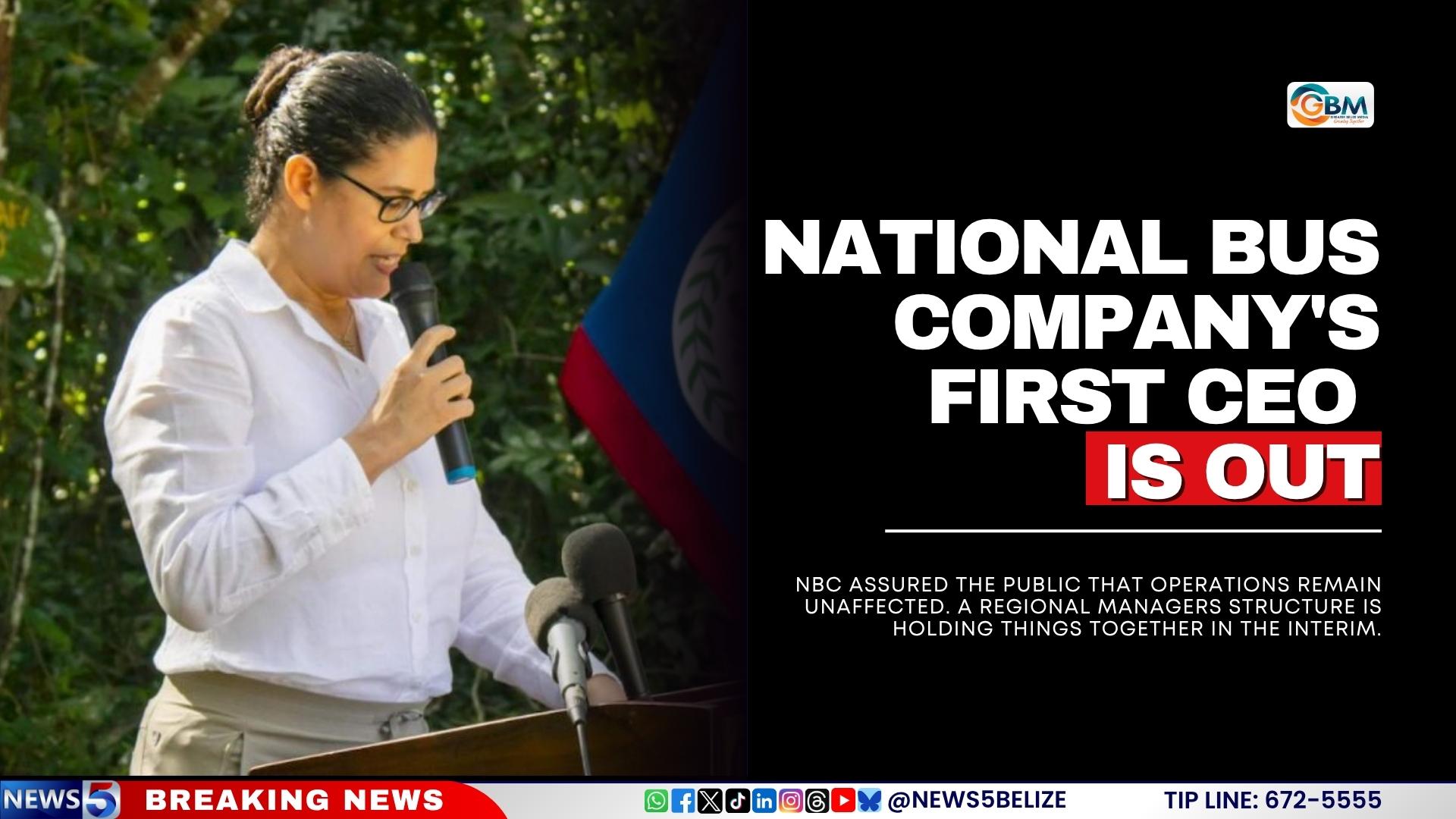
National Bus Company’s First CEO Is Out
Three months after commencing public operations, the newly established National Bus Company (NBC) has announced the departure of its inaugural chief executive, Susana Vanzie. The transition, which was foreshadowed months in advance by top government transportation officials, has left the organization searching for a permanent replacement to lead the state-owned bus service.
Vanzie, a professional with roots in Floralia, was handpicked by the NBC board of directors to guide the company through its critical launch phase. She oversaw the start of public service operations when NBC officially opened for business on March 1, 2026. Her departure was formally confirmed in an official company press release issued on May 19, 2026, and within hours of the announcement, the organization published a public job posting to recruit her successor.
The exit of Vanzie comes as no surprise to industry observers, as Transport Minister Dr Louis Zabaneh explicitly framed the initial launch leadership team as a temporary arrangement from the outset. Speaking just days after NBC kicked off services in early March, Zabaneh clarified that the entire initial management cohort was hired on a three-month probationary footing. He noted at the time that Vanzie’s selection as the founding CEO had been completed by the independent NBC board, and any decision on a permanent appointment would hinge on whether the board determined her performance met required operational standards.
Despite the leadership change at the top, NBC has moved quickly to reassure passengers and stakeholders that all regular bus services continue to operate as scheduled with no disruptions. In the interim period between Vanzie’s departure and the appointment of a new chief executive, the company’s existing regional management structure has been empowered to oversee day-to-day operations and keep services running smoothly. Notably, Vanzie will not sever all ties with the organization following her exit from the CEO role; she will retain her stake in NBC as a company shareholder.
-

Senator Malaka Parker Calls for Stronger Parliamentary Oversight
In a packed ceremony that drew hundreds of enthusiastic supporters, veteran opposition legislator Malaka Parker has officially retaken her seat in the national Senate, using her swearing-in address to deliver a sharp rebuke of eroding parliamentary independence and lay out an ambitious agenda for robust opposition oversight.
The United Progressive Party (UPP), Parker’s political party, confirmed in an official statement released Tuesday that Government House overflowed with attendees on Monday, who turned out in force to witness the long-awaited investiture of one of the nation’s most prominent progressive politicians. Parker first entered the Upper House in 2009, when the UPP held the national administration, making history at the time as the youngest parliamentarian the country had ever elected.
Opening her remarks with a reflection on her decades of public service, Parker framed the Senate as a critical institutional check on executive power, describing the chamber as “the filter, the refiner, the chamber of review and perfecting” of national legislation. She emphasized that her oath of office was sworn to the citizens of the nation, not to any political party – a line that drew loud applause from the gathered crowd. During her first tenure in the Senate, Parker noted, cross-party groups of senators routinely established dedicated subcommittees to audit draft legislation that was marked as incomplete or poorly drafted, a practice she says has fallen by the wayside in recent years.
Parker’s core criticism targeted what she called a steady decline in independent thinking among sitting senators, arguing that the chamber has drifted from its oversight mandate in recent years. “Today, and for some time, we have been moved back to a Senate of rubber stampers,” she said. “They are more like cheerleaders for the government.” The newly reappointed senator warned that democratic governance faces its greatest risk not from external threats, but from the growing culture of self-censorship among elected officials. “The most dangerous threat to our democracy is the crippling fear to speak up, to question, to disagree with the leaders you elect,” she added.
Attendees at Monday’s ceremony reflected Parker’s long cross-sector career: representatives from the Antigua and Barbuda Workers’ Union, where Parker made history as the first woman to serve as union president, were in attendance, alongside former colleagues from her time at CIBC, UPP party members, and constituents from multiple electoral districts across the country.
Acknowledging the overwhelming public turnout, Parker said the large crowd was not just a show of support, but a reflection of the high expectations voters have placed on the opposition bloc. “I love my country and I love my people,” she said. “I thank them all for coming, but I also know it is because they have great expectations of me.”
Now taking her place on the opposition benches in the 19-seat Upper House, Parker signaled that the four-person opposition caucus plans to be a relentless, vocal force in parliamentary proceedings, pushing for debate on underreported issues and holding the ruling administration accountable. “We are four, but do not underestimate us by number,” she said. “Each person on this team stands deep in substance, capacity, and conviction. We will be heard.”
-
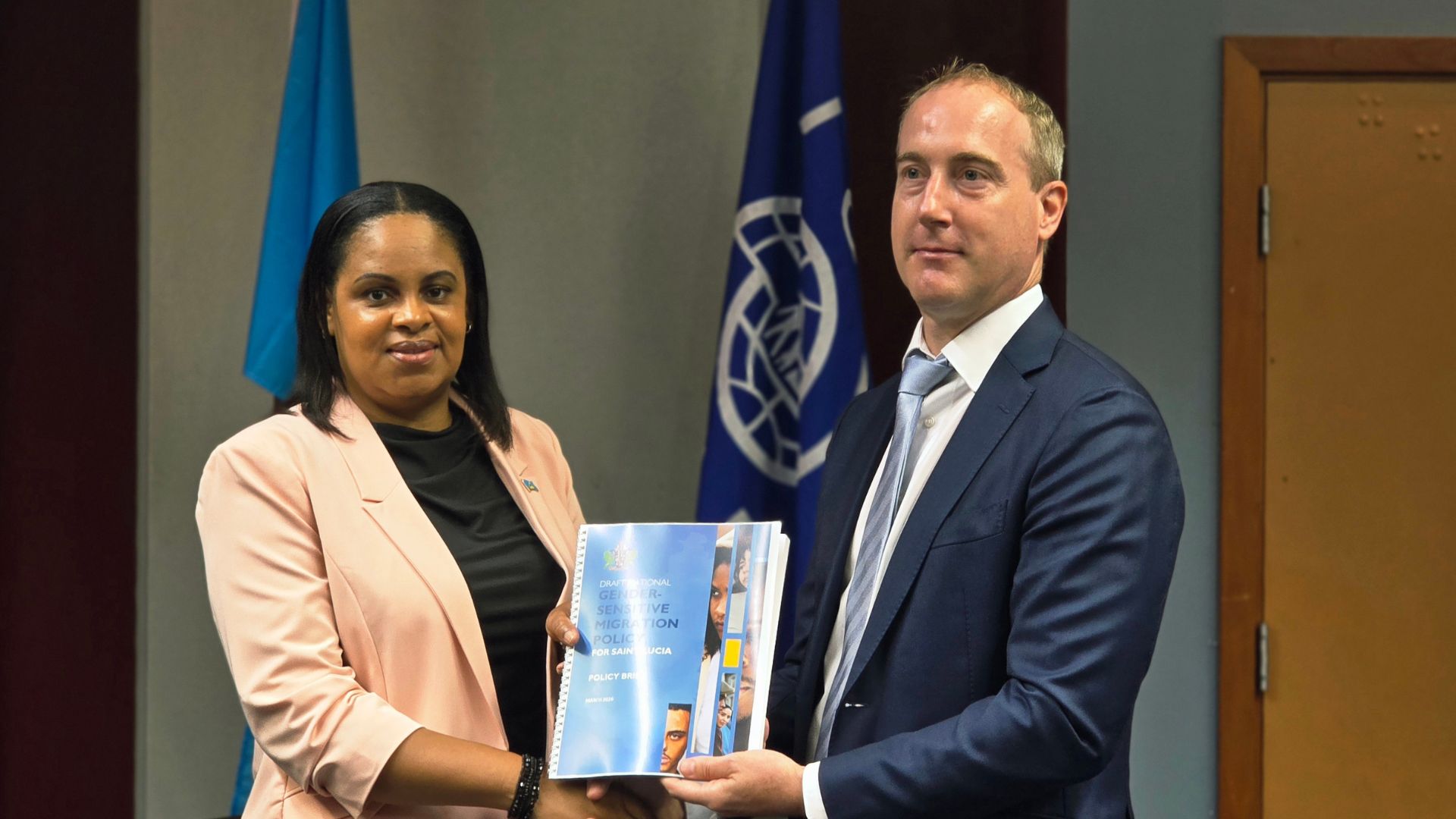
Falling birth rates, brain drain: Why Saint Lucia is rethinking migration
Saint Lucia is grappling with a growing wave of skilled worker emigration, with nurses and teachers departing the Caribbean island nation in large numbers. This exodus has become a key driving force behind the drafting of a groundbreaking new national gender-responsive migration policy, designed to navigate both the risks and opportunities that come with cross-border population movement.
Currently, movement of people in Saint Lucia is governed by existing frameworks including the Immigration Act, the Citizenship Act, and relevant constitutional provisions. However, a combination of emerging global and national shifts has pushed policymakers to pursue a comprehensive, updated policy approach. Climate-driven disasters, plummeting fertility rates, and evolving geopolitical tensions have all created new uncertainty around the country’s long-term demographic and economic trajectory, prompting a re-evaluation of how migration is managed.
Speaking at an official media briefing held to unveil the draft policy, Patrice Quesada, Caribbean Coordinator for the International Organization for Migration (IOM), shared stark demographic data: Saint Lucia is currently recording barely above zero population growth, with its fertility rate already dropping below 1.4 births per woman. This figure is far below the 2.1 birth rate that demographers widely identify as the minimum threshold required to sustain stable population growth without immigration. Paul Kalicharan, a statistician from Saint Lucia’s National Insurance Corporation, has previously flagged these demographic trends, emphasizing that the country will need to import skilled foreign labor to fill critical workforce gaps that will emerge as the native population ages and shrinks.
The briefing brought together a diverse panel of stakeholders, including Quesada, Julian Dubois (Saint Lucia’s Ambassador for Diaspora Affairs), Caron Tobiere (Chairperson of the Coalition of Civil Society Organisations of Saint Lucia), Aiasha Jn Baptiste (Legal Officer at the Ministry of External Affairs), and Ken Charlery (Southern Division Immigration Supervisor).
During discussions, panellists acknowledged a key structural disparity: migrants currently working in Saint Lucia often have access to better professional and economic opportunities than native-born Saint Lucians who have never migrated abroad. Ambassador Dubois noted that the new draft policy creates a critical opening to examine this issue through an objective, balanced lens, allowing policymakers to recalibrate systems to deliver more equitable outcomes.
Officials also stressed that migration is not solely a challenge—it also carries substantial economic benefits for the island nation. One of the most significant advantages is the steady flow of remittances sent back to Saint Lucia by citizens living and working overseas. In recent years, this has shifted the national narrative around migration, repositioning well-managed migration as a tool to advance sustainable development and broader social inclusion.
The draft gender-sensitive migration policy was developed through a collaborative partnership between the government of Saint Lucia and IOM, following extensive consultations with dozens of civil society, security, and social agencies across the country and the broader Caribbean region. Once finalized, the draft will be presented to the national Cabinet for review before official implementation can begin.
The policy outlines eight core priority areas that will guide its implementation:
1. **Labour Migration and Decent Work**: The policy prioritizes the promotion of fair recruitment practices, robust protections for migrant workers, and full economic and social integration to maximize shared benefits for both the national economy and migrant households, while eliminating persistent gender disparities and upholding the rights of all vulnerable migrant groups.
2. **Migration Data, Monitoring and Evidence-based Research**: Policymakers will work to build a comprehensive, gender-responsive data and monitoring framework that can accurately track migration flows, measure policy outcomes, identify vulnerable populations, and assess the real-world impact of the new policy.
3. **Protection, Human Rights and Social Inclusion**: The policy commits to guaranteeing comprehensive support to all migrants, particularly marginalized and vulnerable groups, by expanding access to robust protection mechanisms and ensuring all migrants can access their rights and participate fully in society free from discrimination and stigma.
4. **Migration, Diaspora and Development Synergies**: The new framework seeks to leverage connections between migration, the Saint Lucian diaspora, and national development to drive sustainable economic growth, facilitate cross-border knowledge exchange, and strengthen national resilience, while mitigating the negative side effects of unmanaged migration.
5. **Migration in Crises and Environmental/Climate-related Mobility**: The policy will strengthen institutional preparedness and policy systems to anticipate, reduce the harm of, and manage migration driven by crises and climate change, with a focus on gender equity, protection, and the development of long-term sustainable solutions.
6. **Remittances and Development**: The framework aims to amplify the contribution of remittances to national development by cutting transaction costs, expanding access to financial services for recipients, and supporting the productive, gender-equitable use of remittance income to boost household resilience, expand economic opportunity, and drive sustainable national growth.
7. **Return and Reintegration**: Policymakers will build out comprehensive support systems to support the sustainable economic and social reintegration of Saint Lucians returning to live and work in the country after living overseas, ensuring returnees are treated with dignity and fully included in national life.
8. **Border Management and Safe and Orderly Migration**: The policy will strengthen Saint Lucia’s capacity to implement integrated, rights-based border management, ensuring that migration remains safe, orderly, and regular, while preventing irregular migration and upholding protections for vulnerable migrants.
-
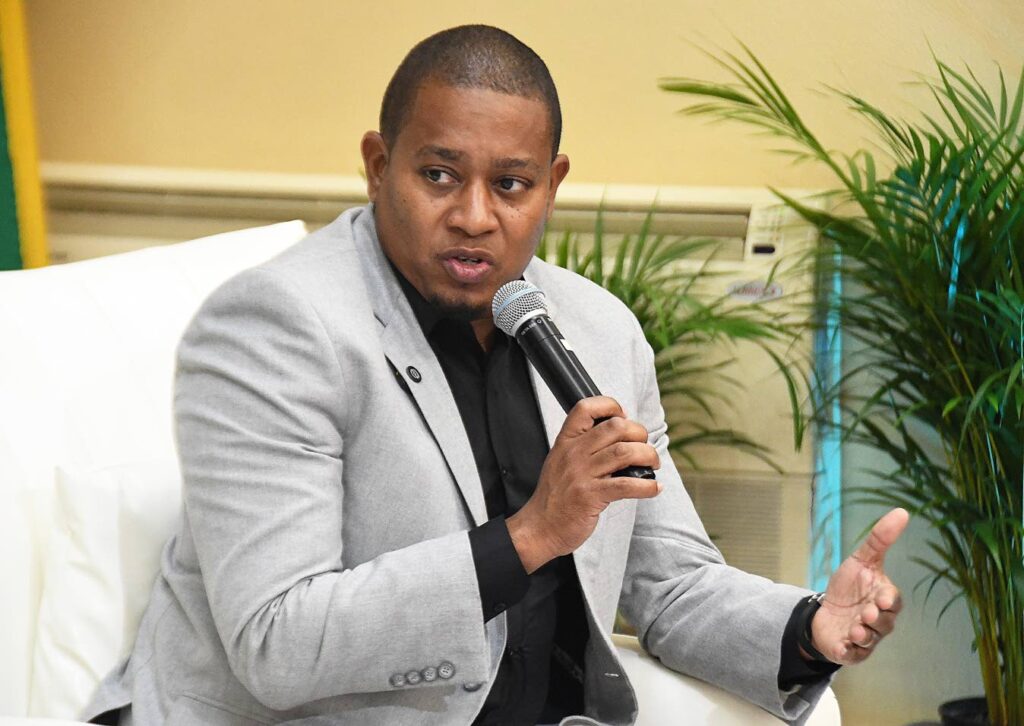
Sparks fly between Green and Wildman in cops’ murder trial
A routine cross-examination session at Jamaica’s Home Circuit Court erupted into open tension on Tuesday, as Agriculture Minister Floyd Green locked horns with Hugh Wildman, lead defense attorney for six on-trial policemen, over repeated questions about Green’s political position and his credibility as an eyewitness. The high-stakes encounter unfolded during the continuation of a long-running murder trial connected to a 2013 triple shooting in the upscale Barbican neighborhood of St. Andrew.
The incident at the center of the case dates back to January 12, 2013, when three men — Matthew Lee, Mark Allen, and Ucliffe Dyer — were killed during a reported gunfight with police on Acadia Drive. The six law enforcement officers standing trial for their murders are Sergeant Simroy Mott, Corporal Donovan Fullerton, and Constables Andrew Smith, Sheldon Richards, Orandy Rose, and Richard Lynch. Fullerton additionally faces a separate charge of submitting a false statement to the country’s Independent Commission of Investigations. Prosecutors allege that during a routine police operation, officers signaled for the driver of a blue Mitsubishi Outlander to pull over, and that armed men exited the vehicle to engage officers in a shootout that left the three men dead. Authorities say two illegal firearms — an Arcus 9mm pistol and a Mac 11 submachine gun — were recovered from the scene, and a fourth man suspected of involvement managed to escape. Photographs presented to the seven-member jury show the Outlander, its two front doors ajar, parked on Acadia Drive just steps from its intersection with Evans Avenue.
Green, who lived on the top floor of a nearby multi-story apartment building on Acadia Drive at the time of the shooting, is one of only two surviving eyewitnesses to testify to what he observed that day. He has told the court that he watched part of the incident unfold from his bedroom window. As cross-examination got underway on Tuesday, Wildman first questioned Green about the angle of his vantage point, asking whether the minister’s view of the parked Outlander would have required him to look up the street, rather than directly across. Green pushed back on the suggestion, maintaining his position allowed him to look “down and across” at the scene.
The exchange quickly escalated when Wildman referenced Green’s role as a sitting government minister, framing the question as relevant to assessing the witness’s credibility. The reference immediately angered Green, who warned the attorney against “going back down this road” and declared his credibility “unassailable.” When Wildman repeated the reference to Green’s ministerial title a second time, Green refused to continue engaging on the line of questioning, demanding the attorney drop the topic. Prosecutor Kathy-Ann Pyke intervened to alert trial judge Sonia Bertram-Linton that an argument was imminent, but the judge declined to restrict Wildman’s cross-examination strategy, noting she would not instruct defense counsel on how to question a witness.
Tensions flared again later in the session as the two legal teams clashed over the content of Green’s original January testimony. Wildman pressed Green on whether he had previously stated he could see blood on the chest of a man in a white shirt lying behind the Outlander. Pyke objected immediately, arguing Green had only testified to seeing blood on the man’s shirt, not directly on his chest. Even Justice Bertram-Linton initially could not recall Green making the specific claim about blood on the chest, prompting defense team member John Jacobs to pull the original January trial notes to confirm the testimony. Jacobs, irritated by Pyke’s repeated objections, asked the prosecutor to allow the defense to present its questions without interruption, leading Wildman to snap at Pyke, calling her a “muttering maniac” in remarks to the judge.
After reviewing her own notes, Justice Bertram-Linton confirmed Green had indeed told the court he observed blood in the chest region of the shirt. Even with the record clarified, Pyke continued to object, arguing Wildman had misrepresented Green’s testimony, which only referenced blood on the shirt, not the man’s body. The back-and-forth prompted an exasperated Wildman to accuse Pyke of insulting the intelligence of the seated jury. When Wildman turned back to continue questioning Green and the minister addressed him by name, the attorney snapped again, ordering Green not to repeat his name, as the entire court already knew who he was. This outburst drew a public rebuke from the judge, who chided Wildman for being rude and ordered him to adjust his confrontational tone and adhere to proper courtroom conduct.
Green was first called as the prosecution’s opening witness in January, and was recalled to the stand for further cross-examination last Friday. The trial is scheduled to resume on Wednesday, with Green set to face additional questioning from the defense team.
-
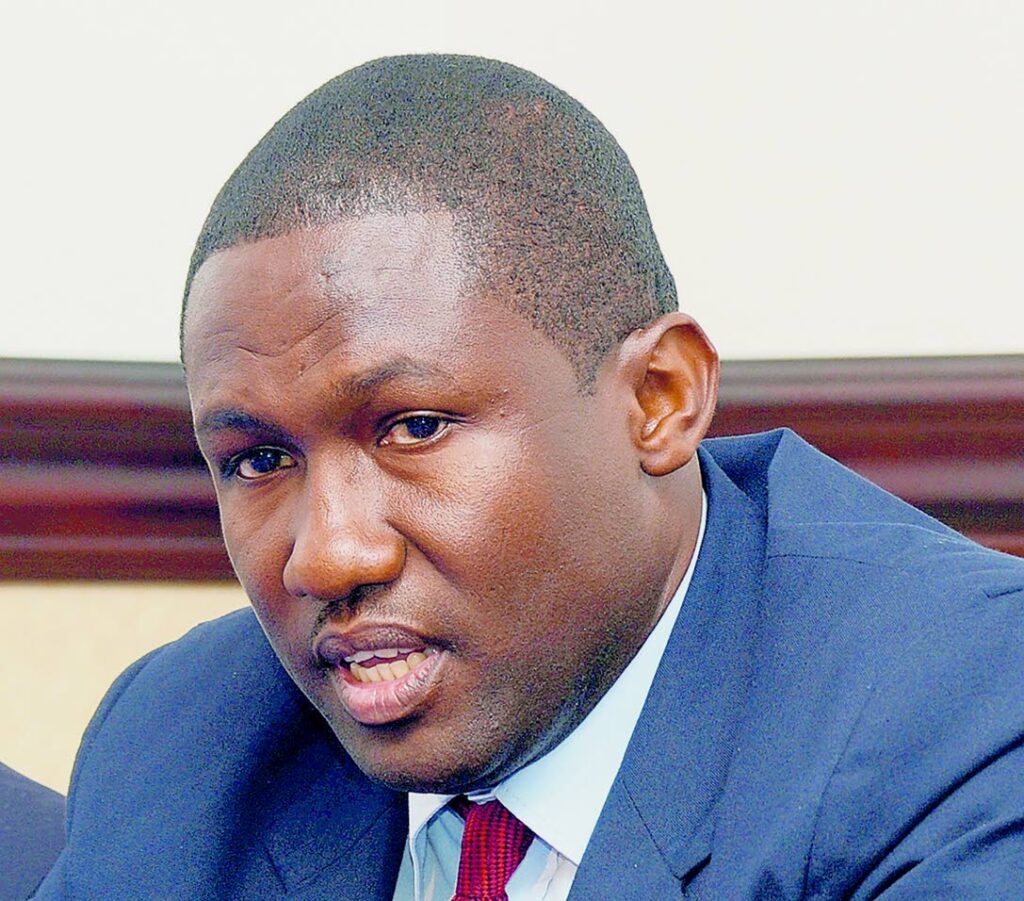
Hinds proposes standalone Ministry of Sport to capitalise on multi-trillion-dollar global industry
In a substantive address during Jamaica’s 2026 parliamentary Sectoral Debate, Opposition Spokesperson on Labour and Sport Wavell Hinds has reignited discussions about the nation’s approach to its iconic sporting industry, calling for the creation of an independent Ministry of Sport to tap into the multi-trillion-dollar global sports market that the country has so far failed to exploit.
Hinds opened his intervention by challenging Jamaica’s long-standing framing of sport as nothing more than a recreational or cultural ceremonial activity, arguing that this outdated perspective blinds policymakers to the sector’s massive power as a driver of economic expansion. “Sport is no longer simply recreation,” Hinds emphasized to parliamentary colleagues. “Sport is tourism. Sport is exports. Sport is foreign exchange. Sport is economic growth.”
Data cited by Hinds underscores the scale of the untapped opportunity: the global sports economy currently holds a valuation of roughly $2.3 trillion U.S. dollars, with independent projections forecasting it will surge to $8.8 trillion by 2050. Yet despite Jamaica’s unrivaled international reputation for athletic excellence — built on decades of world-dominating performances in track and field that have turned Jamaican speed into one of the most recognizable global sporting brands — the nation lacks the structural foundation required to compete and win in this fast-growing market, Hinds argued.
“We own one of the strongest sporting brands in the world through Jamaican speed, athletic excellence, and our global track legacy, yet we have almost no supporting sports-industry infrastructure to monetise that advantage,” he said.
Unlike peer nations that have moved aggressively to carve out niches as leading global hubs for sports training and sports-related tourism, Hinds pointed out that Jamaica continues to operate without a cohesive long-term strategy to leverage its athletic brand. He highlighted neighboring Antigua’s recent targeted investments in cutting-edge sports science and rehabilitation facilities as a model of proactive development, noting that shifting global conditions — including geopolitical instability that has disrupted traditional training hotspots like Dubai — have opened new windows of opportunity for Caribbean nations to capture international pre-season training business.
“Other countries are actively building systems to attract global sports capital, international teams, elite athletes, and tourism revenue,” Hinds said. “Meanwhile, Jamaica is still functioning with fragmented policies and outdated administrative structures.”
Currently, sport governance in Jamaica falls under the umbrella of a large combined ministry that also oversees gender affairs, culture, and entertainment. This scattered arrangement, Hinds argued, has stripped the sports sector of the focused, sustained policy attention it needs to deliver meaningful economic growth. To correct this gap, he proposed that a dedicated standalone Ministry of Sport take ownership of core priorities: developing accredited sports academies across the island, securing international certification for Jamaican track facilities, negotiating high-impact international sporting partnerships, expanding the nation’s sports tourism footprint, and strengthening welfare systems that support current and emerging elite athletes.
Beyond economic gains, Hinds laid out a broader social vision for the reform. He called for the reactivation of the National Sports Council, a body that has remained inactive for nearly a decade, and the creation of a new role of Constituency Sports Officers to coordinate organized sporting programming at the local community level. These structural changes, he argued, would not only grow the national sports industry but also create clear pathways for youth development, expand economic opportunity in marginalized areas, and drive down crime rates in vulnerable communities.
“For many young Jamaicans, a football field, cricket pitch, or athletics track is not simply a place of play,” Hinds said. “It is often the first doorway out of poverty and hopelessness.”
Closing his address, Hinds pushed back against the incremental, symbolic policy action that has defined Jamaica’s approach to sports governance to date, arguing that meaningful change requires bold, permanent structural reform. “The business of play is serious business,” Hinds added. “Jamaica must either position itself to lead within the global sporting economy or continue watching other countries monetise Jamaican excellence better than Jamaica itself.”
-

‘You do not have my permission to take a picture of me!’
Surveillance cameras positioned across residential neighborhoods, commercial properties, traffic infrastructure, and other public spaces document the daily movements of millions of people globally. Beyond formal security recording, ordinary people often end up as unintended background subjects in personal photos or selfies. In other scenarios, individuals may intentionally capture images of strangers—for casual entertainment, or in more harmful cases, to record awkward or compromising moments that are later spread across social media. This widespread reality leads to a critical, often misunderstood legal question: does entering a public space automatically mean an individual surrenders their right to control their own image? The answer, under Jamaican law, is firmly no.
Jamaica’s judicial system has a long-standing precedent for protecting individuals against unauthorised use of their personal image. Two landmark Supreme Court cases laid early groundwork for these protections: the 1994 dispute between the Robert Marley Foundation and Dino Michelle Limited, centered on the unapproved use of Bob Marley’s likeness on mass-produced apparel, and the 2004 case Georgia Messam v Morris and Williams, which addressed the unauthorised inclusion of Messam’s image in a commercially distributed publication. In both rulings, the court formally recognised the tort of misappropriation of personality, a legal claim that applies when a person’s image or identity is exploited for commercial gain without their explicit permission, alongside the related tort of passing off. Importantly, Jamaican law also recognises that privacy violations related to unapproved image use can occur even when no commercial motive is involved.
These protections are rooted in Jamaica’s foundational law: the Charter of Fundamental Rights and Freedoms, enshrined in the national constitution, explicitly guarantees every person the right to respect and protection of their private and family life. The 2019 case Julian Robinson v The Attorney General of Jamaica [2019] JMFC Full 04 reinforced this right, citing reasoning from a prominent Indian privacy ruling that established every individual holds the right to control how their own image and personal identity are presented to the world, including how those elements are used for commercial purposes. Control over the distribution and publication of one’s own image is a core component of the broader right to privacy, and this right is enforceable not only against the state but also between private citizens. Even with this clear foundation, conflicts between competing rights do arise: every person holds both a right to privacy and a right to freedom of expression. When one individual’s exercise of free expression violates another person’s privacy, Jamaican legal framework requires courts to assess whether the violation is clearly justifiable in a free and democratic society, with particular weight given to the principle of proportionality.
To further clarify the application of privacy rights in image use, courts often reference persuasive precedent from other common law jurisdictions, particularly the United Kingdom. A defining UK ruling, Campbell v MGN [2004] UKHL 22, established a foundational objective test for determining if a reasonable expectation of privacy exists: the standard asks whether a reasonable person in the same circumstances, facing the same level of public exposure, would expect their image and activity to remain private. The ruling clarified that all people, whether public figures or ordinary private citizens, must accept that they may be observed and photographed without consent when they are out in public, just as they accept being seen by other members of the public. Disliking an unapproved photograph taken in a public space does not automatically require the photographer to delete the image under law. Even so, the ruling warned that anyone capturing images of others must exercise caution—especially when the image captures a humiliating moment, when the subject explicitly withholds consent, or when the subject requests the image be deleted.
In the Campbell case itself, the majority of the Law Lords ruled in favor of the claimant, a prominent international fashion model who had been photographed on a public street leaving a Narcotics Anonymous meeting. The publication of the photograph contradicted the model’s previous public statements that she did not use drugs, outing her private struggle with addiction. The court found that she did hold a reasonable expectation of privacy in this scenario, and that this privacy right outweighed the publisher’s claim to freedom of expression. The ruling also drew a critical, often overlooked distinction between simply taking a photograph or video recording, and publishing that material to a wider audience. For example, when a CCTV camera captured a man in an embarrassing moment and that footage was repeatedly broadcast on television, UK courts ruled that the level of exposure far exceeded anything the man could reasonably have anticipated when he was in public. A CCTV camera that incidentally captures passersby for security purposes may be entirely acceptable, but that does not grant the camera owner the right to publish any and all recordings it captures.
When assessing whether an individual has a reasonable expectation of privacy, courts consider all relevant circumstances of a given case, including eight core factors: the personal characteristics of the claimant bringing the case; the nature of the activity the claimant was engaged in when the image was captured; the location where the recording or photography took place, including whether the location is a private space open to the public with its own photography rules; the nature and purpose of the intrusion into the individual’s privacy; whether consent was not given, and whether the person capturing the image knew consent was withheld or could have reasonably inferred it; the specific harm or impact the image use caused the claimant; whether the image relates to a matter of legitimate public interest; and the circumstances and purpose that led the publisher to obtain the image.
In the digital age, capturing and sharing images and videos has never been easier, but this accessibility comes with legal responsibility. To avoid potential legal liability for privacy violations, anyone capturing or sharing images of other people without their explicit consent must exercise careful judgment. Acting in good faith and with basic respect for others’ rights is the most reliable step to avoid violating privacy laws.
This analysis is written by Kimberley Brown, an associate in the commercial department at the law firm Myers, Fletcher and Gordon. The article is intended for general educational purposes only and does not constitute formal legal advice.
-
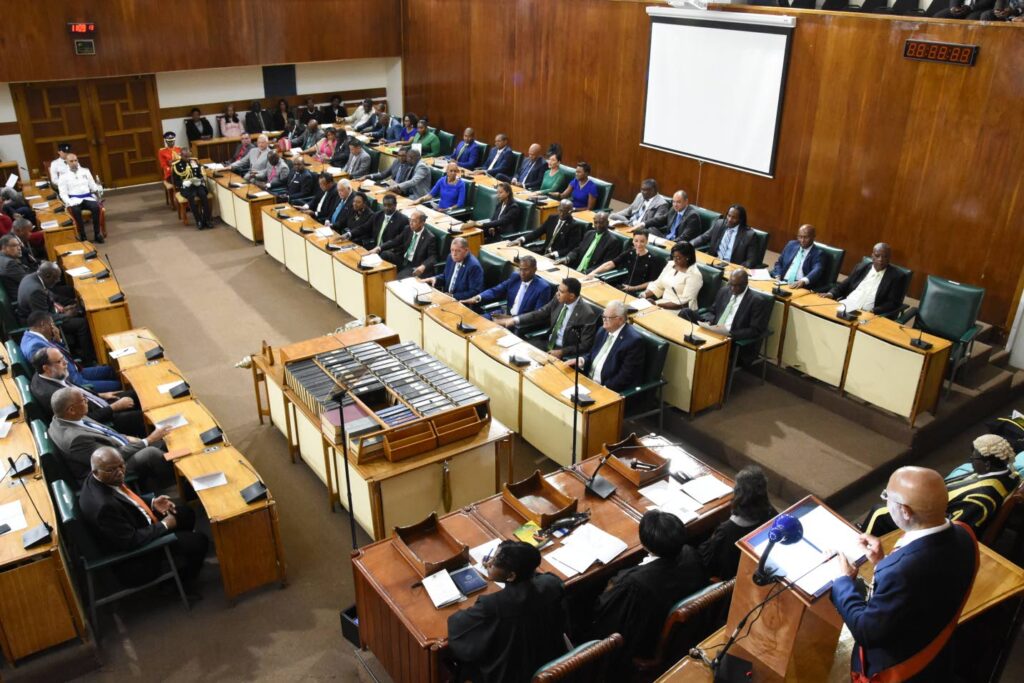
Malfunctioning mic at Gordon House forces temporary suspension of sitting
KINGSTON, Jamaica — What was scheduled to be a routine Wednesday sitting of Jamaica’s House of Representatives got off to a chaotic, delay-plagued start after an unexpected technical failure knocked out the building’s core microphone infrastructure inside Gordon House, the official seat of Jamaica’s parliamentary lower house.
The issue emerged within minutes of proceedings getting underway, when Deputy Speaker Heroy Clarke stepped up to open the session and attempted to activate his wired desk microphone. Instead of capturing his voice, the faulty device emitted a deafening burst of high-pitched audio feedback that completely drowned out Clarke’s remarks, leaving attendees and observers unable to hear a single word.
Parliamentary staff quickly intervened, passing Clarke a portable wireless microphone to allow him to continue his opening address while a team of on-site audio technicians raced to identify the root of the problem and conduct emergency repairs on the chamber’s integrated sound system.
Unfortunately, the backup wireless mic also suffered a failure just minutes into use, leaving parliamentary leaders with no option but to call a temporary suspension of the entire sitting while technical crews worked relentlessly to fully restore full audio functionality to the chamber.
Despite the extended early disruption to the day’s agenda, parliamentary authorities confirmed that the technical issue was eventually fully resolved, allowing the sitting to resume and proceed with its scheduled business as planned. As of Wednesday’s adjournment, official authorities had not yet released any immediate details on what caused the original audio system malfunction.
Reporting by Jerome Williams
-
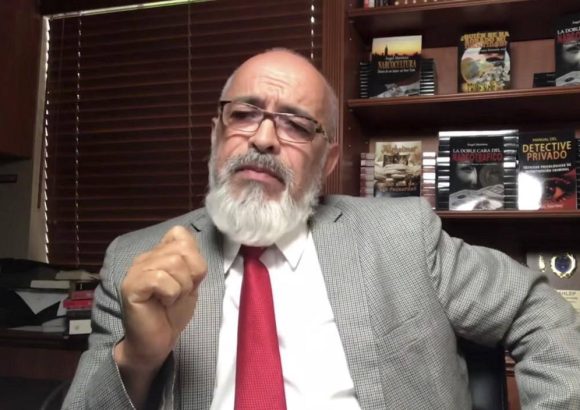
Ángel Martínez sentenced to suspended jail term
In a legal ruling handed down Tuesday in Santo Domingo, Dominican Republic, prominent local broadcaster Ángel Martínez has been convicted on charges of defamation and slander against sitting congressman Sergio Moya, widely known by the nickname “Gory” Moya. Presiding Judge Clara Luz Almonte delivered the verdict, which handed down a three-month suspended prison sentence to Martínez and ordered him to pay 2 million Dominican pesos in civil restitution to the legislator.
The conviction was grounded in Articles 21 and 22 of Law 53-07, the country’s landmark legislation addressing high technology crimes and digital offenses. This regulatory framework specifically imposes criminal and civil penalties for the distribution of defamatory, insulting content through electronic channels and digital social platforms, reflecting the Dominican Republic’s legal efforts to address harmful speech spread through modern digital communication tools.
Beyond the suspended prison term and monetary award, the court’s ruling formalized the requirement that Martínez compensate Moya for lasting harm done to the congressman’s public image and professional reputation. The legal case originated from a series of unsubstantiated accusations the broadcaster made against the legislator, which ultimately led to the defamation suit that concluded this week.
-
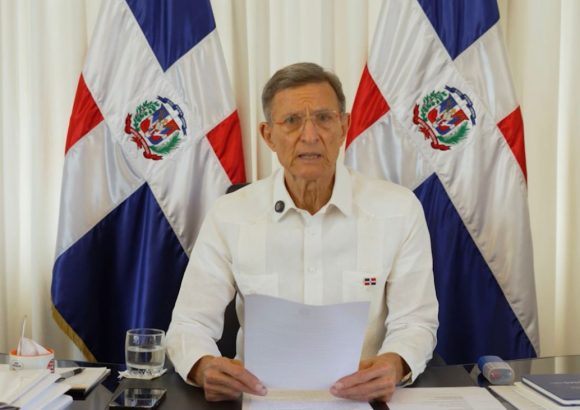
Foreign Minister Roberto Álvarez reaffirms support for Bolivia’s democratic institutions
During a recent virtual meeting of the Organization of American States (OAS) Permanent Council, the Dominican Republic made a clear, firm stand on the unfolding political crisis in Bolivia, officially rejecting all efforts to destabilize the country’s constitutional order and reaffirming its unwavering support for the democratic mandate established by Bolivian voters in the 2025 general election.
Speaking on behalf of the Dominican government at the regional body’s session, Foreign Minister Roberto Álvarez opened his remarks by voicing profound alarm over the intersecting political, social and humanitarian crises currently roiling Bolivia. He pointed specifically to ongoing disruptive actions including widespread road blockades, widespread interruptions to critical public services, and frequent violent clashes between rival groups, emphasizing that these destabilizing acts place the heaviest burden on Bolivia’s most marginalized and vulnerable communities, who lack the resources to cushion themselves against the chaos.
Álvarez went on to underscore the full democratic legitimacy of current Bolivian President Rodrigo Paz and his administration, noting that the government took power through a transparent, widely recognized electoral process. He stressed that no matter how deep political and social divides may run in the country, all disagreements must be channeled through established democratic institutions, rather than through force, intimidation, or overt attempts to overthrow the constitutional order.
The Dominican foreign minister also extended tangible solidarity to Bolivian households that have been pushed into hardship by widespread shortages of essential goods, including food, fuel, and life-saving medication, all of which have been exacerbated by the ongoing unrest. He commended the current Bolivian government for its active efforts to open inclusive dialogue with diverse social and economic sectors across the country, framing these outreach efforts as clear proof that negotiated, mutually acceptable solutions are within reach when all parties are committed to prioritizing national stability over partisan gain.
Additionally, Álvarez recognized the critical humanitarian support provided by Argentina and other partner nations that have worked to speed the delivery of emergency aid supplies to vulnerable populations in Bolivia. He characterized this cross-border assistance as a powerful model of constructive hemispheric cooperation that serves the shared interest of protecting civilian well-being across the region.
In closing, the Dominican Republic reiterated its core position that open dialogue, respect for democratic institutions, and collective regional solidarity are three irreplaceable pillars for restoring calm to Bolivia and safeguarding both the fundamental rights and long-term well-being of the Bolivian people.