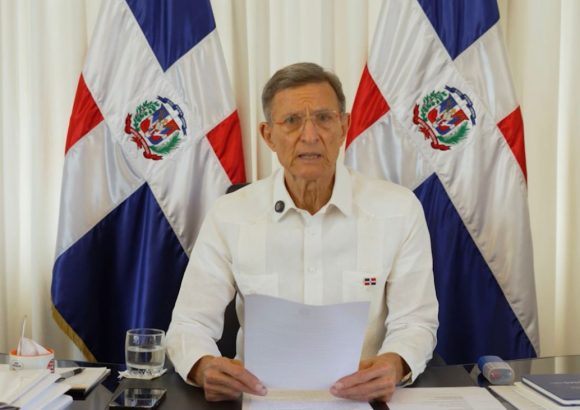
During a recent virtual meeting of the Organization of American States (OAS) Permanent Council, the Dominican Republic made a clear, firm stand on the unfolding political crisis in Bolivia, officially rejecting all efforts to destabilize the country’s constitutional order and reaffirming its unwavering support for the democratic mandate established by Bolivian voters in the 2025 general election.
Speaking on behalf of the Dominican government at the regional body’s session, Foreign Minister Roberto Álvarez opened his remarks by voicing profound alarm over the intersecting political, social and humanitarian crises currently roiling Bolivia. He pointed specifically to ongoing disruptive actions including widespread road blockades, widespread interruptions to critical public services, and frequent violent clashes between rival groups, emphasizing that these destabilizing acts place the heaviest burden on Bolivia’s most marginalized and vulnerable communities, who lack the resources to cushion themselves against the chaos.
Álvarez went on to underscore the full democratic legitimacy of current Bolivian President Rodrigo Paz and his administration, noting that the government took power through a transparent, widely recognized electoral process. He stressed that no matter how deep political and social divides may run in the country, all disagreements must be channeled through established democratic institutions, rather than through force, intimidation, or overt attempts to overthrow the constitutional order.
The Dominican foreign minister also extended tangible solidarity to Bolivian households that have been pushed into hardship by widespread shortages of essential goods, including food, fuel, and life-saving medication, all of which have been exacerbated by the ongoing unrest. He commended the current Bolivian government for its active efforts to open inclusive dialogue with diverse social and economic sectors across the country, framing these outreach efforts as clear proof that negotiated, mutually acceptable solutions are within reach when all parties are committed to prioritizing national stability over partisan gain.
Additionally, Álvarez recognized the critical humanitarian support provided by Argentina and other partner nations that have worked to speed the delivery of emergency aid supplies to vulnerable populations in Bolivia. He characterized this cross-border assistance as a powerful model of constructive hemispheric cooperation that serves the shared interest of protecting civilian well-being across the region.
In closing, the Dominican Republic reiterated its core position that open dialogue, respect for democratic institutions, and collective regional solidarity are three irreplaceable pillars for restoring calm to Bolivia and safeguarding both the fundamental rights and long-term well-being of the Bolivian people.