分类: politics

  • Neither Cayo Granma nor Santiago de Cuba are alone

    Neither Cayo Granma nor Santiago de Cuba are alone

    Cuban President Miguel Díaz-Canel Bermúdez conducted a comprehensive inspection tour of Santiago de Cuba, the province most severely impacted by Hurricane Melissa’s recent devastation. The presidential visit included Cayo Granma, a historic fishing community situated three nautical miles inland from Santiago Bay, where the hurricane’s destructive forces wreaked particular havoc on the island’s infrastructure.

    The presidential delegation, comprising deputy prime ministers, ministers, and key sector directors coordinating recovery efforts, assessed the extensive damage across coastal communities including La Socapa, Caracoles, and Aguadores. Local residents compared Melissa’s destruction to Hurricane Sandy’s impact thirteen years prior, with many describing the recent storm as equally or more devastating.

    Remarkably, comprehensive evacuation procedures prevented casualties or injuries—a point of local pride shared with the visiting president. This marked the first presidential visit to Cayo Granma according to island residents, symbolizing the administration’s commitment to affected regions.

    The tour included Juan Gualberto Gómez Primary School, which had lost its entire roof during the October 29th storm but has since been reroofed and reopened for its 61 students. President Díaz-Canel engaged with students and faculty, discussing educational continuity, meal programs, and athletic facilities. When the president suggested basketball court installation, students unanimously requested soccer facilities instead—a request the president laughingly committed to fulfilling.

    Damage assessments reveal 170 of Cayo Granma’s 256 homes sustained damage, with 15 completely destroyed and 20 partially destroyed. Roof damage affected 115 structures, while 170 mattresses required replacement. Recovery assistance has included approximately 1,000 roofing tiles and food kits from the Cuban government, World Food Programme, Venezuela, and private donations from MSMEs and Cuban citizens.

    At a subsequent Provincial Defense Council meeting, President Díaz-Canel reviewed recovery progress, noting electrical service restoration at 84% completion and damage validation for 48,768 of 141,000 initially reported damaged homes. The president committed to deploying national resources for final recovery pushes, emphasizing that Santiago de Cuba—the cradle of the Cuban Revolution—deserves and will receive full national support in rebuilding efforts.
  • WIN weighing legal options for Region 10 Council chairmanship

    WIN weighing legal options for Region 10 Council chairmanship

    A constitutional impasse over the leadership of Guyana’s Region 10 (Upper Demerara-Upper Berbice) has escalated into a potential legal confrontation, with the We Invest in Nationhood (WIN) party contemplating litigation against Regional Executive Officer Dwight John. The political stalemate stems from John’s failure to convene additional council meetings following September’s general and regional elections, which resulted in an unprecedented 9-9 tie between WIN and A Partnership for National Unity (APNU) for the regional chairmanship.

    WIN Leader Azruddin Mohamed revealed his party is consulting legal counsel before proceeding with potential judicial intervention. “I have to consult with my attorney because to be honest, I don’t know if we take legal action now even that will delay the process further,” Mohamed stated in an interview with Demerara Waves Online News. He expressed frustration with the administration’s handling of the situation, alleging deliberate delays by the governing People’s Progressive Party (PPP).

    The deadlock has created unprecedented consequences for regional governance. President Irfaan Ali notably excluded Region 10’s leadership from Thursday’s swearing-in ceremony for all other regional chairs and vice-chairs. The President maintained constitutional compliance, stating: “I am sure that within the ambit of the Constitution and within the ambit of the rules of any elections that the chair and vice chair of Region 10 will be sworn in at the appropriate time when they conclude their elections.

    Complicating matters further, the impasse has created jurisdictional complications within local government structures. Linden Town Clerk Lennox Gasper confirmed that the situation involves APNU’s Dominique Blair, who refuses to resign as Deputy Mayor while potentially assuming the regional chairmanship. Gasper has sought legal guidance from Attorney General Anil Nandlall regarding whether Blair can simultaneously hold both positions, as no existing legislation explicitly prohibits such dual roles.

    The ongoing constitutional crisis highlights growing tensions in Guyana’s decentralized governance system and raises questions about procedural mechanisms for resolving electoral deadlocks at the regional level.

  • Taiwan : The commune of La Victoire is modernizing

    Taiwan : The commune of La Victoire is modernizing

    In a significant demonstration of bilateral cooperation, Haitian Presidential Transitional Advisor Emmanuel Vertilaire and Taiwanese Ambassador Hu Cheng Hao jointly inaugurated a comprehensive modernization initiative for the commune of La Victoire during recent patron saint celebrations. The high-level delegation’s visit to Vertilaire’s hometown in the Saint-Raphaël district marked a substantial advancement in Haiti-Taiwan diplomatic relations.

    Following ceremonial observances, the officials conducted an extensive assessment of security infrastructure, local development needs, and public utilities. Their inspection included critical facilities such as the La Victoire police station and municipal government offices, where they addressed pressing concerns regarding access to clean drinking water with local authorities.

    The visit culminated in the announcement of four fully-funded development projects that will transform La Victoire into a major construction zone. The initial phase includes building a modern administrative complex, establishing a new public marketplace, renovating the central public square, and implementing comprehensive street paving operations.

    Additionally, three strategic infrastructure proposals are currently under formal consideration: constructing vital road connections linking Pignon/La Victoire/Mombin Crochu to Ouanaminthe, developing the transportation artery connecting La Victoire to Bohoc, and erecting a new National School facility for the community.

    Collaborative efforts with the National Education Fund (FNE) have already commenced for school construction and rehabilitation throughout the municipality. Vertilaire expressed particular satisfaction with the rapid progress achieved in preliminary planning stages for these essential initiatives. The Haitian government has committed an initial 150 million gourdes to launch this transformative modernization program, heralding a new developmental era for the commune.

  • NDP sweeps to power, ending 24-year reign of Gonsalves’ ULP

    NDP sweeps to power, ending 24-year reign of Gonsalves’ ULP

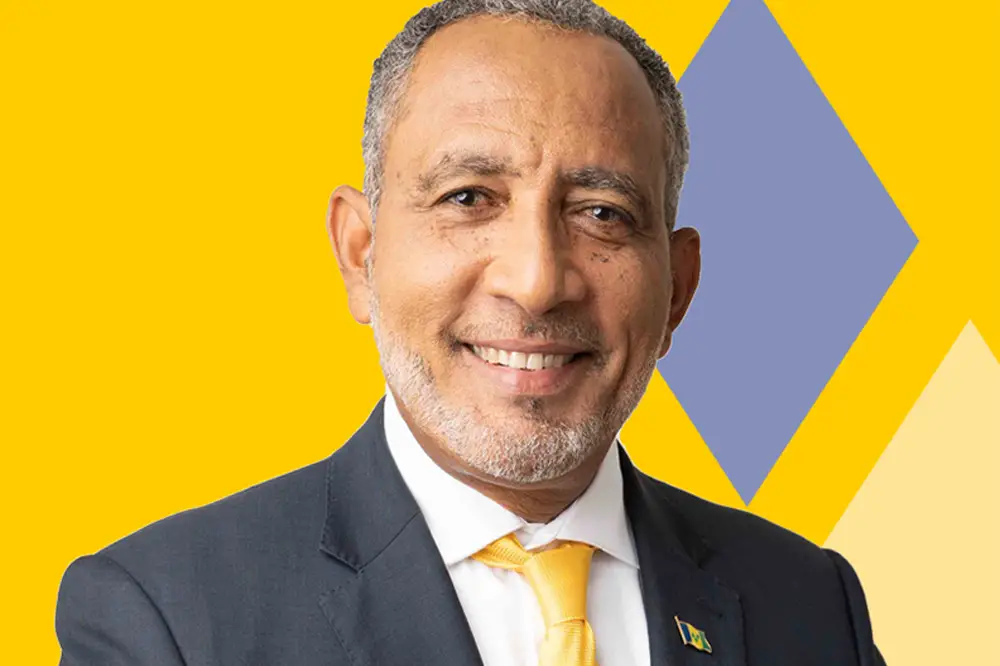
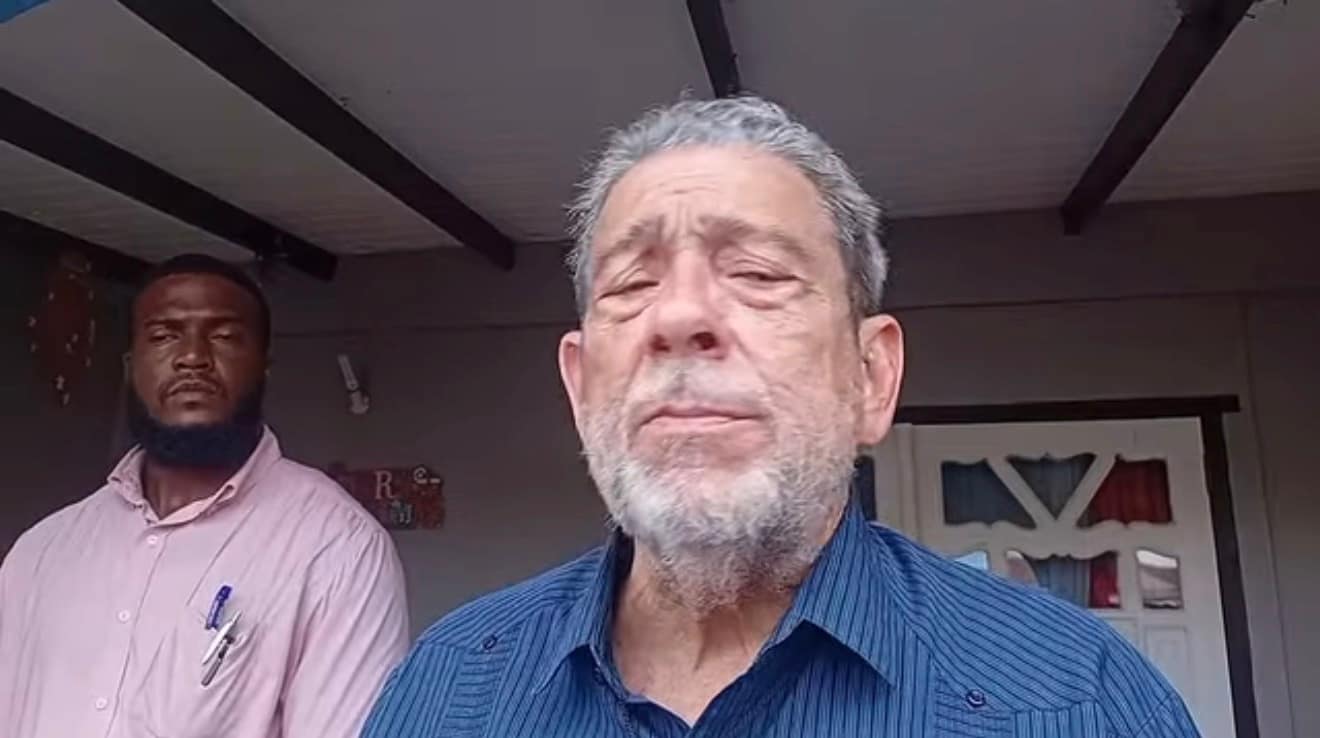
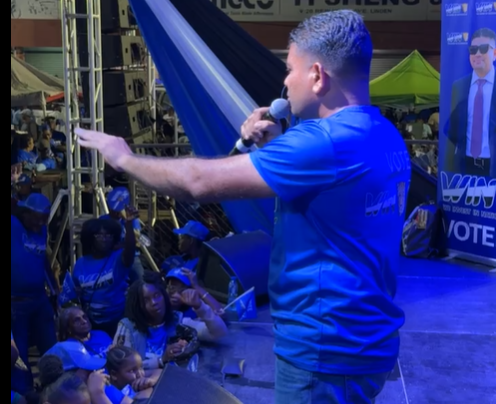
    The Caribbean nation of St Vincent and the Grenadines has witnessed a monumental political transformation as the New Democratic Party (NDP) emerged victorious in Thursday’s general election, conclusively terminating the Unity Labour Party’s (ULP) 25-year governance. This watershed moment represents a profound rejection of Prime Minister Ralph Gonsalves’ administration that had governed since 2001.

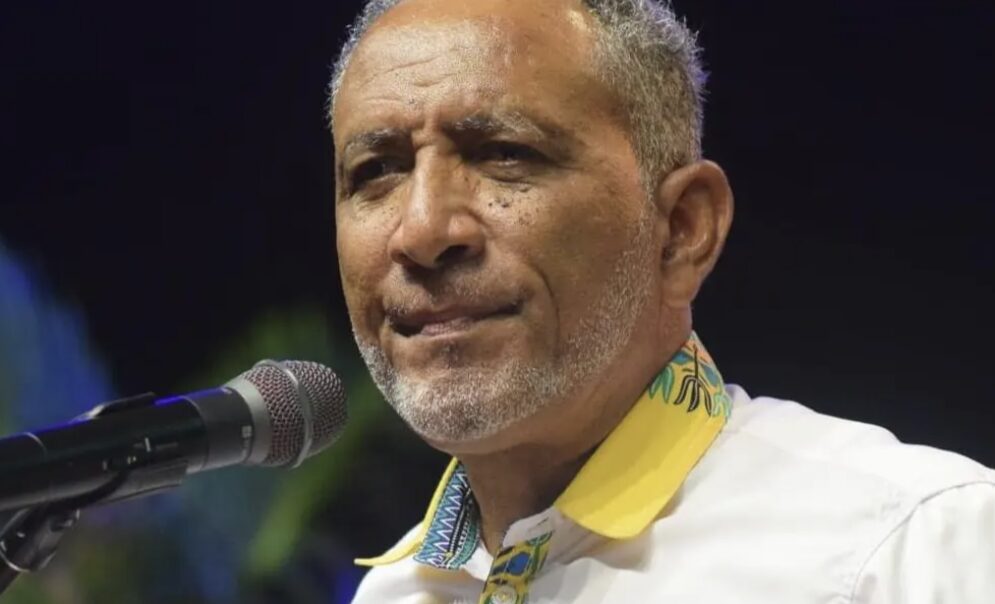
    According to preliminary electoral data, the NDP—under the leadership of Dr. Godwin Friday—secured commanding leads in 12 of the nation’s 15 parliamentary constituencies. This decisive outcome thwarted Dr. Gonsalves’ ambitious attempt to achieve an unprecedented seventh consecutive term in office, marking a significant realignment in the country’s political landscape.

    Despite his party’s comprehensive defeat, Dr. Gonsalves appeared poised to retain his parliamentary position representing the Windward constituency. Simultaneously, Dr. Friday comfortably maintained his electoral stronghold in the Northern Grenadines constituency, positioning him to assume the premiership following this historic political transition.

    The electoral outcome signals a dramatic shift in voter sentiment and ushers in a new era of governance for the Eastern Caribbean nation, with implications for both domestic policy and regional diplomatic relationships.

  • Gonsalves Defeated as Friday Steers NDP to Resurgence in St Vincent

    Gonsalves Defeated as Friday Steers NDP to Resurgence in St Vincent

    In a historic political shift, the New Democratic Party (NDP) has clinched a decisive victory in St. Vincent and the Grenadines’ 2025 general election, marking its return to power after a quarter-century in opposition. The electoral outcome concludes the extensive tenure of incumbent Prime Minister Ralph Gonsalves and his Unity Labour Party (ULP).

    Official results confirm the NDP secured a commanding majority of nine parliamentary seats, effectively ending Gonsalves’ 25-year administration. This victory paves the way for Dr. Godwin Friday, the NDP leader, to ascend as the nation’s seventh Prime Minister since gaining independence. The leadership transition is scheduled to occur imminently.

    The electorate’s decision reflects widespread demand for new governance approaches amid pressing national concerns. Dr. Friday’s incoming administration faces immediate challenges including economic revitalization, social program modernization, and addressing systemic public service issues. Political analysts characterize this election as a watershed moment demonstrating democratic maturity within the Caribbean nation.

    International observers have commended the peaceful electoral process, while regional leaders extend congratulations to Dr. Friday. The Prime Minister-elect has pledged inclusive governance and comprehensive policy reforms, emphasizing economic stability and social equity as paramount priorities for his government’s agenda.

  • NDP secures historic victory in 2025 elections in St. Vincent and the Grenadines

    NDP secures historic victory in 2025 elections in St. Vincent and the Grenadines

    In a historic electoral upheaval, the New Democratic Party (NDP) has achieved a decisive victory in St. Vincent and the Grenadines’ 2025 national elections, conclusively terminating the Unity Labour Party’s (ULP) quarter-century grip on power. This political watershed moment positions Dr. Godwin Friday to ascend as the nation’s seventh prime minister since gaining independence in 1979.

    The electoral outcome represents a profound shift in the Caribbean nation’s governance trajectory, with Friday emerging victorious following an intensely competitive contest against incumbent Prime Minister Ralph Gonsalves, whose administration had guided the island’s destiny for over two decades. The transition marks not merely a change in leadership but potentially a comprehensive reorientation of national policy directions and international alignments.

    Throughout the capital city, jubilant NDP supporters engaged in widespread celebrations, characterizing the triumph as the culmination of persistent opposition efforts and a mandate for transformative governance. Political observers emphasize that this power transfer could precipitate substantial modifications in both domestic agenda-setting and foreign policy engagements.

    The impending swearing-in ceremony, scheduled within days, will formally inaugurate Friday’s administration, presenting the new government with the complex challenge of implementing its campaign commitments while navigating post-election expectations. This transition period generates heightened anticipation regarding policy innovations across economic management, social development, and diplomatic relations.

    Analysts project that the leadership change may stimulate recalibrations in regional partnerships and international cooperation frameworks, as the incoming administration establishes its distinctive governance approach following extensive political incubation in opposition roles.

  • FLASH : Sectoral Table on the Gang Supression Force

    FLASH : Sectoral Table on the Gang Supression Force

    Port-au-Prince witnessed a significant security coordination summit on November 27, 2025, as Prime Minister Alix Didier Fils-Aimé convened the fifth Sectoral Roundtable on Security at the Karibe Hotel. The high-level gathering, orchestrated by the Center for Analysis and Research in Human Rights (CARDH), focused exclusively on operationalizing the transition from the Multinational Security Support Mission (MMSS) to the newly mandated Gang Suppression Force (GSF) under UN Security Council Resolution 2793.

    The strategic dialogue assembled key stakeholders including representatives from the Organization of American States, United Nations agencies, Haitian judicial authorities, the Haitian National Police (PNH), Armed Forces of Haiti (FAd’H), and civil society organizations. This multidisciplinary participation underscored the comprehensive approach required to address Haiti’s escalating security crisis.

    Prime Minister Fils-Aimé characterized the GSF’s establishment as a beacon of hope for the Haitian populace, signaling a transformative phase in combating organized crime and reclaiming territorial control. He revealed concrete deployment timelines, announcing that the first supplementary component of the international force would arrive by mid-December 2025, with full operational capabilities expected by April 1, 2026. The Prime Minister further disclosed plans for a mid-December coordination meeting in New York with nations pledging support to the security initiative.

    Emphasizing the critical need for domestic cohesion, the Prime Minister asserted that strengthened national unity remains indispensable for supporting security operations, combating impunity, and restoring state authority. The roundtable also acknowledged recent commitments from Francophone nations, following a November 20 special session in New York where Chad and Burundi pledged four battalions, while France, Benin, Djibouti, and Equatorial Guinea offered technical, financial, logistical, and personnel support through the International Organisation of the Francophonie (OIF).

  • Office of the Prime Minister Accuses 7News of “Malicious Attacks”

    Office of the Prime Minister Accuses 7News of “Malicious Attacks”

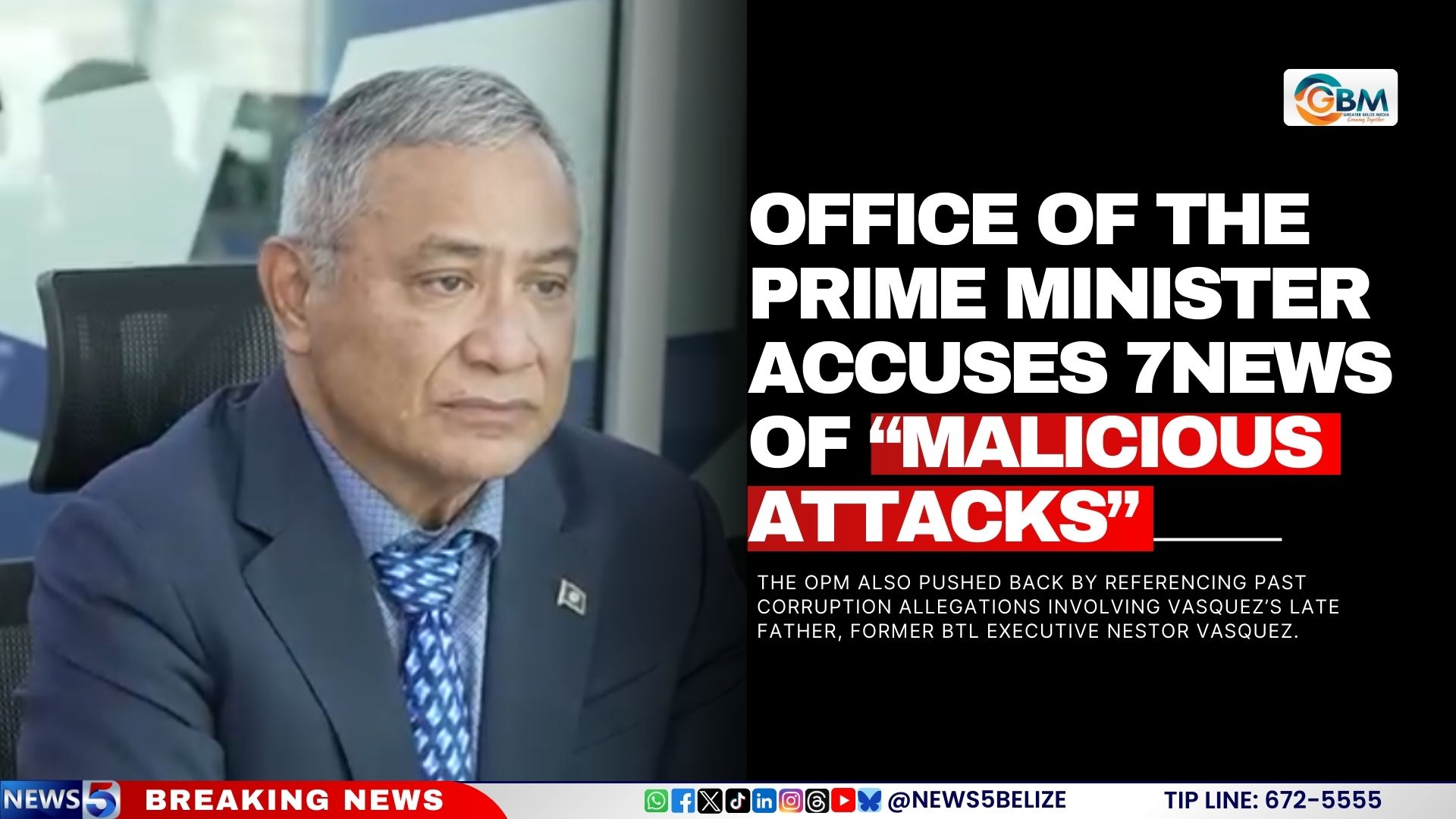
    The Office of the Prime Minister of Belize has launched an extraordinary counteroffensive against Channel 7 News, accusing its Director Jules Vasquez of orchestrating “petty, personal, malicious, and ridiculous attacks” against Prime Minister John Briceño. The escalating conflict emerged following a November 26 social media post by the news outlet connecting PM Briceño to Mexican businessman Raúl Rocha, who faces criminal charges in Mexico.

    The Prime Minister’s Office characterized the reporting as a deliberate attempt to create false associations, emphasizing that Briceño’s 2024 meeting with Rocha occurred within the context of official government business focused on investment and trade opportunities. The OPM statement highlighted that such diplomatic engagements with international business figures fall within the prime minister’s normal professional responsibilities.

    In a striking escalation, the government response referenced past corruption allegations involving Vasquez’s late father, former Belize Telemedia Limited executive Nestor Vasquez. The statement pointedly noted that if Vasquez sought corruption, “he need not look far,” referencing Briceño’s previous meetings with Nestor Vasquez, who had reached a settlement with BTL over funds allegedly misused during his tenure.

    The 405-word official statement maintained that the administration supports press freedom and factual reporting, describing Belize as a democratic nation with the “most accessible prime minister in Belize’s political history.” However, the OPM issued a clear warning that continued personal attacks would prompt the government to pursue “every legal recourse available.”

    When contacted for response, Vasquez offered a terse reply: “Is he ok?” The confrontation represents a significant deterioration in government-media relations in Belize, with potential implications for press freedom and political discourse in the Central American nation.

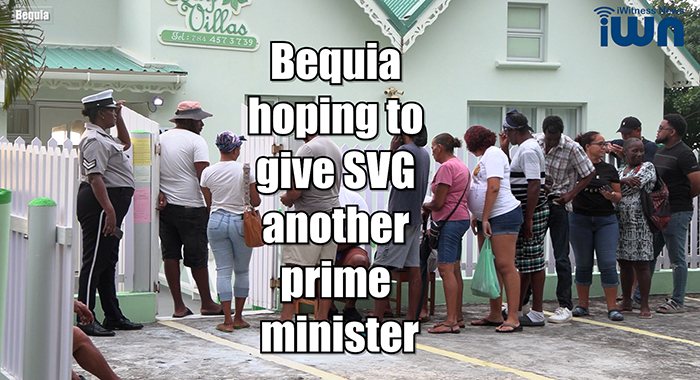
  • VIDEO: Bequia hopes to give SVG another PM

    VIDEO: Bequia hopes to give SVG another PM

    As citizens of St. Vincent and the Grenadines participated in national elections this Thursday, the small island community of Bequia in the Northern Grenadines found itself at the center of a potential historic political achievement. Local residents expressed collective hope that their constituency could become the nation’s first to produce two individuals who have held the office of Prime Minister.

    The electoral process unfolded across the multi-island nation, with voters casting ballots to determine the composition of their next government. This democratic exercise carries particular significance for Bequia, which takes pride in its political heritage. The island previously produced Sir James Mitchell, who served as Prime Minister from 1984 to 2000, establishing a remarkable legacy of leadership.

    Political analysts note that while smaller island communities in archipelagic nations often have limited representation in national governance, Bequia has consistently demonstrated outsized political influence within the Vincentian context. The possibility of producing a second prime minister represents not just local pride but a significant moment in the nation’s political narrative, potentially shifting perceptions about political power distribution across the archipelago.

    The election occurs amid broader regional discussions about governance models in small island developing states, where personal connections and community representation often play crucial roles in political dynamics. Bequia’s unique position highlights how specific geographic communities can maintain sustained political influence within Caribbean democracies, challenging conventional assumptions about political geography in multi-island nations.

  • PM Briceño Met with Raúl Rocha A year Before Drug Trafficking Charges Surfaced

    PM Briceño Met with Raúl Rocha A year Before Drug Trafficking Charges Surfaced

    A high-profile meeting between Belizean Prime Minister John Briceño and Raúl Rocha, president of the Miss Universe organization, has gained renewed significance following Rocha’s indictment on serious criminal charges. Mexican authorities have charged Rocha with leading an international trafficking network involving narcotics, weapons, and fuel between Guatemala and Mexico.

    According to investigative reports, Rocha allegedly orchestrated a sophisticated smuggling operation moving contraband across the Usumacinta River via boat, with subsequent transportation via tanker trucks through Chiapas and Tabasco en route to Querétaro.

    The previously undisclosed meeting occurred in October 2024 at the corporate offices of Rocha’s company, Legacy Holding, during an official visit by Prime Minister Briceño to Mexico City. Two government ministers—Michel Chebat and Dr. Osmond Martinez—accompanied the Prime Minister during the engagement. Rocha subsequently documented the encounter on social media, characterizing the discussions as focusing on “economic development, trade, tourism, and technology opportunities between Mexico and Belize.”

    In response to developing reports, Prime Minister Briceño clarified that this constituted his only encounter with Rocha, emphasizing that his company had expressed interest in Belizean investment opportunities. The government has committed to issuing a formal statement addressing the matter.

    Mexican President Claudia Sheinbaum, who has also met with Rocha, has formally requested the Attorney General’s office to confirm whether an active investigation or arrest warrant exists against the business executive, underscoring the importance of transparent judicial processes.