分类: politics

  • Santiago and Puerto Plata: What will President Luis Abinader do this Sunday?

    Santiago and Puerto Plata: What will President Luis Abinader do this Sunday?

    President Luis Abinader is scheduled to undertake a significant development tour of Puerto Plata this Sunday, highlighting his administration’s commitment to regional infrastructure enhancement. The presidential agenda features the formal inauguration of the newly constructed Holiday Inn Hotel, representing a substantial investment in the region’s tourism sector. This event marks a strategic effort to bolster Puerto Plata’s position as a premier Caribbean destination.

    Following the hotel inauguration, President Abinader will dedicate two major sports facilities: the Gregorio Luperón Sports Center and the Gustavo Behall Club Sports Center. These projects signify substantial government investment in athletic infrastructure and community development, providing modern training facilities for local athletes and recreational spaces for residents.

    The presidential itinerary also includes a diplomatic visit to Monsignor Julio César Corniel Amaro, Bishop of the Diocese of Puerto Plata, demonstrating the administration’s engagement with religious leadership and community values. The day will conclude with the launch of “The Route of Encounter” project at Historic La Isabela, an initiative expected to promote cultural tourism and highlight the region’s historical significance.

  • Asabina: Geen gelegenheidswetgeving, maar noodzakelijke versterking rechtsstaat

    Asabina: Geen gelegenheidswetgeving, maar noodzakelijke versterking rechtsstaat

    In a significant address to the National Assembly on Friday, Ronny Asabina, co-initiator of Suriname’s judicial reform package and BEP representative, emphatically defended the proposed legislative changes as essential measures to reinforce the nation’s rule of law rather than undermine individuals or institutions. Asabina revealed that the preparatory phase left “nothing to chance,” involving extensive consultations with stakeholders, experts, and civil society actors.

    The parliamentarian expressed strong disapproval of what he characterized as a climate rife with “political games” and “false perceptions” surrounding the legislative debate. He specifically countered claims that the proposals aimed to relinquish “power over the Public Prosecutor’s Office and judiciary” or diminish the authority of the Attorney General. Despite the contentious atmosphere, Asabina acknowledged the process remained productive, with meaningful contributions emerging from multiple factions including opposition members.

    Central to Asabina’s argument was addressing societal concerns about damaged legal perception and unequal application of justice. He emphasized institutional strengthening as crucial for restoring public trust, particularly referencing whistleblowers and citizen expectations that justice should be tangibly experienced by all. The need for expedited processing times and clear resolution deadlines within the criminal justice system emerged as recurring discussion points, with Asabina warning against perceived differential treatment between theft and corruption cases.

    The proposed constitutional amendment recognizing indigenous peoples as original inhabitants held particular significance for Asabina, who shared personal experiences from interior communities questioning their Surinamese identity. He framed constitutional recognition as a matter of principle, noting Suriname’s international treaty obligations make such provisions legally defensible.

    Regarding the introduction of cassation jurisprudence, Asabina highlighted broad support for this additional legal review mechanism, noting Suriname lags behind other nations in judicial modernization. He clarified that while the constitutional provision is currently debated, the specific model selection remains open for discussion.

    The proposed College of Attorney General primarily aims to strengthen and restructure the Public Prosecutor’s Office through modernization, with expected benefits including efficiency, legal certainty, and improved checks and balances. Asabina stressed the importance of maintaining prosecutorial independence while acknowledging parliamentary support remains varied across proposal components.

    Addressing criticism about changing his position on the retirement age reduction from 70 to 65, Asabina defended the possibility of correction based on new insights, noting judicial willingness to discuss age limits.

    Concluding his address, Asabina emphasized that the process involves creating enabling conditions for improved legal protection rather than rushing to produce “ideal laws.” The initiators plan to pause after this round for further consultation with relevant actors, inviting all National Assembly members to share insights for developing a more broadly supported final product.

  • Bouva in  Dubai: Suriname zet in op regionale projecten voor toerisme, transport en sargassum

    Bouva in Dubai: Suriname zet in op regionale projecten voor toerisme, transport en sargassum

    Suriname’s Foreign Minister Melvin Bouva has led a diplomatic delegation to the 10th International Cooperation Conference of the Association of Caribbean States (ACS), held during the World Governments Summit in Dubai. The high-level gathering focused on enhancing collaborative frameworks between Caribbean nations and the MENA region (Middle East and North Africa).

    During the conference’s opening sessions dedicated to regional projects for 2026–2030, Minister Bouva strategically positioned Suriname as both a key partner and beneficiary of initiatives across three critical sectors: tourism development, coastal and river transportation systems, and sargassum seaweed management. The minister articulated how tourism diversification could stimulate economic transformation, emphasized Suriname’s geographic advantages for improved transport connectivity, and highlighted the necessity of scientific capabilities and coastal protection measures for sustainable development.

    On the second day, Bouva contributed to dialogues addressing urgent priorities for the Greater Caribbean region. He advocated for a collective approach to regional challenges, proposing that nations should move beyond raw material exports and instead leverage their natural resources, strategic locations, and cultural heritage as foundational elements for sustainable economic growth.

    Suriname’s participation underscored its commitment to economic strengthening through regional integration and international partnerships. The delegation noted that Suriname had hosted a previous edition of this conference in 2024, reinforcing its ongoing dedication to regional cooperation mechanisms.

  • FLASH : Address to the Nation by Prime Minister Fils-Aimé (video)

    FLASH : Address to the Nation by Prime Minister Fils-Aimé (video)

    In a momentous national address marking Haiti’s constitutional milestone on February 7th, Prime Minister Alix Didier Fils-Aimé delivered a solemn declaration of the nation’s path forward following the conclusion of the Presidential Transitional Council’s mandate. The Prime Minister’s speech, characterized by its grave tone and profound sense of national duty, emphasized February 7th as symbolizing republican continuity, popular sovereignty, and the Haitian people’s unwavering aspiration for freedom, security, and dignity.

    While acknowledging the efforts and sacrifices made by the CPT members during nearly two years of extreme complexity, Fils-Aimé conceded that the transition process remains incomplete. Persistent insecurity and the inability to conduct elections within originally scheduled timelines have hampered progress. Nevertheless, the Prime Minister resolutely affirmed that Haiti will not yield to discouragement or internal division, maintaining that the transition’s core mission remains unchanged: restoring security, organizing free and democratic elections, and transferring power to legitimately elected leadership.

    The address contained strong commitments to combatting the nation’s security crisis, with Fils-Aimé promising relentless pursuit of armed gangs and their accomplices. The Haitian National Police and Armed Forces will operate with intensified coordination and continuity until complete territorial control is reestablished and peace returns to communities. Recognizing widespread social suffering, the government will immediately implement an emergency humanitarian plan providing food assistance, healthcare, and shelter to vulnerable populations, asserting that security and dignity must advance together.

    Fils-Aimé issued a powerful appeal for national unity, inviting all sectors—political parties, civil society, private sector, religious leaders, artists, youth, women, farmers, and the diaspora—to transcend divisions and unite around a republican pact centered on security, elections, and economic recovery. The international community received both gratitude for existing support and a call for strengthened, coordinated commitment to Haiti’s stability and gang violence eradication.

    In a solemn pledge, the Prime Minister vowed to lead this decisive phase with truth, courage, firmness against terror, and humanity toward the suffering population, ensuring state impartiality and guaranteeing freedoms, justice, and electoral transparency. Concluding with a call for trust, courage, and civic vigilance, Fils-Aimé affirmed that a united people never loses its way, declaring: ‘The time for coming together has come. The State is reclaiming its place. Life must go on. Haiti will not perish.’

  • Politic : Transfer of power and speech by Laurent Saint-Cyr (video)

    Politic : Transfer of power and speech by Laurent Saint-Cyr (video)

    Port-au-Prince, Haiti witnessed a significant political transition on February 7, 2026, as the Presidential Transitional Council (CPT) formally concluded its mandate in a ceremony at the Villa d’Accueil. Outgoing President and Council Coordinator Laurent Saint-Cyr officially transferred authority to Prime Minister Alix Didier Fils-Aimé, adhering to the constitutional provisions outlined in the CPT-establishing decree while emphasizing the importance of governmental continuity.

    The transfer ceremony was attended by high-ranking officials including government ministers, the Director General of Police, the Commander-in-Chief of the Armed Forces, representatives from the Anti-Gang Force, and members of the diplomatic corps, underscoring the event’s significance in Haiti’s political landscape.

    In his farewell address, Saint-Cyr characterized February 7th as a day of reflection and learning, acknowledging that Haiti’s ongoing governance crisis stems from multiple complex factors. He described the CPT’s mandate as an exceptionally challenging undertaking, noting that promised resources and support essential for fulfilling their mission failed to materialize. Despite these challenges, Saint-Cyr clarified that Haiti would not experience an institutional void following the CPT’s dissolution, as stipulated by the April 3rd Agreement. He confirmed that Prime Minister Fils-Aimé and the Council of Ministers would continue their work to stabilize the nation, with Marie Élisabeth Régine Joseph Haddadla, Secretary General of the Presidency, assuming responsibility for safeguarding the institution’s integrity.

    In response, Prime Minister Fils-Aimé expressed gratitude to the departing CPT members and announced his immediate plans to address the nation that evening. He further revealed intentions to convene an extraordinary cabinet meeting promptly to initiate governmental operations without delay, signaling a commitment to maintaining administrative momentum during this transitional phase.

  • Government responds to Inter-American Commission on Human Rights: “No State can be forced to assume the protection of another”

    Government responds to Inter-American Commission on Human Rights: “No State can be forced to assume the protection of another”

    The Dominican Republic has issued a formal rebuttal to the Inter-American Commission on Human Rights (IACHR) regarding concerns about its migration policies, asserting its sovereign right to regulate border control while maintaining human rights protections. The government’s response, dated February 2026, addresses what it characterizes as disproportionate criticism from the regional body.

    In its comprehensive statement, the Dominican government emphasized its dual commitment to upholding human rights principles while enforcing national immigration laws. Authorities framed the nation’s migration challenges within the context of Haiti’s prolonged political and humanitarian crisis, which has created sustained migratory pressure on the Dominican Republic for decades.

    The Caribbean nation defended its immigration measures as necessary responses to extraordinary circumstances, stating that no sovereign state can be compelled to provide protection or services to another country’s population during governmental collapse. The government specifically rejected the IACHR’s recommendation to broadly apply the principle of non-refoulement to migrants in irregular status, arguing this would effectively force the Dominican State to accept unlimited Haitian immigration.

    Regarding healthcare access, officials clarified that emergency medical services are never denied based on immigration status, with special protocols implemented for vulnerable groups including pregnant women, children, and patients with special needs. The statement also highlighted infrastructure improvements at immigration processing centers and a zero-tolerance policy toward inhumane treatment.

    The Dominican government expressed concern that the IACHR appeared to prioritize unverified allegations over official data, while simultaneously reaffirming its commitment to technical cooperation with the Commission based on mutual respect and good faith. Authorities emphasized that balanced solutions must incorporate verifiable information and recognize the regional context of the migration crisis.

  • Reyme: perceptie van klassejustitie ondermijnt rechtsstaat

    Reyme: perceptie van klassejustitie ondermijnt rechtsstaat

    In a comprehensive address to the National Assembly on Friday, Assembly member Steven Reyme (A20) articulated the critical necessity for immediate judicial reform in Suriname. As a co-initiator of the legislative package, Reyme emphasized that the proposed reforms target the fundamental structure of the nation’s judicial system rather than individual personalities or power dynamics.

    Reyme presented five compelling arguments for urgent judicial modernization. First, he highlighted the essential restoration of public trust, noting widespread perceptions of ‘class justice’ among citizens. “Without independent judges and equal rules for all, confidence will not return,” he asserted. Second, he stressed the economic imperative of legal certainty, particularly as Suriname develops its oil, gas, and tourism sectors, where predictable jurisprudence is prerequisite for foreign investment.

    Third, Reyme addressed the critical need for protection against political influence—both actual and perceived—stating that even the appearance of interference undermines judicial integrity. Fourth, he pointed to institutional professionalization and capacity building within a judiciary struggling with resource shortages, outdated structures, and limited career advancement opportunities. Finally, he emphasized future-proof legal development through cassation and consistent legal interpretation.

    The proposed reforms include constitutional amendments granting indigenous recognition as Suriname’s original inhabitants—a correction Reyme described as addressing historical omission rather than symbolic gesture. Other measures include appointing the Attorney General for life upon judicial advice, reducing the mandatory retirement age from 70 to 65 to encourage rejuvenation, and implementing fixed 30-day deadlines for judicial appointment recommendations to prevent delays.

    Regarding the introduction of cassation and a supreme court, Reyme expressed personal preference for a domestic High Council while remaining open to regional alternatives if they enhance legal quality and accessibility. He concluded by emphasizing the package’s institutional focus: “This legislation requires trust not in persons, but in institutions. We bear responsibility to leave a judiciary stronger than ourselves.”

  • STATEMENT: Arrival of CARICOM Election Observation Mission – General elections of Barbados

    STATEMENT: Arrival of CARICOM Election Observation Mission – General elections of Barbados

    The Caribbean Community (CARICOM) has formally established a specialized Election Observation Mission to monitor Barbados’ upcoming General Election scheduled for February 11, 2026. This multinational delegation arrived following an official invitation from the Barbadian government dated January 27, 2026, and will maintain presence in the country from February 5 through February 13 to ensure comprehensive electoral oversight.

    The mission leadership comprises distinguished electoral experts from three CARICOM member nations: Mr. Ian S. Hughes, Supervisor of Elections from Antigua and Barbuda Electoral Commission, serves as Chief of Mission. He is supported by Deputy Chief of Mission Ms. Josephine Tamai, Chief Elections Officer of Belize, and Mr. Andrew Smith, Regional Manager from Jamaica’s Electoral Commission. Administrative support is provided by three CARICOM Secretariat staff members specializing in community and foreign relations.

    Since their arrival on February 5, the observation team has initiated critical dialogues with key stakeholders including Barbados’ Commissioner of Police, senior law enforcement officials, the Barbados Christian Council, and media representatives. The mission’s agenda includes forthcoming high-level meetings with Prime Minister Mia Amor Motley (Barbados Labour Party), Opposition Leader Ralph Thorne (Democratic Labour Party), Electoral and Boundaries Commission Chair Ramon Alleyne, and Chief Electoral Officer Sherland Turton, alongside engagements with civil society organizations and additional political parties.

    The observation protocol encompasses comprehensive monitoring throughout election day, including polling station operations from opening to closing procedures, vote casting mechanisms, ballot counting processes, and results declaration. The mission will also evaluate post-election developments before issuing a Preliminary Statement containing initial assessments prior to their departure.

    A comprehensive Final Report detailing the mission’s findings and recommendations will be submitted to CARICOM Secretary-General Dr. Carla Barnett for subsequent public dissemination. The observation mission acknowledges the cooperative reception from Barbadian authorities and expresses commitment to supporting democratic integrity during this electoral process.

  • COMMENTARY: Does The Usa Really Care About Our Criteria For Accepting Deportees?

    COMMENTARY: Does The Usa Really Care About Our Criteria For Accepting Deportees?

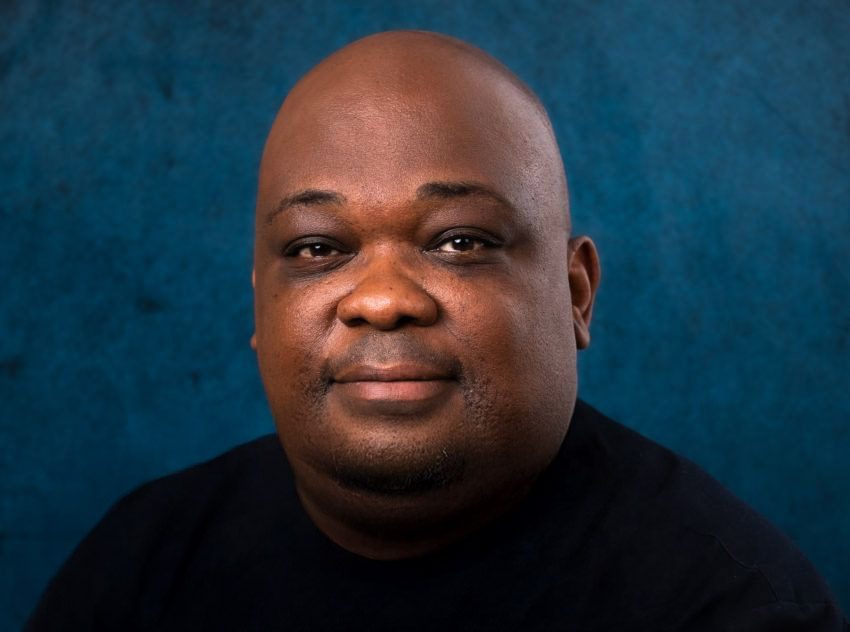
    By Yves Ephraim

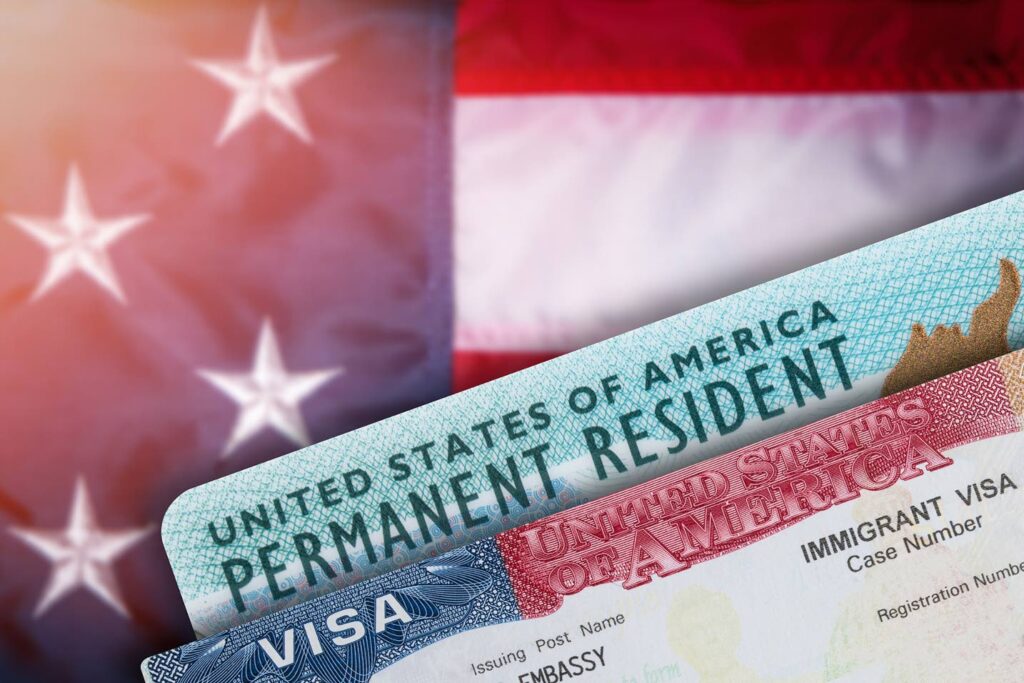
    A provocative analogy has emerged to characterize the response of Caribbean Community (CARICOM) leaders to United States immigration pressures. The narrative depicts a scenario where a woman, confronted by an overpowering assailant in her own home, abandons resistance and instead negotiates the terms of her violation. This disturbing parallel serves as a metaphor for how regional governments are handling Washington’s insistence that they accept criminal deportees.

    The core issue centers on the perceived capitulation of Caribbean leadership. Rather than issuing flat refusals to accept deportees who may destabilize their societies, these nations have engaged in procedural negotiations. Grenada’s Prime Minister, for instance, has been praised by some commentators for establishing criteria regarding transportation costs and accommodation standards for deportees. The author vehemently rejects this perspective as dangerously naive.

    The fundamental power imbalance remains unaddressed: if Caribbean nations cannot refuse deportation requests outright, what guarantees exist that negotiated standards will be honored? The article argues that establishing conditions for acceptance while lacking ultimate refusal power constitutes self-deception. The author characterizes this as a sovereignty violation comparable to historical subjugation, noting that leaders have spun this dynamic as somehow representing regional control.

    Particular scorn is reserved for suggestions that Caribbean nations might selectively accept deportees who could contribute to national development. The piece dismisses this as fantastical thinking, emphasizing that recipient countries ultimately have no meaningful selection authority. The conclusion presents a damning assessment: Caribbean leaders have surrendered to inevitable domination while pretending to negotiate terms, embodying a tragic failure of political leadership and sovereign protection.

  • Observers vow to address voter list concerns but ‘won’t intervene’ in poll

    Observers vow to address voter list concerns but ‘won’t intervene’ in poll

    A specialized Caribbean Community (CARICOM) Elections Observer Mission has commenced operations in Barbados ahead of Wednesday’s general election, emphasizing its commitment to addressing concerns regarding voter list integrity while maintaining strict non-interference protocols.

    The three-member delegation, arriving Thursday at the government’s invitation, held its inaugural press conference at Hastings’ Indigo Hotel where Mission Chief Ian Hughes outlined their observational mandate. The team will meticulously examine criticisms surrounding the final electoral register scheduled for publication Saturday, according to Electoral and Boundaries Commission Chairman Ramon Alleyne.

    Hughes clarified the mission’s constrained authority: “Barbados is a sovereign state, and consequently we cannot intervene in your electoral proceedings. Our function entails observation, stakeholder consultation, and ultimately, the formulation of recommendations based on factual documentation.” He emphasized that while missing voter names fall within their purview—recognizing the electoral register as fundamentally critical—any legal challenges would remain the exclusive domain of local stakeholders.

    The observers have initiated dialogues with key institutions including the police commissioner’s high command, the Barbados Christian Council, and media representatives. Scheduled meetings with Prime Minister Mia Mottley, Opposition Leader Ralph Thorne, and electoral officials will provide comprehensive insights into pre-election preparations.

    Throughout election day, the mission will monitor polling station operations from opening to ballot counting and results declaration, subsequently assessing the post-election environment. Before departing Friday, the team will issue preliminary findings, with a detailed final report to be submitted to CARICOM Secretary-General Dr. Carla Barnett for public dissemination.

    Hughes noted Barbados’s vibrant digital campaign atmosphere, observing that “social media appears to be the primary arena for political engagement,” while acknowledging traditional media’s role. He reminded citizens of their civic responsibility, stating: “Many have sacrificed their lives to secure our democratic franchise—this privilege demands thoughtful exercise.”

    The multinational team comprises senior electoral officials from Antigua and Barbuda, Belize, and Jamaica, supported by three CARICOM Secretariat staff providing logistical coordination. An additional member is expected to join the mission Saturday.