分类: politics

  • Campbell urges disaster recovery fund for agri/fisheries sectors

    Campbell urges disaster recovery fund for agri/fisheries sectors

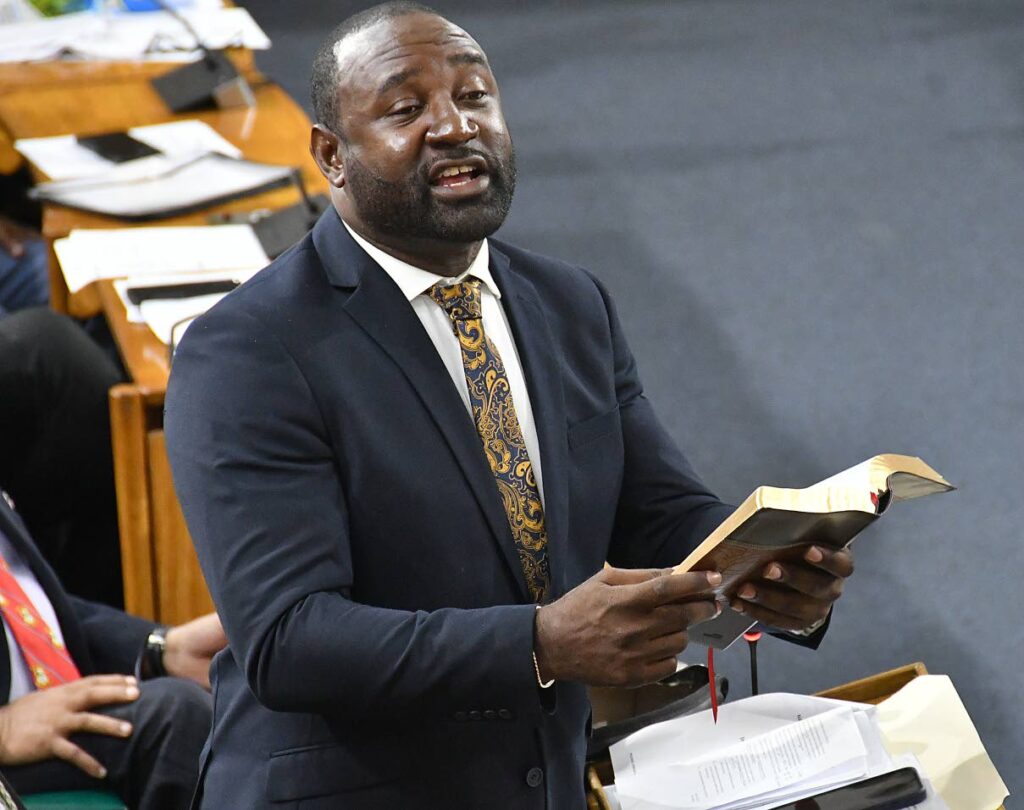
    Jamaica’s Opposition spokesperson for agriculture and fisheries, Dr Dayton Campbell, is pushing the government to establish a permanent dedicated fund to deliver rapid relief to farmers and fishers whose livelihoods are damaged by natural disasters and extreme weather events. Dr Campbell, who also serves as the Member of Parliament for Westmoreland Eastern, laid out this proposal during a sectoral debate session in Jamaica’s House of Representatives on Tuesday.

    Campbell emphasized that Jamaica can no longer rely on ad-hoc relief mechanisms created after disaster strikes. Too often in the past, disaster support for agricultural producers has only been assembled following major events like hurricanes, floods or droughts, requiring rushed cabinet approvals and dependent on last-minute budget reallocations from the Ministry of Finance. By the time emergency funding is approved, many small producers have already lost their entire livelihoods, he argued.

    Instead of this reactive model, Campbell proposed a standing national disaster recovery fund that receives annual allocations through the regular national budget, keeping it ready for immediate activation whenever the agriculture or fisheries sectors are hit by a climate event or disaster. Jamaica has long known it faces consistent climate risks including hurricanes, prolonged droughts, severe flooding, landslides, storm surges and outbreak of livestock and crop diseases, he noted. It is irresponsible to continue responding to these predictable, recurring risks with improvised, last-minute systems, the opposition lawmaker added.

    Given the critical role that agriculture and fisheries play in upholding Jamaica’s national food security, Campbell stressed that the government cannot afford to delay planning until after damage is already done. A proactive, rather than reactive, approach is needed, and a permanent fund will shift the country’s disaster response from chaotic reaction to structured readiness, he explained. With a pre-funded permanent mechanism in place, the government will be able to deliver timely support to affected producers without forcing them to wait months for special budget allocations, supplementary funding approvals or public emergency appeals.

    To guarantee operational accountability and readiness, Campbell proposed that the fund’s activation be guided by clear, pre-defined eligibility and trigger criteria. For example, the fund would automatically be unlocked when a verified extreme event causes sector damage that exceeds a pre-set threshold, with damage confirmation provided by official bodies such as the Office of Disaster Preparedness and Emergency Management or the relevant government ministry. Having clear protocols and damage thresholds in place will give agricultural and fisheries producers greater confidence that support will arrive quickly and predictably through a transparent, established system when disaster hits, Campbell said.

    Outlining five core objectives for the fund, Campbell first called for it to provide targeted emergency grants to small-scale farmers and fishers that have verified losses. One-size-fits-all support is inadequate, he noted: a farmer losing grain crops faces a different set of losses than one losing livestock, irrigation infrastructure, greenhouses or farm buildings, just as a fisher losing traps has different needs than one losing an entire boat, engine or full set of fishing gear.

    Second, the fund should cover the replacement of critical productive assets required for producers to restart their work. For farmers, this would include tools, irrigation systems, water storage tanks, fencing, greenhouse building materials, livestock housing, farm machinery, seeds, seedlings, fertilizer, animal feed and livestock medication. For fishers, covered assets would include boats, engines, nets, traps, required safety equipment, coolers, storage containers and all other gear needed to return to fishing safely and in compliance with national regulations.

    Third, Campbell recommended the fund provide temporary livelihood support to producers whose incomes are fully disrupted by disaster, while the fourth core objective would be to support rapid replanting of crops and restocking of livestock to speed up the sector’s recovery. The fifth and final objective would be to subsidize affordable insurance products for small farmers and fishers, including parametric insurance coverage tailored to common climate risks like hurricanes, drought and excessive rainfall.

    Campbell stressed that for the fund to deliver on its promises, it must be well-structured, fully transparent and earn the trust of the producers it is designed to serve. It must not become another vague, discretionary programme plagued by delays or political favoritism, he said. Instead, it must operate according to clear rules, public timelines and formal accountability frameworks. Eligibility criteria must be published publicly, so that all farmers and fishers can understand who qualifies for support, what types of losses are covered, what documentation is required to file a claim, and what forms of support are available to them. The public must also have clear information on whether assistance will come in the form of grants, subsidies, low-interest loans, or a mix of these options, with an application process that is simple, accessible and responsive to the needs of struggling producers, Campbell added.
  • US sanctions interrupt Visa, Mastercard payments in Cuba — central bank

    US sanctions interrupt Visa, Mastercard payments in Cuba — central bank

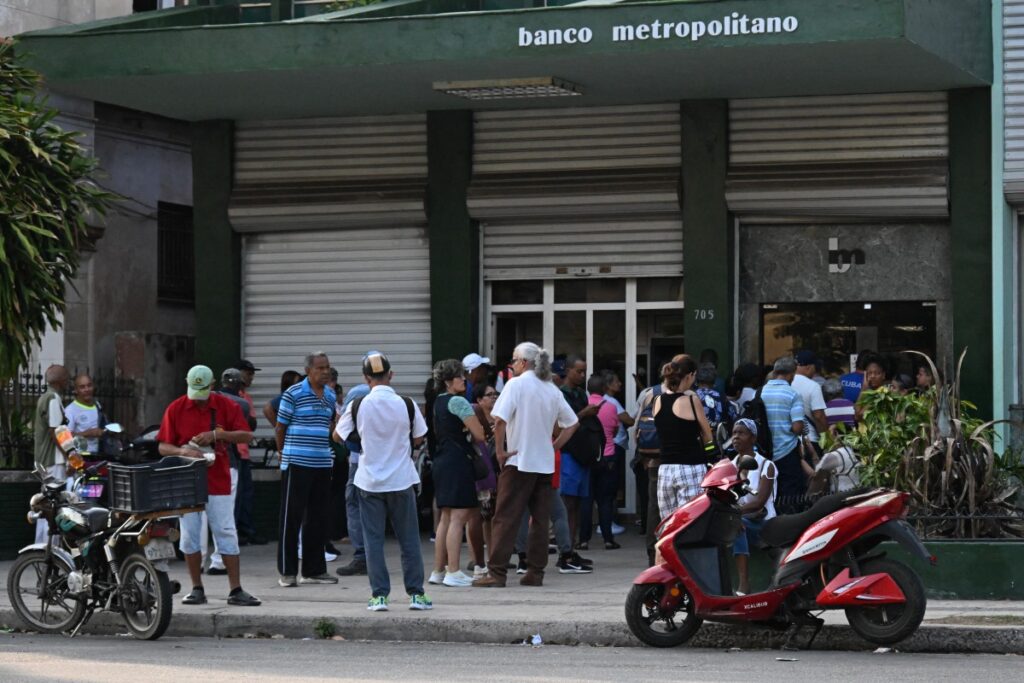
    HAVANA, Cuba — Cuba’s central bank announced Wednesday that all Visa and Mastercard payment operations across the island will be halted this weekend, after sweeping United States economic sanctions pushed a key international processing bank to cut off its business relationship with a Cuban state-affiliated financial entity. In an official public statement, the central bank confirmed that it received formal notification of the exit on June 2. The processing bank, which has overseen all Visa and Mastercard card-based transactions within Cuba’s borders, said it would end its contractual agreement with Fincimex SA, the entity designated to manage these international card payments for the Cuban government. Fincimex operates as the financial subsidiary of GAESA, a large military-led conglomerate that has long been targeted by US economic sanctions imposed on Cuba. This development marks another significant disruption to Cuba’s access to global financial networks, exacerbating existing economic pressures that have limited the country’s ability to facilitate international commerce and serve foreign visitors who rely on global card payments during their stay. The suspension comes as US sanctions on Cuban entities remain in place, with little indication of near-term adjustments to the long-standing restrictive trade and financial policy. Cuban financial officials have not yet announced an alternative workaround for processing international card payments, leaving many in the tourism and commercial sectors bracing for new disruptions.

  • Trinidad and Tobago welcomes election to UN Security Council

    Trinidad and Tobago welcomes election to UN Security Council

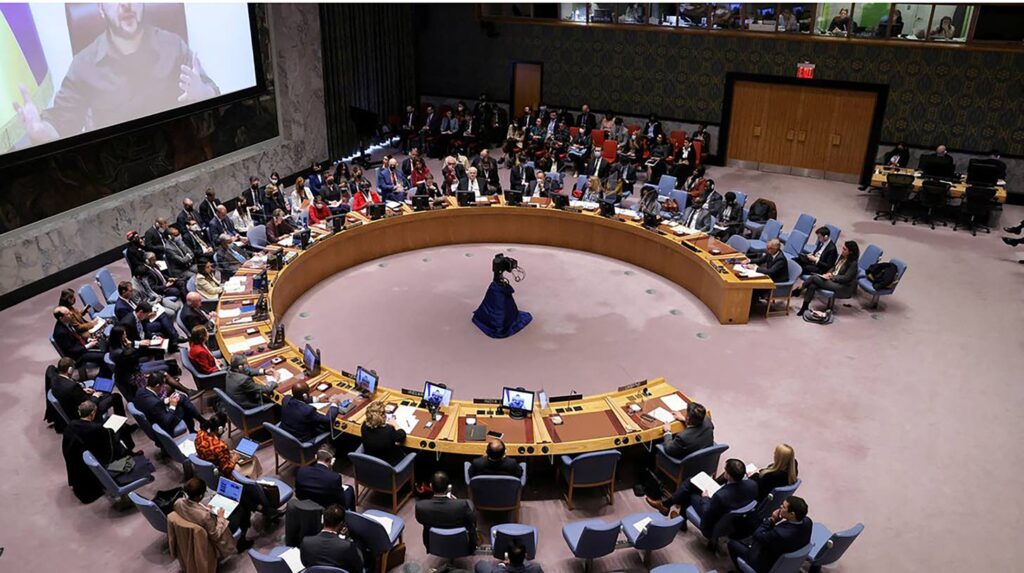
    PORT OF SPAIN, Trinidad – In a landmark victory for the small Caribbean nation, Trinidad and Tobago’s government has celebrated its successful election as a non-permanent member of the United Nations Security Council, a win officials frame as a transformative step to amplify the country’s influence in global diplomatic circles.

    Elected during a vote of the United Nations General Assembly, the Caribbean Community (Caricom) member will hold the two-year post from 2027 through 2028. Out of votes cast, Trinidad and Tobago earned 181 endorsements, a total that easily cleared the mandatory two-thirds majority threshold required to claim the seat. As the sole candidate put forward by the Latin American and Caribbean Group (GRULAC), the nation faced no competing challengers for the opening, and will officially take up its responsibilities on January 1, 2027.

    In an official statement released Wednesday, the Ministry of Foreign and Caricom Affairs emphasized that the Security Council seat will create expanded opportunities for Trinidad and Tobago to contribute meaningfully to high-stakes global conversations spanning peacebuilding, international security, sustainable development, and cross-border cooperation. Beyond bolstering the country’s participation in global governance, the ministry noted the appointment will strengthen Trinidad and Tobago’s diplomatic standing, boost its clout among the international community, and unlock new pathways to build strategic partnerships and deepen engagement with nations across the globe.

    This is not Trinidad and Tobago’s first turn at the Security Council table: the country previously held a non-permanent seat for the 1985–1986 term. Notably, the government confirmed that the nation earned the full support of all five permanent members of the Security Council – the United States, United Kingdom, France, China, and Russia – in its campaign.

    Trinidad and Tobago is the latest Caricom nation to claim a spot on the powerful UN body. The most recent previous holder from the regional bloc was St. Vincent and the Grenadines, which served the 2020–2021 term from January 1, 2020 to December 31, 2021.

  • Democratic Labour Party marks Barrow anniversary with renewed focus on legacy

    Democratic Labour Party marks Barrow anniversary with renewed focus on legacy

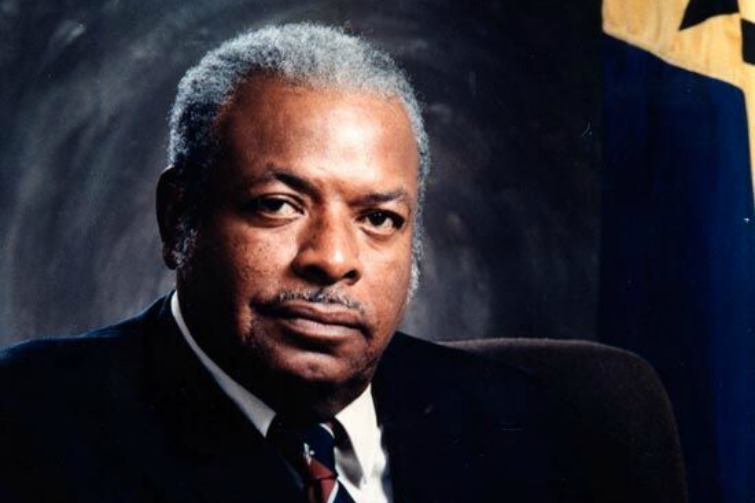
    Thirty-nine years to the day after founding father Errol Walton Barrow’s passing, the Democratic Labour Party (DLP) of Barbados has renewed its recognition of the transformative, long-lasting national impact left by the National Hero, whose policy framework continues to shape the country’s trajectory decades later. In a formal commemorative statement released this week, DLP interim president Stephen Lashley paid tribute to the iconic leader, who died in office at the age of 67 on June 1, 1987, while serving just 11 months into his third term as head of Barbados’ post-independence government.

    Lashley centered much of his tribute on Barrow’s defining role in steering the island nation to full sovereignty, highlighting one of the leader’s most famous guiding principles: “We shall be friends of all, satellites of none.” Lashley emphasized that this phrasing, coined decades ago, remains the foundational anchor of Barbados’ modern foreign policy.

    Beyond national independence, the DLP leader spotlighted Barrow’s far-reaching social transformation agenda, which grew out of the founding father’s core conviction that “education is freedom.” Under Barrow’s leadership, Barbados introduced universal free secondary education, and developed three key higher education institutions that still serve the nation today: the University of the West Indies at Cave Hill, Barbados Community College, and the Samuel Jackman Prescod Institute of Technology. Lashley also praised Barrow’s forward-thinking national school meals programme, designed to ensure all children could learn in a comfortable, well-nourished environment, removing barriers to educational access for low-income households.

    Economically, Lashley credited Barrow with building the durable foundations that underpin Barbados’ modern economy. Through prudent stewardship of national resources and proactive monetary policy, Barrow established key national institutions including the Central Bank of Barbados in 1972. He also strategically diversified the country’s economy by championing the growth of international business, light manufacturing, and the tourism sector that remains a core driver of national income today. Barrow also prioritized social safety nets, strengthening the National Insurance Scheme that continues to provide long-term financial security for generations of Barbadians.

    “Mr Barrow was the people’s champion,” Lashley said, noting that every policy and piece of legislation passed under Barrow’s administration grew from the unwavering belief that every Barbadian citizen deserves an equal stake in the nation’s success. Regionally, Barrow’s commitment to Caribbean integration was unmatched: he was a founding father of CARIFTA, the regional trade bloc that later evolved into the Caribbean Community (CARICOM). On the global stage, he demonstrated unflinching commitment to principle, publicly opposing the 1983 U.S. invasion of Grenada and taking a firm, vocal stance against apartheid in South Africa. These actions cemented his reputation as a courageous Caribbean leader unafraid to speak truth to power, Lashley added.

    Thirty-nine years after his death, Barrow’s legacy remains a guiding moral and political compass for the party he founded, Lashley said. He pointed to Barrow’s core “mirror-image” politics principle, which holds that all government action must directly reflect the needs and priorities of the people, as the enduring benchmark for effective, accountable leadership. Barrow’s influence can still be felt across every key sector of Barbadian life, from global diplomacy to public health, education, and affordable housing, Lashley noted. Closing his tribute, the DLP interim president pledged that the party has fully inherited Barrow’s mission, and remains committed to completing the social and economic revolution the iconic leader launched more than half a century ago.

  • LETTER: Police Must Investigate Senator’s ‘Hit List’ Comment

    LETTER: Police Must Investigate Senator’s ‘Hit List’ Comment

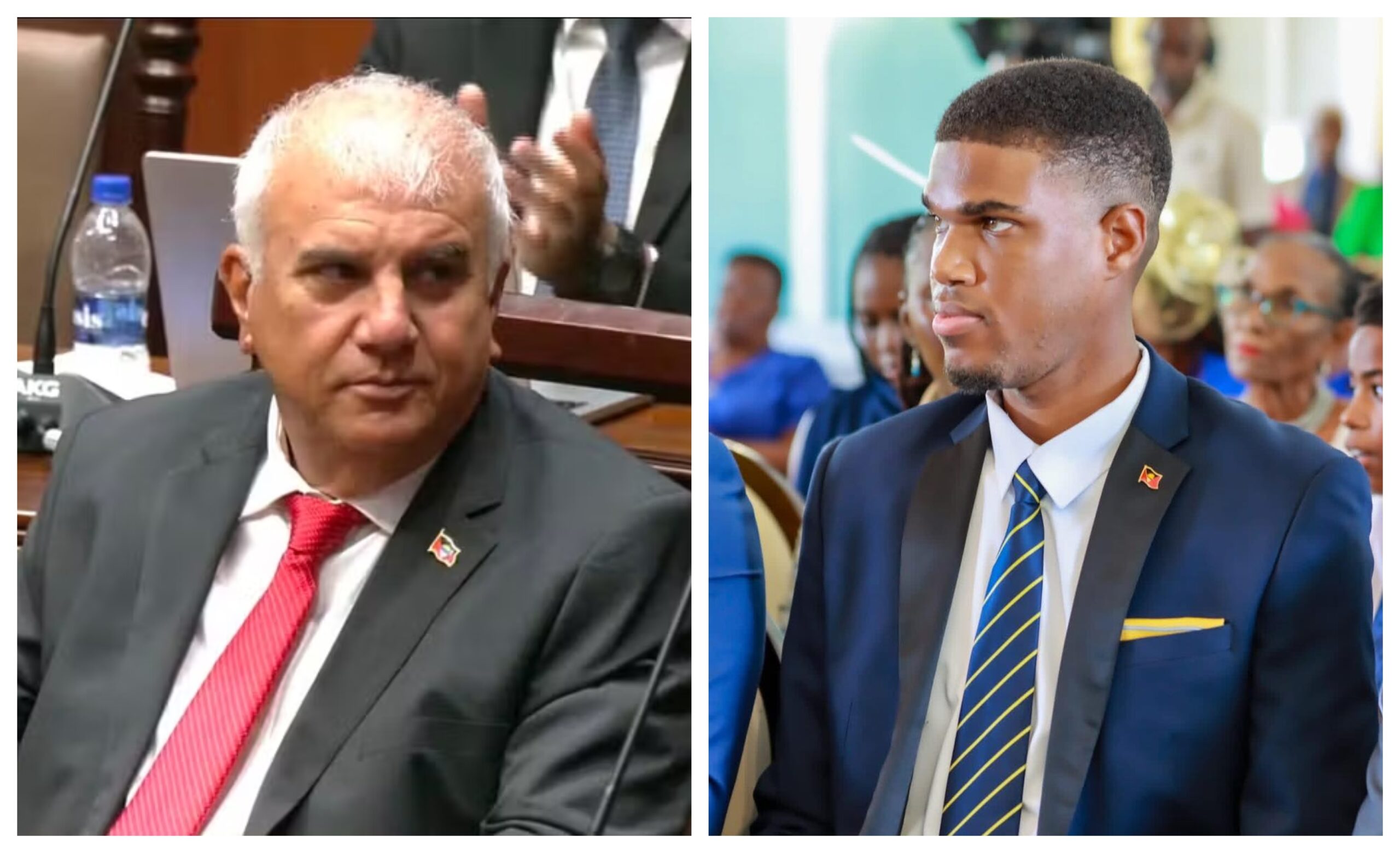
    A incendiary comment from a senior Antiguan and Barbudan senator has reignited urgent conversations about the declining state of respectful political dialogue across the nation. Senior Senator Philip Shoul recently acknowledged that opposition lawmaker Jonathan Wehner holds a spot on his so-called “hit list” — a comment that has left many citizens questioning the boundaries of acceptable rhetoric from elected officials.

    While some have rushed to dismiss the comment as nothing more than offhand political banter, and others argue it was never meant to be taken as a literal threat of violence, the core issue extends far beyond the speaker’s original intent. For a country already confronting persistent violent crime and growing political polarization, this kind of charged language carries tangible risks, regardless of whether it was framed as metaphor.

    Words carry weight, especially when they come from public officials who hold the trust and respect of the electorate. Elected leaders are tasked with modeling constructive civic engagement for the public, particularly for young people who are learning how democratic disagreement functions. Across Antigua and Barbuda, leaders from across sectors — from political offices to schools to faith institutions — regularly urge young citizens to resolve differences through dialogue rather than violence. A comment framing a political opponent as a target on a “hit list” directly undermines that collective message.

    Even if used figuratively, the term “hit list” is inextricably linked to targeted retaliation and violent retribution. It does nothing to foster open debate, mutual tolerance, or healthy democratic participation. Instead, it amplifies tension and reinforces a destructive “winner-take-all” mindset that erodes the foundation of collaborative governance.

    This incident carries added weight because Wehner is a young, rising figure in national politics. Political disagreement is an inherent and healthy part of democracy, but when veteran leaders publicly target younger incoming politicians with threatening language, it sends a dangerous message about what kind of conduct is acceptable in public life. It undermines core values of mentorship and respectful leadership that are critical to sustaining democracy for future generations.

    Vigorous debate and sharp criticism are always welcome in public life, but neither requires language that can be reasonably interpreted as intimidating or threatening. In response to the controversy, the author of the op-ed calls on the Royal Police Force to launch a review of the comment. This review is not necessarily intended to pursue criminal charges, but rather to provide clarity to the public that restores confidence in political norms. If the comment was indeed harmless rhetorical flair, that fact should be confirmed publicly. If not, the public is owed a full explanation.

    At a minimum, this incident should spark a long-overdue national conversation about formal and informal standards of conduct for elected officials across all parties. Democracy, the author argues, relies not only on strong laws and independent institutions, but on a culture of respect shaped by the words leaders choose to use.

    Antigua and Barbuda deserves leaders who can advocate passionately for their positions and disagree with opponents without leaning into language that evokes hostility, targeting, or retaliation. Citizens should hold all politicians to this higher standard, regardless of partisan affiliation. Respectful disagreement is a mark of strong leadership; intimidating rhetoric, even when disguised as humor or political performance, is a sign of weakness.

  • Pierre defends crime strategy, slams UWP criticism as ‘disrespectful’

    Pierre defends crime strategy, slams UWP criticism as ‘disrespectful’

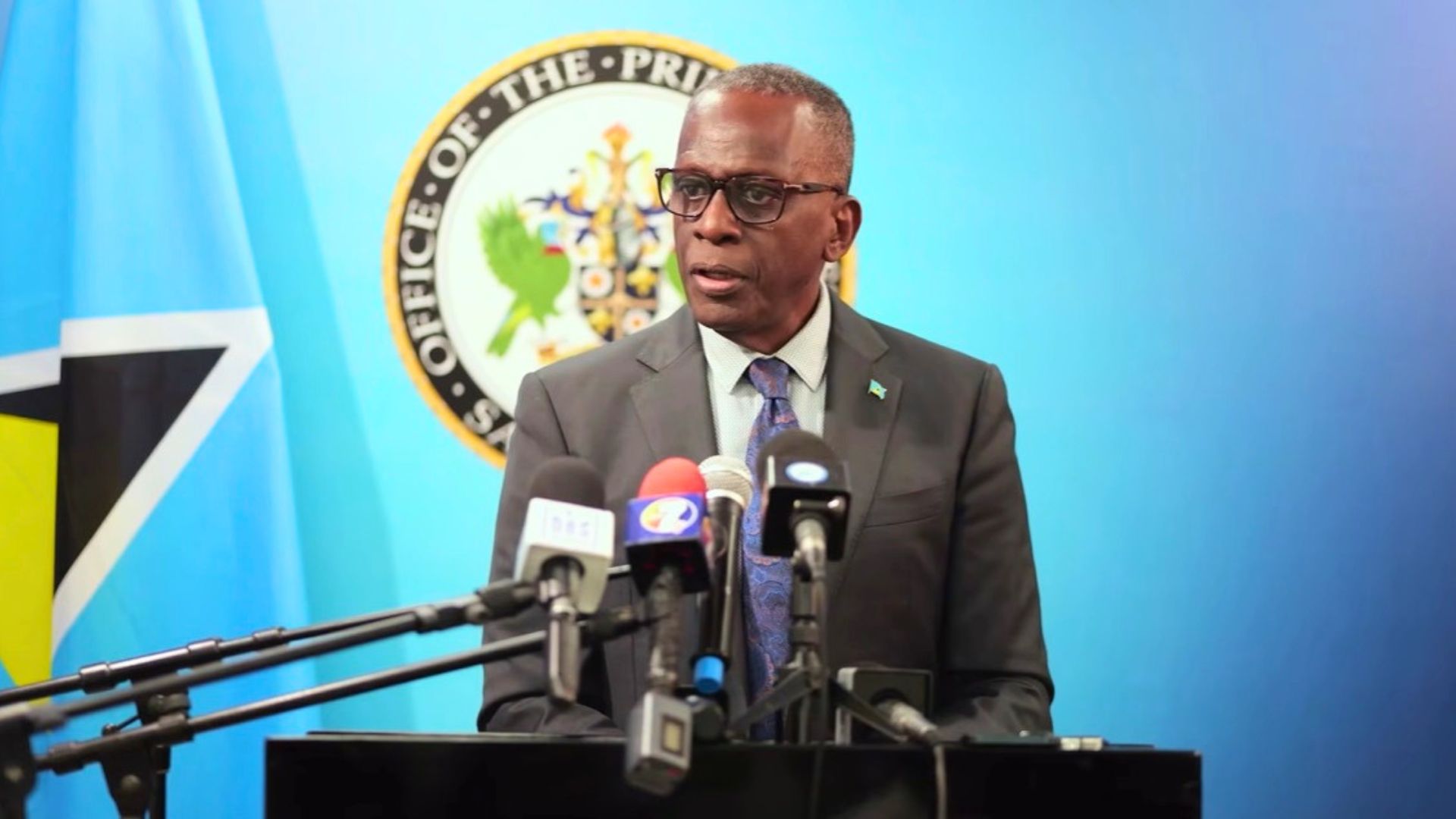
    A heated political exchange over public safety has erupted in Saint Lucia, as Prime Minister Philip J. Pierre pushed back against sharp criticism from the opposition United Workers Party (UWP) during Monday’s weekly Cabinet press briefing. The clash followed a UWP-hosted press conference the prior week, where senior party figures and electoral candidates Sarah Flood-Beaubrun, Laura Jn Pierre-Noel and Titus Preville took aim at the incumbent administration’s response to a surge in violent crime, calling for bolder action and a cohesive national plan to reverse rising insecurity.

    The opposition’s critique was anchored in growing public anger over recent violent incidents, most notably the fatal killing of 24-year-old Joy St Omer, whose estranged husband has been formally charged with her murder. Speaking to reporters on May 28, Jn Pierre-Noel emphasized that the killing served as a devastating reminder that hundreds of women across the island live in silent fear of gender-based violence. Beyond domestic violence, opposition leaders also highlighted that the national homicide rate has already climbed to 36 this year, a figure they say demands urgent, coordinated intervention from the national government.

    When pressed by journalists to address the opposition’s demands, Pierre rejected the criticism outright, framing it as a disrespectful and opportunistic power grab. He argued that opposition leaders unfairly hold the government responsible for crimes rooted in personal passion and interpersonal conflict. “It shows a lack of respect to the people of Saint Lucia when you speak about crimes of passion and crimes of emotion and lay it on the backs of a government,” Pierre told reporters. “It’s disrespectful, it’s scornful, it’s contemptuous!”

    The Prime Minister went on to defend his administration’s approach, outlining a multi-pronged, holistic strategy that combines law enforcement resourcing, social intervention, education reform, and targeted youth economic support to reduce criminal activity. A core component of the plan is enhanced investment in the Royal Saint Lucia Police Force, with Pierre noting that additional details on new policing initiatives would be unveiled to the public in the near future.

    As part of the government’s upstream social intervention efforts, Pierre announced that the administration will launch a major crackdown on student truancy, linking disengagement from school to higher risks of youth involvement in crime. The government is also prioritizing expanded access to Technical and Vocational Education and Training (TVET), designed to give diverse learners practical, marketable skills aligned with their interests. Pierre argued that an inclusive, flexible education system that meets the needs of all students is a critical long-term tool to steer young people away from criminal pathways.

    Economic empowerment for young Saint Lucians forms another key pillar of the crime reduction strategy, with the Prime Minister pointing to targeted grant programs and small business support delivered through the national Youth Economy Agency. He also highlighted ongoing investments in early childhood education and free emotional support services run by the Saint Lucia Social Development Fund (SSDF) that address underlying mental and social drivers of violence.

    UWP economist and former Babonneau electoral candidate Titus Preville had pushed back on the government’s inaction ahead of the briefing, describing rising crime as a crippling burden that harms individual residents, destabilizes local communities, and drags down the island’s economic performance. Preville argued that all sectors of Saint Lucian society—including community groups, religious institutions, business leaders, and political parties—have a responsibility to address the growing public safety crisis.

    Pierre, however, dismissed the opposition’s calls as empty and politically motivated. He claimed that the criticism comes from failed electoral candidates seeking to exploit public anxiety over crime to win political support they did not earn in past elections and are unlikely to gain in future contests. “That is why I respond in that way, when rejected politicians try to use crime to get votes that they did not get, to get votes that they most likely will not get. This is what is distasteful,” Pierre said. Closing his remarks, the Prime Minister extended an open invitation to any stakeholders with concrete, actionable policy proposals to collaborate, reiterating that the opposition’s current criticism lacks substance.

  • OPINION: Antigua and Barbuda Lost For Good

    OPINION: Antigua and Barbuda Lost For Good

    The painful, centuries-long dispossession of Indigenous American peoples stands as one of the darkest chapters in Western hemisphere history. What began with the welcome of foreign settlers eventually ended in the systematic seizure of Native lands — through brute force, calculated deception, and the full endorsement of state governments controlled by the growing immigrant population. What followed was a cultural collapse: from the Trail of Tears, the deadly 1830s forced relocation under President Andrew Jackson that killed thousands of Indigenous people in winter’s freezing conditions, to the modern reality of reservations plagued by systemic poverty, rampant addiction, political corruption, underfunded education, elevated rates of violent crime, and persistent erasure of traditional identity. Today, Indigenous Americans face disproportionately high rates of mental illness, hold the lowest-waging jobs in their regions, and have largely faded from mainstream public consciousness, their once-vibrant cultures reduced to marginalized stereotypes. As the old adage warns: those who fail to study history are doomed to repeat it. For the people of Antigua and Barbuda, this warning is not abstract history — it is an unfolding crisis that current leaders are ignoring, at the cost of the nation’s very identity.

  • LISTEN: Senator Shoul Says Wehner Is on His ‘Hit List’ After Observer Radio Interview

    LISTEN: Senator Shoul Says Wehner Is on His ‘Hit List’ After Observer Radio Interview

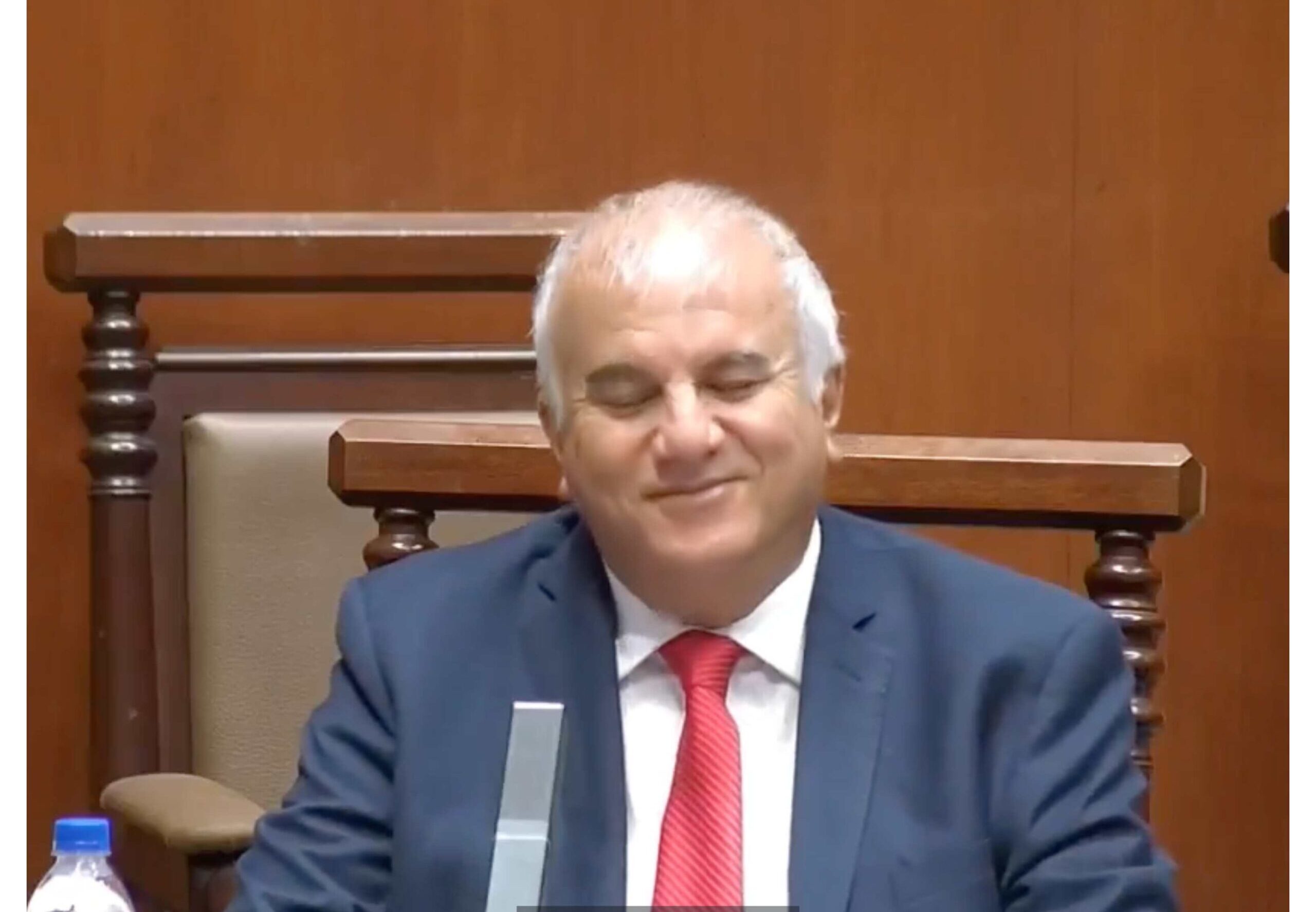
    A fresh political feud has erupted in Antigua and Barbuda’s Senate following a contentious parliamentary walkout last week, with a ruling party senator declaring a first-term opposition legislator has landed himself on his political “hit list” after public criticism of the governing administration and the Senate’s top official.

    Government senator Philip Shoul recently opened up about the falling-out during an on-air discussion on local outlet Pointe FM, explaining that he initially extended an olive branch to new opposition Senator Jonathan Wehner when the rookie lawmaker took up his post. Shoul said he had been willing to give Wehner space to find his footing as a first-term parliamentarian, even encouraging him to carve out an independent political identity. “I looked across the aisle and I said to him, ‘Do me a favor. I’m really happy that you’re here. You’re young. You have a lot of potential. Be your own man,’” Shoul recalled of his initial outreach.

    That goodwill, however, evaporated within hours of Wehner’s swearing-in ceremony, according to Shoul. The new opposition senator appeared on local Observer Radio that same afternoon, where he delivered sharp public rebukes of the ruling Antigua and Barbuda Labour Party (ABLP) and Senate President Alincia Williams-Grant. Wehner later joined other opposition lawmakers in walking out of the parliamentary session, part of a larger protest over a procedural dispute involving Opposition Leader Jamale Pringle, who attempted to participate in a joint sitting before completing his required oath of allegiance.

    Shoul argues that Wehner’s choice to publicly criticize Williams-Grant – the same Senate president he will have to work with for the duration of his term – was a unnecessary and unwise misstep. The public attack, he said, has completely changed his approach to the young politician. “You know, if this young man had one ounce of sense, right? Because I also know right now he’s on my hit list. That’s what I say right now,” Shoul stated firmly.

    Previously, Shoul said he had planned to hold back from challenging Wehner during his first major address to the Senate, a common courtesy extended to new parliamentarians making their maiden parliamentary contributions. But that plan is now off the table, he confirmed. “I had planned to leave him in his maiden presentation, right? Just leave him alone. But I’m not going to do it,” he added.

    Beyond the procedural dispute, Shoul also pushed back against Wehner’s recent criticism of the ABLP administration’s budget estimates, dismissing the opposition lawmaker’s comments as uninformed. “He talks about budget estimates — that’s his favorite word. He doesn’t understand what a budget estimate is,” Shoul claimed.

    The latest exchange of barbs marks a deepening of the political tensions that grew out of last week’s walkout, which has already sparked an ongoing war of words between government and opposition figures over how parliamentary proceedings were handled during the opening session.

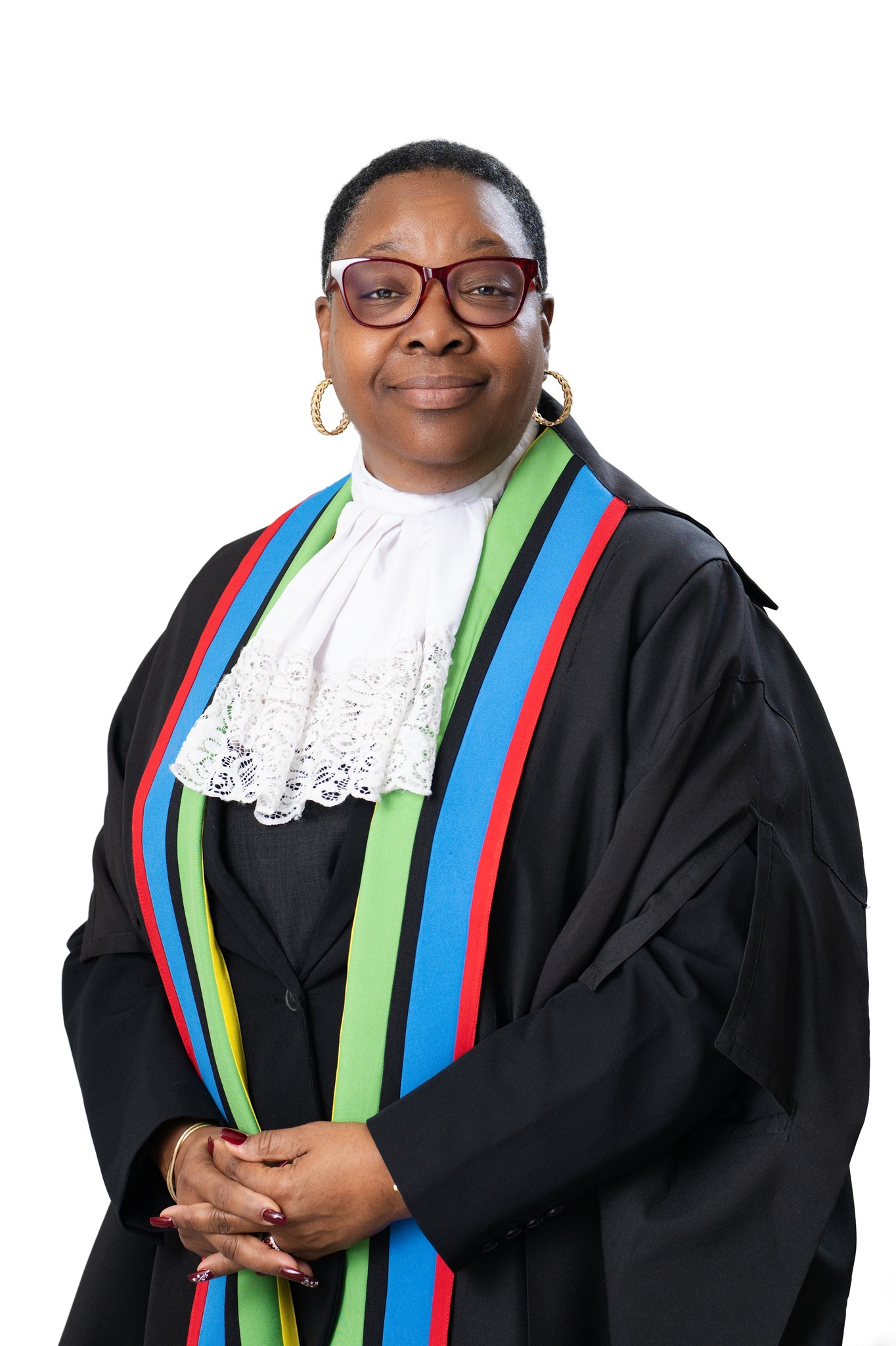
  • Margaret Price Findlay appointed the 14th Chief Justice of the Eastern Caribbean Supreme Court

    Margaret Price Findlay appointed the 14th Chief Justice of the Eastern Caribbean Supreme Court

    The Eastern Caribbean Supreme Court (ECSC) has made a historic official announcement: His Majesty King Charles III, via formal letters patent, has named Her Ladyship the Honourable Madam Margaret Price Findlay as the 14th Chief Justice of the regional judicial body. The appointment is scheduled to take effect on April 9, 2026.

    Findlay will step into the top judicial role after a decades-long distinguished career spanning legal practice and judicial service across the Eastern Caribbean sub-region. Her career has been widely recognized for its consistent adherence to robust legal reasoning, exemplary public service, and an unshakable commitment to upholding equal justice for all communities in the region.

    As Chief Justice, Findlay will assume core responsibilities for strategic judicial leadership and comprehensive administrative oversight of the ECSC. The court serves a total of nine jurisdictions under the umbrella of the Organisation of Eastern Caribbean States (OECS): six fully independent member states and three British Overseas Territories.

    This appointment is far more than a routine leadership transition: it represents a landmark milestone for the ECSC and the broader Eastern Caribbean region in advancing judicial excellence, deepening cross-jurisdictional regional cooperation, and strengthening the foundation of the rule of law across the sub-region. Findlay’s ascent to the highest judicial office in the region is a direct reflection of her extraordinary long-term contributions to the regional judiciary and her proven track record of dedicated service to both justice and regional integration.

    Leadership of the ECSC has expressed full confidence that under Findlay’s stewardship, the court will continue to uphold and advance the highest standards of judicial integrity, excellence, and adaptive innovation to meet the evolving legal needs of the region.

  • State-owned Morgue Among Health Ministry Priorities, Joseph Reveals

    State-owned Morgue Among Health Ministry Priorities, Joseph Reveals

    In a recent public address on Pointe FM’s current affairs program *On Pointe*, Health Minister Michael Joseph has outlined a key infrastructure initiative aimed at overhauling the nation’s healthcare system: the establishment and operationalization of the country’s first dedicated public morgue, paired with a fully functional new autopsy suite. For years, the government has been forced to rely on private funeral homes to store deceased individuals awaiting post-mortem examination or burial, a arrangement that has steadily drained public health funds. According to Joseph, the new public facility will eliminate these recurring, unplanned expenditures, freeing up critical budget allocations that can be redirected to underfunded, high-priority areas of the healthcare sector. The minister emphasized that the morgue project is just one piece of a broader, multi-pronged strategy by the Ministry of Health to boost system-wide efficiency, optimize the use of limited public resources, and expand access to essential care services. Beyond the morgue and autopsy suite, the ministry is currently advancing several other transformative healthcare projects, including the upcoming opening of a dedicated cancer treatment center, long-term development plans for a new cardiac care unit, expanded access to community mental health services, and the construction of a specialized cognitive behavioral treatment center. As of the minister’s announcement, no official timeline has been released for the completion and opening of the new public morgue.