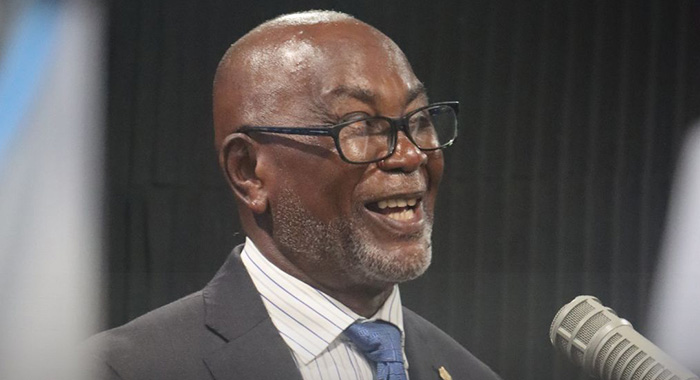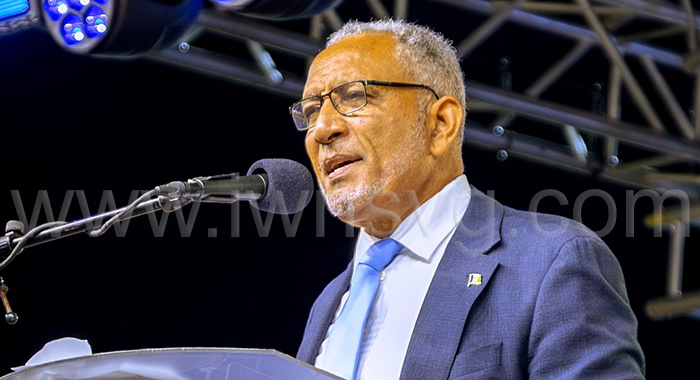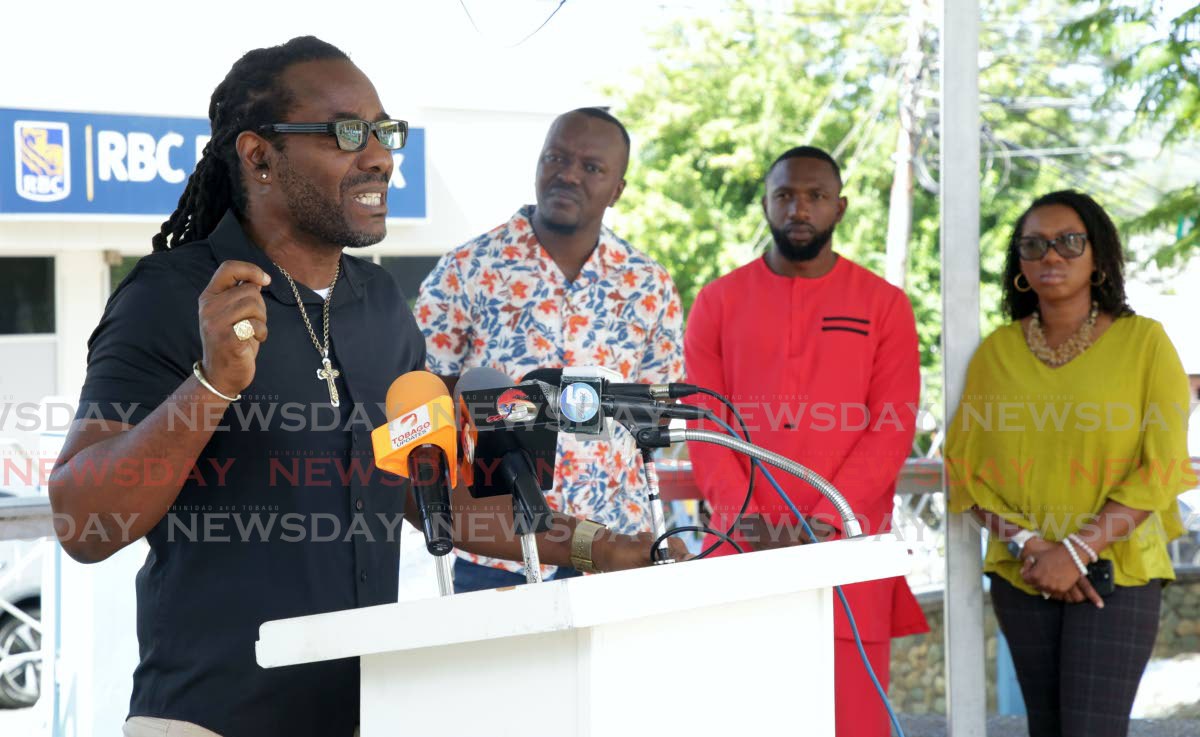
The growing tensions between the United States and Venezuela have sparked significant concern across the Caribbean, with regional leaders expressing apprehension over the potential for conflict. Prime Minister Phillip J. Pierre of Saint Lucia described the situation as “worrisome” on October 27, particularly in light of Trinidad and Tobago’s alignment with the Trump Administration’s stance. This comes amid a US naval buildup in the southern Caribbean, initiated in August 2025 under the pretext of combating drug trafficking. The Trump administration has since declared a formal “armed conflict” against drug cartels, labeling them as “unlawful armed combatants” primarily originating from Venezuela. The US has reportedly conducted at least eight strikes on Venezuelan vessels allegedly involved in drug trafficking, resulting in the deaths of at least 36 individuals, including two Trinidadians. This marked shift from traditional law enforcement tactics to direct military operations has drawn criticism from geopolitical analysts. The presence of the USS Gravely, a US guided missile destroyer, in Trinidad and Tobago’s capital, Port of Spain, has further heightened regional anxiety. Venezuela has accused Trinidad and Tobago of being under US control and facilitating a potential military confrontation. Vice President Delcy Rodríguez alleged that Trinidad and Tobago is conducting “military exercises” under US direction, warning of a possible “false flag attack” that could escalate tensions. In response, Trinidad and Tobago’s Ministry of Foreign and CARICOM Affairs emphasized that the USS Gravely’s visit aims to enhance regional security, disaster preparedness, and humanitarian efforts, while strengthening bilateral ties with the US. Prime Minister Pierre reiterated CARICOM’s call for the Caribbean to remain a “zone of peace,” urging all parties to respect this principle.
分类: politics
-

8 jaar HVB – 8 fundamenten, één missie: Suriname hervormen & vernieuwen
Today marks a significant milestone in Suriname’s political landscape as the Reform and Renewal Movement (HVB) commemorates its eighth anniversary. Founded in 2015, the HVB emerged from a profound belief that the nation required a political shift—one centered on responsibility rather than power, and sustainable development over short-term gains. This anniversary is not a celebration but a moment of reflection, emphasizing the values, principles, and vision that define the movement. The HVB was born out of political disillusionment and growing distrust in traditional governance, choosing a path of renewal that prioritizes citizen voices and national interests. Over the past eight years, the movement has faced challenges but remained steadfast in its commitment to principled leadership. The HVB’s foundation rests on eight core pillars: principled politics over privileges, good governance and transparency, economic justice, social equality, national unity, responsible leadership, innovation, and unwavering loyalty to Suriname. These principles guide the movement through turbulent times, shaping its decisions and actions. The HVB aims to restore trust, inspire hope, and drive meaningful change, positioning itself not merely as a political party but as a movement for the nation’s future. As it enters a new phase, the HVB remains dedicated to collaboration, transparency, and courageous choices, working alongside citizens to build a Suriname defined by justice, stability, and prosperity. Raymond Sapoen, the movement’s political leader, expressed gratitude to supporters, critics, and partners who have contributed to its journey, reaffirming the HVB’s commitment to Suriname’s renewal and progress.
-

Skerrit addresses Barbadian Labour Party; shuns war, lauds unity for Caribbean
Prime Minister Roosevelt Skerrit of Dominica has once again emphasized the importance of maintaining the Caribbean as a zone of peace, while celebrating the realization of full free movement across the region. Speaking at the annual conference of the Barbados Labour Party on Sunday, Skerrit highlighted the critical role of leadership in today’s world. ‘Leadership is more crucial now than ever,’ he stated. ‘We must stand firm on principles and honor the sacrifices of our ancestors who fought for our freedom and independence. We must always speak truth to power and ensure that the Caribbean remains a peaceful region.’ Skerrit underscored the need for diplomatic solutions to conflicts, advocating for dialogue and mutual respect. ‘We solve problems through discussion and diplomacy, even when we disagree,’ he said. In a significant move toward regional integration, Skerrit welcomed Barbadians to live and work in Dominica, marking a historic step in Caribbean unity. ‘History has turned the page,’ he declared. ‘Barbados, Dominica, St. Vincent & the Grenadines, and Belize have achieved what our parents dreamed of—full free movement among our nations.’ This initiative allows citizens to live and work across borders with dignity and rights, fostering economic and social opportunities. Skerrit expressed pride in Dominica’s partnership with Barbados, inviting Barbadians to contribute to Dominica’s growth. ‘You are welcome to live, work, and build a future in Dominica,’ he said. ‘Together, we are mighty, united in one labor pool, one shared marketplace, and one larger future for our people.’
-

Shevern urges voters to remember Grace’s stance on vaccine mandate
As Saint Vincent and the Grenadines approaches a pivotal general election, Shevern John, the New Democratic Party (NDP) candidate for North Windward, has launched a scathing critique of the ruling Unity Labour Party (ULP) during the NDP’s “Warm Up Rally” in London. John urged voters to reflect on the ULP’s governance over the past five years, particularly its handling of the COVID-19 vaccine mandate, which led to the dismissal of hundreds of public sector workers in 2021. She emphasized that many of those affected were women, who are now struggling financially. John also condemned the government’s decision to use taxpayer funds to appeal a court ruling that initially favored public sector unions challenging the mandate. The Court of Appeal overturned the High Court’s decision, and the case may now be referred to the Privy Council, the nation’s highest court. John accused the ULP of neglecting its citizens, particularly women, and failing to deliver on its promises. She highlighted the lack of respect shown to the late Sarah Baptiste, a community hero, and criticized Prime Minister Ralph Gonsalves for derogatory remarks about Vincentian women. John praised the NDP’s leadership under Godwin Friday, describing it as rooted in humility and action, and contrasted it with the ULP’s focus on legacy rather than the well-being of citizens. She called for a government that prioritizes the future over clinging to the past.
-

92-jarige Biya blijft aan de macht na verkiezingen in Kameroen
Paul Biya, the 92-year-old President of Cameroon, has been re-elected for an eighth term, extending his rule that began in 1982. The electoral commission announced that Biya secured a significant majority of votes in the preliminary results, solidifying his position as one of the world’s longest-serving leaders. While his supporters hailed the outcome as a testament to stability, the election has drawn international criticism. Opposition parties have alleged irregularities, voter intimidation, and restricted media and campaign freedoms. Observers also reported that the electoral process was disrupted in parts of the country due to security tensions, particularly in the English-speaking regions, which have been plagued by armed conflicts for years. In a brief statement, Biya pledged to continue his commitment to peace, national unity, and economic progress. However, opposition leaders have indicated they may pursue legal challenges. The final results are expected later this week, but political analysts suggest Biya’s grip on power remains unchallenged for now.
-

Cuban ambassador confident in UN support to end U.S. embargo
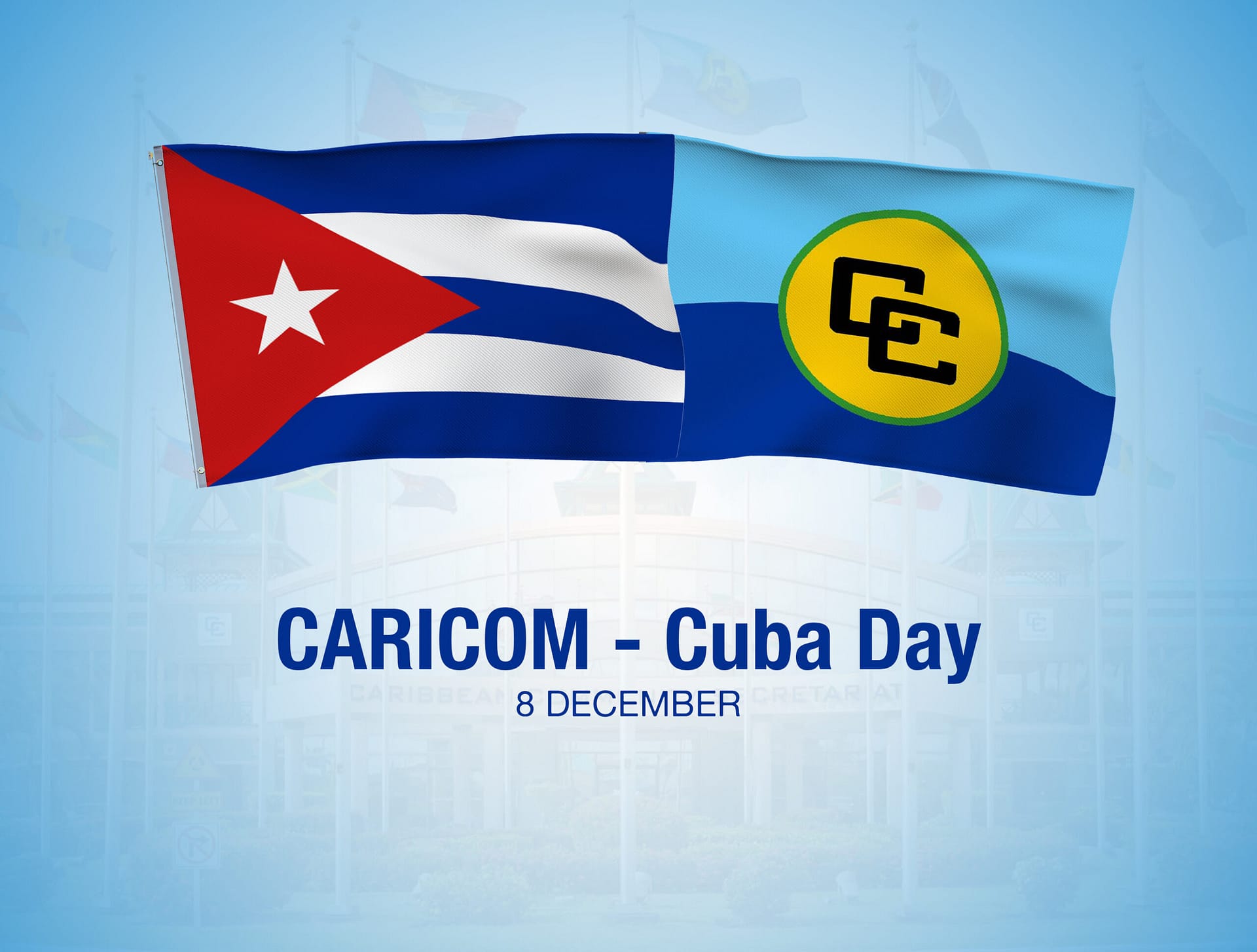
In a recent interview with La Red Habla, Ángel Arzuaga, Cuba’s ambassador to the Dominican Republic, expressed unwavering confidence that the international community will continue to back Cuba’s annual United Nations resolution advocating for the termination of the U.S. embargo. The resolution, titled ‘Necessity of ending the economic, commercial, and financial blockade imposed by the United States of America against Cuba,’ is set to be presented at the UN General Assembly on October 28-29. This marks the continuation of a tradition that began in 1992. Arzuaga condemned the embargo as an aggressive and unjust policy that severely hampers Cuba’s economic and social progress while violating the fundamental rights of its citizens. He underscored the embargo’s economic toll, equating one month of its enforcement to the cost of Cuba’s solar energy investment plan and four months to the price of all national public transportation buses. The ambassador also criticized U.S. efforts to diminish international support for the resolution. Reflecting on last year’s vote, Arzuaga highlighted that 187 countries supported ending the embargo, with only the U.S. and Israel opposing it. He reiterated Cuba’s dedication to peaceful dialogue, regional stability, and solidarity with oppressed communities, including Palestinians. Arzuaga extended gratitude to nations like Mexico for their steadfast opposition to the blockade and affirmed Cuba’s commitment to defending just causes and fostering international collaborations, particularly in medical initiatives.
-

Deadly explosion triggers opposition demands for screening foreigners, heightened security
In the aftermath of a deadly explosion at a Mobil gas station in Georgetown, Guyana, political parties are urging the government to implement stricter security measures and enhanced screening of foreign nationals. The incident, which occurred on Sunday night, involved a device left by a Spanish-speaking man, raising concerns about national security and border control. The explosion has reignited debates over the influx of Venezuelan migrants and the potential threats they may pose. Political groups, including We Invest in Nationhood (WIN) and A Partnership for National Unity (APNU), have called for immediate action to safeguard critical infrastructure and ensure thorough background checks on all non-Guyanese entrants. WIN, which secured 16 seats in the recent elections, has linked the explosion to broader geopolitical tensions, particularly with Venezuela, and warned of potential retaliatory actions. APNU, holding 12 seats, has emphasized the need for transparent investigations and the documentation of all migrant workers. The Alliance For Change (AFC) has also highlighted the importance of addressing national security comprehensively, urging the government to view the incident as more than an isolated event. The explosion has prompted calls for updated safety protocols, financial support for victims, and a reassessment of border security measures.