The United Kingdom government announced on Sunday its intention to revoke Prince Andrew’s honorary title of vice-admiral, marking the final step in stripping him of all military ranks. This decision follows King Charles III’s removal of Andrew’s remaining royal titles and honors on Thursday, as public outrage grows over his association with convicted sex offender Jeffrey Epstein. Defense Minister John Healey confirmed the move during an interview with the BBC, stating that the government is acting under the guidance of the king. Healey also indicated that discussions are ongoing regarding whether Andrew should forfeit his military medals. Andrew, who served as a Royal Navy helicopter pilot during the 1982 Falklands War, retired in 2001 after 22 years of service. His military titles were initially revoked by his mother, the late Queen Elizabeth II, in 2022 after he was sued by Virginia Giuffre, Epstein’s primary accuser. The controversy deepened with the release of a 2010 email in US court documents, in which Andrew expressed plans to meet Epstein in New York after the latter’s release from prison for sex trafficking minors.
分类: politics
-

The budget, rumours and crime
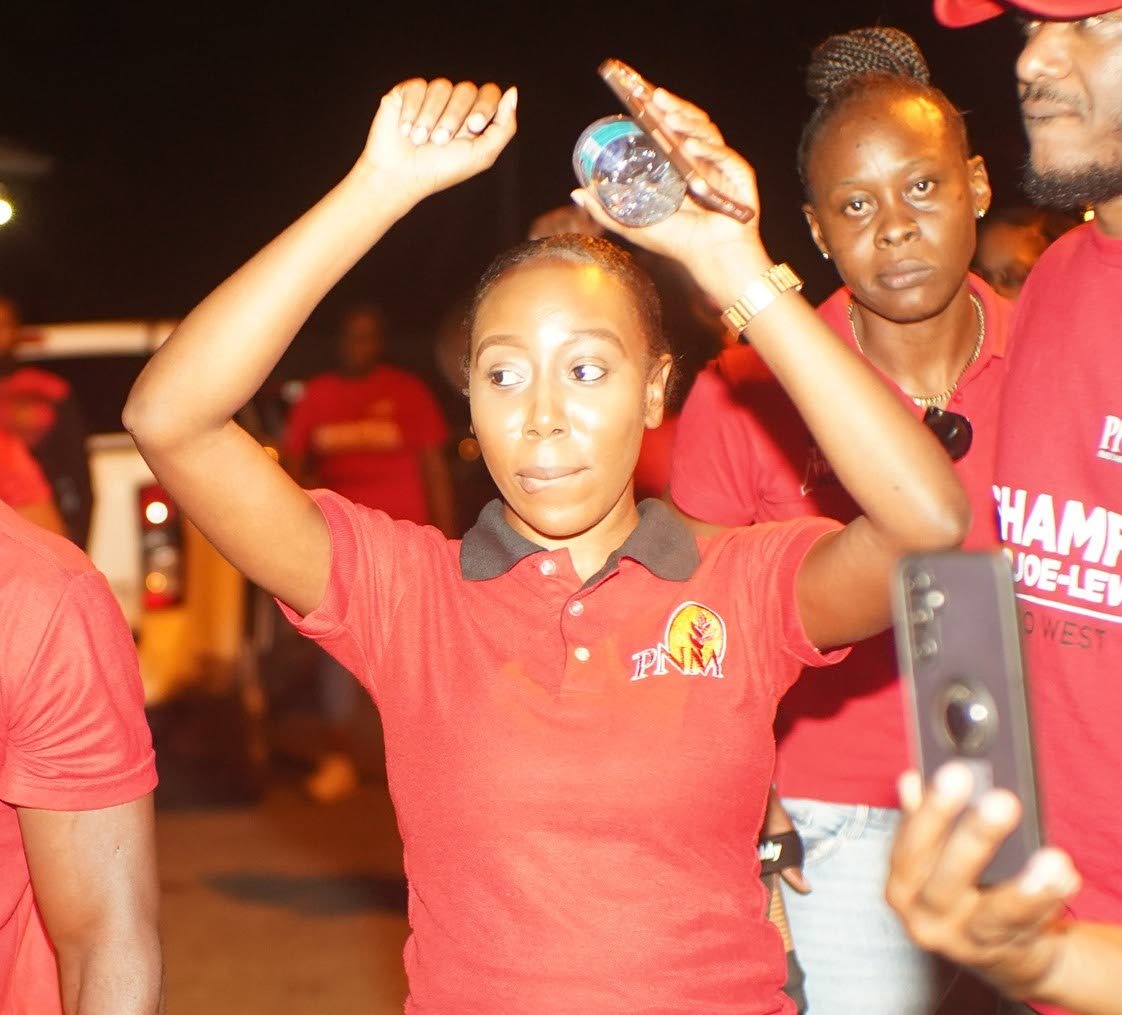
The government of Trinidad and Tobago is navigating a complex web of challenges, including opposition criticism of the 2025/2026 budget, a delicate balance between revenue and expenditure, ongoing public safety concerns, and strained relations within the Caribbean Community (Caricom). Adding to the pressure is the precarious geopolitical situation between the United States and Venezuela, which has placed the nation in a tense middle ground. Prime Minister Kamla Persad-Bissessar and Foreign Affairs Minister Sean Sobers have urged citizens to remain calm amidst rumors of war, emphasizing that the country is not heading into conflict. The administration must strengthen its political strategies, public policies, and communication efforts to address these issues effectively, particularly in an environment rife with misinformation. The budget, crafted by lawyer-economist Davendranath Tancoo, aims to promote economic fairness through accountable fiscal policies. However, the opposition has questioned the government’s handling of the economy, pointing to a decline in real GDP growth from 3.7% in 2014 to 2.5% in 2024 and a significant increase in national debt. Employment has also dropped by 70,000 jobs over the same period. Despite these criticisms, the budget includes measures to create full-time, better-paid jobs, funded by $475 million from the Employment Fund and an additional $310 million for job creation. The government has also reduced the price of super gasoline by $1 per liter, a move welcomed by the public. Meanwhile, the closure of the CEPEP and URP programs, criticized for harboring criminal activity and inefficiency, has sparked debate. Tobago has retained these programs, drawing scrutiny from the opposition. The budget’s connection to crime is also evident, as economic slowdowns and widening inequality often exacerbate social tensions. Recent salary increases for politicians, contrasted with modest raises for labor unions, have fueled public resentment. On the geopolitical front, Prime Minister Persad-Bissessar’s remarks labeling Caricom as an “unreliable partner” have stirred controversy, though she claims her comments were misinterpreted. Her support for the U.S. crackdown on drug trafficking and the docking of a U.S. warship in Port of Spain have further strained relations with Venezuela, which has labeled her persona non grata. Despite these tensions, recent developments suggest a shift toward diplomacy, with Venezuela calling for unity against potential U.S. aggression.
-

Patriotic Front: Citizens want informed leaders
Mickela Panday, leader of the Patriotic Front (PF), has clarified her position regarding Prime Minister Kamla Persad-Bissessar’s handling of national security matters amidst escalating tensions between the US and Venezuela. In a Facebook post on November 1, Panday emphasized that she was not seeking the disclosure of classified national security information. Instead, her concerns centered on the Prime Minister’s awareness and leadership during a period of regional instability. Panday referenced a previous post on October 31, where she questioned whether Persad-Bissessar was informed about the Trinidad and Tobago Defence Force (TTDF) being placed on high alert. The Prime Minister had stated she was unaware of such orders and urged the public to remain calm. Panday argued that the head of the National Security Council (NSC) should be fully briefed on such critical developments. She expressed concern over potential communication breakdowns within the government, stressing that citizens deserve confidence in their leaders’ ability to manage crises effectively. Panday concluded by asserting that her inquiries were made on behalf of the public, reflecting a reasonable expectation for transparency and leadership.
-

TTDF on highest alert: All personnel recalled to base amid Venezuela war fears
The Trinidad and Tobago Defence Force (TTDF) has escalated its operational readiness to the highest level, known as State One Alert, following an abrupt directive for all military personnel to report to their respective bases by the evening of October 31. This unprecedented recall was prompted by escalating regional instability, particularly international media reports suggesting an imminent U.S. military strike against targets in neighboring Venezuela. Senior intelligence and military sources confirmed that an urgent circular was issued mid-morning on October 31, mandating all active soldiers, sailors, and air guard officers to report for duty. An internal message emphasized the gravity of the situation, stating, ‘This is not a drill. All are strongly advised to make all necessary arrangements with your families and prepare for confinement.’ Personnel on leave, including those on pre-retirement or sick leave, were instructed to remain on immediate standby. Soldiers were directed to report to the four main military bases across the country: Cumuto, La Romaine, Chaguaramas, and Long Circular. The State One Alert signifies the military’s maximum readiness posture, prepared for immediate deployment to secure national assets and borders. High-level officials described the move as a precautionary measure to address potential regional or national disturbances arising from the escalating crisis. The immediate trigger for the alert is the mounting tension between the United States and Venezuela, with international news agencies reporting that the U.S. administration is considering military action against the Maduro government. Despite the TTDF’s mobilization, the Ministry of Foreign and CARICOM Affairs issued a statement urging calm, denying any changes to national security arrangements and attributing public anxiety to ‘false news reports.’ Defence Minister Wayne Sturge declined to confirm the orders in Parliament, stating that doing so would be ‘contrary to the public interest.’ However, these assurances have failed to alleviate widespread anxiety, with schools and businesses closing early across parts of Trinidad. The TTDF remains on State One Alert, with troops confined to their installations awaiting further instructions.
-

Ravin Soerdjbalie benoemd tot directeur Bureau Binnenlandse Zaken
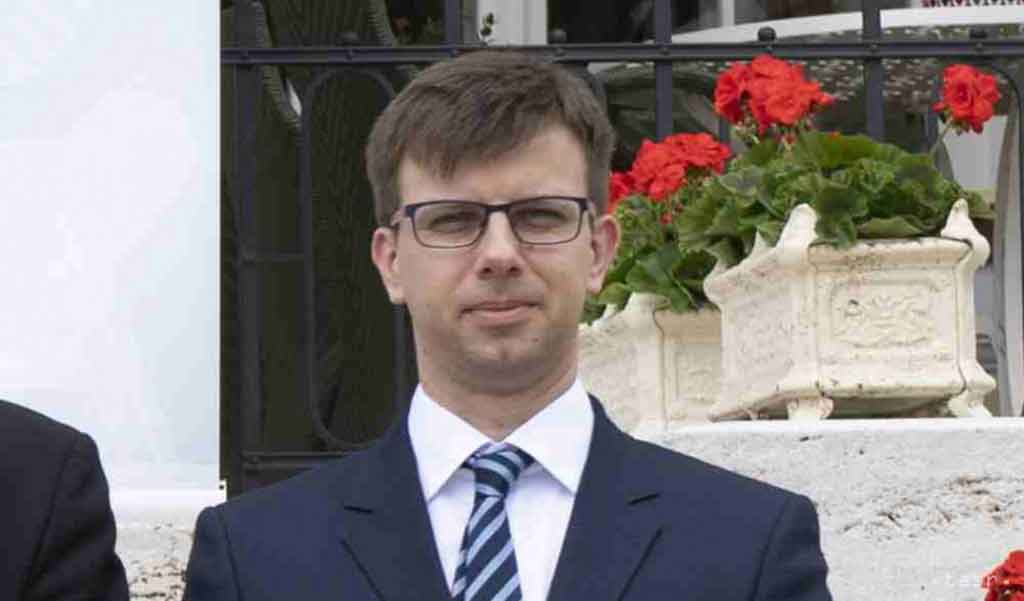
In a significant administrative development, President Jennifer Simons has officially approved the appointment of Ravin Soerdjbalie as the Director of the Bureau of the Minister of Home Affairs. This decision, based on the recommendation of the Minister of Home Affairs, was formalized through a resolution dated October 24, 2025, and is retroactively effective from September 1, 2025. The employment contract, signed by Minister Marinus Bee, is indefinite and aligns with the salary scale for directors of General Administration departments. The appointment received unanimous approval from the Council of Ministers. Soerdjbalie brings a wealth of experience in public administration, having previously served as a legal policy advisor to the National Assembly and as the Deputy Chairman of the Independent Electoral Bureau. Additionally, he is currently pursuing a doctorate in Criminal Justice and Cybercrime at the European International University and has extensive experience as a consultant in governance, law, and security.