As Haiti prepares for its 2025 elections, a critical gap in the draft Electoral Decree has raised concerns about the integrity of the democratic process. The current draft, under public consultation, lacks specific provisions to address online disinformation, social media-sponsored campaigns, and the protection of candidates from cyber harassment. This oversight poses a significant threat to the credibility and fairness of the elections, particularly in a nation where 2.65 million active social media users—representing 22.4% of the total population and 35.4% of adults—rely heavily on platforms like Facebook, WhatsApp, YouTube, and TikTok for political engagement. Without regulation, the electoral process is vulnerable to manipulation, opaque financing, and cyberviolence, which could undermine public trust and democratic stability. Key risks include the rapid spread of rumors, deepfakes, and falsified content; untraceable political advertising; harassment of candidates, especially women; and the erosion of voter confidence. To address these challenges, experts recommend integrating a clear legal framework into the Electoral Decree, mandating transparency for sponsored messages, and establishing a National Digital Electoral Monitoring Unit to detect and respond to threats swiftly. These measures, aligned with international best practices, aim to safeguard the right to information, ensure campaign transparency, and protect democratic participation. The author, Jean Marie Altéma, a specialist in digital strategy and governance, urges electoral authorities, policymakers, media, civil society, and international partners to act urgently to preserve the integrity of Haiti’s elections and uphold democratic peace.
分类: politics
-

Diplomat sees danger in U.S. move to designate cartels as terrorists
Josué Antinoe Fiallo Billini, the former Dominican ambassador to the Organization of American States (OAS), recently provided a detailed analysis of the international landscape under the influence of U.S. policies during Donald Trump’s presidency. Speaking in an interview with journalist Pablo McKinney on Color Visión, Fiallo distinguished between Washington’s efforts to combat organized crime in the Caribbean and its strained relations with Venezuela. He cautioned that designating cartels as terrorist organizations could have unintended consequences, potentially disrupting global supply chains and affecting businesses worldwide.
Fiallo observed a troubling decline in multilateralism across the hemisphere, accompanied by the rise of restrictive policies that challenge the rules-based global order. He emphasized that for smaller and medium-sized nations, international law remains the primary safeguard against such shifts. Despite the Dominican Republic’s strong economic and political ties to the United States, Fiallo stressed the importance of pursuing a balanced foreign policy. He advocated for market diversification, expanded diplomatic outreach, and positioning the nation as a strategic link between the Caribbean, North America, and South America.
Additionally, Fiallo underscored the need to uphold fundamental principles such as sovereignty, peace, and cooperation to bolster the country’s credibility on the global stage. He identified several key priorities, including reconciliation with the Inter-American human rights system, immigration policy reform, protection of the diaspora, and leveraging foreign policy to enhance human capital in emerging sectors like semiconductors and artificial intelligence.
-

COMMENTARY: Commonwealth of Dominica: Political Independence
As Dominica commemorates its 37th year of independence, the last surviving minister from the era of its liberation reflects on the pivotal figures who shaped the nation’s destiny. The Founding Fathers of Dominica’s independence, members of the Cabinet under then-Premier Patrick John, played a crucial role in the country’s journey to sovereignty. Their collective efforts, alongside the Labour Party’s executive, laid the groundwork for Dominica’s development and eventual independence.
-

Commonwealth of Dominica 47th independence anniversary statement by last surviving independence cabinet minister
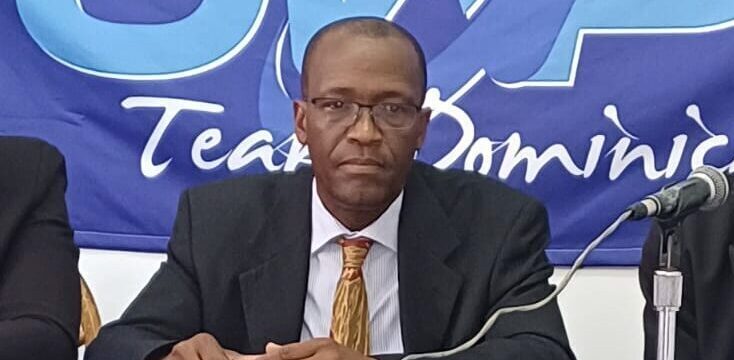
As the Commonwealth of Dominica commemorates its 47th Anniversary of Political Independence, Oliver J. Seraphin, the last surviving member of the Cabinet that led the nation to sovereignty, reflects on the historic journey and calls for continued recognition of those who shaped this pivotal moment. Dominica’s independence, achieved on November 3, 1975, was the culmination of visionary leadership, collective effort, and unwavering belief in self-determination. The Founding Fathers, including Premier Patrick Roland John and his Cabinet, played a central role in guiding the nation through its political evolution. The Dominica Labour Party, following the 1975 General Elections, also significantly advanced the independence agenda, engaging citizens across the island. The Popular Independence Committee (PIC), led by activists like Bernard Wiltshire and Rosie Douglas, further strengthened the movement. The Salisbury Declaration of 1976 formally outlined Dominica’s intent to seek independence from Britain, setting the stage for sovereignty. Seraphin, who traveled to the UK with Premier John and other Cabinet members to present the formal request, recalls the emotional return to Dominica, greeted by a passionate crowd on the E.C. Loblack Bridge. He also highlights the contributions of individuals like Alwin Bully, designer of the national flag, and W.O.M. Pond and Lemuel Christian, creators of the National Anthem, urging equal recognition for their cultural legacy. As Dominica celebrates this milestone, Seraphin calls for a renewed commitment to the ideals of unity, justice, progress, and national pride that defined its founding.
-

President Xi Jinping: China, US should work for good of both countries, world
Chinese President Xi Jinping and US President Donald Trump underscored the importance of collaboration between their nations during a meeting on October 30 in Busan, Republic of Korea (ROK). The talks took place ahead of the 32nd APEC Economic Leaders’ Meeting and Xi’s state visit to the ROK. This marked their first in-person discussion since Trump’s re-election, following three phone conversations and several exchanges of letters. Xi emphasized that China and the US, as major global powers, share a responsibility to work together for the benefit of their countries and the world. He highlighted the progress made during recent economic and trade consultations in Kuala Lumpur, Malaysia, which laid the groundwork for constructive dialogue. ‘Dialogue is better than confrontation,’ Xi stated, urging both nations to maintain communication at various levels to foster mutual understanding. Trump echoed this sentiment, describing the US-China relationship as ‘fantastic’ and expressing optimism about its future. He announced plans to visit China early next year and invited Xi to the US. The two leaders agreed to maintain regular interactions, recognizing the significance of their bilateral relationship, which accounts for over 40% of global GDP. Xi stressed that economic ties should remain a cornerstone of their relationship, avoiding friction and fostering long-term cooperation. ‘The two sides should think big and recognize the long-term benefits of collaboration,’ he said. Despite occasional disagreements, Xi emphasized that China and the US should be partners and friends, a lesson reinforced by history and current realities. Trump concluded by affirming the potential for both nations to achieve great things together for the world.
-

EDITORIAL: Zone of Peace: Reality or fallacy
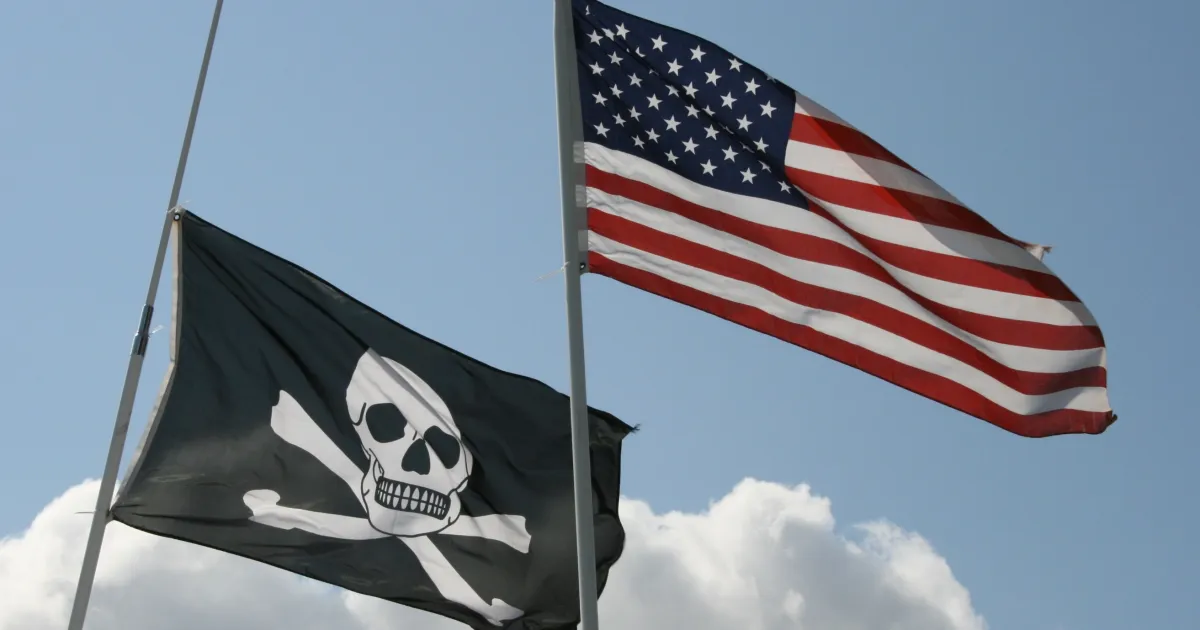
Since the Treaty of Chaguaramas in 1973, Caribbean leaders have consistently advocated for the region to remain a zone of peace, free from foreign military intervention and domination. This vision, however, has been tested by a history marked by colonial struggles, slavery revolts, and political instability. Nations like Haiti have endured multiple coups, while events such as the Grenada Revolution and subsequent U.S. invasion in 1983 underscore the region’s turbulent past. Even Trinidad and Tobago experienced a brief coup in 1990. By the 2000s, the Caribbean had achieved relative stability, though political unrest and racial tensions persisted in some areas. In 2014, the Community of Latin American and Caribbean States (CELAC) declared the region a ‘Peace Zone,’ emphasizing peaceful conflict resolution and international law. Recent U.S. military activities, particularly targeting drug trafficking, have reignited concerns about foreign intervention. CARICOM has reaffirmed its commitment to peace, sovereignty, and combating narco-trafficking and illegal arms trade. However, the rise in gang violence, homicides, and drug trafficking poses significant challenges to this vision. Regional leaders must address these issues with decisive action to ensure true peace and security for all Caribbean citizens.
-

Luke cites health minister stint as he makes 4th East K’town bid
Luke Browne, a seasoned politician and former Minister of Health, is embarking on his fourth campaign to secure the East Kingstown constituency for the Unity Labour Party (ULP). Addressing supporters in Richmond Hill, Browne expressed confidence, stating, “East Kingstown is finally going to come home to Labour.” This constituency has been a stronghold of the New Democratic Party (NDP) for the past four decades, making Browne’s challenge a significant political endeavor.