分类: politics

  • Mia Mottley Named in Forbes’ 100 World’s Most Powerful Women

    Mia Mottley Named in Forbes’ 100 World’s Most Powerful Women

    Barbadian Prime Minister Mia Mottley has secured her position among the world’s most influential leaders by earning a coveted spot on Forbes’ 2025 roster of the 100 Most Powerful Women. This prestigious recognition celebrates female pioneers who exert substantial influence across global political, financial, technological, and cultural landscapes.

    Since her historic 2018 election as Barbados’ first female premier, Mottley has emerged as a formidable voice in international climate justice advocacy. Her compelling 2021 address to the United Nations General Assembly demanding urgent environmental action garnered global attention and earned her the United Nations Environment Programme’s ‘Champion of the Earth for Policy Leadership’ honor.

    Mottley’s transformative leadership precipitated Barbados’ transition to a parliamentary republic in November 2021, severing constitutional ties with the British monarchy and ushering in a new era of sovereignty. Her administration has demonstrated particular boldness in Caribbean regional affairs, vigorously defending regional autonomy through firm negotiations with Washington and pioneering the implementation of enhanced free movement agreements with Belize and other nations to bolster economic integration.

    The Forbes list, which commands collective economic influence exceeding $37 trillion and impacts over one billion people globally, features Mottley alongside Mexican President Claudia Sheinbaum, music icons Taylor Swift and Beyoncé Knowles-Carter, Skims founder Kim Kardashian, and the creative forces behind Netflix’s record-breaking K-Pop animated film ‘Demon Hunters’.
  • New U.S. Sanctions Hit Venezuela Following Oil Tanker Seizure

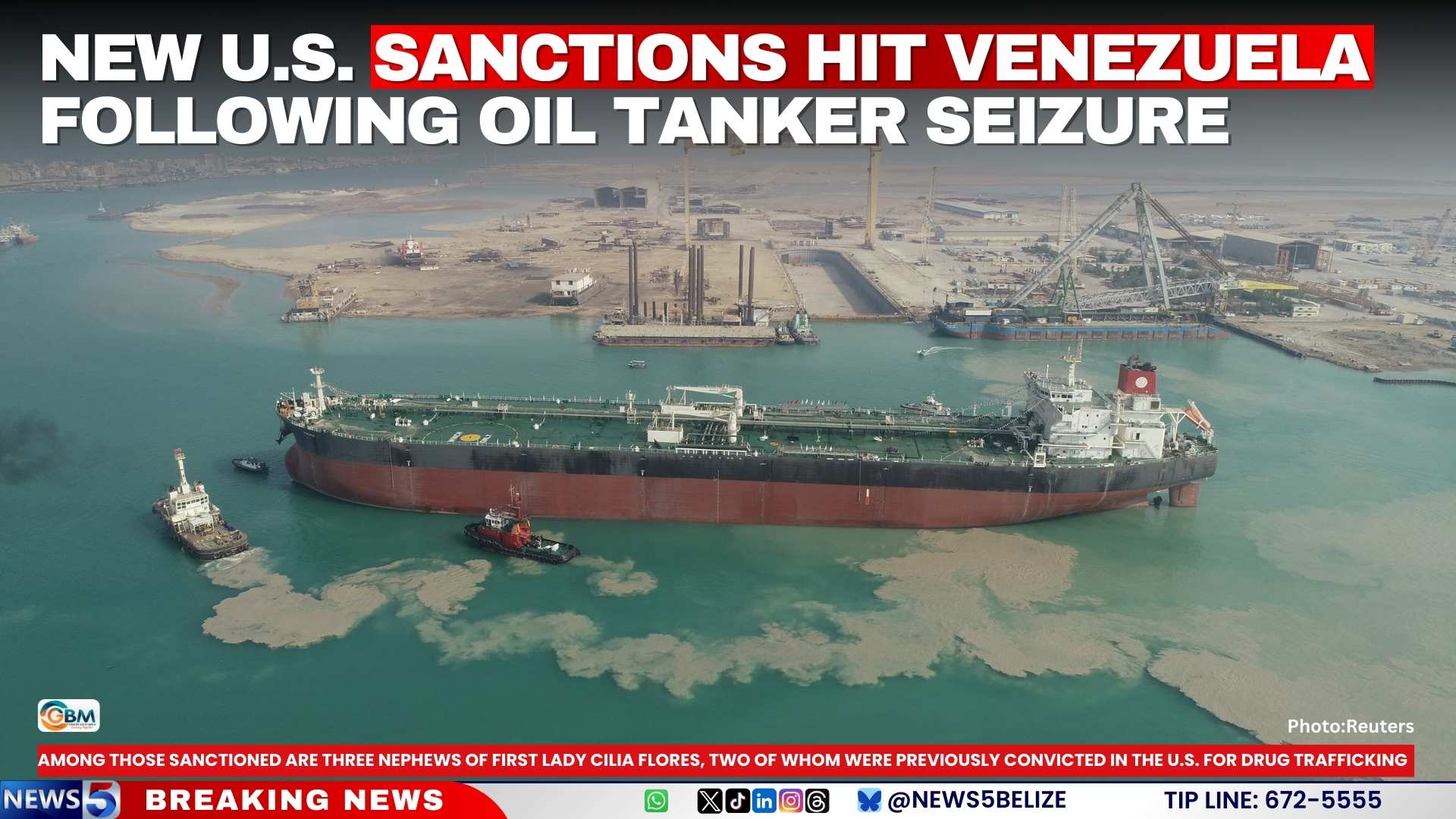
    New U.S. Sanctions Hit Venezuela Following Oil Tanker Seizure

    The United States intensified its campaign against the Venezuelan government on Thursday by imposing fresh sanctions targeting close relatives of President Nicolás Maduro and six petroleum shipping companies. This decisive action follows a dramatic military operation that resulted in the seizure of the oil tanker ‘Skipper’ off Venezuela’s coastline.

    Video footage from the raid depicted U.S. special forces rappelling from helicopters onto the vessel’s deck, a maneuver characterized by Maduro’s administration as ‘brazen international piracy.’ The confiscated tanker is now being escorted to an American port.

    The newly sanctioned individuals include three nephews of First Lady Cilia Flores, two of whom carry previous U.S. drug trafficking convictions and have been officially designated as narcotics operatives within Venezuela. This move signals Washington’s continued focus on disrupting alleged corruption networks linked to the Maduro regime.

    According to intelligence reports from Reuters, American authorities are preparing to intercept additional tankers transporting Venezuelan crude oil. Approximately thirty vessels currently face U.S. sanctions, creating a maritime quarantine effect that may force numerous ships to remain in port to avoid potential confiscation.

    The Trump administration has significantly amplified pressure on Caracas through both economic measures and military presence. Recent months have witnessed enhanced U.S. naval deployments throughout the Caribbean basin, accompanied by lethal strikes against vessels suspected of narcotics trafficking. This multi-faceted approach represents the most comprehensive challenge to Venezuela’s leadership in decades.

  • Simons wil snellere rechtspraak met cassatie en meerdere pg’s

    Simons wil snellere rechtspraak met cassatie en meerdere pg’s

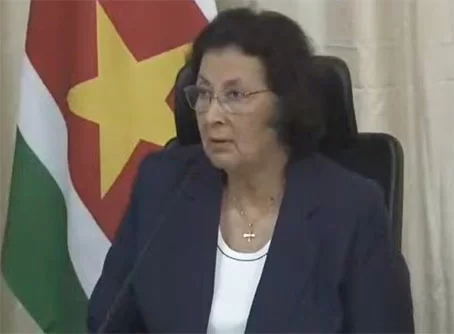
    Surinamese President Jennifer Simons has announced significant judicial reforms requiring constitutional amendments to establish a cassation court system. During a government press conference held today, Simons revealed that the constitutional changes would create the legal foundation for cassation proceedings, while specific implementation details—including structure and organization—would be determined through subsequent legislation.

    The President emphasized that multiple institutional models remain under consideration, including establishing a domestic cassation chamber, forming partnerships with foreign courts, or developing hybrid solutions. This strategic approach deliberately avoids immediate alignment with external judicial bodies like the Caribbean Court of Justice. “The Constitution will create the possibility; the final implementation will be subject to further discussion,” Simons stated, indicating ongoing consultations with the Court of Justice and legal experts.

    Addressing chronic delays in criminal case processing, Simons endorsed expanding the College of Attorneys-General to include multiple prosecutors and advocates-general. She identified insufficient capacity as a primary contributor to judicial backlog, noting that some cases remain unresolved for years with severe consequences for affected individuals. “We’re dealing with human lives. Justice must not only be correct but also timely,” the President asserted.

    While acknowledging current judge shortages, Simons confirmed that specialized training programs have been initiated to enhance judicial capacity. These workforce development efforts are considered essential for ensuring the effectiveness of broader justice system reforms.

    The President expressed strong support for initiative laws submitted by National Assembly members, noting alignment with government policies aimed at strengthening the rule of law and making judicial processes more efficient and equitable. These comprehensive reforms represent Suriname’s most substantial judicial modernization effort in recent years.

  • New CEO for Home Affairs to Be Announced Soon

    New CEO for Home Affairs to Be Announced Soon

    The Ministry of Home Affairs in Belize is poised for a significant leadership transition as Prime Minister John Briceño prepares to announce a new Chief Executive Officer. Current Minister Oscar Mira confirmed the impending appointment during a Thursday interview with CTV3, indicating that the selection process has reached its final stages.

    While National Security CEO Francis Usher continues to serve as acting CEO for the ministry, this interim arrangement appears likely to conclude soon. Minister Mira revealed that substantive discussions with the Prime Minister have already occurred, resulting in a formal recommendation being submitted for consideration.

    “I have engaged in thorough discussions with the Prime Minister, and we have reached a mutual understanding,” Mira stated. “The CEO designation is expected to be finalized imminently, pending the completion of standard administrative procedures. Although I have presented my recommendation, the ultimate appointment authority rests with the Prime Minister, who exclusively determines CEO positions.”

    Minister Mira expressed confidence in the recommendation’s reception, noting that Prime Minister Briceño is “viewing the proposal very favorably.” He emphasized that all preliminary assessments and background verification processes have been satisfactorily completed, leaving only the official announcement pending.

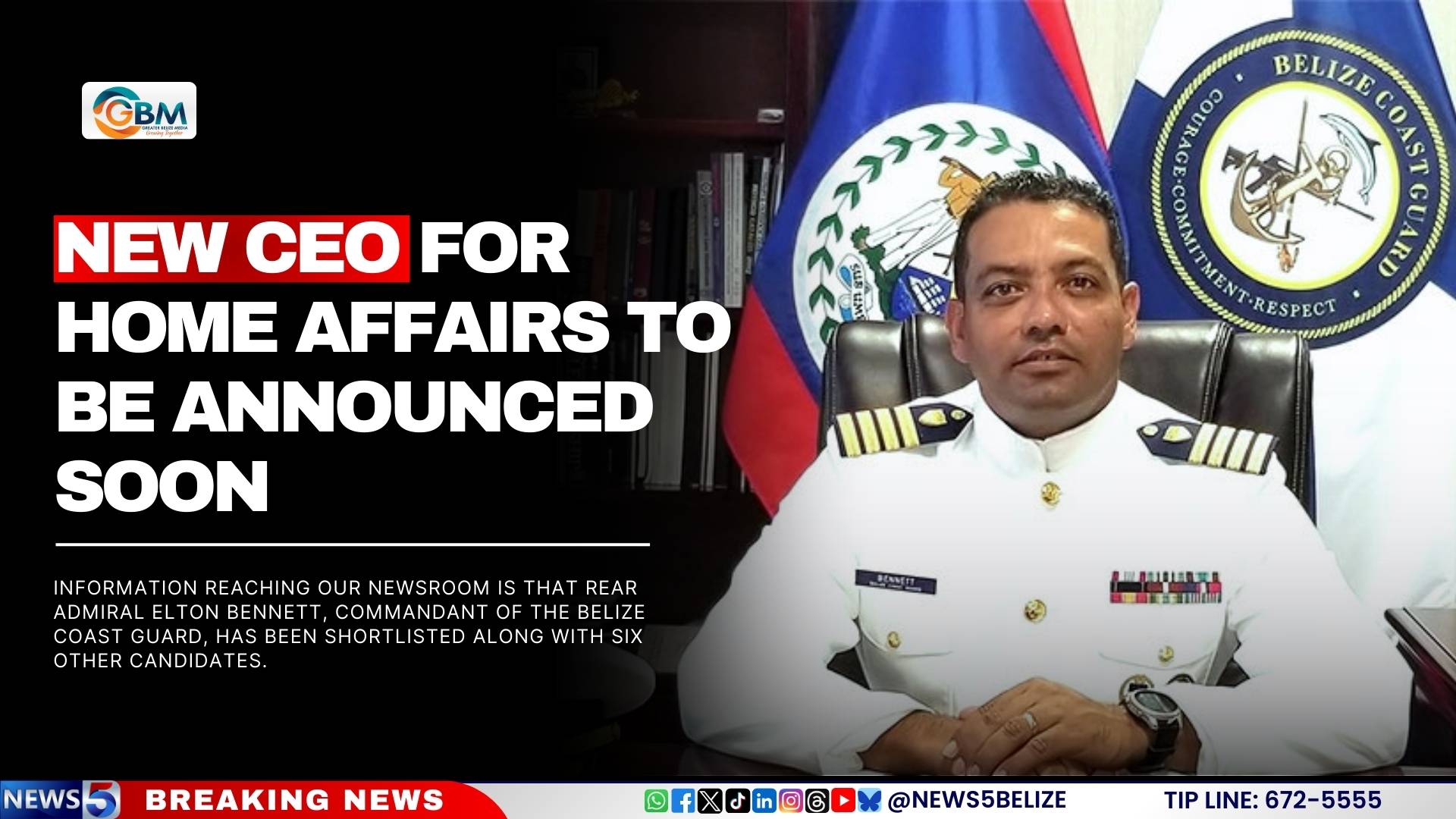
    According to sources within government circles, Rear Admiral Elton Bennett, currently serving as Commandant of the Belize Coast Guard, features among seven shortlisted candidates under consideration for the prestigious role.

    The leadership vacuum emerged following the departure of former CEO Sharole Saldivar, whose exit timing appears to have coincided with Minister Mira’s assumption of ministerial responsibilities, though precise details regarding her departure remain unspecified.

  • Colombian guerrillas place communities in lockdown citing Trump ‘intervention’ threats

    Colombian guerrillas place communities in lockdown citing Trump ‘intervention’ threats

    BOGOTA, Colombia – Colombia’s National Liberation Army (ELN), the continent’s longest-standing active guerrilla organization, has mandated a 72-hour civilian lockdown across its territorial strongholds in response to perceived interventionist threats from the United States. The directive, effective Sunday at 6:00 AM local time, instructs residents to remain indoors and avoid primary transportation routes while the group conducts military exercises.

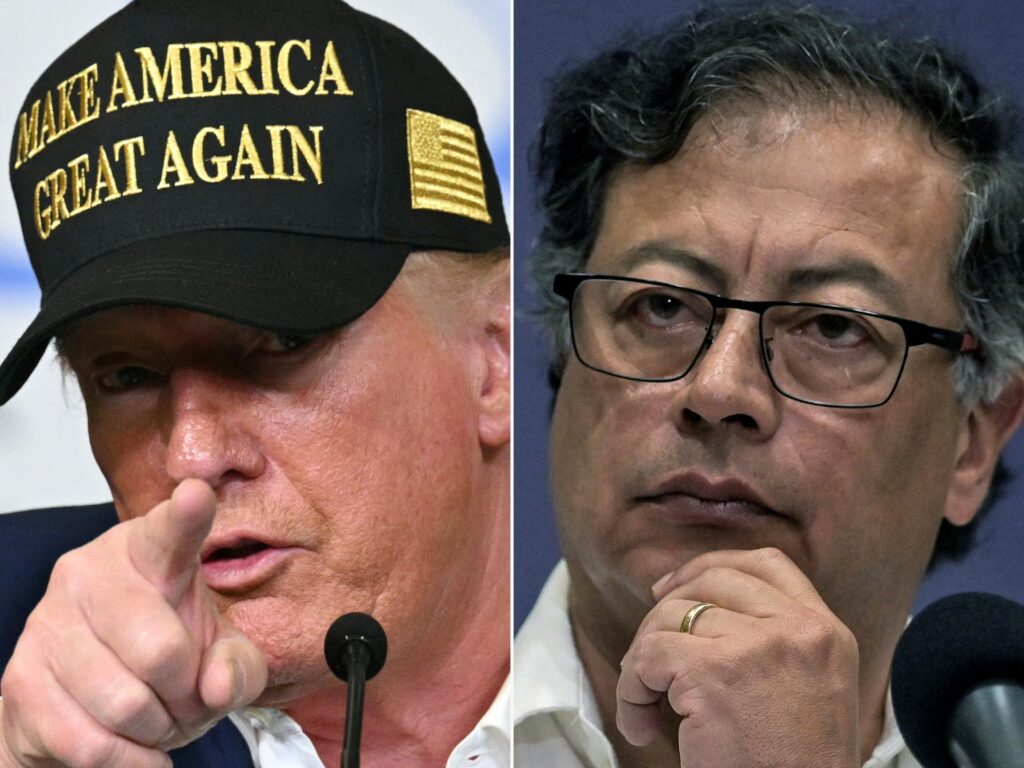
    The ELN’s statement characterized these maneuvers as defensive preparations against what it termed ‘imperialist intervention threats’ from U.S. leadership. This development follows recent remarks by former President Donald Trump suggesting Colombian President Gustavo Petro could ‘be next’ in American pressure campaigns due to the nation’s significant cocaine production.

    President Petro swiftly condemned the ELN’s actions through social media platform X, asserting that ‘one doesn’t protest against anyone by killing peasants and taking away their freedom.’ He directly accused the guerrilla group of supporting drug trafficking interests rather than genuinely opposing U.S. policies.

    Colombian Defense Minister Pedro Sánchez dismissed the armed strike as ‘criminal coercion’ and pledged comprehensive military deployment to counter the threat. According to Insight Crime research data, the ELN maintains approximately 5,800 combatants and exerts influence across more than 20% of Colombia’s municipalities.

    The group, which has participated in unsuccessful peace negotiations with five consecutive Colombian administrations, operates primarily in strategic drug-producing regions. Despite its professed leftist ideological foundations, the ELN has evolved into one of Latin America’s most potent criminal organizations, controlling substantial coca cultivation territories and trafficking corridors—particularly in the Catatumbo border region with Venezuela.

    This escalation occurs against the backdrop of Colombia’s status as the world’s leading cocaine producer, as confirmed by United Nations reports, and ongoing regional tensions regarding U.S. foreign policy approaches to Venezuela’s political situation.

  • Padarath knocks Young over Xmas party expenses claims

    Padarath knocks Young over Xmas party expenses claims

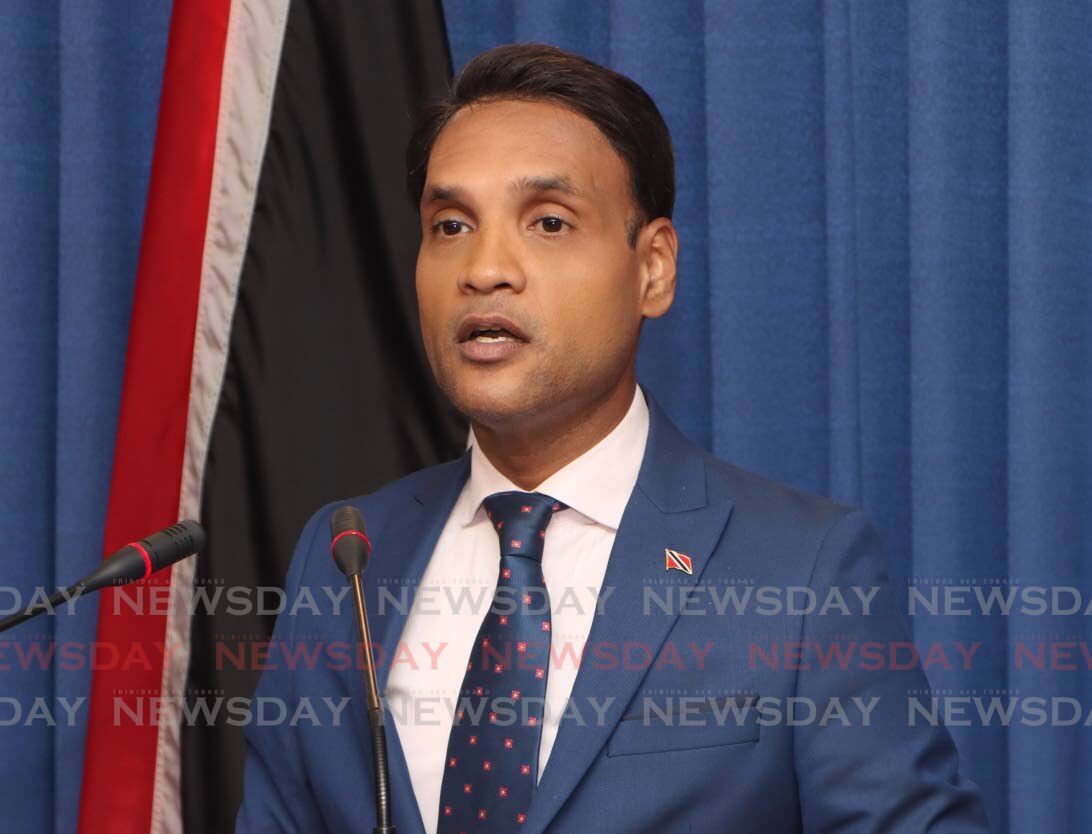
    A political dispute has emerged in Trinidad and Tobago regarding government Christmas celebrations, with Minister in the Office of the Prime Minister Barry Padarath revealing that cabinet ministers are personally subsidizing year-end staff functions. This disclosure comes in response to criticism from opposition MP Stuart Young, who accused the ruling UNC government of extravagance while implementing austerity measures.

    Young, the former energy minister and prime minister, had condemned what he characterized as ‘vulgar and expensive’ government parties in a social media post on December 13th. He asserted that the administration had terminated approximately 11,000 vulnerable workers from various public service programs while simultaneously authorizing lavish celebrations.

    The controversy specifically references Christmas events hosted by the Office of the Prime Minister and the Ministry of Public Utilities. Photographs from these gatherings circulated online, showing Prime Minister Kamla Persad-Bissessar socializing with guests including musical performer Yung Bredda (Akhenaton Lewis).

    In his rebuttal, Padarath clarified that performing artists at these functions were previously contracted brand ambassadors for state-owned telecommunications provider TSTT, arranged under the previous PNM administration. No government funds were allocated for their performances, with artists participating voluntarily. More significantly, Padarath revealed that ministers contributed personal finances to cover food and beverage costs for both events.

    This situation unfolds against the backdrop of significant workforce reductions within public service programs following the UNC’s electoral victory on April 28th. The government has simultaneously instructed ministries and state companies to reduce expenditures, resulting in canceled year-end activities at numerous organizations, including profitable state enterprises.

    The Minister of Rural Development and Local Government, Khadijah Ameen, has addressed reports of a new pilot program for public space maintenance running from December 2025 through March 2026, emphasizing that it does not represent a rebranding of the terminated CEPEP initiative.

  • PM, top cop after 2.2 tonnes of ‘creepy marijuana’ seized in 24 hours: Drug hauls save lives

    PM, top cop after 2.2 tonnes of ‘creepy marijuana’ seized in 24 hours: Drug hauls save lives

    Trinidad and Tobago’s law enforcement agencies have intercepted a massive narcotics shipment totaling 2.2 tonnes of marijuana with an estimated street value of $227 million within a 24-hour period. The dual operations, conducted on December 11, represent one of the most significant drug busts in recent history.

    The first seizure occurred at Caroni Swamp Bird Sanctuary where authorities discovered 1,560 kilograms of cannabis valued at $171 million. Hours later, officers confiscated an additional 600 kilograms worth $56 million along South Central Road in Point Fortin. Despite the substantial haul, no arrests were made during either operation.

    Government officials have attributed these successes to the controversial AN/TPS-80 G/ATOR radar system installed by United States forces at ANR International Airport in Tobago. Foreign and Caricom Affairs Minister Sean Sobers praised the technological advancement, stating: “We are very pleased that those national security apparatuses are working together cohesively with the TT Defence force and with assistance from the US. The success in such a short period is a testament to how strong the relationship is.”

    Prime Minister Kamla Persad-Bissessar characterized the seizures as “a significant blow to criminal networks” during her address at a Caribbean Examinations Council awards ceremony. The radar system has been at the center of political debate amid geopolitical tensions between the US and Venezuela, with opposition figures expressing sovereignty concerns and demanding transparency.

    Minister Sobers defended the security partnership while maintaining discretion about operational specifics: “If we go out telling everyone our trade secrets, not only would the civil citizens of TT be aware, but criminals might be aware of what we are doing to fight crime.” He additionally revealed ongoing energy discussions with US officials regarding OFAC licenses for gas fields involving bpTT and Shell.

    Police Commissioner Allister Guevarro addressed public concerns about the absence of arrests, explaining that operational safety took precedence over apprehensions. Investigations into both drug seizures remain active.

  • Prime Minister gives police 12 more refurbished vehicles

    Prime Minister gives police 12 more refurbished vehicles

    The Government of Trinidad and Tobago has significantly enhanced the operational capabilities of its national police force through the official handover of 12 refurbished vehicles. Prime Minister Kamla Persad-Bissessar, alongside Homeland Security Minister Roger Alexander, presented the vehicles during a ceremony held at the Diplomatic Centre in St. Ann’s, Port of Spain on December 12.

    This strategic investment forms part of a broader governmental commitment to deliver 50 refurbished vehicles to the Trinidad and Tobago Police Service (TTPS) by year’s end, with 14 vehicles having been transferred just last week. The initiative aims to substantially strengthen law enforcement effectiveness across the nation.

    Prime Minister Persad-Bissessar emphasized that these additional resources will dramatically improve police responsiveness to emergencies while expanding geographical coverage capabilities. The enhanced mobility will directly support frontline officers in crime prevention and public protection duties, representing a tangible implementation of the government’s resource allocation strategy.

    The vehicle refurbishment program underscores the administration’s dedication to providing practical, impactful tools that yield lasting results in national security efforts. The Prime Minister characterized this delivery as another fulfilled promise to the citizens of Trinidad and Tobago, demonstrating the government’s ongoing commitment to actionable solutions rather than mere rhetoric in addressing public safety concerns.

  • Ex-Cepep workers sceptical of new Upkeep programme

    Ex-Cepep workers sceptical of new Upkeep programme

    The Trinidadian government has officially announced a groundbreaking public works initiative while explicitly distancing it from the controversial CEPEP program that previously employed thousands. Minister of Rural Development and Local Government Khadijah Ameen confirmed the development through a ministerial statement on December 11th, acknowledging the existence of a leaked Cabinet document that outlined the proposed National Programme for the Upkeep of Public Spaces.

    The new program, scheduled to operate from December 15th to March 13th, 2026, will function as a pilot project across four regions: northwestern, eastern, central, and southern Trinidad. Designed to enhance municipal corporations’ capacity to maintain public facilities including cemeteries, recreation grounds, community centers, and school properties, the initiative will employ teams at a daily cost of $2,976 per unit. Compensation structure includes regional coordinators at $352 daily, maintenance supervisors at $278, and compliance checkers at $278.

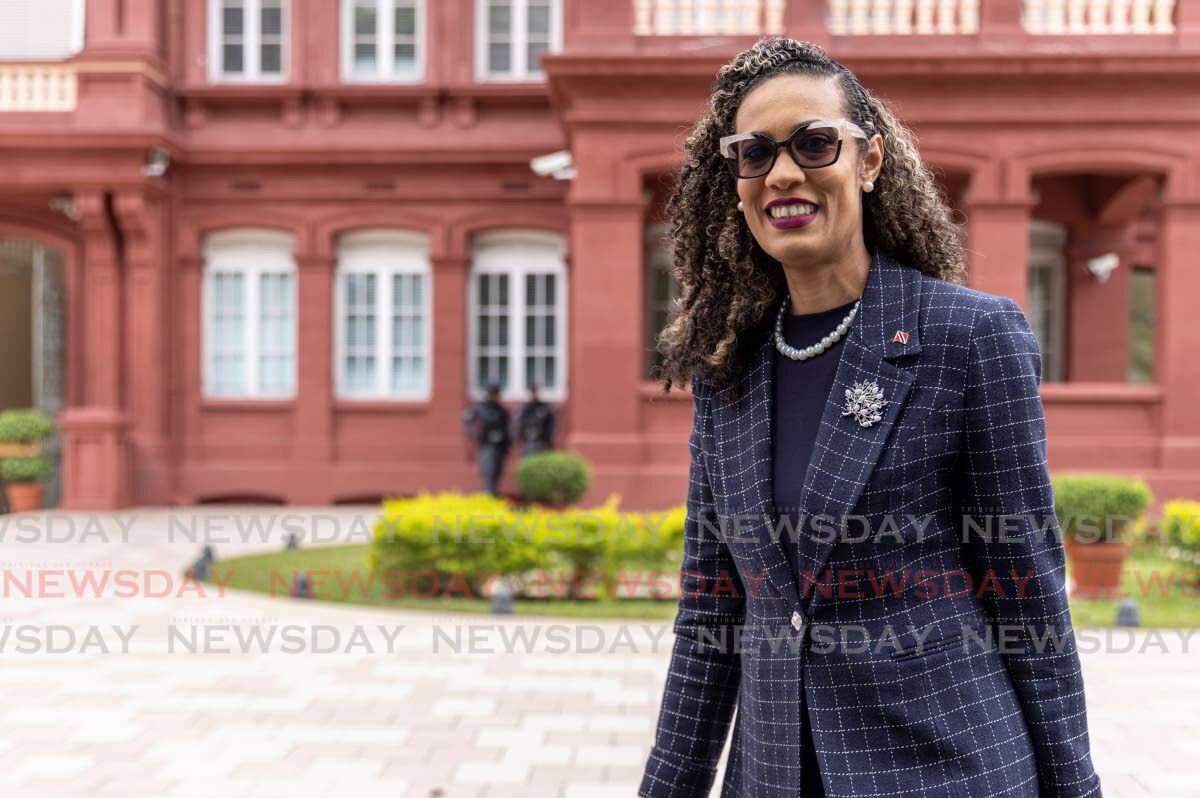
    Minister Ameen emphasized the program’s distinction from its predecessor, stating: “This is not a CEPEP replacement. It represents a fresh, results-driven initiative designed to strengthen manpower at municipal corporations, pay decent wages, and operate without political middlemen, patronage, or criminal elements.” The minister highlighted that workers would be hired directly through the ministry, eliminating political intermediaries and so-called “ghost gangs” that plagued previous initiatives.

    The announcement comes against the backdrop of significant employment disruption following the termination of approximately 11,000 workers through 300 CEPEP contractor dismissals. The government had previously justified these terminations as necessary anti-corruption measures, though one contractor’s legal challenge ultimately failed in court.

    Reception to the announcement has been mixed. Tunapuna/Piarco Regional Corporation Chairman Josiah Austin acknowledged the initiative while criticizing its scale as “grossly inadequate” for larger regions, calling for reassessment of manpower distribution. Meanwhile, former CEPEP workers expressed skepticism about the program’s temporary nature and implementation fairness. Several interviewees reported severe financial hardship following their terminations, with one woman revealing hospitalization and difficulties securing National Insurance benefits despite proper documentation.

    Concerns have emerged regarding age discrimination allegations, with reports that the program might exclude applicants over 60 years old—a demographic that includes many who haven’t met National Insurance Board requirements. The opposition parties had not responded to inquiries by press time, while the ministry continues discussions with trade unions and stakeholders to refine program delivery.

  • Tancoo: Government respects collective bargaining, fair wages

    Tancoo: Government respects collective bargaining, fair wages

    Finance Minister Davendranath Tancoo has issued a formal response to Regional Health Authority (RHA) workers threatening industrial action over unmet wage increase promises. The workers are demanding the ten percent salary hike pledged by the United National Congress (UNC) during this year’s general election campaign.

    In a December 12th official statement, Minister Tancoo emphasized the government’s commitment to lawful collective bargaining processes while maintaining fiscal responsibility. The minister called upon recognized majority unions representing RHA employees to submit formal wage proposals directly to their respective RHAs to initiate transparent negotiations.

    Tancoo clarified the distinct legal status of RHAs as public sector entities operating under their own legislative framework, separate from the core public service governed by the Civil Service Act. The minister acknowledged that while transferred staff received initial employment term protections, this did not constitute a perpetual guarantee that all future Civil Service wage increases would automatically apply to RHA personnel.

    The ministry highlighted recent developments in labor representation, noting the Trinidad and Tobago Nursing Association’s January 13th certification as the recognized majority union for specific nursing positions at the Eastern RHA. This designation grants the association collective bargaining rights under the Industrial Relations Act.

    Tancoo stressed that wage settlements for RHA employees must be negotiated directly between each RHA and its recognized unions, rather than extending the recent agreement between the Chief Personnel Officer and the Public Services Association. The minister reiterated that only officers remaining under the Civil Service Act jurisdiction would receive the terms negotiated in the December 2nd memorandum of agreement, which includes a ten percent increase with retroactive provisions dating to 2014.

    The government expressed hope that essential health services would remain uninterrupted during any potential labor demonstrations, respecting workers’ rights to protest while emphasizing the importance of maintaining patient care standards.