分类: politics

  • US has become a lawless bully

    US has become a lawless bully

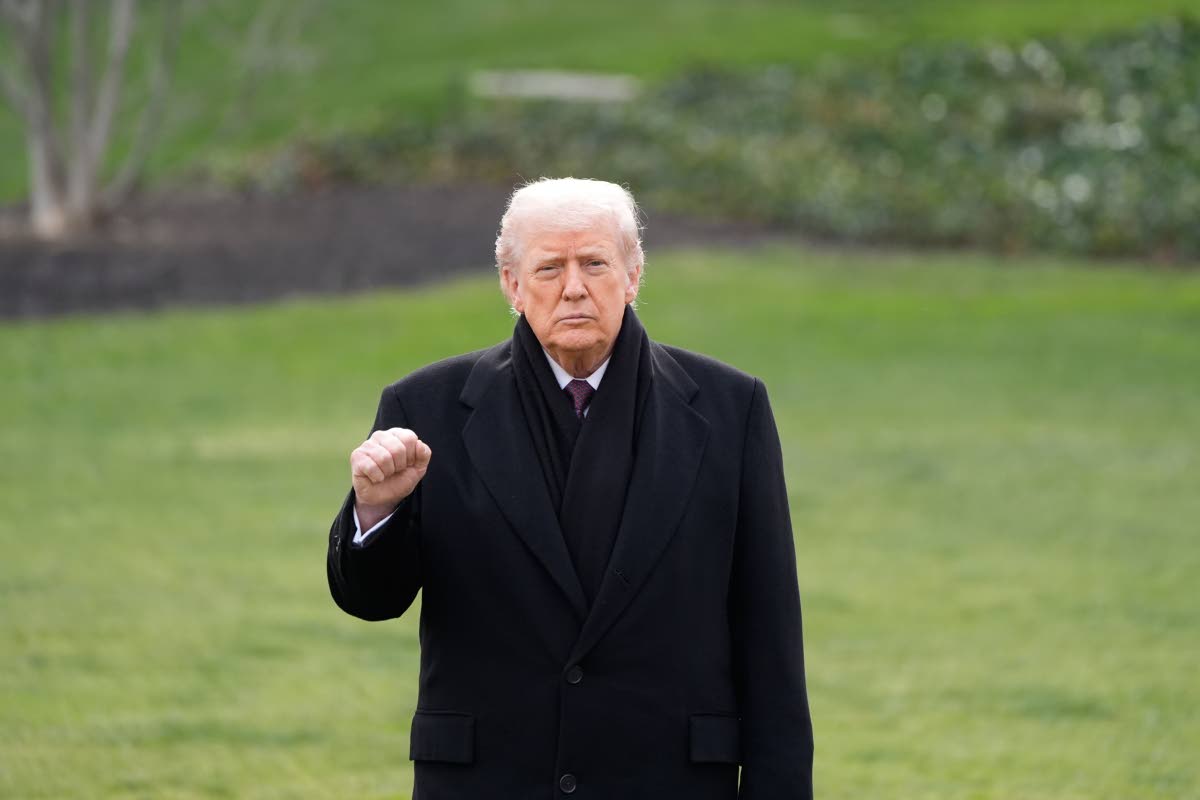
    A scathing critique of the Trump administration’s foreign and domestic policies has emerged through a recent editorial correspondence, painting a picture of a nation straying from its foundational principles. The author contends that recent military actions—including the bombing of vessels and seizure of an oil tanker conducted without public evidence—constitute acts of piracy that undermine America’s moral authority to criticize other nations for illegal behaviors.

    The piece further argues that the United States has undergone a dramatic transformation from a global leader in rule of law to what the author characterizes as a ‘lawless bully’ that has eroded international trust. This assessment comes amid examination of President Trump’s domestic political challenges.

    Despite campaign promises to immediately address inflation upon taking office, the administration’s perceived lack of success in economic matters appears to be reflected in recent polling and electoral outcomes. Political analysts anticipate significant losses for the Republican party in upcoming mid-term elections, potentially resulting in Democratic control of both the House of Representatives and Senate. Such an outcome could trigger investigations into what the author describes as the president’s ‘many questionable actions.’

    The editorial suggests these political vulnerabilities may be driving a need for distraction, specifically referencing the Jeffrey Epstein affair and ongoing affordability concerns. The author questions whether Republican lawmakers who recently opposed the administration regarding Epstein documents would similarly resist potential escalation with Venezuela—a move characterized as potentially serving both diversionary purposes and expanding presidential powers during wartime.
  • US strike on alleged drug boat in Pacific kills four

    US strike on alleged drug boat in Pacific kills four

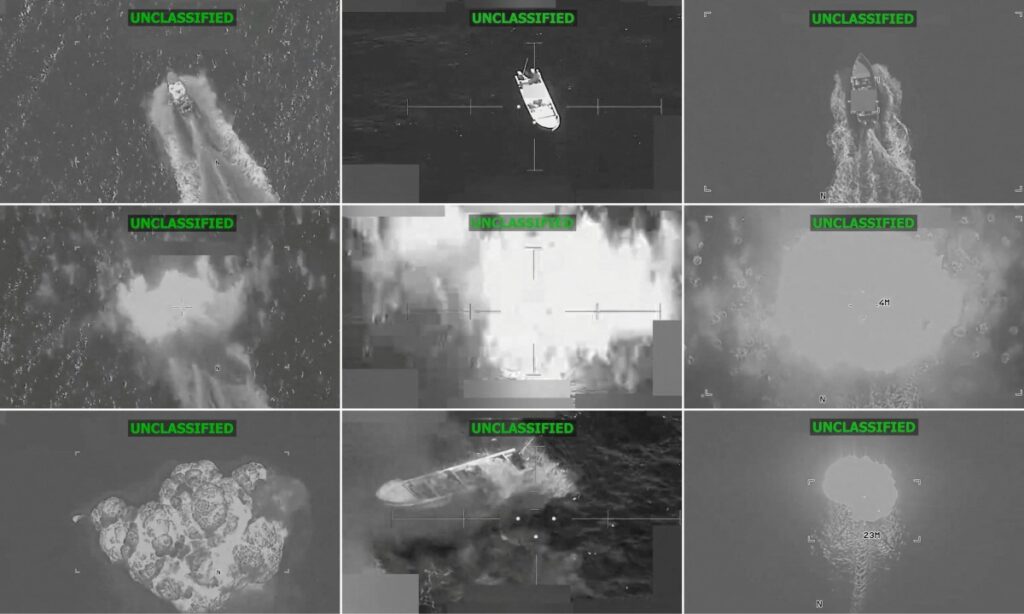
    WASHINGTON—A recent US military operation in the eastern Pacific Ocean has resulted in the deaths of four individuals identified as suspected drug traffickers, escalating the controversial counter-narcotics campaign’s death toll to 99 since its initiation in September. The US Southern Command confirmed the lethal strike targeted a vessel allegedly operated by a designated terrorist organization engaged in narco-trafficking activities.

    The operations, conducted primarily in the Caribbean Sea and eastern Pacific, have intensified legal and ethical debates regarding their authorization and transparency. Despite military assertions of targeting narcoterrorist networks, the Trump administration has yet to provide substantive evidence linking the intercepted vessels to drug trafficking operations.

    Congressional scrutiny intensified as the Senate passed a defense policy bill demanding greater transparency, including the threat of reducing Defense Secretary Pete Hegseth’s travel budget by 25% unless unedited videos of the campaign’s initial September 2 strike are submitted to armed services committees. During that incident, survivors of an initial attack were reportedly killed in a subsequent strike, raising allegations of potential war crimes.

    Secretary of State Marco Rubio and Defense Secretary Hegseth defended the operations before Congress, characterizing the September mission as ‘highly successful.’ Both officials committed to allowing congressional committees to review the strike footage under the supervision of Admiral Frank Bradley by week’s end.

    Simultaneously, the Trump administration has expanded military operations near Venezuela, declaring a blockade on oil vessels bound for Caracas. Venezuelan President Nicolas Maduro condemns these actions as attempts to force regime change under the pretext of anti-drug operations. The House of Representatives recently rejected two Democratic resolutions seeking to halt unauthorized military engagements in Venezuelan territories.

  • 30-year low murder rate evidence of effective Gov’t policy and partnership with security forces — Fitz-Henley

    30-year low murder rate evidence of effective Gov’t policy and partnership with security forces — Fitz-Henley

    Jamaica is poised to achieve its lowest annual homicide rate in over three decades, marking a watershed moment in the nation’s long-standing battle against violent crime. With just over two weeks remaining in the year, official data from the Jamaica Constabulary Force (JCF) indicates approximately 600 murders—putting the island on track to record fewer than 700 homicides for the first time since 1994.

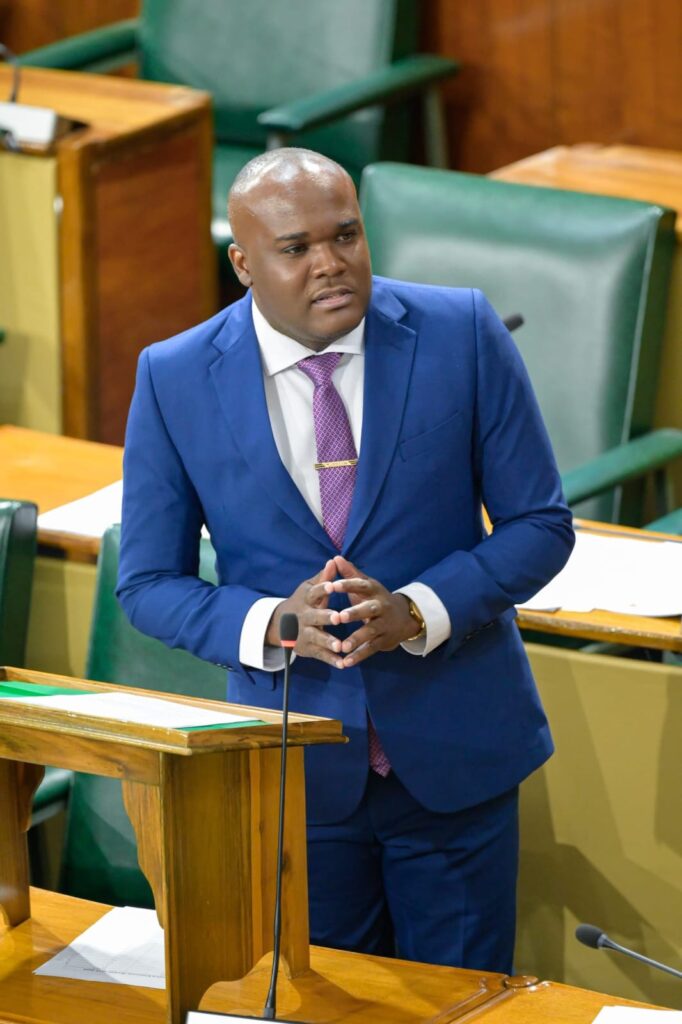
    Abka Fitz-Henley, State Minister in the Office of the Prime Minister, attributes this dramatic 43% reduction in murders to the Holness administration’s deliberate policy architecture and strengthened collaboration with security agencies. While acknowledging that any murder remains unacceptable, Fitz-Henley emphasized the significance of this decline within Jamaica’s historical context of violent crime.

    The government’s multifaceted strategy, implemented since 2016, includes ‘Plan Secure Jamaica’—a comprehensive roadmap presented to parliament in 2017/2018. Key components involve substantial enhancements to security forces’ intelligence capabilities, unprecedented investments in border protection technology at Jamaica Customs to intercept illegal firearms, and targeted operations to dismantle criminal networks.

    Legislative reforms have played a crucial role, including the establishment of Zones of Special Operation, amendments to anti-gang legislation, and the DNA Evidence Act. These measures have been complemented by sustained support for security personnel through increased staffing and improved working conditions.

    Despite these achievements, Fitz-Henley confirmed the administration remains focused on sustained progress rather than celebration. Prime Minister Andrew Holness and National Security Minister Dr. Horace Chang continue to develop additional policies aimed at further securing Jamaican society.

  • PM washes hands of US blockade of Venezuela

    PM washes hands of US blockade of Venezuela

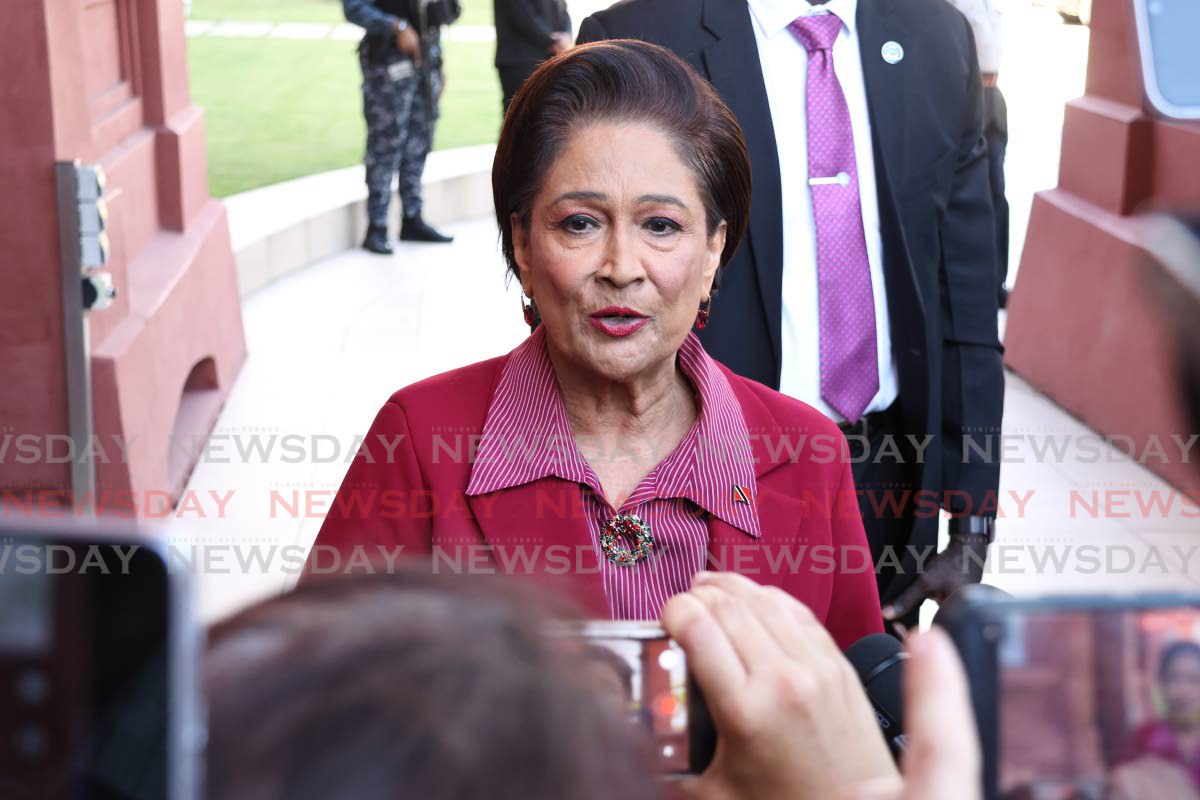
    Prime Minister Kamla Persad-Bissessar has explicitly stated that Trinidad and Tobago maintains no involvement in the United States’ recently announced naval blockade targeting Venezuelan oil tankers. The Caribbean leader emphasized that her nation’s partnership with the US strictly focuses on domestic security concerns rather than international sanctions enforcement.

    Speaking to journalists following a funeral service in Petit Valley on December 17, Persad-Bissessar clarified her government’s position: “TT is about TT first. Our partnership with the US is about TT safety and security here. Those are issues for the Trump administration and for the US. TT is no part of that blockade.”

    The Prime Minister’s comments came shortly after President Donald Trump declared the blockade via social media platform X, citing Venezuela’s designation as a “foreign terrorist organization” due to alleged asset theft, terrorism, drug smuggling, and human trafficking activities.

    Despite distancing herself from the Venezuela blockade, Persad-Bissessar expressed satisfaction with the US security partnership’s outcomes, noting a reduction of 240 murders compared to the previous year and recent drug seizures exceeding $200 million value. These successes, attributed to advanced radar technology deployed in Tobago, form the basis of the government’s continued cooperation with US anti-narcotics operations.

    The Venezuelan government has vehemently condemned Trump’s blockade announcement, with Defense Minister Vladimir Padrino López dismissing the statements as “delusional” and accusing the US of attempting to control Venezuela’s natural resources. “It’s not about narcoterrorism,” López asserted. “It’s all about the oil.”

    International support for Venezuela has emerged from multiple nations including Russia, China, Cuba, Colombia, and Iran. The Iranian government characterized the blockade as “state piracy and armed robbery at sea,” while Russia warned of potential unprecedented consequences for the Western Hemisphere.

    Diplomatic efforts are underway to mitigate tensions, with Mexican President Claudia Sheinbaum urging UN intervention and offering Mexico as neutral ground for potential US-Venezuela negotiations. Brazilian President Luiz Inácio Lula da Silva similarly advocated for dialogue between the nations.

    Venezuelan Vice President Delcy Rodríguez reinforced her country’s position via Telegram, emphasizing that Venezuela’s energy resources would never again be controlled by foreign powers: “We will never again be an energy colony of anyone or any foreign power that dreams of stealing our riches.”

  • Danielle Veira is PM Friday’s press secretary

    Danielle Veira is PM Friday’s press secretary

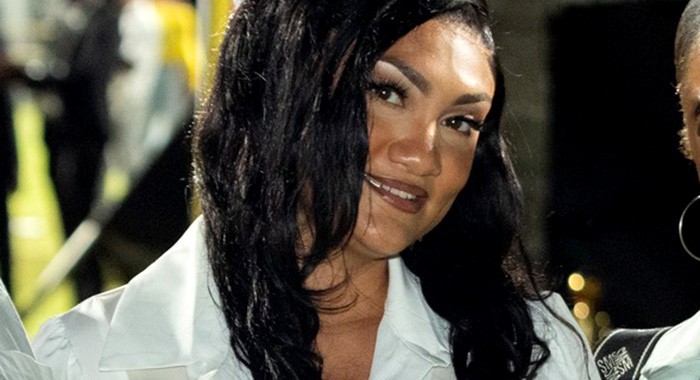
    Prime Minister Godwin Friday has selected Danielle Veira, a multifaceted media professional with diverse experience across multiple industries, to serve as his official Press Secretary. The appointment marks a significant addition to the administrative communications team following the New Democratic Party’s electoral victory on November 27.

    Veira brings an extensive background that spans singing, songwriting, announcing, advertising creation, and real estate to her new role. Her longstanding affiliation with the ruling party includes hosting the NDP’s media programming and presiding over several party press conferences during the pre-election period. In the critical year leading to the party’s successful campaign, she collaborated closely with Lavern King, the NDP Public Relations Officer who has since been appointed to the Senate.

    Expressing her gratitude for the appointment, Veira stated to iWitness News: “It is a great honour to be appointed by the Prime Minister as Press Secretary. I am fully committed to supporting the Government in carrying out its mandate to deliver for all Vincentians.” She further emphasized her dedication to the role, adding: “I look forward to serving in this role with energy and conviction, and to upholding the responsibilities of the office with clarity and commitment.”

    The position of press secretary to the Prime Minister of St. Vincent and the Grenadines has been held by several notable figures throughout history. Glenn Jackson, a journalist, became the first appointee to this role shortly after Prime Minister Ralph Gonsalves assumed office in March 2001. Jackson served until his tragic death on March 6, 2006.

    His successor, Hans King—another journalist and former educator—held the position until February 1, 2019, when he resigned to assume leadership as general manager of National Properties Ltd., a state-owned enterprise. King was later confirmed permanently in this corporate role and reportedly resigned following the November general election.

    The interim period saw Sehon Marshall appointed to the press secretary position on May 1, 2019. Marshall brought diplomatic experience from his previous role as counsellor at SVG’s Permanent Mission to the United Nations and deputy consul general at the New York Consulate. Most recently, comedian and former radio announcer Shevrell McMillan served as press officer to Gonsalves until the Unity Labour Party’s electoral defeat.

  • Anticipation mounts for first meeting of Parliament under NDP

    Anticipation mounts for first meeting of Parliament under NDP

    Kingstown prepares for a pivotal constitutional moment as Saint Vincent and the Grenadines’ newly elected New Democratic Party administration convenes Parliament on December 23rd, precisely five days ahead of the constitutional deadline requiring assembly within thirty days following election writ returns.

    The political atmosphere remains charged with multiple unresolved questions dominating public discourse. Central to the speculation is Opposition Leader Ralph Gonsalves’ potential attendance, with the veteran politician stating he maintains “prayerful consideration” regarding whether he will participate in the ceremonial oath-taking proceedings. Gonsalves, representing North Central Windward since 1994, remains the sole surviving parliamentary member of the formerly governing Unity Labour Party after voters rejected all other ULP candidates in the November 27 elections.

    Administrative challenges further complicate the parliamentary opening. The High Court’s December 4th ruling quashed the 2023 appointments of Debra Alexander-Charles and Simone Williams-Huggins as clerk and deputy clerk respectively, declaring their appointments unlawful and procedurally improper. This development follows original candidate Celena McDonald’s union-backed legal challenge against the Public Service Commission. Government sources confirm the essential positions must be filled before Parliament can formally convene.

    Attention also focuses on cabinet appointments, with Prime Minister-designate Dr. Friday expected to announce key positions including the Speaker and Deputy Speaker of the House. Social media speculation has circulated regarding former NDP senator Vynnette Frederick potentially assuming the Speaker role, though sources suggest this speculation originates from those desiring a more combative parliamentary dynamic rather than reflecting the Prime Minister’s actual intentions.

    The opposition faces its own structural decisions, with Gonsalves carefully evaluating potential senate appointments from among the ULP’s defeated candidates. Notable among them is his son, former Finance Minister Camillo Gonsalves, who has signaled he will not seek reelection in East St. George, and former Agriculture Minister Saboto Caesar, who has returned to legal practice after seventeen years in politics. The opposition leader emphasizes he continues consultations regarding appointments, balancing private sector commitments with parliamentary responsibilities.

    Meanwhile, Prime Minister-designate Friday has maintained notable silence on parliamentary matters, with Senator Lavern King’s promise of an imminent press conference remaining unfulfilled as the PM instead engages in informal public interactions throughout Kingstown.

  • STATEMENT: Government of Dominica seeks clarification and dialogue with United States on presidential  proclamation

    STATEMENT: Government of Dominica seeks clarification and dialogue with United States on presidential proclamation

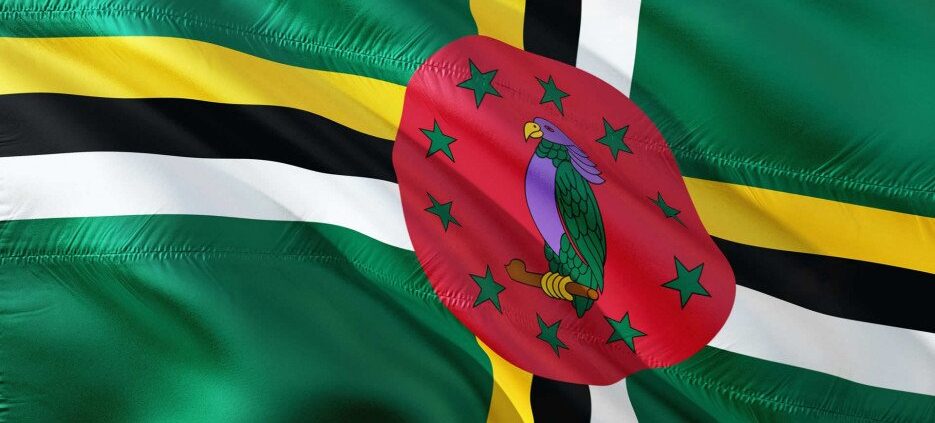
    The Commonwealth of Dominica has formally requested immediate diplomatic consultations with the United States government following the December 16, 2025 proclamation imposing partial entry restrictions on Dominican nationals. While acknowledging America’s sovereign right to implement national security measures, the Dominican government expressed profound concern about its inclusion in the travel restrictions given its extensive cooperation with U.S. authorities and substantial reforms to its Citizenship by Investment Program.

    Throughout 2024-2025, Dominican officials maintained continuous engagement with multiple U.S. agencies through various channels including the Prime Minister’s Office, Ministry of Foreign Affairs, and its Washington D.C. embassy. These collaborative efforts addressed all concerns raised by American officials regarding CBI operations, culminating in Dominica becoming the first Organization of Eastern Caribbean States member to enact comprehensive legislative reforms on October 14, 2025.

    The groundbreaking reforms introduced stringent new requirements including enhanced residency provisions, rigorous name-change controls, strengthened due diligence protocols, improved financial transparency measures, and the creation of an independent regulatory authority to ensure compliance with international standards.

    The Caribbean nation now seeks clarification regarding whether these implemented measures satisfy U.S. security requirements referenced in the proclamation. Dominican authorities have requested urgent dialogue before the restrictions take effect on January 1, 2026, consistent with the partnership spirit outlined in the proclamation itself.

    Emphasizing its long-standing bilateral relationship with the United States, particularly regarding maritime security and regional stability cooperation, Dominica reiterated that threats to U.S. security equally concern the Caribbean region. The government remains committed to transparent collaboration and shared security objectives while seeking resolution through constructive diplomatic engagement that reflects mutual respect between both nations.

  • I have a question: Where are they now?

    I have a question: Where are they now?

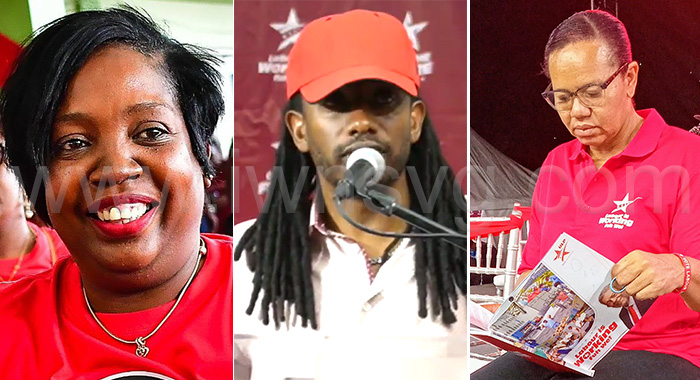
    In the aftermath of recent elections, public attention has turned toward several prominent figures whose positions and qualifications warrant examination. Individuals like Chevonne Stewart and Grace Walters now face public speculation about their return to government roles, raising questions about their reintegration into the civil service structures they previously seemed to transcend during their political campaigns.

    The phenomenon extends to other recognizable figures, including the once-vocal ‘Candy Man,’ who has resumed his duties as a civil servant while promoting local commerce. His rapid ascent, attributed more to political connections than demonstrated merit, invites scrutiny regarding the sustainability of such careers once electoral fervor subsides.

    Particular concern surrounds appointment 705, where managerial authority appears mismatched with educational qualifications. The current manager reportedly holds only a post-secondary diploma while supervising staff with undergraduate and postgraduate degrees—an imbalance that may contribute to persistent operational deficiencies and high staff turnover within the department.

    These observations echo timeless wisdom about the nature of qualifications and power. The proverbial notion that ‘dressing a pig in a suit’ cannot alter its fundamental nature serves as a caution against prioritizing political connections over substantive capability. Similarly, the adage that ‘he who pays the piper calls the tune’ underscores concerns about accountability structures within politically influenced appointments.

    The discourse concludes with restrained commentary on politically appointed diplomats, acknowledging the complex interplay between political patronage and institutional effectiveness that characterizes post-election governance landscapes.

  • Dominica, Antigua seek clarification of US travel restrictions

    Dominica, Antigua seek clarification of US travel restrictions

    The Trump administration has significantly broadened its controversial travel restrictions, adding 20 countries and the Palestinian Authority to its list of nations facing entry limitations. This policy expansion, announced Tuesday and set to take effect January 1, represents a substantial shift in American immigration and travel protocols under the guise of national security concerns.

    The updated restrictions implement comprehensive travel bans targeting citizens of Burkina Faso, Mali, Niger, South Sudan, and Syria, alongside individuals traveling with documents issued by the Palestinian Authority. Concurrently, partial limitations have been imposed on nationals from fifteen additional countries, including the Caribbean nations of Antigua and Barbuda and Dominica.

    The complete list of countries facing partial restrictions encompasses Angola, Benin, Ivory Coast, Gabon, Gambia, Malawi, Mauritania, Nigeria, Senegal, Tanzania, Tonga, Zambia, and Zimbabwe alongside the aforementioned Caribbean nations.

    Notably, the policy maintains exemptions for lawful permanent residents of the United States, individuals possessing valid visas, and specific visa categories including diplomats and international athletes. Furthermore, exceptions are granted to those whose entry is determined to serve American national interests.

    In reaction to this development, the governments of Dominica and Antigua and Barbuda have initiated urgent diplomatic communications seeking clarification. Dominica’s Ministry of Foreign Affairs issued a statement acknowledging the concerns the announcement may provoke while assuring citizens that the matter was being addressed with utmost seriousness. The ministry confirmed active engagement with officials at the United States Embassy in Bridgetown, Barbados, to obtain formal details regarding the scope, rationale, and specific implications for Dominican travelers and visa holders.

    Similarly, Antigua and Barbuda’s Prime Minister Gaston Browne revealed he had communicated directly with President Donald Trump and Secretary of State Mike Pompeo, offering full cooperation to address underlying concerns and facilitate the restoration of all visa categories. Both Caribbean Community (CARICOM) member states emphasized their ongoing diplomatic efforts to comprehend the practical impact these new measures will have on their citizens.

  • Gonsalves waiting to see gov’t stance on vaccine mandate case

    Gonsalves waiting to see gov’t stance on vaccine mandate case

    A significant legal confrontation regarding St. Vincent and the Grenadines’ COVID-19 vaccine mandate for public sector workers is advancing toward the Privy Council in London for final adjudication. The case, sponsored by three major labor organizations—the Public Service Union, St. Vincent and the Grenadines Teachers Union, and the Police Welfare Association—challenges the previous government’s dismissal of hundreds of employees who refused vaccination by November 2021.

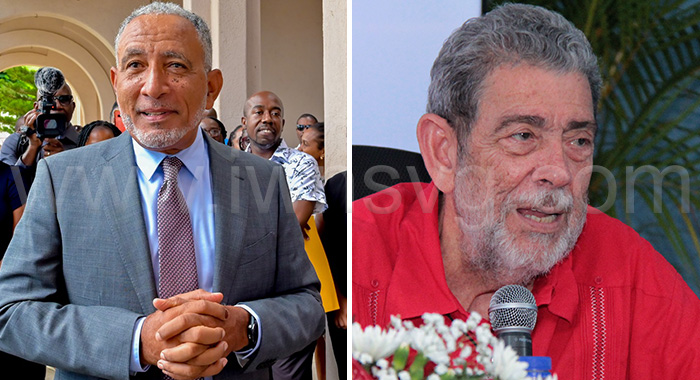
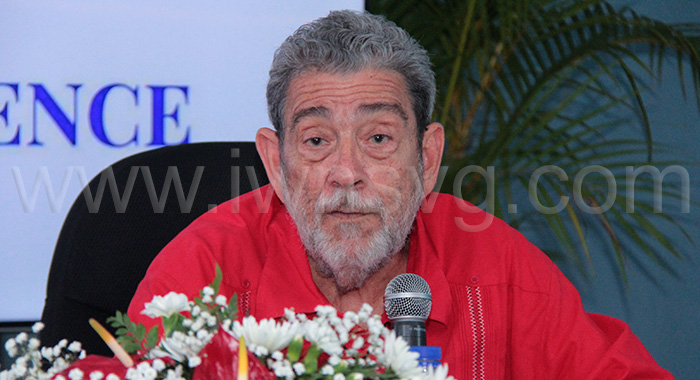
    Former Prime Minister and current Opposition Leader Ralph Gonsalves has expressed anticipation regarding the stance of the newly elected New Democratic Party (NDP) administration on defending the appeal. The judicial journey has seen notable fluctuations: initially, the High Court deemed the terminations illegal and unconstitutional, but this ruling was subsequently overturned by a 2-1 decision in the Court of Appeal, which then authorized the Privy Council appeal.

    Since assuming power, the NDP government has initiated the reinstatement of affected workers, fulfilling a key campaign promise. Some employees, like teacher Ann-Marie Ballantyne, have returned to their positions after a four-year absence and now await full back-pay compensation. However, Ballantyne acknowledges the ongoing legal process and expresses patience regarding staggered payments, recognizing potential economic constraints.

    Gonsalves has speculated that the NDP might opt to settle the matter preemptively rather than pursue a definitive Privy Council ruling, potentially leaving the Court of Appeal’s decision as the final word. Meanwhile, union representatives have confirmed their commitment to pursuing the appeal irrespective of the government’s position, seeking broader legal clarifications beyond mere reinstatement and compensation.