分类: politics

  • Colombia seeks deeper ties after embassy reopens

    Colombia seeks deeper ties after embassy reopens

    In a significant diplomatic move, Colombia has officially recommitted to strengthening its bilateral relations with Barbados through the strategic reopening of its embassy in Bridgetown. This development marks a pivotal moment in South-South cooperation, ending a two-decade absence of Colombian diplomatic presence since the mission’s closure in 2002.

    Colombian Ambassador Elizabeth Inés Taylor Jay articulated the broader strategic vision behind this diplomatic re-engagement during a recent media briefing. ‘This reopening forms part of our government’s comprehensive strategy to reconnect with Caribbean nations as historical partners,’ Ambassador Taylor Jay explained. She emphasized the shared cultural and historical roots between Colombia and the Caribbean region, noting her personal connection as a native of Colombia’s Caribbean coastal area.

    The embassy has unveiled an ambitious program of cultural and educational initiatives designed to foster deeper people-to-people connections. According to embassy representative Natalia Ramírez, the 2026 agenda includes traditional healing workshops led by Colombian practitioners, showcasing the nation’s renowned coffee and cocoa industries through expert-led demonstrations, and a Pulitzer prize-winning photographer conducting visual storytelling workshops.

    A highlight of the cultural exchange program will occur in July when five teenagers from Tolúviejo, Colombia, will participate in a week-long immersion program to learn about Barbadian history and culture while engaging with local youth. Additionally, the embassy will expand its Spanish-language training program for Barbadian civil servants, enhancing communication capabilities between the two nations.

    This diplomatic reestablishment responds to both countries’ mutual interest in deepening South-South cooperation. Then-Foreign Minister Kerrie Symmonds had previously identified Colombia as a key partner for expanding trade, cooperation, and regional integration, signaling Barbados’ enthusiasm for strengthened relations with Latin American nations.

  • Jerry Enriquez’s Redistricting Battle Reaches CCJ

    Jerry Enriquez’s Redistricting Battle Reaches CCJ

    The Caribbean Court of Justice (CCJ) has become the latest battleground in a protracted legal confrontation over Belize’s electoral system, as attorney Jeremy Enriquez seeks to revive his redistricting challenge that previously encountered multiple procedural setbacks. The case, initially filed in February 2025, contends that outdated electoral boundaries violate citizens’ constitutional right to equal representation by creating significant disparities in constituency sizes.

    Represented by prominent legal figures Senior Counsel Anand Ramlogan and King’s Counsel Peter Knox, Enriquez is challenging a series of Court of Appeal decisions that effectively blocked his attempt to postpone the 2025 general elections until electoral boundaries underwent necessary revisions. The appellate court had previously dismissed three separate appeals related to the case: one concerning the High Court’s rejection of an injunction request, another addressing a wasted-cost order against Ramlogan, and a third regarding an unsuccessful recusal motion against Justice Tawanda Hondora.

    During today’s proceedings, the regional court engaged in rigorous examination of whether any substantive legal questions remain viable following the conclusion of the 2025 elections. Attorneys Illiana Swift, representing the Attorney General’s office, and Hector Guerra, acting for the Elections and Boundaries Commission, argued that the core issues had become moot with the election’s completion.

    The CCJ justices moved beyond technical procedural arguments to address fundamental constitutional principles, particularly focusing on whether the right to fair hearing had been compromised in earlier proceedings. Ramlogan emphasized that the case represents “an entirely exceptional matter” rooted in “the fertile soil of the right to a fair hearing,” while Knox presented evidence suggesting judicial bias in earlier cost order determinations.

    The outcome of this judicial review carries significant implications for Belize’s democratic processes and could establish important precedents regarding electoral equity and constitutional protections throughout the Caribbean region.

  • Zes ambassadeurs  bieden geloofsbrieven aan president Simons aan

    Zes ambassadeurs bieden geloofsbrieven aan president Simons aan

    Suriname’s diplomatic landscape expanded significantly on Thursday as President Jennifer Simons formally received credentials from six ambassadors at the Presidential Palace in Paramaribo. The ceremony marked a pivotal moment in strengthening bilateral relations between Suriname and nations across multiple continents.

    In separate meetings with the head of state, both resident and non-resident ambassadors expressed strong commitment to enhancing diplomatic cooperation. The distinguished diplomats included: Isaac Roberto Torres Barrios (Cuba, accredited from Paramaribo), Mattanya Aharon Cohen (Israel, based in Panama), and four ambassadors accredited from Brazil – Zurab Mchedlishvili (Georgia), Eleonora Dimitrova (Bulgaria), Nii Amasah Namoale (Ghana), and Eleni Lianidou (Greece).

    During substantive discussions, each ambassador outlined specific areas for deepened collaboration. Georgian Ambassador Mchedlishvili expressed honor in representing his nation while identifying potential partnerships in political, economic, and educational domains, including high-level exchanges and formal consultations.

    Bulgarian Ambassador Dimitrova conveyed appreciation for Suriname’s hospitality and emphasized aspirations to fortify the 22-year diplomatic relationship between the nations. Ghana’s representative Ambassador Namoale highlighted historical connections and stressed that future cooperation must prioritize mutual welfare and development.

    Greek Ambassador Lianidou described her reception as exceptionally warm and confirmed both countries’ intentions to expand existing positive relations. Israeli Ambassador Cohen noted the significant milestone of fifty years of diplomatic ties with Suriname, pinpointing agriculture, food security, and energy as key cooperation sectors.

    Cuban Ambassador Barrios reaffirmed his dedication to strengthening bilateral bonds and expanding joint initiatives between Havana and Paramaribo. The Communications Service of Suriname reported that all envoys demonstrated particular enthusiasm for deepening economic and cultural exchanges alongside political diplomacy.

  • Is Belize’s Voting Map Fair? Case Goes to the CCJ

    Is Belize’s Voting Map Fair? Case Goes to the CCJ

    A landmark legal challenge concerning Belize’s electoral constituency boundaries has advanced to the Caribbean Court of Justice (CCJ), marking a significant development in a year-long constitutional dispute. Activist Jeremy Enriquez has petitioned the regional judicial body to reinstate his previously dismissed case alleging malapportionment in Belize’s voting districts.

    Enriquez’s central argument contends that substantial population disparities between constituencies violate constitutional guarantees of equal representation. The original lawsuit, initiated in February 2025, sought to postpone that year’s general elections until electoral boundaries underwent comprehensive revision to address demographic imbalances.

    The legal pathway encountered obstacles when Belize’s Court of Appeal dismissed multiple aspects of Enriquez’s challenge, including appeals concerning both the refusal to halt the 2025 elections and a subsequent costs order levied against his legal representative. The current CCJ petition seeks judicial reactivation of these dismissed elements.

    Government legal representatives, led by Attorney Illiana Swift, have countered that the concluded 2025 general election renders the central injunction request moot. ‘The election has been held, and as the applicants accepted, they are no longer seeking that injunction in the High Court,’ Swift stated during proceedings.

    Parallel to the judicial review, Belize’s Elections and Boundaries Department has commenced preparatory work for upcoming municipal elections. Chief Elections Officer Josephine Tamai confirmed that departmental officers are currently implementing newly adjusted municipal boundaries to ensure accurate voter placement and registration ahead of the 2027 local polls.

  • GOB Responds to US Lawmaker’s Call for Review of Belize’s Investment Climate

    GOB Responds to US Lawmaker’s Call for Review of Belize’s Investment Climate

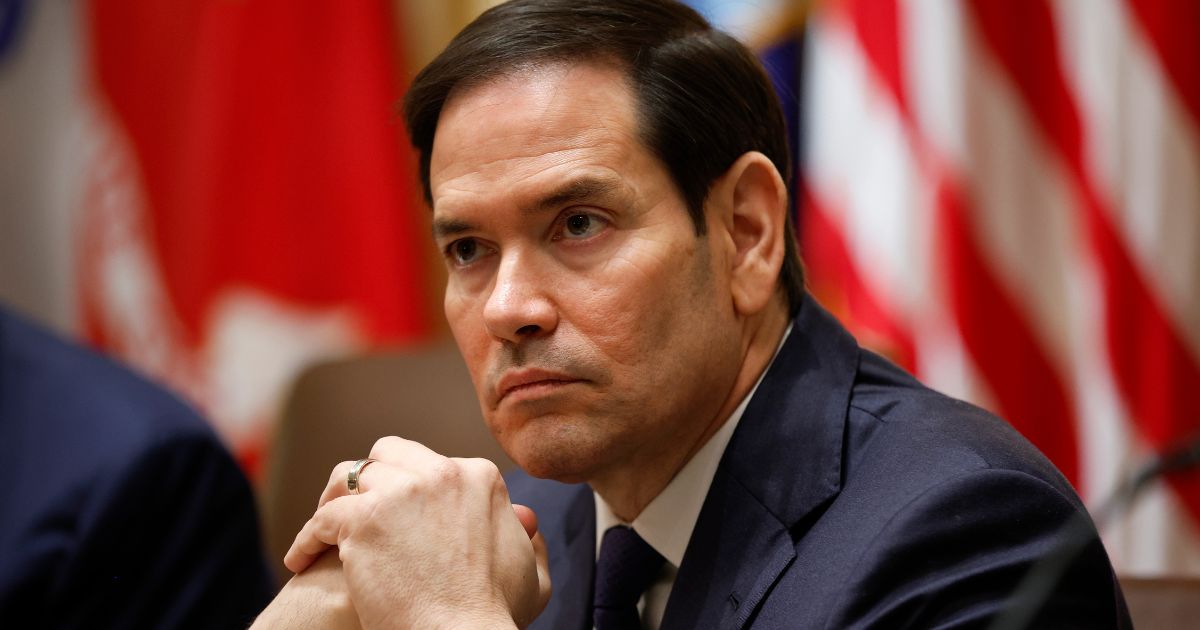
    The Government of Belize has formally addressed concerns raised by United States lawmakers regarding the nation’s investment environment, expressing unwavering confidence in its judicial framework and dedication to sound governance principles. This response comes following a congressional inquiry initiated by Brian J. Mast, Chairman of the House Foreign Affairs Committee, who requested Secretary of State Marco Rubio to conduct a comprehensive assessment of Belize’s institutional safeguards for foreign investments.

    In an official statement released March 12, 2026, Belizean authorities emphasized the country’s status as a stable democracy with a historically positive bilateral relationship with the United States. The government committed to full cooperation with US officials, pledging to provide all necessary information for the review process.

    The congressional inquiry appears to have been prompted by ongoing investor disputes, particularly the protracted controversy surrounding the Stake Bank Island cruise port development project. US legislators have questioned whether these disputes indicate systemic challenges in governance and rule-of-law adherence.

    Countering these concerns, the Belizean government highlighted significant foreign direct investment achievements, noting approximately $505 million in net investment flows over the previous two years. Officials pointed to substantial reforms aimed at modernizing legal frameworks, digitizing regulatory systems, and enhancing investor incentives as evidence of their commitment to improving the business landscape.

    Citing international metrics, the statement noted Belize’s regional standing as having the second lowest perceived corruption according to the Corruption Perception Index and ranking third on the World Justice Project’s Rule of Law Index among Central American nations.

    Regarding the specific Stake Bank case, authorities clarified that the compulsory acquisition had been deemed constitutional by Belize’s High Court, with the matter currently pending before the Court of Appeal. Given the ongoing judicial process, officials declined to provide additional commentary on this particular case.

  • STATEMENT: Electoral Office update on voter confirmation

    STATEMENT: Electoral Office update on voter confirmation

    The Commonwealth of Dominica has initiated a systematic nationwide voter confirmation campaign as part of its broader strategy to modernize and refine the national Register of Electors. This critical democratic exercise enables previously registered voters to visit officially designated confirmation centers to validate and amend their personal information within the electoral database.

    The comprehensive verification process represents a key implementation phase of the landmark Registration of Electors Act enacted in 2025. This legislation introduced robust new protocols specifically designed to enhance the precision, transparency, and overall integrity of the nation’s voter registry. By implementing these strengthened verification measures, the Electoral Office aims to establish an unimpeachable electoral framework that safeguards the democratic process.

    Authorities have commenced providing regular updates regarding the progress of this ongoing voter authentication initiative, demonstrating the government’s commitment to maintaining transparent communication throughout the modernization effort. The exercise underscores Dominica’s dedication to employing methodical approaches to electoral management that prioritize both accessibility and security within the democratic system.

  • Bastian brushes off PLP leadership rumours

    Bastian brushes off PLP leadership rumours

    Sebas Bastian, the Progressive Liberal Party’s candidate for Fort Charlotte, has skillfully navigated questions regarding his potential aspirations for the party’s leadership during a recent media interaction. Despite being relatively new to politics, the businessman-turned-politician has rapidly gained substantial support within his constituency and the broader political landscape.

    Prime Minister Philip ‘Brave’ Davis fueled speculation about Bastian’s political future during the inauguration of the Fort Charlotte Technology, Arts and Culture Centre, praising the candidate’s potential and expressing confidence in his ability to elevate the PLP’s standing. These remarks from the sitting prime minister have reignited discussions among political analysts about Bastian’s possible trajectory toward party leadership.

    When directly questioned about his long-term ambitions, Bastian demonstrated political acumen by emphasizing the importance of remaining focused on immediate electoral objectives rather than what he termed ‘impatient’ aspirations. He articulated that current priorities center on electoral victory and subsequent governance effectiveness, which would ultimately determine the party’s future direction.

    Addressing criticism from Free National Movement candidate Travis Robinson, who questioned Bastian’s motives and asserted that ‘the constituency is not for sale,’ Bastian remained unfazed. He emphasized that his efforts—including extensive community projects, home repairs, road improvements, and business investments—are directed toward demonstrating his commitment to registered voters rather than attempting to purchase influence.

    The political newcomer pointed to his established philanthropic work through the IL Cares Foundation and Own Bahamas initiatives as evidence of his longstanding dedication to community development, suggesting his political engagement represents a continuation rather than a departure from his service-oriented approach.

  • Suriname announces social measures to combat economic impact of Middle East war

    Suriname announces social measures to combat economic impact of Middle East war

    PARAMARIBO, Suriname – In a national address, President Jennifer Geerlings-Simons announced her administration’s decision to fast-track the implementation of critical social support measures designed to shield vulnerable citizens from the escalating economic repercussions of the Middle East conflict. The President articulated that international geopolitical instability is exerting direct pressure on Suriname’s domestic economy, necessitating immediate governmental intervention.

    Geerlings-Simons underscored the global nature of the economic shockwaves emanating from the prolonged war, warning that a protracted conflict would intensify the adverse effects on the nation. Expressing a dual concern for both the directly affected populations in the conflict zone and her own citizens, the head of state called for a swift resolution to the hostilities.

    Citing the existing economic hardships faced by the population, the government has resolved to expedite the full disbursement of several financial aid packages by the end of March, rather than distributing them in phases as initially planned. This accelerated fiscal response was formulated following consultations with the Ministry of Finance, which also assessed the implications for government revenues.

    The comprehensive relief package includes an increase in universal child benefit to SRD 250. Furthermore, a supplementary allowance of SRD 1,000 will be granted to individuals with disabilities, recipients of disability benefits, and registered low-income households. To bolster purchasing power, all civil servants and government employees will receive a one-time boost of SRD 1,500. In a targeted measure for the education sector, teachers are slated to receive a special support allowance of SRD 2,500.

  • Swaby presses gov’t on One Road Authority talks

    Swaby presses gov’t on One Road Authority talks

    KINGSTON, Jamaica — Kingston Mayor Andrew Swaby has intensified his appeal for the Jamaican Government to initiate formal discussions concerning two significant regulatory proposals: the reinstatement of a centralized permit system for entertainment events and the creation of a unified One Road Authority to oversee the nation’s road infrastructure management.

    The call to action comes despite Works Minister Robert Morgan’s November 2025 announcement during an Incorporated Masterbuilders Association of Jamaica seminar that consultation processes with municipal corporations and stakeholders were being organized to establish the framework for the One Road Authority.

    Addressing the monthly gathering of the Kingston and St Andrew Municipal Corporation (KSAMC) on Tuesday, Mayor Swaby revealed that no official communication from Minister Morgan had materialized since their public disagreement in January, when the minister characterized Swaby’s criticisms of the proposed authority as premature and misguided.

    “Despite extensive public discourse regarding the One Road Authority concept, the KSAMC and fellow local authorities continue to await the promised meeting with Mr. Robert Morgan to examine this proposal,” Swaby stated. “We consider it imperative that the minister provide transparent clarification on this matter, ensuring meaningful consultation with local authorities remains central to these progressing discussions.”

    Additionally, Mayor Swaby expressed his anticipation for dialogue with Culture, Gender, Entertainment, and Sport Minister Olivia Grange regarding the proposed “One-stop shop” system. This initiative, reactivated last August, aims to streamline the permitting process for entertainment events through a centralized application platform that would distribute submissions to appropriate regulatory bodies.

    While Minister Grange has promoted the program as a mechanism to boost operational efficiency within Jamaica’s entertainment and creative sectors while simplifying approval procedures for stakeholders, Swaby raised substantive concerns about its practical implementation. He emphasized the critical role municipal corporations play in event planning and public safety enforcement.

    “Local authorities possess the optimal capacity to manage practical and logistical dimensions of these activities,” Swaby explained. “Our trained and experienced personnel conduct thorough inspections of event sites, including structural assessments of stages and temporary installations, to verify compliance with mandatory safety standards before permit issuance.”

    The mayor further cautioned that inadequate planning and communication prior to program launch could potentially jeopardize event planners and attendees. He highlighted the specialized work of the Corporate Disaster Management Department in patron safeguarding and risk mitigation, which encompasses reviewing site layouts, evaluating emergency access routes, and establishing safety protocols for large public gatherings.

    Swaby advocated for a governance model where central government maintains regulatory and policy-setting functions while local authorities retain service implementation responsibilities. “The KSAMC maintains that central government should concentrate on policy development, oversight, and strategic direction, while execution and daily service implementation should remain with local authorities, where work is most immediate to citizens and accountability is most direct,” he argued. “It is therefore vital that the operational role of local government is respected and reinforced, not replaced, particularly where public safety is directly implicated.”

  • Guyana and Venezuela continue squabble over Essequibo region

    Guyana and Venezuela continue squabble over Essequibo region

    The Guyanese government has issued a firm rebuttal to Venezuela’s claims regarding maritime jurisdiction in the Essequibo region, asserting that Caracas possesses no legal authority over these contested waters. This diplomatic response comes following Venezuela’s allegations that Guyana has engaged in unilateral exploration activities within disputed maritime territory and that the maritime boundary remains legally unresolved.

    In an official statement from Guyana’s Ministry of Foreign Affairs, authorities emphasized that the land boundary between the two nations was definitively established through the 1899 Arbitral Award, which settled the territorial frontier between what was then British Guiana and Venezuela. The ministry stated this historical settlement provides Guyana with unquestionable authority to conduct seismic surveys and authorize economic activities within its maritime zones.

    “The Government of Guyana maintains the absolute right to permit activities within maritime areas adjacent to its coastal territory as defined by the 1899 Arbitral Award,” the foreign ministry declared. It further noted that Venezuela has historically benefited from the stability and legal clarity provided by this century-old settlement, making its current objections particularly inconsistent.

    Guyana’s response specifically rejects Venezuela’s protest against a ongoing 3D seismic survey covering 25,000 square kilometers of offshore territory. The government maintains these activities occur unequivocally within Guyana’s Exclusive Economic Zone (EEZ) and continental shelf, where Georgetown exercises full sovereign rights under international law.

    The ministry characterized Venezuela’s position as “unfounded, inaccurate and entirely inconsistent” with established principles of international law, particularly regarding maritime boundaries. Guyana reaffirmed its sovereignty up to 12 nautical miles in the territorial sea and its sovereign rights beyond this limit within its EEZ and continental shelf.

    This exchange represents the latest development in a long-standing territorial dispute between the South American neighbors, with significant implications for offshore resource development and regional diplomacy.