分类: politics

  • Trump Criticises NATO Allies for Declining to Help

    Trump Criticises NATO Allies for Declining to Help

    In a significant diplomatic development, former U.S. President Donald Trump has publicly criticized NATO member nations for their refusal to participate in military operations against Iran. Through an extensive post on his Truth Social platform on March 17, 2026, Trump characterized the allied nations’ decision as a grave strategic error.

    The former president asserted that despite direct appeals for military collaboration, the majority of NATO members declined involvement in U.S.-led operations in the Middle East. Trump further minimized the potential contributions of key Pacific allies including Japan, Australia, and South Korea, maintaining that American military capabilities alone were sufficient for the mission.

    ‘Our unprecedented military achievements have rendered assistance from NATO countries unnecessary—indeed, such support was never required from the outset,’ Trump declared in his characteristically emphatic tone. ‘The United States operates independently without requiring supplementary support from any nation.’

    These remarks preceded Trump’s Oval Office statements regarding allied participation in securing the Strait of Hormuz, a vital maritime corridor essential to global energy transportation. While acknowledging NATO’s previous support for strikes targeting Iran’s nuclear capabilities, Trump confirmed allied nations had withdrawn from committing forces to the proposed task force.

    The position received explicit validation from French President Emmanuel Macron, who confirmed France would abstain from Hormuz security operations until cessation of active hostilities. When questioned about Macron’s stance, Trump dismissed the significance of the French position by referencing Macron’s impending departure from office and emphasized that Iranian reconstruction would require a decade if U.S. forces withdrew immediately.

  • Belize Delegation Attends UK Governance Seminar

    Belize Delegation Attends UK Governance Seminar

    A high-level Belizean delegation has concluded a significant international engagement in London, participating in the 74th Westminster Seminar on Effective Parliaments. The event, orchestrated by the Commonwealth Parliamentary Association, convened legislators from across the Commonwealth to deliberate on enhancing governmental transparency and operational efficiency.

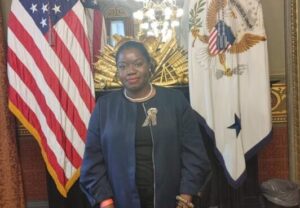
    The Belizean contingent was comprised of Minister of State for Foreign Trade Marconi Leal Jr., UDP Senator Sheena Pitts, and Parliamentary Officer Manuel Grant. Their participation emphasized practical governance improvements with direct implications for citizens, particularly in mechanisms for scrutinizing government decisions and optimizing the management of public finances.

    The seminar’s agenda extended beyond theoretical discourse, addressing contemporary challenges such as the integration of artificial intelligence into parliamentary procedures to streamline operations and improve data-driven policymaking.

    Complementing the formal sessions, the delegation conducted field visits to Liverpool communities. These engagements provided firsthand insight into local governance structures through meetings with municipal officials and civic organizations, offering comparative perspectives on public administration.

    Notably, the Belizean government confirmed that the mission incurred no public expenditure, with all travel and accommodation expenses fully covered by the UK branch of the Commonwealth Parliamentary Association, ensuring fiscal responsibility toward Belizean taxpayers.

  • Trump says US could ‘take Cuba’ as island faces power crisis

    Trump says US could ‘take Cuba’ as island faces power crisis

    Former U.S. President Donald Trump has declared his anticipation for what he termed “the honour of taking Cuba,” during remarks made as the Caribbean nation struggled with a catastrophic nationwide power outage. Speaking to press corps at the White House on Monday, Trump suggested the United States could play a definitive role in shaping Cuba’s political trajectory.

    “Throughout my lifetime, the subject of U.S. relations with Cuba has persisted. The question always arises—when will America act?” Trump stated to journalists. He further asserted, “I am confident that I will have the privilege of assuming control over Cuba. Whether that means liberating it or acquiring it—I possess the capability to execute any course of action. In reality, they currently function as a severely weakened state.”

    These statements coincided with another massive electrical failure across Cuba, following the collapse of the national power grid earlier that day. This incident represents the most recent in an escalating series of blackouts, exacerbated by antiquated infrastructure, persistent fuel scarcities, and restrictions on petroleum imports.

    A university student from Saint Lucia presently studying in Cuba confirmed to St. Lucia Times that although a complete blackout occurred, power was reinstated by approximately 9:00 p.m. the same evening. The student noted that prolonged daily outages lasting six to seven hours have become commonplace.

    Regional authorities have recognized the deteriorating humanitarian situation. The Caribbean Community (CARICOM), following its February 27 summit in St. Kitts and Nevis, committed to formulating a coordinated humanitarian assistance strategy for Cuba. While CARICOM indicated that a comprehensive plan would be finalized imminently, no subsequent public updates have been provided regarding these initiatives.

  • JDF coast guards receive four high-speed surface interceptor vessels

    JDF coast guards receive four high-speed surface interceptor vessels

    KINGSTON, Jamaica — In a strategic move to bolster national security, Jamaica has officially integrated the first four of 22 planned high-speed Surface Interceptor Vessels into its naval fleet. The formal handover and blessing ceremony took place on March 18 at the Jamaica Defence Force (JDF) Coast Guard base in Port Royal, Kingston, marking a pivotal advancement in the nation’s maritime defense capabilities.

    These cutting-edge ‘Metal Shark 36 Fearless’ vessels, engineered and supplied by the prominent U.S.-based military shipbuilder Metal Shark, are designed to significantly enhance the operational reach and responsiveness of the JDF. This acquisition stems from a partnership agreement established in 2023, underscoring a long-term commitment to modernizing Jamaica’s naval assets.

    Ambassador Rocky Meade, Permanent Secretary in the Office of the Prime Minister, emphasized the critical nature of this investment for an island nation. “The sea represents both opportunities and vulnerabilities,” he stated, highlighting the imperative to strengthen Jamaica’s capacity to monitor, protect, and defend its territorial waters against emerging threats. He noted that the vessels are a cornerstone of the government’s strategy to safeguard national sovereignty, economic resources, and the safety of its citizens.

    The new interceptors are equipped with advanced technology, including a Furuno navigation package with radar, a forward-looking infrared (FLIR) thermal imaging camera, and Ullman shock-mitigating seating. This suite of technology is tailored for the demanding Caribbean operational environment, enabling effective coastal patrols, interception of illicit activities, and support for search-and-rescue missions.

    Chief of Defence Staff, Vice Admiral Antonette Wemyss-Gorman, hailed the delivery as a “significant milestone” for the Coast Guard and the nation. She urged the personnel who will operate the vessels to uphold the JDF’s core values in their duties.

    Henry Irizarry, Senior Vice President of Metal Shark, confirmed that the vessels were specifically designed for speed, agility, and durability to meet the JDF’s mission requirements. The broader fleet expansion symbolizes not only Jamaica’s national resolve but also its dedication to regional security cooperation, aiming to ensure the Caribbean Sea remains a zone of safety, lawful activity, and sustainable opportunity.

  • Plug the leaks!

    Plug the leaks!

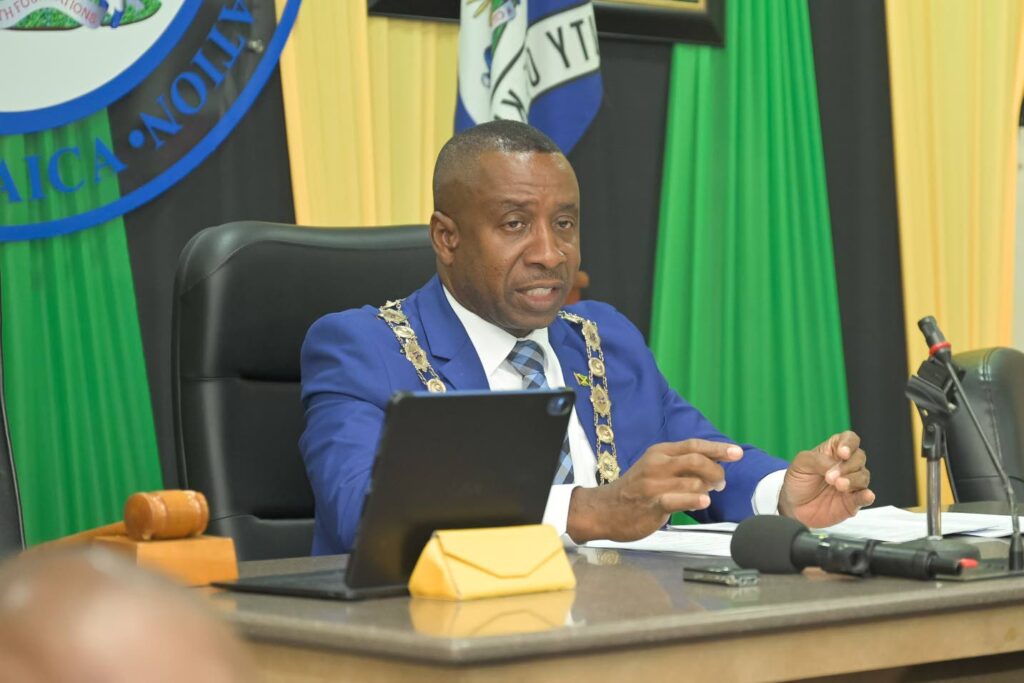
    In a forceful address during Jamaica’s 2026/27 Budget Debate, Opposition Leader Mark Golding presented a comprehensive critique of the government’s fiscal approach, advocating for enhanced tax compliance mechanisms rather than implementing new revenue measures. Golding articulated that Jamaica’s existing tax system suffers from significant leakage, resulting in billions of uncollected revenue that could be recovered through modernized enforcement and technological integration.

    Golding characterized the government’s pursuit of new taxes—including proposed levies on sugar-sweetened beverages, alcohol, cigarettes, and digital services—as ‘lazy and unimaginative’ policy that would further burden households and businesses still recovering from Hurricane Melissa’s economic impact. He emphasized that Jamaica’s fiscal strategy should pivot from increasing tax rates to capturing legally due revenue through systemic reforms.

    The opposition leader highlighted the success of recent compliance initiatives, noting that the 2025 tax amnesty generated over $10 billion in outstanding payments—demonstrating the substantial revenue existing outside the formal system. Golding argued that persistent enforcement weaknesses create an unfair burden on compliant taxpayers while allowing others to operate without consequences.

    Central to Golding’s proposal is the implementation of electronic invoicing and digital validation systems, similar to those adopted across Latin America, Europe, and Asia. These technologies enable real-time transaction verification, automated return population, and reduced opportunities for under-reporting and fraud. Golding cited documented revenue increases of 5-15% in jurisdictions that have implemented such systems.

    Specifically addressing Jamaica’s General Consumption Tax (GCT), Golding noted that current processes allowing delayed remittances create discrepancies and payment delays. He projected that even a conservative 2% improvement in GCT and special consumption tax realization could yield $8.6 billion annually without rate increases.

    The opposition leader also identified inefficiencies in income tax, Customs duties, and the construction sector, advocating for improved data-sharing between agencies to detect inconsistencies and reduce evasion. He estimated that comprehensive reforms could generate revenue equivalent to approximately 2% of GDP annually, creating fiscal space equivalent to 10% of GDP over five years without increasing tax burdens.

    Golding framed tax compliance reform as fundamentally promoting economic fairness rather than punishing taxpayers. He argued that systemic improvements would protect compliant businesses from non-compliant competitors, reduce bureaucratic discretion, minimize corruption opportunities, and strengthen investor confidence.

    The opposition’s position forms part of a broader critique of the government’s fiscal approach, which they argue relies excessively on new taxes and National Housing Trust withdrawals rather than structural reforms to drive growth and efficiency.

  • Costa Rica closes Havana embassy, tells Cuba to withdraw diplomats

    Costa Rica closes Havana embassy, tells Cuba to withdraw diplomats

    In a dramatic diplomatic rupture, Costa Rica has shuttered its embassy in Havana and ordered Cuban diplomats to depart from San José. The Central American nation’s conservative government announced the decision Wednesday, citing grave concerns over human rights violations in Cuba.

    President Rodrigo Chaves framed the action as part of a broader regional initiative, stating, ‘We must cleanse communists from the hemisphere.’ This alignment with U.S. foreign policy objectives underscores Costa Rica’s strategic partnership with the Trump administration, which has intensified pressure on Cuba through economic sanctions and regime change threats.

    Foreign Minister Arnoldo Andre Tinoco elaborated on the rationale behind the diplomatic break, pointing to the ‘sustained deterioration of human rights conditions in Cuba’ and increased ‘repressive measures targeting citizens, activists, and dissident voices.’ The ministry’s directive requires all Cuban diplomatic staff to exit Costa Rican territory, though consular officials will retain their positions to handle citizen services.

    This move places Costa Rica alongside Ecuador, another U.S. ally that recently expelled Cuban Ambassador Basilio Gutiérrez on March 4th. Ecuadorian authorities accused Gutiérrez of meddling in domestic politics and participating in ‘violent activities.’ The coordinated actions suggest a developing pattern of diplomatic isolation against Cuba within Latin America, potentially signaling a new phase of regional geopolitical realignment influenced by Washington’s anti-communist stance.

  • Rowley dismisses accusation that drug money funded party headquarters

    Rowley dismisses accusation that drug money funded party headquarters

    PORT OF SPAIN, Trinidad – In a forceful rebuttal, former Prime Minister Dr. Keith Rowley has categorically denied allegations that his People’s National Movement (PNM) party headquarters was financed through drug trafficking proceeds. The accusations were leveled by current Prime Minister Kamla Persad-Bissessar during a parliamentary session last Friday, where she characterized the PNM as a “narco-party” in league with criminal elements.

    Addressing journalists at a press conference, Rowley expressed profound disappointment with what he termed “evidence-free allegations” from the sitting prime minister. The former PNM leader, who stepped down following his party’s electoral defeat in April 2025, emphasized his five-decade association with the party since 1974, including 15 years at its helm.

    “For 70 years, the PNM has participated in Trinidad and Tobago’s political landscape both in government and opposition,” Rowley stated. “To suggest that Balisier House’s operations under my stewardship were funded by narco-terrorists represents a reckless disregard for truth.”

    Rowley drew parallels between Persad-Bissessar’s allegations and the treatment of former Venezuelan president Nicolas Maduro, suggesting the prime minister’s close alignment with U.S. President Donald Trump’s security policies could lead to similar extraterritorial actions against himself. He questioned whether the government’s participation in the U.S.-led Shield of Americas initiative – a multinational security pact established in March 2026 – effectively endorsed extrajudicial measures in anti-narcotics operations.

    The former prime minister raised grave concerns about the initiative’s implications for due process, noting that Guyana remains the only CARICOM member participating in the project. He referenced the Attorney General’s reported legal advice that lethal force could be employed against suspected traffickers without evidence gathering or judicial oversight.

    “This policy effectively permits our Coast Guard to eliminate suspected individuals based merely on suspicion, without any evidentiary requirements or legal proceedings,” Rowley warned. “Such approaches risk devastating our societal fabric and international standing.”

  • CEP president reiterates need for elections in Haiti

    CEP president reiterates need for elections in Haiti

    PORT AU PRINCE, Haiti – Jacques Desrosiers, President of Haiti’s Provisional Electoral Council (CEP), has emphatically declared that conducting democratic elections constitutes the fundamental mechanism for reestablishing legitimate governmental authority in the crisis-stricken nation. Addressing business leaders during a crucial meeting, Desrosiers underscored that in any democratic framework, elections represent the primary avenue through which legitimate power is attained.

    The Caribbean Community (Caricom) member state last conducted presidential elections in 2016, resulting in Jovenel Moise’s election before his tragic assassination at his private residence in July 2021. Prime Minister Alix Didier Fils-Aimé reported significant progress toward political stability, noting that major political factions have signed a stability accord committing to unified participation in the upcoming electoral process.

    Electoral authorities have registered 320 political parties and organizations, with the final qualified list scheduled for publication on March 26. The CEP anticipates conducting elections later this year, contingent upon establishing adequate security conditions and securing necessary financial resources for electoral operations.

    The meeting gathered representatives from Haiti’s leading business associations including the Association of Industries of Haiti (ADIH), the American Chamber of Commerce in Haiti (AMCHAM), and several bilateral commerce chambers. Participants received comprehensive briefings on electoral process innovations introduced by the December 1, 2025 Electoral Decree, implementation timelines, and voter registration procedures.

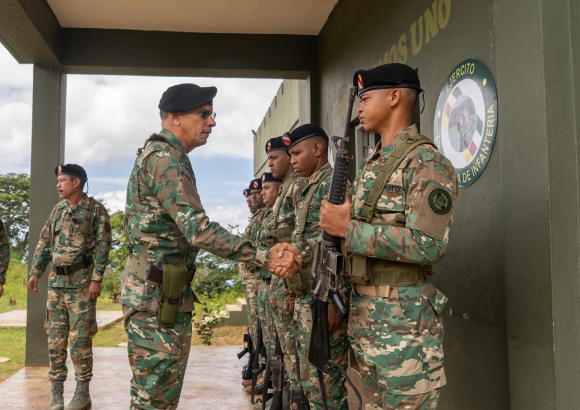
    Concurrently, international security efforts are advancing with the first contingent of the Gang Suppression Force (FRG)—comprising Chadian troops currently training in the United States—scheduled for deployment beginning April 1. Dominican Republic Foreign Affairs Minister Roberto Álvarez confirmed the force will reach full strength of 5,500 troops by October 2026.

    The United Nations emphasized that establishing stable governance remains imperative for improving Haitian citizens’ daily lives, noting that weak governance and pervasive insecurity have enabled armed gangs to expand territorial control. Gang violence resulted in over 8,100 fatalities last year alongside widespread kidnappings, child recruitment, and sexual violence, creating 1.5 million internally displaced persons amidst economic collapse and extreme poverty. The UN identifies 2026 as carrying substantial expectations for long-overdue elections that could begin addressing these systemic challenges.

  • OP-ED: A modern day siege – Cuba, the Caribbean, and the architecture of coercion

    OP-ED: A modern day siege – Cuba, the Caribbean, and the architecture of coercion

    Cuba faces an unprecedented humanitarian crisis as a comprehensive fuel blockade imposed by the United States triggers the near-total collapse of essential services across the island nation. Since January 2026, Washington has effectively isolated Cuba’s energy supply through executive orders prohibiting any nation from selling oil to Havana, creating conditions that experts describe as a modern-day siege operation.

    The immediate consequences have been catastrophic: March 16 witnessed the complete failure of Cuba’s national electrical grid, marking the third island-wide blackout within four months. This power collapse has paralyzed water pumping systems serving over 80% of the population, compromised intensive medical care, and spoiled vital vaccines and blood products. Agricultural production has stalled without fuel for machinery, while urban centers face mounting sanitation crises as garbage collection vehicles sit immobilized.

    What distinguishes this crisis from previous tensions is the explicit language employed by U.S. officials. President Trump has openly discussed having the ‘honor of taking Cuba,’ while administration figures have framed the blockade as leverage for regime change. This rhetoric echoes historical patterns of imperial domination that Caribbean nations know intimately from their colonial experiences.

    The international community has repeatedly condemned these measures through overwhelming UN General Assembly votes, with UN human rights experts characterizing the blockade as ‘a serious violation of international law.’ Cuba’s significance within the Caribbean community extends beyond symbolism—for decades, the nation has provided medical personnel, educational opportunities, and diplomatic partnership without interference in neighboring states’ sovereignty.

    Regional analysts now warn that Cuba’s predicament establishes a dangerous precedent for hemispheric relations. The demonstration that economic power can be weaponized to force political change threatens all smaller nations dependent on imported energy and food. This crisis ultimately tests whether international law retains meaning when confronted with unilateral power, posing fundamental questions about sovereignty, collective security, and the very architecture of twenty-first-century coercion.

  • US counterterrorism chief resigns over Trumps’ support for Iran war, citing conscience and political dissent

    US counterterrorism chief resigns over Trumps’ support for Iran war, citing conscience and political dissent

    In a significant development within US national security leadership, National Counterterrorism Center Director Joe Kent has publicly resigned from his position, citing profound ethical concerns regarding American military operations in Iran. The veteran intelligence official announced his departure through a social media statement, revealing an irreconcilable conflict between his professional responsibilities and personal convictions.

    Kent’s resignation letter, addressed to former President Donald Trump, contained striking criticisms of current foreign policy direction. The former Green Beret and CIA operative asserted that Iran never presented an immediate threat to national security, attributing the conflict initiation to substantial pressure from Israeli interests and their influential American lobbying networks. He specifically referenced what he characterized as a coordinated misinformation campaign orchestrated by high-ranking Israeli officials and sympathetic media figures that allegedly manipulated the administration into military action.

    The intelligence veteran invoked both his professional background and personal tragedy to underscore his position. Having deployed to combat zones on eleven separate occasions and lost his wife Shannon in a conflict he describes as ‘manufactured by Israel,’ Kent emphasized his inability to endorse military engagement that offers no tangible benefit to American citizens or justification for potential casualties. His statement included sharp criticism of what he perceived as the abandonment of Trump’s original ‘America First’ platform, which he had supported across three presidential campaigns.

    Kent’s appointment to the NCTC leadership in July 2023 had previously drawn scrutiny from media outlets including The Guardian, which noted his associations with controversial far-right figures and white nationalist personalities. His departure creates a significant vacancy in the nation’s counterterrorism infrastructure during ongoing international tensions.