
In a recent public address, Prime Minister Gaston Browne of Antigua and Barbuda has confirmed that 130 prospective students have completed their registration for the newly launched Bachelor of Laws degree programme at the University of the West Indies (UWI) Five Islands campus. This initiative marks a major milestone in expanding access to legal education for local and regional students, eliminating the need for many to pursue costly legal studies abroad.
分类: politics
-

PM Browne Proposes Expanding Windfall Tax to Help Fund Education
In a bold policy announcement aimed at addressing long-standing underfunding in the national education sector, Prime Minister of St. Kitts and Nevis Gaston Browne has tabled a proposal to expand the country’s existing windfall tax regime to generate new revenue for educational institutions and programs.
The current windfall tax in the twin-island nation applies exclusively to unexpected excess profits earned by major international oil and gas companies operating within its territorial waters. Under Browne’s revised plan, the tax would be extended to cover additional industries that have recorded outsized, unanticipated gains in recent years, including offshore finance, tourism, and precious minerals extraction.
Prime Minister Browne emphasized that the new revenue generated from the expanded tax would be ring-fenced exclusively for education-related investments. The proposed allocations include upgrading aging school infrastructure across both islands, expanding access to free early childhood education, providing increased financial aid for post-secondary students attending domestic and international universities, and hiring hundreds of additional trained teachers to reduce overcrowding in classrooms.
“For too long, we have watched a small handful of corporations reap extraordinary profits from our nation’s natural resources and open business environment, while our young people struggle with outdated learning facilities and limited opportunities to advance their education,” Browne noted during a press briefing launching the proposal. “This is a matter of fairness: expanding the windfall tax allows us to redirect a small portion of those unexpected gains to invest in our most valuable resource – our people.”
The proposal has already sparked debate across the national political landscape. Supporters of the plan argue that it represents a progressive step toward reducing income inequality and investing in human capital, which will drive long-term economic growth for the country. Critics, however, including representatives of the affected industries and opposition lawmakers, warn that expanding the windfall tax could deter foreign direct investment, discourage business expansion, and ultimately lead to fewer job opportunities for local workers.
Browne has countered these concerns by noting that the tax will only apply to excess profits that exceed baseline thresholds, meaning small and medium-sized enterprises will not be impacted by the new policy. He also confirmed that the government will hold public consultations on the proposal in the coming months before bringing the final legislation to parliament for a vote, with a target implementation date of the start of the next fiscal year.
-

LISTEN: PM Browne Questions ABST Structure, Calls for Review of The System
Antigua and Barbuda’s Prime Minister Gaston Browne has publicly questioned the fairness and effectiveness of the country’s existing Antigua and Barbuda Sales Tax (ABST) framework, flagging evidence that the current input-output tax mechanism allows large tourism businesses to recoup millions in public revenue at the state’s expense. During his weekly public radio address Saturday, Browne said he had directed senior finance ministry officials to launch an accelerated review of whether the ABST system aligns with the small island nation’s unique economic profile, and to explore potential alternative tax models that could shore up declining government revenues.
Browne’s criticism of the tax structure emerged during a wide-ranging discussion of the country’s key tourism sector, which forms the backbone of Antigua and Barbuda’s national economy. Under the current ABST rules, operating businesses can claim full tax credits for ABST paid on inputs including imported goods, operational supplies, and large capital investments, which they then use to offset the sales tax they collect directly from end consumers. Using hotels and resorts as a case in point, Browne explained that many large properties collect a 15% ABST from overnight guests, but amass such significant input tax credits through imported food, beverages, construction materials and other capital purchases that the government often ends up owing the businesses money instead of collecting revenue. He cited one example where a resort paid $20 million in ABST on imported goods, a sum that is fully offset against the tax the resort collected from guests — leaving the government with no net revenue from that portion of economic activity.
The prime minister argued that the current ABST framework, which was designed to work for economies with large domestic manufacturing sectors by incentivizing local input purchases, is fundamentally ill-suited to Antigua and Barbuda’s economy, which relies heavily on imported goods for its tourism sector. Worse, Browne noted, the current structure creates an unintended and harmful economic distortion: it actively discourages hotels and other businesses from purchasing locally produced goods, because importing supplies effectively allows them to bring those products into the country free of all taxes and duties, while domestic purchases would not deliver the same level of tax offsets.
To address these flaws, Browne has instructed finance officials to prioritize exploration of a shift to a simple flat sales tax, which would eliminate the expansive input tax credit system that allows large businesses to reclaim most or all of their collected tax. Under the proposed model, businesses would pay a single flat tax at one point in the supply chain, removing the current scope for large-scale tax offsets that erode public revenue. Browne stressed that any reform would need to be carefully designed to avoid the risk of double taxation, a key pitfall that policymakers must guard against to prevent unfair tax burdens on businesses and consumers along the supply chain. He clarified that no final policy decision has been made, and the current review remains in the exploratory phase.
During the radio address, Browne also suggested that policymakers may need to consider a sector-specific approach to taxation, arguing that international-facing hotels operate with a very different business model than domestic wholesalers and retailers, and the current one-size-fits-all structure fails to account for these structural differences. As a major source of public revenue for Antigua and Barbuda, any substantive change to the ABST system will require extensive consultation with private sector stakeholders and will almost certainly require legislative approval before any new framework can be implemented. Finance officials are expected to complete their review and submit policy recommendations that balance the government’s goal of boosting revenue with the need to maintain a fair and predictable tax environment for local businesses.
-
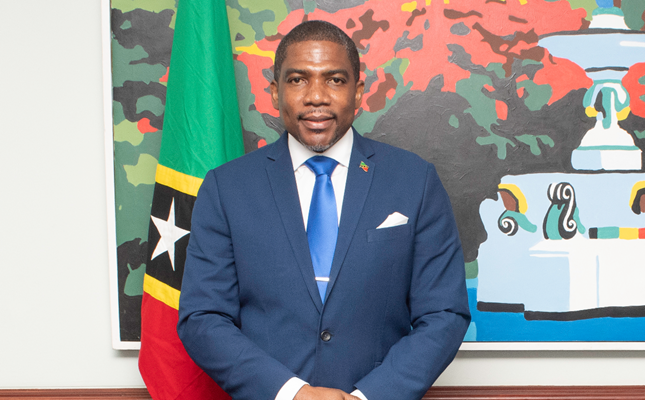
Prime Minister Drew to Attend High-Level Meetings in Belgium and Climate Mobility Forum in Germany
The small Caribbean federation of St. Kitts and Nevis is set to elevate its global profile on two key fronts—international cooperation and climate resilience—with Prime Minister Hon. Dr. Terrance M. Drew launching a multi-stop European diplomatic tour starting this weekend.
Announced by the Prime Minister’s Office (PMO) on June 12, 2026, the scheduled itinerary kicks off in Brussels, Belgium, where Drew will lead bilateral and multilateral high-level discussions centered on priority issues of shared benefit for St. Kitts and Nevis and European partners. These talks are framed to deepen existing international ties and open new avenues for collaboration aligned with the federation’s long-term development goals.
Following the Brussels engagements, Drew will travel onward to Berlin, Germany, to take part in the high-profile Climate Mobility Forum. For small island developing states like St. Kitts and Nevis, climate displacement and adaptive mobility have emerged as urgent policy priorities, making the forum a critical platform to amplify the federation’s voice and advance its national climate resilience agenda.
Drew will not travel alone: joining the prime minister for the full tour are three senior officials: Naeemah Hazelle, Permanent Secretary of the Prime Minister’s Office; Dr. David Doyle, St. Kitts and Nevis’ Ambassador to UNESCO; and Javon Liburd, the Prime Minister’s Press Secretary. The inclusion of senior administrative, diplomatic and communications leadership underscores the government’s commitment to making tangible progress across the tour’s core objectives.
This official press release was distributed in its original form to SKNVibes.com, which notes it does not edit for spelling or grammatical errors in contributed press materials, and that the views expressed do not necessarily reflect those of the outlet, its sponsors or advertising partners.
-
Tamùkke Feminists says GY$1.5 trillion budget not addressing structural inequality
As Guyana rides a wave of rapid economic expansion driven by its burgeoning petroleum industry, a leading grassroots women’s rights and empowerment organization is sounding the alarm that the country’s 2026 GY$1.558 trillion national budget fails to address deep-rooted systemic disparities that disproportionately harm marginalized groups.
Tamùkke Feminists has published its landmark *Feminist Budget Analysis (FBA)*, titled *An Intersectional Feminist Desk Analysis of Guyana’s 2026 National Budget: Health, Environment and Equity*, compiled by economic analysts Jayda Overton and Sequoia Peniston. The report comes at a defining crossroads for Guyana, which has seen its fiscal space expand dramatically from a GY$1.146 trillion budget in 2024 to this year’s trillion-dollar allocation, fueled by new oil revenues. Yet the analysis makes clear that increased spending alone does not deliver more equitable outcomes: most budget allocations remain intentionally gender-neutral in design and rollout, with no systematic redirection of resources to dismantle structural inequality.
Unlike conventional budget audits that focus solely on total spending figures, the FBA examines Guyana’s fiscal priorities through an intersectional feminist framework, asking critical questions that have often been overlooked: who stands to benefit from public spending, who is systematically excluded, and whose unpaid labor goes unaccounted for in national planning.
On-the-ground case studies underscore these gaps. In the South Rupununi community of Parabara, for example, all sampled Indigenous residents tested showed elevated mercury levels linked to unregulated mining activity, with women recording some of the highest toxin concentrations. This finding illustrates how the environmental harm of extractive development falls disproportionately on marginalized groups, a pattern repeated across multiple policy areas.
The report documents layered barriers to equitable care across the country: women in remote hinterland and rural regions face compounded obstacles to accessing basic healthcare and reproductive services; Lesbian, Bisexual and Trans+ (LBT+) women are systematically excluded from mainstream public health systems; and Indigenous communities bear the brunt of industrial environmental damage without access to equal regulatory protection.
Tamùkke’s analysis identifies three overarching structural gaps that Guyana’s future national planning must urgently address to advance equity. First is a persistent distributional gap: despite overall spending growth, remote hinterland regions still face extreme travel distances, exorbitant transportation costs, and severe shortages of specialized healthcare services. Second is a prevention gap: public investment consistently prioritizes hospital infrastructure and emergency response over community-based care, reproductive health services and environmental monitoring, shifting the burden of risk management onto households – and disproportionately onto women, who take on the majority of unpaid care work to offset this underinvestment. Third is an inclusion gap: Indigenous communities, LGBTQ+ people and people living with disabilities remain largely invisible in official budget allocation frameworks.
These gaps are not theoretical. Even after the passage of the Medical Termination of Pregnancy Act legalized abortion access nationwide, the report notes that services remain geographically concentrated in just three regions, leaving most women in hinterland areas completely cut off from legal care, proving that legal reform alone cannot guarantee equitable access. The analysis also found that LBT+ women across Guyana face widespread barriers to accessing accurate sexual health information, cervical cancer screening and bodily autonomy, a gap worsened by the absence of comprehensive sexuality education in national public education programming.
“Budgets are inherently political documents – they reflect the government’s explicit choices about whose needs are treated as urgent, and whose are pushed to the side,” explained Akola Thompson, Managing Director of Tamùkke Feminists, in a formal press release. “A feminist lens simply makes these choices visible for all to see.”
Thompson emphasized that the FBA is not intended as a blanket criticism of the government’s fiscal expansion efforts. Instead, the organization frames it as a practical planning tool to guide more equitable policy going forward. “Our core finding is that Guyana’s economic transformation is outpacing its social transformation,” Thompson said. “Without a feminist analysis, this gap goes unnamed, and there is no clear path to correct it.”
“By identifying precisely where and how fiscal expansion is failing to reach marginalized populations, it provides a concrete basis for more targeted, accountable and equitable budget design going forward,” she added.
The report puts forward four clear, actionable recommendations for the government to address the documented gaps:
1. Establish a dedicated gender-responsive budgeting unit within the Ministry of Finance by 2027 to embed equity considerations into all future fiscal planning;
2. Expand legal abortion services beyond the currently served Regions 4, 6 and 9 to guarantee universal access across the country;
3. Roll out routine mercury testing for all residents of mining-impacted communities to address ongoing public health harms from extractive activity;
4. Implement nationwide comprehensive sexuality education, and develop accessible disaster shelters and community-led climate adaptation projects for Indigenous communities disproportionately impacted by environmental harm and climate change.Thompson noted that these proposals are not abstract policy asks: they are directly tied to documented gaps and measurable harm to women, girls and gender-diverse people across every region of Guyana.
With petroleum revenues dramatically expanding the country’s fiscal capacity, affordability is no longer a credible barrier to reform, Tamùkke argues. The FBA concludes that the central question facing Guyana today is not whether the country can afford to implement inclusive, intersectional budgeting – but whether it can afford not to.
“Integrating inclusive, intersectional budgeting into national planning cycles is not only an imperative for equity,” the organization notes. “It is the foundation for protecting the future of all Guyanese people as the country navigates rapid economic transformation.”
-

2026 World Cup : The Prime Minister of Haiti meets with the Boston diaspora
Amid the buzz of the 2026 FIFA World Cup where Haiti’s national team is competing, a high-stakes diplomatic and community engagement unfolded on June 12, 2026. Haitian Prime Minister Alix Didier Fils-Aimé carved out time from World Cup-related official activities to sit down with members of the large Haitian diaspora community based in Boston, in what both sides described as a warm and collegial gathering. The discussion, framed as open and solution-focused, centered on one core topic: the long-term trajectory of the Caribbean nation amid its ongoing security and political challenges.
During the meeting, Prime Minister Fils-Aimé laid out a detailed update on the key policy priorities his administration has advanced over recent months. Top of the agenda was the Haitian government’s ongoing push to reclaim stability across the country, after years of widespread gang violence that has disrupted daily life and derailed political processes. A central pillar of this effort, he explained, is preparing the groundwork for democratic elections that are free, inclusive, open to all segments of Haitian society, and widely recognized as credible, with the administration targeting the earliest possible timeline for polls.
The Prime Minister specifically highlighted the government’s sustained work to boost the operational capabilities of two core national security institutions: the Haitian National Police (PNH) and the Armed Forces of Haiti (FAd’H). Both domestic forces, he noted, are continuing their frontline mission to restore public order, backed by the Multinational Force for the Suppression of Gangs (GSF), the international mission deployed specifically to counter the power of armed gangs and terrorist groups operating within Haiti’s borders.
Beyond security and electoral planning, Fils-Aimé took time to recognize the critical role the Haitian diaspora plays in the country’s ongoing development. He praised the deep, enduring connection that Haitians living abroad maintain to their home country, noting that diaspora contributions—both financial and social—form a backbone of Haiti’s economic activity and social resilience. The Prime Minister also reaffirmed the national government’s formal commitment to keeping an open, consistent channel of dialogue with Haitian expatriate communities around the world, and to increasing their inclusion in key decisions that will shape Haiti’s future.
The closed-door gathering itself serves as a clear signal of just how much priority the Haitian government places on strengthening ties with the global diaspora. For the current administration, the millions of Haitians living outside the country are not just a community to engage, but an indispensable partner that will be central to advancing Haiti’s recovery, entrenching long-term stability, and building shared prosperity for all Haitians—whether at home or abroad.
-
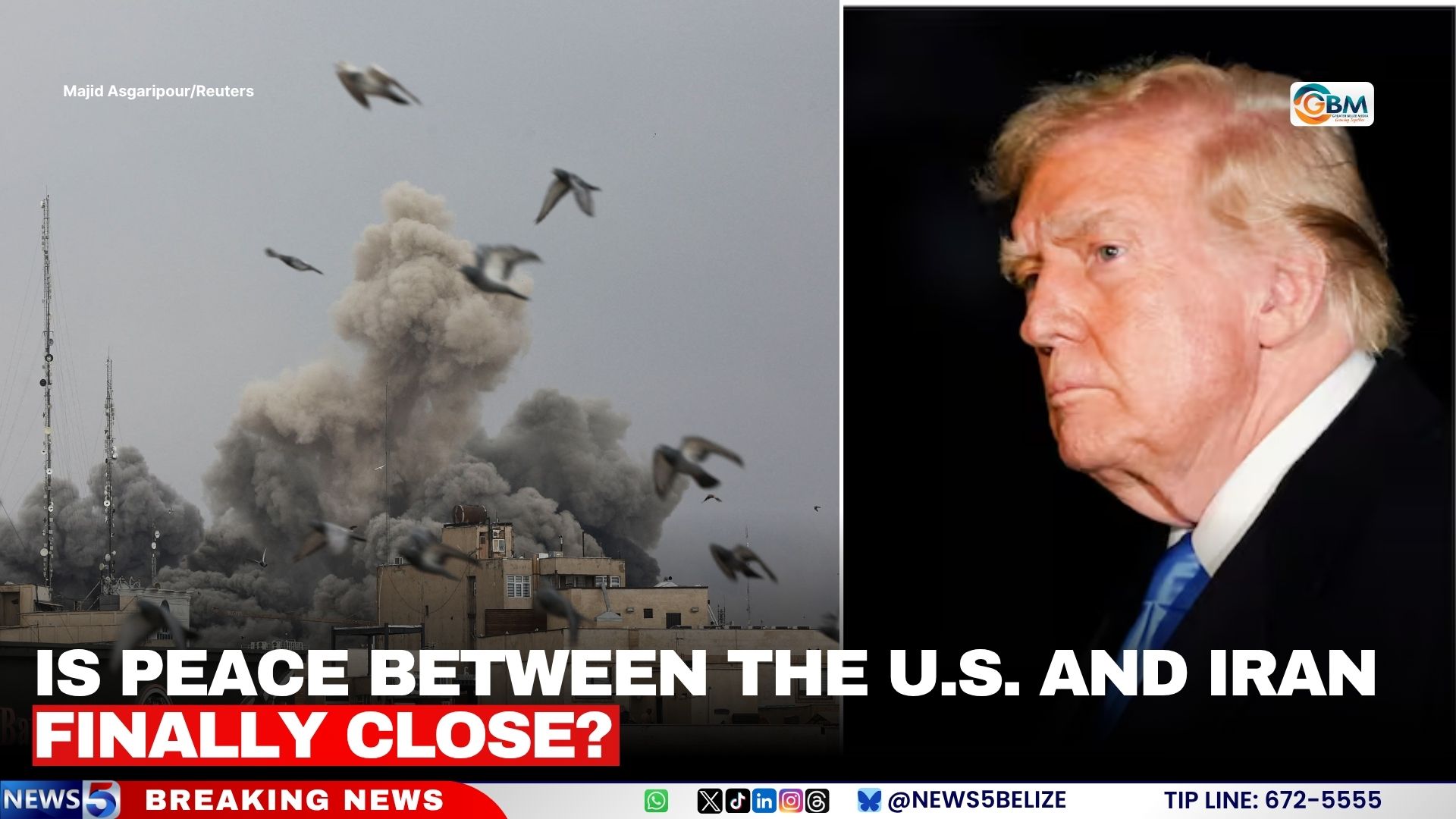
Is Peace Between the U.S. and Iran Finally Close?
June 13, 2026 — Diplomatic efforts to end months of open conflict between the United States and Iran have entered their final stretch, with multiple key players confirming a landmark peace agreement is within reach, even as fresh military escalation continues to roil the broader Middle East.
On Saturday, the Israeli military launched a series of airstrikes targeting areas across southern Lebanon, one day after issuing evacuation orders for approximately 20 local population centers. The new strike comes amid ongoing low-level violence that has persisted even as ceasefire and peace talks between Washington and Tehran gain momentum.
Pakistan, which has served as the neutral mediator for the indirect US-Iran negotiations, has offered the most optimistic timeline for the deal. Pakistani Prime Minister Shehbaz Sharif took to the social platform X Saturday to announce that an agreement is closer to completion than at any previous point in the talks, with finalization expected to occur within the next 24 hours. Iran’s Foreign Ministry struck a more cautious note, however, stating that the formal signing process could stretch into the coming days rather than being completed within hours.
US President Donald Trump has echoed Sharif’s optimistic tone, asserting that the agreement will be signed imminently. In a post on his Truth Social platform, Trump confirmed that “The Deal is scheduled to get signed tomorrow, and immediately after it is signed, the Hormuz Strait is OPEN TO ALL.”
The Strait of Hormuz, a narrow maritime chokepoint that carries roughly a fifth of the world’s daily oil and natural gas shipments, has been closed to commercial international traffic since the outbreak of war earlier this year. The closure has triggered sustained price hikes for fuel and energy across global markets, creating widespread economic pressure for nations around the world.
The core terms of the proposed deal, as outlined by Trump, would permanently block Iran from pursuing a nuclear weapon. “The new agreement would ensure Iran does not ‘purchase, develop, or in any other form procure’ a nuclear weapon,” Trump wrote, adding “They no longer want a Nuclear Weapon, nor will they have one.” The president also included a stark warning for Tehran, noting that if the agreement fails to hold, the US retains what he called the “ultimate alternative,” which he expressed hope would never need to be deployed.
As of Saturday evening, Iran has not issued a direct public response to Trump’s remarks. Over the past week, the two sides have released conflicting accounts of the deal’s final terms, with Trump dismissing details of the agreement published by Iranian state media as completely inaccurate.
The current conflict between the US, Iran and their regional allies began on February 28, when joint US-Israeli military strikes targeted Iranian infrastructure across the Middle East. A formal ceasefire was reached between the parties in April, but intermittent exchanges of fire have continued across regional front lines, and the Strait of Hormuz has remained closed, leaving global energy markets in disruption for nearly four months.
-
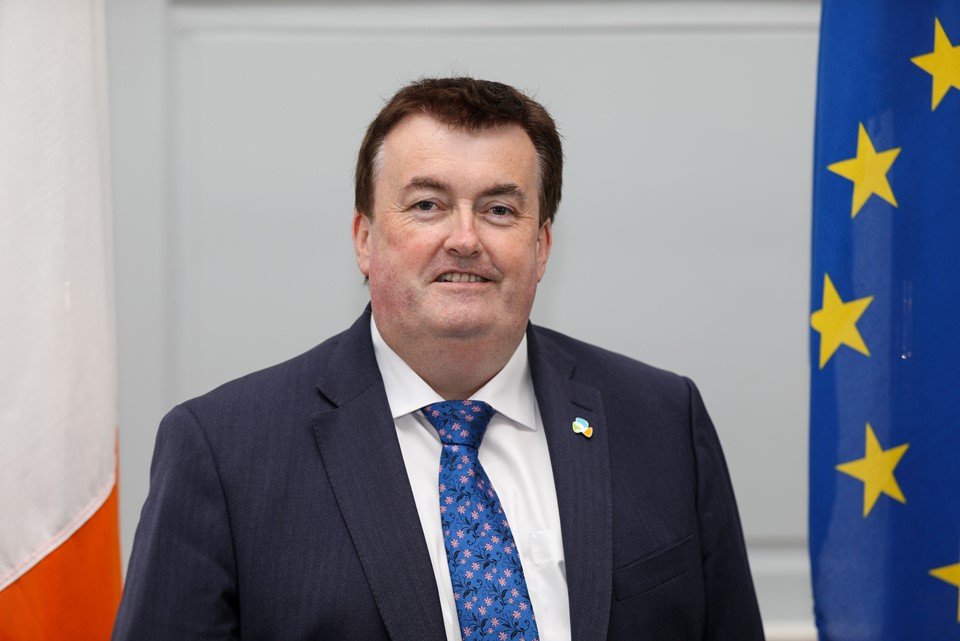
New visa requirement announced for Saint Lucia travel to Ireland
Starting Monday, June 15, 2026, all travelers holding citizenship of Saint Lucia, Saint Kitts and Nevis, and Nicaragua will be required to hold a valid visa to enter Ireland, marking the latest round of adjustments to the country’s immigration control framework. The new regulation applies even to holders of diplomatic and service passports, and will also introduce a mandatory transit visa requirement for travelers from these three countries passing through Irish airports or border checkpoints en route to a final destination in another country.
In an official statement released by Ireland’s Department of Justice, Home Affairs and Migration, Migration Minister Colm Brophy framed the policy shift as a carefully considered step toward broader regulatory alignment across Europe. “This is a carefully considered decision that brings Ireland more closely in line with the approach taken in the United Kingdom and across Europe,” Brophy noted, emphasizing that the update forms part of ongoing, routine adjustments to Ireland’s entry rules that are regularly reassessed to meet evolving security and immigration management needs.
Brophy clarified that the core goal of the change is to strike a careful balance between upholding robust, effective immigration controls and preserving access for legitimate travelers seeking to enter Ireland for tourism, employment, study, or family reunification purposes. He also acknowledged that the sudden policy shift could create disruptions for travelers who have already finalized and booked travel plans ahead of the rule change, announcing that a targeted transitional arrangement will be put in place to mitigate this impact.
This update builds on a series of recent changes to Ireland’s visa regime, including revisions to appeal processes for applicants refused short-stay visas, and a 2024 expansion of visa requirements that added four nations — Eswatini, Lesotho, Nauru, and Trinidad and Tobago — to the list of countries whose citizens require pre-entry visas.
The transitional window will run from the implementation date of June 15, 2026, through July 14, 2026, and only applies to travelers who booked their trips before the new rule goes into effect. Under this temporary scheme, eligible travelers from the three affected nations can still enter Ireland without a visa, provided they complete their travel within the one-month transitional period and carry all required supporting documentation. This documentation includes a valid passport and official proof from their travel carrier confirming key booking details: the passenger’s full name, flight or transport number, and scheduled date of travel. Irish officials note that this proof may be requested by either transport carriers during check-in or immigration officers upon arrival in the country.
All travelers using the transitional arrangement will still be subject to standard full immigration checks upon entry, and officials stressed that any bookings made after June 15, 2026, will not qualify for the exemption, even if the travel itself is scheduled before the transitional window closes on July 14. Travelers who already hold a valid Irish Residence Permit are exempt from the new visa requirement entirely, and will not need to apply for a separate entry visa.
Irish immigration authorities have issued a formal advisory to all affected passengers, urging them to review official government guidance on immigration and entry requirements before finalizing any new travel plans or altering existing bookings to avoid unexpected issues at the border.
-
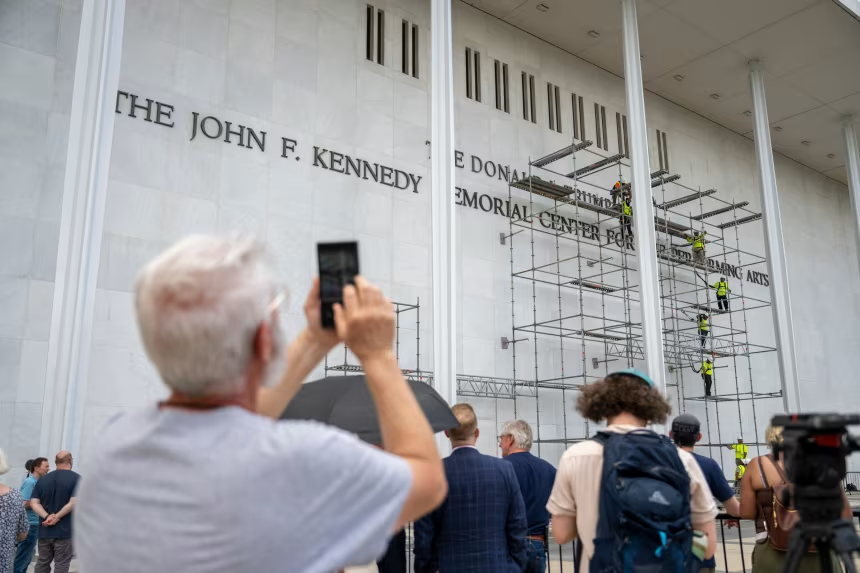
Kennedy Center says it has fully removed Trump’s name from its building
The John F. Kennedy Center for the Performing Arts, one of the United States’ most prominent cultural institutions located in Washington, D.C., has confirmed that it has completed the full removal of Donald J. Trump’s name from one of its on-campus buildings. This administrative move caps off a months-long process that began shortly after the end of Trump’s single four-year term as the 45th U.S. president, when the center’s board of trustees first voted to strip his name from the facility.
-
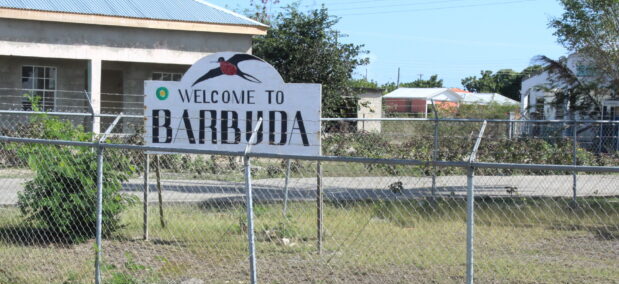
Cabinet Warns Illegal Structures in Barbuda Could Face Demolition
In a Wednesday Cabinet session focused on land governance in Barbuda, the government of Antigua and Barbuda has doubled down on its commitment to upholding the island’s land regulations, issuing a fresh, explicit warning that unapproved, unauthorized construction across Barbuda faces imminent legal enforcement, including demolition. The announcement came as Attorney General Sir Steadroy Benjamin updated lawmakers on ongoing progress toward launching the long-awaited formal Barbuda Land Registry, a cornerstone policy initiative designed to overhaul the island’s fragmented land administration system.
Maurice Merchant, Director General of Communications, outlined the body’s unified stance following the meeting: all structures built without the full suite of legally required permits, approvals, and authorizations are officially classified as illegal. Under the government’s newly tightened enforcement framework, authorities will not hesitate to carry out all permitted legal actions, including the full demolition and removal of these unlawful developments, in strict alignment with national land laws.
This public warning is not an isolated measure, but part of a broader government push to bring order to land ownership and development activity across Barbuda, concurrent with the rollout of the new registry system. During the session, Cabinet also reaffirmed a long-held legal position that the Barbuda Council holds no statutory authority to sell, lease, or transfer any land on the island – any transactions conducted outside of government-approved processes will be considered void and unrecognized by the national administration.
Merchant noted that Cabinet has growing concerns over the proliferation of unreported land transactions and unregulated development that operate outside of the state’s formal legal framework. The administration is fully committed to halting the spread of illegal construction, he stressed, and warned that any individual or entity moving forward with construction without securing proper authorization does so at their own legal and financial risk.
In a move designed to balance strict enforcement with protections for long-term residents, officials moved quickly to reassure Barbuda residents who have occupied land on the island for extended periods that they will not be penalized for past informal arrangements. Under the government’s upcoming land registration program, these residents will be given a clear pathway to formalize their land claims and obtain legal ownership documents. This includes the administration’s flagship $1 land ownership initiative, which offers eligible native Barbudans the chance to secure formal title for a nominal fee.
Cabinet emphasized that the completion of the Barbuda Land Registry will deliver far-reaching public benefits, bringing unprecedented certainty, transparency, and legal security to all matters related to land ownership and development across the island. The formal system will also ensure that all future infrastructure, residential, and commercial projects proceed in full compliance with the national laws of Antigua and Barbuda, laying the groundwork for sustainable, orderly growth on the island.