分类: politics

  • De wereldwijde status van de DEMOCRATIE

    De wereldwijde status van de DEMOCRATIE

    The 2025 Global State of Democracy Report, released on November 10, paints a concerning picture of the current state of democracy worldwide. The report highlights a climate of severe uncertainty, driven by political developments, particularly in the United States, which raise critical questions about democratic resilience and multilateralism. These trends are not isolated; globally, democracy is weakening. In 2024, 54% of the 94 countries studied experienced a decline in at least one democratic factor compared to their state five years prior. Only 55 countries (32%) showed improvement in at least one governance factor.

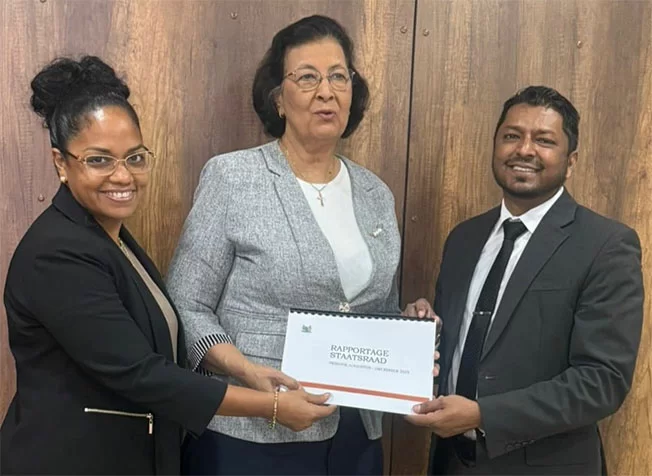
    The report evaluates democratic performance across four core categories: Representation, Rights, Rule of Law, and Participation. Representation scored the highest, with 47 countries (27%) achieving top marks in 2024. However, declines were observed across all regions, affecting both well-functioning and struggling democracies. Suriname, for instance, falls within the ‘mid-range’ category, with scores of 51/173 in Representation, 47/173 in Rights, 63/173 in Rule of Law, and 29/173 in Participation.

    Globally, the Rule of Law remains the weakest category, with 41% of countries classified as underperforming in 2024. Judicial independence saw the most significant decline. Suriname performed moderately in this area, emphasizing the need for cautious reforms to strengthen its democratic framework.

    Within the Rights category, access to justice and press freedom emerged as critical concerns. Press freedom weakened in 43 countries, nearly a quarter of those studied, signaling a serious threat to public accountability and informed political participation. Suriname must remain vigilant in this regard.

    Participation remained relatively stable, with only 11 countries showing notable changes between 2019 and 2024. However, Suriname faces challenges in fostering informed and critical participation. Global migration, affecting 3.7% of the world’s population, also plays a key role in democratic uncertainty. Expanding political participation, including voting rights for citizens abroad, can enhance democratic resilience and foster a sense of belonging.

    For Suriname, diaspora voting remains a contentious issue, with no legislative changes to grant voting rights to overseas citizens. DA’91, a political party, supports the report’s conclusion that diaspora voting could strengthen democratic resilience. While there is no ‘one-size-fits-all’ solution, legal and administrative developments in this area could significantly boost participation both domestically and abroad.

    Maintaining democracy requires patience, maintenance, and occasional reinvention. Suriname, like other democracies, must continuously evaluate and strengthen its institutional frameworks, including mechanisms for involving non-resident citizens in political decision-making. The fight against corruption remains crucial. As the report underscores, the work of democracy is never complete.

  • UN Rapporteur Alena Douhan arrives in Cuba on official visit

    UN Rapporteur Alena Douhan arrives in Cuba on official visit

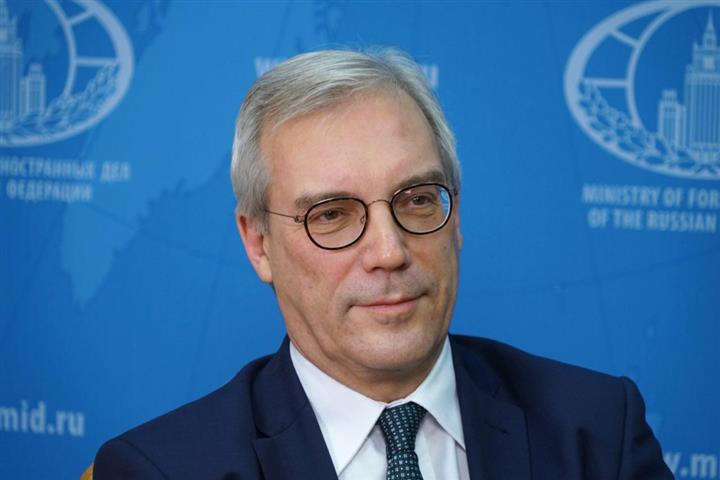
    A United Nations expert has arrived in Cuba to evaluate the consequences of the economic, commercial, and financial blockade imposed by the United States, focusing on its effects on the human rights of the Cuban population. According to the Cuban Foreign Affairs Ministry, the expert’s visit aims to provide a firsthand assessment of the blockade’s impact on various sectors of national life. During her stay, which spans several days, she will engage in discussions with government officials and visit key areas affected by this unilateral policy. Upon her arrival, she was welcomed by Alejandro Gonzalez, Director of International Agencies at the Foreign Ministry, and Francisco Pichon, the resident coordinator of the UN system in Cuba. This marks her second visit to the country, following her participation in an academic event at the University of Havana in 2023. The visit underscores the ongoing international scrutiny of the US blockade and its implications for Cuba’s socio-economic landscape.

  • Angola and Cuba ratify ties of brotherhood in 50th anniversary

    Angola and Cuba ratify ties of brotherhood in 50th anniversary

    The Cuban Ministry of Foreign Affairs recently commemorated a significant milestone in the enduring partnership between Cuba and Angola. In a formal statement, the Ministry underscored the historical importance of this anniversary for the Angolan people and reaffirmed the robust bilateral ties that have been cultivated through decades of shared struggles and cooperative efforts. The statement also highlighted Cuba’s gratitude for Angola’s steadfast support in its ongoing battle against the U.S.-imposed economic, commercial, and financial blockade, which remains a major impediment to Cuba’s development. The relationship between the two nations, rooted in solidarity and collaboration, traces back to the African independence movements and continues to thrive in both bilateral and multilateral contexts today.

  • Dominica Freedom Party leader Bernard Hurtault warns of erosion of civil liberties amid voter confirmation controversy

    Dominica Freedom Party leader Bernard Hurtault warns of erosion of civil liberties amid voter confirmation controversy

    Bernard Hurtault, the leader of the Dominica Freedom Party, has voiced strong criticism of Dominica’s voter confirmation process, labeling it as a systemic erosion of civil liberties and administrative integrity. Speaking at a recent press conference organized by the Electoral Reform Coalition (ERC), Hurtault highlighted the disproportionate burden placed on vulnerable citizens, particularly the elderly and economically disadvantaged, in confirming their voter registration. He argued that the process should not be more cumbersome than the initial registration itself.

    Hurtault drew historical parallels, comparing the current barriers to voting to past civil rights violations, such as property and literacy requirements that once disenfranchised Dominicans. He warned that the new procedures, which mandate costly government-issued identification, risk reviving discriminatory practices. “Your wealth should not determine how and where you vote,” he asserted, emphasizing the financial strain on those unable to afford documents like passports or driver’s licenses.

    Additionally, Hurtault raised concerns about the impartiality of the confirmation process, alleging that many confirmation centers are located in offices affiliated with the ruling Dominica Labour Party. He questioned the transparency and fairness of the Electoral Commission, noting that the majority of staff hired for confirmation duties appear to be government supporters. “What is the statistical reality that you end up with that distribution?” he challenged.

    Hurtault also warned of a broader pattern of institutional capture, accusing the government of undermining transparency and creating administrative chaos to entrench power and suppress dissent. Despite these concerns, he urged citizens to participate in the confirmation process, stressing that failure to do so could solidify the incumbent party’s political advantage for decades. “We have a fight on our hands to assure the civil rights of Dominicans,” he declared, vowing that opposition leaders would continue to advocate for electoral fairness.

  • Robert Fico: Confiscating Russian assets will prolong the conflict

    Robert Fico: Confiscating Russian assets will prolong the conflict

    Slovak Prime Minister Robert Fico has raised critical concerns over the European Union’s proposed $140 billion aid package to Ukraine, arguing that it could extend the conflict rather than bring it to a close. ‘Do we aim to end the war or fuel it further?’ Fico questioned, emphasizing the deep divisions within the EU regarding this contentious issue. The funding, intended to support Ukraine’s war efforts, has ignited heated discussions among member states, with some fearing it could prolong hostilities for at least two more years. Additionally, the EU is debating the use of frozen Russian assets to finance a reparations loan for Ukraine, a move that has further polarized opinions. Belgium, for instance, blocked a European Commission proposal in October to seize these assets, citing concerns over potential retaliatory measures from Moscow and the need for legal safeguards to distribute financial risks among all member states. The final decision on this matter has been deferred to the EU summit in December, leaving the bloc in a state of uncertainty over its next steps.

  • Former judge critical of forced retirement of senior police officer

    Former judge critical of forced retirement of senior police officer

    A former Eastern Caribbean Supreme Court judge, James (Jimmy) Bristol KC, has sharply criticized the Grenada Public Service Commission (PSC) for its handling of the forced retirement of former Superintendent of Police, Tafawa Pierre. Bristol, who also served as attorney general, described the move as an “overreaching” violation of constitutional rights during a recent podcast appearance on The Bubb Report. Pierre, a veteran officer with over three decades of service, was reportedly pressured to resign after the Prime Minister, Dickon Mitchell, expressed a loss of confidence in his ability to perform his duties. This decision was allegedly influenced by Pierre’s wife, Emmalin Pierre, who is the leader of the main opposition New National Party (NNP) and the Opposition Leader in Parliament. Bristol argued that the PSC’s actions were unconstitutional, citing Section 84 of the Constitution, which mandates that public officers can only be removed for disciplinary reasons and through proper procedures. He dismissed the PSC’s claim of a conflict of interest as baseless, stating that such a conflict would only arise if Pierre were directly involved in investigating his wife, which was not the case. Bristol further emphasized that Pierre’s exemplary service record made the forced retirement unjustifiable and politically motivated. He suggested that Pierre could seek legal redress for vindicatory damages, referencing precedents in similar cases. Daisy Hazzard, President of the Grenada Public Service Commission and the Caribbean Public Service Association (CPSA), also expressed concerns about the case, highlighting the importance of fairness, due process, and the PSC’s independence. Hazzard noted that the PSC’s rules and regulations do not support dismissal based on a spouse’s political affiliation and urged Pierre to pursue formal redress if he believes his rights were violated. Both Bristol and Hazzard warned that such actions undermine good governance and the rule of law in Grenada.

  • Macron and Abbas address governance and reconstruction of Gaza

    Macron and Abbas address governance and reconstruction of Gaza

    French President Emmanuel Macron and Palestinian Authority (PA) President Mahmoud Abbas are set to convene to address the comprehensive execution of the Gaza ceasefire, a US-mediated agreement inked a month prior by the Israeli government and Hamas. This meeting underscores France’s ongoing commitment to recognizing the Palestinian State, a stance Macron reiterated during his address at the United Nations General Assembly (UNGA) in September. The discussions will also focus on advancing the ‘peace and security plan for the Middle East,’ with particular emphasis on security measures, governance frameworks, and the international-backed reconstruction of the Gaza Strip. France champions a two-state solution and supports the Palestinian National Authority’s (PNA) governance role in Gaza, currently under Hamas control. Both Paris and Washington advocate for Hamas’s disarmament and its exclusion from political processes. Additionally, the leaders will deliberate on the pressing need for substantial humanitarian aid to Gaza, a region where aid distribution is strictly regulated by Israel.

  • Speaker of the house clarifies election laws, voter rights

    Speaker of the house clarifies election laws, voter rights

    House Speaker Claudius Francis has taken a proactive stance in addressing widespread misconceptions about Saint Lucia’s election laws and voting procedures. Speaking at the launch of Saint Lucia Labour Party (SLP) candidate Keithson Charles for the Choiseul/Saltibus constituency, Francis provided detailed clarifications on key aspects of the electoral process. He emphasized that employees are legally entitled to take sufficient time off to vote without facing pay deductions. “A minimum of two hours—or however long it takes—is guaranteed. Employers who deduct wages for additional time spent voting risk legal consequences,” he stated. Francis urged employees facing such issues to report them to the Labour Department or the Electoral Commission. On voter identification, he clarified that expired IDs are acceptable for voting, as the expiration date is irrelevant for electoral purposes. He also explained residency requirements, noting that voters must reside in their constituency for at least two months before the qualifying date, which is February 15 for elections in the first half of the year and July 15 for those in the second half. Francis highlighted provisions for persons with disabilities, including interpreter services and assistance for the physically incapacitated and blind. Overseas citizens without valid IDs can still vote by taking an oath, though lying during the process carries legal penalties. He also addressed attire on election day, stating that while party colors are allowed, explicit campaign messages are prohibited. Francis praised Saint Lucia’s Elections Bill as one of the most comprehensive and fair electoral frameworks globally, ensuring inclusivity and transparency.

  • St Vincent PM promises lawsuit over Opposition candidates’ Canadian citizenship

    St Vincent PM promises lawsuit over Opposition candidates’ Canadian citizenship

    In a significant development ahead of St Vincent and the Grenadines’ November 27 general election, Prime Minister Dr Ralph Gonsalves has announced plans to challenge the eligibility of opposition candidates holding dual citizenship in court. Addressing supporters of the ruling Unity Labour Party (ULP) on Tuesday, Gonsalves, who is seeking a historic sixth consecutive term, revealed that the ULP had attempted to block the nomination of New Democratic Party (NDP) leader Dr Godwin Friday and East Kingstown candidate Fitz Bramble due to their Canadian citizenship. Both candidates, born in St Vincent and the Grenadines, acquired Canadian citizenship as adults. Gonsalves cited Section 26 of the Constitution, which disqualifies individuals who voluntarily acknowledge allegiance to a foreign power, emphasizing that this provision was reinforced by a 2020 Court of Appeal ruling. He highlighted that Friday had publicly admitted to possessing a Canadian passport, while Bramble reportedly acknowledged his Canadian citizenship during his nomination interview. Despite these challenges, Friday confirmed his successful nomination in a social media video, vowing to proceed with the election. Gonsalves, a seasoned attorney, stressed the need for concrete evidence to support the legal challenge, signaling a contentious battle over constitutional interpretation in the lead-up to the polls.

  • Epstein alleged Trump ‘knew about the girls’: Democrats

    Epstein alleged Trump ‘knew about the girls’: Democrats

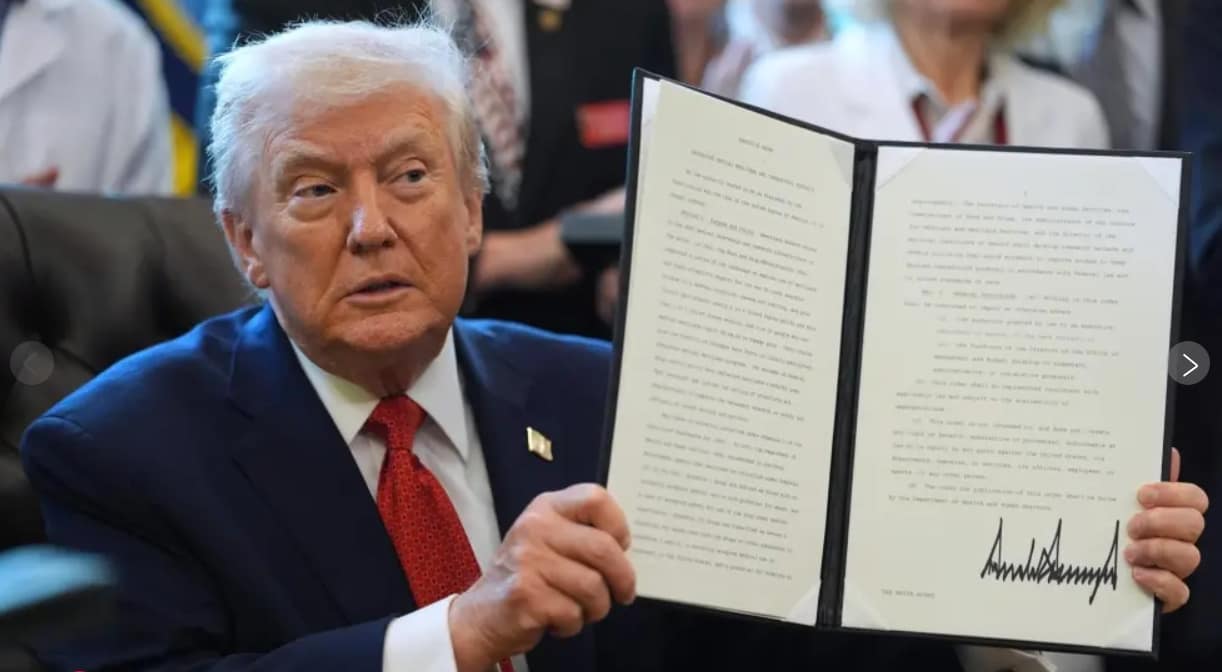
    WASHINGTON, United States — Democrats unveiled a series of emails on Wednesday that allegedly indicate former President Donald Trump was aware of Jeffrey Epstein’s sexual abuse activities. The emails, released by the House Oversight Committee, suggest Epstein claimed Trump “knew about the girls” involved in his sex-trafficking operations. Trump has consistently denied any knowledge of or involvement in Epstein’s crimes, which led to the financier’s 2019 suicide in federal prison while awaiting trial. The emails, addressed to Epstein’s associate Ghislaine Maxwell and author Michael Wolff, have reignited controversy over Trump’s ties to Epstein, despite no criminal accusations against the former president. In one 2019 email, Epstein reportedly wrote that Trump had asked Maxwell to stop her activities, implying his awareness. Another 2011 email to Maxwell referenced an unnamed victim who spent time with Trump at Epstein’s residence. Democrats are pushing for the full release of Epstein’s case files, arguing the emails raise serious questions about Trump’s knowledge of Epstein’s crimes. The Justice Department has previously stated that Epstein’s so-called “client list” does not exist, dismissing conspiracy theories that have fueled divisions within Trump’s MAGA base. Epstein’s 2008 plea deal, arranged by a prosecutor who later joined Trump’s cabinet, has also been criticized for its leniency. The ongoing scrutiny of Trump’s relationship with Epstein continues to cast a shadow over his administration.