In a recent broadcast on the Razones de Cuba (Reasons of Cuba) program, the Cuban government leveled serious allegations against what it described as a coordinated scheme of currency trafficking and tax evasion. The operation, allegedly orchestrated by Cuban-born individuals based in the United States and other countries, is said to be funded by US taxpayer money. The accusations specifically targeted El Toque, a digital media outlet that claims independence and provides economic, legal, and public service information to Cuban communities. The program highlighted the allocation of funds to Media Plux Experience and Mas Voces Foundations, companies registered under the name of El Toque’s director, Jose Jasan Nieves. These funds are reportedly used to promote non-state economic actors and facilitate illegal currency trafficking in Cuba. The broadcast also presented evidence of actions taken in 2024 by Xavier Billingsley, Deputy Chief of Public Affairs at the US Embassy in Havana, and implicated several individuals in operations aimed at exacerbating Cuba’s inflationary crisis. Cuban officials asserted that these allegations corroborate Foreign Minister Bruno Rodriguez’s October 2023 statement, which detailed Cuba’s investigation into the national inflationary phenomenon and its ties to a broader US-led economic warfare campaign. Razones de Cuba, a web platform established 15 years ago, continues to challenge narratives propagated by hegemonic media, positioning itself as a counterpoint to mainstream discourse.
分类: politics
-

Cuba elected member of UNESCO Governing Councils
The 43rd session of the UNESCO General Conference, held in the historic city of Samarkand, Uzbekistan, witnessed the election of three new members to the Governing Council of the UNESCO International Institute for Higher Education in Latin America and the Caribbean (IESALC). Among the elected representatives were Cuba’s Maria Victoria Villavicencio, Uruguay’s Jose Maria Passarini, and Saint Vincent and the Grenadines’ Janeil Henry-Rose. These individuals will serve on the Council from 2025 to 2029, joining specialists from Brazil, Grenada, and Venezuela to form a regionally balanced team dedicated to academic collaboration and educational excellence. Cuba’s re-election to the Council underscores its enduring commitment to higher education, regional integration, and international cooperation. IESALC, the sole UNESCO Category I institute focused on higher education, plays a pivotal role in advancing inclusive, accessible, and quality education in Latin America and the Caribbean, aligning with the Sustainable Development Goals (SDGs). Cuba’s leadership in regional higher education is further highlighted by its early ratification of the Global Convention on the Recognition of Higher Education Qualifications and its participation in the Regional Convention for Latin America and the Caribbean. This election reaffirms Cuba’s influential role in fostering South-South cooperation and sustainable development in the region.
-

Indonesia: Diplomat highlights ASEAN’s defense of Cuban sovereignty
In a significant diplomatic gathering, Ambassador Gonzalez emphasized ASEAN’s unwavering support for Cuba’s annual resolution at the United Nations General Assembly (UNGA), which calls for the termination of the United States’ economic, financial, and commercial blockade. The ambassador’s remarks were delivered during a meeting with ASEAN member country representatives, attended by Deputy Secretary-General Nararya Soepaptro, at Jakarta’s Ciputra Hotel. This event coincided with the 5th anniversary of Cuba’s accession to the Treaty of Amity and Cooperation in Southeast Asia (TAC). Gonzalez highlighted that November 10 marked a pivotal moment in Cuba’s diplomatic history, symbolizing a new era of relations with ASEAN based on mutual respect, solidarity, and peaceful cooperation. She stressed that the TAC signing was not merely symbolic but a robust affirmation of principles, making Cuba the first Caribbean nation and the fifth in Latin America to join the treaty. This move, she noted, reinforced Cuba’s dedication to multilateralism, non-intervention, and conflict resolution. Gonzalez also pointed out that the treaty’s signing during the Covid-19 pandemic demonstrated Cuba’s commitment to addressing shared global challenges such as public health, climate change, and natural disasters.
-

Vaccine Mandate Case sent to Privy Council for final decision
The Court of Appeal in St. Vincent and the Grenadines (SVG) has granted conditional permission for the contentious ‘Vaccine Mandate Case’ to be referred to the Privy Council in London, the nation’s highest judicial authority, for a definitive resolution. This legal battle stems from the November 2021 decision by the Ralph Gonsalves-led Unity Labour Party (ULP) government, which declared that public sector workers refusing to comply with the COVID-19 vaccination mandate had effectively abandoned their jobs. The Public Service Union, SVG Teachers’ Union, and Police Welfare Association spearheaded the lawsuit, which initially saw High Court Judge Justice Esco Henry rule in favor of the workers in March 2023. However, a subsequent 2-1 decision by the Court of Appeal in February 2025 overturned this ruling, prompting the workers to seek the Privy Council’s intervention. During a virtual hearing in Kingstown, the government’s legal team, led by senior counsel Anthony Astaphan, opted not to present oral arguments, leaving the decision entirely to the court. Cara Shillingford, lead counsel for the workers, emphasized the case’s constitutional significance, particularly regarding property and pension rights under Section 99 of SVG’s Constitution. She also highlighted the High Court’s finding that the vaccine mandate violated Section 77, which governs the Public Service Commission’s independence. The court acknowledged the substantial public interest in resolving this critical constitutional issue. The panel, comprising Justices Trevor Ward, Peter Foster, and Reginald Armour, noted the undisputed value of the workers’ pensions, which far exceeded $1,500, as evidenced by affidavit submissions.
-

Fete clampdown
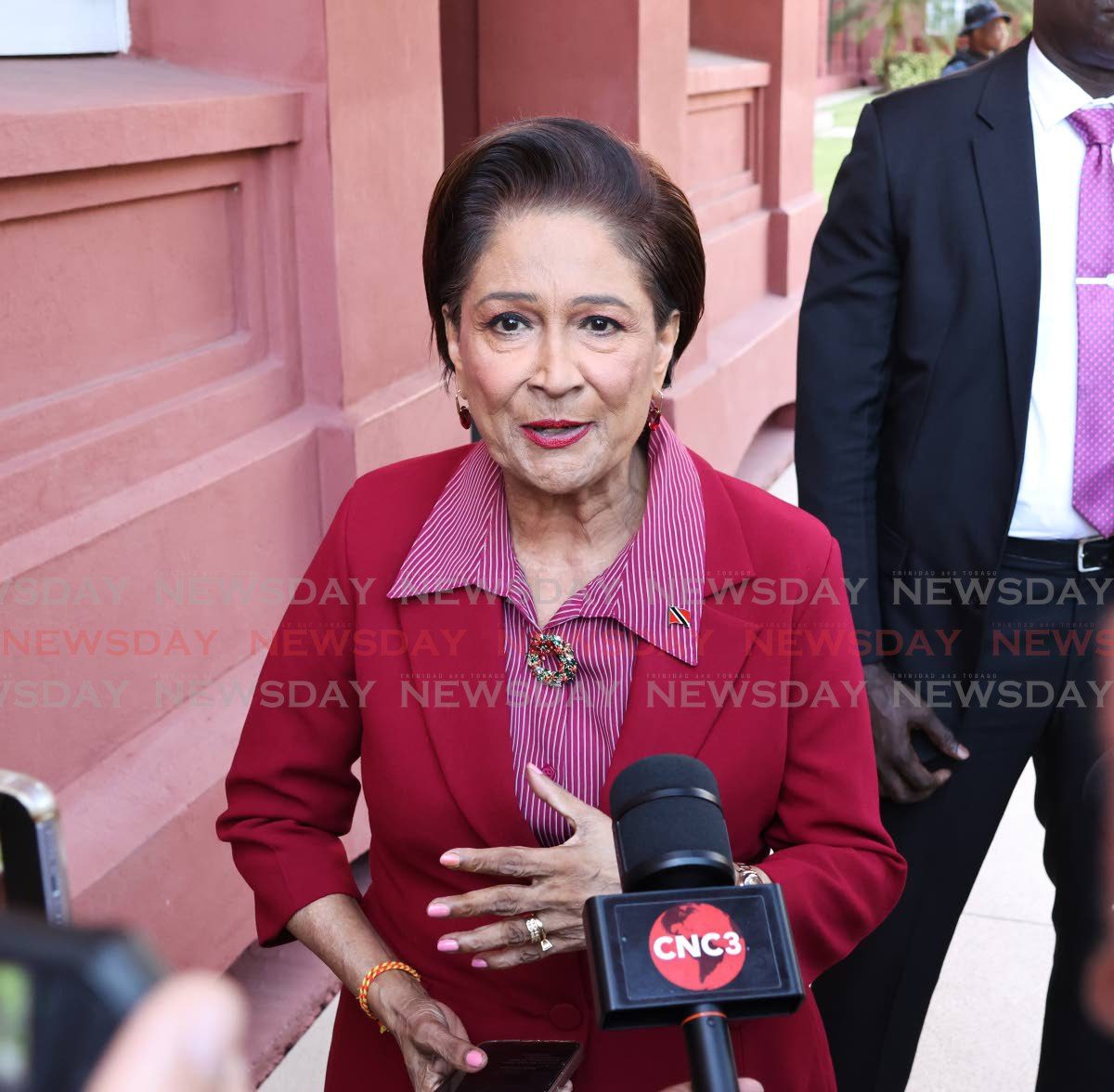
Prime Minister Kamla Persad-Bissessar has stirred significant controversy with her abrupt announcement to halt all fetes at state facilities, particularly the Brian Lara Stadium in Tarouba. The decision, revealed on November 10, came without prior warning, even as her administration had officially launched Carnival—a culturally significant national festival—just a week earlier. This unexpected move has left many questioning the timing and coherence of the directive, especially given the extensive planning required for such events. Earlier, on July 7, the Prime Minister had hinted at legislative measures to address noise pollution, gambling, alcohol, and marijuana abuse during a party event. However, she failed to provide a clear timeline, leaving the private sector unprepared for such sweeping changes. Despite her earlier assurances of exemptions for national festivals, the Prime Minister has now firmly stated that the decision is final and irreversible. The government’s messaging has been further muddled by Udecott officials, who justified the clampdown by citing the need to protect sporting facilities from damage. This comes just a week after the government unveiled a national development blueprint promising upgrades to the Queen’s Park Savannah, adding to the confusion. The Prime Minister’s approach has not only alienated the public but also sparked a heated debate with the TT Promoters Association, which has labeled the move a ‘death knell’ for the entertainment industry. A more collaborative dialogue between stakeholders could have prevented this week’s public discord, highlighting the need for clearer communication and strategic planning in addressing legitimate issues like noise pollution.
-

Al-Rawi, Alexander debate virtual hearings in police stations
A heated debate unfolded in the Senate on November 14 between Opposition Senator Faris Al-Rawi and Homeland Security Minister Roger Alexander regarding the future of virtual court hearings in police stations. The discussion was sparked by Alexander’s claim that the media had misrepresented his comments on the matter following the April 28 general election. Alexander revealed that 13 out of 77 police stations, including San Fernando, Arima, Besson Street, Tunapuna, Chaguanas, and Scarborough, are currently utilized for virtual hearings. He emphasized that a comprehensive review is underway to assess the situation and determine a balanced way forward. Al-Rawi questioned Alexander about his alleged remarks on canceling virtual hearings at police stations, to which Alexander responded that the senator had misunderstood his statements. He clarified that his concern was about courts occupying police station spaces, which hindered police operations such as investigations and identification parades. Al-Rawi pressed Alexander on whether he was misquoted by the media, and Alexander reiterated that he had already addressed the issue. Leader of Government Business Darrell Allahar dismissed Al-Rawi’s call for Alexander to retract his statement, supported by Senate President Wade Mark. Alexander also noted that virtual hearings at police stations cover a wide range of offenses, from assault to murder.
-

AG: US to ‘intensify exercises’ in Trinidad and Tobago
Attorney General John Jeremie has disclosed that the United States will escalate its military exercises in Trinidad and Tobago in the near future. This revelation was made during an interview with the UK Financial Times on November 13, following the arrival of the 22nd US Marine Expeditionary Unit in Trinidad aboard the USS Gravely. The unit conducted joint military exercises with the Trinidad and Tobago Defence Force from October 26 to 30. Jeremie emphasized the ongoing collaboration with the US, stating, ‘We are engaged with our friends in the north in a series of exercises.’ This announcement coincides with US Secretary of War Pete Hegseth’s declaration on the same day regarding the launch of Operation Southern Spear. Hegseth described the operation as a measure to ‘protect’ the US from narco-terrorists, asserting that ‘the Western hemisphere is America’s neighbourhood – and we will protect it.’ He also confirmed that the operation was initiated under the directive of US President Donald Trump.
-

OPM rejects Pintard’s claim of passports found on Bahamasair flight
The Office of the Prime Minister (OPM) of The Bahamas has vehemently denied claims made by Free National Movement (FNM) Leader Michael Pintard regarding an alleged incident involving unaccompanied Bahamian passports on a Bahamasair flight. Pintard, during a political rally in Golden Isles, asserted that a package of passports was discovered on a flight “heading south,” prompting an investigation and resulting in dismissals. He questioned the silence of senior government officials and hinted at potential misconduct within the passport office. Pintard challenged the Prime Minister to address the issue directly, accusing the government of withholding information. In response, the OPM issued a statement categorically refuting Pintard’s allegations, labeling them as false and baseless. The statement emphasized that no such incident occurred, no investigation was conducted, and no staff were dismissed. The OPM accused Pintard of spreading misinformation for political gain, urging him to retract his statements and apologize to the relevant authorities. The government’s rebuttal underscores the escalating political tensions in The Bahamas, with both sides engaging in a war of words over the credibility of the claims.
-

Health conditions will play part in US visa application process
A recent immigration directive by the Trump Administration has raised concerns among individuals applying for U.S. visas, particularly immigrant visas. The U.S. State Department issued a cable instructing embassy and consular officers to evaluate applicants’ health conditions more rigorously. This includes assessing whether applicants with chronic illnesses such as cardiovascular, respiratory, neurological, and metabolic diseases, cancers, diabetes, and mental health disorders could incur substantial medical costs in the U.S. While health assessments have always been part of the visa process, the new directive expands the list of medical conditions under scrutiny. The heightened focus primarily targets immigrant visas, not short-term B-2 visitor visas for individuals who can fund their own medical treatment and intend to return home. Visa officers must also determine if applicants have sufficient financial resources to cover their medical needs without relying on U.S. government assistance. Leonara Coakley, a visa consultant, noted that while clients have not directly questioned her about the directive, business has slowed significantly since September due to widespread fear and confusion about immigration policies. She highlighted a case where a client with a heart condition was denied a B-2 visa extension despite ongoing medical treatment in the U.S. Coakley emphasized that fear, fueled by news reports on immigration enforcement, is deterring potential applicants. She explained that visa denials often depend on the officer’s judgment, and applicants can reapply with additional evidence. The directive also includes conditions like obesity, which are linked to chronic illnesses, as factors in assessing whether an applicant might become a public charge. State Department spokesperson Tommy Pigott stated that the Trump Administration prioritizes the interests of American taxpayers by enforcing immigration policies that prevent the system from becoming a financial burden. The Department has historically had the authority to deny visas based on the likelihood of applicants becoming public charges.
-

Alexander, Elder talk Tobago matters
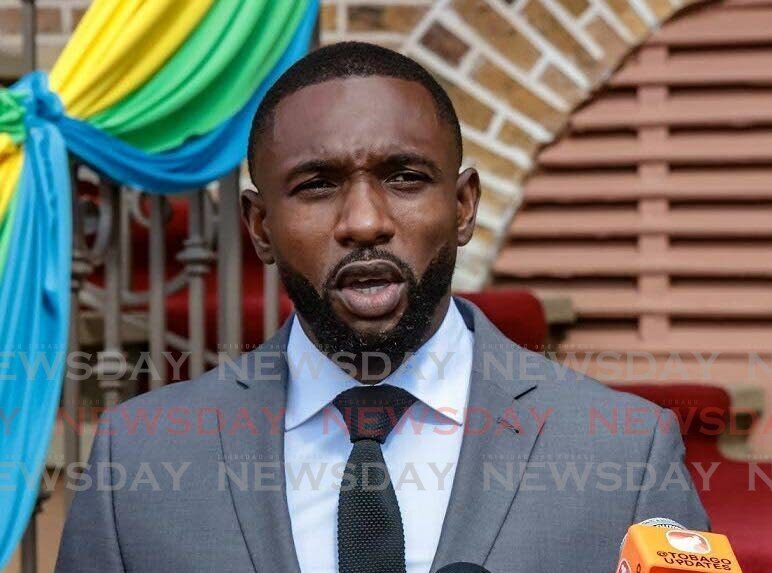
As the Tobago House of Assembly (THA) election approaches, Homeland Security Minister Roger Alexander and Minister in the Ministry of Public Utilities Clyde Elder addressed critical Tobago-related matters in the Senate on November 14. The session also marked the appointment of former THA minority leader Ashworth Jack as a temporary government senator. Jack, who previously led the defunct Tobago Organisation of the People (TOP), played a significant role in the UNC-led People’s Partnership coalition government from 2010 to 2015. Responding to Opposition Senator Melanie Roberts-Radgman’s inquiry about fatal shootings in Tobago earlier this year, Alexander emphasized the importance of timely and transparent investigations, leveraging forensic tools, public communication, and investigator training. He also highlighted the role of body-worn cameras in aiding investigations into alleged police shootings. Additionally, Alexander noted the involvement of the Police Complaints Authority (PCA), use of force policies, and reviews by the National Security Council (NSC), chaired by the Prime Minister. Elder addressed concerns about low water supplies in Tobago during September and October, attributing the issue to funding shortages and neglect under the previous PNM administration. He assured that the current government would resolve the problem. The THA, dissolved on November 12, is set for elections between January 12 and February 12. Prime Minister Kamla Persad-Bissessar promised Tobago would benefit from several initiatives before the assembly’s dissolution. Notably, while there is no formal coalition between the UNC and the Tobago People’s Party (TPP), the latter’s two MPs sit alongside government MPs in the House of Representatives. Before its dissolution, the TPP held 13 of the 15 THA seats, with the remaining two held by the PNM and Progressive Democratic Patriots (PDP). TPP leader and THA Chief Secretary Farley Augustine was previously a PDP member.