分类: politics

  • Statement by OECS Commission on the US Visa Proclamation for Citizens of Antigua and Barbuda and Dominica

    Statement by OECS Commission on the US Visa Proclamation for Citizens of Antigua and Barbuda and Dominica

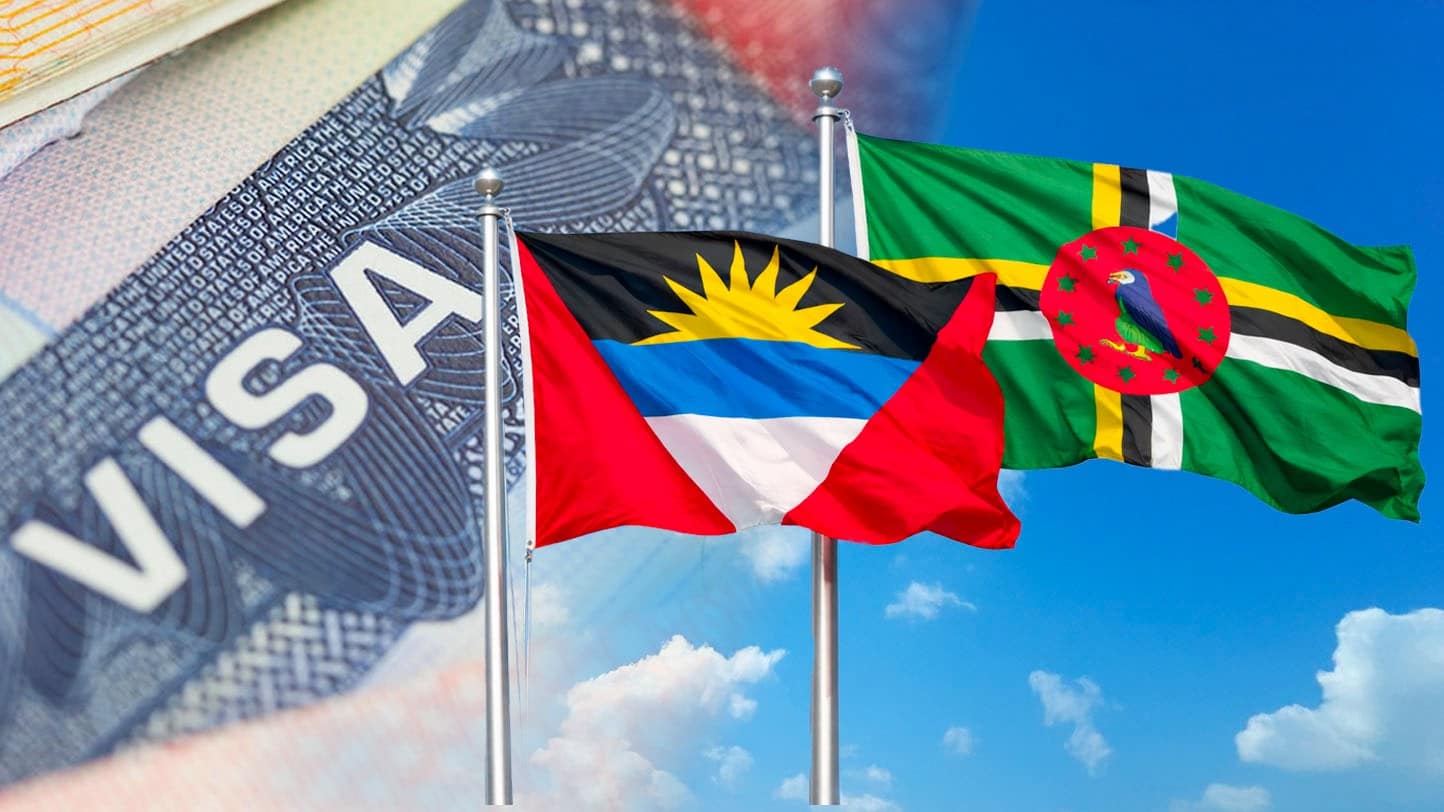
    The Organisation of Eastern Caribbean States (OECS) Commission has issued a formal statement expressing unwavering solidarity with the governments and citizens of Antigua and Barbuda and Dominica following the United States’ decision to revoke visa privileges for certain categories of their nationals. While acknowledging America’s sovereign right to implement immigration and border security policies, the regional body emphasized the need to consider such measures within the context of the historically cooperative relationship between the Caribbean and the US.

    The OECS highlighted the substantial contributions of Caribbean nationals to American society, noting their integral role in healthcare, education, construction, entrepreneurship, and public service. The diaspora from these nations has consistently demonstrated law-abiding behavior and civic engagement, strengthening communities across the United States.

    Economic interdependence between the Eastern Caribbean and the US was underscored, with the United States remaining a primary trading partner, investor, tourism source market, and development ally. These connections are maintained through continuous diplomatic engagement, private-sector collaboration, and structured dialogue on shared concerns including financial integrity and border security.

    Regarding Citizenship by Investment Programs (CIPs), the OECS revealed that member states have been actively engaged in technical, solutions-oriented discussions with US agencies and international partners. Significant progress has been made in enhancing due-diligence systems, improving information-sharing protocols, tightening eligibility standards, and establishing a regional independent regulatory authority to ensure compliance with international best practices.

    The organization emphasized that for small island developing states, CIPs represent crucial lawful instruments for financing resilience-building, disaster adaptation, and sustainable development without creating debt. These programs have supported critical public investments in infrastructure, education, health systems, renewable energy, and social resilience—areas that directly contribute to regional and hemispheric stability.

    The OECS respectfully urged consideration of the unique vulnerabilities and limited economic diversification options available to small Western Hemisphere states. The commission advocated for a collaborative, consultative approach grounded in dialogue and shared responsibility as the most effective pathway to addressing security concerns while preserving long-standing partnerships.

    Reaffirming its commitment to continued engagement with the US government, the OECS expressed confidence that through sustained dialogue and evidence-based collaboration, solutions could be developed that balance security objectives with the developmental realities of small, open economies. The organization stands firmly with Antigua and Barbuda and Dominica, reiterating its collective resolve to maintain the Eastern Caribbean as a region defined by good governance and constructive international engagement.
  • Antigua PM disputes statements by his Trinidad counterpart

    Antigua PM disputes statements by his Trinidad counterpart

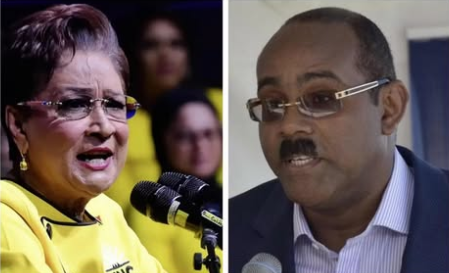
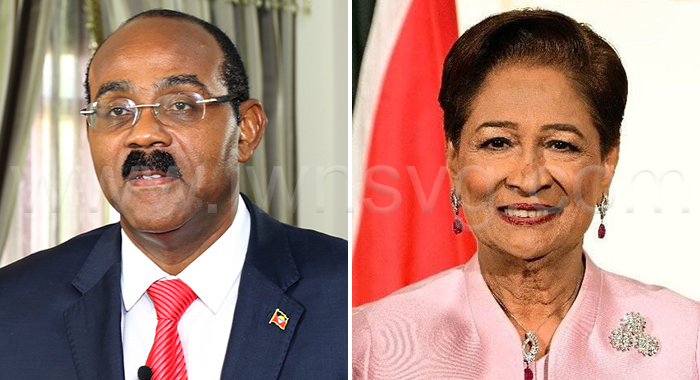
    A significant diplomatic dispute has emerged within the Caribbean Community (CARICOM) as Antigua and Barbuda’s government has issued a formal rebuttal to Trinidad and Tobago Prime Minister Kamla Persad-Bissessar’s characterization of the regional bloc as “unreliable” and “dysfunctional.”

    Prime Minister Gaston Browne delivered a comprehensive response challenging Persad-Bissessar’s assertions, emphasizing that her comments warranted “a measured response grounded in facts, respect, and the long history of Caribbean cooperation.” The exchange represents one of the most public disagreements among CARICOM leadership in recent years.

    The core of the disagreement stems from Persad-Bissessar’s statement that CARICOM had “lost its way” by criticizing United States visa policies while maintaining relations with Venezuela’s government under Nicolás Maduro. She specifically distanced Trinidad and Tobago from CARICOM’s position regarding U.S. travel restrictions imposed on nationals from Dominica and Antigua and Barbuda.

    Prime Minister Browne presented substantial economic data to counter the reliability claims, revealing that Trinidad and Tobago had generated over US$1.1 billion in foreign exchange from CARICOM trade in 2024 alone. He highlighted that Trinidad maintains CARICOM’s only consistently positive trade balance since the organization’s founding in 1973, with the bloc serving as its second-largest export market after the United States.

    The Antiguan leader detailed how CARICOM members had collectively forgone approximately US$142.7 million in customs revenue through the Common External Tariff system, specifically to protect Trinidad and Tobago’s manufacturing sector. “This economic sacrifice,” Browne noted, “has been borne by Caribbean consumers in the spirit of regional solidarity.”

    Beyond economic cooperation, Browne emphasized CARICOM’s role in addressing regional security challenges, noting that the organization’s security mechanisms and intelligence sharing have been “an essential pillar” in combating Trinidad’s significant organized crime problems.

    The diplomatic tension emerged after the U.S. temporarily restricted visas for nationals from Antigua and Barbuda and Dominica—a decision later suspended following diplomatic representations. Persad-Bissessar had warned Caribbean nations about “bad-mouthing” the U.S., suggesting Antigua and Dominica faced consequences for their foreign policy positions.

    Browne categorically rejected claims that Antigua had disparaged the United States, stating “no evidence has been offered because none exists.” He emphasized his country’s “close collaboration with the United States, including constructive engagement on security matters, immigration, and consistent cooperation in multilateral fora.”

    The Antiguan leader concluded that CARICOM remains “a partnership rooted in shared history, shared bloodlines, shared struggle for independence, and a shared determination that small states are stronger when they act together,” advocating for continued regional unity despite current disagreements.

  • PM Browne rebuts Trinidad leader’s comments, defends CARICOM record

    PM Browne rebuts Trinidad leader’s comments, defends CARICOM record

    A diplomatic rift has emerged between Caribbean leaders following critical remarks by Trinidad and Tobago’s Prime Minister about regional approaches to US relations. Prime Minister Kamla Persad-Bissessar of Trinidad and Tobago suggested during a public address that US travel restrictions imposed on Antigua and Barbuda and Dominica resulted from their criticism of the Trump administration. Her comments implied that Caribbean nations should exercise caution when engaging with Washington, describing the United States as her country’s largest trading partner.

    In a robust rebuttal, Antigua and Barbuda Prime Minister Gaston Browne issued a detailed response defending both his nation’s diplomatic record and the value of CARICOM cooperation. Browne emphasized that his government has never questioned any member state’s sovereign right to manage bilateral relationships according to their national interests. However, he asserted that no CARICOM member should challenge another’s legitimate engagement with international partners on matters affecting its citizens.

    The Antiguan leader presented substantial economic data to counter claims of CARICOM’s unreliability as a partner. He revealed that Trinidad and Tobago generated over $1.1 billion in foreign exchange from trade with CARICOM nations in 2024 alone, making the regional bloc its second-largest export market after the United States. Browne highlighted that Trinidad maintains the only consistently positive trade balance within CARICOM since the organization’s establishment in 1973.

    Browne further contextualized this economic relationship by noting the regional sacrifices made through the Common External Tariff system, which protects Trinidad’s manufacturing sector. In 2023, CARICOM members collectively forgone approximately $142.7 million in customs revenue by sourcing goods from Trinidad under this protection mechanism—a financial sacrifice borne by Caribbean consumers in the spirit of regional solidarity.

    The Prime Minister also addressed security cooperation, noting Trinidad’s benefit from CARICOM-led initiatives against organized crime through intelligence sharing and coordinated law enforcement. Browne firmly rejected characterizations of Antigua and Barbuda as anti-American, detailing his nation’s record of collaboration with the US on security, immigration, and multilateral engagement through international organizations.

    This exchange highlights ongoing tensions within CARICOM regarding foreign policy approaches, particularly toward Venezuela where Persad-Bissessar has supported US hardline positions and naval actions in the Caribbean—positions that diverge from other member states. Browne concluded by asserting that maintaining respectful relations with global partners and advocating for regional unity remain complementary rather than contradictory objectives.

  • Lula: Amerikaanse interventie in Venezuela kan catastrofaal zijn

    Lula: Amerikaanse interventie in Venezuela kan catastrofaal zijn

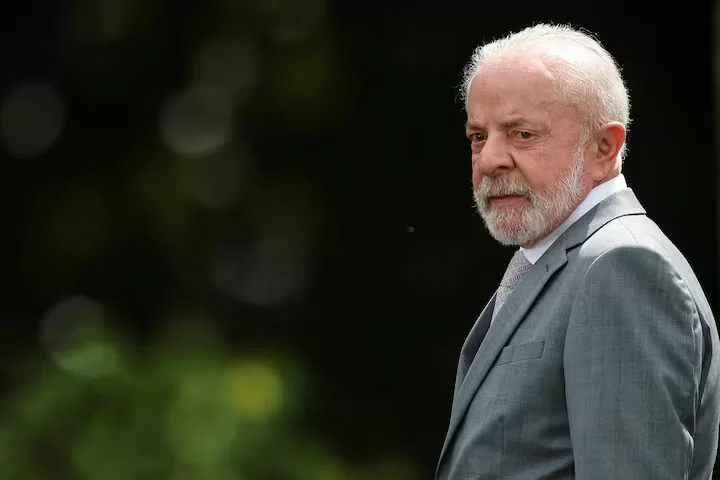
    Brazilian President Luiz Inácio Lula da Silva has issued a stern warning against potential foreign military intervention in Venezuela, characterizing such actions as a potential “humanitarian catastrophe” during the Mercosur bloc summit in Foz do Iguaçu. The statement came in response to escalating US measures against Venezuela’s government, including President Donald Trump’s recent order imposing a comprehensive blockade on sanctioned oil tankers entering and leaving Venezuelan waters.

    Lula, alongside Mexican President Claudia Sheinbaum, had previously urged restraint earlier in the week as tensions mounted. However, during Saturday’s regional summit, the Brazilian leader delivered a more forceful condemnation of what he termed a “dangerous precedent for the world.” He drew historical parallels to the Falklands War, noting that “more than forty years after the Falklands conflict between Argentina and Britain, the South American continent once again faces the threat of military presence from an extra-regional power.”

    The Mercosur gathering produced a joint declaration endorsed by the presidents of Argentina, Paraguay, and Panama, with high-level officials from Bolivia, Ecuador, and Peru also participating. The document reaffirmed regional commitments to maintaining democratic principles and human rights in Venezuela through peaceful means.

    Concurrently, US Coast Guard operations intensified near Venezuelan waters. Officials confirmed to Reuters that American authorities were pursuing another sanctioned oil tanker in international waters near Venezuela—marking what would be the second such operation that weekend and the third within two weeks if successful. A US official described the targeted vessel as part of Venezuela’s “dark fleet” illegally evading sanctions, operating under a false flag, and subject to seizure under judicial order.

  • President Abinader leads swearing-in of new Supreme Court judges

    President Abinader leads swearing-in of new Supreme Court judges

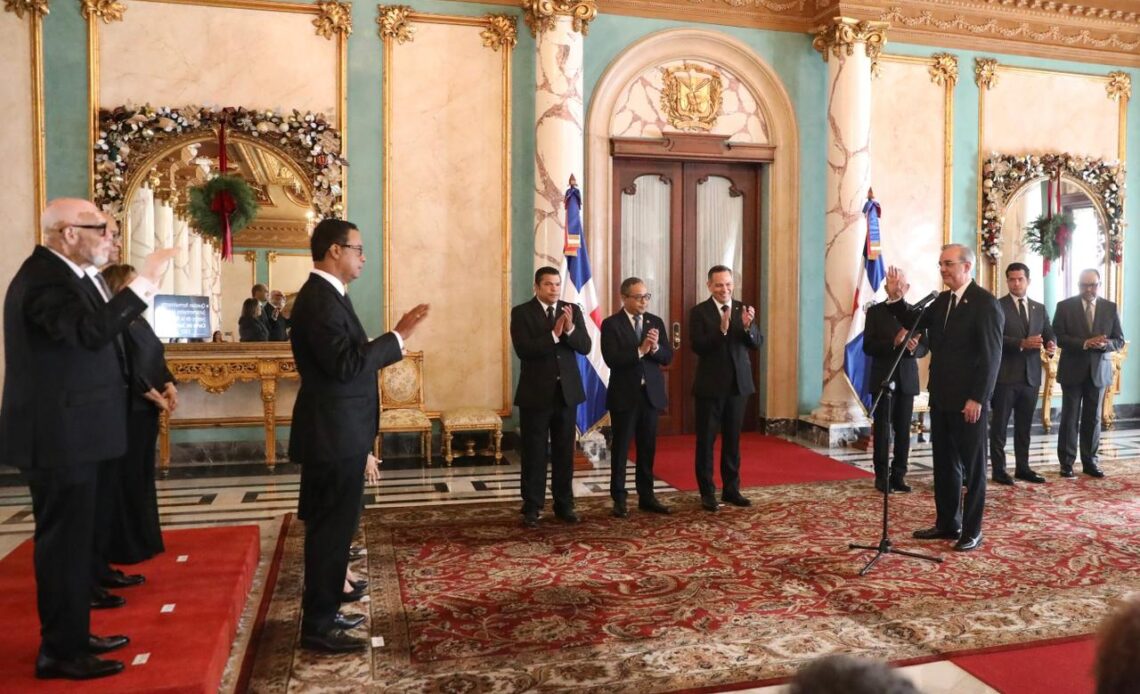
    SANTO DOMINGO – In a significant judicial development, President Luis Abinader presided over the formal inauguration of five new magistrates to the Supreme Court of Justice (SCJ) during an official ceremony at the National Palace this Monday. The National Council of the Magistracy (CNM) administered the constitutional oath to the newly appointed judges who successfully completed the rigorous evaluation process.

    The newly sworn justices include distinguished legal professionals Edyson Alarcón Polanco, Miguelina Ureña Núñez, Manuel Hernández Victoria, Yorlin Vásquez Castro, and Namphi Rodríguez. In a concurrent appointment, sitting SCJ judge Nancy Salcedo Fernández assumed the position of second substitute to the court president, following the provisions outlined in Article 180 of the Dominican Constitution.

    The selection process demonstrated adherence to constitutional diversity requirements, with three appointees ascending from the judicial career track as former appellate court judges, while two nominees were selected from private legal practice. The newly constituted bench brings comprehensive expertise across multiple legal domains including civil litigation, criminal justice, economic regulation, tax law, and public administration matters.

    Executive Branch legal advisor Antoliano Peralta Romero attended the ceremony, underscoring the administration’s commitment to judicial strengthening. The appointments mark a strategic enhancement of the Supreme Court’s institutional capabilities with the infusion of diverse professional backgrounds and specialized legal knowledge.

  • Monorath: Versterking politie en criminaliteitsbestrijding blijven prioriteit

    Monorath: Versterking politie en criminaliteitsbestrijding blijven prioriteit

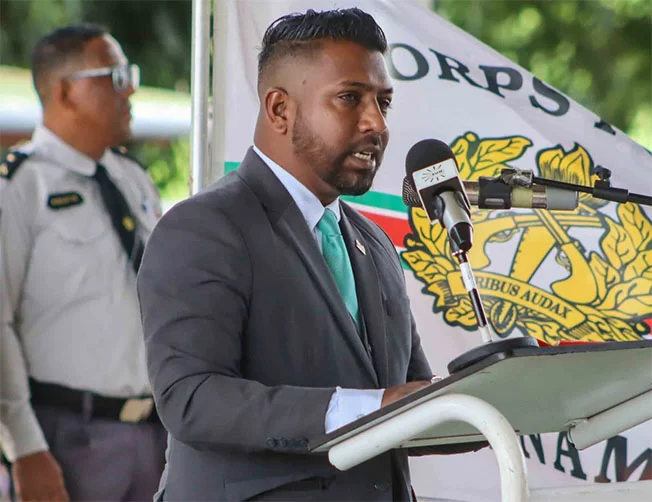
    Suriname’s Minister of Justice and Police Harish Monorath has declared the strengthening of the national police force and crime control as paramount government priorities, citing significant progress achieved throughout 2025 despite economic challenges. The minister made these statements during a formal police promotion ceremony on Friday.

    Monorath detailed several concrete accomplishments realized this year, including the submission of the Korps Politie Suriname (KPS) organizational structure framework, the introduction of new police uniforms, and the approval of multiple legislative proposals enhancing officers’ legal status and working conditions. Infrastructure developments featured prominently, with renovations completed at the Duisburglaan Police Station, Quarantaine Police Station, and Mariënburg detention facility, alongside the commencement of construction for the new national police headquarters.

    Substantial investments in digital transformation have yielded operational advancements, with new applications implemented for digital traffic violation registration, fuel management, lost passport reporting, and seized goods tracking. Additional IT resources have been allocated for combating serious crime, while protective equipment including bulletproof and stab-resistant vests has been distributed to personnel.

    Regarding policy direction, Monorath emphasized that crime management remains central to government strategy, with focused efforts targeting serious and organized crime, illegal immigration, youth delinquency, human trafficking, and narcotics trade. Parallel initiatives are enhancing community policing, traffic safety, and interior region police services. Official statistics indicate slight reductions in both criminal offenses and traffic fatalities, providing motivation to continue current strategies.

    The minister highlighted inclusive decision-making processes since assuming office, regularly engaging both management teams and the Surinamese Police Union in policy formulation to ensure broader support and effectiveness. These efforts are complemented by investments in training programs, new recruit intakes, and continued professionalization of the police academy.

    Addressing promoted officers directly, Monorath stated that advancement results from dedication and discipline rather than chance, urging them to recognize their exemplary role and consistently operate within legal frameworks. He characterized police as “the most visible actors of the constitutional state” and expressed profound appreciation for both officers’ daily work and their families’ support.

  • Corsairs against Our America

    Corsairs against Our America

    The Bolivarian Alliance for the Peoples of Our America (ALBA-TCP) has issued a forceful condemnation of United States military operations in the Caribbean, characterizing the seizure of a Venezuelan oil tanker as an act of “piracy” that threatens regional stability.

    Member states including Venezuela, Cuba, Nicaragua, Dominica, Antigua and Barbuda, Saint Kitts and Nevis, Grenada, and Saint Lucia jointly denounced what they described as the unlawful hijacking of a second vessel carrying Venezuelan petroleum. According to the alliance, US military personnel acting as “privateers” intercepted the ship in international waters and illegally detained its crew.

    The organization asserts this operation violates multiple international legal frameworks, including the United Nations Charter, fundamental principles of international law, and the Convention for the Suppression of Unlawful Acts against the Safety of Maritime Navigation. ALBA-TCP framed the incident as part of a broader pattern of neocolonial domination that seeks to impose an anarchic international order where force overrules established norms.

    The alliance expressed full solidarity with Venezuela’s government and pledged support for diplomatic and legal actions through multilateral bodies. They demanded immediate cessation of these practices and accountability under international law. The declaration emphasized that such actions represent not merely an attack on Venezuela but a direct aggression against all nations, undermining the foundational principles of peaceful international coexistence.

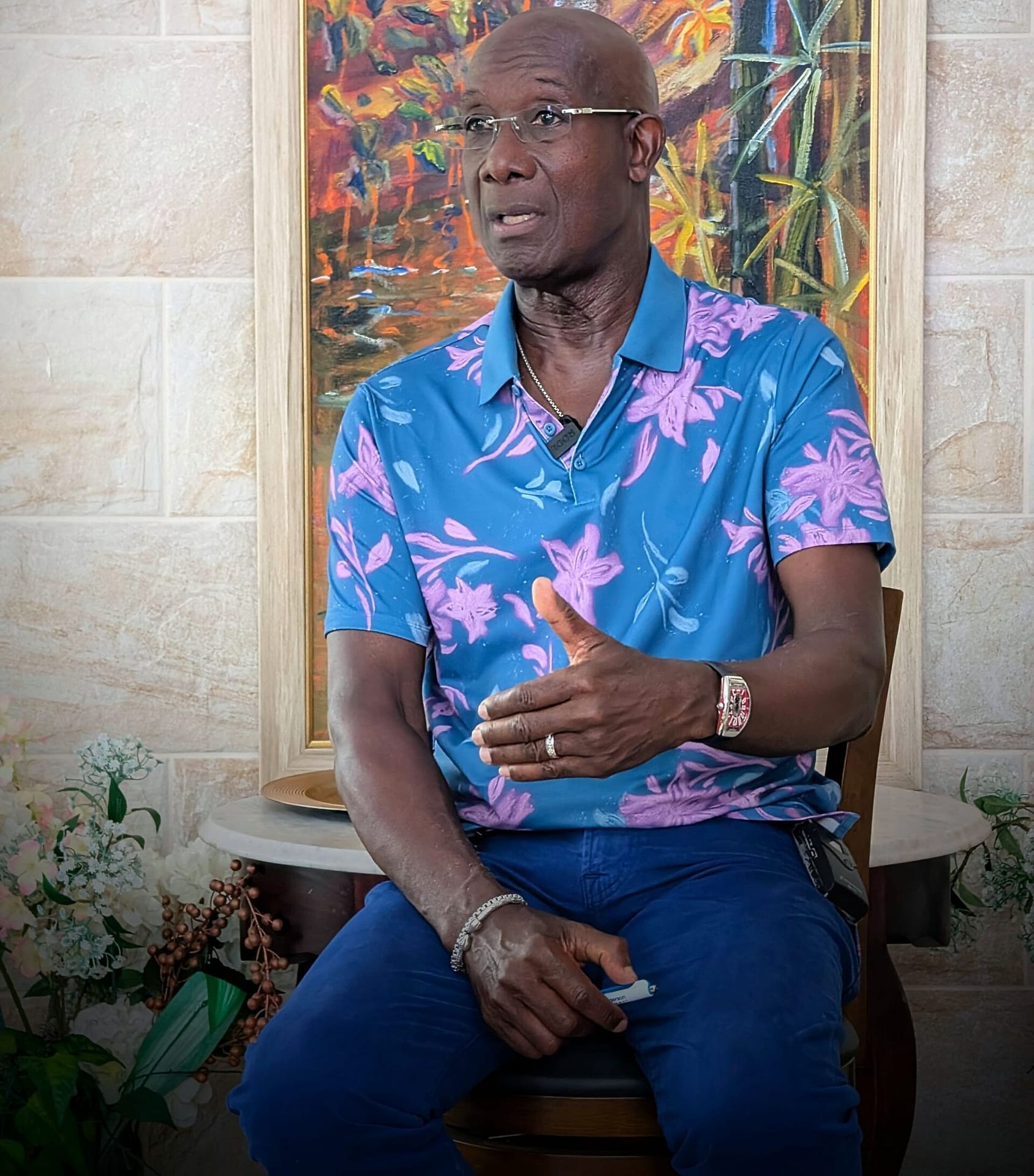
  • Former Trinidad and Tobago Prime Minister Dr Keith Rowley says Prime Minister Kamla Persad-Bissessar’s recent statements risk weakening Caricom

    Former Trinidad and Tobago Prime Minister Dr Keith Rowley says Prime Minister Kamla Persad-Bissessar’s recent statements risk weakening Caricom

    A significant diplomatic rift has emerged within Trinidad and Tobago’s political leadership, sparking concerns over Caribbean unity. Former Prime Minister Dr. Keith Rowley has issued a stern warning regarding current Prime Minister Kamla Persad-Bissessar’s recent public statements, asserting they possess the potential to substantially undermine the Caribbean Community (Caricom).

    The controversy centers on what Dr. Rowley characterizes as diplomatically damaging remarks made by the sitting Prime Minister. While the specific content of these statements remains undisclosed in this context, the former leader emphasized their timing and nature could adversely affect Trinidad and Tobago’s standing within the regional bloc and weaken the collective integrity of Caricom itself.

    This development highlights ongoing political tensions between successive administrations and reflects deeper ideological divisions regarding foreign policy approaches within the nation. The public nature of this criticism suggests deteriorating relations between the country’s leading political figures, potentially creating uncertainty about the nation’s future diplomatic direction within crucial regional partnerships.

    The implications extend beyond domestic politics, potentially affecting Trinidad and Tobago’s influence in regional decision-making processes, economic collaborations, and multilateral initiatives championed by Caricom. Observers are monitoring whether this exchange will trigger formal diplomatic responses from other member states concerned about maintaining cohesive regional governance structures.

  • Dominican Republic and U.S. strengthen cooperation against drug trafficking and organized crime

    Dominican Republic and U.S. strengthen cooperation against drug trafficking and organized crime

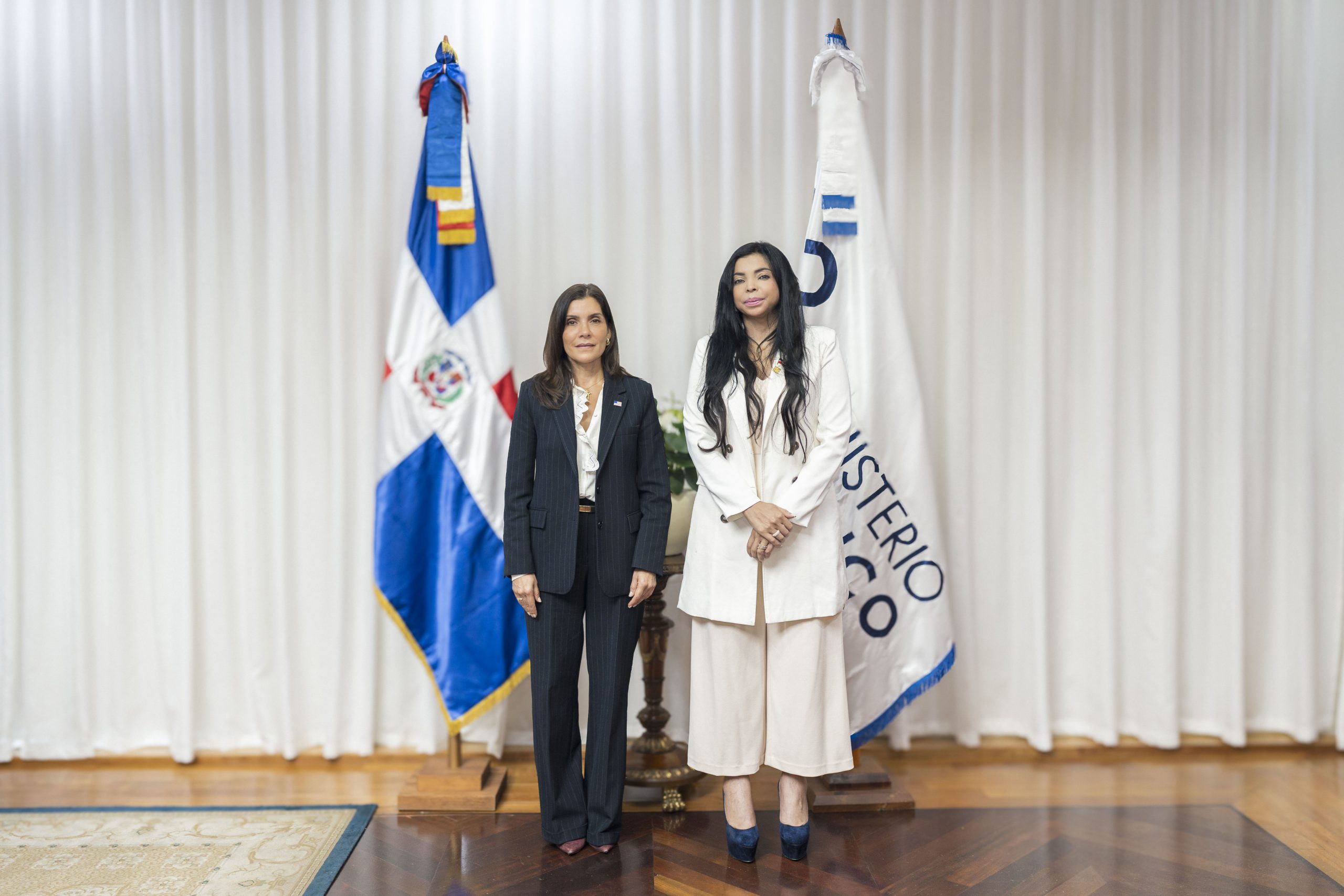
    In a significant diplomatic engagement, Dominican Attorney General Yeni Berenice Reynoso convened with U.S. Ambassador Leah Francis Campos at the Attorney General’s Office in Santo Domingo to solidify bilateral security cooperation. The high-level meeting focused on developing comprehensive strategies to combat transnational criminal networks threatening regional stability.

    Accompanied by Deputy Attorney General Wilson Camacho and key U.S. officials including Rebecca Márquez, Kaleb Sanderson, and Enrique Corral, both delegations addressed critical security challenges encompassing narcotics trafficking, money laundering operations, and sophisticated organized crime syndicates. The dialogue emphasized creating synergistic approaches to strengthen institutional capabilities across hemispheric borders.

    Reynoso acknowledged the strategic partnership with multiple U.S. law enforcement agencies, particularly highlighting the instrumental role of the Bureau of International Narcotics and Law Enforcement Affairs (INL), Drug Enforcement Administration (DEA), and Federal Bureau of Investigation (FBI). This tripartite collaboration facilitates real-time intelligence sharing, technical assistance programs, and coordinated operational activities with Dominican entities including the Public Ministry and National Directorate for Drug Control (DNCD).

    The Attorney General specifically emphasized the transformative impact of INL-supported initiatives such as the Joint Task Force against Organized Crime, which provides specialized training and advanced technological resources. This commitment includes the provision of state-of-the-art equipment and expert-led training programs designed to enhance Dominican law enforcement’s capacity to dismantle criminal networks, underscoring the indispensable value of international partnership in maintaining national and regional security frameworks.

  • Antigua PM disputes statements made by his Trinidad and Tobago counterpart

    Antigua PM disputes statements made by his Trinidad and Tobago counterpart

    A significant diplomatic dispute has emerged between Caribbean leaders following critical remarks by Trinidad and Tobago’s Prime Minister about regional cooperation. Prime Minister Kamla Persad-Bissessar of Trinidad and Tobago declared the Caribbean Community (CARICOM) “not a reliable partner at this time,” characterizing the organization as dysfunctional and self-destructive in its current operations.

    In a robust response, Antigua and Barbuda’s Prime Minister Gaston Browne issued a comprehensive rebuttal, challenging these assertions with substantial economic data and emphasizing CARICOM’s historical significance. Browne presented compelling trade statistics demonstrating Trinidad and Tobago’s substantial economic benefits from regional integration, revealing that the nation earned over US$1.1 billion in foreign exchange from CARICOM trade during 2024 alone.

    The economic relationship shows remarkable imbalance in Trinidad and Tobago’s favor, with the country maintaining the largest merchandise trade surplus within CARICOM and consistently recording positive trade balances since the organization’s establishment in 1973. Browne highlighted how this advantageous position has been facilitated through protective measures including the Common External Tariff (CET), through which member states collectively forwent approximately US$142.7 million in customs revenue during 2024 to support Trinidad’s manufacturing sector.

    Beyond economic cooperation, Browne emphasized CARICOM’s crucial role in regional security, particularly in addressing Trinidad and Tobago’s challenges with organized crime through intelligence sharing and coordinated law-enforcement initiatives.

    The controversy originated from Persad-Bissessar’s criticism of CARICOM’s position regarding U.S. travel restrictions imposed on Antigua and Barbuda and Dominica, which Washington subsequently suspended. The Trinidad leader distanced her government from CARICOM’s collective stance, asserting every sovereign state must accept consequences for its policy choices.

    Browne firmly rejected Persad-Bissessar’s suggestion that Antigua and Barbuda had “bad-mouthed” the United States, stating “no evidence has been offered because none exists.” He emphasized his nation’s record of close collaboration with Washington on security, immigration, and multilateral cooperation while maintaining commitment to Caribbean integration.

    The exchange reveals deepening divisions within CARICOM regarding foreign policy alignment and organizational effectiveness, with Persad-Bissessar warning of “widening fissures” beneath the “thin mask of unity” that could lead to institutional implosion if left unaddressed.