分类: politics

  • Grenada seeks bigger diaspora role in shaping future

    Grenada seeks bigger diaspora role in shaping future

    Grenada’s ruling government under Prime Minister Dickon Mitchell has unveiled a groundbreaking new strategy to formally embed Grenadian diaspora communities across the globe into the country’s long-term national development agenda, with the first-ever Grenada Diaspora Homecoming event slated to run from June 21 to July 5 marking the opening of this reimagined partnership.

    Prime Minister Mitchell first laid out the details of the cabinet-approved initiative during a Diaspora Town Hall gathering in New York on Sunday, part of a cross-regional outreach campaign to engage Grenadians living outside the country ahead of the event. He emphasized that the island nation’s past approach to engaging its diaspora has long been limited to informal, ad hoc interactions centered overwhelmingly on remittances, charitable donations and philanthropic contributions. While Mitchell expressed gratitude for these longstanding contributions from overseas nationals, he stressed that a new, intentional strategic framework is long overdue to expand collaboration beyond the existing model.

    “The future development of Grenada cannot be achieved without the active participation of our diaspora, bringing their unique expertise, professional skills, global networks, and financial resources to shape our nation’s trajectory over the next quarter century,” Mitchell said, framing the 2026 inaugural Diaspora Homecoming as the first critical step toward this integrated vision.

    He added that the annual homecoming event is the government’s tangible commitment to deepening strategic ties, turning policy commitments into actionable engagement. “The diaspora homecoming is a formal recognition of the invaluable role our overseas citizens play, and this annual gathering is how we put our commitments into practice to foster deeper, more structured connections between the diaspora and our homeland.”

    Over the course of the two-week event, returning Grenadians from across the diaspora – which has large established communities in Toronto, London, and multiple regions of the United States – will take part in a full schedule of cultural immersion experiences, economic development roundtables, cross-community networking sessions, and skills-sharing workshops designed to reconnect overseas nationals with Grenada, its sister islands Carriacou and Petite Martinique, and their national heritage.

    Terrence Forrester, Grenada’s Ambassador for Diaspora Affairs, described the initiative as a historic policy turning point for the government. “This marks a fundamental strategic shift: for decades, the diaspora was primarily viewed through the narrow lens of remittances and informal contributions. Today, we are positioning overseas Grenadians as full, equal partners in our national development process,” Forrester explained.

    The official event schedule will kick off June 21 with a formal welcome ceremony for returning nationals at Maurice Bishop International Airport, followed by an interfaith church service. The two-week program will conclude on July 5 with a large-scale public concert hosted at the Grenada Trade Centre.

    Beyond cultural and networking opportunities, the initiative also seeks to give diaspora community members a direct, meaningful voice in shaping Grenada’s future development priorities. “This is your chance to share your perspectives, your vision for our nation, your concerns, and your recommendations. This event will become a permanent fixture on our national calendar, and it will serve as a catalyst for inclusive growth across all three of our islands,” Mitchell noted.

    The New York town hall is just one of multiple pre-event outreach stops the prime minister and his team have planned to raise awareness of the initiative, build broad community support, and encourage strong participation from diaspora communities based in North America, Europe and beyond.

  • Saint Lucia appoints first Coroner, establishes dedicated Coroners Court

    Saint Lucia appoints first Coroner, establishes dedicated Coroners Court

    The Caribbean nation of Saint Lucia has marked a historic turning point in its judicial infrastructure with the appointment of its first dedicated Coroner, Desma Charles, following the formal establishment of a standalone Coroners Court under the country’s Magistrates’ Courts framework.

    This landmark development is the culmination of a months-long policy process, which secured formal approval from Prime Minister Philip J Pierre and the national Cabinet in January 2025. As part of the 2026/2027 national budget address, Pierre – who also holds the portfolio of Minister for Justice – highlighted the creation of the court as a core component of the government’s broader push to modernize the nation’s justice system.

    Before this institutional reform, all cases involving unnatural non-criminal deaths – including fatal accidents, deaths in custody, and suspected suicides – were handled by sitting magistrates, who lacked a dedicated office or specialized resources to address these complex cases. The newly established Coroners Court is tasked specifically with taking over this caseload, with two core objectives: providing clear, timely answers for grieving families left without closure, and uncovering systemic safety gaps that can prevent similar tragedies in the future.

    The Judicial and Legal Services Commission announced Charles’ appointment to the pioneering post, and the government has confirmed that additional supporting roles will be filled in the coming months. These include administrative staff and a specialized investigator trained to conduct detailed inquiries into unnatural death cases.

    In an official statement released on Monday, the government framed the establishment of the Coroners Court and the creation of the Coroner post as a significant leap forward for Saint Lucia’s judicial sector. The initiative, the statement noted, demonstrates the administration’s ongoing commitment to strengthening judicial modernization and institutional accountability. Prime Minister Pierre emphasized in his budget address that the reform will boost the country’s capacity to carry out timely, thorough investigations, ultimately reinforcing public trust in the administration of justice.

    As of the latest government update, further details including the official start date for court sittings and formal operating procedures are still being finalized and will be announced to the public at a later date.

  • Emergency housing to be increased, says Gibbs

    Emergency housing to be increased, says Gibbs

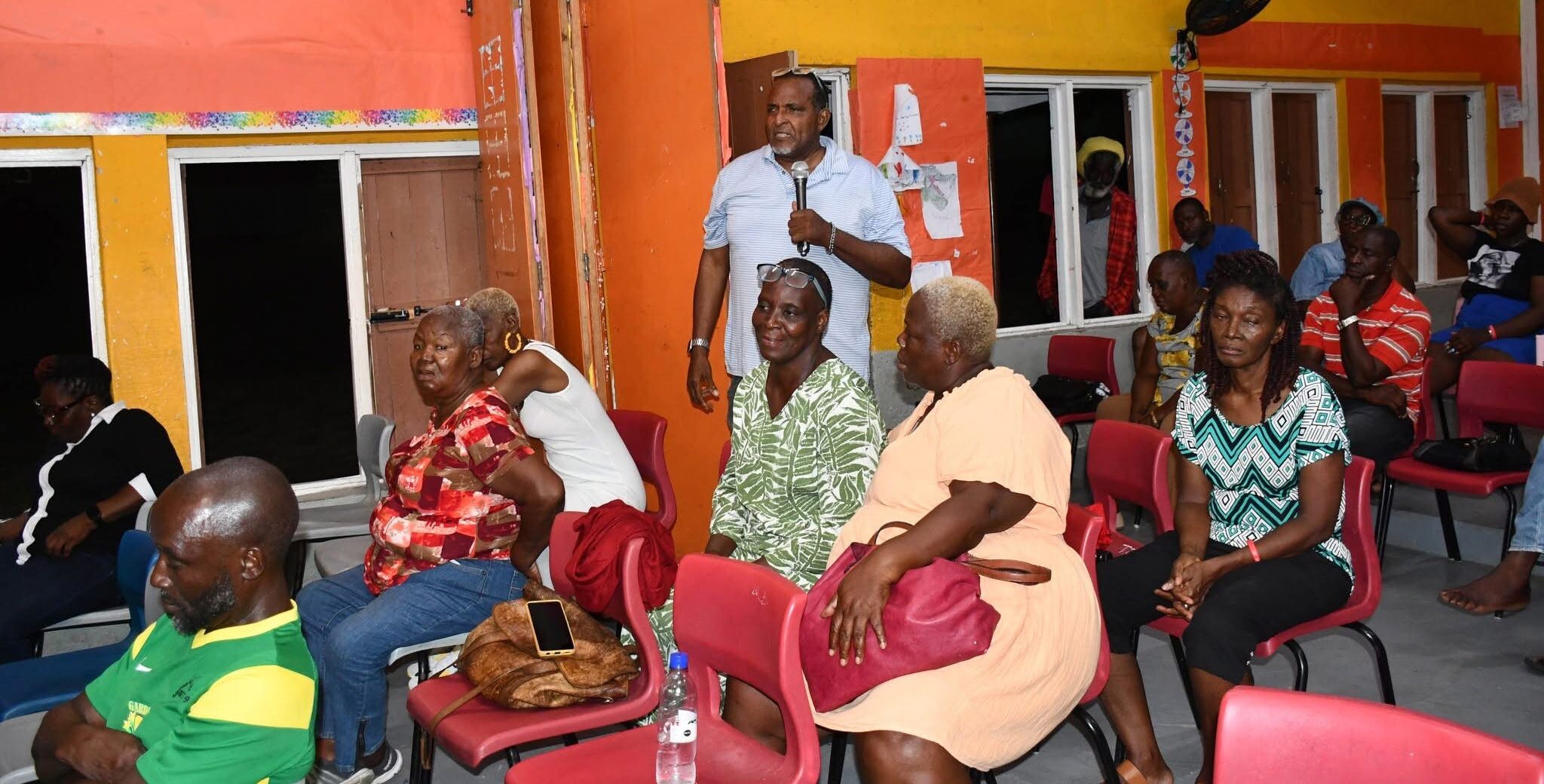
    Barbados’ top housing official has laid out a sweeping multi-part agenda that prioritizes disaster preparedness, repairs to aging public housing developments, and long-overdue justice for uncompensated landowners, signaling a major push to upgrade the country’s housing infrastructure ahead of potential extreme weather events. Housing Minister Chris Gibbs, who represents the St Michael West constituency, outlined his policy priorities during a Sunday branch meeting held at St Leonard’s Boys’ School, framing new emergency housing construction as a non-negotiable responsibility for his administration.

    Against the backdrop of recent extreme weather events across the Caribbean, including the devastating impact of Hurricane Melissa on nearby Jamaica, Gibbs emphasized that Barbados cannot afford to delay preparations for future disasters. Though the island nation has escaped catastrophic damage from recent weather events including Hurricane Elsa, an unexpected severe storm, and multiple wildfires, Gibbs warned that this streak of good fortune cannot be counted on indefinitely. His ministry is currently finalizing innovative design plans to expand the country’s emergency housing stock, a project that is backed by the full Cabinet and spearheaded by the Prime Minister, with Gibbs leading implementation on the ground as the ministerial lead for housing in Parliament.

    In addition to building new emergency accommodation, Gibbs’ ministry is also turning its attention to longstanding structural issues in existing public housing estates that have gone unaddressed for years. The government has allocated funding in this financial year’s budget to carry out critical upgrades across existing public housing developments, ensuring residents can live in safe, dignified conditions. The first wave of upgrades will target three high-need estates: the 10-year-old Grotto housing complex, Country Park Towers, and Kensington Lodge, with additional developments added to the schedule in future phases.

    At Grotto, the ministry will resolve well-documented flaws in the original development design, including inadequate parking infrastructure, insufficient exterior lighting that has created public safety risks, and widespread roof leaks that have plagued residents for years. After extensive testing and consultation, officials have selected high-quality sealants to repair and reinforce the roofs, making them more resilient to heavy rain and extreme weather events. Similar upgrades will be carried out at the other two initial sites to improve quality of life and disaster preparedness across the portfolio.

    Beyond new construction and infrastructure repairs, Gibbs highlighted a commitment to addressing historical injustices related to government land acquisition, noting that hundreds of small landowners have waited decades for compensation after the state compulsorily acquired their property for public projects. Gibbs stressed that correcting these decades-old wrongs is a core part of the ministry’s social justice mandate, not just building new housing stock. As an example of progress already made, he shared that the government recently compensated an elderly woman who had lost a portion of her land for a bus lay-by 40 years prior, with the issue resolved through Cabinet approval after being brought forward by his ministry.

    Gibbs concluded by reaffirming that equitable, accessible, and resilient housing remains the top priority for his tenure, with work on all initiatives already underway to deliver tangible results for Barbadian residents.

  • Humphrey: Don’t disadvantage Transport Board workers

    Humphrey: Don’t disadvantage Transport Board workers

    Amid upcoming restructuring plans for Barbados’ state-owned Transport Board, a senior government official has publicly called on domestic financial institutions to halt discriminatory lending practices against the agency’s workers, after multiple employees reported being locked out of credit over unfounded rumors of imminent mass layoffs. Senior Minister and Minister of Transport and Works Kirk Humphrey raised the alarm over the trend during a Sunday evening branch meeting of the ruling Barbados Labour Party in St Michael West, describing the unfair credit blocks as a deeply troubling development that harms working Barbadians.

    Humphrey stressed that widespread claims of impending job losses among Transport Board staff are entirely unsubstantiated, and that the government has no plans to disenfranchise current employees during the restructuring process. “Many team members who choose to stay with the organization under the new arrangement will actually end up in a better position than they are in today,” he explained, noting he would share full details of the restructuring once negotiations with labor unions are finalized. “No employee of the Transport Authority will face unfair disadvantage from these changes. To the banks, I say this: when Transport Board workers come to you for credit, do not reject their applications just because you assume they will soon be unemployed. That assumption is not true, and it is unfair to stop people from accessing the money they need to feed their families, purchase a vehicle, or repair their homes.”

    In addition to addressing the lending issue, Humphrey used the meeting to clear up widespread public confusion over the government’s recently signed Stand-By Arrangement with the International Monetary Fund (IMF), pushing back against misinformation spread by the political opposition that frames the deal as a costly new national loan. He emphasized that the agreement is not a loan, and carries no financial burden for the Barbados government or public. Instead, it functions as a pre-approved financial safety net that gives the country rapid access to emergency resources if a future crisis hits – eliminating the lengthy formal approval processes that normally delay access to IMF support.

    To illustrate the arrangement for the public, Humphrey drew a parallel to an unused credit line. “It’s exactly like having a credit card with a $10,000 limit that you never actually use. You only pay a small annual fee to keep the line open, but you don’t owe anything if you don’t spend the money. That’s what this IMF arrangement is,” he said. He dismissed the Opposition’s claims that the agreement poses risks to Barbados as unfounded and misleading, noting that the pre-arranged access to funding will let the government respond rapidly to any emergency, from natural disasters to economic shocks, to rebuild infrastructure, clear roadways, and put critical support directly into the pockets of working Barbadians when it is needed most.

  • Another major boost to Grenada’s spice industry

    Another major boost to Grenada’s spice industry

    Grenada’s spice sector is poised for significant growth as agricultural authorities launch the second phase of a national replanting initiative, targeting large estates and commercial-scale producers with nearly half a million Eastern Caribbean dollars in dedicated funding.

    The collaborative effort between the Ministry of Agriculture, Lands, and Forestry and the Grenada Co-operative Nutmeg Association (GCNA) builds on the first phase of the National Spice Replanting Programme, which was rolled out in the wake of Hurricane Beryl to support small-scale producers, household growers, local schools, and the Minor Spices Cooperative in Laura, St David. That initial round focused on expanding access to resources for smaller operations across the island; the new phase shifts focus to larger producers to create a holistic, industry-wide recovery.

    Under the newly launched phase, eligible producers will receive a combination of direct financial assistance and specialized technical support to expand and rehabilitate their spice plantations. Farmers holding up to 20 acres of cultivation land can qualify for maximum grants of EC$20,000, while operations between 10 and 20 acres are eligible for up to EC$10,000 in support. Individual smallholders participating in the program will receive allocations between EC$3,000 and EC$5,000, tailored to the specific scope of their replanting and rehabilitation projects.

    Speaking at the official launch on Tuesday, Chief Extension Officer Lauren St Louis explained that prioritizing large estates and commercial-scale farmers in this phase is a strategic decision to accelerate industry-wide recovery. “We need to revitalise our spice industry, so this programme is really to push that mandate to enable Grenada to get beyond pre-Beryl production to ensure that we remain the lead nation in spices,” St Louis said.

    The initiative covers a wide range of Grenada’s iconic spice crops, including nutmeg, cocoa, ginger, cinnamon, pimento, vanilla, black pepper, and bay leaf, among other locally grown varieties. To boost the quality and market value of Grenada’s signature nutmeg output, program officials are encouraging participating farmers to cultivate specific high-performing varieties preferred by the GCNA: the Banda (or Mountain) Nutmeg, and the oval-shaped Popa Nutmeg, which is prized for its high essential oil content. The push for these varieties is designed to upgrade the country’s spice product portfolio, raise overall production quality, and increase the market value of Grenada nutmeg exports.

    Senator Roderick St Clair, the government’s appointed farmers’ representative in the Senate, underscored that the inter-institutional partnership between the Ministry of Agriculture and GCNA is structured to deliver more than just funding — it prioritizes ongoing technical guidance to help producers meet long-term productivity goals. “The goal of this partnership is to ensure farmers receive the guidance and support necessary to implement the work required for successful farm rehabilitation and production,” St Clair noted. As part of the support structure, agricultural extension officers will be assigned to groups of 10 to 20 participating farmers via a centralized computerized work planning system, and all participating producers are required to commit to a mutually agreed work schedule and set of production targets.

    Interested producers can apply for the program by submitting a formal proposal outlining their required level of support. All applications will undergo a joint assessment by the Ministry of Agriculture and GCNA, and approved applicants will receive funding in two separate disbursements. The second tranche of funding will only be released after producers meet pre-agreed production and replanting targets to ensure accountability for public investment.

    Agricultural officials note that the targeted investment in large and mid-scale producers will complement the gains made in the first phase of the program, creating a robust foundation for the entire spice sector — one of Grenada’s most historically and economically important agricultural industries — to bounce back stronger from the damage caused by Hurricane Beryl and reclaim its position as a global leader in high-quality spice production.

  • “The Public Should Know Who You Are,” Says Mira to Sex Offenders

    “The Public Should Know Who You Are,” Says Mira to Sex Offenders

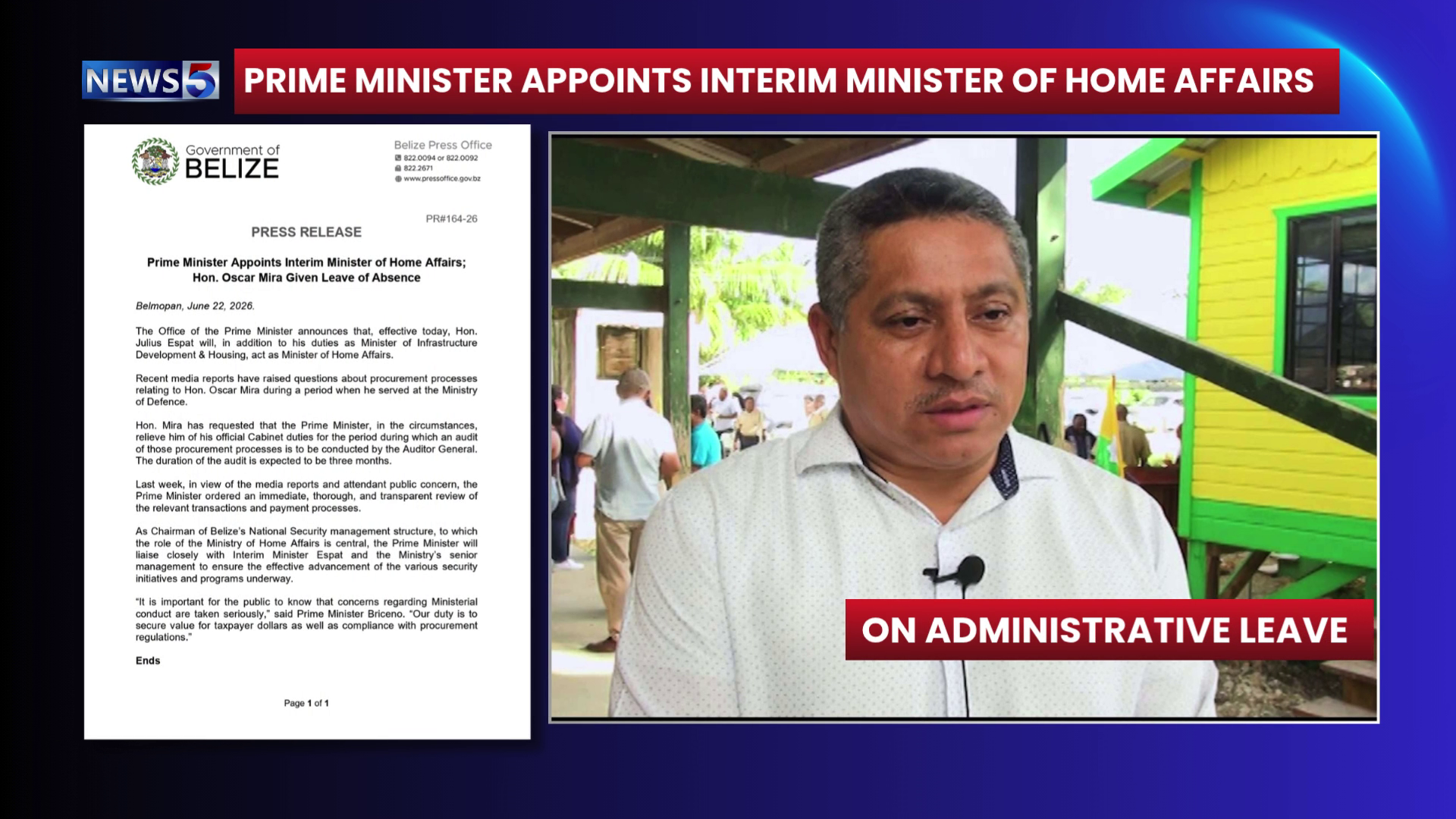
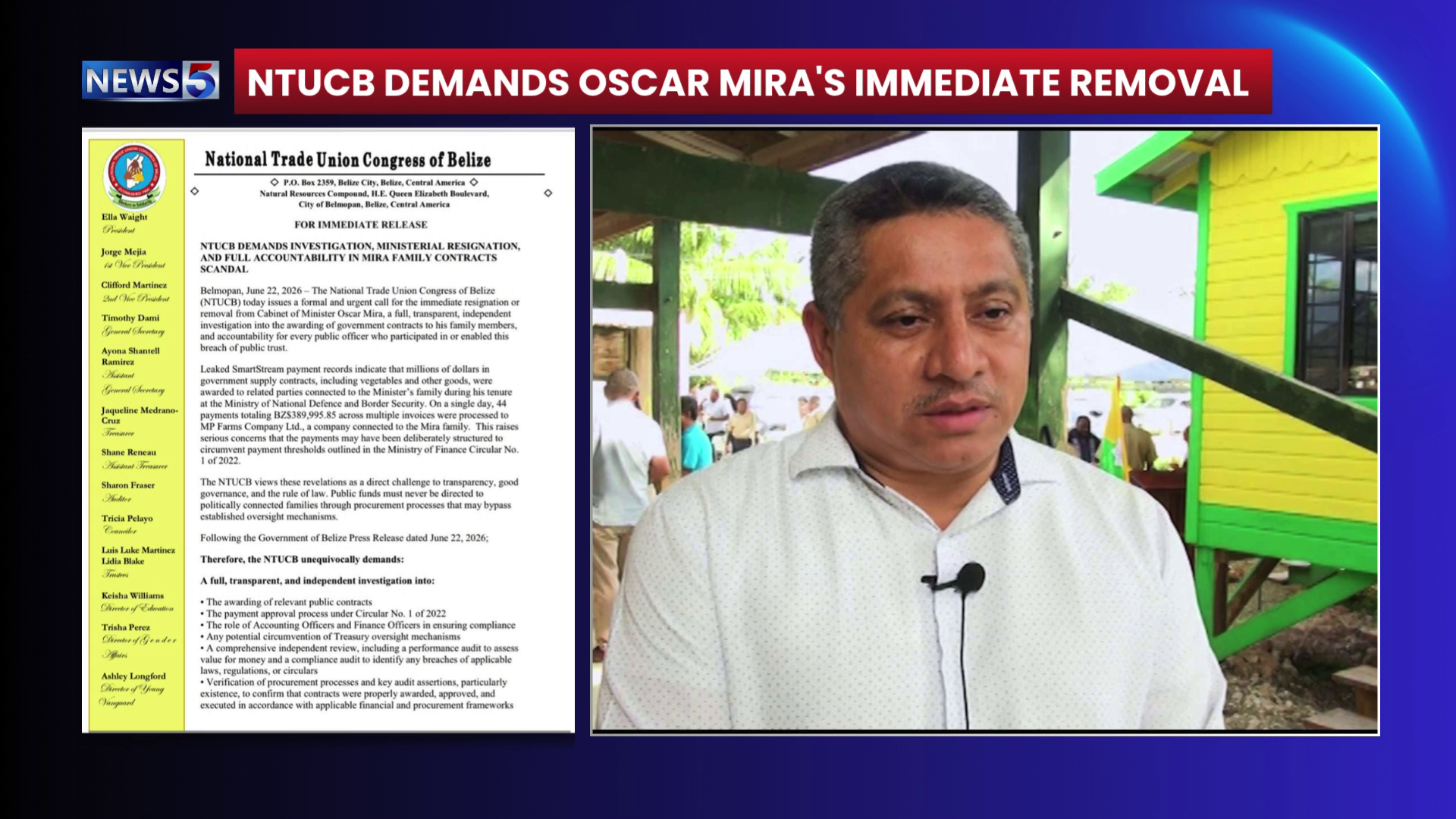
    A growing push to increase public safety for vulnerable communities in Belize has gained a key high-level backer, with Home Affairs Minister Oscar Mira publicly announcing his full support for the long-called-for creation of a searchable national public sex offenders’ registry. Mira has confirmed he will leverage his cabinet position and ministry resources to advance the policy, arguing that convicted offenders have no right to hide their criminal histories from communities that could be put at risk.

    Mira made his position clear during an appearance on the popular current affairs program *Open Your Eyes*, where he opened up about the deeply troubling case reports he has reviewed since assuming his ministerial post. Among the accounts that have pushed him to back the public registry are horrific cases of child sexual abuse involving victims as young as four years old, many of them enrolled in local primary schools. Mira stressed that these violent, harmful crimes demand a fundamentally different approach to public oversight of convicted offenders, rather than the current system that keeps their identities hidden from the public.

    The minister’s endorsement comes in direct response to an urgent press release issued over the weekend by the Special Envoy for the Development of Families and Children, which first renewed the call for the registry to be established immediately. The Special Envoy’s statement highlighted an alarming trend: a rising number of sexual assault allegations against individuals holding positions of public trust, including school educators and law enforcement officers. By concealing the identities of convicted sex offenders, the envoy argued, the current system leaves women and children across the country needlessly exposed to repeat harm.

    Mira echoed these warnings, noting a key pattern visible in the case files he has reviewed: sexual abuse in Belize is rarely an isolated incident. Convicted offenders often continue their pattern of violence, moving from victim to victim frequently within shared family and community networks before they are stopped. A public registry, Mira argues, would give families the information they need to protect children and vulnerable people from preventable harm.

    The proposed policy would not be an unprecedented global shift. As of 2023, data from the U.S. Department of Justice’s Office of Sex Offender Sentencing, Monitoring, Apprehending, Registering, and Tracking shows that 41 nations around the world already operate public sex offender registry systems to protect their communities. Reaffirming his commitment to moving the policy forward, Mira emphasized that public transparency is a critical tool for prevention: “I fully support the special envoy on her call, and I’m going to do my part from my ministry to ensure that we get this registry done. I think that if you are convicted of something like that, then the public should know who you are so that you [the public] can prevent, and make sure that you keep your children away.”

  • AG Questions Opposition Absences During First Sitting of New Parliament

    AG Questions Opposition Absences During First Sitting of New Parliament

    The first formal sitting of Antigua and Barbuda’s newly elected Parliament descended into political friction on Monday, after Attorney General Stedroy Benjamin launched sharp criticism of the entire opposition bloc for its unexplained and strategically timed absence from the opening session. Benjamin’s rebuke came minutes before the House adjourned, wrapping up a day that centered on the official swearing-in of all newly elected members of parliament.

    Addressing the empty opposition benches, Benjamin openly questioned the credibility of the excuses tendered for the no-shows, drawing a direct line between the boycott and the opposition’s weak standing following the April 2026 general election. “It seems that there will be no speeches from the other side,” Benjamin told the chamber. “They have disappeared as they did disappear the last elections.”

    He argued that the collective absence of opposition representatives validates the choice that voters made at the ballot box earlier that year. “They made the right decision,” he said of the electorate. “They don’t appear. They don’t work. As a matter of fact, they are a disunited bunch of people.”

    Prior to Benjamin’s remarks, newly re-elected Speaker Osbert Frederick read out formal apologies from three absent opposition lawmakers: the representative for All Saints East and St. Luke, the lawmaker for Barbuda, and the member for St. Philip’s South, who cited an unspecified personal emergency for his absence. Other absent members cited illness and pre-planned international travel as justifications for missing the historic sitting.

    Benjamin pushed back against these explanations, calling the timing of the supposed disruptions highly suspicious. “Isn’t that passing strange, that today, of all days in Parliament history, some sort of excuses be made — people being sick, traveling,” he said.

    Despite the opposition boycott, Benjamin emphasized that the governing administration would move forward with its policy agenda without delay, framing the government’s work as a commitment to delivering widespread prosperity for Antigua and Barbuda under the administration’s signature “Renaissance” development plan. “This wagon train over here will continue to function,” he said. “We are here to make certain that the people of Antigua and Barbuda benefit from the Renaissance.”

    Monday’s sitting formally marked the launch of the new legislative term. In addition to the swearing-in of elected MPs, the session saw Osbert Frederick retain his position as Speaker of the House, while Philmore Benjamin was confirmed as Deputy Speaker in a formal vote held during the sitting.

  • OPM says Bahamas seeking information from US on DEA allegations

    OPM says Bahamas seeking information from US on DEA allegations

    In the wake of explosive allegations tied to a U.S. drug enforcement investigation that link an unnamed Bahamian politician to a large-scale cocaine trafficking plot, the Office of the Prime Minister (OPM) has confirmed the administration is treating the claims with the utmost gravity. The incident traces back to a small plane crash off Florida’s coast earlier this month that led to the arrest of convicted cocaine smuggler Jonathan “Player” Gardiner, with new details emerging from a sealed Drug Enforcement Administration (DEA) affidavit first obtained exclusively by The Tribune.

    According to details from the court document, when Gardiner was pulled from the wreckage of the May 12 crash, he was in possession of a $30,000 Bahamian currency cash payment stowed in an envelope marked with a handwritten name. U.S. prosecuting officials have redacted that name in all public court filings, referring to the individual only as “Politician-1”.

    The affidavit makes an even more serious allegation: that the same unnamed politician met with an undercover DEA operative—who was posing as a member of a drug trafficking organization and a smuggling pilot—inside the Bahamian Parliament building back in October 2024. During that meeting, the pair are alleged to have negotiated a multi-hundred kilogram cocaine shipment estimated to be worth $30 million.

    In an official statement released yesterday, the OPM acknowledged the government has reviewed the allegations circulated in press reports stemming from the U.S. investigation. “The Government of The Bahamas has seen the allegations arising from a U.S. investigation, as reported in the press, and takes this matter extremely seriously,” the statement read.

    To advance a full and transparent accounting of the claims, the administration announced it will open formal diplomatic and law enforcement channels to request U.S. authorities share available intelligence and evidence related to the case. Simultaneously, the OPM confirmed that Bahamian domestic law enforcement agencies have already been instructed to launch their own independent inquiries into the allegations.

    Crucially, the prime minister’s office emphasized that as of the statement’s release, U.S. officials have not provided any formal, official information to the Bahamian government that names or identifies any specific public official connected to the case. “To date, the Government has received no official information identifying any public official in relation to this matter,” the statement noted.

    Despite the lack of formal identification, the Bahamian government issued a clear pledge of accountability, stressing that no individual will receive special treatment regardless of their position. “The position of the Government of The Bahamas remains wherever wrongdoing is established, any person involved will be held accountable without fear or favour, and the chips will fall where they may,” the statement concluded.

  • Amnesty International urges Dominican Republic to separate healthcare access from immigration enforcement

    Amnesty International urges Dominican Republic to separate healthcare access from immigration enforcement

    Leading global human rights group Amnesty International has publicly called on the Dominican government to end its policy of integrating immigration enforcement into routine healthcare services, taking aim at a controversial official protocol that allows authorities to deport undocumented Haitian migrants after they have completed necessary medical treatment.

    In a formal statement released by the organization, Amnesty emphasized that the current government policy stands in direct contradiction to the Dominican Republic’s new role as the sitting president of the World Health Assembly, a position that carries a fundamental commitment to upholding global health equity. The human rights watchdog stressed that the Dominican Republic is obligated to ensure all people within its borders can access life-saving healthcare without discrimination based on race or migration status.

    Amnesty also issued a stark warning about the dangerous public health and human impacts of the protocol: the policy has already created widespread fear among Haitian communities and Dominican citizens of Haitian descent, who are increasingly avoiding seeking needed medical care out of anxiety that they will be detained and deported even when they seek urgent treatment.

    The protocol in question was first implemented in April 2025, and it mandates that all foreign patients accessing healthcare in the country produce valid official identification, documentation of legal residence, proof of employment, and advance payment for medical services. Under the rules, migrants who cannot meet these strict requirements are allowed to receive acute treatment, but are placed in immigration custody and scheduled for deportation once they have recovered enough to travel.

    Official immigration data from the Dominican government underscores the scale of the country’s deportation push: in 2025 alone, authorities expelled more than 370,000 Haitian nationals from its territory, representing a 37.4 percent jump in the number of deportations compared to 2024 figures.

  • Dominican Senate advances bill to promote local and foreign investment

    Dominican Senate advances bill to promote local and foreign investment

    SANTO DOMINGO — Lawmakers in the Dominican Republic’s upper legislative chamber have moved a transformative investment-focused bill one step closer to enactment, greenlighting the proposal in an initial vote during a recent plenary session that also advanced a slate of community-focused infrastructure projects and cross-border policy adjustments.

    Sponsored by Senator Alexis Victoria Yeb, the new legislation seeks to lay a comprehensive, equal footing for both domestic and international investors by establishing a clear national legal framework that enshrines identical rights and responsibilities for all capital participants, regardless of origin. Core objectives of the bill center on stimulating higher levels of capital inflow into the country, reinforcing long-term legal certainty for business operations, and laying stronger foundations for inclusive economic expansion and broad-based national development.

    A key sustainability-focused provision embedded in the legislation mandates that any investor seeking to access tax and policy incentives under the new law must meet strict national environmental protection standards and adhere to principles of responsible natural resource stewardship. This dual-purpose structure is designed to position the Dominican Republic as a more competitive and appealing destination for global and local investment, while simultaneously ensuring that all new economic activity aligns with long-term sustainable development goals, preventing the overexploitation of natural assets and environmental harm.

    Beyond the high-profile investment legislation, the Senate’s session delivered progress on a range of local public infrastructure priorities. Lawmakers approved a series of resolutions authorizing upgrades to existing sports facilities in two municipalities, Villa Vásquez and Salcedo. Additional resolutions greenlit the development of a new public blood bank in Hermanas Mirabal Province, as well as the construction of new police station facilities in Sabaneta and Villa Tapia, projects expected to improve public safety and healthcare access for local communities.

    The legislative agenda also included ceremonial and diplomatic action: senators voted to approve formal recognitions for distinguished figures who have made outstanding contributions to the Dominican Republic in the fields of education, literature, medicine, and the arts. They also signed off on a targeted amendment to the bilateral air transport agreement between the Dominican Republic and neighboring Cuba, updating the terms of the existing accord to reflect current travel and aviation needs between the two Caribbean nations.