分类: politics

  • Reconstruction : The State comes to the aid of infrastructure in the Southeast

    Reconstruction : The State comes to the aid of infrastructure in the Southeast

    As Haiti prepares for the upcoming 2026 Atlantic hurricane season, the country’s Ministry of Public Works has ramped up on-site infrastructure assessments and reconstruction work across the Southeast department, focusing on critical energy and flood mitigation projects that address long-standing vulnerabilities in the region.

    Following a recent strategic inspection tour of the Palmes region, Minister of Public Works Joseph Almathe Pierre Louis led a ministerial delegation to the Southeast this week, kicking off the visit with a stop at the Gaillard hydroelectric power plant in Cayes-Jacmel. The facility, a key contributor to local energy supply, has been completely shut down for roughly 12 months, creating widespread disruptions to power access for surrounding communities. Minister Pierre Louis emphasized that restoring the plant aligns directly with the Haitian government’s top priority of expanding domestic energy independence, noting that engineering teams will quickly conduct full technical evaluations to launch rehabilitation work and bring the plant back online as soon as possible.

    After wrapping up the inspection at the hydropower plant, the delegation traveled to Bassin Caïman, a geographically critical hydrological hub where three major Haitian waterways — the Rivière Gauche, Rivière Gosseline, and Grande Rivière — converge. The site suffered severe damage during Haiti’s last major cyclone, which washed out a large stretch of the country’s national highway that runs through the area. During the visit, the minister reviewed ongoing gabion construction projects designed to reinforce damaged infrastructure and reduce future flood risk.

    Against a backdrop of increasing climate-related extreme weather events hitting the Caribbean, Haiti’s public works ministry — backed by the Prime Minister’s Office — has rejected short-term, superficial fixes that fail to address the root of the country’s infrastructure vulnerabilities. With the official hurricane season set to begin on June 1, immediate action is the top priority right now: the ministry will launch intensive operations to correct at-risk riverbeds across the Southeast, including embankment reinforcement, dredging of accumulated sediment, and bank protection work designed to lower the risk of catastrophic flooding as storm activity ramps up.

    Over the medium term, the government plans to shift focus to long-term structural improvements for regional watersheds, implementing comprehensive upgrades that will protect both residential communities and critical infrastructure for decades to come. Beyond infrastructure assessments, this cross-country tour of Haiti’s administrative departments has allowed Minister Pierre Louis and his team to gain on-the-ground insight into local infrastructure needs and engage directly with residents to understand their top concerns as the country works toward widespread reconstruction.

  • FLASH : The FAd’H will launch a massive recruitment drive in all 10 departments

    FLASH : The FAd’H will launch a massive recruitment drive in all 10 departments

    Haiti’s Ministry of Defense has formally announced that the Haitian Armed Forces (FAd’H) will soon roll out a large-scale recruitment campaign across all 10 of the country’s administrative departments, in a move aligned with the institution’s 2026-2027 strategic plan to steadily expand and strengthen its military workforce.

    Unveiled via an official press release on Thursday, May 21, 2026, the initiative aims to bring 1,000 new service members into the force, filling ranks across all tiers: enlisted soldiers, non-commissioned officers, and commissioned officers. Unlike targeted recruitment drives limited to specific regions, this campaign will open applications to eligible young men and women across the entire country, expanding access for interested candidates regardless of where they reside.

    In addition to the longstanding mandatory eligibility checks covering physical fitness, cognitive aptitude, and medical clearance, the FAd’H has introduced a new set of alternative social profile criteria to vet candidates. This update is designed to embed core Haitian national values — including civic responsibility, patriotism, and collective mutual support — into the force’s membership.

    Candidates only need to meet one of the 10 listed social criteria to qualify, rather than satisfying all requirements. The eligible criteria include: being an active blood donor registered with the National Transfusion Safety Program; demonstrating consistent eco-citizenship practices; participating in community-led projects that boost local public well-being; contributing to support networks for socially isolated patients; holding membership in a youth educational movement such as Scouting, MEJ, or Junior Achievement; working with mutual aid groups supporting vulnerable adults facing mental, cognitive, or social disabilities, as well as elderly adults; taking part in local or national reforestation initiatives; leading or participating in civic, artistic, or athletic training programs for underserved teens and young adults; serving as a recognized role model for positive masculinity within one’s community; and actively advancing a culture of peace among local residents.

    Official documentation from social or institutional partners confirming a candidate’s participation in one of these activities will be required during the application and vetting process. The expanded criteria mark a notable shift in how the FAd’H evaluates candidates, prioritizing community commitment alongside traditional service qualifications as the force works to build a military that reflects and supports national social priorities.

  • “No Fight,” Says Eluide Miller; Calls Reports Political Fiction

    “No Fight,” Says Eluide Miller; Calls Reports Political Fiction

    As the 2026 Belize municipal election cycle enters its pre-nomination phase, two unsubstantiated opposition-driven allegations have rocked the Belize City Council, prompting Deputy Mayor Eluide Miller to publicly reject the claims as politically motivated fiction designed to undermine the governing body’s work.

    First to circulate across social media and opposition-aligned media outlets this week was a rumor of a violent physical altercation between Miller and long-serving sitting councilor Allan Pollard, framed as evidence of deep internal division within the council. Miller pushed back on the claim forcefully in a public address on May 21, 2026, labeling the story a baseless piece of political noise from the annual pre-election “silly season”.

    “There was absolutely no fist fight. So I want to debunk that statement off the top,” Miller stated. He emphasized that he and Pollard maintain a professional, mutually respectful working relationship, and pushed back on attempts to paint the council as fractured. Miller noted that the current body is widely recognized, both among members and external observers, as the most cohesive Belize City Council to serve over the past ten years. “We remain extremely united. I have the support of my colleagues, and we are completely focused on delivering on the policy and infrastructure commitments we set out at the start of this term,” he added.

    A second, more serious allegation that emerged in days prior claimed $70,000 in municipal funds had gone missing, with the council supposedly covering up the discrepancy to avoid accountability. Miller dismissed this narrative as outright defamation, emphasizing that strict multi-layered financial oversight protocols have confirmed the council’s books are fully balanced with no missing funds.

    Miller outlined the full set of checks and balances the council adheres to, including a recently completed annual Board of Survey held in April 2026, a mandatory annual financial review conducted by the Ministry of Local Government following the close of the 2024-2025 fiscal year, a full-time internal audit team embedded within the municipal government, and ongoing external audits required for the council’s municipal securities program. “If there was any misallocation or missing funds, one of these oversight mechanisms would have flagged it immediately,” Miller explained. “These claims are nothing more than intentional distraction meant to bring the Belize City Council into disrepute at a time when we are focused on delivering for residents.”

    The deputy mayor confirmed that the council has already begun consulting legal counsel to address the false missing funds rumor, and did not rule out formal legal action against those spreading the claims. He directly tied the two allegations to the heightened pre-election political environment, noting that opposition groups often resort to unfounded attacks as nomination periods approach. “They tend to get extremely creative this time of year, right?” he noted.

    Beyond addressing the opposition claims, Miller also commented on growing speculation surrounding the upcoming People’s United Party (PUP) mayoral nomination race, where City Administrator Dr. Candice Pitts has emerged as a potential contender. Unlike other rumored candidates including Miller and Pollard, who are unsalaried elected council members, Pitts is a full-time salaried municipal employee. Under existing municipal regulations, if Pitts formally enters the race, she will be required to resign from her current post before launching her campaign.

    Miller noted that Pitts has not yet confirmed her candidacy to council members, but reaffirmed that she, like any other PUP member and Belize City resident, has the full right to participate in the nomination process if she chooses. “If she makes the decision to run, the council will deliberate on the employment matter in line with our existing regulations and governing act,” Miller said. “We will cross that bridge when we get there.”

    When contacted for comment Wednesday evening, Pitts declined to confirm or deny her candidacy, saying her full attention remains on her current duties as City Administrator. “Any future political decisions will be considered carefully and announced at the appropriate time,” she said. The nomination window for PUP municipal election candidates opens June 1 and closes June 19, 2026. Notably, Belize City has only ever had one female mayor in its history, so a formal entry by Pitts would shift the dynamic of the already competitive mayoral race.

  • Prime Minister Drew: Political Will Is Essential to Transforming Crime Prevention Across the Caribbean

    Prime Minister Drew: Political Will Is Essential to Transforming Crime Prevention Across the Caribbean

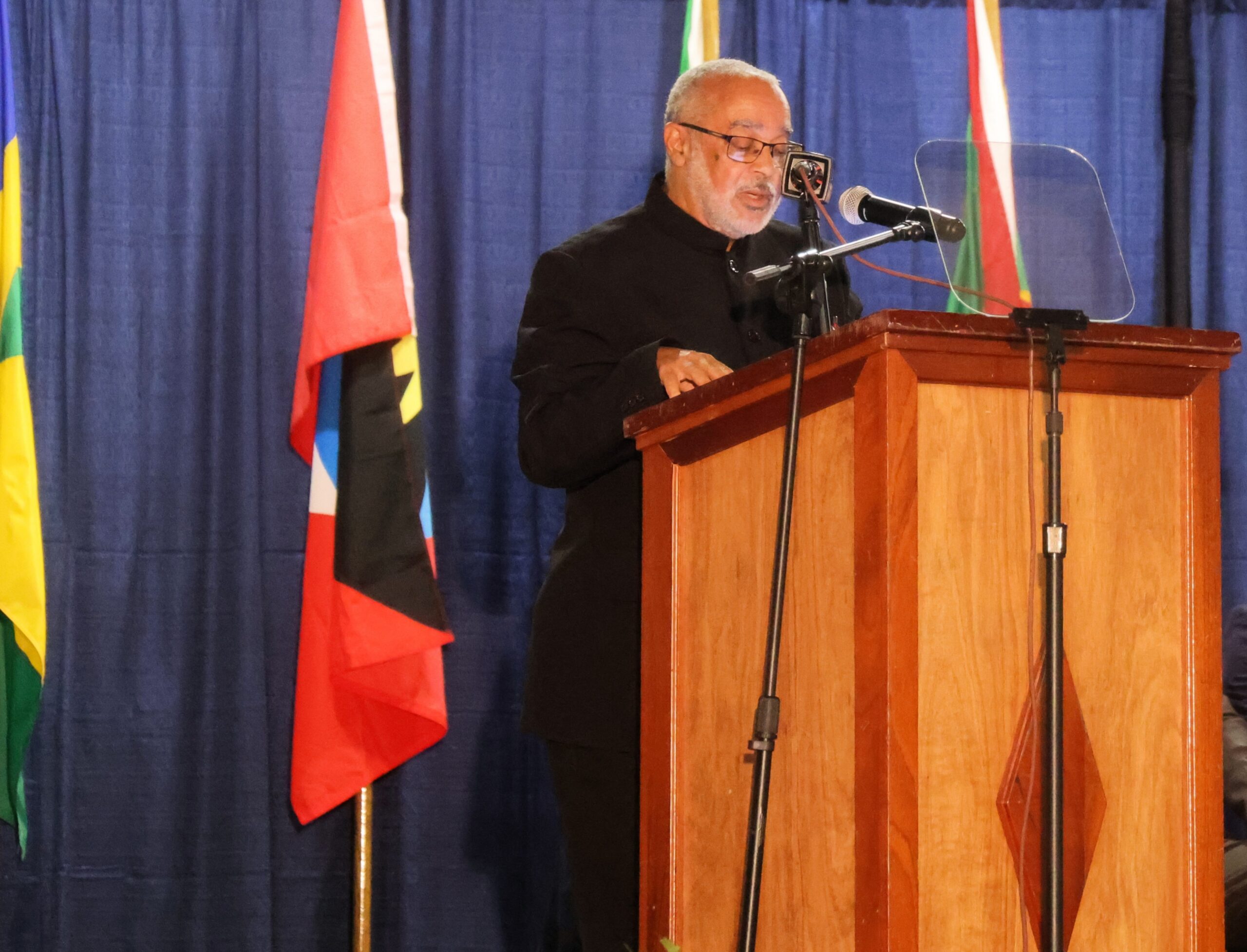
    On May 21, 2026, at the official launch of the joint CARICOM-UNDP Diagnostic Document and the CARICOM-UN Action Framework on crime reduction held in Basseterre, St. Kitts, the Prime Minister of St. Kitts and Nevis and current Chairman of the Caribbean Community (CARICOM), the Hon. Dr. Terrance Drew, delivered a keynote address that centered political commitment as the non-negotiable foundation for sustained, meaningful progress against rising crime and violence across the Caribbean region.

    In his remarks, Drew emphasized that turning ambitious crime prevention blueprints from theoretical documents into tangible, on-the-ground change depends entirely on decisive political will. “I’ve always held that nothing can really be done unless there’s political will,” Drew told attendees. “The political will is what allows us to be able to implement policies and to put whatever is necessary behind it to get it done.”

    Drew, who previously served as St. Kitts and Nevis’ Minister of National Security, explained that the greatest barrier to advancing a preventative public health-focused approach to crime is not a lack of scientific evidence supporting its effectiveness, but resistance to shifting away from the decades-old dominant narrative that frames crime exclusively as a matter for policing and punishment. Drawing from his domestic experience building support for broad-based crime reduction in St. Kitts and Nevis, he detailed the challenging but necessary cross-sector conversations required to reframe the issue.

    “Crime and violence is not a political football, it is a societal matter. It is not merely a law enforcement matter,” he said. “And if we are going to deal with a societal issue, then all of us need to be on board.”

    Drew noted that building this collective buy-in requires unprecedented collaboration across every segment of society, including ruling and opposition political actors, social service agencies, public health professionals, faith groups, educational institutions, local businesses, and regional and international partners. This collaborative, root-cause focused model matches the St. Kitts and Nevis government’s existing Citizen Security framework, which prioritizes strengthened interagency coordination, expanded social intervention programs, evidence-led policy design, and deep community partnerships. Over the past several years, the administration has increasingly centered public health, prevention, and community resilience as core pillars of both national security and broader national development.

    The Prime Minister acknowledged that elected leaders routinely face intense public pressure to deliver quick, visible crackdowns during spikes in violent crime. Even so, he argued that long-term, systemic transformation of regional security can only happen when leaders commit to addressing the underlying socioeconomic and social drivers of crime, rather than just responding to criminal activity after it occurs. He recalled that earlier leaders who attempted to champion this preventative model faced public criticism and ridicule, but noted that the approach is grounded in rigorous research, not political guesswork.

    Looking ahead, Drew expressed confidence that the expanded partnership between CARICOM and United Nations agencies marks a key turning point for the region, signaling growing consensus around evidence-based preventative crime strategies. The CARICOM Chairman reaffirmed his unwavering commitment to advancing regional cooperation on this issue, noting that the goal extends far beyond cutting crime statistics: it seeks to build stronger, more resilient communities and lift overall societal well-being across every Caribbean nation. “I really want this to be successful,” he said. “I really want to see it implemented.”

    The address was released via press release from the St. Kitts and Nevis Prime Minister’s Office and originally published by SKNVibes.com.

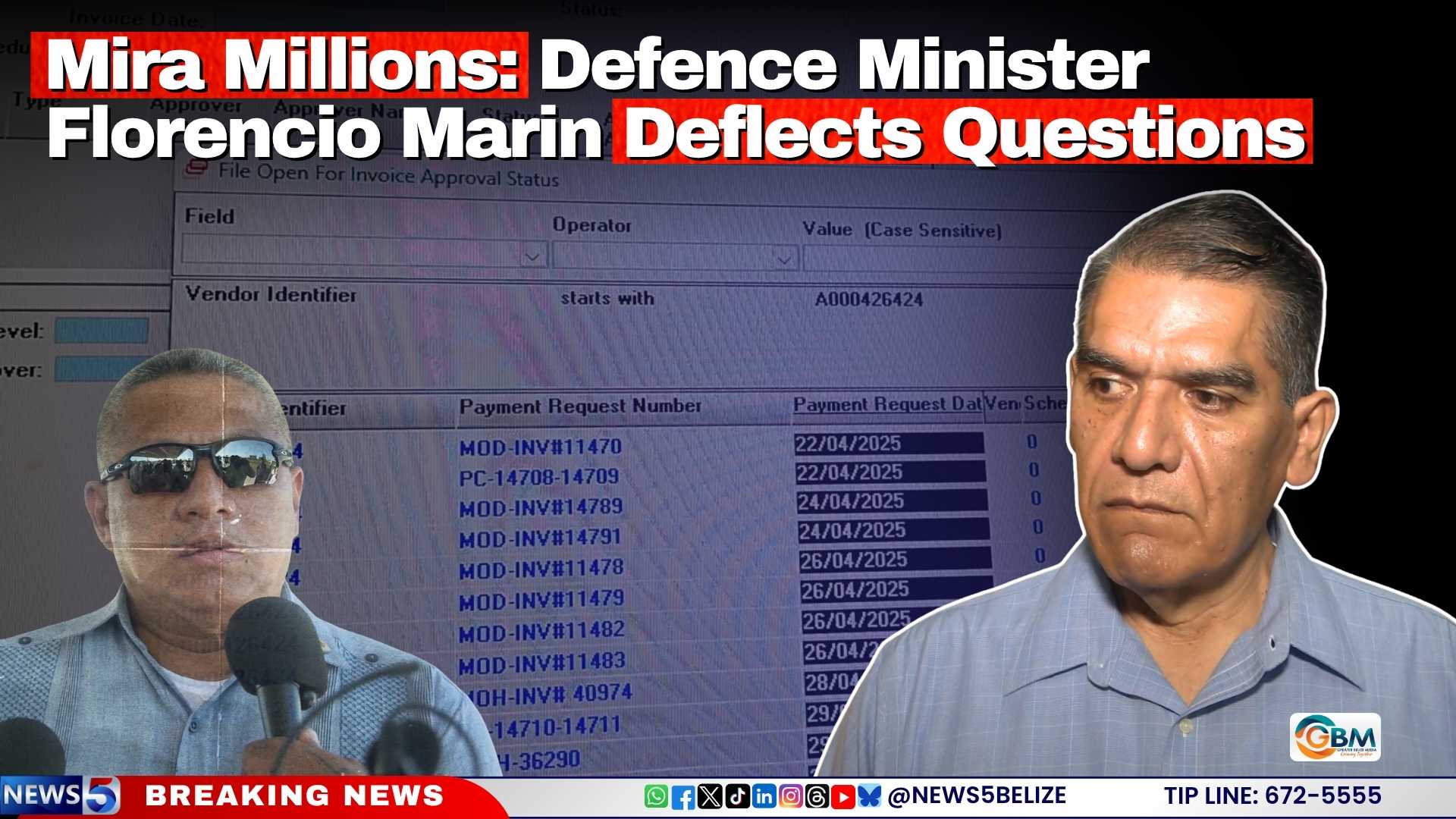
  • Penner Fires Back Over Explosives Allegations in Baldy Beacon

    Penner Fires Back Over Explosives Allegations in Baldy Beacon

    A brewing controversy at the restricted Baldy Beacon military ordnance destruction site has placed former government minister Elvin Penner at the center of a public dispute, as he pushes back against serious allegations that he attempted to remove explosive materials from the controlled cleanup zone. The confrontation unfolded amid a rapidly spreading wildfire that authorities say interrupted a major demining and ordnance disposal operation on May 21, 2026, bringing competing narratives about what transpired at the site.

    Penner, who holds property ownership in the area, has publicly refuted the claims of wrongdoing, offering a starkly different account of his presence and actions on the day in question. He told reporters he traveled to the site specifically to monitor the out-of-control blaze, which he claims was ignited by the ongoing military demolition operation itself. What drew his intervention, Penner argues, was the combination of unchecked fire spread and what he describes as inadequate security at the site, where he asserts explosive materials had been left unsecured.

    In his on-the-record comments, Penner emphasized that his actions were driven by public safety concerns, not illegal intent. He explained that he feared the approaching wildfire would reach the unguarded explosives, triggering a catastrophic detonation that would put emergency responders and nearby communities at risk. Penner noted that unsecured leftover ordnance at the site is not an unprecedented issue, pointing to a similar unaddressed fire incident that occurred at the same location two years prior, when military personnel abandoned the site and never returned to secure leftover materials.

    “What may look on the surface like a controversial figure mixed up in suspicious activity is actually a response to gaps in site security,” Penner explained in his interview. “I have full respect for our security forces, who work with the limited resources they are given, but there has been a repeated failure to consult with private landowners when these military operations are held on our property. This isn’t the first time a fire has burned everything to the ground here, and the last one was left unaddressed after troops pulled out.”

    Penner went on to clarify that he only moved the materials to protect them from the approaching blaze, not to steal them. “It looked to me like they had abandoned the ordnance again, just like they did two years ago. I never would have touched anything if the fire wasn’t seconds away from destroying what the operation left behind. In fact, authorities should be grateful I moved those charging wires: if I hadn’t acted, the fire would have reached them before troops could return to secure the site. My intervention let them put the fire out and resume their operation without incident.”

    Authorities have offered a contradictory version of events, saying the situation escalated after Penner was intercepted removing explosive materials from the restricted zone. Francis Usher, CEO of the overseeing authority, explained that a joint team from the Organization of American States (OAS) and the Belize Defence Force (BDF) was nearly 90% finished with a major cleanup of unexploded ordnance leftover from last year’s Dave Burgos incident when the wildfire broke out. The operation was paused as the BDF and Forestry Department launched a joint fire suppression response to contain the blaze.

    Usher confirmed that BDF soldiers caught Penner at the site and discovered charging wires, white phosphorus, and fuel in his vehicle following a search. The entire case has now been turned over to national police for formal investigation, and Penner could face criminal charges depending on the outcome of the probe. Despite the controversy, officials say they remain committed to completing the final phase of the explosives cleanup operation as soon as conditions allow.

    This report is adapted from a transcript of an evening television newscast originally published online.

  • Ambergris Hospital Delayed, Costs Soar Beyond Budget

    Ambergris Hospital Delayed, Costs Soar Beyond Budget

    A signature public infrastructure initiative on Belize’s Ambergris Caye has run into significant hurdles, with construction delays and unexpected budget overruns plaguing the development three years after funding was first committed.

    In 2023, Taiwan pledged $33 million Belize dollars to finance the construction of the new Ambergris Hospital, a much-needed healthcare facility designed to serve residents and visitors of the popular island. As of the May 2026 reporting date, the project remains unfinished, and emerging indications show that total spending on the hospital could end up millions of dollars above the original allocated budget.

    Belize’s Prime Minister John Briceño has openly acknowledged the cost overruns, attributing the massive unplanned increase to a broader, industry-wide surge in global construction material costs that has impacted infrastructure projects worldwide. In public comments, Briceño illustrated the severity of price hikes with a concrete example: bulk yellow construction sand that previously cost $850 Belize dollars just a few months earlier now carries a price tag of $1,700 Belize dollars.

    “You don’t need to be a genius to know that the cost of construction has gone up considerably,” Briceño told reporters. When pressed on who would cover the unexpected additional expenses, the prime minister outlined a path forward: government officials will meet with Taiwanese stakeholders to negotiate additional support, and any remaining funding gap will be covered by the Belizean national government.

    Andre Perez, the area representative for the region, offered a more optimistic timeline for the troubled project. In an interview with local outlet News Five, Perez stated that construction work is currently advancing at a rapid pace, with an official completion target set for December 2026.

    This report is a transcribed version of an evening television broadcast from the local outlet, with all creole speech transcribed using a standardized spelling system for accuracy.

  • St. Kitts and Nevis’ Preventative Crime Strategy Gains Regional Attention as CARICOM–UN Partnership Advances

    St. Kitts and Nevis’ Preventative Crime Strategy Gains Regional Attention as CARICOM–UN Partnership Advances

    BASSETERRE, St. Kitts – May 21, 2026 – A community-centered, prevention-first approach to cutting crime and violence developed by St. Kitts and Nevis is gaining traction across the Caribbean, as regional and global leaders launch a new coordinated framework to advance evidence-based security policy. The official rollout of the CARICOM-UNDP Diagnostic Document and CARICOM-UN Action Framework this week placed a spotlight on the Federation’s pioneering model, which reframes public safety beyond traditional law enforcement tactics.

    Speaking to an audience of regional delegates, United Nations officials, security stakeholders and domestic partners, Prime Minister Dr. Terrance Drew, who also serves as Minister of National Security, explained the core philosophy behind his country’s strategy. Drew, a former medical doctor, says his clinical background shaped his view that crime, like a public health crisis, is best addressed by targeting root causes rather than only responding to its end-stage harms.

    “By the time law enforcement and the judicial system intervene, a person has already been pushed down a long path toward criminal activity,” Drew noted in his address. “Traditional security measures remain critical pillars of public safety, but they cannot deliver long-term change on their own. Right now, the prevention angle remains vastly under-explored across the Caribbean.”

    Drew’s administration has built its national crime reduction strategy around this principle, bringing together a cross-sector coalition of stakeholders that extends far beyond police and judicial bodies. Health practitioners, school leaders, social development agencies, community groups, political organizations, private sector leaders and security institutions all collaborate under a unified national framework to tackle the social, psychological and environmental conditions that drive criminal activity before it occurs.

    This integrated model is already operational through existing national initiatives, including the Citizen Security Secretariat (CSS), an entity focused on strengthening cross-sector partnerships and rolling out data-driven interventions to cut violence and strengthen community cohesion. All government-led public safety programs increasingly prioritize prevention, early intervention for at-risk groups and local community engagement as core pillars of the country’s broader citizen security strategy.

    The results of this approach have been dramatic, Drew reported. “After we put these preventative methods into practice, we recorded a widespread drop in crime and violence across all categories, not just major offenses. Major crime alone has fallen between 75 and 80 percent,” he said.

    These measurable outcomes have drawn growing interest from neighboring Caribbean nations, many of which have begun reaching out to St. Kitts and Nevis to study the model and adapt its core elements for their own national contexts, Drew added.

    The Prime Minister praised the new CARICOM-UN partnership, framing the launch of the new diagnostic document and regional action framework as a landmark step toward embedding preventative, evidence-based security policy across the entire Caribbean. He emphasized that coordinated regional action will amplify the impact of individual national efforts and deliver safer communities for coming generations.

    “To see CARICOM now align behind this approach, and to see the United Nations commit to such a significant, substantive partnership, gives me enormous hope,” Drew said. “I can confidently say that the next decade for Caribbean security will be far better than the last, thanks to this coordinated shift toward prevention.”

  • UDP Accuses Government of Favoring Judicial Elite

    UDP Accuses Government of Favoring Judicial Elite

    A brewing political controversy has emerged in Belize over a controversial legislative reform that opposition leaders say prioritizes the interests of a small group of senior judicial officials over lower-ranking court officers, opening a new rift over equity and institutional integrity in the country’s justice system.

    United Democratic Party (UDP) chair Sheena Pitts has launched a scathing rebuke of the Briceño administration’s Judges Salaries and Pension Bill, arguing that the legislation intentionally creates a two-tier system that benefits a small judicial elite while excluding and disadvantaging magistrates across the country.

    Under the terms of the proposed bill, senior judges sitting on the High Court and the Court of Appeal would become eligible for enhanced retirement benefits after just five years of service. By contrast, Pitts points out that magistrates — who currently receive retirement benefits through the standard public service framework — are required to complete 15 years of service to access their retirement entitlements. This unequal threshold, she argues, is a clear indication of the government’s priority of catering to a small group of senior officials rather than advancing equity across the entire judiciary.

    In fiery remarks criticizing the legislation, Pitts emphasized that the government has moved to convene the National Assembly specifically to advance a policy that benefits a tiny minority at the expense of the broader judicial workforce. “We are seeing the government openly acknowledge that it will push through laws for the few, not the many,” Pitts stated.

    The UDP chair stressed that the debate over this legislation cuts to core questions of fairness, institutional integrity, and long-term national development. She acknowledged that no reasonable stakeholder disputes that judicial officers across all levels are entitled to fair compensation, job security, and dignified retirement protections — provisions that are foundational to protecting judicial independence, a cornerstone of functional democracy and the rule of law. However, she drew a clear line between necessary protections for judicial officers and the preferential treatment that creates systemic inequality.

    “Judicial independence must never become judicial elitism,” Pitts emphasized, calling on the Briceño administration to revise the legislation to eliminate the preferential provisions for senior judges and establish a fair, level playing field for all judicial officers serving across Belize’s court system.

    This report is adapted from a transcribed evening television news broadcast, with original Kriol language commentary rendered using a standardized spelling system for accessibility.

  • Young Belizean Voices Rise in Governance Power Shift

    Young Belizean Voices Rise in Governance Power Shift

    On May 21, 2026, a landmark two-year initiative focused on cultivating youth engagement in governance marked a major milestone, as the youth component of the program wrapped up with a national forum hosted at Belize City’s Biltmore Plaza. Funded by the Central American Regional Security Initiative (CARSI) and led by Zain Dueheney, a Criminal Justice lecturer and program coordinator at Galen University, the 14-week training program sought to reposition young Belizeans as active stakeholders in the country’s democratic future.

    The broader initiative is structured around three core target groups: youth, educators, and municipal government staff, with the forum marking the official closing of the program’s youth-focused track. Over the 14 weeks, participants completed two in-depth in-person workshops designed to demystify how government systems function, build awareness around core democratic principles, and empower young people to claim their space as engaged, informed citizens. The program centers a participatory governance framework, emphasizing that every member of society has a critical role to play in upholding accountability and strengthening democratic institutions.

    At the concluding forum, participants shared personal reflections on their growth and took part in structured presentations on two foundational pillars of democratic participation: the importance of voter turnout and the Freedom of Information Act, a critical tool for transparency and government accountability. For many participants like Fernando Vega, a Galen University student and peer mentor in the program, the experience delivered tangible personal and professional development.

    Speaking at the forum, Vega highlighted how the training expanded his core leadership capacities: “Personally it did expand my skills. As I mentioned, I am a peer mentor. It expanded my knowledge within my leadership skills, being able to communicate with my peers, giving them that initiative to be that person they look up to and be like, ok Fernando is a leader within the group and portraying itself within that aspect.”

    Organizers noted that the program fills a critical gap in Belize’s democratic ecosystem, creating structured pathways for young people who are often sidelined in policy and governance conversations to build the skills and confidence needed to contribute to national development. By centering youth voice early, the initiative aims to build a more inclusive, informed, and accountable governance culture for Belize’s future.

  • Panton Warns of NHI Costs – PM Pushes Back

    Panton Warns of NHI Costs – PM Pushes Back

    A fierce political debate has erupted in Belize this week over the proposed National Health Insurance Authority Bill, pitting the country’s opposition against the ruling administration over the legislation’s structure, transparency, and long-term financial implications for citizens.

    Speaking at a press briefing held by the United Democratic Party (UDP) on Tuesday, opposition leader Tracy Taegar Panton issued a series of sharp criticisms of the bill. Panton emphasized that the opposition does not oppose the core goal of expanding universal healthcare access for Belizeans, but condemned the government for pushing forward a deeply flawed piece of legislation that lacks critical checks and balances. She outlined three core flaws: first, the bill fails to meet basic transparency standards, with vague provisions around future funding that create unnecessary uncertainty for the public. Second, the proposed governance structure concentrates excessive power in the executive branch of government, stripping the NHI Authority’s governing board of its key oversight duties. Third, Panton raised red flags over the limited role assigned to the Ministry of Health in the new framework, warning that the legislation could leave public healthcare facilities underfunded while steering the majority of NHI contracts to private healthcare providers.

    One of the most consequential concerns Panton raised centers on the bill’s potential long-term impact on workers. She argued that the legislation’s ambiguous wording paves the way for mandatory, Social Security-style contributions that would result in automatic additional deductions from working Belizeans’ paychecks down the line. The opposition leader also highlighted a restrictive patient registration rule that would require people to seek care only from providers in their home district, a policy she says would unfairly harm cross-district commuters, including daily wage workers, out-of-town students, and traveling vendors who regularly leave their home municipalities for work or commerce.

    In response to these criticisms, Panton and the UDP have called on the Briceño administration to hit pause on the legislative process. The opposition demands that the government conduct broader public consultation with stakeholders, release full details of the bill’s long-term financial projections, and strengthen accountability and governance safeguards before moving forward with a vote.

    Prime Minister John Briceño pushed back against the opposition’s claims during a media interview on Wednesday, rejecting allegations that the bill includes immediate new taxes or fees that would burden Belizean residents. Briceño clarified that the contribution provisions referenced in the legislation are not designed for the current primary care-focused NHI model, but are merely pre-structured to support potential future expansion of the program into secondary and tertiary healthcare services.

    The prime minister explained that Belize’s existing NHI program is currently funded through general taxpayer revenue and proceeds from the national Boledo lottery, which allows patients to access covered primary care services at very low out-of-pocket costs. He noted that any future mandatory contribution system would be modeled after successful universal healthcare frameworks in countries like Costa Rica, where collective pooled funding is used to expand the scope and quality of covered services for all citizens. Briceño also added that the long-term plan includes potential public-private partnerships with local insurance companies, an initiative that would expand care access domestically and cut down on the number of Belizeans who have to travel abroad for expensive, specialized medical treatment.