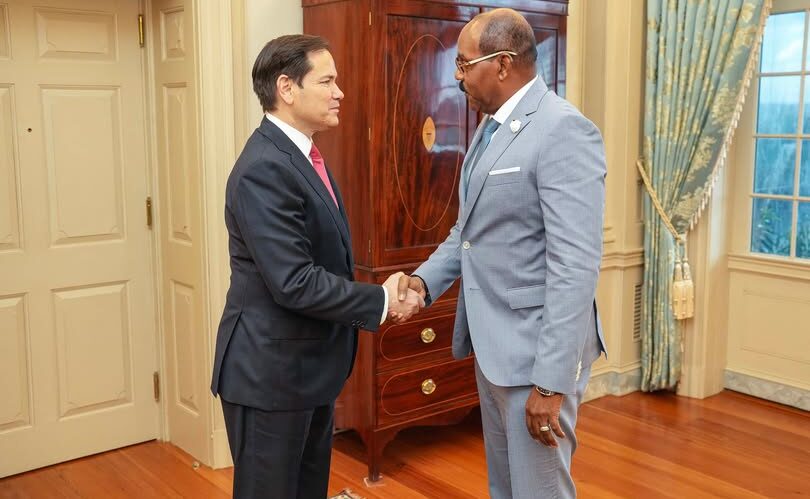
For small island nations scattered across the Caribbean, the reality of global power dynamics is unavoidable. When sitting at the negotiating table with the world’s most powerful superpower, the United States, these tiny states bring far less political and economic clout to the discussion, a fact that shapes every outcome of bilateral talks. This imbalance of influence is not a matter of ideological preference—it is a tangible, structural reality that cannot be ignored by regional leaders.
Against this backdrop, a growing argument calls for a shift away from performative political posturing and toward a pragmatic approach focused on delivering tangible gains for local populations. Rather than chasing headlines by projecting an image of unyielding toughness that does not align with on-the-ground power dynamics, the argument suggests, governments should center their efforts on securing the most favorable agreements possible for their citizens.
Take the specific case of a proposed arrangement between Washington and Antigua and Barbuda. If the United States is prepared to extend much-needed financial assistance to the small island nation, implement rigorous security screenings for prospective entrants, bar any individual with a confirmed criminal history from participating, and cede final approval authority over entry decisions to Antigua and Barbuda’s government, the national priority should be clear. Leaders should prioritize locking in robust protections for the country and maximizing the benefits of the deal, rather than engaging in empty political theater for domestic or international consumption.
True national leadership, this perspective holds, is not measured by how many front-page stories a leader generates. It is measured by the ability to make grounded, practical choices that safeguard national interests while acknowledging the unchangeable geopolitical context in which small states operate. Too often, leaders confuse posturing with strength; in reality, the savviest strategic move for a less powerful state is not to falsely claim equal leverage, but to skillfully navigate negotiations with more powerful partners to advance its own people’s well-being.
This debate raises a pressing question for observers and stakeholders alike: Is this pragmatic, realist approach the right path forward for Antigua and Barbuda, or should the country maintain its resistance to pressure from the United States?
LETTER: Antigua and Barbuda should stop pretending this is a battle they can win.