分类: politics

  • Pringle questions $2M allocation for bunk beds associated with housing Booby Alley Residents

    Pringle questions $2M allocation for bunk beds associated with housing Booby Alley Residents

    Opposition Leader Jamale Pringle has launched a stern parliamentary challenge against the government’s allocation of nearly $2 million for bunk beds within a housing relocation scheme, branding the expenditure as “excessive” and demanding immediate clarification.

    During Monday’s budget response session, Pringle highlighted figures from the government’s supplementary appropriations that revealed approximately $2 million was designated specifically for bunk beds connected to the Booby Alley relocation project. The opposition leader emphasized that the substantial cost immediately stood out during his thorough review of budgetary documents.

    Pringle pressed the administration to provide comprehensive details regarding the justification for such a significant financial outlay and to account for the actual utilization of the purchased items. “The allocation of nearly $2 million specifically for bunk beds necessitates a transparent explanation of fund distribution and procurement justification,” he asserted in his address to lawmakers.

    The opposition leader contextualized this expenditure within a broader pattern of what he characterized as questionable spending practices evident throughout the current budget. Pringle further noted that the government’s unusually delayed presentation of supplementary appropriations to Parliament potentially correlates with the financial discrepancies his examination has uncovered.

    This bunk bed allocation has intensified existing concerns regarding inflated project costs and transparency deficiencies within several government initiatives, according to Pringle. He emphasized that the substantial nature of this expenditure, particularly within a public housing program, warrants complete transparency for taxpayer accountability.

    Pringle confirmed that his party intends to pursue this matter vigorously as budget debates progress, positioning it within a larger framework of governmental accountability and fiscal responsibility concerns that the opposition plans to investigate comprehensively.

  • Pringle challenges government’s surplus claim, says it’s built on unpaid bills

    Pringle challenges government’s surplus claim, says it’s built on unpaid bills

    In a scathing parliamentary address on Monday, Opposition Leader Jamale Pringle categorically rejected the government’s announcement of a $100 million budget surplus, characterizing the figure as a fiscal mirage built upon systematically delayed payments to citizens and businesses.

    Delivering his official response to the 2026 national budget, Pringle presented evidence of widespread financial delinquency across government ministries, alleging that the apparent surplus merely reflects accumulated unpaid obligations rather than genuine economic strength. He detailed how suppliers have endured payment delays of up to six months while some government departments have faced literal lockouts from their offices due to unresolved rent arrears.

    The opposition leader pointed to recent school closures as symptomatic of the administration’s financial mismanagement, noting that teacher strikes were directly triggered by unpaid government commitments. This disruption, Pringle argued, exposes the fundamental contradiction between the government’s narrative of fiscal health and the operational realities facing public services.

    Pringle shared poignant testimony from contractors, including one who reported 50 unsuccessful visits to the Treasury seeking payment. “This businessman ultimately shuttered his operations and terminated employees,” Pringle revealed, “precisely while the government boasts about its surplus.”

    The opposition leader characterized the situation as a form of government default that creates “false hope” among citizens who see no improvement in their daily lives. He maintained that the administration must remedy these outstanding obligations before presenting what he termed an artificially optimistic economic portrait, raising serious concerns about the true condition of public finances.

  • All procuring entities now required to publish emergency contract details

    All procuring entities now required to publish emergency contract details

    KINGSTON, Jamaica — In a significant move toward governmental accountability, Jamaica has instituted rigorous transparency protocols requiring full public disclosure of contracts awarded during crisis situations. Effective November 12, 2025, all procuring entities must now publish comprehensive Emergency Contract Award Notices through the Government of Jamaica Electronic Procurement System (GOJEP).

    This regulatory shift emerges from recent amendments to the Public Procurement Act, establishing a mandatory 30-day publication window following any emergency contract award. The initiative specifically targets scenarios requiring rapid response—such as natural disasters or public health emergencies—where standard procurement procedures might be bypassed due to urgency.

    Each disclosure must contain detailed specifications including: contractual identity, awarded contractor information, selection rationale, financial value, implementation timeline, current operational status, and a thorough description of both the procured items/services and the justifying circumstances. By centralizing this information on GOJEP’s digital platform (www.gojep.gov.jm), the government ensures equitable access for citizens, media outlets, and civil society organizations.

    The Ministry of Finance and Public Service emphasizes that while emergency conditions necessitate expedited decision-making, they should not compromise fundamental governance principles. This mechanism reinforces integrity, fiscal responsibility, and equitable treatment in public expenditure during critical periods. Supplementary implementation guidelines are available through Guidance Note 2 of 2025 on the Office of Public Procurement Policy’s official portal (www.procureja.gov.jm).

  • Parliament debates fireworks, finance in simultaneous sittings on December 9

    Parliament debates fireworks, finance in simultaneous sittings on December 9

    Trinidad and Tobago’s bicameral parliament is set to hold simultaneous sessions on December 9, with both the House of Representatives and Senate convening at 1:30 PM. The Senate will deliberate on the Finance Bill 2025 while the House debates the Summary Offences (Amendment) Bill, 2025, marking the second such dual sitting within a week.

    The proposed fireworks legislation establishes a comprehensive permit system administered by the Commissioner of Police, with specific exemptions for holiday celebrations. The bill permits fireworks without permits on public holidays between 8-9 PM and on December 31 from 11:30 PM to 12:30 AM on New Year’s Day. The legislation explicitly prohibits fireworks discharge within a half-mile radius of animal shelters, zoos, farms, forest reserves, national parks, hospitals, and airports.

    This legislative activity follows the December 5 simultaneous sessions that addressed the Finance Bill and the Home Invasion (Self-Defence and Defence of Property) Bill, 2025. Government officials, including Leader of Government Business Barry Padarath and Opposition Chief Whip Marvin Gonzales, have characterized the concurrent sittings as procedurally normal.

    The Finance Bill implements revenue measures initially proposed in Finance Minister Davendranath Tancoo’s October budget presentation, including immediate customs duty increases on alcohol and tobacco products. Additional measures scheduled for January 2026 implementation include National Insurance System rate increases, electrical surcharges for commercial customers, and banking sector levies.

    The legislation has sparked political controversy, with former finance minister Colm Imbert condemning the measures as “an avalanche of new taxes” and “wickedness” in social media statements. Opposition Leader Pennelope Beckles similarly criticized the provisions as “ill-conceived” measures that would “inflict further pain” on citizens. Minister Tancoo has dismissed these criticisms, maintaining the government’s position on the fiscal measures.

  • Duke: PDP will not contest Jan 12 THA polls

    Duke: PDP will not contest Jan 12 THA polls

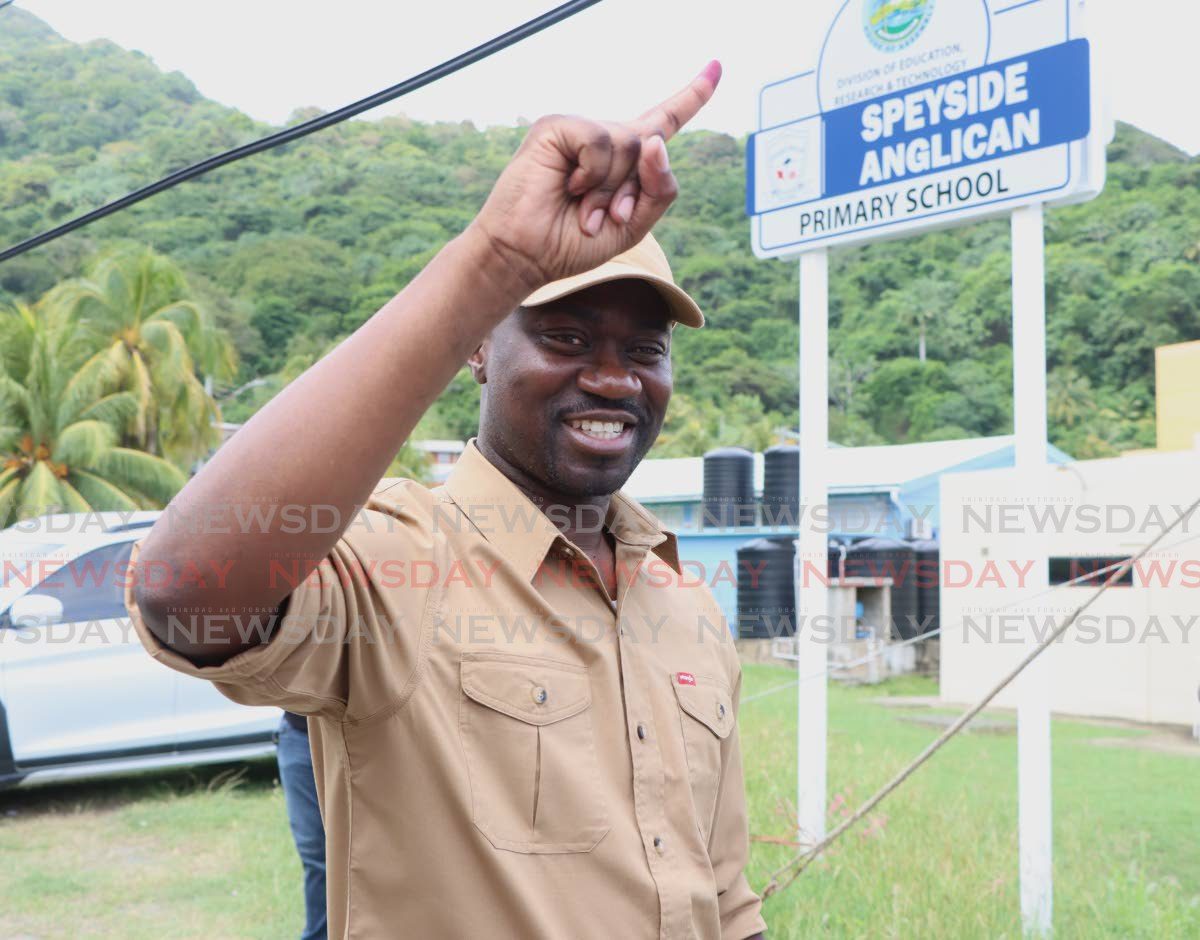
    In a significant political realignment, Progressive Democratic Patriots (PDP) leader Watson Duke has announced his party’s withdrawal from the upcoming January 12 Tobago House of Assembly (THA) elections, opting instead to endorse the ruling Tobago People’s Party (TPP). The declaration came during a spirited media conference outside Duke’s Port Mall office in Scarborough on December 8, where he was flanked by vocal supporters.

    While confirming the strategic shift, Duke maintained characteristic ambiguity regarding formal candidate nominations. He acknowledged the diminished influence of his party’s flambeaux symbol while artfully dodging direct questions about fielding candidates. His 20-minute address blended political rhetoric with biblical references and personal parables, creating a theatrical atmosphere underscored by enthusiastic supporter responses.

    The political reconciliation stems from a pivotal phone conversation with TPP leader and Chief Secretary Farley Augustine, whom Duke alternately referred to as ‘son’ and ‘brother’ throughout his address. Duke revealed that this discussion prompted profound reflection about preventing the People’s National Movement (PNM) from returning to power. ‘I slept on it, I rolled on it, I prayed on it,’ Duke declared, emphasizing familial loyalty over political分歧.

    Despite acknowledging the ‘hurt and pain’ from previous betrayals when PDP assemblymen defected to form the TPP under Augustine’s leadership, Duke pledged forgiveness while vowing to remember these experiences. He positioned himself as continuing to ‘stand in defense of the defenseless’ and encouraged supporters to maintain their identity as ‘the salt of the earth’—invoking Matthew 5:13 to underscore their enduring value.

    The PDP leader outlined an aggressive campaign strategy to secure all 15 seats for the TPP, promising to reach ‘the highways and byways, the nooks and crannies’ to mobilize marginalized voters. When pressed for explicit voting instructions, Duke challenged journalists to ‘write the headlines yourselves,’ maintaining his theatrical delivery while making the endorsement unmistakably clear.

    Duke framed the alliance as resuming a shared dream that had temporarily derailed, comparing it to waking from an incomplete dream and choosing to return to it. ‘Family is family,’ he asserted, acknowledging Augustine’s flaws while emphasizing tribal loyalty. He concluded with a colorful promise to defeat the PNM ‘black until they blue,’ referencing the parties’ respective colors.

  • Attorney for Carapo man questions SoE detention orders

    Attorney for Carapo man questions SoE detention orders

    A significant legal development has emerged as Homeland Security Minister Roger Alexander revoked a preventative detention order (PDO) against Christian Joshua, a detainee held under the state of emergency provisions who faces charges of motor vehicle larceny. This reversal now enables Joshua to pursue bail proceedings, reigniting debates about the appropriate application of PDOs within Trinidad and Tobago’s justice system.

    Joshua’s legal representative, Attorney Keron Ramkalwhan, raised serious concerns regarding the ministerial order’s justification, suggesting that PDOs may be employed for statistical optics rather than legitimate security purposes. Ramkalwhan emphasized the peculiar circumstances: Joshua was already in custody after being denied bail on September 2, yet received a PDO dated September 6 that wasn’t formally served until September 30.

    The initial PDO alleged Joshua’s involvement in an organized vehicle theft network that purportedly used stolen cars to support gang-related violence. However, Ramkalwhan challenged its validity, stating, ‘The issuance of a preventative detention order against someone already lawfully detained raises fundamental questions about its purpose. Either the minister acted without current information, or these orders serve symbolic rather than practical security functions.’

    With the order’s revocation on December 5, Joshua will now seek bail through renewed applications while preparing to withdraw existing proceedings before the state of emergency review tribunal. The case has drawn attention to broader concerns about transparency and proper procedure in national security measures.

  • Bahamas wants formal visa treaty with United States

    Bahamas wants formal visa treaty with United States

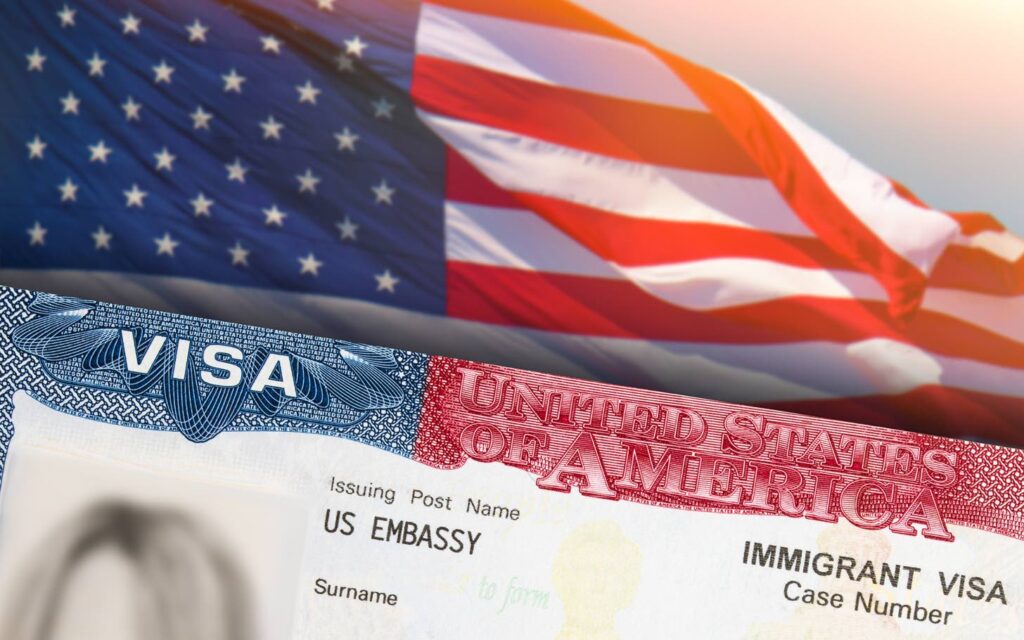
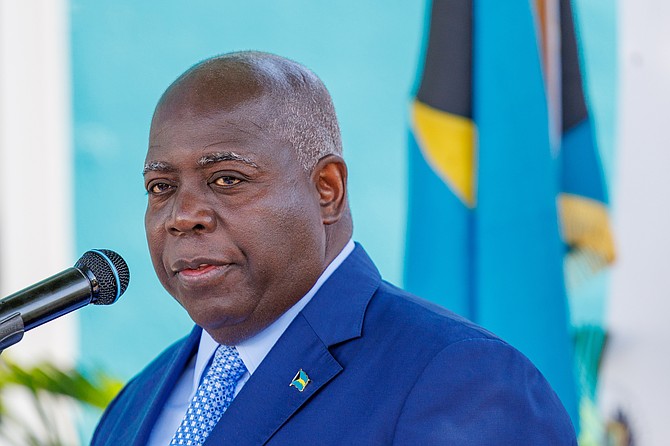
    NASSAU, Bahamas — The Bahamian government has formally proposed establishing a visa-free travel treaty with the United States, marking a significant diplomatic initiative amid changing U.S. migration policies. Foreign Affairs Minister Fred Mitchell presented the proposal during parliamentary debates on the Smuggling of Migrants Bill, 2025, highlighting its heightened importance given recent U.S. immigration enforcement measures.

    Minister Mitchell revealed that preliminary discussions have already occurred with U.S. officials, emphasizing that visa-free access would represent a natural progression in bilateral relations. ‘Bahamians have consistently expressed desire for streamlined travel to the United States,’ Mitchell stated before Parliament. ‘In previous diplomatic engagements, I’ve suggested we formally propose a treaty establishing visa-free access for Bahamian citizens.’

    The minister contextualized the proposal within contemporary challenges, noting that ‘in this era of climate emergencies and displacement, the movement of 400,000 Bahamians would have negligible demographic impact on the United States.’ However, he stressed that any migration must occur through legal channels, stating firmly that ‘lawful entry remains paramount—no nation should condone unlawful border crossings.’

    Current protocols allow Bahamians to enter the U.S. without visas when departing directly from The Bahamas, provided they possess clean criminal records. However, those transiting through third countries still require formal visa documentation.

    The simultaneous advancement of the Smuggling of Migrants Bill, 2025 demonstrates The Bahamas’ commitment to aligning its legislation with international standards. Mitchell characterized the bill as essential for ensuring The Bahamas isn’t perceived as facilitating unlawful migration to other nations, particularly as the United States intensifies enforcement under President Trump’s administration, which recently pledged to restrict migration from numerous developing nations.

  • Hope, scepticism as Trinidad and Tobago doctors bound for Guyana

    Hope, scepticism as Trinidad and Tobago doctors bound for Guyana

    In a significant development for Caribbean regional cooperation, Trinidad and Tobago has initiated a groundbreaking medical partnership with Guyana. Prime Minister Kamla Persad-Bissessar announced during the Couva Children’s Hospital re-dedication ceremony that approximately 50 Trinidadian doctors will form the inaugural contingent heading to Guyana.

    The Prime Minister revealed that while the Couva facility was originally envisioned as a regional medical hub, Guyana’s substantial investments in healthcare infrastructure have created new opportunities for collaboration. “Guyana will hire doctors from Trinidad and Tobago because we have so many well-trained doctors,” Persad-Bissessar stated, highlighting the surplus of medical professionals in her country.

    This initiative follows Guyana’s massive GY$4.6 billion investment in medical infrastructure, including a new 50-bed hospital in the Moruca Region equipped with advanced diagnostic technology, surgical facilities, and local oxygen production capabilities.

    The announcement has been met with enthusiasm by early-career medical professionals in Trinidad and Tobago. An anonymous neurosurgery trainee welcomed the initiative, noting the current market challenges where many junior doctors face unemployment or temporary contracts without benefits. Similarly, a young optometrist expressed hope that this would provide much-needed stability, acknowledging that “the industry isn’t expanding as fast as the students are graduating.”

    However, the initiative has raised concerns among nursing professionals. Idi Stuart, president of the Trinidad and Tobago Registered Nurses Association, warned of potential negative consequences for the nursing sector. While acknowledging the doctor surplus, Stuart emphasized the existing nursing shortages in specialized areas and expressed concern that competitive Guyanese salaries might attract Trinidadian nurses, exacerbating local shortages.

    Stuart questioned the allocation of educational resources, suggesting that funding should be redirected from medical programs to address nursing shortages. He criticized the approach of training professionals for export while the country faces financial constraints, stating that Trinidad and Tobago should be more judicious in aligning educational investments with domestic needs.

    The partnership represents both an opportunity for regional cooperation and a complex challenge in balancing domestic healthcare needs with international diplomatic initiatives.

  • Speaker clears PM in ‘cuff down’ remark

    Speaker clears PM in ‘cuff down’ remark

    In a significant parliamentary development, Speaker Jagdeo Singh has formally dismissed a privilege motion initiated by Diego Martin North East MP Colm Imbert against Prime Minister Kamla Persad-Bissessar. The Speaker’s ruling, delivered on December 9 following extensive deliberation, characterized the contentious exchange as “stillborn” due to its inherently lighthearted nature during the November 21 parliamentary session.

    Speaker Singh’s comprehensive judgment emphasized that the verbal exchange between the political leaders was widely perceived as casual banter rather than a serious constitutional breach. The ruling further clarified that no substantive evidence indicated intentional obstruction or impediment of parliamentary duties, thereby negating the grounds for privilege violation proceedings.

    The controversy originated from a heated moment during parliamentary proceedings when Prime Minister Persad-Bissessar cautioned Imbert against gesturing toward her, stating, “Because I will cuff you down” in response to his defiant “Why not?” retort. Government Business Leader Barry Padarath subsequently accused Imbert of deliberately provoking the Prime Minister and instigating the conflict—an allegation Imbert has consistently denied.

    This ruling represents a significant precedent in Trinidad and Tobago’s parliamentary protocol, reinforcing the distinction between informal interpersonal exchanges and substantive breaches of parliamentary privilege. The decision underscores the Speaker’s role in maintaining decorum while recognizing the occasional inevitability of political tensions within legislative debates.

  • Mayne files suit against Integrity Commission

    Mayne files suit against Integrity Commission

    KINGSTON, Jamaica — A significant constitutional confrontation has emerged between Jamaica’s parliamentary system and its anti-corruption watchdog. Government MP Zavia Mayne, representing St Ann South West, has initiated Supreme Court proceedings against the Integrity Commission and three of its senior directors: Craig Beresford, Roneiph Lawrence, and Kevon Stephenson.

    The legal challenge, filed as an application for judicial review on Monday, represents a direct response to an investigative report presented to the House of Representatives last week. That document had recommended criminal charges against Mayne for allegedly failing to disclose financial information regarding companies with which he maintains associations, without demonstrating reasonable cause for such omission.

    At the heart of Mayne’s constitutional argument lies a multi-faceted legal offensive. The parliamentarian seeks to invalidate both the investigation report dated July 14, 2025, and the subsequent ruling from the director of corruption prosecution that he face charges under Section 43(1)(b) of the Integrity Commission Act.

    The suit advances several substantive claims regarding constitutional overreach. Mayne contends the commission violated his right to privacy through unauthorized disclosure of investigative details, including personal information and the fact that his case had been referred to prosecutors. These actions, the filing argues, directly contravened constitutional protections enshrined in Sections 13(3)(j)(ii) and 13(3)(j)(iii) of Jamaica’s Charter of Fundamental Rights and Freedoms.

    Furthermore, court documents reveal Mayne’s assertion that the commission breached principles of natural justice by issuing adverse recommendations without affording him adequate opportunity to respond—a procedural requirement mandated by both common law and Section 16(2) of the Charter. The MP characterizes the investigative process as fundamentally flawed, describing the findings as “unfair, unreasonable and irrational” while claiming violation of his legitimate expectation to procedural fairness.

    The comprehensive legal action seeks multiple declarations regarding violations of natural justice principles. Additionally, Mayne is pursuing substantial financial compensation including stigma damages, aggravated and vindicatory damages, compensation for negligent investigation, and full legal costs—creating a potentially precedent-setting case regarding the limits of anti-corruption authorities’ powers.