分类: politics

  • Guyana announces $100,000 cash grant to citizens 18 and over

    Guyana announces $100,000 cash grant to citizens 18 and over

    The Guyanese government has announced a sweeping economic initiative package, headlined by direct cash grants to citizens and significant tax reforms. President Irfaan Ali disclosed in a nationwide broadcast that all citizens aged 18 and above will receive a GUY$100,000 (approximately US$400) cash grant, with additional payments promised throughout his five-year term.

    The comprehensive economic plan includes creating tax-free special development zones aimed at boosting employment in non-oil sectors and reducing import dependency. The government will abolish net property tax for individuals to increase disposable income and establish a revitalized Guyana Development Bank with US$200 million in initial funding to provide up to GUY$10 million loans to small and medium enterprises.

    Additional measures include raising the minimum monthly salary for government workers to GUY$50,000 starting next year and implementing flat taxes on double cab pickup trucks based on engine capacity. The administration also pledged prioritized support for youth, women, and persons with disabilities, along with financing programs to improve housing quality in Amerindian communities.

    However, the announcement sparked immediate criticism from opposition parties who condemned the president’s decision to unveil his five-year policy agenda outside of parliamentary proceedings. APNU legislator Sherod Duncan labeled the move a ‘democratic red flag,’ while Forward Guyana Movement leader Amanza Walton-Desir questioned the diplomatic community’s silence on what opposition figures characterize as a bypassing of democratic institutions.

    The controversy occurs amid ongoing speculation about President Ali’s avoidance of parliamentary sittings that would involve opposition leader Azruddin Mohamed, who along with his father faces extradition proceedings to the United States for alleged financial crimes.

  • Building even closer China-LAC community

    Building even closer China-LAC community

    The Chinese government has formally released its latest Policy Paper on Latin America and the Caribbean, marking the third comprehensive strategic document outlining Beijing’s vision for enhanced cooperation with the region. Released on December 10, this policy framework builds upon previous achievements while charting an ambitious course for future collaboration between China and LAC nations.

    As fellow members of the Global South, China and LAC countries have cultivated increasingly robust ties despite geographical separation. The relationship has gained significant momentum since the formal establishment of the China-CELAC Forum in 2015, which provided an institutional foundation for structured cooperation. The relationship reached new heights during the Fourth Ministerial Meeting of the China-CELAC Forum held in Beijing this past May, where President Xi Jinping introduced five pivotal programs: Solidarity, Development, Civilization, Peace, and People-to-People Connectivity.

    The policy emphasizes mutual respect and equality as cornerstone principles. Both parties maintain independent foreign policies while demonstrating steadfast support for each other’s core interests and major concerns. This includes firm opposition to power politics and interference in internal affairs, with the vast majority of LAC countries adhering to the one-China principle. China has committed to advancing the Global Governance Initiative through enhanced dialogue among governments, political parties, and legislative bodies.

    Economic cooperation has yielded remarkable results, with bilateral trade reaching an unprecedented $518.4 billion in 2024 and Chinese foreign direct investment stock exceeding $600 billion. The Belt and Road Initiative has gained substantial traction, with over twenty regional nations including Trinidad and Tobago participating. Infrastructure development has flourished, with Chinese enterprises securing contracts worth more than $300 billion, including landmark projects such as Trinidad’s Phoenix Park Industrial Estate and Peru’s Chancay Port.

    The policy identifies numerous areas for expanded collaboration, including infrastructure, trade, finance, agriculture, food security, clean energy, artificial intelligence, and climate change mitigation. China also plans to strengthen ties with regional organizations including CELAC, Caricom, and ACS while enhancing cooperation in law enforcement, anti-corruption, cybersecurity, and transnational crime prevention.

    Cultural and people-to-people exchanges represent another vital dimension of the relationship. Confucius Institutes and classrooms have proliferated throughout the region, while cultural appreciation continues to grow bilaterally. China has provided 17,000 government scholarships and approximately 13,000 training opportunities for LAC nationals, with commitments to expand these programs significantly.

    The comprehensive policy framework demonstrates China’s commitment to building what it characterizes as “a shared future” with LAC nations, emphasizing mutual development, prosperity, and enhanced South-South cooperation. China positions this policy as a new beginning for practical cooperation aligned with development strategies such as Trinidad and Tobago’s Revitalization Blueprint, aiming to establish new benchmarks for international development partnership.

  • Trump health chief seeks to bar trans youth from gender-affirming care

    Trump health chief seeks to bar trans youth from gender-affirming care

    The U.S. Department of Health and Human Services has unveiled a comprehensive proposal that would severely restrict gender-affirming medical care for transgender youth nationwide. Announced on Thursday by Health Secretary Robert F. Kennedy Jr., the measures would withdraw critical federal funding from healthcare facilities providing transition-related services to minors, including puberty blockers, hormone therapies, and surgical interventions.

    The proposed regulations, which must undergo formal review and public commentary before implementation, would prohibit Medicaid reimbursements for gender-affirming care provided to minors. More significantly, the policy would revoke all Medicare and Medicaid funding from any hospital offering such services—a move that would create substantial financial pressure on medical institutions to cease providing these treatments.

    Secretary Kennedy characterized gender-affirming care as ‘malpractice’ grounded in ‘junk science driven by ideological pursuits,’ echoing the conclusions of a departmental report compiled earlier this year by critics of gender transition therapies. The report emphasized potential risks associated with these treatments and recommended psychological counseling prior to medical interventions.

    Medical and legal experts have raised alarms about the implications of these proposals. Michael Ulrich, Professor of Public Health and Law at Boston University, warned that the measures place healthcare providers in an ‘extremely precarious position,’ noting that virtually no medical institution could operate without substantial federal funding.

    The announcement has triggered strong opposition from medical associations and civil rights organizations. The American Academy of Pediatrics condemned the proposals as ‘harmful,’ stating they ‘help no one, do nothing to address healthcare costs, and unfairly stigmatize a vulnerable population.’ The American Civil Liberties Union pledged legal challenges, calling the measures ‘cruel’ and ‘unconstitutional.’

    Medical professionals who provide gender-affirming care emphasized its critical importance. Dr. Zoe Taylor, a family physician in Washington state, described these treatments as ‘life-saving,’ noting that in her practice she has witnessed ‘youth thrive once their gender dysphoria is treated.’

    The proposal represents a significant escalation of the Trump administration’s efforts to restrict transgender rights and marks a potentially precedent-setting expansion of federal authority over medical decision-making. Legal experts warn that such intervention could establish dangerous precedents for government control over healthcare practices beyond transgender medicine.

  • Dominica’s opposition leader warns of deepening crisis in country

    Dominica’s opposition leader warns of deepening crisis in country

    ROSEAU, Dominica – In a stark assessment of national affairs, United Workers Party (UWP) leader Dr. Thompson Fontaine has declared Dominica to be facing a multidimensional governance crisis characterized by escalating violence, environmental degradation, electoral integrity concerns, and increasing international isolation.

    During his Christmas address to citizens both domestically and overseas, Fontaine asserted that the festive season provides little comfort for a nation grappling with profound challenges. He highlighted the tragic loss of 22 young lives through violent incidents within the past year, creating widespread despair among families nationwide.

    A particularly urgent concern raised involves the United States’ decision to implement partial travel restrictions for Dominican immigrants and non-immigrants starting January 2026. Fontaine attributed this development directly to the government’s management of the Citizenship by Investment (CBI) program, warning that thousands of citizens could face entry denials affecting students, families, and medical travelers. He further cautioned that without substantive reforms within six months, partial restrictions could escalate to a comprehensive ban.

    The opposition leader revealed he had expressed apprehensions about the CBI program as early as 2009, citing inadequate due diligence procedures and allegations of passport sales to individuals with criminal backgrounds. A significant legal challenge filed by the UWP demanding accountability and transparency in the program is scheduled for judicial review on January 26, 2026.

    Environmental protection emerged as another critical issue, with Fontaine condemning the alleged destruction of rainforest areas at Deux Branches. He accused the administration of bypassing environmental regulations and proceeding with development activities without conducting proper impact assessments. The opposition leader challenged governmental claims that the location represents the only viable source of construction materials for the proposed international airport and demanded immediate cessation of quarrying operations.

    Addressing public safety concerns, Fontaine criticized the government’s response to rising firearm violence, alleging failures in intercepting illegal weapons imports. He called for comprehensive strategies to combat criminal activity and address mounting mental health challenges, particularly among youth demographics. The UWP has proposed establishing a bipartisan committee to collaboratively address these pressing issues.

    Electoral reform discussions featured prominently in Fontaine’s address, with accusations that the Electoral Office’s voter confirmation process potentially disenfranchises thousands of citizens. Specific objections included the elimination of birth certificates as valid identification, problematic placement of confirmation centers, and staffing arrangements that allegedly favor the ruling Dominica Labour Party. The opposition leader demanded reinstatement of photo-identified birth certificates, expanded confirmation facilities in underserved communities, and enhanced procedural transparency to safeguard democratic integrity.

    Despite the grave criticisms, Fontaine concluded with a message of determination, urging citizens to harness their inner strength and pursue change through democratic mechanisms. He outlined the UWP’s development framework titled ‘Ten Pillars with Shared Prosperity for All,’ emphasizing youth empowerment, agricultural renewal, environmental conservation, wage improvements, and support systems for elderly and vulnerable populations.

    ‘Dominica’s financial resources belong to its people,’ Fontaine asserted. ‘When we ensure these resources reach citizens’ pockets, the inevitable outcome is reduced poverty and enhanced prosperity for all.’

  • Danielle Veira is PM Friday’s press secretary

    Danielle Veira is PM Friday’s press secretary

    Prime Minister Godwin Friday has selected Danielle Veira, a multifaceted media professional with diverse experience across multiple industries, to serve as his official Press Secretary. The appointment marks a significant addition to the administrative communications team following the New Democratic Party’s electoral victory on November 27.

    Veira brings an extensive background that spans singing, songwriting, announcing, advertising creation, and real estate to her new role. Her longstanding affiliation with the ruling party includes hosting the NDP’s media programming and presiding over several party press conferences during the pre-election period. In the critical year leading to the party’s successful campaign, she collaborated closely with Lavern King, the NDP Public Relations Officer who has since been appointed to the Senate.

    Expressing her gratitude for the appointment, Veira stated to iWitness News: “It is a great honour to be appointed by the Prime Minister as Press Secretary. I am fully committed to supporting the Government in carrying out its mandate to deliver for all Vincentians.” She further emphasized her dedication to the role, adding: “I look forward to serving in this role with energy and conviction, and to upholding the responsibilities of the office with clarity and commitment.”

    The position of press secretary to the Prime Minister of St. Vincent and the Grenadines has been held by several notable figures throughout history. Glenn Jackson, a journalist, became the first appointee to this role shortly after Prime Minister Ralph Gonsalves assumed office in March 2001. Jackson served until his tragic death on March 6, 2006.

    His successor, Hans King—another journalist and former educator—held the position until February 1, 2019, when he resigned to assume leadership as general manager of National Properties Ltd., a state-owned enterprise. King was later confirmed permanently in this corporate role and reportedly resigned following the November general election.

    The interim period saw Sehon Marshall appointed to the press secretary position on May 1, 2019. Marshall brought diplomatic experience from his previous role as counsellor at SVG’s Permanent Mission to the United Nations and deputy consul general at the New York Consulate. Most recently, comedian and former radio announcer Shevrell McMillan served as press officer to Gonsalves until the Unity Labour Party’s electoral defeat.

  • Anticipation mounts for first meeting of Parliament under NDP

    Anticipation mounts for first meeting of Parliament under NDP

    Kingstown prepares for a pivotal constitutional moment as Saint Vincent and the Grenadines’ newly elected New Democratic Party administration convenes Parliament on December 23rd, precisely five days ahead of the constitutional deadline requiring assembly within thirty days following election writ returns.

    The political atmosphere remains charged with multiple unresolved questions dominating public discourse. Central to the speculation is Opposition Leader Ralph Gonsalves’ potential attendance, with the veteran politician stating he maintains “prayerful consideration” regarding whether he will participate in the ceremonial oath-taking proceedings. Gonsalves, representing North Central Windward since 1994, remains the sole surviving parliamentary member of the formerly governing Unity Labour Party after voters rejected all other ULP candidates in the November 27 elections.

    Administrative challenges further complicate the parliamentary opening. The High Court’s December 4th ruling quashed the 2023 appointments of Debra Alexander-Charles and Simone Williams-Huggins as clerk and deputy clerk respectively, declaring their appointments unlawful and procedurally improper. This development follows original candidate Celena McDonald’s union-backed legal challenge against the Public Service Commission. Government sources confirm the essential positions must be filled before Parliament can formally convene.

    Attention also focuses on cabinet appointments, with Prime Minister-designate Dr. Friday expected to announce key positions including the Speaker and Deputy Speaker of the House. Social media speculation has circulated regarding former NDP senator Vynnette Frederick potentially assuming the Speaker role, though sources suggest this speculation originates from those desiring a more combative parliamentary dynamic rather than reflecting the Prime Minister’s actual intentions.

    The opposition faces its own structural decisions, with Gonsalves carefully evaluating potential senate appointments from among the ULP’s defeated candidates. Notable among them is his son, former Finance Minister Camillo Gonsalves, who has signaled he will not seek reelection in East St. George, and former Agriculture Minister Saboto Caesar, who has returned to legal practice after seventeen years in politics. The opposition leader emphasizes he continues consultations regarding appointments, balancing private sector commitments with parliamentary responsibilities.

    Meanwhile, Prime Minister-designate Friday has maintained notable silence on parliamentary matters, with Senator Lavern King’s promise of an imminent press conference remaining unfulfilled as the PM instead engages in informal public interactions throughout Kingstown.

  • STATEMENT: Government of Dominica seeks clarification and dialogue with United States on presidential  proclamation

    STATEMENT: Government of Dominica seeks clarification and dialogue with United States on presidential proclamation

    The Commonwealth of Dominica has formally requested immediate diplomatic consultations with the United States government following the December 16, 2025 proclamation imposing partial entry restrictions on Dominican nationals. While acknowledging America’s sovereign right to implement national security measures, the Dominican government expressed profound concern about its inclusion in the travel restrictions given its extensive cooperation with U.S. authorities and substantial reforms to its Citizenship by Investment Program.

    Throughout 2024-2025, Dominican officials maintained continuous engagement with multiple U.S. agencies through various channels including the Prime Minister’s Office, Ministry of Foreign Affairs, and its Washington D.C. embassy. These collaborative efforts addressed all concerns raised by American officials regarding CBI operations, culminating in Dominica becoming the first Organization of Eastern Caribbean States member to enact comprehensive legislative reforms on October 14, 2025.

    The groundbreaking reforms introduced stringent new requirements including enhanced residency provisions, rigorous name-change controls, strengthened due diligence protocols, improved financial transparency measures, and the creation of an independent regulatory authority to ensure compliance with international standards.

    The Caribbean nation now seeks clarification regarding whether these implemented measures satisfy U.S. security requirements referenced in the proclamation. Dominican authorities have requested urgent dialogue before the restrictions take effect on January 1, 2026, consistent with the partnership spirit outlined in the proclamation itself.

    Emphasizing its long-standing bilateral relationship with the United States, particularly regarding maritime security and regional stability cooperation, Dominica reiterated that threats to U.S. security equally concern the Caribbean region. The government remains committed to transparent collaboration and shared security objectives while seeking resolution through constructive diplomatic engagement that reflects mutual respect between both nations.

  • I have a question: Where are they now?

    I have a question: Where are they now?

    In the aftermath of recent elections, public attention has turned toward several prominent figures whose positions and qualifications warrant examination. Individuals like Chevonne Stewart and Grace Walters now face public speculation about their return to government roles, raising questions about their reintegration into the civil service structures they previously seemed to transcend during their political campaigns.

    The phenomenon extends to other recognizable figures, including the once-vocal ‘Candy Man,’ who has resumed his duties as a civil servant while promoting local commerce. His rapid ascent, attributed more to political connections than demonstrated merit, invites scrutiny regarding the sustainability of such careers once electoral fervor subsides.

    Particular concern surrounds appointment 705, where managerial authority appears mismatched with educational qualifications. The current manager reportedly holds only a post-secondary diploma while supervising staff with undergraduate and postgraduate degrees—an imbalance that may contribute to persistent operational deficiencies and high staff turnover within the department.

    These observations echo timeless wisdom about the nature of qualifications and power. The proverbial notion that ‘dressing a pig in a suit’ cannot alter its fundamental nature serves as a caution against prioritizing political connections over substantive capability. Similarly, the adage that ‘he who pays the piper calls the tune’ underscores concerns about accountability structures within politically influenced appointments.

    The discourse concludes with restrained commentary on politically appointed diplomats, acknowledging the complex interplay between political patronage and institutional effectiveness that characterizes post-election governance landscapes.

  • Dominica, Antigua seek clarification of US travel restrictions

    Dominica, Antigua seek clarification of US travel restrictions

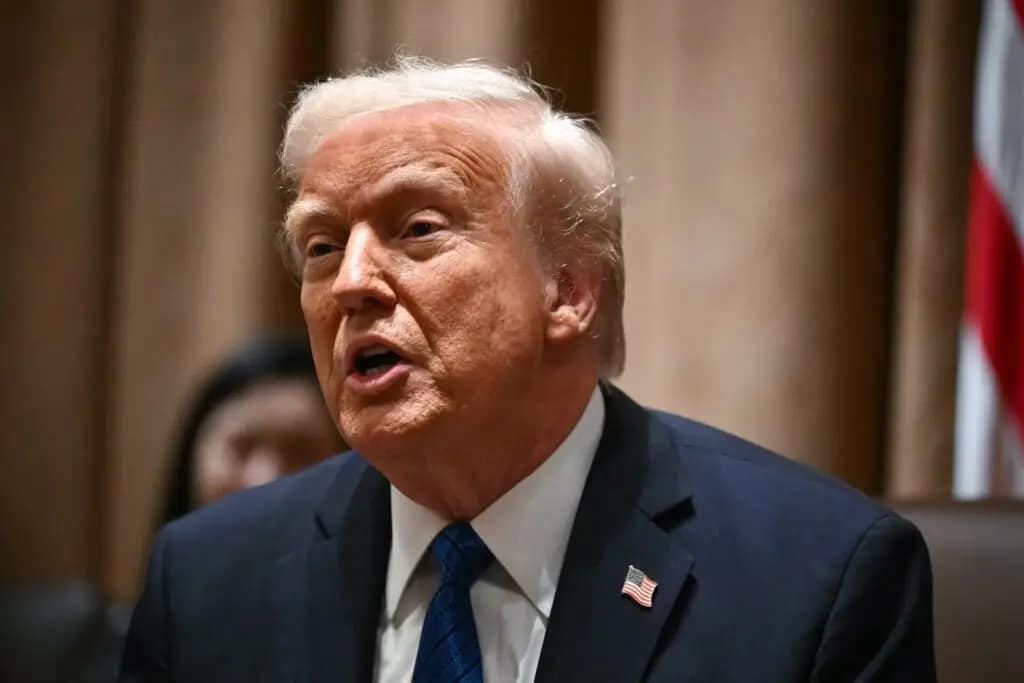
    The Trump administration has significantly broadened its controversial travel restrictions, adding 20 countries and the Palestinian Authority to its list of nations facing entry limitations. This policy expansion, announced Tuesday and set to take effect January 1, represents a substantial shift in American immigration and travel protocols under the guise of national security concerns.

    The updated restrictions implement comprehensive travel bans targeting citizens of Burkina Faso, Mali, Niger, South Sudan, and Syria, alongside individuals traveling with documents issued by the Palestinian Authority. Concurrently, partial limitations have been imposed on nationals from fifteen additional countries, including the Caribbean nations of Antigua and Barbuda and Dominica.

    The complete list of countries facing partial restrictions encompasses Angola, Benin, Ivory Coast, Gabon, Gambia, Malawi, Mauritania, Nigeria, Senegal, Tanzania, Tonga, Zambia, and Zimbabwe alongside the aforementioned Caribbean nations.

    Notably, the policy maintains exemptions for lawful permanent residents of the United States, individuals possessing valid visas, and specific visa categories including diplomats and international athletes. Furthermore, exceptions are granted to those whose entry is determined to serve American national interests.

    In reaction to this development, the governments of Dominica and Antigua and Barbuda have initiated urgent diplomatic communications seeking clarification. Dominica’s Ministry of Foreign Affairs issued a statement acknowledging the concerns the announcement may provoke while assuring citizens that the matter was being addressed with utmost seriousness. The ministry confirmed active engagement with officials at the United States Embassy in Bridgetown, Barbados, to obtain formal details regarding the scope, rationale, and specific implications for Dominican travelers and visa holders.

    Similarly, Antigua and Barbuda’s Prime Minister Gaston Browne revealed he had communicated directly with President Donald Trump and Secretary of State Mike Pompeo, offering full cooperation to address underlying concerns and facilitate the restoration of all visa categories. Both Caribbean Community (CARICOM) member states emphasized their ongoing diplomatic efforts to comprehend the practical impact these new measures will have on their citizens.

  • Gonsalves waiting to see gov’t stance on vaccine mandate case

    Gonsalves waiting to see gov’t stance on vaccine mandate case

    A significant legal confrontation regarding St. Vincent and the Grenadines’ COVID-19 vaccine mandate for public sector workers is advancing toward the Privy Council in London for final adjudication. The case, sponsored by three major labor organizations—the Public Service Union, St. Vincent and the Grenadines Teachers Union, and the Police Welfare Association—challenges the previous government’s dismissal of hundreds of employees who refused vaccination by November 2021.

    Former Prime Minister and current Opposition Leader Ralph Gonsalves has expressed anticipation regarding the stance of the newly elected New Democratic Party (NDP) administration on defending the appeal. The judicial journey has seen notable fluctuations: initially, the High Court deemed the terminations illegal and unconstitutional, but this ruling was subsequently overturned by a 2-1 decision in the Court of Appeal, which then authorized the Privy Council appeal.

    Since assuming power, the NDP government has initiated the reinstatement of affected workers, fulfilling a key campaign promise. Some employees, like teacher Ann-Marie Ballantyne, have returned to their positions after a four-year absence and now await full back-pay compensation. However, Ballantyne acknowledges the ongoing legal process and expresses patience regarding staggered payments, recognizing potential economic constraints.

    Gonsalves has speculated that the NDP might opt to settle the matter preemptively rather than pursue a definitive Privy Council ruling, potentially leaving the Court of Appeal’s decision as the final word. Meanwhile, union representatives have confirmed their commitment to pursuing the appeal irrespective of the government’s position, seeking broader legal clarifications beyond mere reinstatement and compensation.