分类: politics

  • Caribbean Family Planning Affiliation welcomes landmark Dominica court ruling

    Caribbean Family Planning Affiliation welcomes landmark Dominica court ruling

    The Eastern Caribbean Supreme Court has issued a historic constitutional ruling that overturns the criminalization of abortion in Dominica for specific high-risk cases, including rape, incest, severe fetal impairment, and situations where a pregnant person’s life or long-term health is endangered. The judgment has drawn widespread praise from reproductive health advocates across the region, with the Caribbean Family Planning Affiliation (CFPA) — the region’s leading regional body advancing sexual and reproductive health and rights (SRHR) — framing the decision as a transformative milestone for gender equity, human dignity, and fundamental human rights across the Caribbean.

    Rev. Patricia Sheerattan-Bisnauth, Chief Executive Officer of CFPA, emphasized that while the ruling does not decriminalize abortion across all circumstances in Dominica, it marks an irreversible step forward for reproductive justice. “This judgment makes clear that women and girls should never face criminal penalties for accessing life-saving and essential healthcare when they are navigating the most traumatic, life-altering circumstances,” she said. “It also confirms that outdated laws inherited from our colonial era can no longer stand in the way of women accessing their constitutionally guaranteed rights to health, autonomy, and dignity.”

    For decades, broad abortion criminalization across much of the Caribbean has pushed vulnerable people into impossible, deadly dilemmas: choosing between protecting their own health and facing criminal prosecution, or foregoing safe, regulated medical care to seek unregulated, unsafe procedures that put their lives at risk. This systemic harm has fallen disproportionately on marginalized groups with the least access to resources and care: low-income women, adolescent girls, survivors of sexual violence, and people living in underserved communities with limited access to quality healthcare. Advocates stress that criminalization has never succeeded in eliminating abortion — it has only widened systemic inequality, reinforced harmful stigma, and caused untold preventable suffering and death.

    Roxanne Christopher, CFPA’s Board President, paid tribute to the collective effort that made the ruling possible, commending the courage of the women who brought the original legal challenge, the commitment of healthcare providers who upheld their ethical duty to care despite legal risks, and the persistent advocacy of legal teams and civil society groups that have pushed for reproductive justice across the region for years. “As a regional organization dedicated to SRHR, CFPA holds that every woman deserves access to compassionate, evidence-based healthcare delivered with dignity and respect, and without the constant threat of criminal punishment,” Christopher said. “Women’s health is not a luxury for the few — it is a non-negotiable fundamental human right.”

    Legal analysts note that the court’s decision, which anchored its ruling in both constitutional protections and binding international human rights standards, sends a powerful and resonant signal to governments and courts across the Caribbean: protecting women’s health and protecting human rights are inseparable goals.

    Even as advocates celebrate the ruling, they are clear that the fight for full reproductive justice across the region is far from finished. Millions of women and girls across the Caribbean still live under the shadow of outdated laws that criminalize access to essential reproductive healthcare, perpetuating widespread fear, stigma, and systemic inequality. This ruling opens a critical new path for reform, but it does not complete the journey, advocates say. Substantial work remains to ensure that all women, regardless of their place of residence or economic status, can exercise their fundamental rights to health, bodily autonomy, and informed, uncoerced decision-making about their own bodies.

    In response to the ruling, CFPA has issued a broad call to action, urging national governments, parliamentarians, healthcare professional bodies, faith leaders, civil society organizations, and local communities to engage in respectful, evidence-centered dialogue that centers the health, dignity, and well-being of women and girls in public policy design. Advancing full reproductive health equity across the region requires not just targeted legal reform, but also investment in comprehensive, age-appropriate sexuality education, expanded access to modern contraception, improved quality maternal healthcare, and intentional work to eliminate the stigma and discrimination that still block millions of women from accessing the care they need.

    “The struggle continues for laws that protect women instead of punishing them; for healthcare systems that heal instead of excluding marginalized people; and for a Caribbean where every woman and girl can make decisions about her own health with dignity, safety, and hope,” the organization said in a statement. “When women are healthy, informed, and empowered, families flourish, communities grow stronger, and nations become more just and equitable.”

    CFPA, a leading regional SRHR organization, works through a broad network of local member and partner organizations across the Caribbean to advance universal access to quality sexual and reproductive healthcare, gender equality, human rights, and empowerment for women and young people across the region.


  • Abinader credits farmers as Dominican Republic exits FAO Hunger Map

    Abinader credits farmers as Dominican Republic exits FAO Hunger Map

    In a celebratory public gathering held in Moca, Dominican Republic, President Luis Abinader publicly extended gratitude to the nation’s agricultural producers for their foundational role in securing a landmark achievement: the country’s removal from the United Nations Food and Agriculture Organization’s (FAO) global Hunger Map. The president framed the milestone not as the victory of a single group, but as a collective success that unites every segment of Dominican society.

    Abinader detailed that the country has cut the rate of undernourishment across its population to less than 2.5 percent, a threshold that qualified it for removal from the high-priority Hunger Map. He attributed this progress to two interconnected pillars: steady growth in domestic food production, and targeted government policies designed to expand equitable access to nutritious food. These policy measures include direct support for small and large-scale farming operations, broad wage increases for working households, sustained job creation across sectors, and a major expansion of social protection programs that reach vulnerable communities.

    “The Dominican Republic is off the Hunger Map because its producers never stopped feeding and working for this country,” Abinader told attendees. Following this recognition, the president reaffirmed his administration’s ongoing commitment to advancing the agricultural sector, outlining a continued agenda of investment in key priorities: expanded access to affordable financing for farmers, upgraded national irrigation systems, hands-on technical assistance for producers, expanded agricultural insurance coverage, and broad improvements to agricultural infrastructure from roads to storage facilities.

    Speaking on behalf of the Dominican agricultural sector, industry representative Dionis Fernández echoed the president’s remarks, noting that the FAO’s decision to remove the country from the Hunger Map is more than a symbolic win—it serves as clear proof that long-term structural reforms have meaningfully improved the nation’s overall food security. Fernández called for sustained public and private investment in financing, advanced agricultural technology, infrastructure development, insurance frameworks, and expanded access to domestic and international markets, arguing these investments are critical to boosting both the competitiveness and long-term sustainability of Dominican agriculture.

  • Union says PMH flooding managed as FNM blasts govt

    Union says PMH flooding managed as FNM blasts govt

    When severe thunderstorms swept across New Providence, Bahamas, on Sunday, an unexpected incident unfolded at the country’s flagship Princess Margaret Hospital: floodwater breached the freshly completed Accident and Emergency (A&E) Department, just weeks after officials declared its long-delayed renovation finished and fully operational. While hospital authorities and the Bahamas Nurses Union quickly moved to contain the issue and restore services, the flooding has ignited a sharp political debate over the government’s management of public health infrastructure.

    Muriel Lightbourne, president of the Bahamas Nurses Union, confirmed that the incident caused no major disruption to critical care services. According to reports from frontline staff, the water did not penetrate through flaws in the newly renovated building structure, as some critics later claimed. Instead, an extraordinary volume of rainfall overwhelmed local drainage around the facility, causing surface flooding that seeped into the department through the open ambulance bay entrance.

    Immediately after flooding began, clinical teams moved patients and staff out of the affected zones, while cleanup crews were deployed to pump out standing water. Lightbourne noted that when she reached out to hospital leadership shortly after learning of the incident, staff were already midway through clearing the affected areas. Though nurses raised understandable concerns about the risk of standing water interacting with nearby electrical medical equipment, Lightbourne said the situation was handled swiftly and professionally, with no formal complaints submitted by union members.

    Visual evidence of the flooding, shared widely across social media Sunday, showed sections of the A&E with shallow standing water, with staff and visitors traversing affected zones in disposable protective shoe covers. Hospital officials echoed Lightbourne’s account, emphasizing that the flooding did not stem from roof or ceiling defects, and clarified that Princess Margaret Hospital sits in a low-lying area that experienced widespread inundation during the extreme storm. Neighboring commercial buildings and private properties also flooded amid the record rainfall, they added.

    To prevent disruption to care, hospital administration immediately relocated all critical services from the affected area, placed temporary barriers at the impacted ambulance bay entrance, and diverted incoming ambulance traffic to an alternate access point while safety assessments were conducted. Within hours, all core A&E services had resumed normal operation. Hospital officials added they will collaborate with government and construction partners to identify additional mitigation measures that can reduce the risk of future flooding during severe weather events, to better protect patients, staff and visitors.

    The timing of the incident, coming just weeks after Health and Wellness Minister Dr Michael Darville announced the completion of the years-long, repeatedly delayed A&E redevelopment project, created an opening for political opposition. Free National Movement chairman Dr Duane Sands launched a scathing attack on the governing Progressive Liberal Party administration, framing the flooding as symptomatic of widespread systemic failures in the country’s public health sector.

    Sands argued that the incident directly contradicts the government’s public claims of progress on upgrading public health infrastructure. He questioned the hospital’s explanation that the site is located in a natural flood zone, asking sarcastically whether the hospital’s location had changed after the multi-million dollar renovation. Sands linked the A&E flooding to a pattern of what he called ongoing infrastructure failures under the current administration, pointing to recurring nationwide power outages, persistent operating room disruptions at both Princess Margaret Hospital and Grand Bahama’s Rand Memorial Hospital, and widespread shortages of essential prescription medications. He accused the government of prioritizing elite perks over meeting the basic public health needs of ordinary Bahamian citizens.

  • Dominican Navy’s Admiral Juan Bautista Cambiaso returns from US Sail 250

    Dominican Navy’s Admiral Juan Bautista Cambiaso returns from US Sail 250

    Santo Domingo – In a formal homecoming ceremony held Tuesday at the Sans Souci Naval Station, the Dominican Republic Navy celebrated the return of its flagship training vessel, the Admiral Juan Bautista Cambiaso (BE-01), after a months-long international training deployment for naval midshipmen. The cruise, branded “Brotherhood of the Seas Summer 2026”, brought the vessel and its trainee crew across North American ports to take part in landmark international celebrations. The welcoming event was presided over by Dominican Defense Minister Lieutenant General Carlos Antonio Fernández Onofre, alongside Navy Commander Vice Admiral Juan B. Crisóstomo Martínez. Senior military leaders, former commanders of the Dominican Navy, and dozens of family members of the participating midshipmen gathered to mark the successful completion of the voyage, greeting the crew and vessel as they docked back at their home base.

    Speaking at the ceremony, Vice Admiral Crisóstomo Martínez framed the training mission as far more than a routine exercise for future naval officers. He emphasized that the cruise demonstrated the Dominican Republic’s longstanding dedication to advancing military diplomacy across the Americas and beyond. The deployment also underscored the active support of Dominican President Luis Abinader for two key national priorities: expanding the armed forces’ professional international engagement, and elevating the quality of training for the next generation of Dominican military officers.

    During their time at sea, the Admiral Juan Bautista Cambiaso served as the official floating representative of the Dominican Republic at two major U.S. port calls: New York and Boston. The vessel joined a large lineup of international ships in the Sail 250 celebration, a global maritime event organized to commemorate the 250th anniversary of the United States’ declaration of independence. Beyond ceremonial duties, the port visits created valuable opportunities for the Dominican midshipmen to train alongside their international peers, share maritime best practices, and deepen professional connections with U.S. and foreign naval personnel. In the process, the voyage helped raise the profile of the Dominican Republic as a cooperative maritime partner, boosted cultural and diplomatic exchange between the Caribbean nation and the United States, and strengthened longstanding naval cooperation between the two countries.

  • CCJ upholds murder conviction and 28-Year sentence for Barbados man

    CCJ upholds murder conviction and 28-Year sentence for Barbados man

    On July 24, 2026, the Caribbean Court of Justice (CCJ), the highest appellate court for the Caribbean region, delivered a landmark ruling dismissing a final appeal from a Barbadian man convicted of murder, cementing the guilty verdict and 28-year prison sentence originally handed down more than seven years prior.

    The case centers on Baggio Kristidi Daniel, who was found guilty by a Barbadian trial court in 2019 for the fatal shooting of Alex Romel Samuel. The killing took place on a public minibus operating in Barbados, shocking local communities and prompting a swift criminal investigation that led to Daniel’s arrest. Prosecutors secured the conviction through two key pillars of evidence: consistent testimony from multiple eyewitnesses to the incident, and an oral confession Daniel gave to law enforcement officers while he was in custody following his arrest.

    After the initial guilty verdict, Daniel first appealed the outcome to the Barbados Court of Appeal, which declined to overturn the conviction and sentence. Undeterred, Daniel exercised his right to appeal to the regional supreme court, the CCJ, advancing a series of legal arguments claiming his original trial had been unfair and violated his constitutional rights.

    Daniel’s legal team put forward four core claims to challenge the conviction. First, they argued that Daniel’s constitutional right to consult with a legal attorney before speaking to police had been unlawfully breached during the investigation phase. Second, they contended the trial judge had failed to properly examine and rule on this alleged rights violation. Third, they claimed the trial judge incorrectly allowed the jury to make the final decision on whether Daniel’s confession to police could be admitted as evidence in the case. Finally, they argued the trial judge had neglected to give the jury adequate guidance on evaluating the reliability of certain pieces of evidence presented during proceedings.

    In a unanimous ruling led by Justice Bulkan, and endorsed by CCJ President Justice Anderson alongside fellow justices Rajnauth-Lee, Jamadar and Ononaiwu, the court rejected every one of Daniel’s legal challenges. The judgment detailed that while the trial judge did not issue an explicit formal ruling on the alleged violation of the right to legal counsel, court records from the original trial clearly showed she had effectively ruled that no breach of Daniel’s rights had occurred. By accepting the testimony and evidence provided by responding police officers, the original trial judge implicitly rejected Daniel’s claim that authorities had prevented him from contacting and meeting with a lawyer before interrogation.

    The CCJ also pushed back on the claim that the admissibility of the confession was wrongfully left to the jury. The regional court clarified that the original trial judge had already made a preliminary ruling that the confession was admissible, and the judge’s instructions to the jury were only meant to guide them in assessing whether the confession itself was reliable, not whether it could be considered as evidence at all. In its ruling, the CCJ reiterated a core legal principle: juries are required to throw out any confession obtained through oppressive tactics or in violation of a defendant’s fundamental rights, even if the jury believes the confession is factually true.

    Additionally, the court found that under existing CCJ legal precedent, the original trial was not required to issue a special warning about the reliability of disputed evidence. The ruling noted that the trial judge had already given the jury appropriate general caution about evaluating potential weaknesses in any piece of evidence, satisfying judicial requirements.

    The CCJ emphasized throughout the ruling that the right to access legal counsel during criminal proceedings remains a fundamental, non-negotiable protection for all defendants. Even so, the court concluded that no such violation had occurred in Daniel’s case. The justices also highlighted the overall strength of the prosecution’s evidence presented at the original trial. While no single eyewitness directly observed the moment of the shooting, the combined, corroborating testimony of multiple eyewitnesses paired with additional supporting evidence provided more than sufficient grounds for the jury’s guilty verdict, the court found.

    With no material legal errors identified that would have compromised the fairness of Daniel’s original trial, the CCJ officially dismissed the appeal, leaving the 2019 murder conviction and 28-year prison sentence fully intact. Marlon Markland Gordon represented Daniel, the appellant, while Krystal C. Delaney and Neville Watson argued the case for the State of Barbados, the respondent. The full text of the official judgment is now available to the public on the CCJ’s official website, at www.ccj.org.

  • LETTER: President Alincia Williams-Grant seems to be timid but a no nonsense person

    LETTER: President Alincia Williams-Grant seems to be timid but a no nonsense person

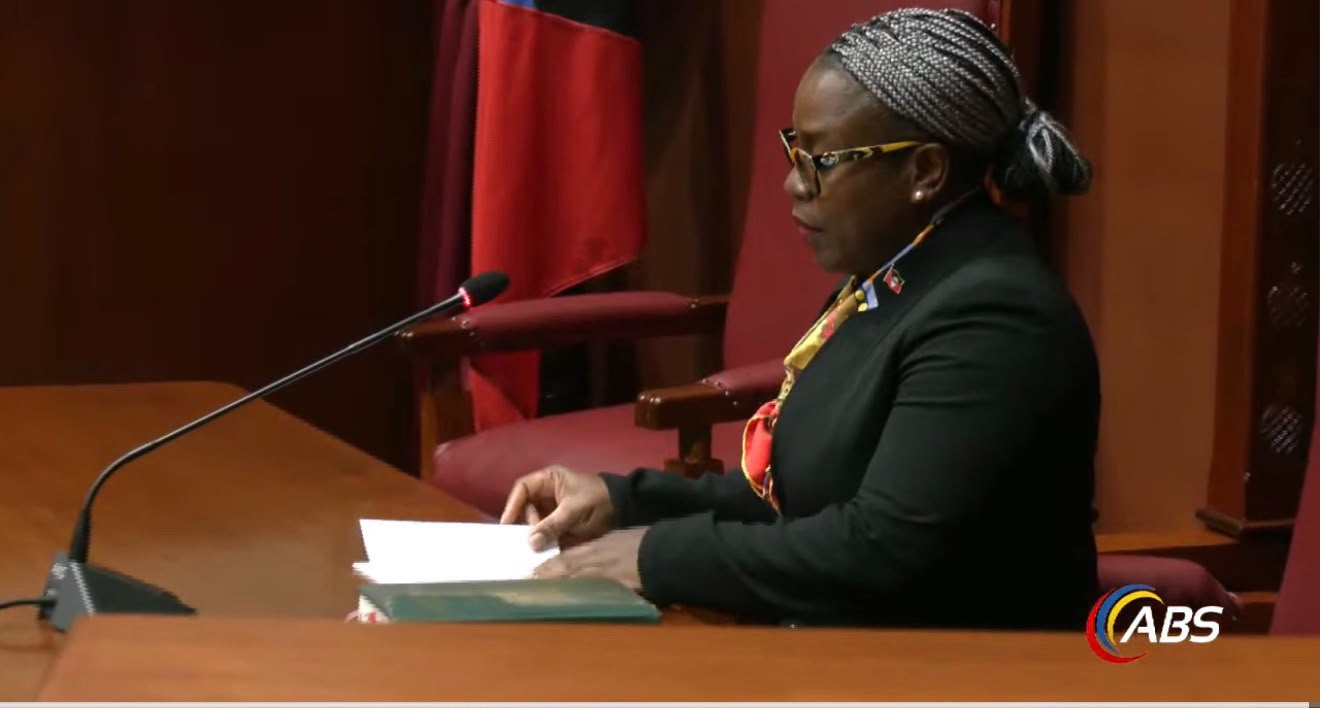
    On July 23, 2026, a contentious senate debate marked a notable shift in the dynamics of the nation’s legislative chamber, according to an opinion piece shared by a regular observer of parliamentary proceedings, Alex. For years, this observer has followed senate debates from home via television broadcasts, but this particular session stood out for an unprecedented display of assertiveness from Senate President Alincia Williams-Grant.

    Widely known for her calm, measured approach to presiding over senate business, Williams-Grant publicly expressed visible frustration during the debate, a departure from her typical composed demeanor. The observer notes that this outburst was not unprovoked: opposition senators, particularly senior Senator Malaka Parker, pushed the Senate President outside her usual professional comfort zone with aggressive procedural challenges and pointed questioning.

    Public and political commentary has already split over Williams-Grant’s reaction, with some critics framing her response as evidence of partisan bias, while others dismiss it as a calculated political maneuver. But from the writer’s perspective, the Senate President’s conduct reaffirms her reputation as a thoroughly professional, even-handed leader who has consistently demonstrated remarkable patience and composure throughout her tenure.

    Beyond her leadership skills, the author highlights Williams-Grant’s extraordinary linguistic command: she speaks the formal King’s English with striking eloquence and clear articulation, and has a unique, impressive ability to seamlessly code-switch to the local native dialect when emphasizing key points for legislators and audiences watching at home. This skill, the writer argues, makes her uniquely effective at uniting and guiding the chamber during tense moments, and deserves public recognition.

    Turning to the newly seated opposition senate cohort, the observer offers rare praise, arguing that this group of legislators is the strongest opposition bloc assembled in decades. The performance during the July 23 debate makes clear that this is a cohesive, well-prepared team that will emerge as a formidable political force in the chamber over the coming term. Led by Senators Chester Hughes, Malaka Parker, Ashworth Azille, and Johnathan Wehner, the opposition has already demonstrated that they are fully prepared to tackle tough policy debates and push back against government initiatives aggressively.

    This new, energized opposition means that ruling party senators, despite holding a numerical majority in the chamber, will not face an easy, unchallenged term. The July 23 debate was merely a preview of the tense, confrontational legislative battles ahead. In the coming sessions, observers should expect more frequent emotional outbursts, increased cross-talk between opposing sides, and more frequent procedural clashes than have been seen in previous terms.

    Despite the rising tensions, the writer expresses unwavering confidence that Williams-Grant has the skill and authority to maintain order and keep all senators accountable. The stern public warning she issued during the July debate should serve as a clear wake-up call to legislators on both sides of the aisle: the rules of the chamber will be enforced firmly going forward, and business as usual will not be tolerated. As the writer puts it, Williams-Grant has already made her expectations clear, and all senators would be wise to heed her warning.

  • OECS welcomes new Cuban ambassador, highlights longstanding partnership

    OECS welcomes new Cuban ambassador, highlights longstanding partnership

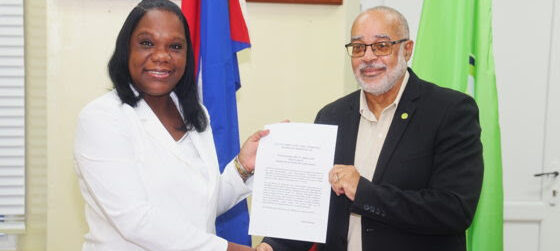
    On August 16, 2026, a pivotal diplomatic accreditation ceremony marked a new chapter in the long-standing partnership between Cuba and the Organisation of Eastern Caribbean States (OECS), as Havana’s newly appointed Ambassador-Designate Her Excellency Yenielys Vilma Regueiferos Linares formally presented her credentials to OECS Director General Dr. Didacus Jules. The event served not only as a formal welcome for the new envoy but also as a public reaffirmation of the deep, values-driven ties that have bound the bloc and the Caribbean island nation for generations.

    In his opening remarks during the ceremony, Dr. Jules highlighted the extraordinary consistency of Cuba’s support for Eastern Caribbean nations, even amid the severe, long-running challenges Cuba has navigated domestically. He pointedly referenced the decades-long economic embargo that has constrained Cuba’s development for over 60 years, noting that through periods of economic hardship, international isolation, and domestic strain, Cuba has never stepped back from its commitment to the Caribbean region.

    “Few nations have demonstrated that solidarity as consistently, or as generously, as Cuba,” Dr. Jules stated. “Through every challenge Cuba itself has faced: economic hardship, isolation, the weight of an embargo now well into its seventh decade, it has never wavered in extending a hand to our region and people.”

    Dr. Jules emphasized that the OECS-Cuba relationship is rooted in mutual respect, collective solidarity, and a shared dedication to lifting communities across the region. He reminded Ambassador Regueiferos Linares that the OECS bloc views Cuba as an enduring, trusted friend, pointing to the decades of tangible contributions Cubans have made to regional welfare: Cuban medical professionals have cared for OECS citizens who fell ill, Cuban universities have trained generations of Caribbean leaders, and this support has never been conditional on the economic size or political influence of OECS member states.

    Looking ahead, Dr. Jules outlined priorities for deepening collaboration, identifying health systems strengthening, expanded educational access, improved disaster resilience, sustainable agricultural development, and collaborative ocean governance as key focus areas for future joint work. He reaffirmed the OECS’ full commitment to growing the partnership to advance sustainable development and improve quality of life for all people across the Eastern Caribbean.

    The OECS statement underscored that the decades of cooperation between Cuba and OECS member states have already delivered transformative, life-changing benefits for communities across the region. Key initiatives that have become cornerstones of the partnership include the EverProTe programme, which advances treatment for diabetic foot ulcers; the Yes I Can literacy campaign, which has expanded access to basic education for thousands; and Operation Miracle, a landmark medical program that has restored sight to tens of thousands of people across the Caribbean. The partnership also delivered critical support during the global COVID-19 pandemic, when Cuban medical brigades deployed to the region to support strained local health systems. Beyond health, Cuba has provided hundreds of scholarships for Caribbean students to pursue higher education, and offered rapid emergency assistance to OECS member states in the aftermath of hurricanes and other natural disasters.

    In her address following the accreditation, Ambassador Regueiferos Linares reinforced Cuba’s unwavering commitment to continued regional solidarity, stating that the countries and territories of the OECS can always rely on the support of the Cuban people. She also extended heartfelt gratitude to the OECS for its ongoing support as Cuba navigates severe ongoing economic and geopolitical headwinds.

    The ambassador outlined the acute strain current constraints have placed on Cuban society, noting that the country has only received one oil delivery vessel in the past seven months. “The impact is unbelievable in hospitals, schools, senior centres, children in need and in general all sectors of society,” she said. “To the OECS from the heart of every Cuban…’thank you’.”

    She further emphasized that in today’s unstable, deeply unequal and complex global order, small island nations face a growing array of shared cross-border challenges. Only through intentional unity, regional integration, and collective cooperation can countries effectively respond to the chaotic global landscape, she argued.

    The ceremony was attended by fellow regional ambassadors, who offered formal congratulations to Ambassador Regueiferos Linares and expressed their full support for her work during her tenure as Cuba’s top diplomatic representative to the OECS.

  • CFPA welcomes Dominica abortion law ruling as step forward for women’s health rights

    CFPA welcomes Dominica abortion law ruling as step forward for women’s health rights

    A landmark ruling from the Eastern Caribbean Supreme Court has struck down the unconstitutional criminalization of abortion in Dominica for a narrow set of specific circumstances, drawing praise from the Caribbean Family Planning Affiliation (CFPA), a leading regional advocate for sexual and reproductive health rights. The court’s decision decriminalizes abortion procedures in cases involving rape, incest, life-threatening risks to the pregnant person’s life or health, and diagnoses of severe fetal impairment.

    Rev. Patricia Sheerattan-Bisnauth, chief executive officer of CFPA, framed the ruling as a meaningful milestone for gender equity and human rights across the region, even as she acknowledged it falls short of the full decriminalization that many reproductive justice advocates have long demanded. “While this ruling is not far-reaching, it is nonetheless a significant step forward,” Sheerattan-Bisnauth said in an official statement. “It affirms that women and girls should never face criminal punishment for seeking essential healthcare under the most difficult and traumatic circumstances. It also recognizes that laws rooted in our colonial past can no longer deny women their constitutional rights, health, and dignity.”

    For decades, broad abortion criminalization across the Caribbean has created disproportionate harm for marginalized groups, CFPA emphasized. Low-income women, adolescent girls, survivors of sexual violence, and people facing systemic barriers to healthcare access have borne the brunt of punitive laws, the organization noted. Criminalization does not eliminate abortion, CFPA argues, but instead drives procedures underground, fuels systemic gender inequality, deepens stigma around reproductive care, and forces vulnerable people into life-threatening situations.

    Roxanne Christopher, CFPA’s board president, highlighted the collective effort that led to the court’s decision, extending recognition to the women who launched the legal challenge, the healthcare providers who continued to prioritize patient care despite legal risks, and the legal teams and civil society organizations that supported the case. “As a regional organization committed to sexual and reproductive health and rights, CFPA believes that every woman deserves access to compassionate, evidence-based healthcare delivered with dignity, respect, and without fear of criminal sanction,” Christopher said. “Women’s health is not a privilege; it is a fundamental human right.”

    The ruling, which was grounded in Dominica’s constitutional protections and widely accepted international human rights frameworks, carries broader implications for reproductive rights conversations across the entire Caribbean region, CFPA noted. The organization stressed that the decision confirms the inherent link between protecting women’s health and upholding universal human rights standards. Even so, CFPA was clear that the court’s action is only a first step toward comprehensive reproductive justice across the region. The organization pointed out that the vast majority of women and girls across the Caribbean still live under restrictive abortion laws, face widespread stigma when seeking reproductive care, and encounter persistent barriers to accessing affordable, high-quality services.

    Moving forward, CFPA is calling on regional governments, policymakers, healthcare systems, faith leaders, civil society groups, and local communities to continue constructive, rights-centered dialogue on women’s health and wellbeing. Achieving further progress, the organization says, will require sustained action: broad legal reform to remove punitive restrictions, expanded access to affordable contraception, comprehensive evidence-based sexuality education, investment in high-quality maternal healthcare, and targeted efforts to eliminate systemic discrimination and stigma surrounding reproductive care.

    Founded as a regional collective, CFPA works across the Caribbean to advance sexual and reproductive health and rights, with core priorities including expanding access to quality care, advancing gender equality, upholding universal human rights, and creating equitable opportunities for women and young people across the region.

  • PM: Crime data shows T&T is becoming safer

    PM: Crime data shows T&T is becoming safer

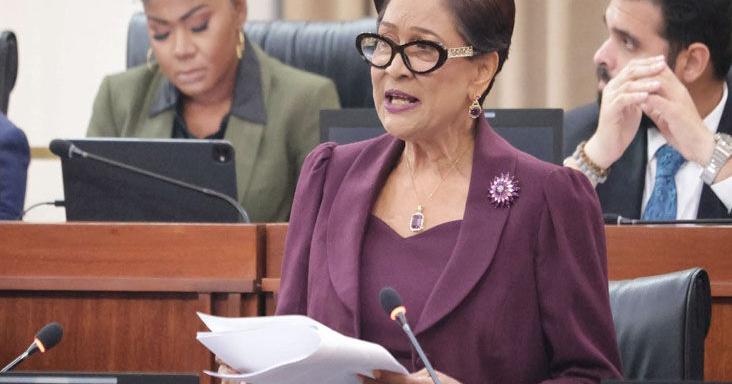
    Trinidad and Tobago’s Prime Minister Kamla Persad-Bissessar has released newly released police crime statistics to back up claims that her administration’s national anti-crime strategy is delivering tangible results, pointing to a 15% year-over-year reduction in reported serious offenses across the country.

    In an official update shared to social media platforms Friday, Persad-Bissessar outlined that data compiled by the Trinidad and Tobago Police Service (TTPS) shows a clear downward trend in serious criminal activity. Comparing crime figures from the January 1 to July 20 window in 2025 and the same period in 2026, the TTPS recorded 6,469 serious crimes in 2025, against just 5,514 incidents this year. That marks a net drop of 955 serious offenses across the six-and-a-half month period.

    “The data clearly shows a safer T&T in 2026 with a nationwide decrease in serious crimes,” Persad-Bissessar wrote in her post.

    Regional breakdowns of the data show uneven but widespread reductions across the country’s police divisions. The Northern Division recorded the steepest decline at 32%, followed closely by the North Eastern Division which saw a 30% drop in serious crime. Both the Eastern and Central divisions notched 22% reductions over the same period. When compared to 2024 figures for the same January to July window, 2026’s serious crime count is 1,217 offenses lower, underscoring a multi-year downward trajectory.

    Persad-Bissessar attributed the falling crime rates directly to her government’s comprehensive anti-crime strategy and the ongoing national state of emergency (SoE) implemented to curb violent criminal activity. She noted that the drop in overall serious crime aligns with separate data showing murder counts are roughly 400 cases lower than projections for the July 2025 to July 2026 period. This alignment, she argued, confirms that coordinated efforts between TTPS officers and the national government are moving the needle on public safety.

    “This data on serious crimes declines combined with the data showing that there has been approximately 400 LESS murders than projected in 2025 to July 2026 clearly shows that the TTPS and Government are making steady progress with anti-crime efforts during the SoE,” the Prime Minister said.

    Despite the positive trends, Persad-Bissessar stopped short of declaring victory over the country’s long-standing crime challenges, emphasizing that considerable work remains to drive crime rates even lower. “Trinidad and Tobago is becoming safer but there is still a lot of work ahead to bring down the numbers further,” she added.

    Closing her statement, the Prime Minister extended formal recognition to the country’s protective services, praising frontline officers for their consistent diligence in working to improve community safety. She also issued a public call for continued collaboration between citizens and law enforcement to sustain the recent progress. “I encourage citizens to support our protective services who are working diligently to bring safety, security and happiness to our communities,” she said.

  • A dark day in our history, say business leaders

    A dark day in our history, say business leaders

    Thirty-six years after the fateful July 27 1990 attempted coup that shook Trinidad and Tobago to its core, the nation’s top business leaders are marking the somber anniversary by revisiting the trauma of that day, highlighting the country’s remarkable resilience, and emphasizing the urgent ongoing need to protect democratic institutions and national unity.

    Dianne Joseph, president of the Trinidad and Tobago Coalition of Services Industries (TTCSI), shared her vivid first-person account of the crisis with the Express in an emailed interview. Joseph recalled wrapping up her workday and heading home just as breaking news of the unrest began to spread. “At first, information was scarce, and much of what circulated seemed to be rumours. Reports of looting, fires, government leaders being taken hostage, and widespread unrest created an atmosphere of confusion and anxiety. With traffic at a standstill and little certainty about what was happening, my only priority was reaching home safely to my family,” she described.

    It was not until later that evening, as Joseph gathered with her family to watch live television coverage, that the full magnitude of the unprecedented crisis became clear. What began as vague uncertainty quickly shifted to tangible concern: for the safety of loved ones, for job security, and for the availability of essential supplies. Like thousands of other anxious citizens across the country, Joseph rushed to local supermarkets to stock up on groceries and critical necessities as the nation grappled to process the sudden collapse of normal order.

    Amid the chaos and fear, Joseph singled out for praise the courage and dedication of the country’s media professionals, who continued working around the clock in dangerous conditions to deliver consistent, real-time updates to the public. “Their commitment demonstrated the vital role of responsible journalism during national emergencies,” she noted. More than three decades later, Joseph said the memories of that day still stir deep emotions of fear, uncertainty, and reflection among all who lived through the crisis.

    Joseph stressed that the attempted coup left lasting scars that have never fully healed for countless Trinidadians and Tobagonians. Families still mourn the deaths of loved ones killed in the violence, former hostages continue to cope with lifelong physical and emotional trauma, local businesses suffered devastating and often irreparable losses from looting and property destruction, and thousands of individuals were pushed into severe financial hardship. “For many, the emotional impact remains long after the physical damage was repaired,” she said.

    Looking back, Joseph argued that the 1990 crisis leaves an enduring, critical lesson for the nation: every segment of society, from national leaders and security agencies to ordinary citizens, must remain constantly vigilant to defend democratic governance. “Every credible threat deserves careful investigation, and proactive measures are essential to safeguard the nation,” she stated.

    In a message to all those whose lives were forever altered by the coup – families who lost loved ones, people who survived being held hostage, and everyone affected by the violence – Joseph offered recognition and solidarity. “Your pain has not been forgotten. The courage and resilience you have shown continue to inspire our nation. While no words can erase the grief or restore what was lost, may the love of family, the support of our communities, and the passage of time continue to bring comfort and healing. As a nation, we honour the memories of those who died, stand with those who suffered, and renew our commitment to building a T&T where peace, compassion, justice, and unity always triumph over violence and fear,” she said.

    Baldath Maharaj, president of the Chaguanas Chamber of Industry and Commerce, shared his own recollection of the day and echoed Joseph’s core message. Maharaj, who was also returning from work when news of the coup broke, recalled the pervasive unease, rampant misinformation, and all-consuming uncertainty that gripped the country in the immediate aftermath of the uprising. “In those immediate hours and the tense days that followed, none of us knew what to expect, whether basic public utilities would remain functional, or how many lives was lost or would be lost. That period was a dark stain on our otherwise peaceful country, exposing just how suddenly our daily life, public safety, and economic activity could be thrown into disarray. It was a tragedy that should never, under any circumstances, be repeated,” Maharaj said in a WhatsApp interview.

    Maharaj emphasized that the 1990 crisis was a searing lesson for Trinidad and Tobago, and particularly its business community, about the devastating human and economic cost of political instability. “Beyond the tragic loss of life and the deep trauma felt by families, the breakdown of order led to widespread destruction, loss of livelihoods, and fear across every sector. The takeaway from 1990 is that violence, illegal force, and lawlessness have no place in a civilised society. No matter what political, economic, or social hurdles our country faces, our solutions must always be pursued through democratic processes, open dialogue, and the rule of law,” he said.

    “As we reflect on this anniversary, our lesson must be to actively safeguard the peace we so deeply value. Stability, public safety, and national security are the essential foundations upon which every family builds a future and every enterprise operates,” Maharaj added.

    Dr Ramesh Ramdeen, chief executive officer of the Trinidad and Tobago Manufacturers’ Association (TTMA), reflected on the profound transformation Trinidad and Tobago has undergone in the 36 years since the coup, expressing admiration for how far the nation has come. “As we reflect on those times, we can’t help but marvel at where we are today, rising like a phoenix from the ashes, but at the same time, simultaneously sympathise with those that lost life, liberty, business and hope at that time,” Ramdeen told the Express.

    Ramdeen highlighted the extraordinary resilience of Trinidad and Tobago’s business and manufacturing sector in the decades following the crisis. “Today, the non-energy manufacturing base of T&T has sustained itself and grown and has been the drivers and economic growth for the better part of the last decade. It is leading the diversification drive, while continuing to be a significant employer of people and more and more are becoming earners of foreign exchange, bringing this invaluable resource into the economy,” he explained.

    On this 36th anniversary, Ramdeen said the nation joins together to commemorate and pay tribute to all those who stood firm and held the country together through the dangerous, uncertain days and weeks of the 1990 attempted coup.