Thirty-six years after the fateful July 27 1990 attempted coup that shook Trinidad and Tobago to its core, the nation’s top business leaders are marking the somber anniversary by revisiting the trauma of that day, highlighting the country’s remarkable resilience, and emphasizing the urgent ongoing need to protect democratic institutions and national unity.
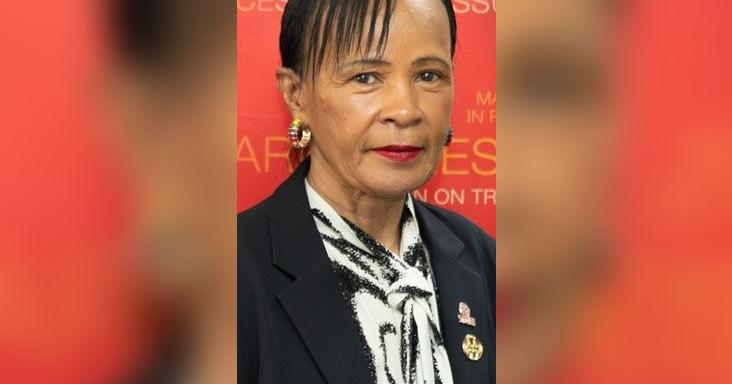
Dianne Joseph, president of the Trinidad and Tobago Coalition of Services Industries (TTCSI), shared her vivid first-person account of the crisis with the Express in an emailed interview. Joseph recalled wrapping up her workday and heading home just as breaking news of the unrest began to spread. “At first, information was scarce, and much of what circulated seemed to be rumours. Reports of looting, fires, government leaders being taken hostage, and widespread unrest created an atmosphere of confusion and anxiety. With traffic at a standstill and little certainty about what was happening, my only priority was reaching home safely to my family,” she described.
It was not until later that evening, as Joseph gathered with her family to watch live television coverage, that the full magnitude of the unprecedented crisis became clear. What began as vague uncertainty quickly shifted to tangible concern: for the safety of loved ones, for job security, and for the availability of essential supplies. Like thousands of other anxious citizens across the country, Joseph rushed to local supermarkets to stock up on groceries and critical necessities as the nation grappled to process the sudden collapse of normal order.
Amid the chaos and fear, Joseph singled out for praise the courage and dedication of the country’s media professionals, who continued working around the clock in dangerous conditions to deliver consistent, real-time updates to the public. “Their commitment demonstrated the vital role of responsible journalism during national emergencies,” she noted. More than three decades later, Joseph said the memories of that day still stir deep emotions of fear, uncertainty, and reflection among all who lived through the crisis.
Joseph stressed that the attempted coup left lasting scars that have never fully healed for countless Trinidadians and Tobagonians. Families still mourn the deaths of loved ones killed in the violence, former hostages continue to cope with lifelong physical and emotional trauma, local businesses suffered devastating and often irreparable losses from looting and property destruction, and thousands of individuals were pushed into severe financial hardship. “For many, the emotional impact remains long after the physical damage was repaired,” she said.
Looking back, Joseph argued that the 1990 crisis leaves an enduring, critical lesson for the nation: every segment of society, from national leaders and security agencies to ordinary citizens, must remain constantly vigilant to defend democratic governance. “Every credible threat deserves careful investigation, and proactive measures are essential to safeguard the nation,” she stated.
In a message to all those whose lives were forever altered by the coup – families who lost loved ones, people who survived being held hostage, and everyone affected by the violence – Joseph offered recognition and solidarity. “Your pain has not been forgotten. The courage and resilience you have shown continue to inspire our nation. While no words can erase the grief or restore what was lost, may the love of family, the support of our communities, and the passage of time continue to bring comfort and healing. As a nation, we honour the memories of those who died, stand with those who suffered, and renew our commitment to building a T&T where peace, compassion, justice, and unity always triumph over violence and fear,” she said.
Baldath Maharaj, president of the Chaguanas Chamber of Industry and Commerce, shared his own recollection of the day and echoed Joseph’s core message. Maharaj, who was also returning from work when news of the coup broke, recalled the pervasive unease, rampant misinformation, and all-consuming uncertainty that gripped the country in the immediate aftermath of the uprising. “In those immediate hours and the tense days that followed, none of us knew what to expect, whether basic public utilities would remain functional, or how many lives was lost or would be lost. That period was a dark stain on our otherwise peaceful country, exposing just how suddenly our daily life, public safety, and economic activity could be thrown into disarray. It was a tragedy that should never, under any circumstances, be repeated,” Maharaj said in a WhatsApp interview.
Maharaj emphasized that the 1990 crisis was a searing lesson for Trinidad and Tobago, and particularly its business community, about the devastating human and economic cost of political instability. “Beyond the tragic loss of life and the deep trauma felt by families, the breakdown of order led to widespread destruction, loss of livelihoods, and fear across every sector. The takeaway from 1990 is that violence, illegal force, and lawlessness have no place in a civilised society. No matter what political, economic, or social hurdles our country faces, our solutions must always be pursued through democratic processes, open dialogue, and the rule of law,” he said.
“As we reflect on this anniversary, our lesson must be to actively safeguard the peace we so deeply value. Stability, public safety, and national security are the essential foundations upon which every family builds a future and every enterprise operates,” Maharaj added.
Dr Ramesh Ramdeen, chief executive officer of the Trinidad and Tobago Manufacturers’ Association (TTMA), reflected on the profound transformation Trinidad and Tobago has undergone in the 36 years since the coup, expressing admiration for how far the nation has come. “As we reflect on those times, we can’t help but marvel at where we are today, rising like a phoenix from the ashes, but at the same time, simultaneously sympathise with those that lost life, liberty, business and hope at that time,” Ramdeen told the Express.
Ramdeen highlighted the extraordinary resilience of Trinidad and Tobago’s business and manufacturing sector in the decades following the crisis. “Today, the non-energy manufacturing base of T&T has sustained itself and grown and has been the drivers and economic growth for the better part of the last decade. It is leading the diversification drive, while continuing to be a significant employer of people and more and more are becoming earners of foreign exchange, bringing this invaluable resource into the economy,” he explained.
On this 36th anniversary, Ramdeen said the nation joins together to commemorate and pay tribute to all those who stood firm and held the country together through the dangerous, uncertain days and weeks of the 1990 attempted coup.