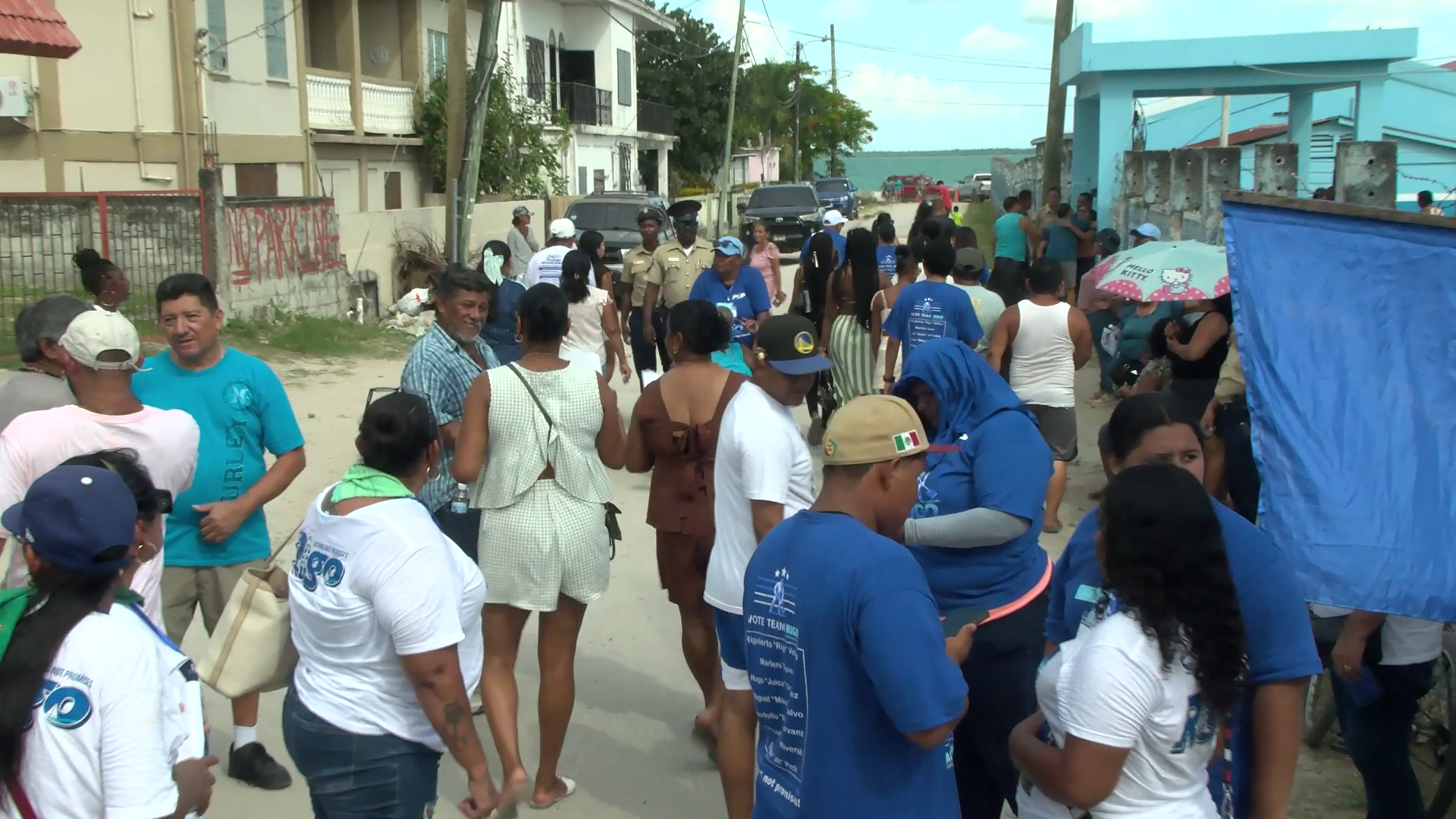
On August 10, 2026, allegations of illicit vote-buying overshadowed the People’s United Party (PUP) convention held in Corozal over the preceding Sunday, opening a debate over democratic integrity in internal party processes that operate outside the strict regulatory frameworks of general or municipal elections. Local outlet News Five received multiple anonymous claims that backers of Shajarie Rogers’ Team Rogers had been compensating voters at a private property near the convention site. When reporters visited the location to verify the accusations, they observed moderate foot traffic but observed no suspicious activity and did not witness any direct exchange of cash for votes. The accusations were quickly met with counter-claims from Team Rogers, who levied identical vote-buying allegations against the opposing slate led by Rigoberto Vellos, the incumbent Mayor of Corozal Town. While internal party contests are not bound by the same electoral oversight rules that govern official government elections, political observers note that any verified vote-buying in these contests still erodes the foundation of intra-party democracy and undermines public trust in party processes. In direct interviews with both faction leaders, reporters pressed each side to respond to the allegations against their teams. Incumbent Corozal Town Mayor Rigoberto Vellos, who ultimately claimed the convention win, confirmed that he had heard widespread rumors of opposing leaders distributing cash to sway voters, but denied any wrongdoing on his own part. “I do believe that certain leaders are giving out money. I have heard it. Some of us have seen it,” Vellos told reporters. When pressed directly on whether he had personally funded vote-buying operations, Vellos pushed back firmly: “I don’t have money sir. I don’t have money. My money will be spent on me and who I can help and of course I will dedicate myself to my community. I don’t need to pay people to win a convention or an election.” Shajarie Rogers, Vellos’ opponent and PUP mayoral aspirant for Corozal Town, similarly denied all claims of vote-buying linked to his campaign. When asked about the allegations, Rogers stated that his campaign had only worked with voters who chose to support them of their own free will, adding “We are working with who comes to vote for us honestly. So I wouldn’t know.” When reporters clarified to confirm that Team Rogers had not compensated any voters, Rogers replied definitively: “Absolutely not. As far as Team Rogers is concerned, we are not paying anyone.” Reporters also reached out to Thea Garcia-Ramirez, the Corozal Bay Area Representative, to ask about her activity on convention day and her perspective on the allegations. Garcia-Ramirez shared that she had spent the day resting at home to prepare for the coming week’s work at her government ministry, noting that she was already focused on two ongoing public advocacy campaigns unrelated to the intra-party contest. “There is a lot of work that we do at the ministry. I am sure you know we have two campaigns moving forward. We have the Blue Teddy Bear Campaign and recently a campaign to end sexual violence against children and teenagers and young people,” she explained. Early the following morning, Belize Prime Minister John Briceño publicly congratulated Vellos and his campaign slate on their convention victory via the social platform X. This report is a transcribed excerpt from News Five’s evening television broadcast, with Kriol language content translated and transcribed using a standardized spelling system for public accessibility.
分类: politics
-
UDP Unveils Municipal Candidates in Dangriga & Benque
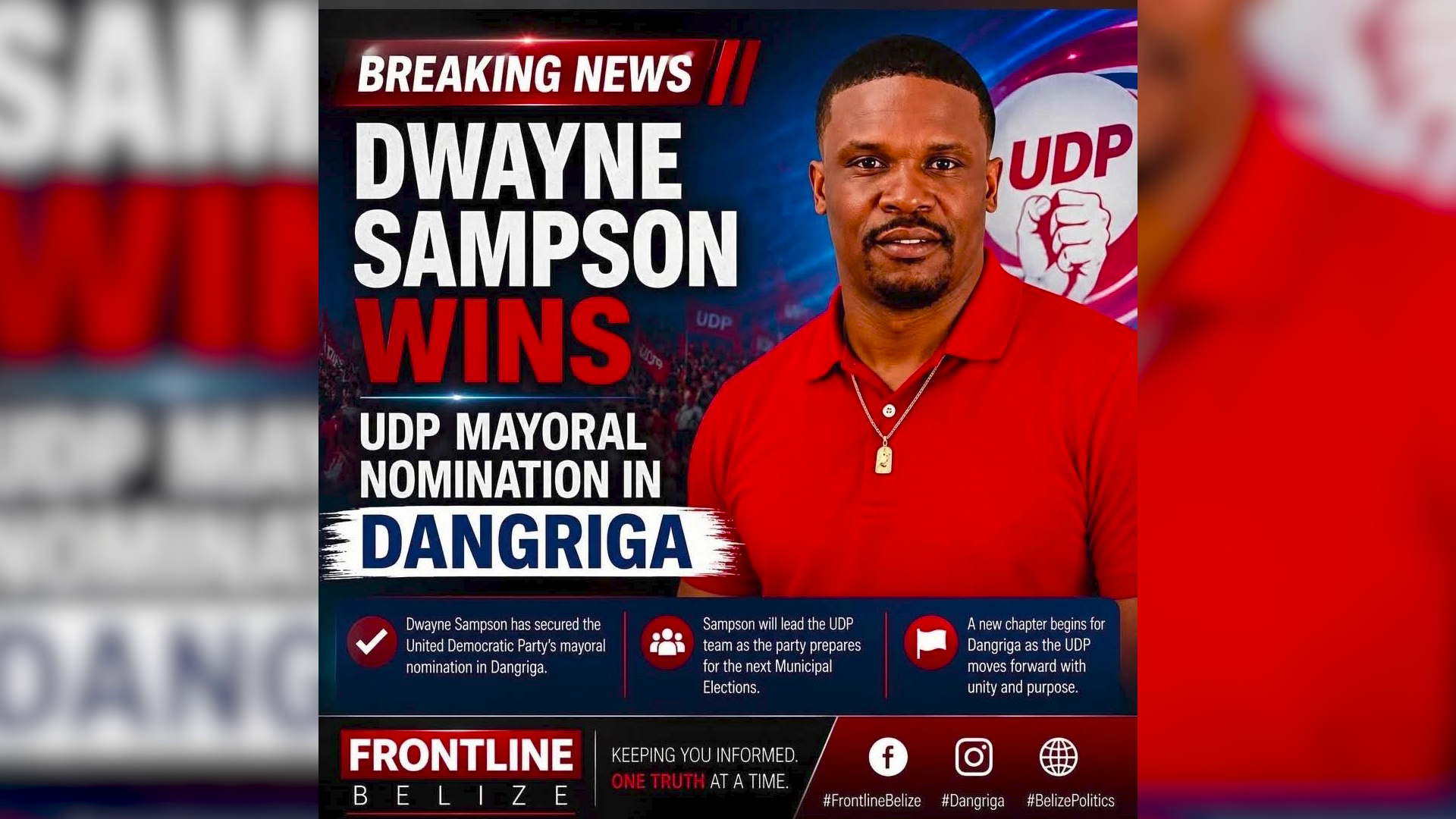
As Belize prepares for its 2027 municipal elections, the United Democratic Party (UDP) has locked in its mayoral candidates for two key municipalities: Dangriga and Benque Viejo del Carmen, following internal party nomination contests held over the weekend.
In Dangriga’s mayoral nomination race, Dwayne Sampson secured a decisive victory over challenger Christalyn Castillo, with final vote counts putting Sampson at 687 votes against Castillo’s 195. Over in Benque Viejo del Carmen, Yusuf Guerra claimed the UDP mayoral nomination by defeating contender Danette Mendez; Mendez will remain on the party’s ticket as one of six candidates vying for municipal council seats in the upcoming 2027 vote.
Shortly after his nomination win, Sampson sat down for an interview with local outlet News Five to outline his policy platform and background as he prepares for the general municipal election. A community organizer with nearly 20 years of on-the-ground service in Dangriga, Sampson noted that his longstanding ties to the area have translated to strong grassroots support for his campaign.
The candidate, who previously sought office as an independent before joining the UDP, praised the party’s commitment to open democratic processes during the nomination contest. “One thing I can say about the United Democratic Party is that they deliver on democracy. They use the democratic process, and that is what is good — they give everybody a fair chance,” Sampson said, adding that the transition from independent politics to running under the UDP banner has been overwhelmingly positive, with full support from party leadership and members.
When outlining his policy priorities for Dangriga, Sampson highlighted two core goals that his full campaign slate, dubbed Team Sampson, will push forward if elected. First, the team plans to expand and revitalize the municipality’s tourism sector by centering its unique Garifuna cultural heritage. Sampson pointed to Marsha Mejia, one of his council candidates, who already has years of experience working to preserve and promote Garifuna culture in the region, as a key leader for this initiative. Second, the team aims to improve accessibility and accountability for local constituents: Sampson noted that many Dangriga residents report confusion over which councilor represents their district, and struggle to connect with elected officials to raise concerns. To fix this gap, Team Sampson plans to introduce regular scheduled “clinic days” where each councilor will be available to meet one-on-one with residents to address their needs.
Looking ahead to the 2027 general municipal election, Sampson expressed full confidence in his chances of victory, saying that Dangriga voters know him well, and understand the leadership style and values he brings to local government.
-
Judges Challenge CCJ President’s Leadership
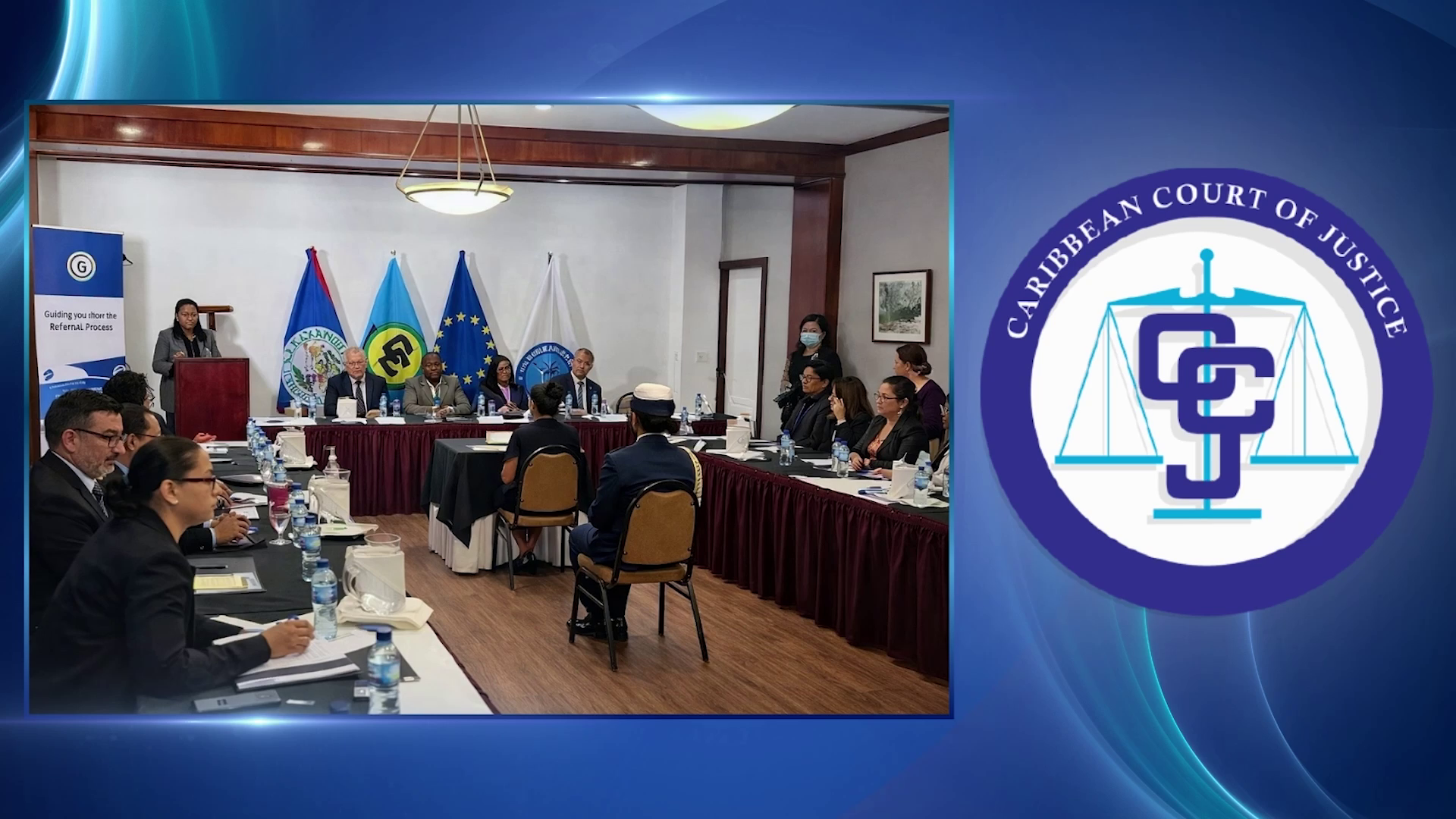
An explosive investigative report released by Trinidad’s *Sunday Express* has thrown the Caribbean Court of Justice (CCJ) into unprecedented turmoil, after unearthing serious internal accusations from five of the court’s six sitting judges against its president, Justice Winston Anderson.
The leak of internal judicial correspondence has pulled back the curtain on growing friction within the regional judicial body, which first began as a disagreement over a proposed new judicial dress code. What started as a narrow policy dispute quickly ballooned into a sweeping rebuke of Anderson’s leadership, with the sitting judges leveling three major claims against the CCJ president: that he employs an authoritarian management style, manipulates judicial panel assignments, and has attempted to interfere with the outcome of pending judicial decisions.
According to details from the published investigation, the judges’ complaints extend even to high-profile cases currently moving through the court. Multiple high-stakes matters originating from Belize were specifically cited in the internal communications between judges as examples of problematic oversight. Beyond the specific cases, judges warned of deepening institutional dysfunction: one judge described the court’s working atmosphere as increasingly “toxic”, while another labeled the top leadership’s decision-making processes as fundamentally anti-democratic.
In an official statement responding to the public revelations, the CCJ moved quickly to defend its institutional integrity and long-standing commitment to judicial independence. The court argued that the leaked allegations, released stripped of their full contextual background, are open to misinterpretation, and reaffirmed that the body continues to adhere to all core principles of ethical judicial conduct.
As news of the internal rift spreads across the Caribbean region, legal observers and regional governance analysts are now grappling with one pressing question: Is the CCJ, one of the Caribbean’s most important regional judicial institutions, facing its most severe internal crisis in its institutional history? The unfolding dispute has also raised broader questions about judicial governance and independence across the Caribbean’s regional legal framework, with stakeholders waiting for further transparency from the court to address the growing list of concerns.
-
Teen’s death prompts DLP medical fund call
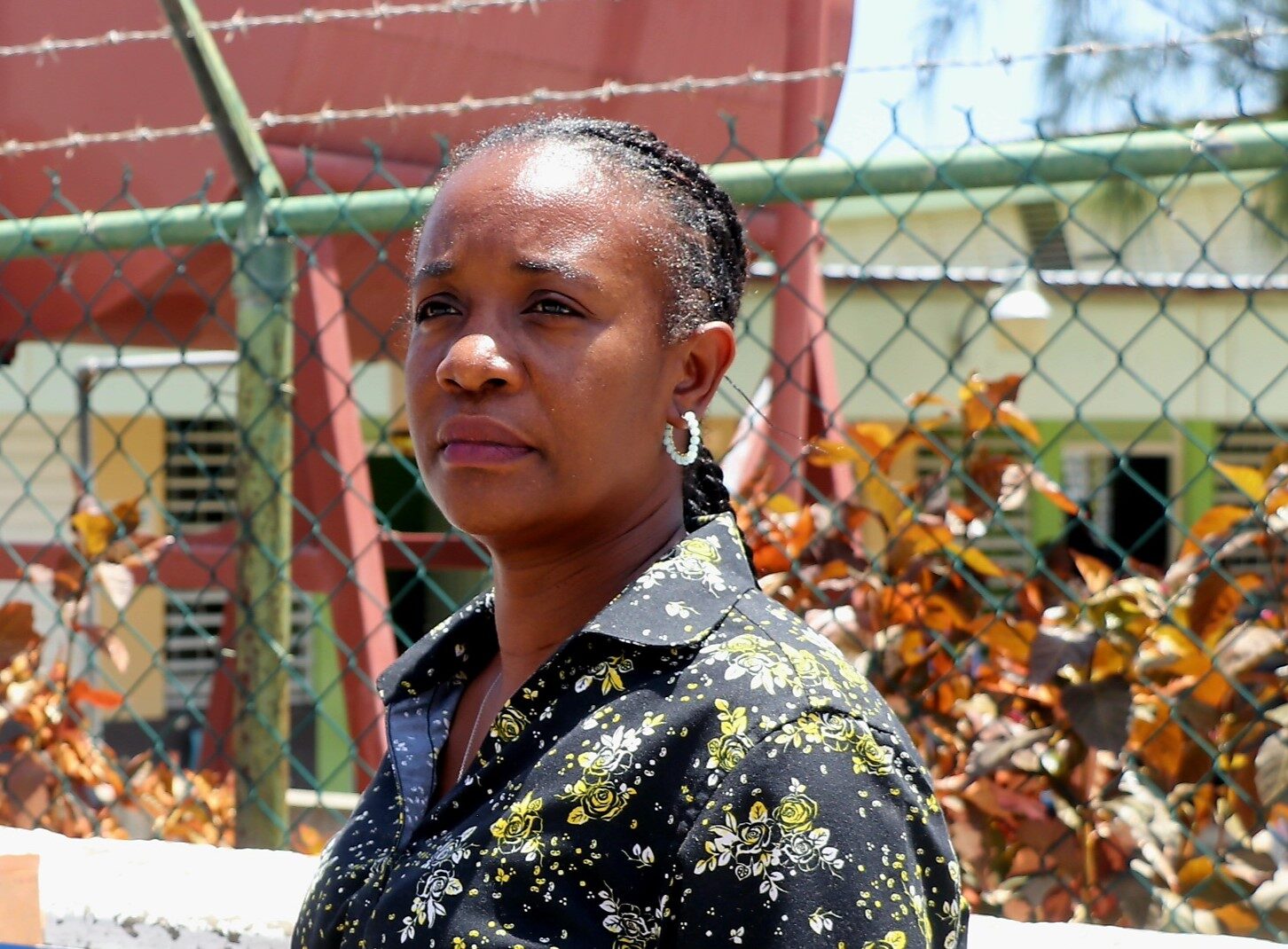
The passing of 14-year-old Trashaun Atwell, who lost a two-year fight against acute myeloid leukaemia (AML), has sparked a urgent policy proposal from Barbados’ Democratic Labour Party (DLP): the creation of a permanent, state-funded National Catastrophic Illness Fund for Children and Young People. The opposition party argues that relying on public crowd-funding to cover life-saving specialized medical costs for children is an inadequate substitute for formal, systemic healthcare policy.
DLP’s spokesperson for Health and Elder Affairs, Felicia Dujon, announced the proposal on Monday while extending formal condolences to Atwell’s family. At the time of his death, the teenager was waiting for a life-saving bone marrow transplant, a procedure not available locally in Barbados. Dujon emphasized that Atwell’s death should not fade into forgotten headlines, but instead push the nation to confront a gaping hole in the country’s healthcare framework: what options exist when a Bajan child needs unaffordable life-saving treatment?
In her official statement, Dujon called for a broader public review of the growing trend of families turning to online fund-raising platforms like GoFundMe when their children are diagnosed with cancer and other life-threatening conditions. She noted that countless desperate parents have been forced to share their most private grief in public, begging strangers for funds to keep their children alive. While the widespread generosity of the Barbadian public is a point of national pride, Dujon stressed that this voluntary goodwill cannot replace a structured, government-backed healthcare support system.
Under the DLP’s plan, the proposed national fund would draw financing from the national government budget, and cover a wide range of critical costs that families currently struggle to afford. These include off-island medical treatment and surgery, bone marrow and organ transplants, specialized cancer medications and targeted therapies, custom medical equipment, specialist consultations, and even travel and accommodation expenses linked to receiving treatment abroad.
Dujon also highlighted the need for formal, pre-arranged partnerships with leading specialist hospitals and medical centers outside of Barbados to handle care that cannot be provided locally. “When a child requires a bone marrow transplant, specialised cancer treatment or another procedure that cannot be provided here, there should be a clear and properly funded pathway to get that child to the care they need,” she said, adding that families should not be forced to navigate complex international healthcare systems alone while their child battles for survival.
Beyond financial support, the DLP is also calling for the creation of a dedicated case management system to guide families through referrals, overseas treatment logistics, financial assistance applications and other administrative challenges. Dujon outlined three core requirements for the fund: it must receive consistent adequate financing, operate with full administrative transparency, and be able to deploy support quickly to families in crisis.
“A GoFundMe campaign should never determine whether a child receives life-saving treatment. A child’s chance of survival must never depend on the size of their parents’ bank account, their social connections or how quickly a fundraising appeal can reach the public,” Dujon said.
While the DLP acknowledged that no government can prevent every childhood illness or guarantee a positive medical outcome for every patient, the party argues that financial hardship should never be an additional, preventable barrier to accessing life-saving care. The opposition has called for inclusive consultations with medical professionals, patient advocacy groups, charitable organizations, and families affected by catastrophic childhood illness to guide the establishment of the fund.
“We cannot bring him back, but we can ensure that his passing becomes a catalyst for meaningful change,” Dujon said. “When a child is fighting for life, the State must be fighting alongside that child and that family.”
For public context, AML is a fast-growing cancer that impacts the blood and bone marrow, the tissue where blood cells are produced. It develops when immature myeloid cells accumulate in the bone marrow and bloodstream, crowding out healthy blood cells and leading to symptoms including fatigue, increased infection risk, unexplained bruising and bleeding. While AML is more commonly diagnosed in adults, it can affect children and requires immediate specialized care, typically including chemotherapy, and in high-risk cases, a stem cell or bone marrow transplant.
-
Antigua and Barbuda Cabinet Approves 60-Day Grace Period for Immigrants to Regularize Status
In a specially called gathering held on Monday, August 10, 2026, the Cabinet of Antigua and Barbuda has formally signed off on a sweeping package of policy adjustments designed to fortify the nation’s border infrastructure and upgrade overall domestic national security. The high-stakes meeting brought together a broad cross-section of key national security stakeholders, including members of the country’s National Security Council, top command from the Royal Police Force of Antigua and Barbuda, senior leadership of the Antigua and Barbuda Defence Force, executive representatives from the Office of National Drug and Money Laundering Control Policy (ONDCP), senior management from the Immigration Department and Customs and Excise Division, as well as leadership from the National Solid Waste Management Authority.
One of the most impactful policy changes approved during the session is an immediate implementation of a 60-day grace period for foreign nationals residing in the country with expired legal immigration status. This window gives affected individuals a set period to resolve their documentation issues by formalizing their status with the national Immigration Department. Any person who does not complete the status regularization process within the allocated 60 days will be required to exit Antigua and Barbuda, per the new policy terms. Cabinet officials clarified that individuals who are required to leave due to unregularized status do not face a permanent ban: they are eligible to reapply for entry to the country at a future date, provided they meet all standard existing immigration requirements for new applicants.
In an official statement following the meeting, the Cabinet explained that the 60-day timeline was deliberately chosen to strike a balance between administrative efficiency and fair treatment of affected individuals. The grace period is intended to offer those with lapsed documentation a reasonable, low-pressure opportunity to bring their status into compliance, while also supporting the government’s broader goal of tightening the country’s border management systems and reinforcing the national security framework that protects all residents. The national government is actively urging every person impacted by this policy change to take advantage of the amnesty window to resolve their immigration status and align their residency with the formal laws of Antigua and Barbuda, avoiding enforcement action that will follow after the grace period expires.
-
Pierre rejects SSDF claims, says UWP completed zero audits
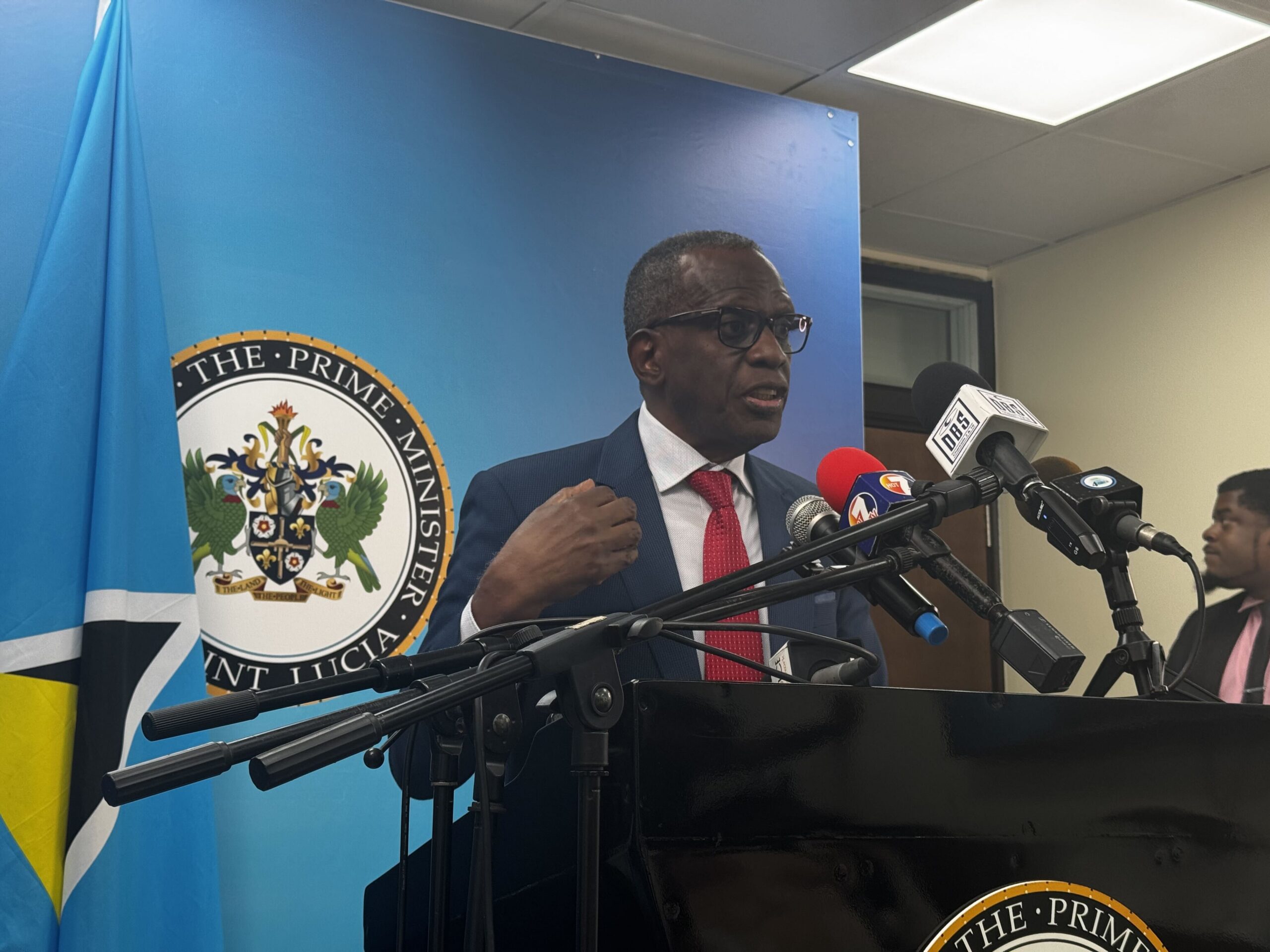
A political controversy over missing audited financial statements at the Saint Lucia Social Development Fund (SSDF) has intensified, as Prime Minister Philip J. Pierre has pushed back against opposition criticism by placing responsibility for the backlog squarely on the former United Workers Party (UWP) administration.
Addressing reporters at Monday’s pre-cabinet press briefing, Pierre rejected accusations that his Saint Lucia Labour Party government has failed to complete any audits since returning to power in 2021, labeling the claim as a deliberate and high-level falsehood. He clarified that the only completed audits for the SSDF in recent years—covering the 2016/17 and 2017/18 fiscal periods—were only finalized in March 2023, nearly two full years after his administration took office. This timeline, Pierre emphasized, confirms that no audits of the SSDF were completed during the UWP’s 2016 to 2021 tenure.
“All during the tenure of the present leader of the opposition as Minister of Finance, he has not prepared one set of financial statements for the SSDF,” Pierre told the briefing, referring to opposition leader Allen Chastanet.
Pierre explained that after taking office, the current SSDF board prioritized clearing the backlog of outstanding financial reporting, but encountered significant barriers when key supporting documentation for the years under the previous administration could not be located. The absence of these critical records made it impossible to produce fully verified, unqualified statements for the backlogged period, leading the board and independent auditors to proceed with qualified financial statements instead. For context, a qualified audit indicates that auditors encountered gaps or issues that prevented them from giving a full, clean sign-off on the organization’s financial records.
Moving forward, Pierre said the SSDF’s priority is to close out the backlogged years and work toward delivering unqualified, or clean, audits for all recent fiscal periods. A clean audit confirms that auditors have found no significant issues, and that financial statements fairly represent the organization’s financial position. Under the current plan, Pierre noted, the SSDF board aims to complete this full cleanup process by the end of 2026.
The Prime Minister’s comments came in direct response to public criticism from Chastanet, who raised concerns about the SSDF’s financial reporting in communications sent outside of Saint Lucia. According to Pierre, Chastanet sent letters detailing his claims to foreign embassies, international development partners, and key regional entities including the Caribbean Development Bank (CDB). Pierre argued that this move risks undermining Saint Lucia’s international reputation and damaging the country’s long-standing collaborative relationships with global funding partners.
“The entire world has been told that my government failed to prepare the financial statements,” Pierre said. “Here you have a gentleman who was leader of a country writing a falsity when he himself, who was Minister of Finance for five years, never prepared financial statements.”
Pierre also took care to draw a clear distinction between the backlog of audited annual financial statements and the SSDF’s ongoing reporting to its funding partners. He confirmed that annual reports for the Basic Needs Trust Fund, one of the SSDF’s key programs, have been submitted to the CDB on schedule every year. All donors, including Taiwan, have also received detailed breakdowns showing how their contributions to the SSDF have been allocated and used, he added. “Anyone who has contributed to SSDF has got a report on how the money was used,” Pierre stated.
The Prime Minister urged the public to approach discussions about the SSDF with care, highlighting the organization’s critical work supporting vulnerable communities across Saint Lucia, advancing poverty reduction initiatives, and delivering opportunities for young people. “I know what the SSDF means to the people of this country,” he said, describing the fund as “a very important organisation.”
Pierre also confirmed that shortly after taking office in 2021, he commissioned an independent special investigation into the SSDF’s operations, but has chosen not to release the resulting report to the public. He explained that the decision was made out of concern that public disclosure could harm the organization’s reputation and its ability to secure critical donor funding going forward. Even so, Pierre noted that the SSDF maintains a continuous process of internal review and is implementing procedural improvements to strengthen its financial management and reporting practices.
-
Opposition leader highlights declining CBI revenue, warns of repercussions
As Dominica prepares its national budget for the coming fiscal cycle, Opposition Leader Jesma Paul-Victor has sounded a public alarm over a sharp ongoing decline in revenue from the island nation’s high-profile Citizenship by Investment (CBI) programme, cautioning that the downward trend threatens core public development projects that have long depended on this funding stream.
For decades, Dominica’s CBI initiative — which grants citizenship to foreign investors in exchange for qualified financial contributions — has been a cornerstone of the country’s development financing. Paul-Victor acknowledged the programme’s outsized positive contributions to the country’s growth over the years, noting it has enabled the government to deliver critical public assets ranging from new schools and hospitals to affordable housing, paved road networks, clean water distribution systems, and large-scale climate resilience infrastructure that protects communities against extreme weather events.
Despite its track record of success, however, Paul-Victor warned that current revenue projections paint a worrying picture of steady decline. Data she presented during her official response to the government’s budget proposal shows the programme generated roughly $605 million in revenue in the last completed fiscal year. For the current fiscal cycle, the government has budgeted approximately $514.9 million in CBI revenue, marking a 15% drop from the previous year. Looking ahead to the 2027-2028 fiscal period, projections put CBI revenue at an even lower $474.8 million, extending the downward trajectory.
This consistent decline carries serious risks for all major development initiatives that rely on CBI funding, Paul-Victor emphasized. Beyond the immediate budget challenges, she argued that the trend exposes a critical long-term vulnerability: Dominica’s growing over-dependence on a single revenue stream to power its national development.
Drawing on lessons from global economic history, the opposition leader pointed to the risks that have plagued other small island developing states that relied too heavily on a single export or revenue source, from bananas and sugar to oil and tourism. No single economic pillar, she argued, can deliver consistent stable growth over the long term, and CBI is no exception.
To address this vulnerability, Paul-Victor called for a strategic shift in how CBI revenue is used. Instead of directing most funds to one-off infrastructure projects, she argued that a growing share of CBI proceeds should be invested in building long-term productive capacity across multiple economic sectors that can drive sustained private sector growth. Ultimately, she said, Dominica needs to build a diversified, multi-pillar economy that includes agriculture, tourism, manufacturing, international financial services, digital industries, renewable energy, education services, innovation, and the creative economy — reducing the nation’s exposure to shocks from any single revenue stream’s decline.
-

Paul-Victor wants Dominica among Caribbean’s easiest places to start a business
As the Caribbean nation of Dominica debates its upcoming 2026-2027 national budget, opposition leader Jesma Paul-Victor has put forward a sweeping economic blueprint designed to position the country as one of the most business-friendly destinations in the Caribbean. Delivering her official response to the government’s proposed budget last week, Paul-Victor anchored the opposition’s alternative economic strategy around private sector growth, arguing that empowering local entrepreneurs is the key to unlocking long-term, sustainable development for the island.
Paul-Victor emphasized that small and medium-sized enterprises (SMEs), which form the backbone of Dominica’s current economy, continue to grapple with a host of persistent barriers that stifle their growth. These challenges range from limited access to low-cost capital and skyrocketing operational overhead to lengthy bureaucratic delays for regulatory approvals and the inherent constraints of a small domestic consumer market. Without targeted policy intervention to address these pain points, she argued, the country will struggle to unlock its full economic potential.
To reverse these trends, the opposition leader has outlined a series of concrete policy reforms. Key proposals include streamlining the business registration process to cut wait times for new ventures, rolling out fully digital systems for business licensing and permit applications, establishing clear, predictable timelines for all regulatory reviews, and expanding targeted support services for local exporters looking to access regional and global markets. Beyond regulatory reform, Paul-Victor is also calling for the expansion of low-cost development financing for small businesses, alongside dedicated support programs to spur local innovation and help existing firms scale up their operations.
In outlining her vision, Paul-Victor stressed that the core responsibility of government is to cultivate an enabling environment where entrepreneurs can thrive. This, she argued, requires stripping away unnecessary bureaucratic barriers, simplifying outdated regulatory frameworks, and modernizing public services to meet the needs of a growing private sector. She pushed back against the current administration’s economic approach, noting that sustained national growth should not rely primarily on government spending and public contracts. Instead, she argued, future prosperity should be driven by the creativity, private investment, and entrepreneurial ambition of the Dominican people.
-

PM Browne Tells US Financing Agency Antigua and Barbuda Prefers Local Ownership and Retained Profits
As geopolitical competition for infrastructure influence intensifies across the Caribbean, Prime Minister Gaston Browne of Antigua and Barbuda has drawn a clear red line for international development financing: the small island nation will never cede full ownership of its critical national assets to foreign entities, even as it explores new funding options from the U.S. International Development Finance Corporation (DFC).
The DFC, which is actively expanding its footprint in the Caribbean to offer regional governments a Western-backed alternative to Chinese infrastructure lending, recently sent a delegation to St. John’s to pitch its multibillion-dollar development funding pool. Initially, the Antigua and Barbuda government had its sights set on securing approximately $100 million in DFC financing to upgrade the country’s main port and boost its growing transshipment operations, a key driver of the national economy.
But a core structural feature of DFC’s funding model quickly sparked concern from Browne’s administration. Unlike direct government-to-government lending, the DFC does not extend loans directly to sovereign states; instead, it channels capital to private sector actors looking to invest in emerging market projects. Browne warned that this framework would almost certainly lead to foreign corporations taking full control of strategically important national assets, with all profits generated from those investments sent overseas rather than reinvested in Antigua and Barbuda’s domestic economy.
While the prime minister confirmed the government has not ruled out working with the DFC entirely, he emphasized that this private-sector led model is not Antigua and Barbuda’s preferred path forward. “I believe in domestic ownership. Ownership is empowerment,” Browne stated in a clear articulation of the government’s development philosophy.
Browne drew a direct contrast between the DFC’s model and the concessional financing Antigua and Barbuda has previously secured from China for major infrastructure projects, including the country’s primary airport and seaport. Under the terms of those Chinese loans, Browne noted, Antigua and Barbuda retains full ownership of both the completed assets and all revenue they generate throughout the loan repayment period. “Our development model is one of ownership and retention of profits,” he said. “not one for opportunistic investments to facilitate the repatriation of profits.”
The prime minister went a step further, framing foreign-controlled development as an extractive economic model that echoes the Caribbean’s centuries-long experience of colonial rule, when outside powers owned the region’s most productive assets and siphoned nearly all generated wealth out of local communities. Browne argued that the government’s preferred sovereign ownership model lets Antigua and Barbuda retain control of investment gains, keep revenue within national borders, and reinvest profits into ongoing social and economic development that benefits local citizens directly.
Despite his strong reservations about the DFC’s standard financing structure, Browne noted that constructive discussions with the U.S. agency will continue. He added that the government remains open to exploring a modified joint ownership arrangement if proposed interest rates and other contractual terms are ultimately favorable to the small island nation.
Browne’s public stance comes amid a sharpening geopolitical rivalry between the United States and China for economic and diplomatic influence across the Caribbean, a region that has historically been considered within Washington’s sphere of influence but has seen growing Chinese investment and diplomatic engagement over the past two decades.
-

PM Says US Visa Restrictions Could Help Antigua Retain Skilled Workers
Against the backdrop of a sweeping shift in United States immigration policy, Antigua and Barbuda Prime Minister Gaston Browne has offered a surprising perspective on incoming tighter visa restrictions, arguing the rules could deliver an unplanned upside for the small Caribbean nation. Speaking during his regularly scheduled weekly radio address, Browne acknowledged that the new measures – most notably a proposed visa bond that could require some applicants to put down between $10,000 and $20,000 – would create significant hurdles for many citizens of Antigua and Barbuda seeking to travel to the US. But he urged local residents to remain calm and patient as Washington continues to reshape its global immigration framework. “I always believe in being positive and in every disappointment, it’s a blessing,” Browne told listeners. “There’ll be many blessings as a result of this new U.S. policy.” For decades, Antigua and Barbuda has grappled with persistent brain drain, a crisis that has seen thousands of the country’s most skilled professionals leave for opportunities abroad immediately after earning their academic and professional qualifications. Browne pointed out that tougher US visa rules would likely deter many of these workers from relocating, allowing the country to retain talent it invests heavily in training. The proposed visa bond at the center of current discussions is not a blanket requirement, the prime minister clarified. The fee would only be applied to applicants that US authorities deem to carry a higher risk of overstaying their approved visa terms, rather than applying to all Antigua and Barbuda citizens seeking entry to the US. Even as he highlighted this potential long-term benefit, Browne made clear that his administration remains opposed to the restrictive new measures and will continue diplomatic efforts to roll back the changes that impact his country’s citizens. He confirmed that he has already sent a formal letter to former US President Donald Trump requesting a full review of the policy, and that his government will keep advocating on behalf of any Antigua and Barbuda citizens affected by the tighter rules. Browne also pushed back against any speculation that the new restrictions are a targeted response to actions taken by his administration. Instead, he framed the changes as part of a broader national realignment of US immigration policy that all Caribbean nations need to acknowledge and adapt to. Regional governments, he argued, must proactively prepare for the new regulatory landscape and adjust their own domestic policies to account for tighter US entry rules.”