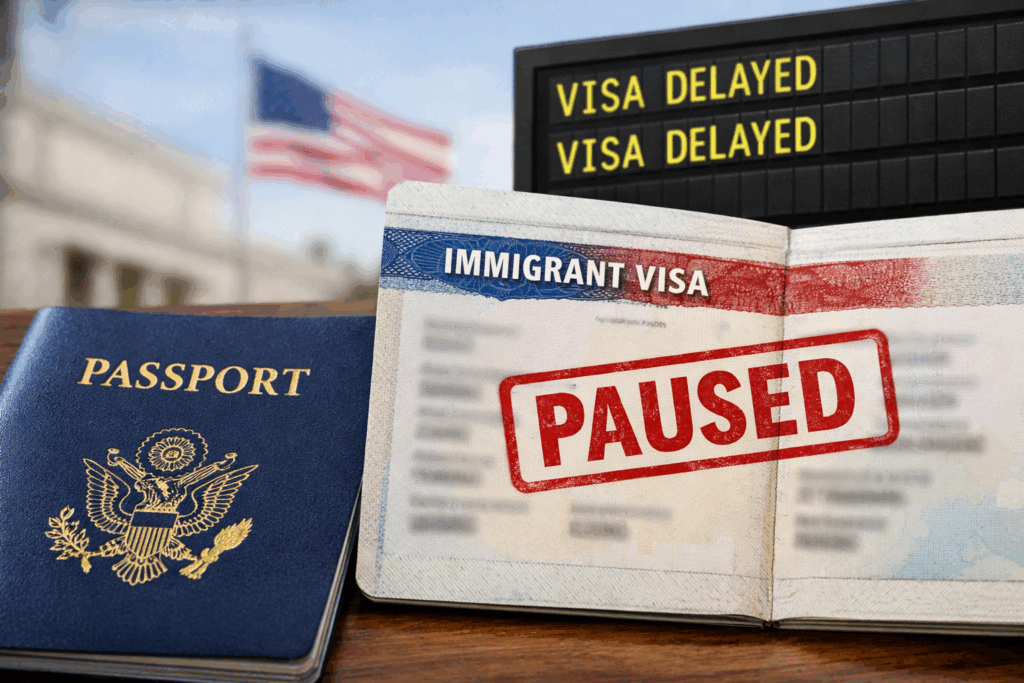
Against the backdrop of a sweeping shift in United States immigration policy, Antigua and Barbuda Prime Minister Gaston Browne has offered a surprising perspective on incoming tighter visa restrictions, arguing the rules could deliver an unplanned upside for the small Caribbean nation. Speaking during his regularly scheduled weekly radio address, Browne acknowledged that the new measures – most notably a proposed visa bond that could require some applicants to put down between $10,000 and $20,000 – would create significant hurdles for many citizens of Antigua and Barbuda seeking to travel to the US. But he urged local residents to remain calm and patient as Washington continues to reshape its global immigration framework. “I always believe in being positive and in every disappointment, it’s a blessing,” Browne told listeners. “There’ll be many blessings as a result of this new U.S. policy.” For decades, Antigua and Barbuda has grappled with persistent brain drain, a crisis that has seen thousands of the country’s most skilled professionals leave for opportunities abroad immediately after earning their academic and professional qualifications. Browne pointed out that tougher US visa rules would likely deter many of these workers from relocating, allowing the country to retain talent it invests heavily in training. The proposed visa bond at the center of current discussions is not a blanket requirement, the prime minister clarified. The fee would only be applied to applicants that US authorities deem to carry a higher risk of overstaying their approved visa terms, rather than applying to all Antigua and Barbuda citizens seeking entry to the US. Even as he highlighted this potential long-term benefit, Browne made clear that his administration remains opposed to the restrictive new measures and will continue diplomatic efforts to roll back the changes that impact his country’s citizens. He confirmed that he has already sent a formal letter to former US President Donald Trump requesting a full review of the policy, and that his government will keep advocating on behalf of any Antigua and Barbuda citizens affected by the tighter rules. Browne also pushed back against any speculation that the new restrictions are a targeted response to actions taken by his administration. Instead, he framed the changes as part of a broader national realignment of US immigration policy that all Caribbean nations need to acknowledge and adapt to. Regional governments, he argued, must proactively prepare for the new regulatory landscape and adjust their own domestic policies to account for tighter US entry rules.”
PM Says US Visa Restrictions Could Help Antigua Retain Skilled Workers