The passing of 14-year-old Trashaun Atwell, who lost a two-year fight against acute myeloid leukaemia (AML), has sparked a urgent policy proposal from Barbados’ Democratic Labour Party (DLP): the creation of a permanent, state-funded National Catastrophic Illness Fund for Children and Young People. The opposition party argues that relying on public crowd-funding to cover life-saving specialized medical costs for children is an inadequate substitute for formal, systemic healthcare policy.
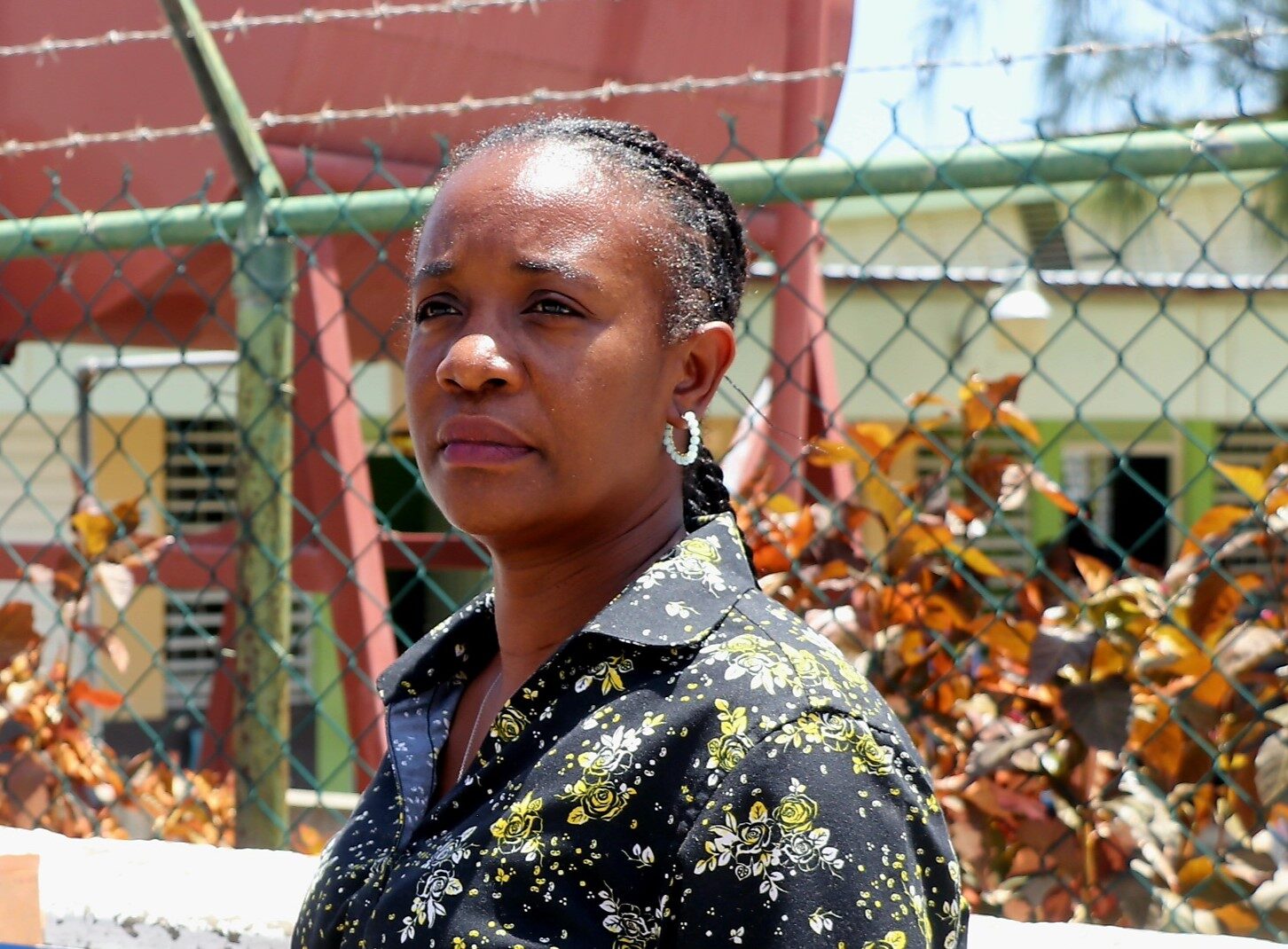
DLP’s spokesperson for Health and Elder Affairs, Felicia Dujon, announced the proposal on Monday while extending formal condolences to Atwell’s family. At the time of his death, the teenager was waiting for a life-saving bone marrow transplant, a procedure not available locally in Barbados. Dujon emphasized that Atwell’s death should not fade into forgotten headlines, but instead push the nation to confront a gaping hole in the country’s healthcare framework: what options exist when a Bajan child needs unaffordable life-saving treatment?
In her official statement, Dujon called for a broader public review of the growing trend of families turning to online fund-raising platforms like GoFundMe when their children are diagnosed with cancer and other life-threatening conditions. She noted that countless desperate parents have been forced to share their most private grief in public, begging strangers for funds to keep their children alive. While the widespread generosity of the Barbadian public is a point of national pride, Dujon stressed that this voluntary goodwill cannot replace a structured, government-backed healthcare support system.
Under the DLP’s plan, the proposed national fund would draw financing from the national government budget, and cover a wide range of critical costs that families currently struggle to afford. These include off-island medical treatment and surgery, bone marrow and organ transplants, specialized cancer medications and targeted therapies, custom medical equipment, specialist consultations, and even travel and accommodation expenses linked to receiving treatment abroad.
Dujon also highlighted the need for formal, pre-arranged partnerships with leading specialist hospitals and medical centers outside of Barbados to handle care that cannot be provided locally. “When a child requires a bone marrow transplant, specialised cancer treatment or another procedure that cannot be provided here, there should be a clear and properly funded pathway to get that child to the care they need,” she said, adding that families should not be forced to navigate complex international healthcare systems alone while their child battles for survival.
Beyond financial support, the DLP is also calling for the creation of a dedicated case management system to guide families through referrals, overseas treatment logistics, financial assistance applications and other administrative challenges. Dujon outlined three core requirements for the fund: it must receive consistent adequate financing, operate with full administrative transparency, and be able to deploy support quickly to families in crisis.
“A GoFundMe campaign should never determine whether a child receives life-saving treatment. A child’s chance of survival must never depend on the size of their parents’ bank account, their social connections or how quickly a fundraising appeal can reach the public,” Dujon said.
While the DLP acknowledged that no government can prevent every childhood illness or guarantee a positive medical outcome for every patient, the party argues that financial hardship should never be an additional, preventable barrier to accessing life-saving care. The opposition has called for inclusive consultations with medical professionals, patient advocacy groups, charitable organizations, and families affected by catastrophic childhood illness to guide the establishment of the fund.
“We cannot bring him back, but we can ensure that his passing becomes a catalyst for meaningful change,” Dujon said. “When a child is fighting for life, the State must be fighting alongside that child and that family.”
For public context, AML is a fast-growing cancer that impacts the blood and bone marrow, the tissue where blood cells are produced. It develops when immature myeloid cells accumulate in the bone marrow and bloodstream, crowding out healthy blood cells and leading to symptoms including fatigue, increased infection risk, unexplained bruising and bleeding. While AML is more commonly diagnosed in adults, it can affect children and requires immediate specialized care, typically including chemotherapy, and in high-risk cases, a stem cell or bone marrow transplant.