分类: politics

  • Somohardjo wil nationaal actieplan voor waarheidsvinding en slachtofferbescherming

    Somohardjo wil nationaal actieplan voor waarheidsvinding en slachtofferbescherming

    On August 11, a senior Surinamese politician has launched a formal push for systemic reforms to strengthen truth-finding processes and victim protection, sparked by widespread public unrest following the recent death of a 39-year-old woman.

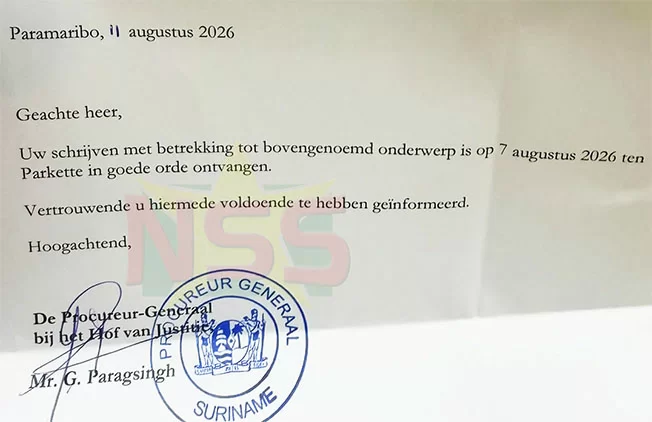
    Bronto Somohardjo, leader of the PL parliamentary faction, has submitted separate formal letters to Suriname’s prosecutor-general and Minister of Justice and Police Harish Monorath, laying out a call for long-term structural change that goes far beyond the single controversial case that ignited current public debate.

    In his correspondence with the prosecutor-general, Somohardjo stresses that he fully respects the independent mandate of the Public Prosecution Service. His request does not seek to influence the specific outcome of the ongoing high-profile death investigation, but rather to draw attention to the critical importance of upholding public trust in truth-finding processes for deaths that trigger broad societal turmoil.

    “My request explicitly does not concern any predetermined outcome for this individual case,” Somohardjo wrote. “I ask only that every Surinamese citizen can trust that the truth will be established independently, carefully, and without favor based on a person’s status.”

    In the separate letter to Justice Minister Monorath, Somohardjo formally proposes the development of a National Action Plan for Truth-Finding and Victim Protection, a framework designed to embed lasting improvements across the justice system. He outlined that the plan should prioritize multiple key objectives: boosting the quality of forensic investigative work, establishing clear standardized protocols for handling deaths that generate large-scale public attention, improving transparency and communication with surviving family members, expanding support services for victims, and rebuilding broader public confidence in the rule of law.

    “A rule of law must not only be fair – it must also be visibly fair,” Somohardjo argued in the letter, emphasizing that perceived fairness is just as critical as actual fairness to maintaining public trust in state institutions.

    The parliamentarian went on to clarify that his initiative is not limited to the current case that has dominated public discourse in recent weeks. “These letters are not about just one case file,” he explained. “They are about every Surinamese, who deserves to be able to trust that when a death raises major public questions, the truth will be pursued with equal effort, no matter the person’s name, social standing, or financial means.”

    Somohardjo confirmed that the two letters mark only the opening phase of a broader parliamentary push to strengthen public trust in truth-finding processes, victim protection frameworks, and the national rule of law. “No one may stand above the truth. No one may stand above the law,” the PL faction leader emphasized, underscoring the core principle guiding his proposal.
  • Taiwan welcomes PM Friday with military honour, state banquet

    Taiwan welcomes PM Friday with military honour, state banquet

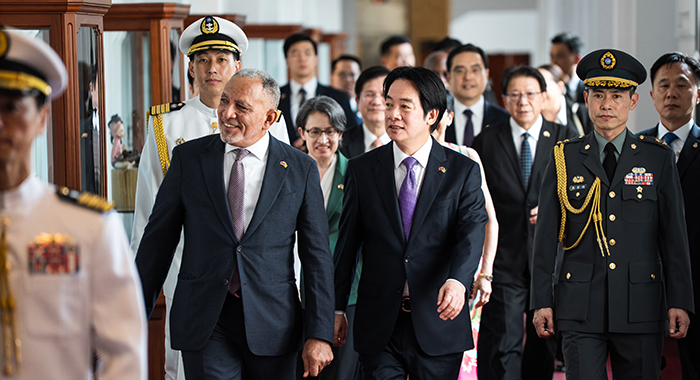
    St. Vincent and the Grenadines (SVG) Prime Minister Godwin Friday arrived in Taipei, Taiwan on Tuesday for an official visit, marking his first intercontinental overseas trip since he took office in November last year. He was extended a formal welcome with full military honours, capping off a day of diplomatic engagements designed to strengthen the 45-year bilateral relationship between the two sides.

    Leading a nine-member official delegation, Friday was first greeted at Taipei’s airport by Taiwan’s Minister of Foreign Affairs Lin Chia-Lung. Following the arrival ceremony, Lin hosted a private luncheon for Friday and his delegation, where the two sides held preliminary discussions on avenues to deepen cooperation and people-to-people ties ahead of higher-level talks.

    Later that afternoon, Friday was welcomed with formal military honours at Taiwan’s Office of the President, where he met with Taiwan leader Lai Ching-te. Speaking at the ceremony, Friday reaffirmed SVG’s commitment to building on the four-and-a-half decades of diplomatic relations between Kingstown and Taipei, which were first established on August 15, 1981 — just two years after SVG gained full independence.

    Reflecting on the evolution of the bilateral partnership, Friday noted that what began as a formal diplomatic recognition has grown into a deep, mutually beneficial alliance. “Over the years since, that initial act has blossomed into a deep and fruitful friendship. Indeed, I believe that St. Vincent and the Grenadines and Taiwan have become more than friends. We have become partners,” he said.

    Friday framed this partnership through two key global contexts: the ongoing exclusion of Taiwan from many major international forums, and the unique vulnerabilities small island developing states (SIDS) like SVG face in the face of climate change, natural disasters, and cascading global economic shocks driven by conflicts thousands of miles from Caribbean shores. Over 45 years, he emphasized, the two nations have weathered shared challenges together, and the history of their ties provides a foundation — but not the limit — for future collaboration.

    Outlining his administration’s core priorities, Friday stated that SVG’s central mandate is improving living standards for all Vincentians amid a challenging global economic climate. He added that this goal requires partnership with a nation that shares a commitment to people-centered development, a standard he said Taiwan has consistently met. “Taiwan has demonstrated exactly that. You have shown the world what is possible when innovation, enterprise and human talent are deliberately cultivated,” he noted, adding that Taiwan’s outsized global impact defies assumptions about the limitations of its size, powered by the resourcefulness of its people.

    For four and a half decades, Friday said, Taiwan has invested in developing human capital in SVG, and in return, SVG has consistently advocated for Taiwan’s interests in multilateral bodies including the United Nations, its specialized agencies, and INTERPOL. He pledged that this support would continue and expand in the coming years.

    Looking ahead to expanded economic cooperation, Friday identified four key priority sectors for targeted investment in SVG: agriculture, tourism, the blue economy (encompassing fisheries, marinas and other maritime resources), and the new economy, which includes sports, creative industries, entertainment and information technology. He stressed that even modest investment in SVG can deliver outsized gains, creating new opportunities and quality jobs for local workers, echoing Taiwan’s example of pursuing ambitious people-centered goals regardless of a nation’s size.

    Highlighting SVG’s competitive advantages, Friday noted the Caribbean nation boasts a skilled workforce, extraordinary natural landscapes, a strategic regional position, and a government committed to building a pro-investment regulatory environment that supports business growth and shared prosperity. “What we do now will determine what this relationship means to the Vincentian and Taiwanese children who will inherit it. That is the responsibility of leadership: to honour what we inherit but never to be satisfied with simply preserving it. We must leave it stronger, more meaningful and more useful for those who come after,” he said.

    Framing his visit as an opportunity to write the next chapter of the bilateral relationship, Friday concluded his remarks by thanking Lai and the Taiwanese people for their warm, distinguished welcome, expressing optimism about the shared work ahead. Following the formal honour ceremony, Lai and Friday held closed-door bilateral discussions to advance cooperation across priority areas. Lai later hosted a formal state banquet in honour of the SVG delegation, and the day concluded with a visit to Taipei’s iconic Shilin Night Market. Friday remarked that the vibrant local market offered a useful blueprint for the future development of Middle Street in Kingstown, SVG’s capital.

    The nine-member delegation includes Friday’s wife Ave Friday, SVG Minister of Foreign Affairs, Foreign Trade, Foreign Investments and Diaspora Affairs Dwight Fitzgerald Bramble, Attorney General Louise Mitchell, Ambassador for Finance, Climate and Investment Kevin Hope, Press Secretary Danielle Veira, Research Officer Addison Thomas, and Close Protection Officers Desrick Quashie and Twana Da Silva. The trip is being coordinated by SVG’s Ambassador to Taiwan Kenton X. Chance, his wife Symantha Chance, and the staff of SVG’s embassy in Taipei. Friday and his delegation are scheduled to depart Taiwan and return to SVG on August 16.

  • Govt considering Fox Hill land for about 80 affordable homes

    Govt considering Fox Hill land for about 80 affordable homes

    A transformative affordable housing initiative could soon move forward in Fox Hill, The Bahamas, as the current Davis administration weighs plans to convert roughly 13 acres of underused vacant land along Bernard Road into a residential subdivision holding approximately 80 new homes, local Member of Parliament Fred Mitchell confirmed this week.

    Mitchell shared details of the proposal during a stop at St Paul’s Baptist Church, part of the annual cross-community church visits that kick off the region’s iconic Fox Hill Day celebration season. The vacant site, situated directly across from the 700 Wines and Spirits retail outlet, has been offered to the national government following a series of failed prior development attempts by private actors, according to Mitchell.

    For the Fox Hill community, affordable housing has remained one of the most pressing unmet needs for residents in recent years, making the proposed subdivision a potentially game-changing solution for local families seeking stable, accessible homeownership. “I think if we could develop the 13 acres it would be wonderful,” Mitchell told attendees at the church service. “I think you could probably get 80 homes in there or so and it would be a good thing, and hopefully affordable housing for people because housing is a big issue in this area.”

    The announcement came amid a long-standing tradition that unites the country’s major political parties around the annual Fox Hill Day celebrations. This year, delegations from both the ruling Progressive Liberal Party and the opposition Free National Movement traveled across the community to join services at four key local congregations: St Paul’s Baptist Church, Macedonia Baptist Church, Mount Carey Union Baptist Church, and St Mark’s Native Baptist Church. In keeping with custom, parliamentarians from both parties joined together to form a combined choir for the services and delivered official presentations to each host church. This year’s program also featured youth-focused programming, including performance pieces and short comedy skits created and performed by local children.

    The multi-day church visits serve as the opening segment of the broader Fox Hill Day festival, an annual gathering that draws together neighborhood residents, faith leaders, local nonprofits, and political figures to honor the area’s distinct history, cultural roots, and shared heritage. Held every year on the second Tuesday of August, Fox Hill Day holds the distinction of being the oldest continuously running festival in The Bahamas. The event traces its origins to 1838, when it was established to commemorate the formal emancipation of enslaved Africans across the Bahamas. Today, celebrations retain their traditional core, blending interdenominational church services, authentic Bahamian cuisine and beverages, and widespread community singing and dancing.

  • Santo Domingo and Puerto Rico’s Aguadilla partner to expand economic and cultural cooperation

    Santo Domingo and Puerto Rico’s Aguadilla partner to expand economic and cultural cooperation

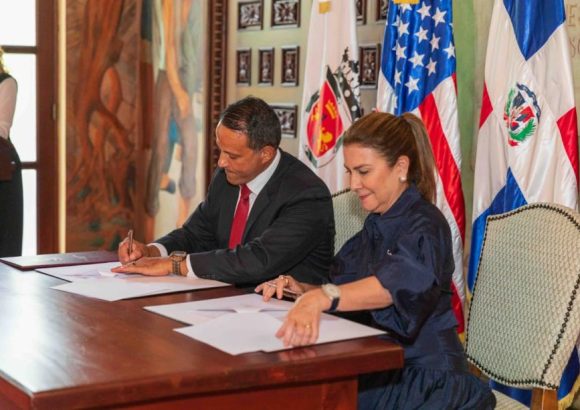
    A new chapter of cross-island collaboration between two Caribbean municipalities has officially begun, as leaders from the Dominican Republic and Puerto Rico put pen to paper on a landmark sister city twinning agreement. On Wednesday, Carolina Mejía, mayor of the Dominican capital Santo Domingo, and Julio Roldán Concepción, mayor of the Puerto Rican coastal city of Aguadilla, formalized the partnership during a signing ceremony held at Santo Domingo’s City Hall.

    Far from a symbolic gesture, the agreement lays out a comprehensive multi-sector framework for joint work between the two local governments. The partnership covers a broad range of areas of mutual interest, from trade promotion, sustainable tourism development, and inclusive economic growth to educational exchanges, cultural programming, environmental conservation, and municipal administration innovation. It also places specific emphasis on creating opportunities to share expertise in two key community-focused projects: the revitalization of underused public spaces and sustainable park management.

    Speaking after the signing, Mejía framed the new sister city relationship as a distinct honor for Santo Domingo, emphasizing that both municipalities stand to gain significantly from pooling their knowledge and aligning their efforts. “By opening channels to share our unique local experiences, we can work hand in hand to raise the quality of public services for all the residents we serve,” Mejía noted.

    For his part, Roldán Concepción shared that the formal agreement was the culmination of three years of grassroots and administrative work, dating back to 2021 when both mayors first took office. He expressed enthusiasm that the long-discussed relationship between the two cities was now officially codified, cementing their status as official sister communities.

    Beyond the direct benefits for the two municipalities, the agreement is designed to reinforce the deep, decades-long cultural and economic bonds that already exist between the Dominican Republic and Puerto Rico. By formalizing local-level cooperation, the partnership paves the way for new collaborative opportunities that benefit not just city governments, but ordinary residents and community groups on both sides of the relationship.

  • PM Browne Seeks Public’s Advice on Removing Judges Over Lenient Sentences

    PM Browne Seeks Public’s Advice on Removing Judges Over Lenient Sentences

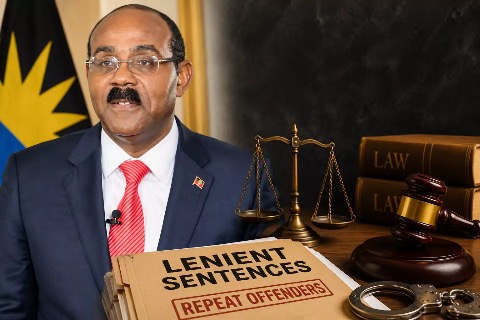
    The prime minister of Antigua and Barbuda, Gaston Browne, has reignited a long-running debate over the separation of powers between the executive and judicial branches of government, after announcing that his administration is considering action against justices who have overseen lenient sentencing for serious gun-related offenses.

    Years ago, Browne confirmed, parliament approved legislation that raised the maximum prison sentence for gun crimes to 15 years, a change driven by growing public concern over rampant gun violence in the country. At the time of the reform, members of the national judiciary advised the government against enacting mandatory minimum sentencing for these offenses. They argued that binding minimum sentences would unnecessarily limit judicial discretion, amounting to an overreach into the independent authority of the judicial branch.

    But despite the government’s compromise on that point, Browne says the current arrangement has led to a troubling outcome: a significant portion of the judiciary is misusing the discretionary power granted to them. Specifically, justices have been handing down unusually light sentences to repeat violent offenders and individuals convicted of particularly heinous violent crimes connected to illegal firearms.

    The prime minister warned that this pattern of lenient sentencing has created a tangible public safety crisis across the nation. To date, he estimates, roughly 250 convicted repeat offenders have been released early after serving short sentences, placing an unprecedented strain on local law enforcement agencies that are forced to continually re-arrest and re-process the same offenders. More importantly, Browne emphasized, these early releases put the broader public at constant risk of additional violent gun crime.

    Under the nation’s constitutional framework, Browne noted, the executive branch holds the legal authority to request the removal of underperforming or non-compliant judicial officials from active judicial jurisdiction. He went on to raise a second, more extreme option for non-citizen justices who refuse to step back from the bench after a formal request: if the judiciary fails to act to remove these lenient-sentencing justices, should the executive exercise its power to deport them from the country entirely? Browne framed the step as a measure justified by national security interests, arguing that the government has a core duty to protect citizens from the threat of violent crime enabled by irresponsible sentencing.

    Rather than moving forward unilaterally, the prime minister announced he is actively seeking input and guidance from the general public on how the government should proceed, opening a rare public consultation on a sensitive constitutional issue.

  • New UWP candidate for Salisbury, Cara Shillingford, promises effective representation for constituents

    New UWP candidate for Salisbury, Cara Shillingford, promises effective representation for constituents

    In a decisive move that sets the stage for Dominica’s upcoming general election, attorney Cara Shillingford has been unanimously chosen as the United Workers Party (UWP) candidate to contest the parliamentary seat covering the Salisbury, Morne Rachette and Coulibistrie constituency. The historic selection took place during a well-attended meeting of the UWP Salisbury Constituency Association held this past weekend.

    Shortly after securing the party’s nomination, Shillingford shared her remarks during an interview on Q95 Radio’s popular current affairs programme *Talk on the Block*, hosted by Matt Peltier. There, she opened by extending heartfelt gratitude to constituency party members for the overwhelming trust they placed in her candidacy.

    “As you saw, I was unanimously elected as the next candidate for the United Workers’ Party for the Salisbury, Morne Rachette and Coulibistrie constituency,” Shillingford stated. “I am immensely grateful to the members of my constituency for placing their trust and confidence in me. I will try my best to ensure that they receive the representation that they deserve.”

    Beyond advocating for her constituency, Shillingford made clear that her broader priority is helping the UWP win a majority and form the next national government. She argued that Dominica currently lacks people-centered leadership, asserting that the island nation needs an administration that prioritizes public welfare and leverages the country’s natural and economic resources to lift up all Dominican citizens, rather than serving narrow interests.

    When explaining what pushed her to step into frontline electoral politics, Shillingford leveled sharp criticism at the long-ruling Dominica Labour Party, which has held national office for 26 years. She claimed the incumbent administration has failed to deliver sustained improvements to the daily lives of ordinary Dominican people, saying conditions across the country have steadily declined under its watch.

    “I can say with full confidence that the Dominica Labour Party has demonstrated that it does not have the will and the capacity to do what is necessary to improve the lives of Dominicans,” she said. “Things are getting from bad to worse.”

    Shillingford noted that while she plans to continue working as a practicing attorney, she reached a point where she could not remain on the political sidelines. She emphasized that meaningful, lasting progress on legal reform, policy change, and equitable economic growth can only be achieved from within government, adding that she could not in good conscience watch the country decline without acting.

    “I cannot, with good conscience, simply sit by and allow my country to go downhill,” she said. She went on to urge all eligible voters in the constituency and across Dominica to back the UWP in the upcoming election, framing the main opposition party as a cohesive, capable “solid team” and the only viable, better alternative to the current government.

    Shillingford also addressed circulating speculation about the candidate selection process, specifically pushing back against claims that former UWP parliamentary representative for the constituency Hector John was excluded from the process. She clarified that the selection meeting was widely advertised publicly and within the party, and John was fully aware of the scheduled time and date in advance.

    She paid tribute to John’s long tenure of public service for the constituency, acknowledging that he achieved many positive outcomes for the Salisbury area and remains a well-respected figure among UWP members. “We love Hector, we have respect for him, and we are happy to continue working with Hector for the best interests of Dominica and the best interests of the constituency,” Shillingford affirmed.

    Looking ahead to the election campaign, Shillingford outlined her immediate core objectives: winning the Salisbury, Morne Rachette and Coulibistrie seat to serve as its parliamentary representative, and taking a seat in a future UWP national administration. She closed by reiterating her confidence in the opposition party’s platform, repeating that the UWP is the best option for Dominica at this juncture and encouraging voters to support the party’s bid for power in the upcoming general polls.

  • Paul-Victor calls for better waste collection and future-focused skills training

    Paul-Victor calls for better waste collection and future-focused skills training

    As debate over Dominica’s 2026-2027 national budget unfolds, Opposition Leader and Salisbury constituency Member of Parliament Jesma Paul-Victor has laid out two urgent priorities for the island nation: addressing long-standing failures in basic local public services, and laying the foundational workforce capacity to support inclusive long-term economic growth.

    In her constituency intervention, Paul-Victor first spotlighted the persistent garbage collection crisis that has upended daily life for Salisbury residents. She explained that consistent, reliable waste collection across the area remains out of reach, rooted not in resident noncompliance, but in a critical shortage of operational equipment. With too few collection trucks assigned to serve local communities, scheduled pickups are repeatedly delayed, leaving waste bags piled along public roadsides for days or even weeks at a time.

    These uncollected waste piles create immediate risks for local residents, Paul-Victor warned. Stray animals frequently tear open garbage bags to forage, scattering debris across roads and open green spaces. Over time, accumulated waste draws disease-carrying insects and rodent populations, raising serious public health and environmental hazards that drag down local quality of life. Even amid these systemic challenges, Paul-Victor was quick to praise frontline sanitation workers, who have continued to fulfill their duties with limited resources to work with. She called on the national government and relevant municipal authorities to conduct a full, transparent assessment of Salisbury’s waste management needs and allocate additional funding and equipment to expand collection capacity. Strengthening waste infrastructure, she argued, is not a discretionary expense—it is a core investment that delivers cleaner neighborhoods, healthier families, and stronger environmental protection for all residents.

    Beyond immediate local service needs, Paul-Victor used her budget response to push for transformative investment in Dominica’s youth workforce. She emphasized that the island’s education system must evolve to match the demands of a fast-shifting global economy, with investment that extends far beyond traditional classroom instruction and standard academic programs.

    Paul-Victor identified eight high-priority areas for targeted workforce development: technical vocational training, digital literacy, artificial intelligence expertise, cybersecurity, renewable energy technology, construction trades, hospitality management, health sciences, and entrepreneurial skills. Mastery of these competencies, she argued, will decide whether young Dominicans get to be active participants in the nation’s ongoing economic transformation, or are left on the sidelines as passive observers.

    She also stressed that investment in skills must go hand in hand with efforts to create sufficient high-quality local employment. Major national infrastructure projects currently underway in Dominica—including the new international airport, coastal marina development, and expanding geothermal energy sector—should be leveraged as platforms to generate thousands of sustainable private-sector jobs for local workers, Paul-Victor argued. Ultimately, she said, cross-border migration should remain a free choice for young Dominicans, not an economic necessity forced on them by a lack of viable career opportunities at home.

  • BDF steps up recruitment, modernisation drive

    BDF steps up recruitment, modernisation drive

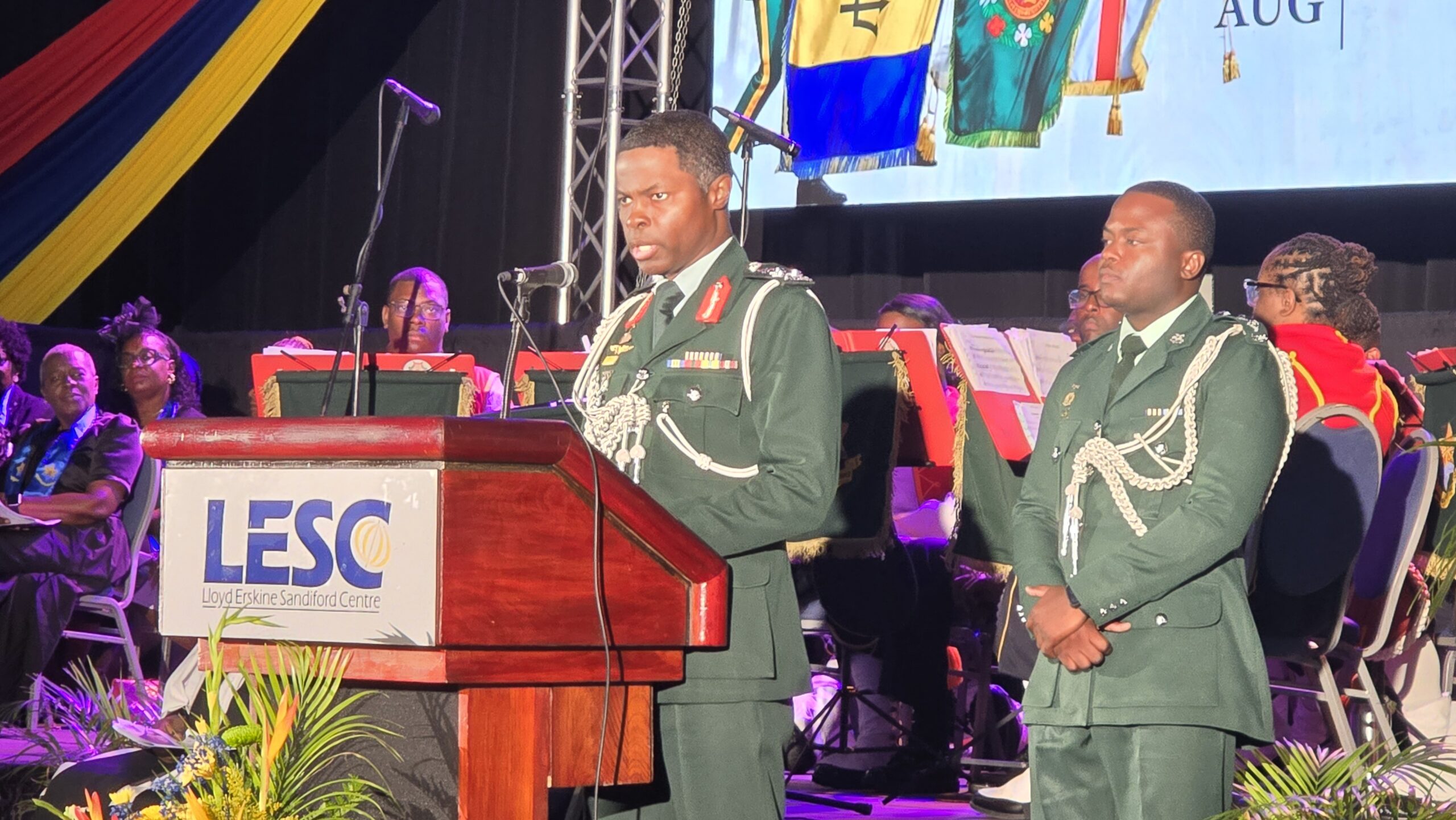
    As the Barbados Defence Force (BDF) marked its 47th year of service to the Caribbean nation, its top commander has outlined an ambitious overhaul of the force, designed to address a rapidly shifting and increasingly complex global security landscape that poses unprecedented risks to small island states.

    Speaking at the service’s anniversary gala held at the Lloyd Erskine Sandiford Centre on Sunday, Chief of Staff Brigadier Carlos Lovell laid out the three core pillars of the BDF’s transformation strategy: a large-scale recruitment campaign to attract new talent, expanded capabilities in cyber defense and drone technology, and targeted renewed investment in youth development through cadet programming.

    Lovell emphasized that adaptive change is no longer optional for the BDF, given the steady emergence of new threats that fall outside traditional security frameworks. “Small states such as ours can no longer pick only in traditional terms,” he told attendees. “Security threats continue to emerge across the maritime, land, cyber, and air domains, and they challenge the ability of states to protect its people.”

    The commander outlined the range of interconnected hazards the force now must prepare to counter, from increasingly sophisticated transnational criminal networks that exploit regional mobility to outpace local law enforcement, to damaging cyber attacks that can cripple critical national infrastructure. He also named disinformation campaigns that erode public trust in government institutions and the growing frequency of severe natural disasters that test Barbados’ national resilience as key priority challenges.

    Against this backdrop, the BDF’s ongoing modernization initiative is already underway, and will lay the foundation for safer maritime, air, and digital domains for the country, while also boosting operational support for the Barbados Police Service. Lovell confirmed that the end goal of these changes is stronger, safer communities across the island. “Without a doubt, this transformation will result in a better Barbados Defence Force and a safer, more prosperous Barbados,” he said.

    Unlike traditional defense frameworks that focus solely on security, Lovell explained that the updated BDF strategy will also deliver tangible value to multiple civilian sectors of the Barbadian economy, supporting long-term sustainability, resilience, and innovation. “The force must contribute not only to security but also to sustainability, resilience, innovation and economy,” he said, noting that partnerships with educational institutions and local communities will help position Barbados as a regional leader in technological advancement, economic resilience, and security excellence.

    One of the most concrete new developments Lovell disclosed is the creation of a multi-purpose national drone unit that will serve both military and civilian stakeholders. Beyond supporting military operations and law enforcement patrols, the unit will provide critical capabilities for disaster response management, maritime border surveillance, environmental monitoring, agricultural mapping, and a range of other government services.

    The BDF is also building the foundational infrastructure for a national cybersecurity capacity, investing heavily in developing the specialized digital skills needed to protect Barbados’ critical digital systems in an era of increasing cyber risk.

    To build a pipeline of skilled young talent for the force, the BDF is launching a major expansion of recruitment efforts targeting young, patriotic Barbadians who are committed to public service. “We are expanding and seeking to attract patriotic, innovative global citizens who are willing to sacrifice for their country, for their communities, and for their families,” Lovell said, adding that the BDF remains resolute in its mission to build a better Barbados for all residents, from current workers and business owners to the next generation of Barbadians.

    The commander highlighted particular progress in the Barbados Cadet Corps, which is undergoing its own expansion with new units being established across the country. The cadet program is also acquiring new technology assets, including drones, information and communications technology equipment, robotics platforms, and updated medical training gear, all to equip young participants with in-demand modern skills. Opportunities for leadership development, communication training, and conflict management education are also being expanded across the corps. Lovell commended the program for its ongoing effort to recruit patriotic volunteer officers and mentors to support its rapid growth.

    To ensure the BDF maintains the highest professional standards, the force continues to pursue world-class military education and training partnerships with international allies. Lovell noted that “excellence demands that we learn from the best, wherever and whoever they may be.”

    In a final announcement, he shared that BDF headquarters is working closely with the Ministry of Youth, Sports and Community Empowerment to relaunch the Barbados Defence Force sports programme, which will return with an updated mandate and an expanded public role across the country.

    The 47th anniversary celebrations included a formal church service attended by BDF personnel and government officials, with musical performances featuring a vocal rendition of *Spirit Lead Us* by Sky Dowridge and a standout flute solo from Staff Sergeant Zawayne Alleyne of the Barbados Cadet Corps.

  • PM Browne calls for tougher sentences for gun crimes and repeat offenders

    PM Browne calls for tougher sentences for gun crimes and repeat offenders

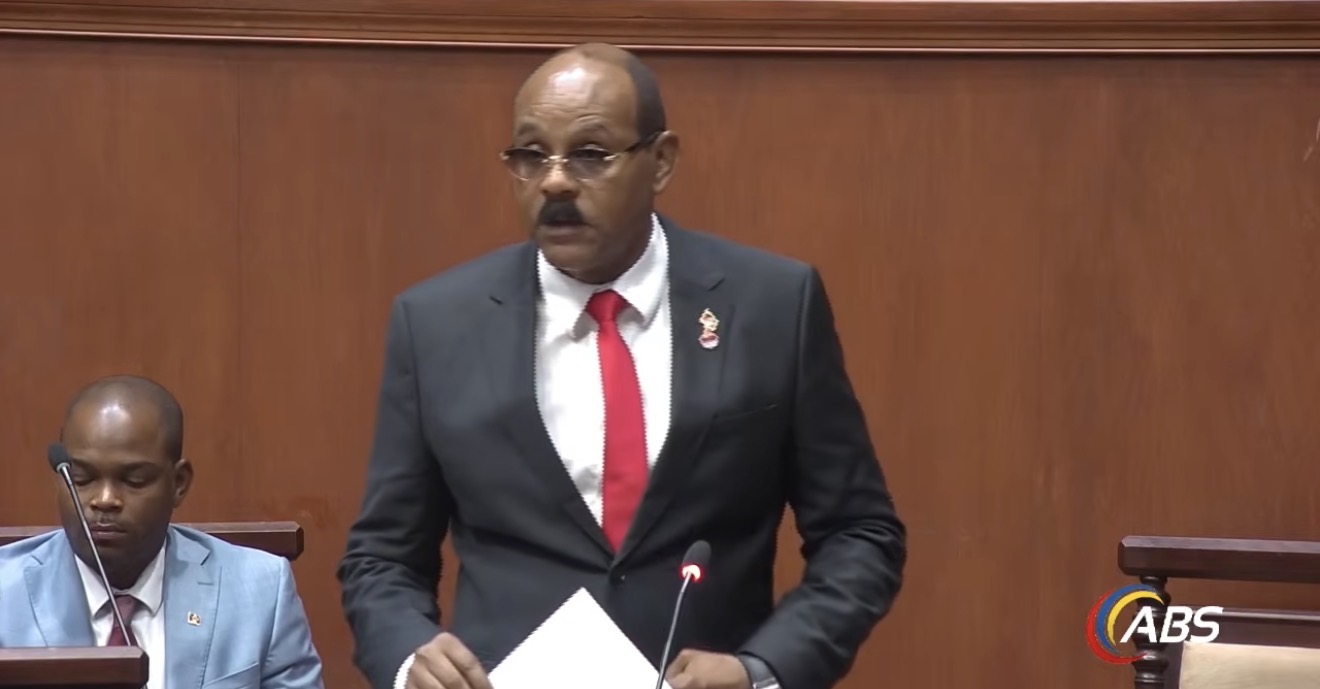
    Amid growing public concern over surging violent crime across the nation, Antigua and Barbuda Prime Minister Gaston Browne has outlined a bold, multi-pronged plan to address gun violence and recidivism, calling for stricter, more proportionate prison sentences for firearm offenses and persistent repeat offenders. Browne made his case during a high-stakes national security convening that brought together top leaders from the country’s law enforcement sector, where he pulled back the curtain on a gaping flaw in the current justice system: individuals convicted of severe gun-related crimes are often walking away with sentences of just two to three years, even though existing legislation authorizes penalties as harsh as 15 years for the most serious offenses. In his remarks, Browne emphasized that the constitutional independence of the judiciary remains a non-negotiable cornerstone of the nation’s governance, but argued that systemic gaps in cross-sector collaboration are holding back efforts to curb rising violence. He specifically called out what he labeled a harmful “revolving door” pattern that plagues the system: repeat violent offenders are repeatedly arrested, serve short custodial sentences, are released back into communities, and promptly go on to commit new crimes. To break this damaging cycle, Browne is pushing for two complementary changes: harsher, lengthier sentences for dangerous repeat offenders when public safety demands it, paired with a dramatic expansion of rehabilitative programming to address the root causes of recidivism. A core pillar of his proposed reform framework is mandatory vocational and trade training for incarcerated people, with a particular focus on repeat offenders who lack marketable job skills that would allow them to build stable, legal lives after release. Browne also floated a proposal to allow eligible low-risk inmates to contribute to public national projects, including routine cleaning and maintenance of parks, streets, and other public spaces, as a structured, purpose-driven component of their rehabilitation. To help judicial officials make more informed, context-aware sentencing decisions, Browne urged national law enforcement agencies to proactively share complete criminal history records and other relevant background information with courts when handling cases involving repeat offenders. Looking ahead, the prime minister confirmed that the national government will continue a comprehensive, ongoing review of its crime prevention and response strategies, with the explicit goal of striking a fair, effective balance between three core priorities: deterring future criminal activity, rehabilitating offenders to prevent reoffending, and protecting the safety of the general public.

  • Government Pushes to Complete Heritage Quay Pier Work Before Cruise Season

    Government Pushes to Complete Heritage Quay Pier Work Before Cruise Season

    Antigua and Barbuda’s Prime Minister Gaston Browne has announced that the national cabinet has issued a formal directive to the Antigua and Barbuda Port Authority to accelerate coordinated planning with private partner Blue Ocean to launch long-planned infrastructure improvements at the Heritage Quay cruise pier. The update came during Browne’s weekly public radio address, in response to a listener question asking whether the upgrade work would be finished before the start of the upcoming cruise tourism season. Browne gave a clear confirmation that the project would meet this timeline.

    Under the cabinet’s instruction, the Port Authority, which is headed by chief executive Darwin Telemaque, will be responsible for all coordination and liaison work with Blue Ocean to move the project past the planning phase and into active construction. While the prime minister confirmed that on-site work is expected to kick off in the very near future, he declined to share specific details including a formal construction start date, a binding final completion deadline, or the total estimated budget for the upgrade works.

    Heritage Quay functions as one of the primary entry points for tens of thousands of cruise ship passengers arriving in St. John’s, the country’s capital and main tourism hub. Finishing the infrastructure upgrades ahead of the cruise season is considered a critical priority to maintain smooth, efficient operations at the pier and upgrade the overall visitor experience and public appearance of the facility, which is a key first impression for tourists visiting the island nation. Officials have confirmed that additional details about the full scope of the improvement project will be released to the public once the Port Authority and Blue Ocean finalize their operational and logistical arrangements for the work.