分类: politics

  • Americans detained as US-Venezuela tensions reach boiling point

    Americans detained as US-Venezuela tensions reach boiling point

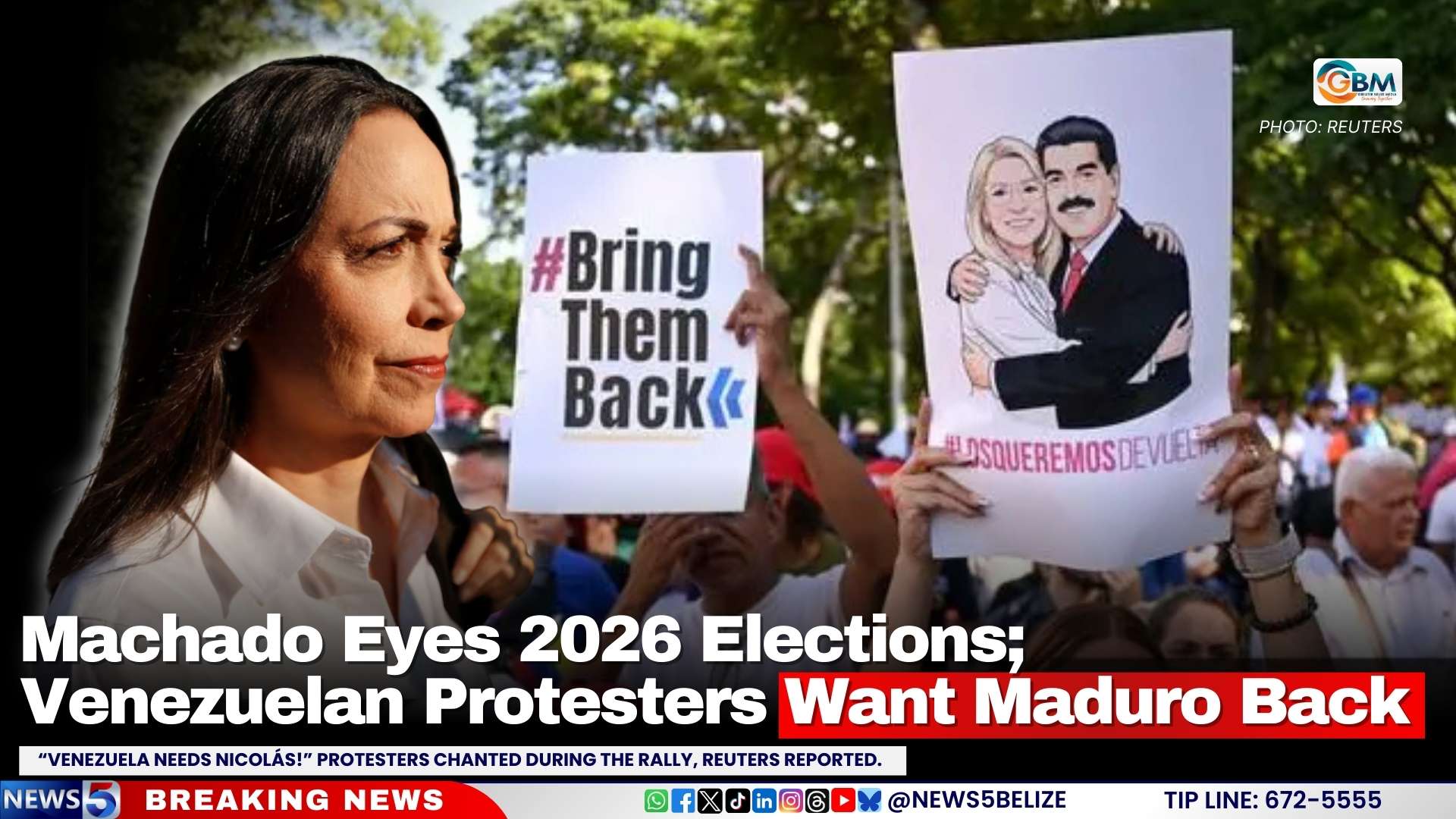
    Venezuelan authorities under President Nicolás Maduro have intensified a concerning pattern of detaining U.S. nationals, with at least five American citizens taken into custody over recent months. U.S. officials interpret these arrests as a strategic maneuver by Caracas to create bargaining chips against Washington’s escalating pressure campaign.

    This detention strategy appears modeled after Russian-style ‘hostage diplomacy,’ where foreign citizens become pawns in geopolitical negotiations during periods of strained bilateral relations. While Venezuelan authorities have suggested some detainees might have connections to drug smuggling operations, the Trump administration perceives the timing and frequency of these arrests as politically motivated rather than legitimate law enforcement actions.

    The developments occur alongside a significant hardening of U.S. policy toward Venezuela. Washington has transitioned from imposing financial sanctions to implementing more direct and kinetic measures against Maduro’s government. This escalation represents a substantial shift in America’s approach to confronting the Venezuelan regime.

    Despite these mounting pressures, Maduro continues projecting an image of unwavering control. During a recent appearance on state-operated VTV, the Venezuelan leader avoided addressing specific operational details but emphatically declared his nation’s defense systems remain fully operational. “Our people are safe and at peace,” Maduro asserted, maintaining that military and police forces continue to successfully guarantee Venezuela’s territorial integrity.

    These detentions unfold within a broader context of systematic internal repression. Human rights organizations document that Venezuela currently holds hundreds of political prisoners, with many arrests tracing back to the controversial 2024 presidential election that consolidated Maduro’s power amid widespread allegations of electoral misconduct.

  • Zohran Mamdani sworn in as NYC’s first Muslim mayor

    Zohran Mamdani sworn in as NYC’s first Muslim mayor

    In a historic transition of power marking a new chapter for American urban politics, Zohran Kwame Mamdani officially assumed office as the 111th Mayor of New York City shortly after midnight. The ceremony, though modest in scale, carried profound symbolic weight as Mamdani became the first Muslim to lead the nation’s largest municipal government.

    The swiftness of Mamdani’s political ascent is remarkable. Just one year prior, he occupied a relatively obscure position as a state legislator; today he commands the helm of one of the world’s most complex urban administrations. “Thank you so much to everyone for being here, Happy New Year to New Yorkers,” Mamdani declared, displaying his characteristic smile. “This is truly the honor and privilege of a lifetime.”

    Attorney General Letitia James, a key political ally, administered the oath of office. Mamdani’s background makes his victory particularly significant within the current national context. Born in Uganda to parents of Indian descent, his campaign gained momentum precisely as the previous federal administration implemented restrictive immigration policies targeting Muslim-majority and African nations.

    The early transition period has revealed both conciliatory gestures and immediate challenges. In a surprising November development, Mamdani conducted an Oval Office meeting with former President Trump, who despite their profound ideological differences, offered support by stating “I want New York City to be great.”

    Domestically, Mayor Mamdani has demonstrated pragmatic governance by retaining NYPD Commissioner Jessica Tisch, a decision applauded by municipal management experts. However, the administration encountered its first significant setback when a high-level appointee withdrew following controversy over historical social media posts identified as anti-Semitic by the Anti-Defamation League.

    While Governor Kathy Hochul has expressed preliminary support for the mayor’s childcare initiatives, the broader political battle for his progressive agenda commences with his formal inauguration.

  • Simon Vows Continued Advocacy for Youth, Vulnerable in St. Mary’s South in 2026

    Simon Vows Continued Advocacy for Youth, Vulnerable in St. Mary’s South in 2026

    Kelvin Simon, the parliamentary representative for St. Mary’s South constituency, has formally committed to maintaining his focus on youth empowerment programs, social welfare initiatives, and infrastructure development throughout his upcoming term. In a comprehensive New Year’s address to constituents, Simon reflected on both accomplishments and ongoing challenges while outlining his vision for community advancement.

    The legislator expressed profound gratitude to residents for their electoral support, characterizing their collective resilience as a fundamental inspiration during difficult periods. Educational enhancement emerged as a cornerstone achievement, with documented support including examination fee coverage for Jennings Secondary School CSEC candidates, coordinated distribution of academic materials through back-to-school initiatives, and technology provision for exceptional students and educators through laptop and tablet allocations.

    Athletic development received significant emphasis in Simon’s review, with documented contributions to local football organizations, revitalization of netball programs, and sponsorship of international competitive opportunities for young athletes. The parliamentary representative specifically referenced a regional football excursion to St. Kitts that simultaneously functioned as a memorial tribute to a deceased youth community member.

    Simon reaffirmed his ongoing engagement with the unsolved homicide case of Kahleel Simon, fatally victimized on his eighteenth birthday, vowing persistent pursuit of judicial resolution. The MP additionally honored former constituency representatives Hilson “Bro B” Baptiste and Victor McKay, acknowledging their enduring influence on his legislative approach.

    While celebrating developmental progress, Simon openly addressed unresolved infrastructure deficiencies including the suboptimal condition of Bolans playing field, undelivered stadium seating commitments, and the incomplete fire station project. These concerns were identified as priority objectives for intensified advocacy efforts.

    Looking toward the 2026 electoral cycle, Simon emphasized that constituency advancement would necessitate unified determination and collaborative action, positioning collective effort as indispensable for sustainable community development.

  • Venezuela has detained several Americans as tensions with US rise

    Venezuela has detained several Americans as tensions with US rise

    Venezuelan authorities have apprehended a minimum of five American citizens over recent months, according to a US official with knowledge of the situation. These detentions occur against a backdrop of intensifying pressure tactics from the United States against the administration of President Nicolás Maduro. While the specific circumstances surrounding each case differ, with some individuals potentially implicated in narcotics trafficking, US intelligence agencies are actively gathering details regarding the Americans’ activities in Venezuela prior to their arrest. Official sources within the Trump administration posit that these detentions represent a strategic maneuver by the Maduro government to accumulate bargaining power. This approach finds precedent in the actions of Venezuela’s ally, Russia, which has historically detained US citizens to gain diplomatic leverage. The US pressure campaign has included targeted strikes on vessels suspected of drug trafficking, a CIA-led drone operation against a Venezuelan port facility, and a stringent blockade on oil shipments. Senior US officials, including Secretary of State Marco Rubio, have publicly condemned the Maduro regime as illegitimate and linked to narcotics operations, though they stop short of explicitly endorsing a policy of regime change. In response, President Maduro has asserted that Venezuela’s national defense systems ensure territorial integrity and public safety. The situation is further complicated by Venezuela’s record of holding political prisoners, a point frequently raised by human rights organizations following the contentious 2024 election.

  • Wickham Warns Serpent Watts Exit Could Destabilize UPP

    Wickham Warns Serpent Watts Exit Could Destabilize UPP

    Political analyst Peter Wickham has raised concerns about potential destabilization within the United Progressive Party (UPP) following the anticipated departure of Algernon Serpent Watts from the St. George constituency. Watts, a first-term Member of Parliament who secured a decisive victory in the 2023 by-election, is reportedly evaluating his political future after being omitted from the party’s candidate roster for the upcoming general election.

    Party leader Jamale Pringle has confirmed that the UPP is actively seeking a replacement candidate, acknowledging Watts’ apparent decision to not contest the next polls, which are constitutionally mandated by 2028. While Watts has publicly attributed his potential exit to health considerations, persistent internal party tensions have been noted as a contributing factor.

    Wickham emphasized the significance of this development, stating that Watts’ departure would likely disrupt the constituency despite his previous comfortable victory. The political commentator noted that replacing an incumbent candidate typically generates electoral instability, particularly problematic for the UPP which he described as ‘not exactly in a good position to start with.’ The potential loss of a charismatic sitting MP could further weaken the party’s standing as it prepares for the upcoming election cycle, potentially affecting voter confidence and party cohesion.

  • PM Browne Says Antigua and Barbuda Will Respond to Global Pressures With Diplomacy, Not Anger

    PM Browne Says Antigua and Barbuda Will Respond to Global Pressures With Diplomacy, Not Anger

    In his 2026 New Year’s Address, Prime Minister Gaston Browne articulated Antigua and Barbuda’s strategic approach to navigating an increasingly volatile global landscape. The Caribbean leader emphasized that small states like his nation face disproportionate impacts from international policy decisions and geopolitical shifts occurring beyond their borders.

    Browne acknowledged the substantial challenges confronting small, open economies in today’s uncertain world, where foreign decisions frequently create direct consequences for vulnerable nations. Rather than adopting confrontational or reactionary positions, Browne outlined a foreign policy framework rooted in disciplined diplomacy, competence, and restraint.

    ‘Global currents shift from time to time, creating geopolitical challenges,’ Browne stated, observing that ‘decisions taken elsewhere ripple across small states such as ours.’ Despite these external pressures, the Prime Minister asserted that Antigua and Barbuda would engage from a position of strength, emphasizing that true national power derives not from grievance or anger but from steadfast diplomacy and resilience.

    Browne positioned diplomacy as an essential pillar of national survival and advancement for smaller states that lack military might or economic scale. He stressed that emotional or divisive reactions to international developments ultimately weaken a country’s capacity to protect its interests. Using the maritime proverb ‘Calm seas never made a skilled sailor,’ Browne underscored the necessity of steadiness and resolve when confronting global uncertainty.

    The Prime Minister further connected domestic unity to international credibility, asserting that ‘Unity at home is our first line of defense abroad.’ This cohesion, he argued, enhances the nation’s negotiating power on the global stage. Browne concluded by urging citizens to maintain confidence and patience, reaffirming that Antigua and Barbuda would continue pursuing constructive engagement with international partners while safeguarding national interests through principled diplomacy rather than hostility.

  • ABEC Pledges Greater Public Consultation on Electoral Modernisation

    ABEC Pledges Greater Public Consultation on Electoral Modernisation

    The Antigua and Barbuda Electoral Commission (ABEC) has announced a significant initiative to strengthen democratic processes through expanded public consultation. Chairman His Excellency Ambassador Arthur G.B. Thomas declared in a New Year’s Day address that the Commission will intensify engagement with citizens, political representatives, and stakeholders regarding the ongoing modernization of the nation’s electoral framework.

    Ambassador Thomas emphasized that democratic development constitutes a dynamic, evolving process rather than a static achievement. “Democratic consolidation is not a static achievement, but a continuing process,” stated Thomas, underscoring the necessity of sustained dialogue and active participation from all sectors of society.

    The Commission’s modernization efforts will include comprehensive review of electoral legislation, particularly the Representation of the People Act, to align with contemporary democratic standards, technological innovations, and evolving public expectations. Thomas highlighted that transparency, professional conduct, and institutional integrity form the cornerstone of ABEC’s operational philosophy, noting these principles are fundamental to maintaining public confidence in electoral outcomes.

    “As Chairman, I reaffirm ABEC’s commitment to working with the people of Antigua and Barbuda in a spirit of openness, consultation, and shared responsibility,” Thomas affirmed. This commitment to collaborative governance represents a strategic approach to ensuring electoral institutions remain credible, responsive, and deserving of public trust in an era of rapidly changing democratic landscapes.

  • Senator Michael M. Joseph Reflects on Year of Service, Pledges Continued Focus on Youth and Community Development

    Senator Michael M. Joseph Reflects on Year of Service, Pledges Continued Focus on Youth and Community Development

    Senator Michael M. Joseph has characterized his inaugural year representing St. John’s Rural West as a period dedicated to foundational, people-centric governance. In a comprehensive New Year’s address, the Senator emphasized a philosophy of leadership built on persistent engagement and tangible results over public spectacle.

    Reflecting on his tenure, Joseph detailed a multifaceted agenda that prioritized education reform, youth development initiatives, healthcare accessibility, community safety measures, sports programs, and critical infrastructure upgrades. He articulated a belief that genuine progress is frequently the product of meticulous, consistent effort rather than intermittent high-profile declarations.

    The Senator issued profound gratitude to a broad coalition of community stakeholders, explicitly acknowledging teachers, medical professionals, local leaders, volunteers, parents, senior citizens, and the youth. He credited their ongoing input and diligent work as instrumental in informing his legislative priorities and operational methodology in public service.

    Looking forward, Joseph conveyed his aspirations for the constituents of St. John’s Rural West and the nation at large, wishing for a new year defined by enhanced well-being, security, collective unity, and the uninterrupted advancement of community-driven projects. His message concluded with a pledge to continue his focused advocacy on the issues impacting everyday citizens.

  • UPP’s Bowen Says U.S. Visa Restrictions Crush Dreams of Young Antiguans

    UPP’s Bowen Says U.S. Visa Restrictions Crush Dreams of Young Antiguans

    In a poignant address published Wednesday, United Progressive Party Deputy Leader Sherfield Bowen delivered a scathing critique of Antigua and Barbuda’s diminished international standing following recent U.S. visa restrictions. The opposition parliamentarian contrasted his personal journey four decades ago—when he pursued American educational opportunities without financial means or support—with the current reality facing young Antiguans.

    Bowen emotionally recounted how contemporary youth with similar aspirations now face insurmountable barriers since the implementation of stringent U.S. visa policies effective midnight Tuesday. He attributed these developments to the current administration’s diplomatic failures, asserting the nation has effectively placed itself on a U.S. ‘banned countries list.’

    The ramifications extend beyond elite travel, significantly impacting ordinary citizens seeking first-time visas for family visits, educational pursuits, employment opportunities, and tourism. Bowen particularly highlighted how the Citizenship by Investment Programme has undermined confidence in the nation’s passport, rendering what was once ‘precious’ now ‘worthless’ in multiple jurisdictions. He described the program as a ‘golden calf’ now on ‘life support.’

    While emphasizing his primary concern rests with young citizens rather than the investment scheme itself, Bowen lamented how their aspirations for education, healthcare, travel, and work in the United States have been ‘suddenly ignited into a ball of fire.’ The opposition leader concluded with a solemn declaration: ‘Antigua and Barbuda, I cry for thee.’

  • U.S.-CARICOM Relations: Year in Review (2025)

    U.S.-CARICOM Relations: Year in Review (2025)

    The Caribbean Community (CARICOM) concluded 2025 with notable achievements in regional integration and economic development, yet simultaneously confronted significant diplomatic challenges stemming from the foreign policy approach of Donald Trump’s second presidential term. According to analysis by Dr. Nand C. Bardouille, an international relations expert at The University of the West Indies, the Trump 2.0 administration has introduced substantial uncertainty into U.S. relations with the bloc’s fourteen sovereign member states.

    A particularly consequential development has emerged from Trinidad and Tobago, where a major recalibration of foreign policy alignment with the United States has created fissures within CARICOM’s unity. This shift reflects broader regional apprehensions about Washington’s renewed military presence across Caribbean territories and its evolving approach to hemispheric affairs.

    Dr. Bardouille’s comprehensive analysis, documented across multiple scholarly publications throughout 2025, identifies this foreign policy divergence as a critical test for regional cohesion. His research examines how member states are navigating competing national and regional interests amid heightened geopolitical tensions, particularly regarding Venezuela policy and great-power competition.

    The analytical series highlights how CARICOM nations have experienced foreign policy setbacks during the initial months of Trump’s renewed presidency. These challenges occur against the backdrop of escalating great-power politics that have intensified focus on spheres of influence throughout the Caribbean region.

    Looking toward 2026, expectations are mounting that regional leadership will prioritize cooperative solutions over confrontation. The forthcoming Fiftieth Regular Meeting of the Conference of Heads of Government of CARICOM, scheduled for February in St. Kitts and Nevis, represents a crucial opportunity for diplomatic reconciliation.

    Incoming CARICOM Chairman Terrance Drew, Prime Minister of St. Kitts and Nevis, has signaled his commitment to fostering ‘reflection, calm leadership, and renewed commitment to the Caribbean ideal.’ This statement has been positively received by regional stakeholders who anticipate his chairmanship will help reset intra-CARICOM relations during this period of geopolitical uncertainty.