分类: politics

  • Cuban Embassy in the US honors fallen combatants in Venezuela

    Cuban Embassy in the US honors fallen combatants in Venezuela

    In a solemn display of diplomatic solidarity, Cuban mission staff assembled Monday morning under the leadership of Head of Mission Lianys Torres to commemorate personnel lost in the line of duty. The gathering transformed into a powerful political demonstration against what officials characterized as imperial aggression targeting Venezuela’s constitutional order.

    Oscar Larralde, addressing colleagues as their representative, condemned Saturday’s offensive against Venezuela and the abduction of its constitutional president as a fundamental assault on national sovereignty. ‘In the face of this aggression,’ Larralde declared, ‘we reaffirm our unwavering solidarity with the Venezuelan people and their legitimate government.’ The diplomat revealed that thirty-two Cuban citizens had perished on Venezuelan soil, their blood serving as testament to the profound solidarity binding the two nations.

    The ceremony evolved into a historical rallying cry, with Larralde invoking the legacy of Major General Antonio Maceo, Cuba’s legendary Bronze Titan from the independence wars. He reiterated Maceo’s uncompromising principle that Cuban independence remains non-negotiable—a warning directed at contemporary ‘imperialist gentlemen’ and ‘circling hawks.’ The official channeled the warrior’s defiant proclamation that any attempt to seize Cuba would yield only ‘blood-soaked dust’ unless aggressors perished in the struggle.

    The emotionally charged event culminated with diplomatic personnel singing Cuba’s National Anthem with fervent patriotism, followed by vocal acclamations celebrating Cuba, its revolutionary tradition, and current leadership. The gathering simultaneously functioned as a memorial for fallen heroes and a strategic political statement reinforcing Cuba’s alliance with Venezuela’s government amid escalating regional tensions.

  • Full Court appeal of Chief Justice’s decision could delay start of Mohameds’ extradition hearing

    Full Court appeal of Chief Justice’s decision could delay start of Mohameds’ extradition hearing

    The scheduled extradition proceedings against Guyanese billionaire gold dealers Nazar ‘Shell’ Mohamed and his son Azruddin Mohamed face potential postponement following their legal team’s announcement to appeal a High Court ruling. The development emerged hours after Chief Justice Navindra Singh declined to stay the magistrate’s hearing set for January 6-8, 2026.

    Lead attorney Roysdale Forde confirmed his intention to file an appeal with the Full Court of the High Court, seeking to suspend the extradition process pending resolution of two constitutional challenges. ‘We disagree with the decision respectfully and we will be filing an appeal to the Full Court and we will be seeking a stay of the proceedings at the level of the Full Court,’ Forde told journalists outside the Georgetown courtroom.

    The legal battle centers on dual constitutional matters: challenges to several provisions of the Fugitive Offenders Act and allegations of ‘explicit political bias’ in the extradition authorization by Home Affairs Minister Oneidge Walrond against Azruddin Mohamed, who leads the We Invest in Nationhood (WIN) political party.

    Attorney General Anil Nandlall maintained that the judicial process should proceed as scheduled, emphasizing that existing legal frameworks provide adequate avenues for post-committal challenges. He warned that if Magistrate Judy Latchman rules against the Mohameds, both individuals would be immediately taken into custody despite their current GY$150,000 bail status.

    The United States seeks their extradition to face trial in Florida’s federal court on charges including mail fraud, wire fraud, and money laundering related to their gold trading operations, allegedly resulting in millions lost in tax revenue for Guyana.

    Justice Singh, in his ruling, determined that suspending the extradition process would constitute ‘a drastic remedy’ given that constitutional issues could be addressed without halting the proceedings. He noted the absence of demonstrated ‘immediate and irreversible harm’ and emphasized the public interest in honoring international extradition obligations.

    The Chief Justice scheduled January 14, 2026, for preliminary hearings on the constitutional challenges, setting the stage for a protracted legal battle that Forde acknowledged ‘will be a long, arduous process’ likely reaching the Caribbean Court of Justice.

  • Venezuela Invites U.S. Collaboration After Trump Declares Control

    Venezuela Invites U.S. Collaboration After Trump Declares Control

    In a significant geopolitical development, Venezuela’s acting President Delcy Rodríguez has extended an invitation for cooperative talks with the United States. This overture comes in direct response to President Donald Trump’s declaration that Washington would assume control of the South American nation following the capture of Venezuelan leader Nicolás Maduro.

    Rodríguez articulated her position through a public statement advocating for bilateral collaboration, emphasizing the need for “an agenda of cooperation oriented towards shared development within the framework of international law.” This diplomatic approach contrasts sharply with the current U.S. strategy of aggressive intervention in Venezuela’s political trajectory.

    The situation has further complicated with President Trump’s dismissal of Nobel Peace Prize laureate María Corina Machado as a potential successor to Maduro. During a Saturday briefing, Trump questioned Machado’s capacity to lead, stating she lacked the necessary “respect” to govern Venezuela effectively.

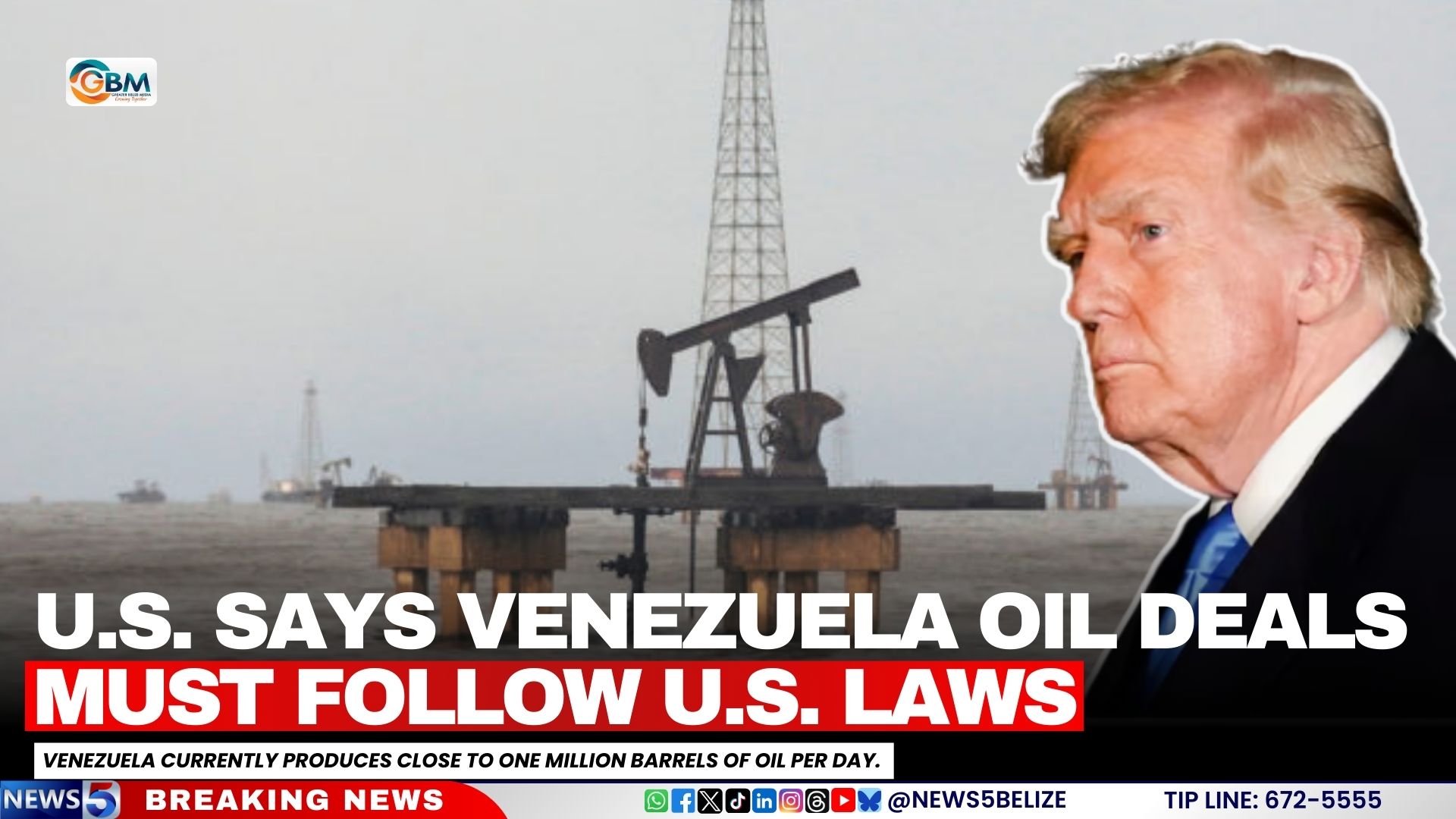
    Instead of expediting democratic elections, the Trump administration has prioritized stability and the rehabilitation of Venezuela’s crucial oil industry. Current policies maintain existing oil sanctions while continuing U.S. military operations in proximity to Venezuelan territory.

    Adding to the international dimension, the United Nations Secretary-General’s office has expressed profound alarm regarding the escalating situation. UN officials have raised substantive concerns about whether the Trump administration’s actions have adhered to established international legal standards.

  • Zelensky hails ‘substantive’ declaration on Ukraine security guarantees

    Zelensky hails ‘substantive’ declaration on Ukraine security guarantees

    PARIS — In a significant diplomatic development, Ukrainian President Volodymyr Zelensky has formally endorsed a multinational security agreement designed to provide substantial military support to Ukraine following a potential ceasefire with Russian forces. The landmark declaration, signed during a high-profile ceremony in the French capital, establishes a framework for European military deployment and financial backing for Ukraine’s defense infrastructure.

    President Zelensky characterized the agreement as a substantive commitment rather than mere rhetorical support, emphasizing its detailed operational provisions. “The coalition has produced substantive documents with concrete content,” Zelensky stated alongside French President Emmanuel Macron and newly elected British Prime Minister Keir Starmer. “We have defined management structures, command hierarchies, and monitoring procedures for international forces.”

    The trilateral agreement between Ukraine, France, and Britain—supplemented by a broader multinational declaration—outlines mechanisms for troop deployment, military financing, and ongoing support for Ukraine’s armed forces. According to the framework, European nations would station military personnel in Ukraine post-ceasefire to bolster security arrangements.

    Despite the advanced planning, Zelensky identified unresolved territorial disputes as the most pressing diplomatic challenge. The reference to ongoing negotiations surrounding the status of Ukraine’s eastern Donbas region highlights the complex geopolitical dimensions still requiring resolution among stakeholders.

    The Ukrainian leader simultaneously emphasized immediate defense needs, noting that continued Russian aerial assaults necessitate enhanced air defense capabilities. Zelensky stressed the urgency of protecting urban centers and critical infrastructure from bombardment regardless of diplomatic developments.

  • Garvin Guerra to go before SoE tribunal

    Garvin Guerra to go before SoE tribunal

    In a significant legal development, Garvin Guerra, son of recently-released businessman Danny Guerra, is scheduled to appear before Trinidad and Tobago’s State of Emergency Review Tribunal on January 6th. The younger Guerra has retained the services of British King’s Counsel Richard John Thomas KC, the same attorney who successfully represented his father, to challenge his preventive detention order (PDO).

    Garvin Guerra was initially arrested alongside his father on November 20th under allegations of gang membership, illegal arms trafficking, money laundering, and unauthorized quarry operations. His detention order specifically accused him of maintaining access to high-powered firearms with alleged intentions to assassinate a government minister and escalate attacks against rival gangs in public areas.

    The legal proceedings gained momentum following the dramatic release of Danny Guerra on January 2nd, when Homeland Security Minister Roger Alexander revoked his detention order. This development occurred mere hours after the Guerra legal team escalated their challenge by issuing a pre-action protocol letter to Minister Alexander, threatening immediate High Court proceedings unless the detention was revoked or comprehensive disclosure provided by the January 2nd deadline.

    The Guerra case has drawn attention to the functioning of the SoE Review Tribunal, which defense attorneys have criticized for failing to act with sufficient urgency to protect constitutional rights during the state of emergency. Attorney Thomas KC received official authorization from Attorney General John Jeremie through Legal Notice No. 1 of 2026, gazetted on January 5th and signed January 2nd, to practice in Trinidad and Tobago specifically for this case.

    Background investigations reveal that both Guerras faced previous charges on October 11th for unlicensed aggregate processing, for which they secured $50,000 bail each. These charges stemmed from a major police operation on October 9th that targeted an illegal quarry at Manuel Congo, Guanapo, resulting in the seizure of multimillion-dollar processing equipment and the detention of 18 individuals including the Guerras. All defendants have since appeared in court regarding these separate charges.

  • Guyana holding talks with US on refugees

    Guyana holding talks with US on refugees

    GEORGETOWN, Guyana – The Guyanese government has confirmed ongoing diplomatic negotiations with the United States regarding the potential acceptance of third-country nationals from the North American nation. Foreign Secretary Robert Persaud disclosed that these discussions focus on establishing a mutually beneficial framework aligned with both national priorities and U.S. objectives.

    This development occurs within the broader context of the second Trump administration’s intensified efforts to redirect asylum processing away from American soil. Since early 2025, Washington has systematically approached numerous Caribbean nations and other global partners to establish migration transfer agreements. The U.S. strategy involves designating participating nations as ‘safe third countries’ for asylum seekers and deported migrants.

    Notably, the United States has secured cooperation from several nations including Belize, Ecuador, Honduras, Uganda, Ghana, and Rwanda. The arrangement typically includes economic incentives such as tariff reductions and immigration concessions, though concerns persist regarding human rights protections for relocated individuals.

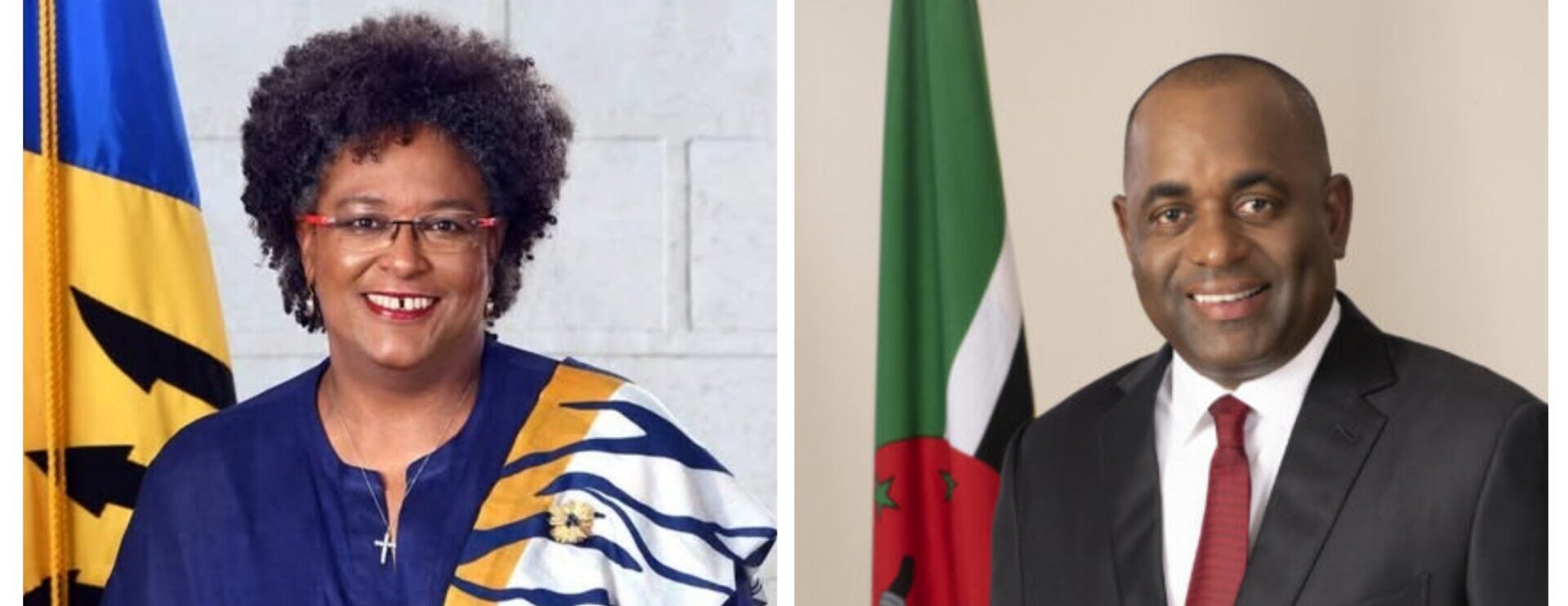
    Recent developments show expanding regional engagement, with both Dominica and Antigua and Barbuda announcing separate understandings with Washington. Dominican Prime Minister Roosevelt Skerrit characterized the agreement as strengthening bilateral relations and demonstrating regional partnership. Conversely, Antigua and Barbuda clarified that their arrangement constitutes a non-binding memorandum of understanding rather than a formal agreement, emphasizing that the U.S. approached over one hundred governments worldwide including multiple CARICOM members.

  • Venezuela interim leader says no foreign power running country

    Venezuela interim leader says no foreign power running country

    CARACAS, Venezuela — In a firm televised national address on Tuesday, Venezuela’s interim President Delcy Rodríguez delivered a sharp rebuttal to recent U.S. statements, asserting her nation’s complete sovereignty and denying any foreign influence over its governance. The declaration came as a direct response to comments from U.S. President Donald Trump suggesting Washington would oversee Venezuelan affairs during its political transition following the ousting of former leader Nicolás Maduro.

    Rodríguez, addressing the nation from the presidential palace, emphasized that ‘The legitimate government of Venezuela exercises sole authority within our sovereign territory. No external actor holds governance power here.’ Her speech represented the most forceful diplomatic counter yet from Caracas amid escalating tensions with Western powers.

    This exchange marks the latest development in the ongoing political crisis that has divided international alliances, with numerous nations recognizing opposition leader Juan Guaidó as Venezuela’s legitimate president while Maduro’s administration maintains control with support from key military and international partners. The situation continues to evolve as diplomatic maneuvers intensify between global powers supporting opposing factions in the protracted leadership struggle.

  • UN rep: Trinidad and Tobago ‘equally committed’ to US, Venezuela

    UN rep: Trinidad and Tobago ‘equally committed’ to US, Venezuela

    In a pivotal address to the United Nations Security Council on January 5, Dr. Neil Parsan, Trinidad and Tobago’s Permanent Representative to the UN, articulated his nation’s balanced diplomatic stance toward both the United States and Venezuela during an emergency session. The meeting was convened following the dramatic January 3rd military operation where US forces apprehended Venezuelan President Nicolas Maduro and First Lady Cilia Flores in Caracas, extraditing them to New York to face narcotics trafficking allegations, to which they entered pleas of not guilty.

    Speaking as a representative of a Caribbean neighbor and a historical proponent of peaceful coexistence, Dr. Parsan acknowledged the gravity of recent developments. He expressed gratitude to the Security Council for its swift response while outlining Trinidad and Tobago’s nuanced position. The ambassador confirmed his government’s awareness of the US military intervention and reiterated commitment to US-led cooperative initiatives aimed at dismantling transnational criminal networks that plague regional security and stability.

    However, Ambassador Parsan emphasized that Port of Spain’s cooperation with Washington does not diminish its equally vital relationship with Caracas. He explicitly stated Trinidad and Tobago’s dedication to maintaining a ‘constructive and respectful relationship with the Bolivarian Republic of Venezuela,’ underscoring continued peaceful relations with the Venezuelan people. This diplomatic balancing act reflects the nation’s aspiration to collaborate with all partners toward a safer and more prosperous hemisphere.

    The emergency session also featured a statement from UN Secretary-General António Guterres, who expressed profound concern that the US military action disregarded established principles of international law. Guterres warned that this ‘grave’ action could establish a dangerous precedent for future inter-state relations, highlighting the broader implications of the event that triggered the council’s meeting.

  • Gov’t to safeguard integrity of Overseas Employment Programme

    Gov’t to safeguard integrity of Overseas Employment Programme

    KINGSTON, Jamaica — The Jamaican government has declared a zero-tolerance stance against fraudulent activities targeting its Overseas Employment Programme, with Minister of Labour and Social Security Pearnel Charles Jr. vowing to prosecute offenders. The Minister’s stern warning came during a send-off ceremony for seasonal agricultural workers departing for Canada, held at the Ministry’s Overseas Employment Centre on January 6.

    Minister Charles revealed he had received anonymous WhatsApp messages and TikTok videos falsely portraying him as offering unauthorized access to the farmwork programme. He characterized these attempts as direct attacks on the programme’s integrity and announced immediate coordination with relevant authorities to pursue legal action against perpetrators. “Consider this a final warning… you will find yourself behind bars,” Charles stated emphatically.

    The Minister emphasized the programme’s critical importance, particularly following Hurricane Melissa’s devastating impact on western Jamaican parishes. He highlighted how overseas employment provides essential livelihood support through “gainful, lawful employment” that enables workers to sustain their families and communities.

    This year marks the 60th anniversary of the Jamaica-Canada seasonal agricultural partnership, which has enabled thousands of workers to fund their children’s tertiary education. Charles encouraged both new and experienced participants to remain focused despite potential distractions, while urging veterans to guide newcomers.

    Recent statistics demonstrate the programme’s growing impact: since January 1, 2025, a total of 15,156 workers have secured employment in Canada and the United States—representing an increase of 687 compared to 2024. The breakdown shows 59% participated in the Seasonal Agricultural Workers Programme, 3% in the Low-Skilled Programme, and 38% in the United States Programme.

    Charles concluded by reframing these statistics as representations of “livelihoods, children that have been supported, and communities that have been strengthened,” underscoring the human impact behind the numbers.

  • Browne: No one knows what US will do

    Browne: No one knows what US will do

    The dramatic capture of Venezuelan President Nicolás Maduro and First Lady Cilia Flores by US military forces from a fortified Caracas compound on January 3rd has triggered extensive geopolitical analysis. Former finance minister Mariano Browne questions what leverage mechanisms the United States will employ to advance its agenda in Venezuela following this unprecedented intervention.

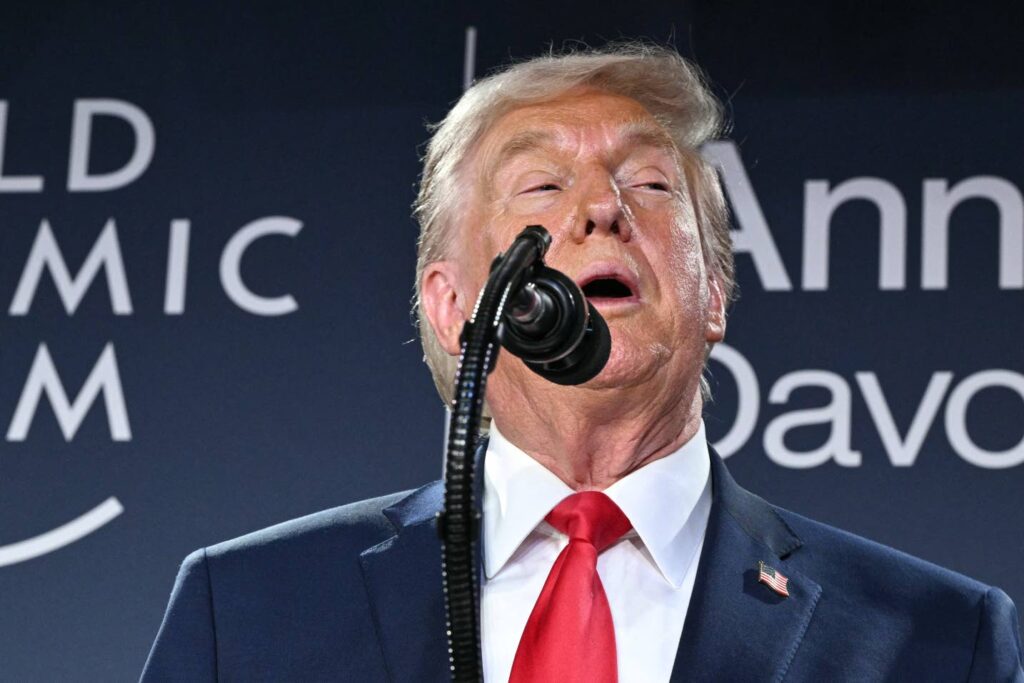
    President Donald Trump’s January 5th declaration that the US intends to temporarily govern Venezuela underscores Washington’s determined stance. During media interactions, Trump asserted that American oil corporations would enter Venezuela to repair its ‘broken infrastructure’ and generate revenue, though he provided limited operational details.

    Browne, responding via WhatsApp, emphasized the inseparable relationship between politics and economics in global affairs. He characterized the operation as fundamentally concerning regime change rather than narcotics trafficking, noting Trinidad and Tobago’s significant trade relationship with the US makes these developments particularly consequential.

    The former minister analyzed that America’s approach demonstrates resource constraints preventing conventional warfare, instead favoring asymmetric strategies involving limited engagements for maximum leverage. Despite Maduro’s capture, his administrative structure remains intact with Vice President Delcy Rodríguez assuming interim leadership while maintaining Maduro’s legitimate presidency.

    Browne raised critical questions about whether Venezuela’s existing state institutions would align with Washington’s directives. This follows Trump’s dismissal of Rodríguez’s long-term political viability, despite her subsequent diplomatic overture seeking ‘balanced and respectful’ bilateral relations.

    Trump simultaneously expressed skepticism about exiled opposition figure María Corina Machado’s capacity to lead, citing her insufficient domestic support. The administration is currently designating alternative leadership candidates for Venezuela.

    Browne highlighted that Trump’s order intercepting ‘sanctioned oil tankers’ reveals broader objectives beyond regime change, identifying China as the primary target. Venezuela’s discounted oil exports constitute a crucial component of China’s energy import strategy, elevating the confrontation to global financial markets where the US holds advantageous position.

    This event signals potential implications for other Western Hemisphere nations, particularly those previously criticized by Trump including Colombia and Cuba. Colombia’s deployment of border troops following the operation, coupled with Trump’s provocative comments about Colombian leadership, suggests regional instability may intensify.