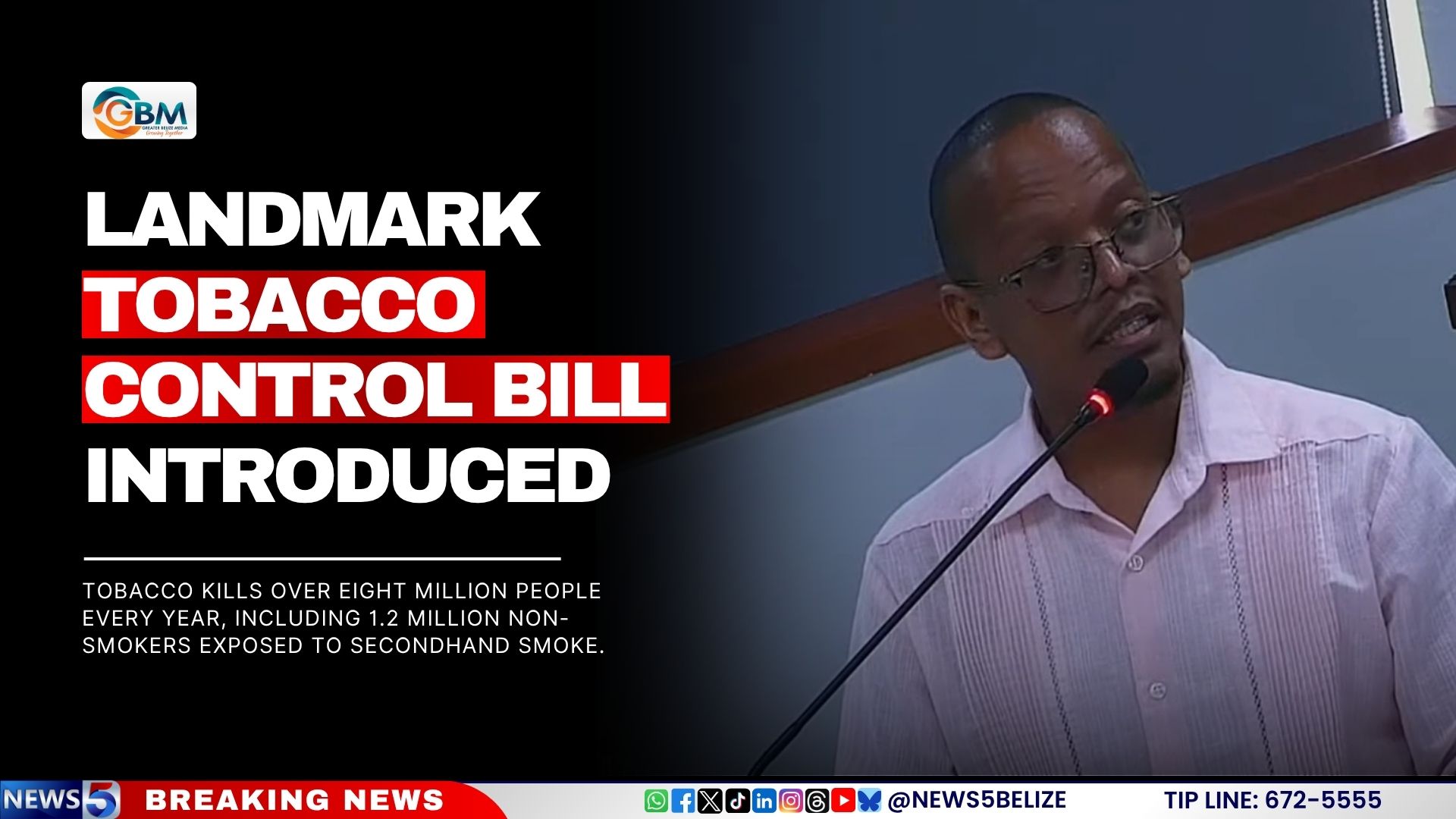
In a groundbreaking move to safeguard public health, Belize’s Minister of Health and Wellness, Kevin Bernard, unveiled the Tobacco Control Bill 2025 in the House of Representatives on October 17, 2025. Described as a “decisive step” toward protecting the nation’s youth and future generations, the bill aligns with the World Health Organization’s Framework Convention on Tobacco Control. It aims to regulate the sale, advertising, packaging, and labeling of tobacco and nicotine-related products, including e-cigarettes, while banning the tobacco industry’s involvement in health policy decisions. Bernard emphasized the urgency of the crisis, citing WHO data that reveals tobacco kills over eight million people annually, including 1.2 million non-smokers exposed to secondhand smoke. In Belize, 8.7% of adults and 15% of youth aged 13 to 15 use tobacco, with e-cigarette use among teens reaching 12%. The bill, backed by the Cabinet and international health organizations like PAHO and WHO, seeks to prevent the tobacco epidemic through effective legislation. Bernard called on lawmakers to prioritize public health over industry profits, warning of potential resistance from powerful tobacco manufacturers. The bill’s introduction marks the beginning of parliamentary debate, with Bernard urging unity to save lives and protect the nation’s youth.
分类: health
-
VES: Gezondheidszorg centraal in jaarrede; samenhang en uitvoeringskracht blijven onbenoemd
In the 2025 State of the Nation Address, the President of Suriname dedicated nearly 20% of the speech to healthcare, outlining key priorities such as strengthening primary care through Regional Health Services (RGD) and emergency clinics, advancing digitalization, reforming the State Hospital Fund (SZF), the Bureau of Public Health (BOG), and the Suriname Medicines Bureau (BVGS), and enhancing nursing and medical capacity. Specific attention was given to pediatrics, mental health, inland healthcare, and financial reward systems. However, the Association of Economists in Suriname (VES) criticized the address for lacking coherence, arguing that the listed priorities remained disjointed without a unifying framework, mirroring the shortcomings of previous administrations. VES emphasized the need for an integrated approach in its periodic publication INZICHT. The VES advocates for a shift from the traditional model of primary care to integrated care units, where prevention, diagnosis, treatment, and aftercare are systematically linked by disease profile. This approach promises greater cohesion, measurable outcomes, and cost control. For instance, ‘s Lands Hospitaal could evolve into a specialized Mother and Child Center, consolidating perinatal care, pediatric care, and gynecology to enhance quality, outcomes, and resource efficiency. Similarly, the Psychiatric and Neurological Center Suriname could become a national hub for mental, neurological, and addiction care, reducing wait times and improving treatment results. The VES also proposed linking RGD posts and emergency clinics to specialized care pathways for conditions like diabetes, cardiovascular diseases, infections, cancer, lung disorders, eye conditions, and movement disorders, making prevention an integral part of the care process. This model would optimize personnel deployment, create jobs, and enable higher salaries. The SZF could transition to bundled payments, rewarding quality and outcomes rather than volume, while the BOG could become a national data and knowledge center, eliminating the need for a separate healthcare authority. Specialized centers in Paramaribo would serve as hubs for a broader network, with hospitals in Atjoni, Wanica, and Albina playing key roles. Telemedicine and digitalization would extend high-quality care to inland areas. Care pathways would address the shortage of nurses and specialists by leveraging foreign expertise and better coordination, creating thousands of jobs for nurses, lab technicians, dietitians, physiotherapists, medical-technical staff, and data analysts. This approach would increase patient capacity, improve care quality, and provide financial room for better staff compensation. While the State of the Nation Address presented fragmented priorities, the VES’s care pathway model offers a cohesive and sustainable alternative, capable of modernizing Suriname’s healthcare system and ensuring its affordability.
-

Breast cancer scare
A dire shortage of functioning mammogram machines in western Jamaica has left over 100 women indefinitely waiting for breast cancer screenings they have already paid for. The region, managed by the Western Regional Health Authority (WRHA), currently has only one operational mammogram machine at Cornwall Regional Hospital, severely limiting access to early detection services. This crisis has disrupted the annual mammogram drive organized by the Misty Blue Cancer Care Foundation, a non-profit organization dedicated to cancer education and prevention in Westmoreland. Despite securing sponsorships from the Sandals Foundation, American Friends of Jamaica, and Scotiabank Jamaica to cover the costs of 115 mammograms, the foundation has been unable to proceed due to the lack of available equipment. Dorothy Satchwell, the foundation’s founder and chair, expressed frustration over the situation, emphasizing the growing morbidity and mortality rates of breast cancer in the region. She revealed that 1,350 Westmoreland residents died from cancer in 2023, with approximately 24 deaths attributed to breast cancer. The issue is further exacerbated by the absence of screening mechanisms, leading to late-stage diagnoses among younger women. Dr. Lincoln Cox of Savanna-la-Mar General Hospital shared alarming data showing a steady increase in breast cancer surgeries over the past five years, with 47 cases recorded in 2024 alone. In response, Misty Blue Foundation is exploring long-term solutions, including the possibility of acquiring a mobile mammogram unit with future sponsorships. The foundation has been a pivotal force in cancer awareness since its inception in 2015, conducting community health fairs and educational programs in partnership with local health departments. During Breast Cancer Awareness Month, the organization traditionally runs month-long campaigns, heavily supported by the Sandals Foundation. Satchwell hopes to expand these efforts to include broader health awareness initiatives, particularly in schools. The recent Faith Gifford Symposium, endorsed by the Ministry of Health and Wellness, highlighted the foundation’s commitment to advancing cancer care at the parish level. Attendees, including students and educators, praised the event for its informative and impactful presentations. As the foundation continues its advocacy, it aims to honor the legacy of Faith Gifford, a founding member remembered for her unwavering support of cancer patients.
-
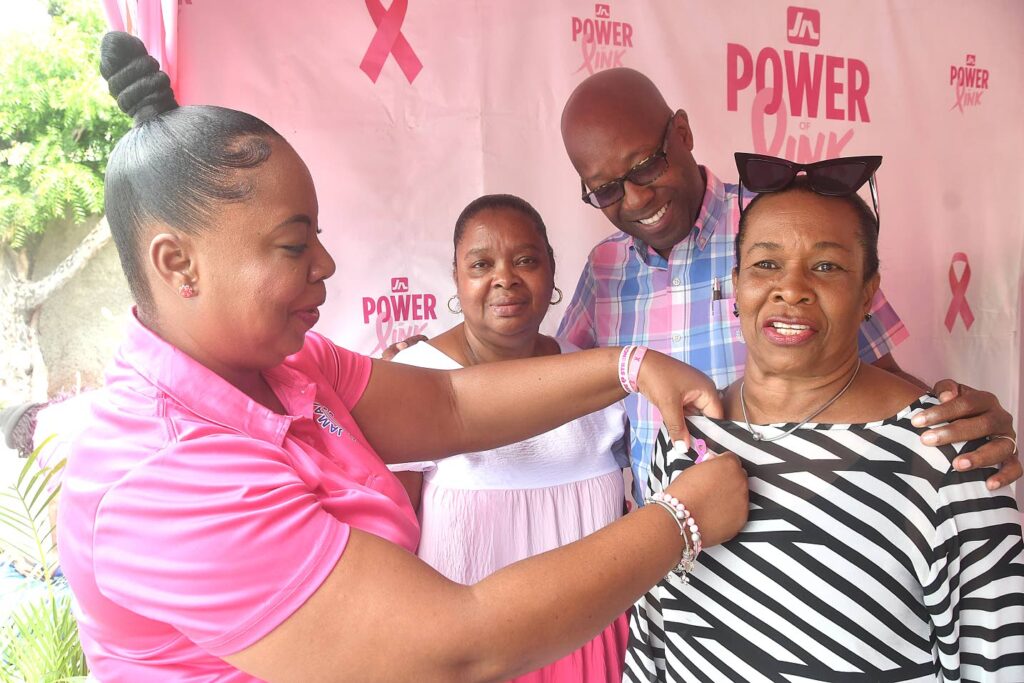
Jamaica Cancer Society seeks $50m for new mammogram machine
The Jamaica Cancer Society (JCS) has launched an urgent $50-million fundraising campaign to replace its aging mammogram machine, which is nearing the end of its operational lifespan. The appeal was made by JCS Executive Director Roshane Reid-Koomson on World Mammography Day, emphasizing the need to ensure continued access to subsidized and free breast-screening services for women across Jamaica.
-

Finding my mind
Last week marked World Mental Health Day, a time to reflect on the complexities of mental well-being. While mental stress is often linked to workplace challenges, it is crucial to distinguish between temporary stress and mental illness. Mental stress, though uncomfortable, can be a catalyst for innovation and problem-solving. However, mental illness, such as memory loss, presents a more profound and often misunderstood challenge.
-
Psychiatric Hospital to host mental health fair & open day
The Psychiatric Hospital in Black Rock, St Michael, is set to organize a Mental Health Fair and Open Day on Friday, October 31, from 10 a.m. to 2 p.m. The event, themed ‘Community: Supporting Mental Wellbeing Together,’ aims to underscore the collective responsibility of fostering mental health. The initiative emphasizes creating a supportive environment, building authentic relationships, promoting open conversations, and enhancing community bonds. The public is encouraged to participate in this significant event, which will offer complimentary health screenings for blood glucose, blood pressure, and cholesterol levels. Additionally, attendees can explore health product exhibits, sample various items, access educational resources, and join guided tours of the facility. This event serves as a platform to raise awareness about mental health and its integral role in overall wellbeing.
-
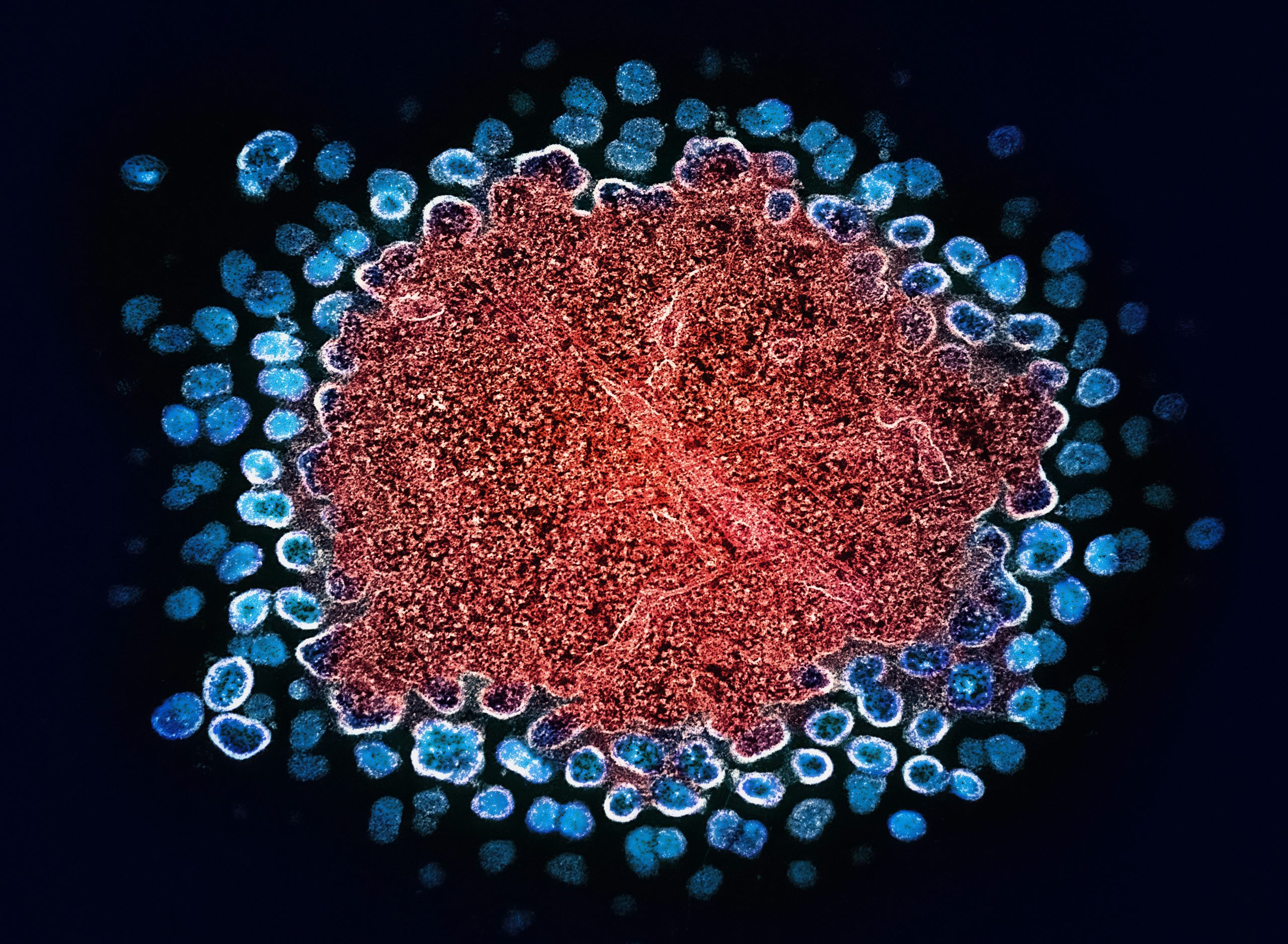
CONAVIHSIDA reports decline in HIV cases in the Dominican Republic
In a recent announcement by the National Council for HIV and AIDS (CONAVIHSIDA), it was revealed that approximately 87,000 individuals in the Dominican Republic are currently living with HIV. Among these, 79,810 have been formally diagnosed, 56,503 are undergoing antiretroviral treatment, and an encouraging 49,517 have achieved a suppressed or undetectable viral load. CONAVIHSIDA emphasized that individuals with an undetectable viral load are incapable of transmitting the virus, highlighting the critical need to safeguard their fundamental rights, including access to employment, healthcare, and education without facing discrimination. National data further indicates that the Dominican Republic has achieved a 13% reduction in new HIV infections and a 59% decline in AIDS-related deaths by 2024. These advancements are attributed to the successful implementation of comprehensive prevention, treatment, and awareness policies as part of the country’s ongoing HIV response strategy.
-
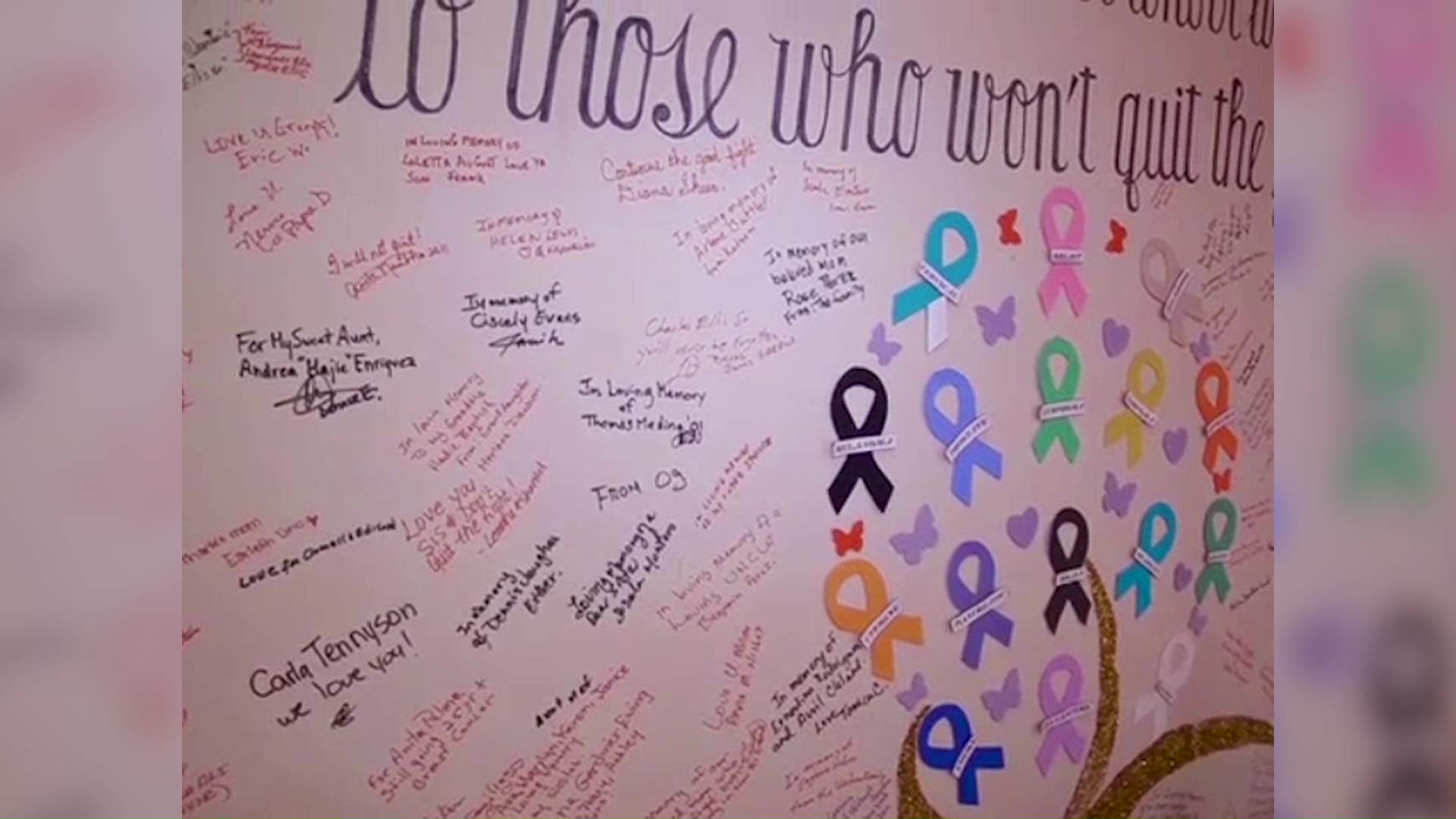
Belizean Leaders Turn Cancer Battles into Stories of Strength
October marks Breast Cancer Awareness Month, a time when communities worldwide unite to raise funds, spread knowledge, and support those battling cancer. In Belize, this month serves as a poignant reminder of the daily struggles faced by hundreds of cancer patients, each with a unique story of courage and resilience. This week’s edition of Belize on Reel highlights the inspiring journeys of survivors who have turned their battles into powerful narratives of strength. Among them is Valerie Woods, the Speaker of the House, who revealed her breast cancer diagnosis last November. Nearly a year later, she has rung the bell signaling the end of her treatment, a symbolic gesture of hope and triumph. Another beacon of inspiration is Kim Simplis-Barrow, diagnosed with stage three breast cancer in 2011. Now in remission, she leads the Belize Cancer Society, using her experience to guide others through their own fights. Simplis-Barrow recalls the harshness of her treatment, emphasizing the importance of advancements in medication. Meanwhile, Dr. Cecilio Eck, a beloved pediatrician, shares his own life-altering diagnosis of stage four biliary tract cancer in July 2024. He describes how his life came to a halt upon hearing the news, yet he remains grateful for the overwhelming support from his community. The financial burden of cancer treatment is a significant challenge in Belize, with costs reaching $25,000 every three weeks for Dr. Eck. Simplis-Barrow, who has walked this path herself, emphasizes the importance of empathy and community support in alleviating these struggles. Despite the uncertainties of remission, these survivors continue to draw strength from their resilience and the unwavering support of those around them. Their stories serve as a testament to the power of hope and the enduring spirit of the human will.
-
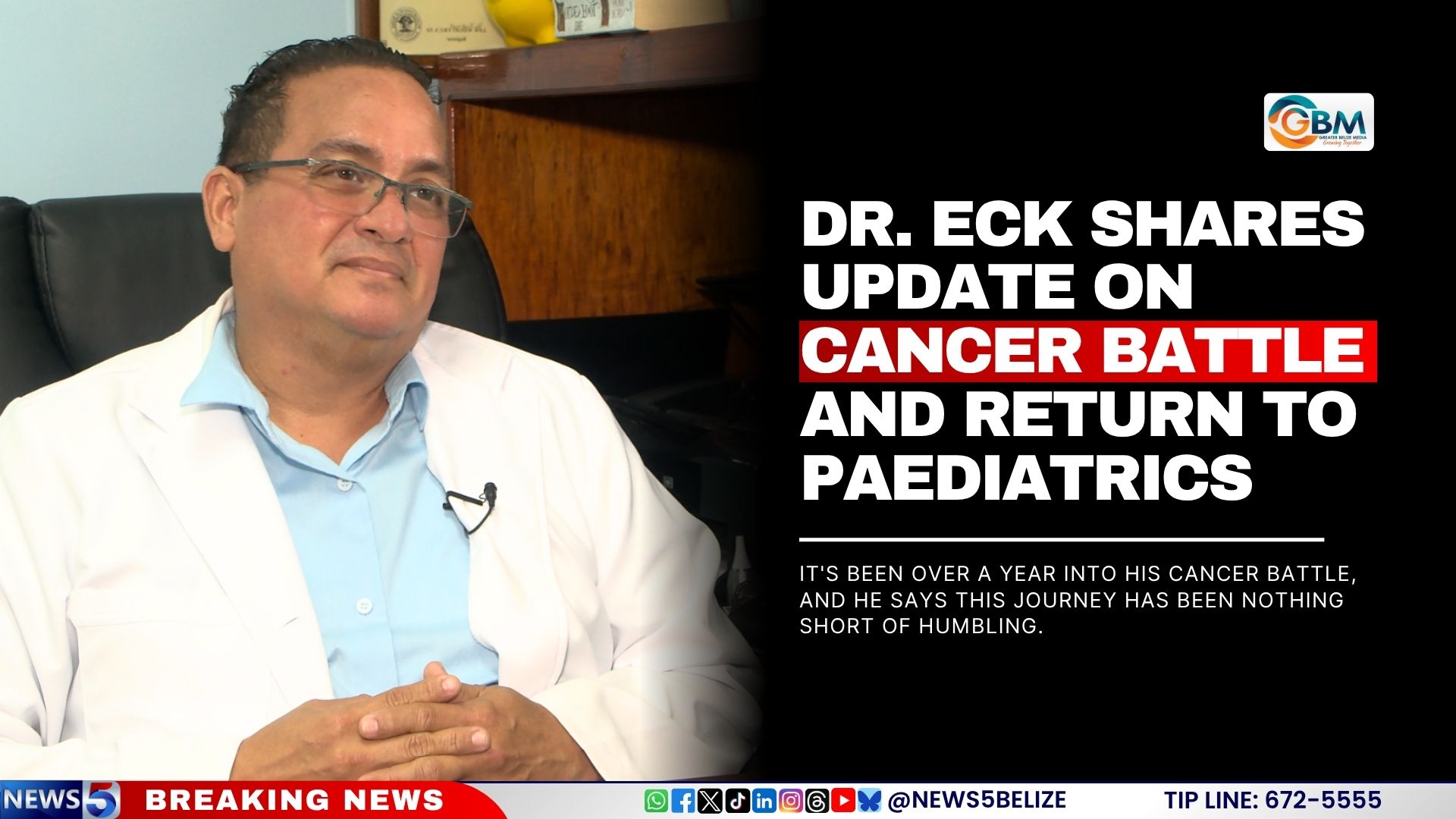
Dr. Eck Shares Update on Cancer Battle and Return to Paediatrics
Dr. Cecilio Eck, a cherished paediatrician, has provided an inspiring update on his ongoing battle with stage four cancer. Over a year into his diagnosis, Dr. Eck describes the journey as profoundly humbling, marked by both financial and emotional challenges. Despite the high costs of treatment—approximately $25,000 every three weeks—he remains deeply grateful for the overwhelming support from his community, friends, colleagues, and even his young patients.
Dr. Eck has undergone a rigorous treatment regimen, including chemotherapy, radiotherapy, and immunotherapy, spending countless hours in hospitals. He shared touching anecdotes, such as a young patient who sold avocados to contribute to his treatment fund, highlighting the unexpected kindness he has encountered.
His faith and the unwavering support of his community have been pivotal in sustaining his strength. Dr. Eck emphasized the importance of living each day to the fullest, acknowledging the uncertainty of life. Recent scans have shown promising results, and he remains hopeful for remission.
While he still has another year of treatment ahead, Dr. Eck has returned to his practice, caring for his ‘little patients’ with the same dedication and compassion that has defined his career. His story continues to inspire and remind us of the resilience of the human spirit.
-
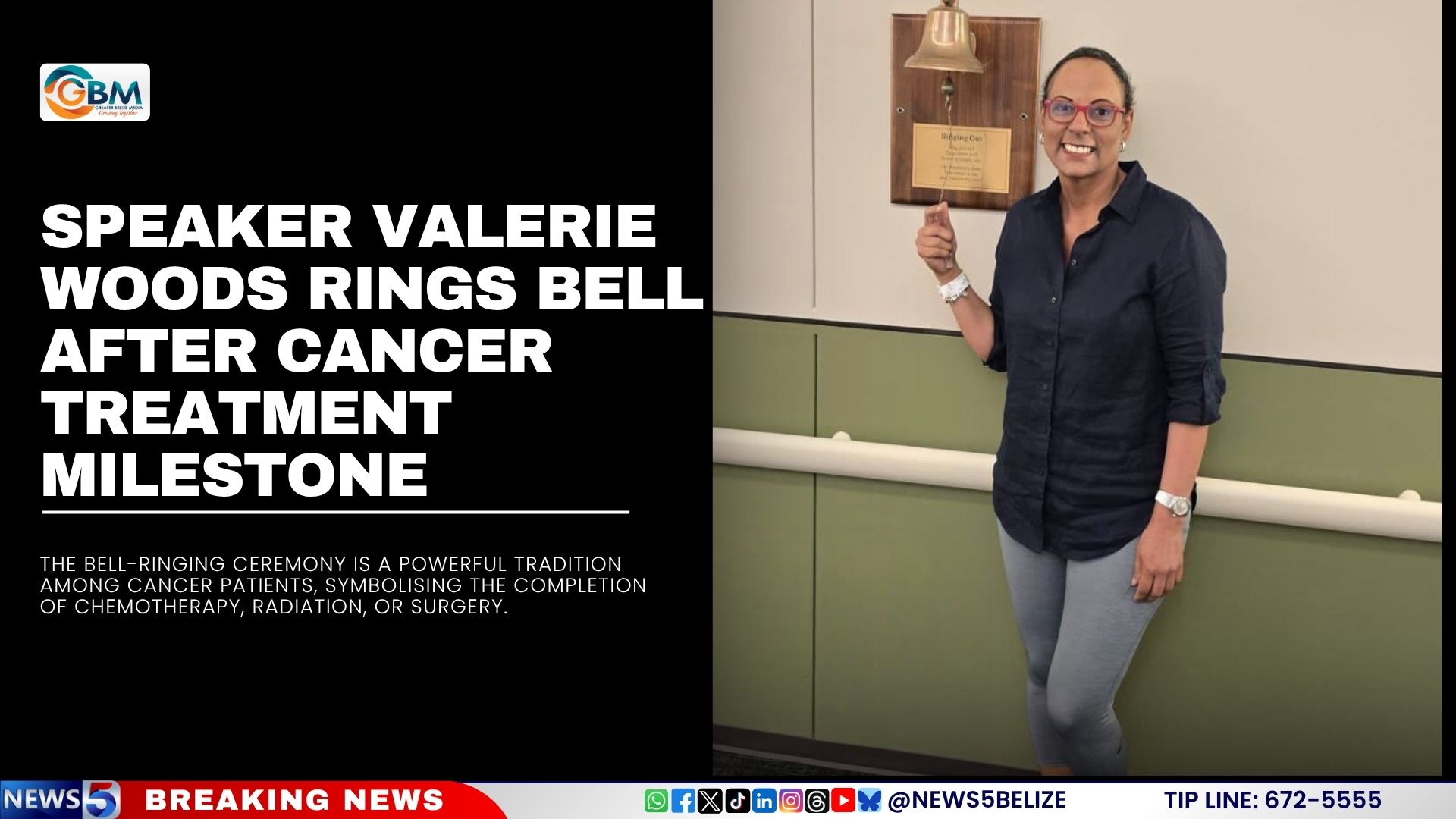
Speaker Valerie Woods Rings Bell After Cancer Treatment Milestone
In a heartwarming moment of triumph, House Speaker Valerie Woods marked a significant milestone in her cancer treatment journey by participating in the traditional bell-ringing ceremony at her treatment center. This symbolic act, often shared with loved ones and fellow patients, signifies the completion of intensive treatments such as chemotherapy, radiation, or surgery. The ceremony is a cherished tradition in the cancer community, representing hope, resilience, and the strength to overcome adversity. Speaker Woods’ achievement coincides with Global Lobular Breast Cancer Awareness Day, observed this week, which sheds light on a lesser-known yet serious form of breast cancer. While Woods remains abroad for her recovery, the House of Representatives continues its regular session, with updates on both legislative proceedings and her health anticipated in the coming days.