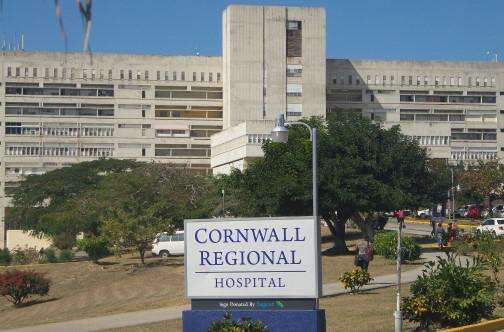
The St. Jude Hospital (SJH) project has reached a significant milestone with the official handover of the completed hospital buildings from contractor Rayneau Gajadhar to the Ministry of Health and the Government of Saint Lucia. The ceremony, held on November 16, marked the beginning of the hospital’s commissioning process rather than its opening. This phase involves preparing the facility for safe and effective operation, including the installation and testing of medical equipment, staff training, and the transition of administrative services. According to Communications Specialist Jade Brown, the hospital is currently in phase one of commissioning, which includes relocating administrative and support services to the new Augier site. The finance department has already begun operations at the permanent location, with other departments such as the kitchen, laundry, and physiotherapy scheduled to follow. Physiotherapy services, temporarily suspended during the move, will resume on November 24 at the new site. Brown highlighted that the delayed arrival of medical equipment, partly due to Hurricane Melissa, has slowed the transition of clinical departments. Three containers of equipment have arrived, with more expected. Brown clarified that the contractor’s continued presence is essential for equipment installation, staff training, and ensuring a smooth transition. She emphasized that patient relocation will only occur once all systems are fully operational and staff are adequately trained. The commissioning team, comprising medical professionals, technocrats, and contractor representatives, continues to assess the hospital’s readiness and plan the next steps in the transition process.
分类: health
-

Six dead as Jamaica experiences outbreak of leptospirosis – Tufton
Jamaica is currently grappling with a leptospirosis outbreak, with nine confirmed cases and 28 suspected or probable cases reported as of October 30. Tragically, six deaths have been linked to the suspected cases. The outbreak was disclosed by Dr. Christopher Tufton, Minister of Health and Wellness, during a press briefing on Friday. He emphasized that the cases span across eight parishes, marking a significant surge compared to the two to 21 cases recorded over the previous 34 months. The outbreak is attributed to the aftermath of Hurricane Melissa, which has heightened the risk of exposure to contaminated water and soil. Leptospirosis, caused by bacteria thriving in water tainted by the urine of infected animals—particularly rats, but also cats, dogs, and livestock—poses a severe public health risk following heavy rainfall or flooding. Dr. Tufton urged individuals, especially those involved in post-hurricane cleanup efforts, to exercise extreme caution by wearing appropriate protective gear to mitigate the risk of infection.
-

Working from all areas to address the country’s epidemiological situation
In response to the escalating arbovirus epidemic in Cuba, marked by the simultaneous circulation of chikungunya and dengue viruses, President Miguel Díaz-Canel Bermúdez convened a critical meeting with health experts, scientists, and researchers. The session focused on strategies to reduce mosquito infestation rates, enhance treatment protocols, and mitigate the impact of these diseases on the population. Lorena Vázquez Bello, first deputy director of the Pedro Kourí Institute of Tropical Medicine (IPK), emphasized the importance of understanding chikungunya’s clinical manifestations, which differ significantly from other diseases. She highlighted symptoms such as abrupt high fever, severe arthralgia, and arthritis, which often require hospitalization. Preliminary studies of 32 patients at IPK revealed complications including dehydration, acute confusion in the elderly, and neurological issues. To address these challenges, the Ministry of Public Health (Minsap) has approved 26 studies aimed at developing new products and refining treatment protocols. Ileana Morales Suárez, Minsap’s director of Science and Technological Innovation, noted that ongoing research focuses on chronic joint discomfort post-infection, with targeted health interventions planned for vulnerable groups, particularly the elderly. Additionally, efforts are underway to develop diagnostic tests and repurpose existing products like Jusvinza for chikungunya treatment. The meeting also addressed logistical measures, including the repair of fumigation equipment and the production of repellents. These comprehensive actions underscore Cuba’s commitment to leveraging science, medical care, and industry to counteract the current epidemiological crisis and strengthen arbovirus prevention and treatment.
-

Ultrabewerkt voedsel vormt groeiend gezondheidsrisico wereldwijd
Ultra-processed foods (UPFs) are increasingly recognized as a significant threat to public health, prompting calls for urgent intervention from international experts. A comprehensive review of scientific studies highlights a dramatic shift in global dietary patterns, with fresh, unprocessed foods being replaced by cheap, heavily processed alternatives. This trend is linked to a heightened risk of chronic conditions such as obesity, diabetes, and even depression. The review, conducted by 43 experts based on 104 long-term studies, identifies associations between UPFs and at least 12 health issues, including cardiovascular disease, kidney disease, and increased mortality. Examples of UPFs include sausages, chips, cookies, sodas, instant soups, ice cream, and many types of supermarket bread. The global consumption of these industrially manufactured products is rising rapidly, leading to poorer overall dietary quality due to excessive sugar, unhealthy fats, and insufficient fiber and protein. Professor Carlos Monteiro of the University of São Paulo, creator of the Nova classification system, emphasizes that UPFs are displacing fresh and minimally processed foods worldwide. Large international food corporations play a pivotal role in this shift, prioritizing profit, aggressive marketing, and political lobbying to avoid stricter health regulations. However, critics of the Nova classification argue that the degree of processing does not solely determine a product’s healthiness. Items like whole-grain bread, breakfast cereals, low-fat yogurt, fish sticks, and baby formula, classified as UPFs, still contain nutrients beneficial to a healthy diet. Statistician Kevin McConway cautions that the observed correlations do not establish causation, and further clinical studies are needed to identify specific components of UPFs contributing to disease. Researchers like Professor Jules Griffin also highlight the benefits of food processing and advocate for more research into its health impacts. Co-author Dr. Phillip Baker of the University of Sydney argues that despite gaps in evidence, immediate action is necessary, akin to global efforts against the tobacco industry. The food industry, meanwhile, maintains that UPFs can be part of a balanced diet, with the Food and Drink Federation noting improvements in recent years, including reduced sugar and salt content. The UK’s Scientific Advisory Committee on Nutrition has described the links between UPFs and adverse health effects as “concerning” but acknowledges uncertainty over whether processing or the unhealthy composition of these products is the primary cause. Current dietary advice remains unchanged: increase consumption of vegetables, fruits, and fiber while limiting sugar, salt, and saturated fats.
-

BOG start nieuwe fase bij 98 -jarig bestaan
The Bureau of Public Health (BOG) in Suriname marked its 98th anniversary on November 18, coinciding with the soft opening of its new headquarters. The event, attended by Health Minister André Misiekaba, highlighted the organization’s pivotal role in the nation’s preventive healthcare system. Minister Misiekaba emphasized that the new building symbolizes BOG’s readiness to confidently embrace the future. ‘This is tangible proof that BOG not only honors its past but is also stepping into the future with conviction,’ he stated. The minister underscored BOG’s foundational role in Suriname’s public health, particularly its Central Laboratory, which played a critical role during the COVID-19 pandemic as the first in the Caribbean to initiate COVID-19 diagnostic capabilities. ‘This achievement was no coincidence but the result of years of dedication,’ Misiekaba added. The new facility, coupled with internal relocations, lays a solid foundation for the decades ahead. The minister also announced an ambitious shift in BOG’s mission, aiming to transform it into Suriname’s leading National Knowledge and Research Institute for Public Health. ‘We are entering a new phase where we will no longer settle for merely recording diseases. BOG must become the intellectual engine behind public health,’ he declared. Acting Director Radjesh Ori reflected on BOG’s evolution over the years, noting its indispensable role in society. ’98 years is a respectable age. BOG has become a household name and is irreplaceable,’ Ori remarked. Minister Misiekaba concluded by emphasizing that true change lies not in infrastructure but in the dedication and expertise of BOG’s staff. Despite ongoing public health challenges, he expressed confidence in the team’s ability to drive scientific transformation. ‘If we embrace this scientific shift, the results—a healthier and more productive Suriname—will be well worth it,’ he said, calling for collective ambition and collaboration to make BOG a proud cornerstone of Surinamese science and public health.
-

Regional Eye Health Strategic Plan Project launched
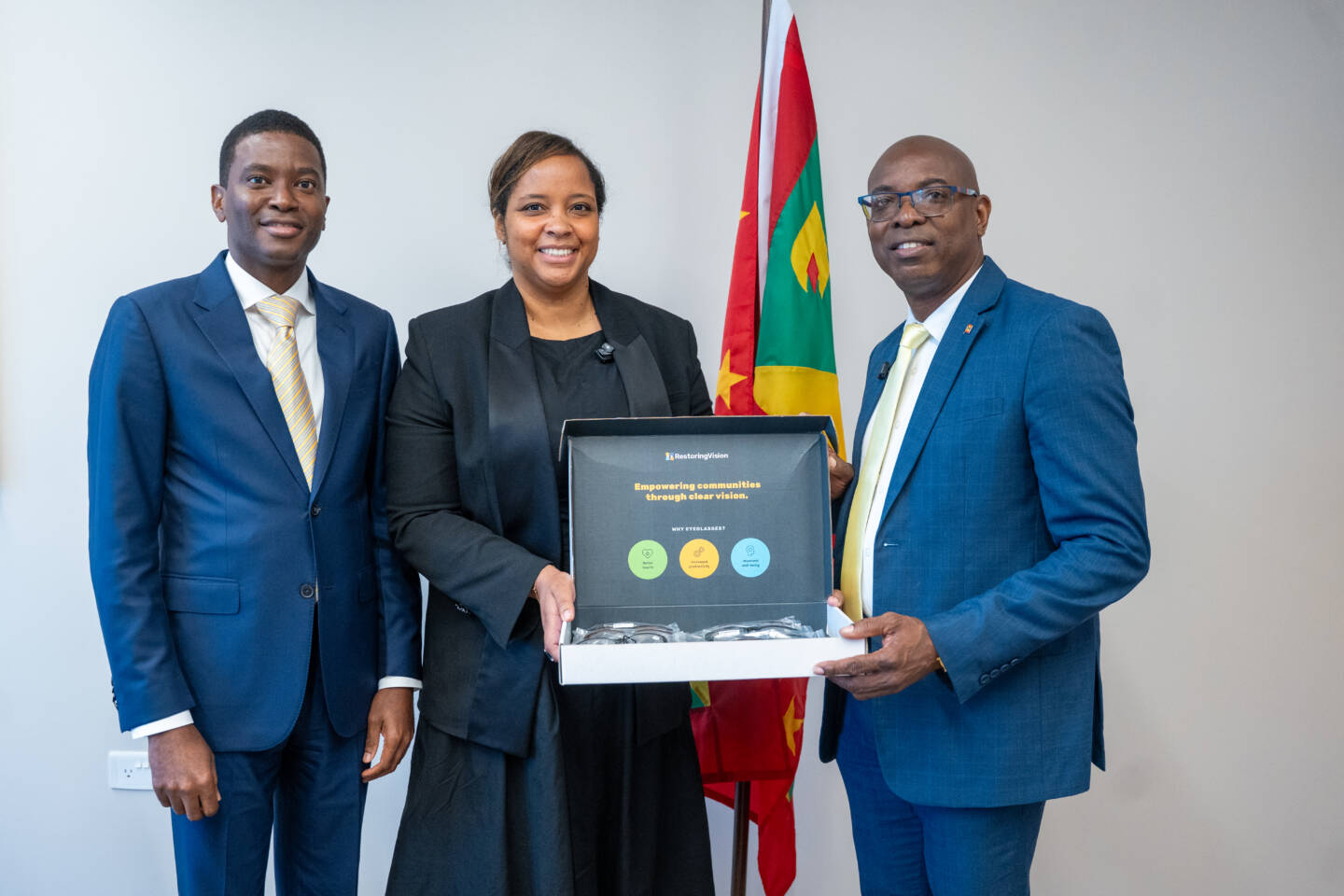
On October 23, 2025, the Organisation of Eastern Caribbean States (OECS) Commission, in partnership with the Brenda Strafford Foundation (BSF), unveiled the Regional Eye Health Strategic Plan Project during the 11th Council of Ministers: Health meeting. This initiative, supported by the International Agency for the Prevention of Blindness, aims to address critical challenges in eye care across the region, including limited resources, accessibility, and equity. The project aligns with the OECS Heads of Government’s mandate to establish Centres of Excellence in healthcare. A comprehensive fact-finding assessment will be conducted to evaluate eye care needs and capacities within member states, ensuring the development of an evidence-based Regional Eye Health Strategy. Guided by the World Health Organisation’s “Eye Care in Health Systems: Guide for Action,” the initiative will generate robust data to identify prevalent eye conditions, at-risk populations, and targeted interventions. Honourable Philip Telesford, Grenada’s Minister for Health and incoming Chair of the OECS PPS Board, endorsed the project, describing it as a “blueprint for action” that prioritizes equity and integrated, people-centred care. Sisera Simon, Head of the Human and Social Division at the OECS Commission, emphasized the strategy’s role in fostering long-term health resilience. Tony Weeks, President and CEO of the BSF, highlighted the foundation’s commitment to equitable healthcare access and the collaborative efforts to eliminate preventable blindness. The project’s findings will be showcased at the inaugural Global Summit for Eye Health in Antigua and Barbuda in 2026, aligning with Sustainable Development Goal 3 and OECS Strategic Priority 5: advancing Equity and Inclusion.