分类: health

  • Thirty four permanent Public Health Aide positions approved by Cabinet

    Thirty four permanent Public Health Aide positions approved by Cabinet

    The Commonwealth of Dominica has taken a significant step toward strengthening its national healthcare infrastructure. On January 14, 2026, the nation’s Cabinet officially authorized the creation of thirty-four permanent Public Health Aide positions, to be integrated within the Ministry of Health, Wellness and Social Services.

    This strategic decision involves classifying the new roles at Level II and is a core component of the government’s broader initiative to reinforce primary healthcare and expand community-based services. A dedicated annual budget of $702,836.10 has been allocated to the Primary Health Care sector to fund these positions, ensuring their financial sustainability.

    In a parallel move, the Cabinet has mandated that all existing temporary and contracted Public Health Aides be transitioned into permanent employment. This regularization is contingent upon the successful completion of standard governmental recruitment and verification protocols.

    Government officials assert that this policy is designed to achieve multiple critical objectives: enhancing the overall resilience of the national health system, improving the retention of skilled healthcare staff, and guaranteeing consistent, uninterrupted care for communities. Furthermore, the shift to permanent status is expected to foster greater accountability, streamline performance management, and increase administrative efficiency by eliminating the cumbersome cycle of repeated contract renewals and seeking continual Cabinet approvals for extensions.

    This latest action continues a policy trajectory set in May 2025, when the government approved the regularization of more than eighty long-serving non-established workers throughout the public service. The administration describes these efforts as a demonstration of its “continued commitment to modernising and stabilising the public sector workforce,” signaling a long-term investment in its human resources and public service delivery.

  • Officials Acknowledge Difficulty Retaining Local Nurses

    Officials Acknowledge Difficulty Retaining Local Nurses

    Health officials in Antigua and Barbuda have publicly conceded defeat in the intensifying global battle for nursing talent, revealing that the nation faces insurmountable challenges in retaining its locally trained healthcare professionals. The Caribbean nation experiences a weekly exodus of nurses lured by superior compensation packages from international recruiters.

    According to government spokesperson Merchant, the highly qualified nurses of Antigua and Barbuda have become prime targets for overseas recruitment drives due to their exceptional training standards and professional qualifications. This systematic poaching of talent has created a perpetual staffing crisis within the nation’s healthcare system.

    The financial disparity between domestic and international offers presents an impossible hurdle for the island nation. Merchant acknowledged that matching the salary structures of North American and European healthcare institutions remains ‘practically impossible’ given the country’s economic constraints. This financial reality serves as the primary driver behind nurses’ decisions to seek employment abroad.

    The fundamental difference in healthcare funding models further exacerbates the challenge. Unlike the fee-based systems prevalent in developed nations, Antigua and Barbuda provides free healthcare services to its citizens through public health centers and the Mount St. John Medical Centre. This socialized medicine approach, while ensuring accessibility for citizens, limits the government’s ability to compete with the lucrative compensation packages offered by privately-funded international healthcare providers.

    Despite these challenges, the government maintains a dual-strategy approach. While addressing immediate staffing shortages through contractual agreements with international partners, officials continue to invest in local nurse training programs as a long-term solution to the ongoing healthcare workforce crisis.

  • Trinidad and Tobago Newsday – Saturday January 17th 2026

    Trinidad and Tobago Newsday – Saturday January 17th 2026

    A comprehensive scientific review has cast significant doubt on the efficacy of many widely consumed dietary supplements, urging both consumers and healthcare providers to adopt a more evidence-based approach to their use. The analysis, which synthesizes findings from numerous clinical trials and meta-studies, reveals that a substantial portion of the multi-billion dollar supplement industry operates on claims that are not robustly supported by scientific data.

    The review meticulously examined popular categories including multivitamins, probiotics, omega-3s, and various herbal extracts. Findings indicate that while certain supplements like folic acid for prenatal health or vitamin D for specific deficiency cases are well-supported, many others show negligible benefits for the general population. For instance, the widespread use of multivitamins was found to offer no significant protection against major chronic diseases such as heart disease or cognitive decline in healthy adults.

    Experts cited in the report emphasize a ‘food-first’ philosophy, arguing that nutrients are most effectively absorbed and utilized by the body when consumed through a balanced and varied diet rather than in isolated, high-dose formulations. The research also highlights potential risks, including the possibility of adverse interactions with prescription medications and the toxicity associated with megadoses of certain fat-soluble vitamins.

    The timing of this review is critical, as the global supplement market continues to experience exponential growth, often fueled by aggressive marketing and anecdotal success stories rather than conclusive research. The authors call for more stringent regulatory oversight and higher-quality, large-scale clinical trials to definitively establish the benefits and risks of these widely available products. They conclude that for the average healthy individual, financial resources are better invested in whole foods rather than an array of pills with unproven returns.

  • Pledges end protest

    Pledges end protest

    Medical personnel at Cornwall Regional Hospital’s Accident and Emergency Department suspended their industrial action on Friday following concrete commitments from health authorities to address critical infrastructure and operational challenges. The protest highlighted severe overcrowding, rodent infestations, and hazardous working conditions that have compromised both staff welfare and patient care.

    Health and Wellness Minister Dr. Christopher Tufton acknowledged the crisis, attributing the extreme overcrowding to concurrent factors: ongoing renovation works that have reduced available space, a seasonal surge in respiratory illnesses, and residual impacts from Hurricane Melissa which struck in late October 2025. “The challenge is the overcrowding, primarily, and it is being amplified by the renovation,” Minister Tufton stated, confirming that staff are operating under exceptionally demanding circumstances.

    Clinical staff provided harrowing accounts of the conditions. Nursing representative Lattar Burke described scenes of patients receiving resuscitation care on floors due to bed shortages, with over 100 patients crammed into a space designed for 35. Anonymous medical professionals reported using beach chairs as makeshift beds and detailed dangerous incidents, including a needlestick injury to a pregnant physiotherapist caused by severely constrained working areas.

    Patient Dominic Prince, a resident of St. Vincent and the Grenadines, expressed outrage after signing himself out of the facility, declaring, “I am a human being, not a dog.”

    Following emergency meetings, hospital administrators presented a detailed action plan. Clinical Coordinator Dr. Delroy Fray announced the imminent installation of a temporary dome structure within two weeks to accommodate 100-150 additional beds, aiming to restore total capacity to 350 beds. CEO Charmaine Williams Beckford committed to providing staff with regular progress updates over the coming one to three weeks.

    Simultaneously, St James public health parish manager Lennox Wallace unveiled a comprehensive rodent eradication program. The $50-million initiative includes extensive baiting and a major cleanup operation in the surrounding Mount Salem community on November 23-24 to address waste accumulation fueling the infestation. Wallace emphasized this would be a sustained six-month program, not a temporary measure.

    With these assurances and specific timelines for improvement, medical staff demobilized their protest and returned to their posts, though they maintain vigilance regarding the implementation of promised reforms.

  • UK-Caribbean Healthcare Mission strengthens UK-Jamaica partnership

    UK-Caribbean Healthcare Mission strengthens UK-Jamaica partnership

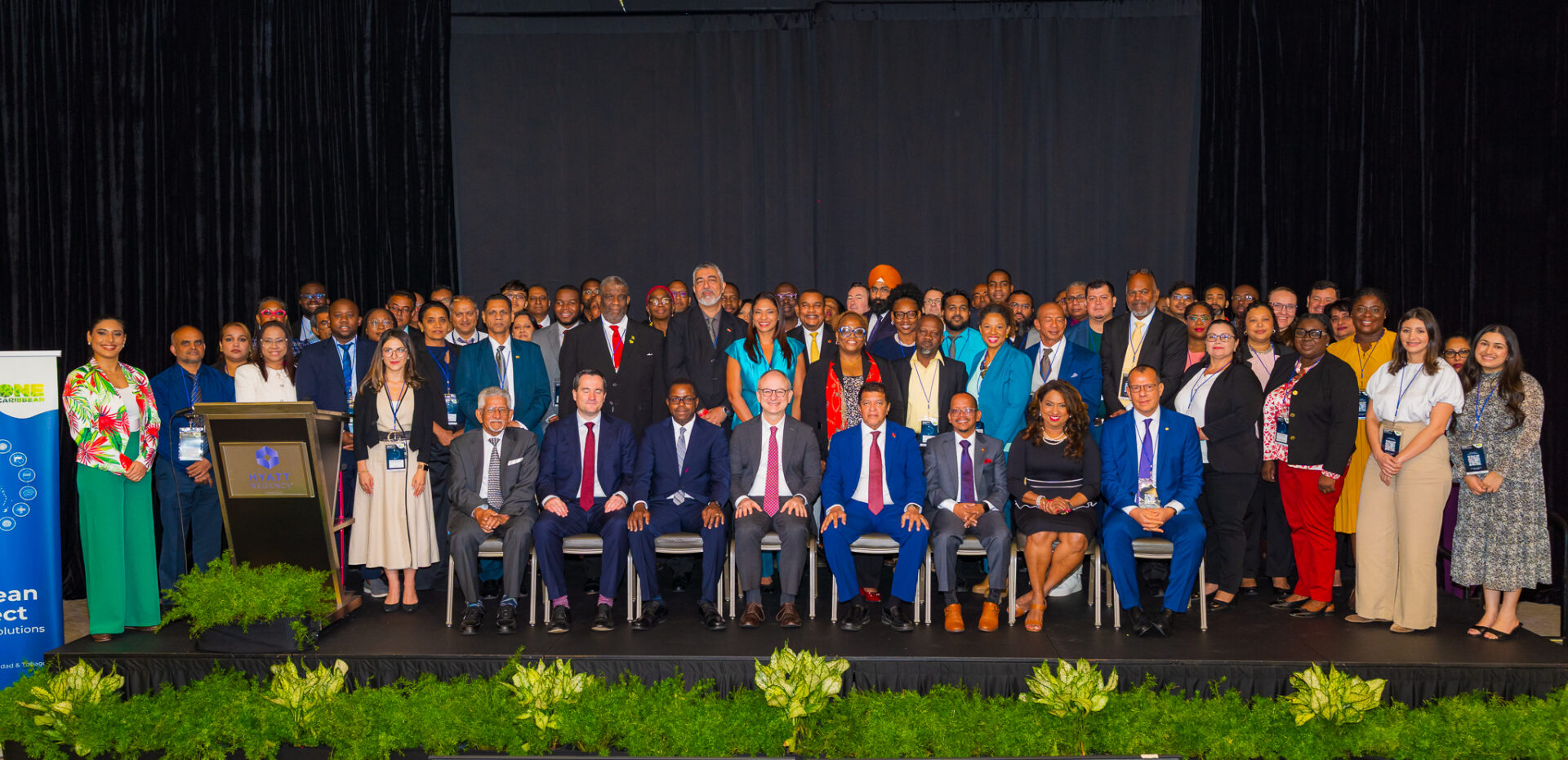
    In a significant development for regional healthcare cooperation, Jamaica and the United Kingdom have substantially strengthened their partnership in medical regulation and system development following Jamaica’s active participation in the groundbreaking UK-Caribbean Healthcare Mission. This pioneering initiative, designed to foster more resilient and effective healthcare infrastructures throughout the Caribbean, represents a new chapter in international health collaboration.

    The mission convened high-level representatives from Jamaica alongside delegates from Trinidad and Tobago, Barbados, Guyana, and St. Lucia, creating an unprecedented platform for knowledge exchange and strategic alignment. The collaborative effort focused extensively on enhancing healthcare delivery mechanisms, elevating regulatory standards, and promoting innovation throughout the regional health sector.

    British High Commissioner to Jamaica Alicia Herbert emphasized the historic nature of the initiative, stating: ‘This mission represented a first-of-its-kind collaboration with a unified objective – fortifying healthcare systems and building sustainable resilience for future challenges. Through sharing British expertise in life sciences, medical technology, and regulatory frameworks, we’ve established a robust foundation for UK-Jamaica partnership addressing shared health priorities.’

    Delegates engaged in comprehensive examinations of the UK’s internationally acclaimed healthcare and pharmaceutical regulatory systems, with particular attention to practical methodologies for Caribbean system improvement. Critical discussion areas included streamlining medication registration procedures, digital transformation of regulatory architectures, enhancing safety protocols and quality assurance measures, combating illicit pharmaceutical imports, and harmonizing with global standards.

    The program additionally facilitated exploration of cross-sector partnerships, professional capacity building, and regulatory equivalence applications to accelerate access to safe, effective medications.

    Participants gained invaluable insights through sessions with prestigious UK institutions including the Medicines and Healthcare products Regulatory Agency (MHRA), King’s College London, the National Institute for Health and Care Excellence (NICE), the Association of the British Pharmaceutical Industry (ABPI), and the Centre for Innovation in Regulatory Science (CIRS). These engagements provided exposure to advanced governance models, health technology assessment methodologies, and international regulatory benchmarks directly relevant to Jamaica’s healthcare objectives.

    This mission underscores the UK’s sustained commitment to supporting Jamaica’s healthcare advancement through cooperative innovation and expertise sharing, forming part of broader British engagement in Caribbean health, development, and regulatory cooperation. Both nations anticipate building upon these outcomes through continued collaboration with Jamaica and regional partners to strengthen healthcare systems that deliver improved outcomes for communities across Jamaica and the wider Caribbean.

  • Bajan, Trinidad and Tobago health advocates applaud healthier school nutrition policy

    Bajan, Trinidad and Tobago health advocates applaud healthier school nutrition policy

    In a significant public health endorsement, the Barbados-based Healthy Caribbean Coalition (HCC) and the Trinidad & Tobago Non-Communicable Disease (NCD) Alliance have formally commended the government’s newly updated school nutrition standards. The organizations praised what they characterized as “bold steps” taken by Education Minister Dr. Michael Dowlath and Health Minister Dr. Lackram Bodoe during the policy’s announcement in Port of Spain on January 9.

    The updated policy represents a substantial expansion of the 2017 ban on sugary drinks in schools. Under the new regulations, only water, 100% fruit juices, low-fat milk, and blended vegetable or fruit drinks without added sugars or artificial sweeteners are permitted in government and government-assisted schools.

    Key enhancements include explicit nutritional limits for pre-packaged snacks with specific restrictions on calories, sugar, fat, and sodium content. The policy also establishes stronger standards for meals prepared or sold in school cafeterias, promoting balanced nutrition through fruits, vegetables, lean proteins, and appropriate starches prepared using healthier cooking methods like baking, grilling, steaming, or boiling.

    Notably, the initiative introduces comprehensive restrictions on marketing and promoting unhealthy foods and beverages within school environments. District health and education officers will implement monitoring and compliance mechanisms to ensure adherence. A five-point nutritional checklist will govern all snacks and meals sold on school grounds, explicitly excluding energy drinks and artificial sweeteners.

    The policy addresses what ministers termed “the silent pandemic” of childhood obesity. HCC president Dr. Kenneth Connell emphasized the timeliness of these measures, noting that “childhood obesity remains a major concern for us in the Caribbean, as increasing incidence of NCDs is being recognised across the region in young people.”

    Dr. Karen Sealey, chair of the NCD Alliance, highlighted the serious health implications, stating that “childhood obesity is linked to complications in children and adolescents such as diabetes and hypertension, and it tracks into adulthood.” Alarmingly, recent data indicates over 30% of school-aged children in Trinidad & Tobago are overweight or obese, with 93.3% of the population consuming fewer than five daily servings of fruits and vegetables.

    This initiative positions Trinidad & Tobago alongside other Caribbean nations including Jamaica, Barbados, Belize, and Bermuda that are implementing robust measures to improve school food environments by removing ultra-processed products and prohibiting their marketing to children.

  • Government Defends Decision Not to Use Genetically Modified Mosquitoes—for Now

    Government Defends Decision Not to Use Genetically Modified Mosquitoes—for Now

    The Antigua and Barbuda government has confirmed extensive internal discussions regarding the potential deployment of genetically modified (GM) mosquitoes as a novel strategy against vector-borne diseases. However, officials have declared the nation is not yet ready to implement this biotechnology solution, identifying significant barriers that must first be overcome.

    During a recent post-Cabinet media briefing, Maurice Merchant, Director General of Communications in the Prime Minister’s Office, addressed inquiries about adopting more aggressive mosquito control methods. Merchant revealed that while the government has seriously evaluated GM mosquitoes, the approach remains under scrutiny with no immediate plans for implementation.

    Public acceptance emerged as the primary concern, with Merchant emphasizing that comprehensive public education and community sensitization represent substantial challenges. The significant financial investment required for genetically modified initiatives presents another considerable obstacle, making cost-effectiveness a critical factor in the decision-making process.

    The nation’s tropical climate further complicates potential deployment, creating environmental conditions particularly conducive to mosquito proliferation that may diminish the effectiveness of singular technological solutions.

    Currently, the government continues to prioritize conventional mosquito control methodologies administered through the Central Board of Health’s vector-borne disease control division, which Merchant described as exceptionally effective. These established programs rely heavily on public participation in eradication efforts and community-level preventive measures.

    Government officials indicated that innovative scientific approaches would only be reconsidered should existing conventional methods prove inadequate in addressing the persistent challenge of mosquito-borne illnesses in the Caribbean nation.

  • PM to meet senior docs as pressure mounts at QEH

    PM to meet senior docs as pressure mounts at QEH

    Barbados’ Prime Minister Mia Mottley has summoned an urgent assembly of all medical consultants from the Queen Elizabeth Hospital (QEH) following the complete saturation of the nation’s primary medical facility. The healthcare crisis stems from a convergence of record influenza infections, trauma incidents, and escalating chronic disease complications that have pushed the institution beyond its operational capacity.

    A formal memorandum issued by Director of Medical Services Dr. Carlos Chase on Wednesday confirmed the emergency meeting scheduled for January 16th at the hospital’s auditorium. The directive explicitly mandated attendance from all consultant tiers—including full-time, University of the West Indies-affiliated, and sessional staff—requiring the rescheduling of surgeries, clinics, and private appointments to ensure participation.

    The emergency convocation follows Monday’s revelation by QEH administration that daily patient volumes at the Accident and Emergency Department have consistently exceeded 100 individuals, necessitating unprecedented crisis management protocols. CEO Neil Clark characterized the situation as responding to “one of the most significant influenza outbreaks in recent history globally since COVID-19,” with year-over-year attendance spikes of 8.5% representing an additional 160 patients monthly.

    December surveillance confirmed 42 influenza cases predominantly of Type A variety, alongside concurrent respiratory syncytial virus (RSV) infections and residual COVID-19 cases. The post-holiday period exacerbated conditions with increased hospitalization demands, prompting the implementation of escalated measures including enhanced staffing allocations, optimized bed management, and refined discharge coordination.

    Hospital officials addressed circulating reports of patients occupying floor spaces, clarifying that lowered ambulance trolleys for safety purposes might create visual misconceptions. The institution maintains rigorous triage protocols prioritizing life-threatening conditions while conducting daily strategic briefings to address evolving challenges.

    Dr. Anne-Marie Cruickshank, Head of the A&E Department, revealed sustained patient volumes have prevented clearance of backlogs, with daily counts reaching 100+ patients and waiting queues swelling to 40-60 individuals—far exceeding the ideal 15-patient threshold. Recent weekends witnessed 64 concurrent patients alongside ten gunshot trauma victims, creating what she described as “very intense” working conditions.

    The crisis response has included recalling seven resident physicians across consecutive weekends, augmenting nursing staff, and deploying specialist physicians directly within emergency department confines to expedite clinical decision-making. This structural modification enables direct consultation between emergency and specialist staff, replacing previous telephone coordination methods.

    Health authorities have issued public guidance urging citizens to reserve emergency services for critical conditions including chest pain, respiratory distress, major trauma, stroke symptoms, severe hemorrhage, or sudden collapse. For non-emergent conditions, officials recommend utilizing polyclinics, urgent care facilities, private practices, or pharmaceutical services while emphasizing proactive management of chronic health conditions.

  • Senator calls for overhaul of elderly care in health system

    Senator calls for overhaul of elderly care in health system

    Barbados faces a critical juncture in healthcare delivery as Independent Senator and public health specialist Dr. Kenneth Connell issued a stark warning about systemic failures in serving elderly patients. During a parliamentary debate on the National Policy on Ageing (2023-2028), Connell revealed fundamental flaws in how medical institutions accommodate senior citizens’ complex needs.

    The healthcare system’s fragmentation between private and public sectors creates substantial barriers for older patients, particularly regarding information sharing. Senator Connell emphasized the absence of seamless medical record transfer mechanisms, creating operational difficulties for both healthcare providers and vulnerable patients navigating treatment pathways.

    A particularly concerning issue raised involves restrictive attitudes toward family participation in medical settings. Connell challenged prevailing norms that limit relatives’ presence in accident and emergency departments, noting that many elderly patients require advocacy and support from familiar faces to effectively navigate healthcare complexities.

    Drawing from international training experiences, the senator described alternative care models where hospitals actively incorporate relatives into patient support systems. These facilities provide basic accommodations like couches in wards, enabling family members to remain overnight. This approach demonstrated tangible benefits: relatives assisted with fundamental care tasks like feeding, while medical staff gained valuable allies in patient management.

    Connell highlighted the ‘sundowning effect’ as a critical concern—a phenomenon where hospitalized elderly patients experience delirium and disorientation due to environmental changes and reduced sunlight exposure. These symptoms often mimic acute psychiatric episodes, potentially leading to misdiagnosis in already overburdened medical facilities.

    The senator warned that single agitated patients can disrupt entire ward operations, particularly in resource-constrained environments common in small island nations. He attributed these challenges to a system requiring fundamental ‘reformatting’ to properly address geriatric care requirements.

    Beyond immediate healthcare concerns, Connell urged policymakers to broaden their conceptual framework around aging. He advocated moving beyond chronological age as the primary metric and addressing the multifaceted challenges of unhealthy aging, including rising rates of diabetes, hypertension, arthritis, and dementia.

    The specialist concluded that without comprehensive reform, Barbados risks being unprepared for its demographic transition, potentially compromising care quality for its growing elderly population.

  • Senator calls for overhaul of elderly care in health system

    Senator calls for overhaul of elderly care in health system

    Barbados faces a critical juncture in healthcare delivery for its elderly citizens, according to Independent Senator and public health specialist Dr. Kenneth Connell. During Wednesday’s parliamentary debate on the 2023–2028 National Policy on Ageing, Connell issued a stark warning about systemic failures in accommodating the complex needs of older patients. The senator identified a fundamental disconnect between private and public healthcare sectors as a primary concern, creating what he described as an ‘extremely challenging’ navigation environment for senior citizens. This fragmentation manifests most visibly in the critical absence of seamless information exchange and medical record sharing between institutions, creating substantial obstacles for both patients and medical professionals. Connell further criticized restrictive hospital policies that limit family participation in care, particularly in emergency departments where he noted relatives are often perceived as occupying space intended solely for patients. Drawing from his international medical training, the senator contrasted local practices with more inclusive models where relatives receive accommodation to remain overnight with patients. This approach, he argued, provides dual benefits: family members assist with basic care tasks like feeding while helping mitigate the ‘sundowning effect’—a phenomenon where elderly patients experience delirium and disorientation in unfamiliar hospital environments. Connell warned that without systematic reform, Barbados’ healthcare infrastructure remains dangerously unprepared for the mounting pressures of arthritis, dementia, and cognitive decline within its aging demographic. The senator ultimately called for a paradigm shift in policy perspectives, urging lawmakers to look beyond chronological age as the sole metric when designing elderly care frameworks for small island developing states.