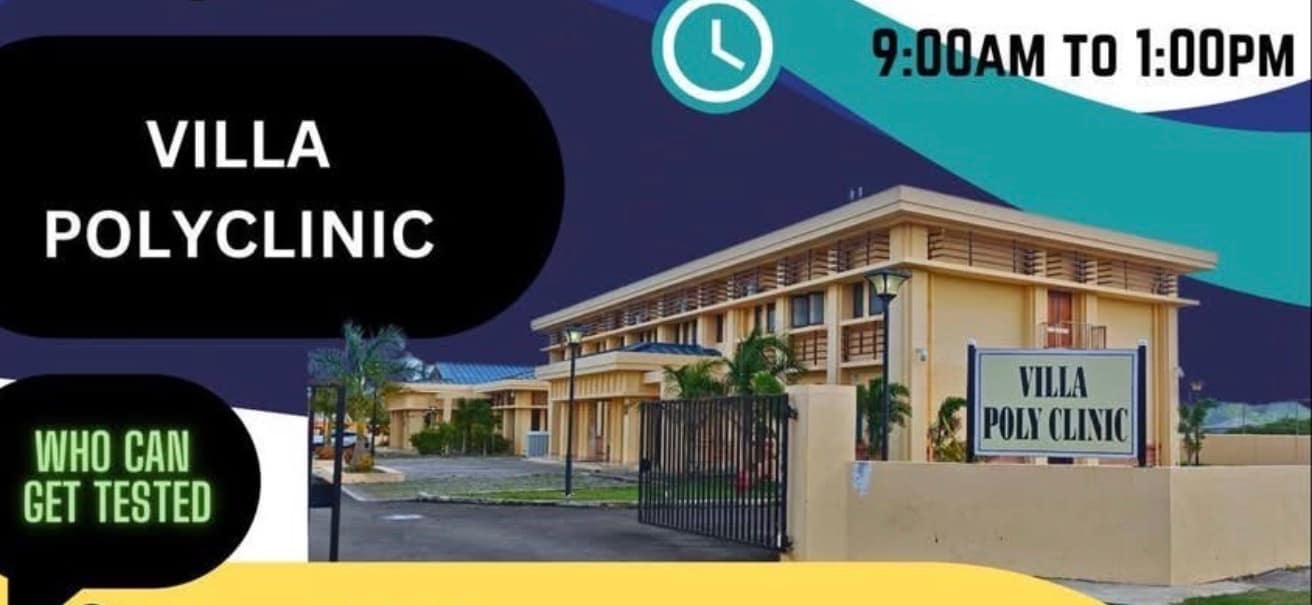
A new public health initiative is bringing free, weekend-accessible human papillomavirus (HPV) testing to Villa Polyclinic across select weekends in April and May, designed to boost early detection of pre-cancerous changes and cut cervical cancer mortality rates in the eligible population.\n\nOrganizers have confirmed the testing will operate between 9 a.m. and 1 p.m. on three scheduled weekends: April 18 and 19, followed by May 9 and 10, and a final weekend of testing on May 16 and 17. The weekend scheduling was chosen specifically to accommodate women who work standard weekday schedules and face barriers to accessing routine screening during business hours.\n\nPublic health officials are actively urging all women who meet the eligibility criteria to take advantage of this no-cost service, stressing that regular HPV screening is one of the most critical tools available for preventing invasive cervical cancer. Unlike many routine cancer screenings, this initiative offers free access to a test that can detect high-risk HPV strains responsible for nearly all cases of cervical cancer long before any symptoms develop.\n\nThe program is open to a broad group of eligible women, ranging from 30 to 65 years of age. First-time test-takers who have never undergone an HPV screening are specifically prioritized for the service, and women who retain their uterus after other gynecological procedures also qualify. Organizers have clarified a common point of confusion: women who have previously completed a Pap smear as part of routine gynecological care are still eligible to receive this free HPV test.\n\At its core, the campaign reinforces a life-saving public health message: consistent, regular screening and early detection of abnormal cellular changes directly reduces cervical cancer death rates. For additional questions about eligibility or location details, interested women can contact organizers at (268) 781-8256.
分类: health
-
J’keem Weste Jr. Makes Urgent Appeal for Kidney Donor to Support Life-Saving Transplant
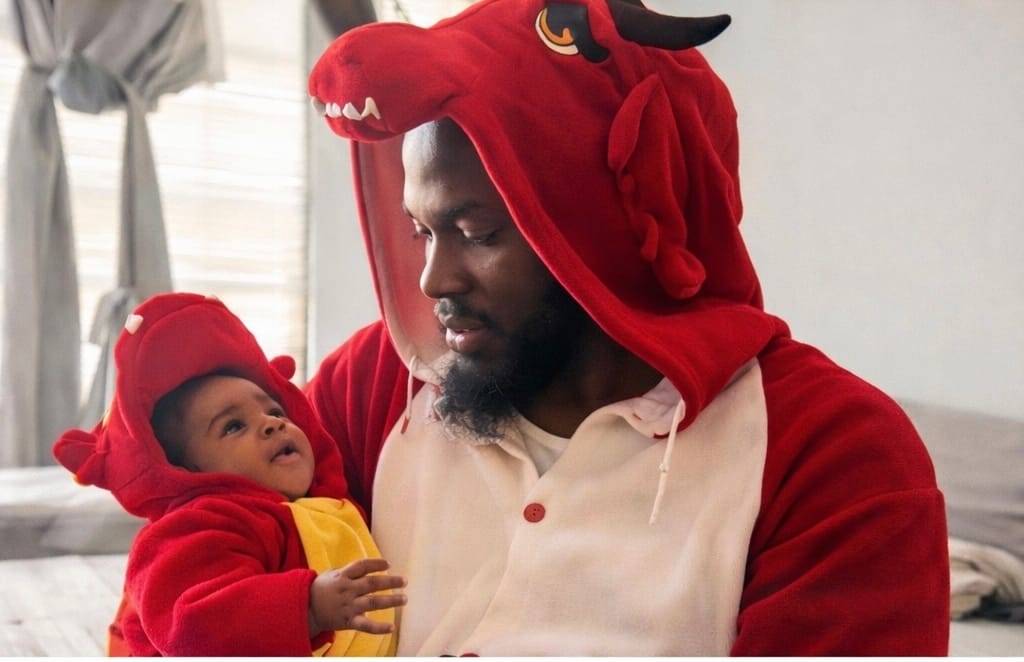
For 36-year-old father J’keem Weste Jr., the chance to watch his child grow up hinges on one urgent, life-changing act: a stranger coming forward to donate a kidney. Facing end-stage kidney failure that leaves a transplant as his only shot at long-term survival, Weste has launched a public appeal to find a compatible donor who meets a key requirement: holding a valid U.S. visa. Because the transplant procedure is scheduled to take place outside the United States, only donors with active U.S. visas can complete the full pre-surgery evaluation and medical process, per the appeal. Unlike many donation scenarios that leave participants covering out-of-pocket costs for travel, medical testing, and post-procedure care, organizers behind the appeal have confirmed every expense tied to the donation will be fully covered. This provision eliminates one of the most common financial barriers that stop willing potential donors from moving forward with the process. Interested individuals can start the confidential medical evaluation process through a dedicated online portal, and organizers stress that even those who are not able to donate themselves can help by sharing the appeal across social media and personal networks. Wider distribution dramatically increases the chance of reaching a compatible, willing donor who may not otherwise see the request. For people seeking more detailed information about the process, eligibility criteria, or Weste’s story, direct contact is available via both phone call and WhatsApp messaging through the published contact channels. Medical experts and donor advocates have long emphasized that kidney transplantation remains the only clinically viable, life-extending treatment for people living with severe end-stage kidney failure. As demand for donor kidneys continues to outpace supply globally, public outreach efforts like Weste’s rely on community participation to connect patients with the donors that can save their lives. Advocates add that living kidney donation carries a low long-term risk for healthy donors, and can mean the difference between life and death for recipients waiting for a matching organ.
-
Science-based health saves lives
Marking World Health Day on April 7, 2026, global and Cuban health leaders have centered discussions on the critical role of cross-sector scientific collaboration, aligning with the World Health Organization’s 2026 theme “Together for Science.” The annual observance spotlights the urgent need for broad societal support for science-driven innovation to strengthen healthcare systems worldwide, and Cuba used the occasion to showcase its expanding domestic health research ecosystem and outline ongoing collaborative progress with international health bodies.
Dr. Ileana Morales Suárez, Director of Science and Innovation at Cuba’s Ministry of Public Health, opened the commemoration by emphasizing a foundational truth: evidence-based healthcare is the single most effective framework for reducing preventable deaths and improving population outcomes. Echoing the WHO’s slogan, she noted that inclusive scientific partnership, rather than isolated research, holds the key to tackling the most pressing 21st-century health challenges.
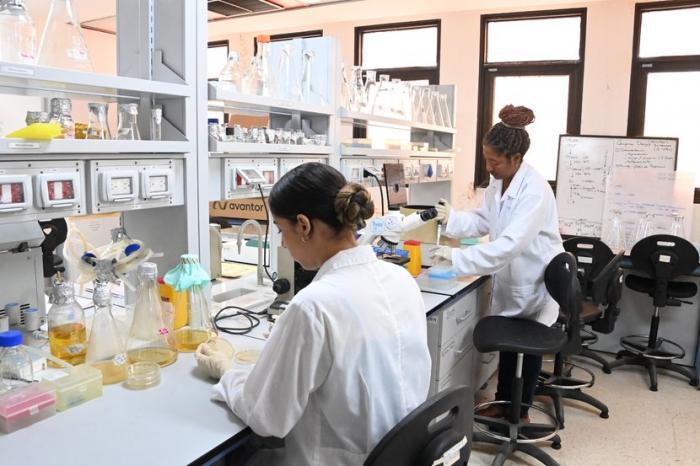
Morales Suárez shared detailed new data on Cuba’s growing health research sector, revealing that the country currently hosts 46 dedicated Science, Technology, and Innovation entities, more than 1,200 affiliated research institutions, and 2,334 active health-focused research projects. Of Cuba’s total national researcher workforce, 69% work within the health sector, amounting to 6,182 categorized professional researchers engaged in advancing public health outcomes across the island.
A core priority for Cuban health policy, she highlighted, is advancing the integrated One Health paradigm, a framework that ties the well-being of humans, animals, plants and entire planetary ecosystems into a single interconnected system. “The COVID-19 pandemic delivered an uncomfortable but unavoidable lesson: human, animal and environmental health cannot be separated,” Morales Suárez stated. “A threat to one is a shared threat to all.” In response to this reality, Cuba’s national government has made intersectoral collaboration a top policy priority, targeting key shared challenges including zoonotic disease spread, antimicrobial resistance, and cross-domain public health surveillance.
Looking ahead, Cuba reaffirmed its longstanding commitment to positioning scientific research as the cornerstone of all national health policies. The country is moving forward with increased public funding for health research and targeted initiatives to strengthen its domestic scientific ecosystem, with Morales Suárez emphasizing, “We will continue to invest in science for action, and build action that advances science.”
As part of the World Health Day commemoration, Dr. Mario Cruz Peñate, the Pan American Health Organization/World Health Organization Representative to Cuba, presented the results of the organization’s 2025 cooperation program on the island. One of the most impactful achievements highlighted was the national rollout of HPV vaccination for nine-year-old girls, supported by global vaccine alliance GAVI and PAHO. By the end of 2025, the program had administered 41,022 doses, reaching a national coverage rate of 76.6%.
Beyond routine immunization, the cooperation program enabled Cuba to acquire more than 9,300 kilograms of essential medicines and medical supplies, including life-saving vaccines and treatments for tuberculosis and hepatitis C. For the first time in the country’s history, the Central Emergency Response Fund’s Anticipatory Action Mechanism was activated last year in response to Hurricane Melissa, mobilizing $440,000 in emergency funding to protect core health services and prevent outbreaks of arboviruses in storm-impacted regions. The activation marked a major milestone in Cuba’s ability to leverage global emergency health frameworks to proactively protect vulnerable populations ahead of preventable public health crises.
-
Hurricane-ravaged Black River Hospital to have operating theatre back shortly
In the coastal town of Black River, St Elizabeth, Jamaica, recovery efforts following the devastation of Hurricane Melissa are progressing steadily, with a senior regional health authority leader projecting that major rehabilitation work at the storm-ravaged Black River Hospital will be nearly complete within two months.
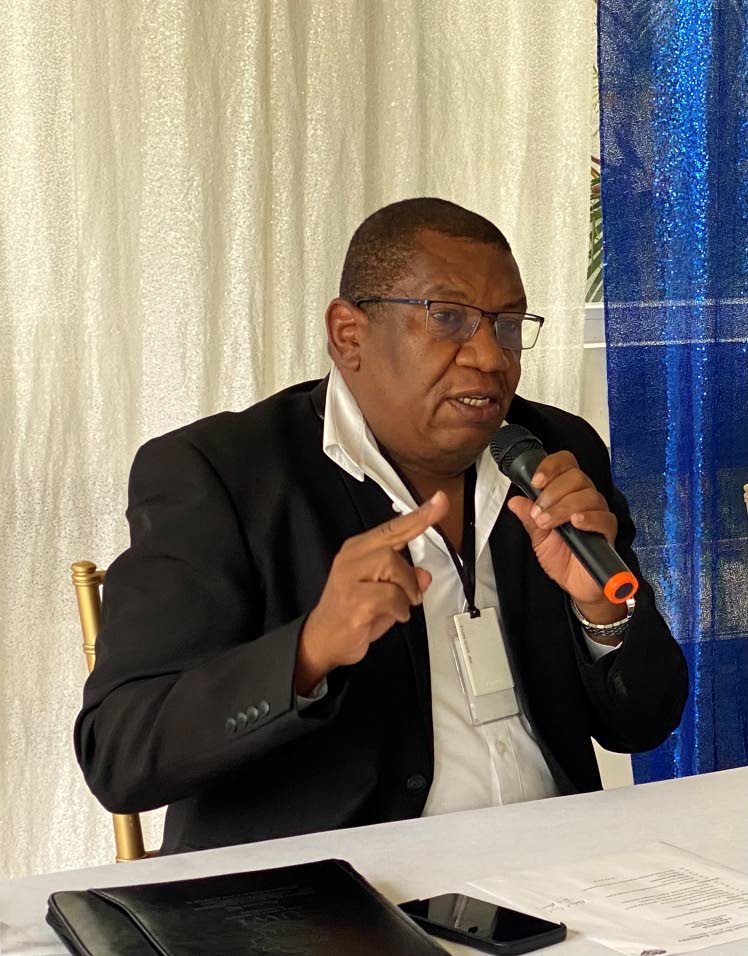
Michael Bent, Director of the Southern Regional Health Authority (SRHA), shared the update in an interview with Jamaica Observer last Thursday, outlining a phased timeline for restoring critical services at the facility that once served the region with 150 inpatient beds. When Hurricane Melissa hit, the storm surge between 8 and 14 feet destroyed much of the hospital’s infrastructure, forcing a dramatic reduction in operational capacity. Today, the facility runs on just a third of its original capacity: 35 beds are set up in a temporary field hospital, and an additional 15 beds have been created by converting part of the Emergency Department into an impromptu ward.
According to Bent, the restoration project includes targeted modifications to expand usable space beyond the pre-hurricane layout in some areas. Work crews are enclosing open-air corridors to create new, enclosed bed spaces, a change that will offset a small net reduction in total capacity once all repairs are finished. Bent confirmed that the hospital’s critical operating theatre, a core service for the local community, is expected to be fully operational again within 7 to 10 days, no later than mid-April. All inpatient wards are on track to be reopened and back in service by the end of May, bringing the hospital’s total capacity back up to roughly 135 beds.
While short-term repairs are moving forward on schedule, the long-term future of the hospital remains tied to a broader climate-resilient redevelopment plan for the entire town of Black River. Bent confirmed that local and national authorities have held initial consultations about permanently relocating the hospital to higher inland ground, as proposed by the national government, but no final decision has been reached, and the full relocation process will take years to complete.
Prime Minister Dr Andrew Holness first laid out the government’s ambitious long-term vision for Black River during his contribution to the 2026/27 Budget Debate last month. He detailed how Hurricane Melissa’s powerful storm surge devastated the town’s historic waterfront, destroyed multiple civic buildings, and left critical public infrastructure severely damaged. In response, the government is not planning to simply rebuild the town as it stood before the storm. Instead, the Urban Development Corporation, in partnership with international development stakeholders, is developing a comprehensive climate-resilient redevelopment plan that separates coastal uses from essential public infrastructure that needs to be protected from future storm surges and long-term sea level rise.
Under the plan, a new planned urban core will be built on elevated inland ground, well above projected flood and sea level rise thresholds. All of Black River’s core public services, including the hospital, courthouse, municipal offices, police station, tax office, local school, public market, and transport hub, will be consolidated into a single, walkable, flood-safe precinct — a planned civic center the 300-year-old town has never had before. The new development will also include a public town square and civic park, and all new buildings will be engineered to withstand Category 5 hurricane winds, built on elevated platforms, and equipped with modernized drainage, utility corridors, and emergency backup systems to ensure resilience against future climate events.
-
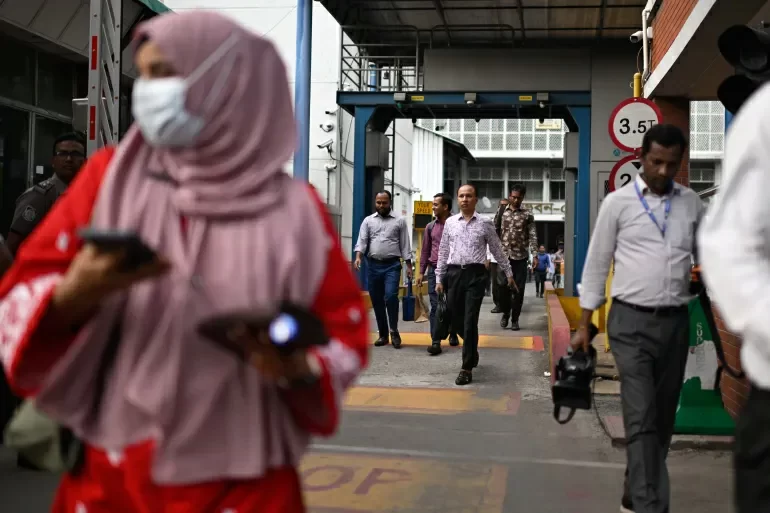
Bangladesh start noodvaccinatiecampagne na snelle verspreiding mazelen
One of the world’s most contagious viral diseases, measles spreads easily through respiratory droplets from coughing or sneezing, leaving unvaccinated young children particularly vulnerable to severe complications and death. On Sunday, Bangladesh kicked off a large-scale emergency vaccination campaign aimed at protecting more than one million children against the rapidly accelerating measles outbreak that has swept across the South Asian nation.
As of the latest update from Bangladesh’s Ministry of Health and Family Welfare, the outbreak has already been linked to 17 confirmed measles-related deaths, alongside another 111 suspected fatalities and more than 7,500 probable infection cases recorded across the country. The campaign, led by the national health ministry and backed by technical and logistical support from UNICEF, the World Health Organization (WHO), and Gavi the Vaccine Alliance, targets 18 high-risk districts that have borne the brunt of the spread.
Top priority is being given to children between the ages of six months and five years, with a specific focus on youngsters who missed out on routine childhood immunization doses – the group that faces the highest risk of life-threatening complications from the virus. Rana Flowers, UNICEF’s representative to Bangladesh, has voiced deep alarm over the sharp surge in new infections in recent weeks. “Thousands of children, especially the youngest and most vulnerable among the population, are in grave danger,” Flowers stated. “This ongoing outbreak lays bare the critical gaps in population immunity that remain across Bangladesh.”
In the hardest-hit regions, local hospitals are already struggling to accommodate the influx of new patients, facing widespread overcrowding and stretched care capacity – a crisis that has only exacerbated concerns about further unchecked spread of the virus. WHO officials confirmed that the outbreak has now reached 56 out of Bangladesh’s 64 administrative districts, and projections indicate case numbers will continue to climb in the coming days. Despite this grim outlook, global health partners emphasize the emergency vaccination campaign is expected to rapidly slow transmission and bring the outbreak under control.
Ahmed Jamsheed Mohamed, the WHO representative in Bangladesh, underscored the urgent importance of the targeted immunization effort. “This campaign will help us prevent additional tragic losses of young children,” Mohamed said. The emergency drive is being run in parallel with Bangladesh’s existing routine vaccination programs, as national public health authorities work around the clock to contain the outbreak and protect at-risk communities.
-

OP-ED: How did we get here? Let the children play
The Caribbean, long celebrated globally for its postcard-perfect coastlines and warm, inviting tropical climate, is grappling with a rapidly growing public health crisis that threatens the long-term well-being of its youngest populations. Data collected by the Caribbean Public Health Agency (CARPHA) in 2025 paints a stark picture: more than 50% of Caribbean adults and 33% of children currently live with overweight or obesity, with the condition affecting every age demographic across the region. If left unaddressed, this widespread public health issue puts the region’s future generations at elevated risk of lifelong chronic illness.
Under the United Nations Convention on the Rights of the Child, every child holds an inherent right to access the highest attainable standard of health, as well as age-appropriate opportunities for play and recreation. Yet in the Caribbean, these fundamental rights are regularly sidelined by overlapping pressures: intensifying academic demands on young students, rapid urbanization that reshapes daily routines, and the growing influence of global commercial food and beverage marketing. To reverse this damaging trend, public health advocates argue that a rethinking of primary and secondary education systems—especially the role of structured physical education (PE)—is critical to laying the foundation for lifelong healthy habits.
UNESCO’s International Charter of Physical Education, Physical Activity and Sport has long recognized that upholding children’s right to activity is a cornerstone of both quality education and lifelong population health. To implement effective reform, advocates emphasize the need to draw a clear distinction between traditional athletic coaching and formal school-based PE. While coaching focuses on preparing individual athletes or teams for competitive performance, PE is a universal, curriculum-based subject designed to build core movement skills, social competence, self-confidence, and sustained healthy habits for *all* students, regardless of athletic ability. Public health leaders argue that PE deserves status as a core academic subject, and Caribbean governments should leverage UNESCO’s global guidelines to update outdated national curricula. This distinction is key to unpacking the systemic, interconnected public health challenges facing Caribbean youth today.
Caribbean public health authorities outline three overlapping systemic drivers of the region’s childhood health crisis:
– **Chronic physical inactivity**: Fewer than one in three Caribbean teenagers meet the World Health Organization’s recommended 60 minutes of daily moderate-to-vigorous physical activity, creating an immediate public health risk that requires urgent intervention.
– **Unhealthy dietary shifts**: The rapid proliferation of ultra-processed food products, sugar-sweetened beverages, and meals high in unhealthy saturated fats across local food systems has drastically accelerated the development of obesity and related chronic conditions, demanding prompt policy action.
– **Lack of accessible public recreation infrastructure**: Most urban centers across the region lack safe, free-to-access public play spaces for children, limiting opportunities for unstructured activity and compounding existing health risks for low-income and marginalized communities.Across Caribbean school systems, institutional priorities have pushed PE to the margins, with academic subjects treated as inherently more valuable than physical development. This culture frames play and activity as secondary to test scores and college preparation, creating a systemic imbalance that threatens the holistic development of children. Advocates warn that both extreme academic pressure and passive, unstructured leisure time centered on screen use harm healthy childhood growth.
Decades of global public health research confirm that regular physical activity delivers wide-ranging benefits beyond physical health: it boosts cognitive function, improves mental health and mood, strengthens social skills, builds self-esteem, and increases resilience to stress. For this reason, PE and daily activity are irreplaceable components of a complete education, and a critical tool to prevent an entire generation from developing preventable chronic health conditions later in life.
To address the crisis, public health leaders from Healthy Caribbean Youth have outlined a five-point actionable policy framework tailored to the Caribbean context:
1. **Make PE a mandatory core subject in all schools**: Governments must invest in ongoing training for qualified PE teachers, fund updated equipment and safe facilities, set a legal requirement for a minimum number of weekly PE hours, and regularly monitor participation and health outcomes. Successful reform also requires buy-in from school leaders, parents, and local community partners to sustain long-term change.
2. **Break down inter-ministerial silos**: Ministries of health, education, and urban planning must coordinate proactively to integrate play and healthy habit formation into every child’s daily routine, rather than treating these goals as the sole responsibility of a single government department.
3. **Invest in community-centered safe play spaces**: Governments must prioritize the urgent development of free, accessible recreational infrastructure in all communities, with targeted investment in low-income urban neighborhoods that currently lack these resources. This can be achieved through reallocating public budget resources, pursuing global public health grants, and building cross-sector partnerships with local businesses and non-governmental organizations. Local community groups can also play a key role in long-term maintenance of these spaces.
4. **Restrict unhealthy food access in schools**: Governments must implement a full ban on the sale and marketing of ultra-processed food products in all school facilities, require schools to implement daily structured movement programs, and conduct regular compliance inspections with clear penalties for schools that fail to meet standards. Education authorities must provide immediate administrative support to help schools implement these new rules smoothly.
5. **Normalize daily activity beyond competitive sports**: The movement advocates for expanding access to all forms of play and physical activity for every child, not just elite athletes, to protect long-term population well-being.The urgency of this crisis cannot be overstated: continued delays and policy inaction will lead to irreversible public health outcomes that will impact every sector of Caribbean society, from healthcare costs to economic productivity, far beyond physical health alone.
Now is the time for collective action from communities, policymakers, educators, and families across the region. Advocates are calling for concrete, binding programs and policies that prioritize children’s health, play, and holistic development above competing political and institutional priorities. Two core measurable targets have been put forward to hold leaders accountable: cutting childhood obesity rates by 10% over the next decade, and guaranteeing that every primary and secondary school in the region provides a minimum of 120 minutes of structured physical activity per week for all students. Public tracking of these clear benchmarks and transparent sharing of progress will help build momentum for collective regional change. Every member of the public can raise their voice to demand that leaders, educators, and caregivers act without delay. The future of Caribbean children depends on immediate, decisive action—this is the moment to champion every child’s fundamental right to play and thrive.
This commentary was written by Offniel Lamont, a Sports Medicine Physiotherapist and Public Health Youth Advocate affiliated with Healthy Caribbean Youth (HCY), Jamaica Health Advocates – Youth Arm (JHAYA), and Fix My Food Jamaica (a UNICEF Jamaica initiative). The article includes a standard disclaimer noting that the author’s views and claims are his own and do not represent the official positions of Duravision Inc., Dominica News Online, or any of their subsidiary brands.
-
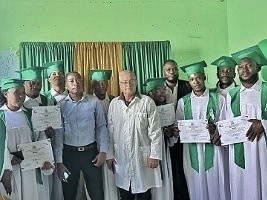
Nippes now has qualified staff and a medical entomology laboratory
A landmark advancement in Haitian public health infrastructure has been completed in the Nippes department, where local health authorities now boast both a fully trained team of medical entomology specialists and a purpose-built, functional medical entomology laboratory. The milestone comes as a direct outcome of longstanding bilateral health cooperation between Haiti and Cuba, with medical experts from the Cuban Medical Brigade in Haiti leading hands-on training for a cohort of emerging local healthcare professionals.
Over the course of several months, roughly 10 participating healthcare workers completed a rigorous program of technical and scientific instruction. The training equipped participants with core competencies across every key domain of medical entomology, from accurate species identification and laboratory analysis to the development and execution of targeted vector control strategies.
This capacity-building initiative aligns with the core public health vision laid out by Haiti’s Minister of Public Health, Dr. Sinal Bertrand, who has prioritized expanding access to high-quality, locally accessible healthcare services for all Haitian communities. The project was executed under the direct leadership of Dr. Esther Ceus Dumont, Departmental Health Director of Nippes, whose ongoing work has centered on strengthening the resilience and operational capacity of the department’s local health system.
Public health experts emphasize that the new local capacity addresses a long-unmet critical need in Nippes. Prior to this initiative, the department lacked on-site specialized personnel to proactively manage the threat of vector-borne diseases, which remain a persistent public health risk across much of Haiti. Today, the trained team based at Sainte-Thérèse Hospital is fully prepared to detect, respond to, and contain outbreaks of high-burden vector-borne illnesses including dengue fever, malaria, and chikungunya.
Beyond the certified professional workforce, the project’s most transformative tangible achievement is the newly established entomology laboratory housed within Sainte-Thérèse Hospital. The modern facility is purpose-built to support routine entomological analysis, ongoing regional disease surveillance, continuing professional education for local health staff, and rapid deployment of field intervention teams when vector-borne disease cases are detected.
With trained staff in place, lab infrastructure fully operational, and a dedicated new public health service ready to serve community members directly, Nippes has crossed a major threshold in its efforts to build a robust, responsive local health system. The project sets a model for bilateral cooperation to address unmet public health needs across other regions of Haiti.
-
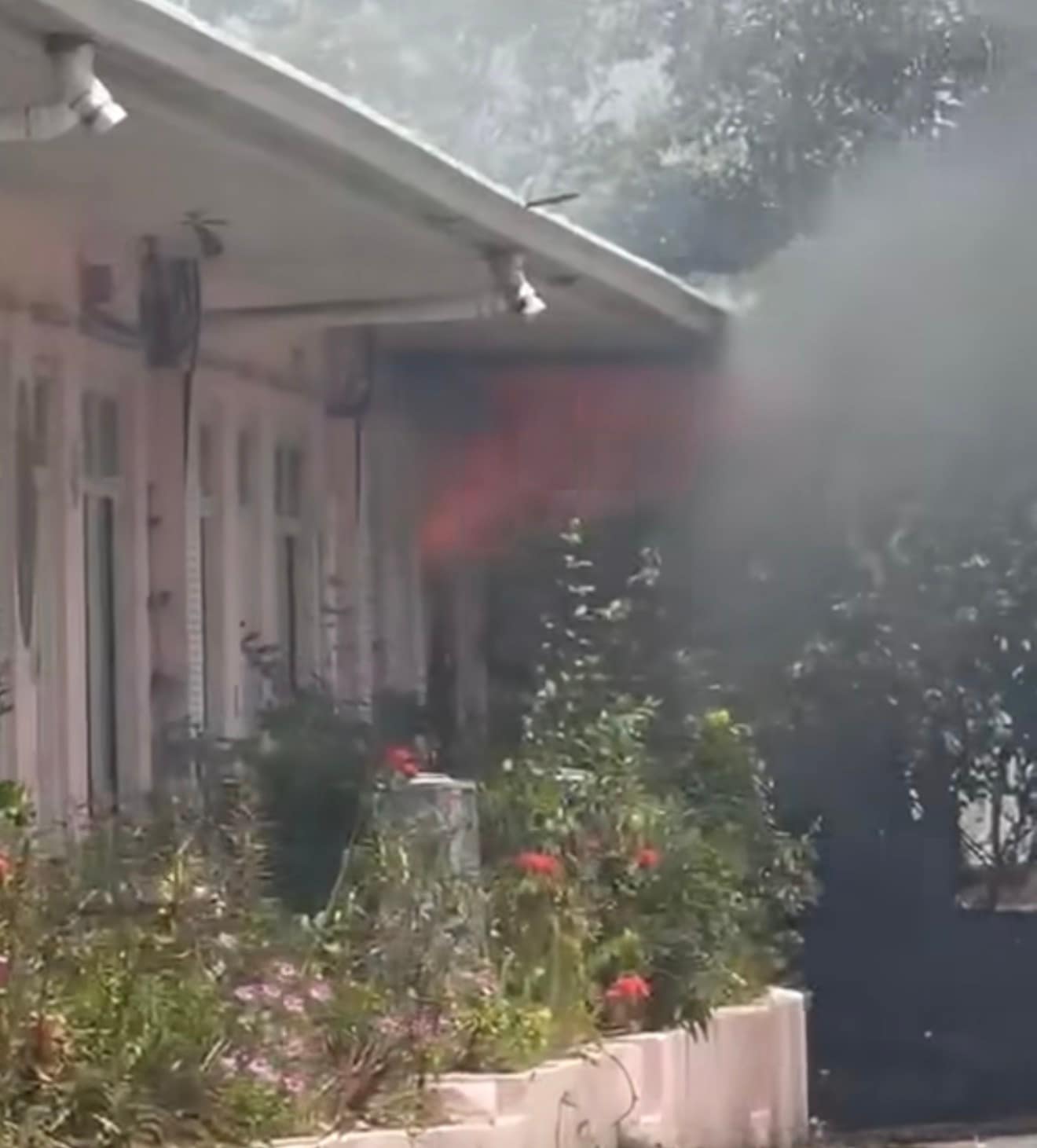
SLBMC Supports Dr. Sharon Cordner After Fire Forces Closure of Medical Practice
A damaging fire has brought operations at Antigua’s Gambles Medical Centre to a sudden halt, prompting a show of solidarity from the island’s leading public healthcare facility, Sir Lester Bird Medical Centre.
In an official public statement released this week, the tertiary hospital extended its full support to lead physician Dr. Sharon Cordner and her entire clinical and administrative staff, who are now navigating the chaotic aftermath of the unexpected blaze. The statement emphasized that the Sir Lester Bird Medical Centre leadership recognizes the critical, longstanding role that Cordner’s private community practice has played in expanding access to primary care for local residents, and stands ready to assist the team as they work to recover.
As crews work to survey the full scope of structural and equipment damage caused by the fire, Cordner’s office will remain temporarily closed to patients. Hospital officials added that stakeholders are still reviewing all damage data to map out next steps for the practice, including potential repairs, relocation, or resumption of services. Sir Lester Bird Medical Centre has committed to sharing new public updates with the community as soon as additional details about the incident and recovery process are confirmed.
-
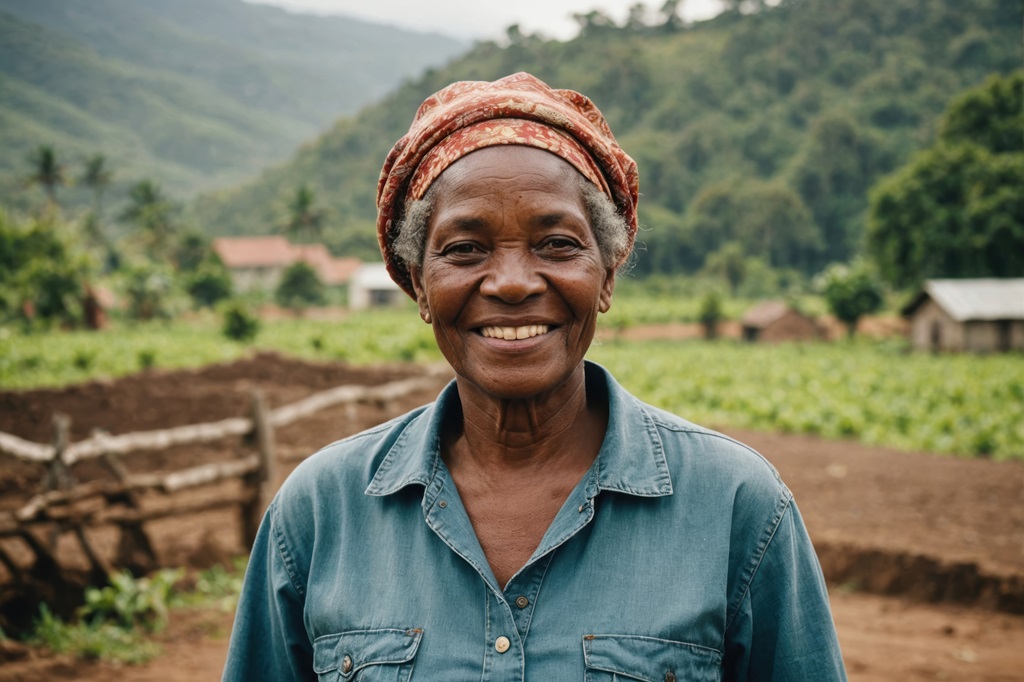
Filtered Feelings: The cost of comparing our lives
How has the concept of happiness shifted over generations? This question has grown increasingly pressing to examine as modern life reshapes what we prioritize and how we measure well-being. For generations of Jamaicans who grew up in rural areas between the 1960s and 1990s, happiness was rooted in simplicity. While daily life presented significant economic challenges, it was rich in shared experience: children gathered to play outdoors after dark, walked to school in groups, swam in local rivers, and split whatever small resources they had with neighbors. Whole communities looked out for one another, fostering an unspoken, deep sense of belonging that permeated daily life. Even people with very few material possessions rarely felt poor; their wealth lay in social connection, collective community, and grounded perspective on what matters most.
Recently, I spoke with dozens of elderly Jamaicans, several of whom have lived more than a century, and found striking consistency in how they describe lasting happiness. Nearly all framed well-being around three core pillars: showing care for others, letting go of grudges easily, and nurturing a gentle, generous heart. Most remain active in local churches and community groups, contributing in quiet but meaningful ways that bind their neighborhoods together. Their lives make one truth clear: happiness has never been a purely material pursuit.
Today, our collective definitions of happiness have grown broader, but also far more complicated. Many people now tie well-being to visible markers of success: the neighborhood we live in, the car we drive, the prestige of our career. Others frame it around family, personal freedom, or hitting individual career and life goals, with financial stability, access to healthcare, and the ability to travel all shaping how we experience contentment. But one new, powerful force has reshaped modern understandings of happiness: social media.
The 2026 World Happiness Report highlights a worrying global trend: falling well-being among young people, especially in high-income developed countries. One key contributing factor is the amount of time young people spend online, constantly consuming others’ curated content and comparing their own lives to unrealistic highlights. This shift has pushed us to measure happiness by external metrics—likes, shares, picture-perfect moments—rather than how we actually feel internally. In many communities, deep connectedness has been quietly replaced by constant comparison; the shift is subtle, but its impact on collective mental health is impossible to ignore.
Even amid this global shift, Jamaica offers a critical lesson on what lasting happiness actually looks like. In the 2026 World Happiness Report, Jamaica ranks 49th overall in global well-being—but ranks first in the world for the frequency with which its people help strangers. That single statistic says volumes about the national character that sustains well-being across generations. Despite widespread economic and social challenges, Jamaican culture is defined by deep resilience: the ethos of “one love,” enduring community ties, and shared faith shape how people experience daily life. While many Jamaicans do not have abundant material resources, they consistently find joy in connection and purpose.
Perhaps the core of happiness has not changed as much as we think—what has changed is how we pursue it. Too many of us now look outward for validation, when the things that actually sustain contentment have been close to us all along: strong relationships, a clear sense of purpose, good health, and service to the people around us. Every person faces hardship in life; that is an unavoidable part of the human experience. But holding onto resentment, chronic stress, and regret does not serve us—it erodes both our mental peace and our physical health. Letting go of these burdens is never easy, but it is essential to long-term well-being.
In my role as Jamaica’s Minister of Health and Wellness, I see every day how deeply interconnected our mental and physical health truly are. The ways we think, relate to others, and structure our daily lives all shape our overall well-being. Happiness is not some abstract, distant goal we have to earn—it is something we actively build through the small choices we make every single day.
The fundamental pillars of happiness have not changed: treat others with kindness, practice compassion for yourself and those around you, give back to your community whenever you can, prioritize your physical and mental health, and strive for balance in all areas of life. Happiness does not require great wealth, and it can never be measured by outward appearances alone. It requires awareness of what matters, intentional choices to prioritize connection over comparison, and a willingness to focus on the things that bring lasting meaning.
In a world that constantly pulls our attention outward, to other people’s highlight reels and external markers of success, the most important step we can take is to turn inward. Because in the end, happiness is not something we scroll past on a screen—it is something we live, every single day. This article was written by Dr. Chris Tufton, CD, MP, Jamaica’s Minister of Health and Wellness.
-
Alcohol poisoning in children: the NHS reports 52 cases treated in hospitals
Over the recent Christmas and New Year holiday period, 52 minors across the Dominican Republic received emergency hospital care for alcohol poisoning, according to official data released by the country’s National Health Service (SNS). In line with mandatory protocols for protecting minors’ rights, the SNS has formally submitted a full list containing the names and specific details of all treated underage patients to both the Attorney General’s Office and the Ministry of Public Health.
Dr. Yocasta Lara, director of SNS Hospital Centers, broke down the details of the case in a public statement, confirming that the national count of affected minors stands at 52. Beyond the formal reporting to national authorities, Dr. Lara noted that frontline medical teams at all public health facilities are required to immediately alert local prosecutor’s offices whenever a minor is treated for alcohol poisoning, to enable swift investigations and targeted protective action.
Lara emphasized that the situation is deeply alarming, given that it exposes children and adolescents to immediate and long-term threats to their physical health and personal well-being. “Alcohol poisoning among minors is 100 percent preventable,” she stated. “As a collective society, we must step up adult oversight and guarantee safe, secure spaces for our young people, particularly during holiday family gatherings where alcohol is often readily available.”
The SNS has reaffirmed its ongoing commitment to strengthening public health network surveillance systems, accelerating mandatory case reporting, and expanding comprehensive care for affected minors. Lara also issued a public call to all parents, caregivers, and legal guardians to practice responsible alcohol storage and supervision, to block underage access to alcoholic beverages.
Closing her statement, Lara reiterated that early-age alcohol consumption can cause severe, sometimes permanent health damage. She stressed that collective co-responsibility between families and communities, paired with consistent prevention efforts, are the foundational pillars needed to safeguard the health of all Dominican children and adolescents.