分类: health

  • Health Ministry Says Hantavirus Risk in Antigua and Barbuda Remains Low After Cruise Ship Deaths

    Health Ministry Says Hantavirus Risk in Antigua and Barbuda Remains Low After Cruise Ship Deaths

    A hantavirus outbreak tied to a Central Atlantic cruise ship has left three people dead, but health authorities in Antigua and Barbuda have moved to reassure the public that the threat of widespread local transmission remains minimal.

    As of the latest update from regional health bodies, eight cases are connected to the ongoing incident: three have been laboratory-confirmed as hantavirus infections, five are classified as suspected cases, and three people have died from the disease.

    In response to the outbreak, the Antigua and Barbuda Ministry of Health has ramped up public health surveillance across the country, with a focused emphasis on ports of entry and the entire cruise tourism sector. Local officials are coordinating closely with both regional and international public health agencies to track the evolving situation closely and respond quickly to any changes.

    Health experts have clarified key facts about hantavirus transmission to ease public concern. The virus is most commonly spread to humans when they come into contact with infected rodents or their excreta, such as droppings and urine. Notably, the strains of hantavirus that circulate in the Americas are typically associated with wild field rodents, not the common urban rat populations that are widespread across the Caribbean. Human-to-human transmission of the virus is also extremely rare, further lowering the risk of a local outbreak.

    To prevent any potential introduction of the virus to Antigua and Barbuda, the Ministry of Health is rolling out additional precautionary protocols for all cruise vessels and other incoming ships calling at the country’s ports. The Antigua and Barbuda Port Authority has received full, up-to-date briefings on the situation and is working alongside health officials to enforce new safety measures.

    Local residents have been issued clear guidance to reduce their personal risk: authorities are urging the public to maintain consistent, proper sanitation practices and proactive rodent control measures. Key recommendations include storing all household and commercial garbage in secure, sealed containers, keeping residential and public spaces clean and free of food debris that can attract rodents, and avoiding any direct contact with rodent droppings or urine.

    Officials have committed to sharing new public updates promptly should any significant developments related to the outbreak occur, ensuring transparency and keeping the public informed.

  • 150 appointments to strengthen health institutions in Nippes, Haiti

    150 appointments to strengthen health institutions in Nippes, Haiti

    After years of chronic understaffing and administrative stagnation, the public health system of Haiti’s Nippes department has achieved a long-awaited turning point: between April and early May 2026, more than 150 formal appointment letters have been distributed to a wide range of healthcare and support staff across regional health facilities. This large-scale personnel regularization operation, carried out under the leadership of Prime Minister Alix Didier Fils-Aimé in alignment with the Ministry of Public Health’s strategic vision, addresses staffing gaps that have undermined local healthcare delivery for nearly a decade.

    Notably, this is the first mass appointment initiative for the Nippes health sector since 2017. For years, regional health institutions were forced to operate with underpaid contract workers, unpaid volunteers, and temporary staff funded by external development partners. As many donor-funded projects wrapped up, thousands of committed healthcare workers were left without formal job security, consistent salaries, or administrative recognition, despite their continuous service to local communities. This new initiative resolves long-pending applications, with some beneficiaries having waited 10, 15, or even more than 20 years for formal appointment to their roles.

    The first round of appointments covers workers across nearly every role in the public health system: attending physicians, registered nurses, laboratory technicians, administrative personnel, logistics and maintenance staff, security guards, and health system managers. Additional applications remain under review at the national level, with a second round of appointment distribution already underway. More healthcare professionals are expected to receive their formal confirmation in the coming weeks.

    The staffing boost has already delivered tangible improvements across multiple facilities. Sainte-Thérèse Hospital in Miragoâne, one of the largest regional care centers, has resolved dozens of pending staffing cases, allowing new professionals to fill long-vacant posts across clinical and administrative departments. Facilities across the department, including sites in Asile, Arnaud, Carrefour-Honoré, Grand-Boucan, Plaisance, and Anse-à-Veau, have also seen their rosters reinforced through the initiative.

    Haitian authorities designed the program to deliver sustainable, long-term strengthening of the country’s fragmented public health system. By formalizing worker appointments and creating a more stable, well-managed healthcare workforce, the government aims to expand equitable access to care and raise the overall quality of health services for residents of Nippes. The initiative is part of a broader national effort to shore up public health institutions across Haiti, with similar mass appointment campaigns already launched in the country’s West department.

  • Project to get kids active launches at St Lucy Primary

    Project to get kids active launches at St Lucy Primary

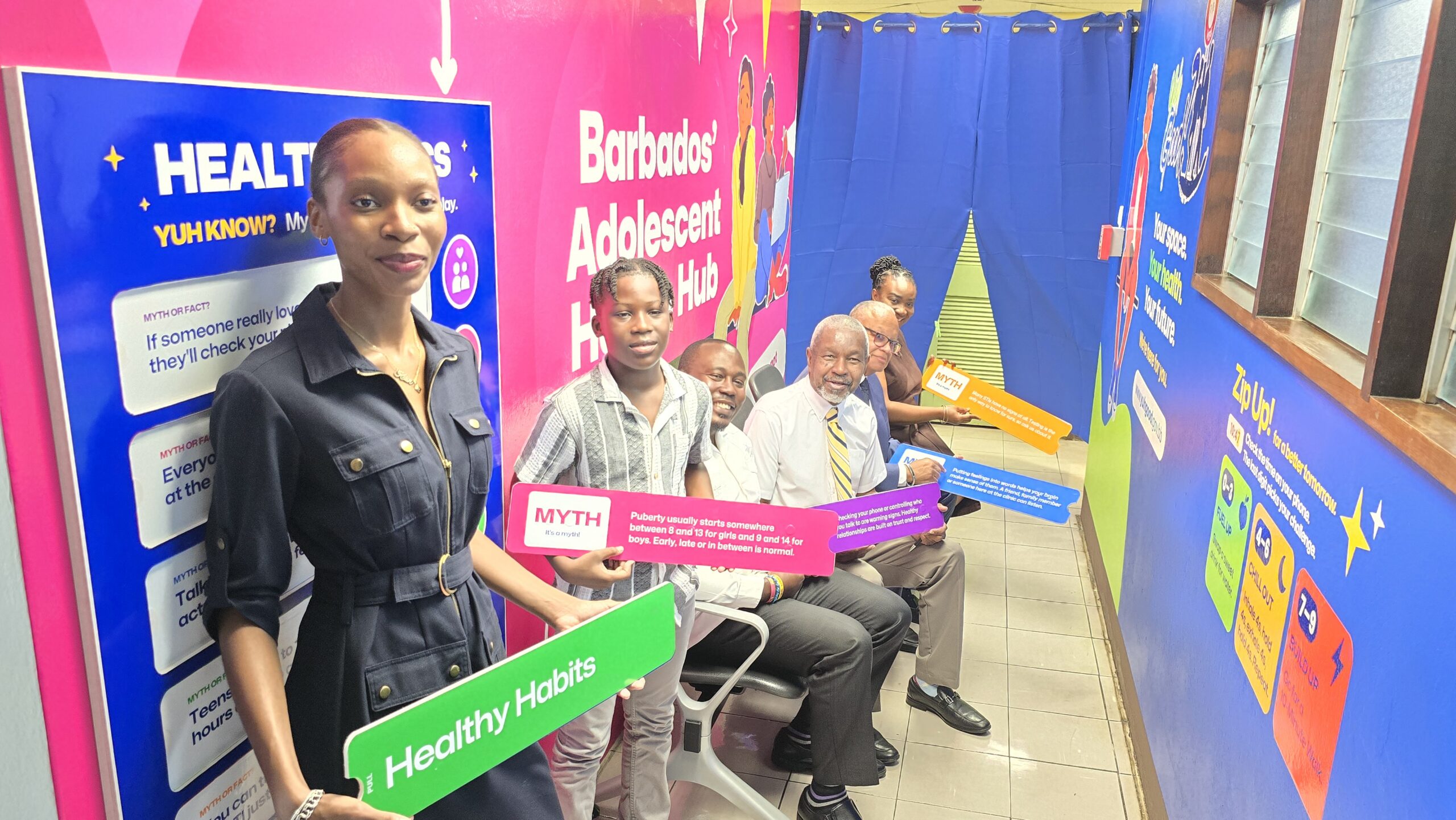
    A groundbreaking national public health initiative targeting rising childhood sedentary behavior kicked off this Friday in northern Barbados, with St Lucy Primary School earning the distinction of being the first participating institution to benefit from the new program, dubbed Project ACTIVE.

    Organized through a collaborative partnership between three leading Barbadian health organizations—the Barbados Physical Therapy Association (BPTA), the Heart and Stroke Foundation, and the Childhood Obesity Prevention Coalition—the launch day treated the school’s youngest students to a full afternoon of structured, playful physical activity designed to make moving feel like fun rather than a chore.

    In an interview with Barbados TODAY, lead project coordinator and practicing physiotherapist Marita Marshall outlined the core mission that drives the initiative: to embed sustainable, healthy lifestyle habits in children from an early age, while reframing physical exercise as an engaging, enjoyable activity rather than a requirement. Unlike many public health programs that focus exclusively on nutrition, Project ACTIVE is built to complement existing school wellness policies already in place across the island, adding a critical physical activity component that brings together students, parents and educators to prioritize whole-child wellness.

    As childhood sedentary behavior—driven in large part by growing screen time and recreational phone use—has become an increasing public health concern across Barbados, Marshall emphasized that early intervention is key to turning the tide on rising childhood inactivity rates and associated long-term health risks. “Our slogan is healthy habits, happy kids,” Marshall explained. “We really want to get away from children sitting on their phones playing all day, getting them to understand that exercise and physical activity can be fun. It is good for you. It is healthy, and it also supports the existing school nutrition policy that promotes healthy eating in schools.”

    Following the successful launch at St Lucy Primary, the project team will roll out in-person activations at two additional primary schools over the coming weeks. The next stop is scheduled for Irvine Wilson School on June 5, with a third activation planned for Blackman Gollop Primary School on June 25. Beyond in-school events, organizers are preparing to launch an islandwide online competition to expand participation beyond the education system, encouraging Barbadians of all ages to increase their daily physical activity. Marshall noted that the goal of the public-facing competition is to drive widespread engagement across the entire country, not just among school-aged children.

    Project organizers have encouraged members of the public to follow the BPTA’s official social media channels to receive real-time updates on the upcoming online competition, as well as announcements about future project activations across the island. Both teaching staff from St Lucy Primary and the core Project ACTIVE team joined students for the launch day activities, with young learners from Reception, Infants A and Infants B classes taking part in friendly, active challenges to kick off the national initiative.

  • Hantavirus Cases Rising in Argentina, Experts Point to Climate Change

    Hantavirus Cases Rising in Argentina, Experts Point to Climate Change

    As of the 2026 monitoring season, Argentina is facing an unprecedented jump in hantavirus infections and fatalities that has sparked public health concern across South America and beyond. National health authorities have confirmed 101 cases and 32 deaths so far this year, figures that are nearly double the total recorded across all of 2025. This marks the highest case count the country has seen since the 2018 outbreak, according to CNN reporting.

    Beyond local transmission, public health agencies are investigating a small cluster of infections linked to the cruise ship MV Hondius, which has been sailing through the ports of Argentina, Chile, and Uruguay. Two Dutch tourists who embarked on the vessel after traveling through multiple South American nations later died from hantavirus complications. The cruise ship is currently en route to the Canary Islands, Spain, with international health authorities coordinating response measures ahead of its arrival this weekend.
    Leading epidemiologists and environmental health experts point to climate change and widespread environmental degradation as key driving factors behind the expanding spread of hantavirus. The virus, which is primarily carried by wild rodents, typically spreads to humans through direct contact with infected rodent urine, feces, or contaminated materials. Experts explain that shifting climate patterns including rising average temperatures, extreme rainfall events, prolonged droughts, and more frequent severe forest fires are altering natural rodent habitats, forcing the animals to move into populated areas and increasing the frequency of close encounters between rodents and humans.
    Most of the 2026 confirmed cases have been concentrated in central Argentina, particularly across Buenos Aires province, where public health teams have ramped up surveillance and public education campaigns. To clear widespread public confusion, experts have emphasized that the current hantavirus outbreak is fundamentally different from the COVID-19 pandemic. The Andes hantavirus strain connected to the MV Hondius cluster is only capable of human-to-human transmission through extremely close, prolonged contact, making large-scale community transmission extremely unlikely.

    The World Health Organization has issued a public reassurance for residents of the Canary Islands, noting that the overall public health risk posed by the arriving cruise ship remains very low. Further afield, Belize’s Ministry of Health and Wellness confirmed this week that it is actively monitoring the outbreak situation, maintaining close communication with the Caribbean Public Health Agency (CARPHA) and other global and regional health partners. For the Caribbean region as a whole, the current risk of widespread hantavirus transmission remains low, according to official statements.
    In its official statement released Wednesday, CARPHA noted that it will continue supporting safe travel and tourism across the Caribbean through strengthened disease surveillance and early response systems, working closely with member nations to mitigate any emerging public health risks.

  • Hantavirus ship evacuees begin returning home

    Hantavirus ship evacuees begin returning home

    GRANADILLA DE ABONA, Spain — A coordinated, multi-country repatriation operation launched Sunday to bring home nearly 150 passengers and crew members from the MV Hondius, a Dutch-flagged cruise ship impacted by a deadly hantavirus outbreak that has triggered international concern, after the vessel anchored off Spain’s Canary Islands.

    Three people on the ship have already lost their lives to the rare disease: a Dutch couple and a German national, with multiple other passengers testing positive for the virus, which is most commonly carried and spread by wild rodents. Unlike many common infectious diseases, hantavirus has no approved vaccine and no targeted treatment. The outbreak traces its origin to Argentina, where the ship began its trans-Atlantic voyage back in April, a region where the pathogen is endemic.

    Despite growing global attention to the incident, public health leaders have emphasized that the overall risk to global populations remains low, pushing back against unfounded comparisons to the far more transmissible Covid-19 pandemic.

    Spanish Health Minister Monica Garcia confirmed that repatriation efforts would extend through Monday, when the final chartered flight is scheduled to carry the last group of evacuees to Australia. On-the-ground reporting from Agence France-Presse correspondents documented the tightly controlled process: passengers clad in disposable blue medical protective suits disembarked the large cruise vessel via small transfer boats, which brought them to the Granadilla industrial port on the island of Tenerife. From the port, evacuees traveled in a sealed convoy of Spanish military buses to Tenerife South Airport, with impermeable protective barriers installed to separate passengers from the bus driver.

    Before boarding their repatriation flights, all evacuees switched to new sets of personal protective equipment. The first flight carried 14 Spanish citizens to Madrid, where they will complete a required quarantine period at a military hospital. Speaking to AFP shortly before his departure, French evacuee Roland Seitre reported that the process had proceeded smoothly, noting that “everything is going well” and that all personnel involved in the disembarkation had been exceptionally helpful.

    Virginia Barcones, head of Spain’s civil protection agency, told public broadcaster RTVE that a second flight bound for the Netherlands carried 27 evacuees of multiple nationalities, including citizens of Belgium, Greece, Germany, Guatemala, and Argentina. Additional chartered flights were arranged Sunday for passengers from Turkey, the United Kingdom, Ireland, and the United States.

    The operation is on a tight deadline: Canary Islands officials warned that all evacuations must be completed by Monday, when forecasted adverse weather conditions will force the empty vessel to leave its anchorage. Barcones confirmed that if the operation stays on schedule, the empty MV Hondius will set sail for the Netherlands at 7 p.m. local time Monday.

    Regional authorities had initially refused to allow the ship to dock at a Canary Islands port, only granting permission for it to anchor offshore. However, Garcia confirmed that all remaining passengers are asymptomatic and passed a final rigorous medical screening before disembarkation began. Spanish officials have also stressed that at no point during the transfer and airport processing will evacuees come into contact with the local Tenerife population.

    AFP reporters on site observed extensive security and infection control measures: white medical screening tents were erected along the port quay, and uniformed police, some in full protective medical gear, sealed off the section of the port being used for the operation. On Sunday, Spanish Prime Minister Pedro Sanchez defended the country’s response, saying “Spain is doing what it must do, with technical and scientific rigour and full transparency, with institutional loyalty and with international cooperation.”

    International concern rose after it was confirmed that the variant of hantavirus detected on the ship is Andes virus, the only strain capable of human-to-human transmission. The World Health Organization (WHO) released an update Friday confirming that six cases have been confirmed out of eight initial suspected cases, with no remaining suspected cases on the vessel.

    The MV Hondius reached its anchorage off Tenerife early Sunday after traveling from Cape Verde, where three already infected passengers were evacuated to Europe earlier this week. The vessel departed Ushuaia, Argentina on April 1 on a planned trans-Atlantic cruise bound for Cape Verde. The WHO’s current assessment is that the first infection occurred before the expedition departed, with subsequent secondary transmission between people onboard the ship.

    That assessment has been disputed by Argentine provincial health official Juan Petrina, who argued that based on the virus’s multi-week incubation period and other key factors, there is an “almost zero chance” that the Dutch man identified as the initial index case contracted the virus in Ushuaia. Currently, health agencies across more than a dozen countries are conducting contact tracing for passengers who disembarked the cruise before the outbreak was identified, monitoring anyone who may have had close contact with infected individuals.

  • Hantavirus Outbreak Triggers US Quarantine Response

    Hantavirus Outbreak Triggers US Quarantine Response

    A deadly hantavirus outbreak aboard the cruise vessel MV Hondius has left three people dead and prompted an urgent international public health response, with more than 100 remaining passengers stranded on the ship as containment efforts ramp up. Global health agencies first activated emergency response protocols immediately after the initial case of the virus was confirmed, marking one of the first major hantavirus incidents linked to a commercial cruise ship in recent years.

    As of the latest update, all U.S. citizens on the MV Hondius are set to be transferred to a specialized quarantine facility in Nebraska, the only federally funded unit of its kind in the United States. The cruise ship is currently on track to dock in the Canary Islands this coming Sunday, and the U.S. Centers for Disease Control and Prevention (CDC) has confirmed it is deploying a team of public health specialists to meet the vessel upon arrival to coordinate the transfer process.

    The National Quarantine Unit, located in Nebraska and operated jointly by Nebraska Medicine and the University of Nebraska Medical Center, is purpose-built to manage outbreaks of highly dangerous communicable diseases. The facility features 20 private single-occupancy rooms, each equipped with standalone negative air pressure systems that prevent airborne pathogens from spreading outside isolation areas, a critical design feature for containing respiratory and aerosol-spread viruses.

    In a public statement, the University of Nebraska confirmed that its response teams are fully staffed and prepared to accept passengers if needed, noting that existing protocols are in place to deliver safe care to affected individuals while protecting medical staff and the surrounding local community. Beyond the incoming passengers set for quarantine, public health departments across multiple U.S. states have already launched active monitoring programs for passengers who disembarked the MV Hondius earlier and have returned to their home communities, to catch any potential new cases early before further spread can occur.

    The Nebraska facility has a proven track record of handling high-stakes outbreak response: it treated patients during the 2014 West African Ebola crisis, and accepted evacuated passengers from the COVID-19-stricken Diamond Princess cruise ship during the early days of the coronavirus pandemic in 2020.

    International public health partners are also mobilizing to monitor the situation. Belize’s Ministry of Health and Wellness confirmed this week that it is tracking the outbreak closely and maintaining ongoing communication with the Caribbean Public Health Agency (CARPHA) as well as other regional and global health partners. The agency noted that for the moment, the risk of widespread hantavirus transmission remains low across the Caribbean region.

    In a statement released Wednesday, CARPHA said it will continue supporting the Caribbean’s tourism sector by strengthening regional surveillance systems to detect and contain emerging outbreaks quickly, to keep both local residents and international visitors safe. Hantavirus, which is most commonly transmitted to humans from rodent excreta, can cause severe respiratory illness and has a mortality rate of roughly 38% for the most common pathogenic strain found in North America, making rapid containment a top priority for global health officials.

  • CARPHA says hantavirus risk low in Caribbean

    CARPHA says hantavirus risk low in Caribbean

    A fatal hantavirus outbreak on a cruise ship sailing through the Central Atlantic has triggered regional public health warnings, though top Caribbean health officials stress the overall infection risk for the area remains low.

    As of the May 8 update, nine suspected cases have been documented on board the MV Hondius, resulting in three deaths. Five of those cases have been definitively confirmed as hantavirus, specifically the Andes strain – an uncommon variant that can spread between humans through close, extended close contact, a trait not shared by many other hantavirus types.

    Hantaviruses are naturally hosted by rodent populations, with most human infections occurring when people come into contact with rodent urine, fecal matter, or saliva that carries the virus. The outbreak was formally reported to the World Health Organization via the United Kingdom’s International Health Regulations focal point, which then triggered coordination with regional Caribbean health bodies.

    Dr. Lisa Indar, Executive Director of the Caribbean Public Health Agency (CARPHA), reiterated that the current threat of widespread hantavirus transmission across the Caribbean is minimal. Indar explained that in the Americas, hantaviruses are predominantly spread by wild field rodents, rather than common urban rat populations that are more frequently found in populated Caribbean coastal and port areas, where transmission to humans is far less likely.

    Even with the low current risk, CARPHA is emphasizing the need for ongoing readiness, given the Caribbean’s position as the world’s busiest cruise tourism hub. The region welcomes roughly 44% of all global cruise ship traffic, with projected passenger arrivals set to hit 16.3 million by 2025, making continuous port and vessel surveillance a critical public health priority. The agency is urging all member states to review and reinforce existing vessel monitoring protocols and public health response plans, especially at major entry ports.

    To support these efforts, CARPHA says it will continue to back safe tourism operations across the region through its established regional surveillance infrastructure. Two key systems in this network are the Tourism and Health Information System (THiS) and the Caribbean Vessel Surveillance System (CVSS), both purpose-built to track and flag public health threats tied to tourism and maritime travel.

    Preliminary performance data for the CVSS shows it has already delivered strong results: the system has successfully flagged suspected infection cases before ships dock at Caribbean ports, with over 96% of cruise ship public health alerts shared with relevant member states within a 24-hour window. That rapid sharing allows port officials to prepare appropriate responses before a vessel arrives, reducing the risk of spread on land.

    CARPHA confirmed it will maintain ongoing monitoring of the MV Hondius outbreak in close partnership with regional and global public health partners, and will issue new updates to member states and the public as new information becomes available.

  • Minister of Health Conducts Introductory Visit to Sir Lester Bird Medical Centre

    Minister of Health Conducts Introductory Visit to Sir Lester Bird Medical Centre

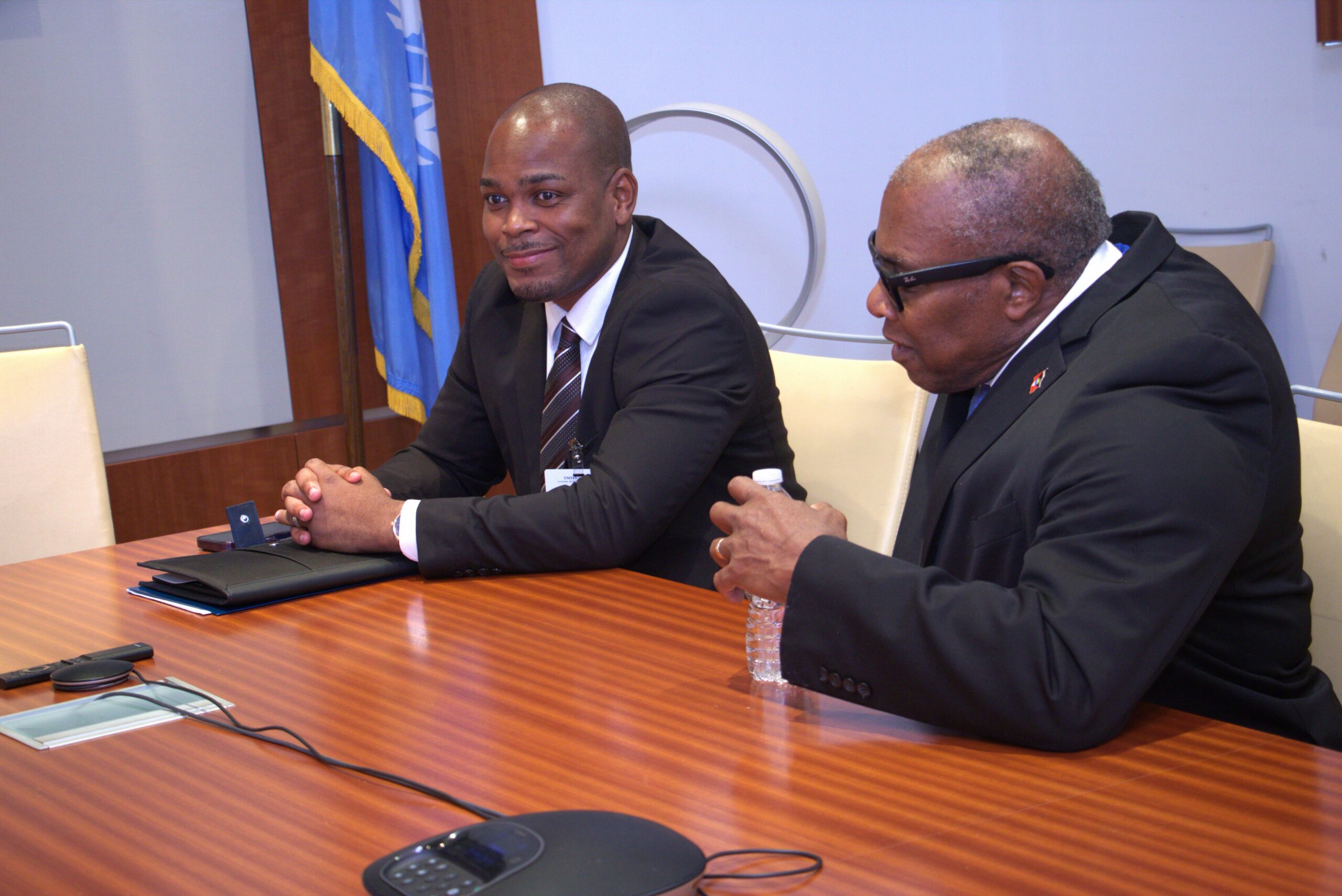
    Fresh off his official appointment and a debut cabinet gathering, newly minted Minister of Health, Wellness, Environment, and Civil Service Affairs Michael Joseph formally launched his tenure in Antigua and Barbuda this week, launching an immediate push to assess core gaps in the country’s top public healthcare facility. Following his formal appointment on May 5, 2026, and his first participation in the national Cabinet Meeting a day later on May 6, the minister opened his first full day in office with a closed-door strategic planning session alongside Stacey Gregg-Paige, the Permanent Secretary of the ministry. The conversation centered on mapping out urgent priorities for the country’s broader public healthcare network and core public health service delivery frameworks, setting the tone for his policy focus ahead.

    As his first on-the-ground official engagement, Minister Joseph traveled to the country’s flagship medical facility, the Sir Lester Bird Medical Centre, where he held in-depth discussions with hospital director Dr. Shivon Belle-Jarvis and the entire senior leadership team. The talks covered a wide range of pressing institutional needs: from ongoing operational bottlenecks that are slowing care delivery to planned infrastructure expansion projects, gaps in administrative support systems, persistent staffing shortages across departments, and actionable strategies to elevate the quality of care across every department of the facility.

    After the closed strategy meeting, the minister embarked on a walking tour of the hospital’s high-priority departments, with a specific focus on the busy Emergency Room and its central triage zone. During the tour, hospital leaders walked him through current patient flow protocols, the emergency response protocols activated during mass casualty or public health events, and the existing care coordination systems designed to support consistent, high-quality treatment for every patient.

    Minister Joseph also received a live demonstration of the digital software platform the facility has implemented to streamline patient intake and continuous monitoring. The integrated system enables clinical teams to digitally log patient arrival details, triage and document patient medical needs, track treatment progress in real time, coordinate ward placement for admitted patients, and streamline discharge processing to reduce wait times and administrative backlog.

    Throughout his tour, the minister made a point of stopping to talk with frontline healthcare workers and administrative support staff, taking time to hear their on-the-ground concerns and publicly commend their unwavering dedication to serving the residents of Antigua and Barbuda. Closing out his first day of duties, Minister Joseph stressed that cross-stakeholder collaboration, intentional adoption of innovative care tools, and efficient system design are all critical to delivering high-quality patient care for all citizens. He also reaffirmed the national government’s unwavering commitment to investing in and advancing the country’s leading primary healthcare institution to meet growing population needs.

  • Telemedicine: A Valuable Tool for Health and Life

    Telemedicine: A Valuable Tool for Health and Life

    Just 30 days after integrating into Cuba’s National Virtual Hospital network, the Pepe Portilla Pediatric Hospital in western Cuba’s Pinar del Río has already emerged as a testament to how digital healthcare innovation can overcome longstanding systemic and geographic barriers to high-quality medical treatment. What was once a standard institutional meeting room has been reimagined as a digital hub connecting local clinicians to top specialists across the island, outfitted with a simple setup of a webcam, large display screen, and internet-connected computer.

    This transformation is already changing outcomes for rare, complex pediatric cases that local providers rarely encounter in their practice. Dr. Jesús Lazo Cabrera, a clinician at the facility, recently leveraged the network to secure consensus for a six-month-old infant named Liam Valdés Morejón, who was born with congenital global emphysema — an extremely rare condition that affects just one in 20,000 to 30,000 births. With roughly 5,000 annual births across Pinar del Río, local clinicians may only see one case every five to six years, leaving them without frequent hands-on experience managing post-surgical complications. After Liam’s post-operative progress failed to match standard medical guidance, the team turned to the National Virtual Hospital for support.

    Through the platform, Lazo Cabrera and his team shared real-time imaging, full patient histories, and clinical notes with leading pediatric specialists at Havana’s prestigious Juan Manuel Márquez Pediatric Hospital and other leading Cuban institutions, replicating the experience of having out-of-province experts in the exam room. The collaboration allowed the local team to align their treatment approach with national best practices and adopt a customized new care plan that Liam is currently following, with a formal re-evaluation scheduled in four weeks. Today, six months after his birth, the infant continues to make steady positive progress — a concrete outcome that demonstrates the network’s life-changing impact.

    Dr. Mayte Cabrera Hernández, general director of Pepe Portilla Pediatric Hospital, explained that the National Virtual Hospital offers far more than just second-opinion consultations. The platform supports a full suite of telehealth services, including remote patient monitoring, remote diagnostic analysis, continuing medical education for local clinicians, and cross-institutional case consultations. For a country facing persistent fuel shortages that complicate long-distance patient transfers, the digital network addresses two critical challenges at once: it cuts unnecessary healthcare costs and eliminates the inherent medical risks of moving vulnerable pediatric patients hundreds of kilometers for specialist input. Even when transportation is available, Cabrera Hernández notes, avoiding travel reduces stress and risk for young patients and their families, while delivering the same standard of care available in Cuba’s capital.

    In its first full month connected to the network, Pepe Portilla has already completed three remote specialist consultations, with the case of Liam standing as the clearest example of the model’s potential. For seasoned clinicians like Lazo Cabrera, the network fills a longstanding gap in care: even clinicians with decades of experience can encounter unique cases that other centers have more experience managing, and the platform unifies care standards across the entire country. “This gives us security in our procedures,” Lazo Cabrera explained, “because we can confirm our approach matches what top teams across Cuba use, and we can give families confidence that their child is receiving the same treatment they would get anywhere in the country.”

    Pepe Portilla is not the only Pinar del Río facility participating in the program: the province’s Abel Santamaría Cuadrado General Teaching Hospital has also joined the national network, which aims to standardize care, share specialized medical knowledge, and close geographic gaps in access to care across Cuba, powered by digital health innovation. As Liam’s steady recovery shows, the initiative is already delivering on that promise, uniting clinicians across the island in a shared mission to protect patient health and save lives.

  • Dominica hosts regional African Swine Fever surveillance exercise

    Dominica hosts regional African Swine Fever surveillance exercise

    In a critical proactive step to safeguard the Caribbean’s pork industry and food security, Dominica’s Ministry of Agriculture, Fisheries, Blue and Green Economy has teamed up with two leading agricultural bodies—the Inter-American Institute for Cooperation on Agriculture (IICA) and the United States Department of Agriculture (USDA)—to host a two-day African Swine Fever (ASF) sampling pilot between May 6 and 7, 2026.

    Held at the Dominica China Agricultural Science Complex in Portsmouth, the pilot forms a core component of a broader regional program titled “Strengthening Surveillance and Response Capacity for African Swine Fever through Training and Sample Collection in the Caribbean Region”. Per an official press release outlining the initiative, the overarching goal is to lay the groundwork for robust ASF surveillance and response frameworks for both Dominica and the entire CARICOM trade bloc.

    ASF is a notoriously deadly, highly contagious viral pathogen that targets both domesticated and wild pig populations, with a near-100% mortality rate for infected animals. While public health officials have confirmed the virus cannot jump to humans, its economic and food system impacts are severe: it puts entire national pig farming sectors at risk, undermines regional food and nutrition security, erodes the livelihoods of small-scale and commercial pig farmers, and disrupts cross-border agricultural trade.

    Right now, regional authorities are on high alert. ASF outbreaks have already been officially confirmed in neighboring Dominican Republic and Haiti, and a combination of underregulated, porous borders, tightly interconnected regional economies, and limited veterinary infrastructure across many parts of the Caribbean leaves the entire CARICOM region facing a high risk of widespread transmission. Local and international stakeholders alike stress that early detection, enabled by standardized, proper sampling and accurate diagnostic testing, is the single most critical factor in preventing outbreaks, containing any spread that does occur, and eliminating the virus from affected areas entirely.

    The first day of the pilot, Wednesday May 6, was dedicated entirely to hands-on technical training, running from 9:30 AM to 4:00 PM at the Dominica China Agricultural Science Complex’s One Mile campus in Portsmouth. A diverse cross-sector cohort took part in the training, including licensed veterinary professionals, animal health technicians, public sector laboratory staff, national quarantine officers, independent pig farmers, and representatives from both public and private agricultural organizations across the island.

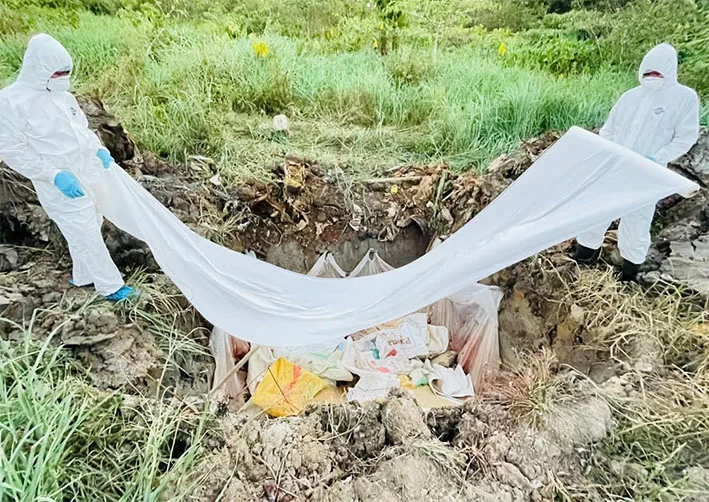
    Training modules covered a full range of core competencies needed for effective ASF response: from recognizing the key clinical signs of ASF infection in pigs, to step-by-step protocols for collecting diagnostic ear and blood swab samples, and safe handling practices for potentially contaminated materials. Trainees also received detailed instruction on field biosafety and biosecurity protocols, including hands-on guidance for the correct use of personal protective equipment (PPE) to prevent accidental spread during sampling activities.

    Supplementing the technical skills training, participants also held working discussions on standardized regional ASF surveillance and response protocols, as well as best practices for correct packaging, temperature-controlled storage, and compliant cross-border transportation of diagnostic samples to testing facilities.

    On the second day of the pilot, Thursday May 7, joint technical teams made up of staff from IICA, USDA, and Dominica’s national veterinary services traveled to targeted high-risk communities across the island. These priority locations included border zones close to other Caribbean nations and areas with particularly high concentrations of pig farming operations.

    During this field practicum, the joint teams collected ear and blood swab samples from pigs in the selected high-risk sites. All collected samples have been prepared for shipment to the USDA National Veterinary Services Laboratory based at Plum Island, where full diagnostic testing will be conducted to confirm the presence or absence of the ASF virus.